
Your Global Marketplace for Flowers, Plants, Hampers, Books & Birthday Gifts
Your Global Marketplace for Flowers, Plants, Hampers, Books & Birthday Gifts
India's floral heritage spans millennia — from sacred lotus offerings in ancient temples to marigold garlands at vibrant weddings, every bloom carries a story of faith, colour, and culture. With over 18,000 flowering plant species, India is one of the world's great botanical treasuries.
India’s floral heritage ranges from sacred blossoms linked with the national emblem and ancient traditions to colourful flowers widely sold in local markets across the country. Alongside these popular varieties are hardy, sun-loving flowering plants that thrive in Indian weather conditions, making them easy choices for home gardens, balconies, parks, and decorative landscapes everywhere.
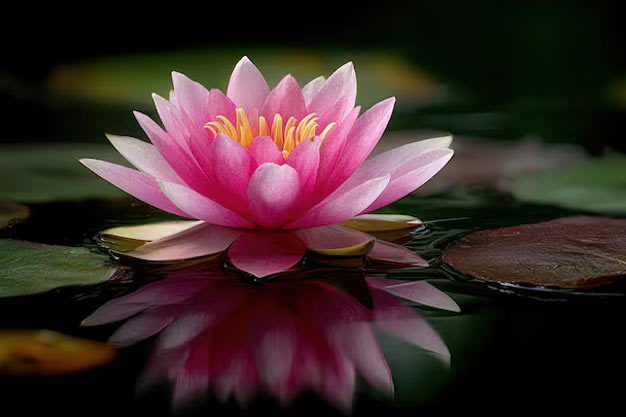
National Flower
Lotus is a sacred aquatic flower symbolizing purity and prosperity, widely used in temple décor, water gardens, ceremonies, landscaping, and premium gifting.
| Scientific Name | Nelumbo nucifera |
| Flower Color | Pink, White |
| Plant Height | 2 to 6 feet |
| Flower Size | 4 to 10 inches wide |
| Flowering Time | Summer to early autumn |
| Growing Time | 3 to 5 months |
| Growing Location | Ponds, water gardens and wetlands |
| Sunlight Requirement | Full sunlight (6 to 8 hours daily) |
| Temperature Requirement | Plant growing temperature 20°C to 35°C. Best flowering temperature is 24°C to 32°C |
| Care Tips | Grow lotus in wide containers filled with clay soil and submerged in clean water. Place in bright sunlight, fertilize monthly during growth, remove yellow leaves regularly, and maintain warm temperatures for healthy blooming and strong root development. |
| Quick Summary | Lotus is a sacred aquatic flower widely admired for its beauty, fragrance, and spiritual importance. Native to Asia, it grows gracefully in ponds and still water bodies. Its large petals and broad green leaves create a calming landscape effect. Lotus flowers symbolize purity, enlightenment, and prosperity in many cultures. The flower blooms during warm months and thrives under bright sunlight. Apart from ornamental value, lotus seeds and roots are used in food and traditional medicine. It is highly popular in temple decorations, floral arrangements, water gardens, and ceremonial gifting. It is basically used in Temple decoration, spiritual ceremonies, water landscaping, festive décor, and premium floral gifting. |
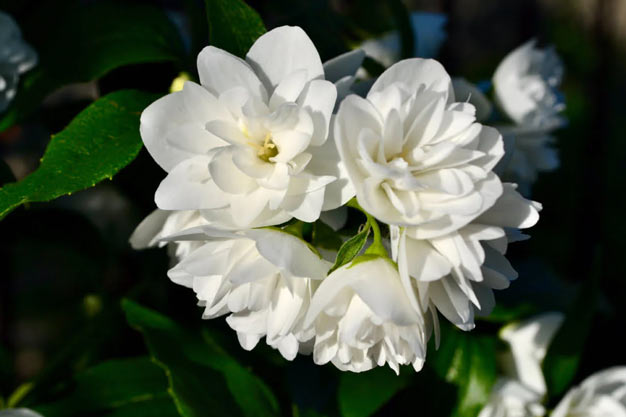
Top-Selling
Jasmine popularly called Mogra is a fragrant white flower loved for garlands, perfumes, bridal décor, temple offerings, floral jewelry, and elegant gifting purposes.
| Scientific Name | Jasminum sambac |
| Flower Color | White |
| Plant Height | 3 to 10 feet |
| Flower Size | 1 to 2 inches |
| Flowering Time | Spring to autumn |
| Growing Time | 6 to 8 months |
| Growing Location | Tropical gardens, pots and balconies |
| Sunlight Requirement | Full to partial sunlight |
| Temperature Requirement | Plant growing temperature 18°C to 35°C. Best flowering temperature is 22°C to 30°C |
| Care Tips | Provide well-drained fertile soil and regular watering without overwatering. Keep the plant in warm sunlight, prune lightly after flowering, apply balanced fertilizer monthly, and protect from frost or extreme cold for continuous fragrant blooms. |
| Quick Summary | Jasmine, popularly called Mogra or Gajra in India, is cherished for its sweet fragrance and elegant white blossoms. The flower is widely used in garlands, hair decorations, perfumes, and religious offerings. Jasmine plants bloom abundantly during warm seasons and attract pollinators like butterflies and bees. Its strong aroma creates a refreshing atmosphere in gardens and homes. The flowers are often woven into traditional bridal accessories and festive decorations. Jasmine is also valued in essential oil production and herbal remedies. Its timeless fragrance makes it one of the most loved flowers for gifting. It is basically used in Perfume industry, garlands, bridal hair decoration, temple offerings, floral jewelry, and fragrance gifting. |
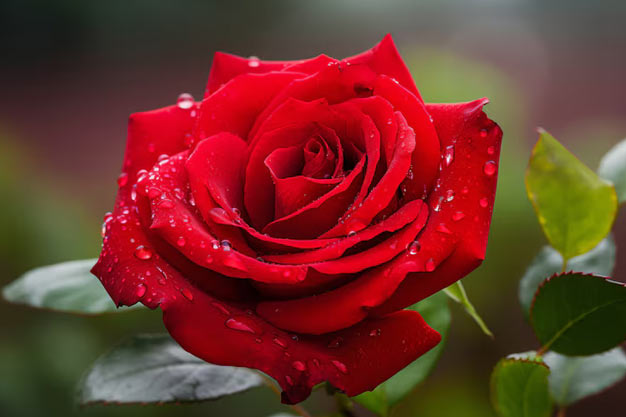
Top-Selling
Rose popularly called Gulab is a timeless flower symbolizing love and beauty, widely used in bouquets, weddings, perfumes, rose water, décor, and romantic gifting.
| Scientific Name | Rosa spp. |
| Flower Color | Red, Pink, Yellow, White, Orange, Purple |
| Plant Height | 2 to 8 feet |
| Flower Size | 2 to 5 inches |
| Flowering Time | Spring to winter |
| Growing Time | 2 to 4 months |
| Growing Location | Gardens, greenhouses and containers |
| Sunlight Requirement | Full sunlight |
| Temperature Requirement | Plant growing temperature 15°C to 28°C. Best flowering temperature is 18°C to 26°C |
| Care Tips | Plant roses in nutrient-rich, well-drained soil with sufficient airflow. Water deeply at the base, prune regularly, remove faded blooms, and provide balanced fertilizer every month to encourage healthy foliage, disease resistance, and abundant colorful flowering. |
| Quick Summary | Rose, commonly known as Gulab, is among the world’s most popular ornamental flowers. Renowned for its velvety petals and captivating fragrance, the rose symbolizes love, beauty, friendship, and celebration. Available in countless colors and varieties, roses are widely cultivated for gardens, perfumes, cosmetics, and floral arrangements. The flowers bloom repeatedly under proper care and sunlight. Roses are also used in making rose water, essential oils, and desserts. Their universal appeal makes them a preferred choice for weddings, anniversaries, birthdays, and romantic occasions. Fresh-cut roses remain a dominant product in the global flower trade. It is basically used in Bouquets, romantic gifting, weddings, perfumes, rose water production, and decorative floral arrangements. |
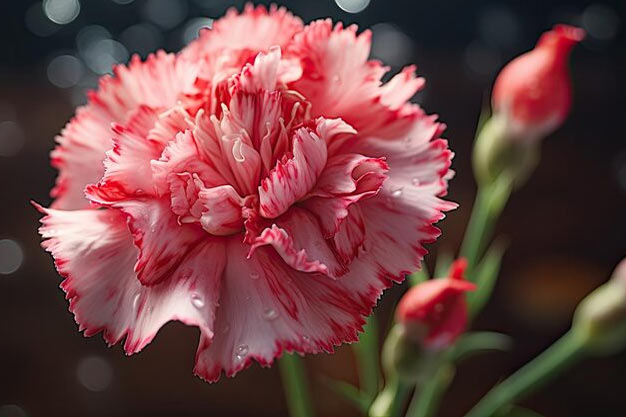
Top-Selling
Carnation is a long-lasting ornamental flower with ruffled petals, admired for bouquets, decorations, floral gifts, and export due to its beauty and fragrance.
| Scientific Name | Dianthus caryophyllus |
| Flower Color | Pink, Red, White, Yellow, Purple |
| Plant Height | 1 to 3 feet |
| Flower Size | 2 to 4 inches |
| Flowering Time | Spring to summer |
| Growing Time | 4 to 6 months |
| Growing Location | Greenhouses, flower beds, pots |
| Sunlight Requirement | Full sunlight |
| Temperature Requirement | Plant growing temperature 10°C to 24°C. Best flowering temperature is 15°C to 22°C |
| Care Tips | Use loose, well-drained soil and avoid excessive watering. Place plants under bright sunlight, pinch young shoots for bushier growth, remove faded blooms quickly, and feed with balanced fertilizer to maintain healthy stems and prolonged flowering. |
| Quick Summary | Carnation is a classic ornamental flower recognized for its ruffled petals and long vase life. Native to the Mediterranean region, carnations are cultivated extensively for the floral industry. The flowers are available in many attractive shades and symbolize admiration, affection, and gratitude. Carnations are highly durable, making them suitable for bouquets, centerpieces, and decorative arrangements. Their spicy fragrance and elegant appearance enhance both formal and festive occasions. Florists value carnations because they remain fresh for extended periods after cutting. These flowers are commonly used in weddings, celebrations, and international flower export businesses. It is basically used in Bouquets, flower export, event decoration, sympathy arrangements, and premium floral gifting. |
Easiest to Grow
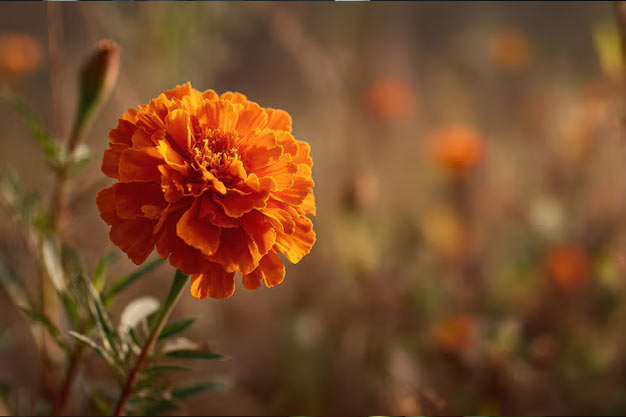
Marigold is a bright, long-lasting flower popular for garlands, festivals, weddings, temple offerings, landscaping, and natural pest control in gardens.
| Scientific Name | Tagetes erecta |
| Flower Color | Yellow, Orange, Golden |
| Plant Height | 1 to 4 feet |
| Flower Size | 2 to 5 inches |
| Flowering Time | Winter to Summer |
| Growing Time | 2 to 3 months |
| Growing Location | Gardens, farms, borders, pots |
| Sunlight Requirement | Full sunlight |
| Temperature Requirement | Plant growing temperature 18°C to 32°C. Best flowering temperature is 20°C to 30°C |
| Care Tips | Sow marigolds in sunny locations with fertile, well-drained soil. Water moderately, remove faded blooms regularly, and apply organic compost occasionally. Proper airflow and regular pruning help maintain healthy plants with continuous bright flowering throughout the growing season. |
| Quick Summary | Marigold is a vibrant flowering plant widely grown for decorative, religious, and festive purposes. Its cheerful yellow and orange blooms symbolize positivity, prosperity, and celebration. Marigolds thrive easily in warm climates and bloom abundantly with minimal care. The flowers are extensively used in Indian festivals, weddings, temple garlands, and landscape borders. Their strong fragrance naturally repels pests, making them useful companion plants in gardens. Marigolds are affordable, long-lasting, and visually attractive, which increases their commercial importance. Their bright appearance and heavy flowering habit make them popular in floral decorations and seasonal gardening projects. It is basically used in Garlands, wedding decoration, temple offerings, landscaping, festive décor, and bulk floral trade. |
Easiest to Grow
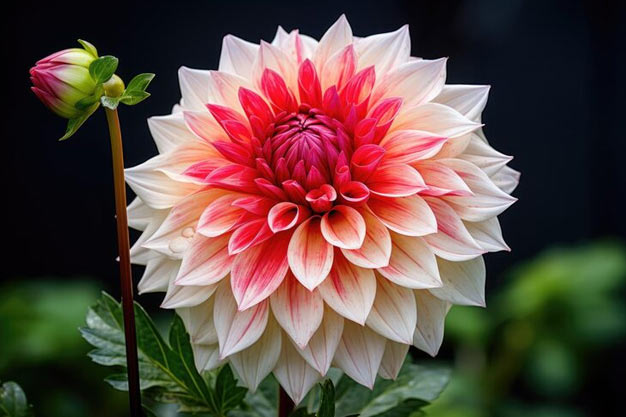
Dahlia is a colorful ornamental flower valued for bouquets, event decoration, landscaping, floral displays, and long-lasting cut flower use.
| Scientific Name | Dahlia pinnata |
| Flower Color | Red, Pink, Yellow, Purple, White, Orange |
| Plant Height | 1 to 6 feet |
| Flower Size | 2 to 12 inches |
| Flowering Time | Autumn to Mid-summer |
| Growing Time | 3 to 4 months |
| Growing Location | Gardens, flower beds, containers |
| Sunlight Requirement | Full sunlight |
| Temperature Requirement | Plant growing temperature 18°C to 30°C. Best flowering temperature is 20°C to 28°C |
| Care Tips | Plant dahlias in fertile, loose soil with good drainage. Water regularly without flooding, provide strong sunlight, support tall stems with stakes, and remove spent flowers promptly to encourage larger blooms and longer flowering duration. |
| Quick Summary | Dahlia is a spectacular flowering plant admired for its large, layered petals and wide color range. Originating from Mexico, it has become a favorite ornamental flower worldwide. Dahlias bloom generously during warm seasons and create a dramatic display in gardens and floral arrangements. The flowers are available in miniature to giant decorative forms. Their striking appearance makes them highly popular in flower exhibitions and landscape designs. Dahlias are also valued as long-lasting cut flowers for bouquets and event decoration. With proper care, the plants continue producing vibrant blooms throughout the flowering season. It is basically used in Cut flower trade, bouquets, event decoration, landscape gardening, and exhibition floral displays. |
Easiest to Grow
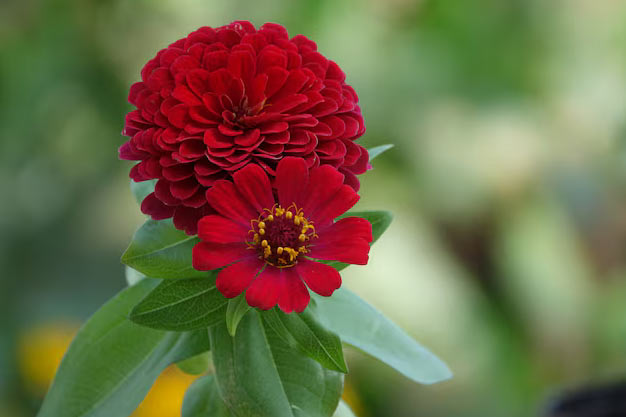
Zinnia is a bright, easy-to-grow flower popular for bouquets, garden decoration, butterfly gardens, and long-lasting floral arrangements.
| Scientific Name | Zinnia elegans |
| Flower Color | Red, Pink, Orange, Purple, White, Yellow |
| Plant Height | 1 to 4 feet |
| Flower Size | 2 to 5 inches |
| Flowering Time | Autumn to Summer |
| Growing Time | 2 to 3 months |
| Growing Location | Flower beds, gardens, pots |
| Sunlight Requirement | Full sunlight |
| Temperature Requirement | Plant growing temperature 18°C to 32°C. Best flowering temperature is 22°C to 30°C |
| Care Tips | Plant zinnias in sunny locations with fertile soil and proper spacing. Water near the roots to avoid fungal infection, remove dried flowers regularly, and provide light fertilizer occasionally to encourage healthy branching and long-lasting colorful blooms. |
| Quick Summary | Zinnia is a colorful annual flowering plant admired for its bright blooms and easy maintenance. Native to Mexico, it grows rapidly and flowers continuously during warm weather. Zinnias attract butterflies, bees, and beneficial pollinators, making them ideal for eco-friendly gardens. Their flowers appear in numerous vibrant shades and decorative forms. Due to their excellent vase life, zinnias are widely used in bouquets and floral arrangements. The plant’s cheerful appearance enhances home gardens, landscapes, and seasonal displays. Its affordability, fast growth, and long flowering season make zinnia highly popular among gardeners and florists worldwide. It is basically used in Bouquets, seasonal floral arrangements, garden decoration, butterfly gardens, and ornamental flower sales. |
Easiest to Grow
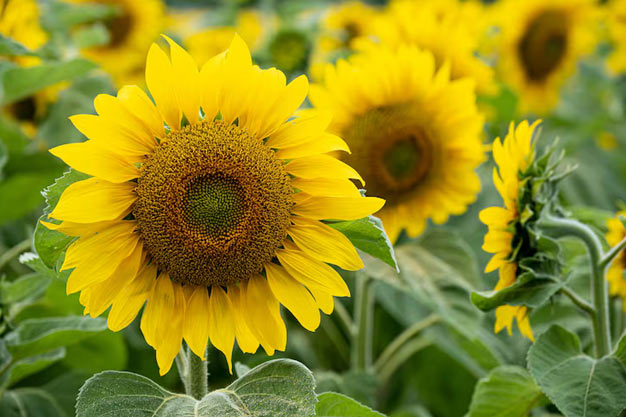
Sunflower is a cheerful flowering plant grown for bouquets, edible seeds, oil production, rustic décor, photography gardens, and ornamental beauty.
| Scientific Name | Helianthus annuus |
| Flower Color | Yellow, Golden, Orange |
| Plant Height | 3 to 12 feet |
| Flower Size | 4 to 14 inches |
| Flowering Time | Summer |
| Growing Time | 2 to 4 months |
| Growing Location | Farms, gardens and open fields |
| Sunlight Requirement | Full sunlight |
| Temperature Requirement | Plant growing temperature 18°C to 35°C. Best flowering temperature is 20°C to 30°C |
| Care Tips | Grow sunflowers in nutrient-rich soil with plenty of direct sunlight. Water deeply during early growth stages, support taller plants if necessary, and protect ripening seeds from birds to maintain healthy stems and large attractive blooms. |
| Quick Summary | Sunflower is a bright and cheerful flowering plant recognized for its large golden blooms that follow sunlight while growing. Native to North America, it is cultivated worldwide for ornamental beauty, edible seeds, and sunflower oil production. Sunflowers symbolize happiness, positivity, and loyalty. Their tall stems and striking flower heads create dramatic visual appeal in gardens and agricultural landscapes. The flowers attract bees and pollinators, supporting biodiversity naturally. Sunflowers are also widely used in bouquets, rustic décor, and photography gardens. Their uplifting appearance and economic value make them commercially important ornamental flowers worldwide. It is basically used in Bouquets, oil production, seed harvesting, rustic floral decoration, photography gardens, and cheerful gifting. |
Easiest to Grow
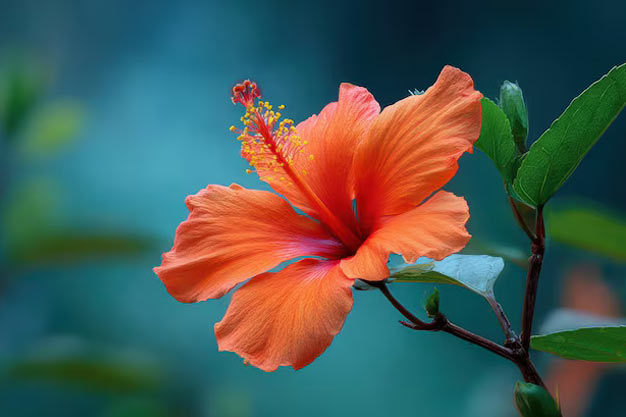
Hibiscus is a colorful tropical flower popular for ornamental gardening, hedges, herbal products, floral décor, and attractive potted plant gifting.
| Scientific Name | Hibiscus rosa-sinensis |
| Flower Color | Red, Pink, Yellow, Orange, White |
| Plant Height | 3 to 10 feet |
| Flower Size | 4 to 8 inches |
| Flowering Time | Throughout warm seasons |
| Growing Time | 4 to 6 months |
| Growing Location | Tropical gardens, hedges, pots |
| Sunlight Requirement | Full to partial sunlight |
| Temperature Requirement | Plant growing temperature 18°C to 35°C. Best flowering temperature is 22°C to 32°C |
| Care Tips | Provide hibiscus with rich, moist soil and sufficient sunlight. Water regularly, prune lightly to shape the plant, remove faded flowers promptly, and use potassium-rich fertilizer monthly for healthy leaves and continuous colorful tropical blooms throughout the year. |
| Quick Summary | Hibiscus is a tropical flowering plant admired for its large, colorful blooms and glossy foliage. The flowers bloom abundantly in warm climates and add vibrant beauty to gardens and landscapes. Hibiscus symbolizes beauty, hospitality, and positivity in many cultures. Besides ornamental use, its petals are used in herbal teas, hair oils, and traditional remedies. The plant grows well in containers, hedges, and home gardens with proper sunlight and watering. Hibiscus flowers attract butterflies and pollinators naturally. Its exotic appearance, long flowering season, and easy maintenance make hibiscus a popular ornamental and gifting plant worldwide. It is basically used in Ornamental gardening, hedge decoration, herbal products, potted plant gifting, and floral décor. |
Easiest to Grow
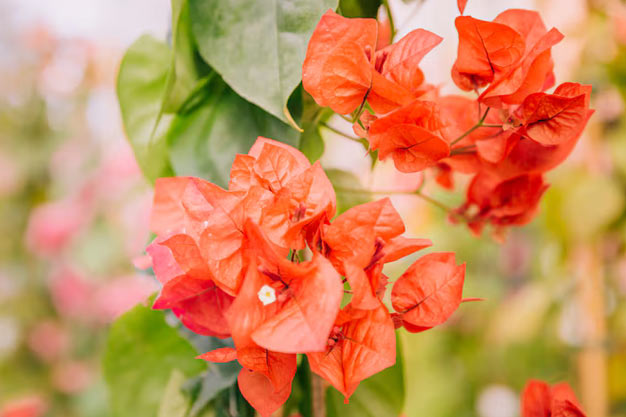
Bougainvillea is a colorful, drought-tolerant ornamental climber popular for landscaping, balcony decoration, gardens, parks, and potted plant gifting.
| Scientific Name | Bougainvillea glabra |
| Flower Color | Pink, Purple, Red, Orange, White |
| Plant Height | 3 to 30 feet |
| Flower Size | 1 to 3 inches bracts |
| Flowering Time | Year-round in tropical climates |
| Growing Time | 6 to 12 months |
| Growing Location | Walls, fences, gardens, balconies |
| Sunlight Requirement | Full sunlight |
| Temperature Requirement | Plant growing temperature 20°C to 38°C. Best flowering temperature is 24°C to 35°C |
| Care Tips | Plant bougainvillea in well-drained soil under strong sunlight. Water sparingly after establishment, prune regularly to encourage branching, avoid excessive fertilization, and provide climbing support structures to maintain dense and vibrant colorful flowering growth. |
| Quick Summary | Bougainvillea is a hardy ornamental flowering plant famous for its vibrant papery bracts and vigorous climbing habit. Native to South America, it thrives exceptionally well in sunny tropical and subtropical climates. Bougainvillea is commonly grown on fences, pergolas, arches, and walls to create colorful landscape displays. The plant blooms profusely with minimal maintenance and excellent drought tolerance. Its brilliant shades make outdoor spaces lively and visually attractive throughout the year. Bougainvillea is extensively used in public landscaping, home gardens, and balcony decoration. The plant’s long-lasting colorful display increases its commercial and ornamental popularity worldwide. It is basically used in Landscape decoration, ornamental gardening, balcony beautification, public parks, and potted plant gifting. |
Easiest to Grow
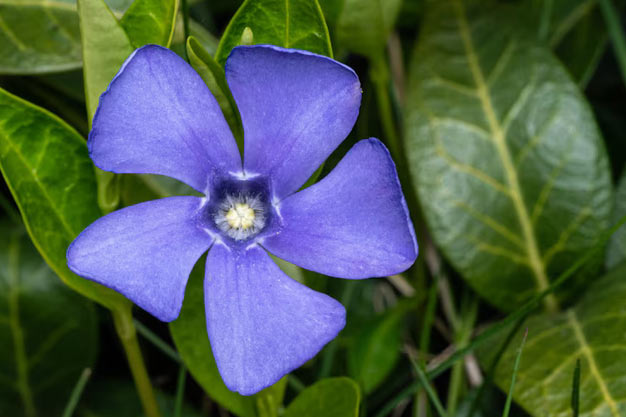
Periwinkle is a low-maintenance flowering plant valued for landscaping, decorative gardening, medicinal use, potted plant sales, and gifting.
| Scientific Name | Catharanthus roseus |
| Flower Color | Pink, White, Purple, Red |
| Plant Height | 1 to 3 feet |
| Flower Size | 1 to 2 inches |
| Flowering Time | Year-round in warm climates |
| Growing Time | 2 to 4 months |
| Growing Location | Gardens, pots, borders and pathways |
| Sunlight Requirement | Full to partial sunlight |
| Temperature Requirement | Plant growing temperature 20°C to 35°C. Best flowering temperature is 22°C to 32°C |
| Care Tips | Grow periwinkle in well-drained soil with moderate watering and sufficient sunlight. Remove dried flowers occasionally, apply organic compost monthly, and avoid excessive moisture to maintain healthy foliage and continuous blooming throughout warm weather conditions successfully. |
| Quick Summary | Periwinkle is a low-maintenance flowering plant appreciated for its continuous blooming habit and glossy green foliage. Native to Madagascar, it adapts well to tropical and subtropical climates. The flowers bloom abundantly throughout the year in bright shades, adding color to gardens, borders, and containers. Periwinkle is highly drought-tolerant and suitable for beginner gardeners. Besides ornamental value, the plant is known for medicinal importance in pharmaceutical research. Its compact growth and long flowering period make it ideal for landscaping and decorative gardening. Periwinkle remains popular for home gardens and affordable ornamental plant gifting. It is basically used in Border landscaping, potted plant sales, medicinal cultivation, decorative gardening, and budget-friendly gifting. |
Easiest to Grow
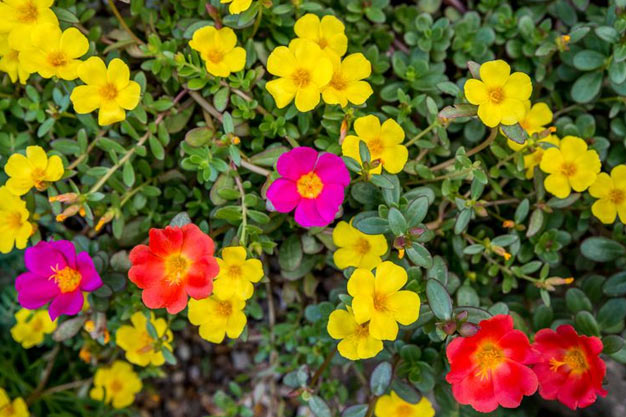
Moss Rose is a colorful, drought-tolerant flowering succulent popular for landscaping, balconies, hanging baskets, gifting, and ornamental displays.
| Scientific Name | Portulaca grandiflora |
| Flower Color | Pink, Yellow, Orange, Red, White, Purple, Mixed Shades |
| Plant Height | 4 to 8 inch |
| Flower Size | 1 to 2 inches wide |
| Flowering Time | Spring to Late Autumn |
| Growing Time | 6 to 8 weeks from seed |
| Growing Location | Garden beds, borders, rock gardens, balconies, pots, hanging baskets |
| Sunlight Requirement | Full sunlight for 6 to 8 hours daily |
| Temperature Requirement | Plant growing temperature 20°C to 35°C. Best flowering temperature is 22°C to 32°C |
| Care Tips | Moss Rose grows best in full sun and well-drained soil. Water moderately and avoid overwatering. Remove faded blooms regularly to encourage continuous flowering. It tolerates heat and drought well, making it ideal for low-maintenance gardens and containers. |
| Quick Summary | Moss Rose, scientifically known as Portulaca grandiflora, is a colorful flowering succulent admired for its vibrant blooms and drought-tolerant nature. The plant produces rose-like flowers in many bright shades, creating attractive ground coverage in gardens and containers. Its fleshy leaves help retain moisture, allowing it to thrive in hot and sunny climates. Moss Rose blooms abundantly from spring through autumn and requires minimal maintenance. Due to its cheerful appearance, long flowering season, and easy-growing habit, it is widely cultivated in home gardens, landscaping projects, balconies, hanging baskets, and decorative floral displays across warm regions worldwide. It is basically used in Decorative garden landscaping, Balcony and terrace beautification, Hanging basket arrangements, Outdoor event decorations, Resort and hotel landscaping, Return gifts in small potted containers, Festival and seasonal gifting, Nursery plant sales, Ground cover for commercial gardens, Colorful ornamental displays for homes and offices. |
India is home to one of the world's oldest systems of plant-based medicine — Ayurveda, practised for over 5,000 years. With more than 7,500 medicinal plant species documented, India's botanical wealth is extraordinary. From the sacred Tulsi growing in every courtyard to the Himalayan Ashwagandha, plants are inseparable from Indian daily life, health, and spiritual practice. Today, India is also the world's largest exporter of medicinal plants and herbal products.
Medicinal Plants
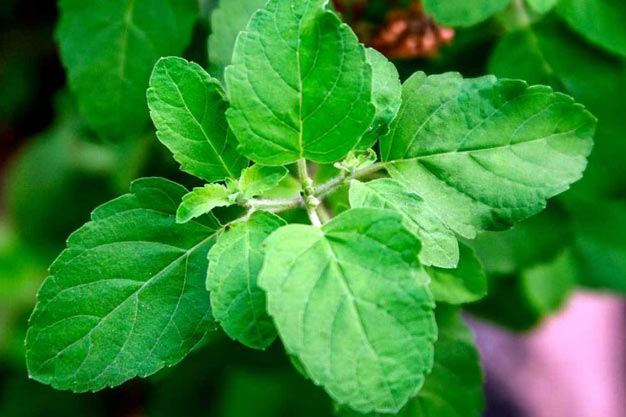
Holy Basil (Tulsi) is a sacred aromatic herb valued for wellness, ornamental use, temple gardens, balcony planting, and religious gifting.
| Scientific Name | Ocimum tenuiflorum |
| Plant Height | 1 to 3 feet |
| Growing Time | 2 to 3 months |
| Growing Location | Gardens, balconies, terraces, pots |
| Sunlight Requirement | Full sunlight to partial shade |
| Temperature Requirement | Plant growing temperature 20°C to 35°C |
| Care Tips | Tulsi grows best in warm sunlight with well-drained soil. Water moderately and avoid waterlogging. Regular pruning encourages bushy growth and healthy leaves. Protect the plant from frost and extreme cold for continuous development and long-lasting freshness. |
| Quick Summary | Holy Basil, commonly called Tulsi, is a sacred medicinal herb widely grown in Indian homes and gardens. Known for its aromatic leaves and spiritual significance, Tulsi thrives in warm climates with good sunlight. The plant is valued in traditional herbal practices and is commonly cultivated in pots, balconies, courtyards, and temple gardens. Its refreshing fragrance and attractive green foliage make it a popular ornamental and wellness plant. Tulsi requires minimal maintenance and grows quickly under suitable conditions. Due to its cultural importance and health-related popularity, it is widely sold commercially and gifted during religious occasions. |
| Common Uses | Holy Basil (Tulsi) is widely used in traditional medicine for boosting immunity, relieving coughs, colds, and sore throats, and reducing stress and anxiety. It has antibacterial, antiviral, and anti-inflammatory properties. Tulsi also helps control blood sugar, supports heart health, improves digestion, and promotes healthy skin and respiratory function. Also it is used in Religious gifting, Balcony decoration, Ayurvedic herb cultivation, Temple gardens, Wellness plant gifting, Indoor-outdoor ornamental use |
Medicinal Plants
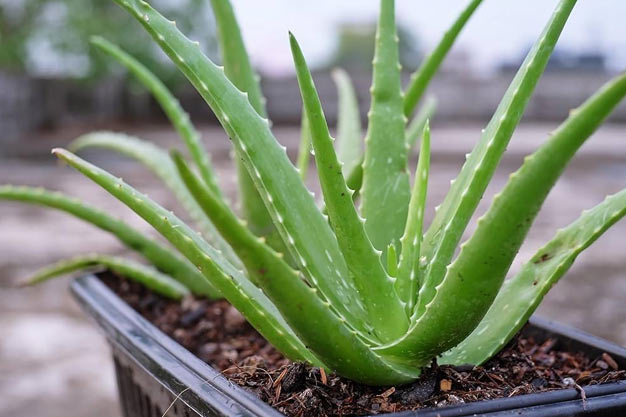
Aloe Vera is a low-maintenance succulent popular for indoor décor, balconies, dry gardens, wellness uses, and easy-care green gifting.
| Scientific Name | Aloe barbadensis miller |
| Plant Height | 1 to 2 feet |
| Growing Time | 6 to 8 months |
| Growing Location | Indoor pots, gardens, balconies |
| Sunlight Requirement | Bright indirect sunlight to full sun |
| Temperature Requirement | Plant growing temperature 18°C to 30°C |
| Care Tips | Aloe Vera prefers sandy, well-drained soil and moderate watering. Allow soil to dry between watering cycles to prevent root rot. Place the plant in bright sunlight and protect it from excessive rain or freezing winter temperatures outdoors. |
| Quick Summary | Aloe Vera is a popular succulent plant admired for its thick fleshy leaves and low-maintenance nature. It grows well in containers, balconies, indoor spaces, and dry gardens with adequate sunlight. The plant stores water in its leaves, making it highly drought tolerant and suitable for warm climates. Aloe Vera is widely cultivated for ornamental beauty and herbal value. Its neat appearance and compact growth make it a favorite indoor decorative plant. Due to increasing demand in wellness, cosmetic, and home gardening industries, Aloe Vera is extensively sold commercially and commonly gifted as an easy-care green plant. |
| Common Uses | Aloe Vera is valued for its healing and soothing properties. Its gel helps treat burns, cuts, sunburns, and skin irritation while moisturizing the skin. Aloe Vera also aids digestion, relieves constipation, and supports wound healing. Rich in antioxidants and vitamins, it may help boost immunity and promote healthy hair and scalp conditions. Also it is used in Indoor desk plant, Wellness gifting, Balcony decoration, Commercial succulent sales, Spa and salon décor, Eco-friendly plant gifting. |
Medicinal Plants
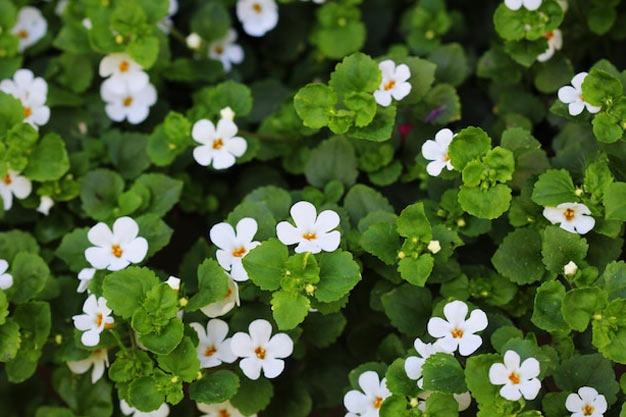
Brahmi is a fast-growing medicinal herb popular for herbal gardens, containers, wellness cultivation, greenery, and symbolic plant gifting.
| Scientific Name | Bacopa monnieri |
| Plant Height | 4 to 12 inch |
| Growing Time | 2 to 4 months |
| Growing Location | Moist gardens, pots, herbal beds |
| Sunlight Requirement | Partial sunlight to full sun |
| Temperature Requirement | Plant growing temperature 20°C to 35°C |
| Care Tips | Brahmi grows well in moist soil with regular watering and moderate sunlight. Avoid drying out the soil completely. Trim stems occasionally for denser growth and protect the plant from harsh winter conditions and excessive dehydration during summer periods. |
| Quick Summary | Brahmi is a small creeping medicinal herb known for its soft green leaves and fast-growing nature. It thrives in moist soil conditions and grows beautifully in containers, herbal gardens, and wet landscape areas. The plant spreads quickly and creates lush green coverage, making it visually attractive as well as useful in traditional herbal cultivation. Brahmi requires regular watering and warm temperatures for healthy development. Due to its popularity in herbal gardening and wellness-based cultivation, it is commonly sold through nurseries and plant markets. Brahmi is also gifted as a symbolic plant representing natural wellness and greenery. |
| Common Uses | Brahmi is a well-known medicinal herb used in Ayurveda to improve memory, concentration, and learning ability. It helps reduce stress, anxiety, and mental fatigue by calming the nervous system. Brahmi also possesses antioxidant and anti-inflammatory properties, supports brain health, and may aid in improving sleep quality and cognitive function. Also it is used in Herbal garden cultivation, Ayurvedic nursery sales, Wellness gifting, Balcony herb gardens, Eco-friendly green décor, Educational medicinal plant collections. |
Medicinal Plants
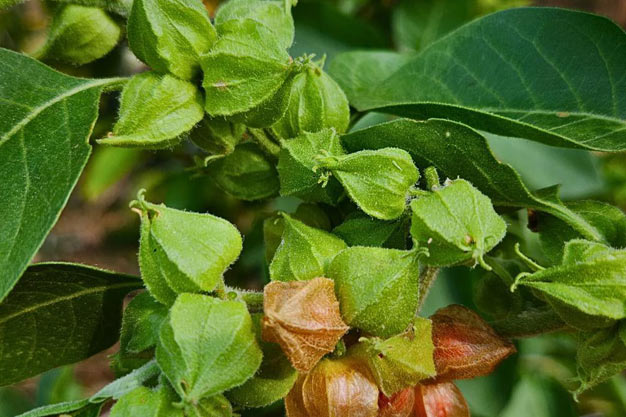
Ashwagandha is a drought-tolerant medicinal shrub popular for herbal gardens, wellness cultivation, nursery sales, and traditional plant gifting.
| Scientific Name | Withania somnifera |
| Plant Height | 1 to 3 feet |
| Growing Time | 5 to 6 months |
| Growing Location | Herbal gardens, farms, pots |
| Sunlight Requirement | Full sunlight |
| Temperature Requirement | Plant growing temperature 20°C to 32°C |
| Care Tips | Ashwagandha grows best in dry, sandy soil with full sunlight exposure. Water lightly and avoid excessive moisture around roots. Ensure proper drainage and trim damaged branches regularly to support healthier plant growth and stronger root development naturally. |
| Quick Summary | Ashwagandha is a hardy medicinal shrub valued for its green foliage, small flowers, and adaptability to warm climates. The plant grows well in dry soil conditions and requires bright sunlight for healthy growth. It is widely cultivated in herbal farms, kitchen gardens, and medicinal plant collections. Ashwagandha develops gradually and requires minimal maintenance once established. Its drought-resistant nature makes it suitable for low-water gardening environments. Due to growing interest in herbal cultivation and natural wellness products, Ashwagandha has become commercially important in nursery markets. It is also gifted as a traditional medicinal and wellness-oriented plant for homes. |
| Common Uses | Ashwagandha is an important Ayurvedic herb known for reducing stress, anxiety, and fatigue. It helps improve strength, stamina, and immunity while supporting brain function and better sleep. Ashwagandha also has anti-inflammatory and antioxidant properties, may help regulate blood sugar levels, and supports heart health and overall physical and mental well-being. Also it is used in Herbal farming, Medicinal nursery sales, Wellness gifting, Ayurvedic garden collections, Organic farming projects, Eco-friendly home décor. |
Medicinal Plants
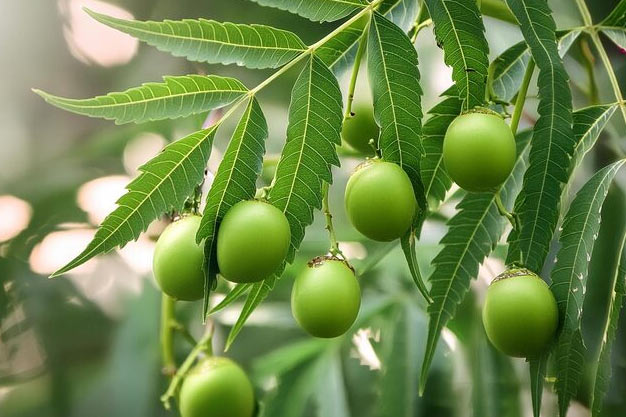
Neem is a fast-growing evergreen tree used for landscaping, shade, eco-friendly planting, nursery sales, and symbolic green gifting.
| Scientific Name | Azadirachta indica |
| Plant Height | 15 to 40 feet |
| Growing Time | 2 to 4 years for mature growth |
| Growing Location | Outdoor gardens, farms, roadsides |
| Sunlight Requirement | Full sunlight |
| Temperature Requirement | Plant growing temperature 21°C to 35°C |
| Care Tips | Neem grows well in sunny locations with well-drained soil and minimal watering after establishment. Avoid excessive waterlogging and prune dry branches occasionally. Young plants require regular watering and protection from frost during early growth stages outdoors. |
| Quick Summary | Neem is a fast-growing evergreen tree widely appreciated for its dense foliage and environmental importance. It thrives in tropical and subtropical climates with bright sunlight and moderate watering during early growth stages. Neem is commonly planted in gardens, farms, parks, and roadside landscapes because of its shade-providing canopy and hardy nature. The plant adapts well to dry conditions and requires little maintenance once mature. Neem saplings are commercially sold through nurseries for landscaping and eco-friendly planting projects. Due to its cultural and traditional significance, Neem is also gifted as a symbolic green plant promoting natural living and sustainability. |
| Common Uses | Neem is widely used in traditional medicine for its antibacterial, antifungal, and anti-inflammatory properties. It helps treat skin infections, acne, wounds, and dandruff while promoting healthy skin and hair. Neem also supports oral health, boosts immunity, aids digestion, and may help control blood sugar levels and protect against certain infections. Also it is used in Avenue plantation, Eco-friendly gifting, Farm landscaping, Herbal nursery sales, Public park plantation, Sustainable gardening projects. |
Medicinal Plants
Curry Tree is a fragrant evergreen plant grown in kitchen gardens, balconies, and pots for culinary use, greenery, nursery sales, and gifting.
| Scientific Name | Murraya koenigii |
| Plant Height | 4 to 15 feet |
| Growing Time | 6 to 12 months |
| Growing Location | Kitchen gardens, balconies, outdoor pots |
| Sunlight Requirement | Full sunlight to partial shade |
| Temperature Requirement | Plant growing temperature 18°C to 32°C |
| Care Tips | Curry Tree grows best in warm climates with regular sunlight and moderate watering. Use fertile, well-drained soil and prune branches occasionally for bushier growth. Protect the plant from frost and prolonged waterlogging for healthy leaf production throughout seasons. |
| Quick Summary | Curry Tree is a fragrant evergreen plant popularly cultivated for its attractive green foliage and culinary importance. It grows successfully in kitchen gardens, balconies, terraces, and outdoor containers with adequate sunlight and warm temperatures. The plant develops into a small tree with dense aromatic leaves that enhance home garden beauty. Curry Tree requires moderate maintenance and regular pruning for fuller growth. Due to increasing interest in home gardening and fresh culinary herbs, it is widely sold through nurseries and garden centers. The plant is also gifted as a useful and decorative greenery option for households and gardening enthusiasts. |
| Common Uses | Curry Tree leaves are valued in traditional medicine for aiding digestion, controlling nausea, and supporting healthy blood sugar levels. They are rich in antioxidants, vitamins, and minerals that help improve immunity and eye health. Curry leaves also promote healthy hair growth, reduce cholesterol levels, and possess anti-inflammatory and antimicrobial properties beneficial for overall health. Also it is used in Kitchen garden plant, Culinary herb cultivation, Balcony greenery, Eco-friendly gifting, Nursery plant sales, Decorative household gardening. |