
Worldwide Gift Delivery Partners
Discover Beautiful South African Plants & Meaningful Plant Gifts
Worldwide Gift Delivery Partners

South Africa is home to an extraordinary variety of plants, from hardy indigenous trees and colourful flowering species to aromatic herbs, succulents, shrubs, and plants that have become part of everyday gardening and landscaping. The country's diverse landscapes and climates create ideal conditions for an impressive range of plant life, making South African plants interesting for gardeners, nature lovers, homeowners, and anyone looking for a meaningful plant gift.
From the distinctive Marula and Kei Apple to Wild Medlar, Natal Plum, Sour Fig, Cape Aloe, Buchu, Rooibos, and other indigenous species, South African plants offer much more than visual appeal. Many have strong connections with local landscapes, traditional knowledge, wildlife, and regional gardening practices. Their natural character makes them particularly attractive for creating gardens that feel connected to the South African environment.
Plants are also becoming increasingly popular as gifts. A potted plant can be sent for a birthday, housewarming, congratulations, Mother's Day, Father's Day, retirement, corporate appreciation, or simply as a thoughtful surprise. Unlike many short-lived gifts, a plant can continue growing and provide enjoyment long after the occasion has passed.
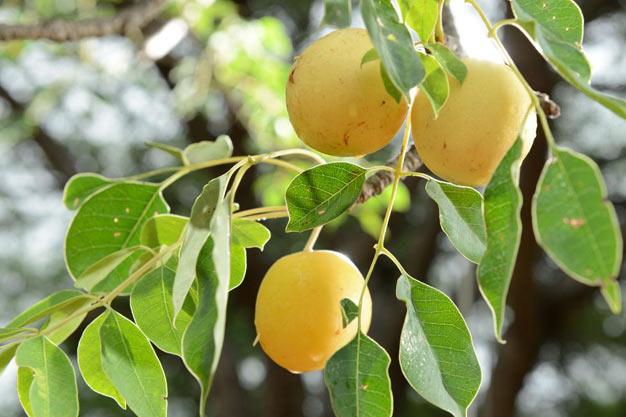
Marula is a majestic African fruit tree producing aromatic yellow fruits and nutritious oil-rich kernels. Its spreading crown, drought toler...
| Scientific Name | Sclerocarya birrea |
| Plant Height | 7 to 17 m, occasionally taller |
| Growing Time | Fast to growing; female trees may begin flowering and fruiting at about 7 to 10 years |
| Growing Location | Dry and semi to arid savannas, open woodlands and well to drained sandy or loamy soils of sub to Saharan Africa |
| Sunlight Requirement | Full sunlight |
| Temperature | Approximately 19 to 35°C; prefers frost to free conditions. |
| Care Tips | Plant Marula in full sun and well to drained soil. Water young trees regularly, then reduce watering after establishment. Protect seedlings from frost and fire, provide adequate space, and avoid excessive moisture around the roots. |
| Quick Summary | Marula is a large, deciduous African fruit tree valued for its yellow, juicy, aromatic fruits and nutritious kernels. It grows naturally across savannas and dry woodlands and is particularly adapted to warm, seasonal climates. The fruit is consumed fresh and processed into juices, jams and fermented beverages, while kernel oil has food, cosmetic and industrial applications. Its broad canopy provides shade and wildlife habitat. Commercial interest has increased because of its fruit, seed oil and cosmetic potential, while the tree also makes an attractive specimen for suitable warm landscapes. |
| Commercial & Gifting Uses | Commercially used for fruit products, beverages, jams, seed oil, cosmetics and specialty African food products. For gifting, potted Marula seedlings and specialty Marula fruit/oil products are suitable. |
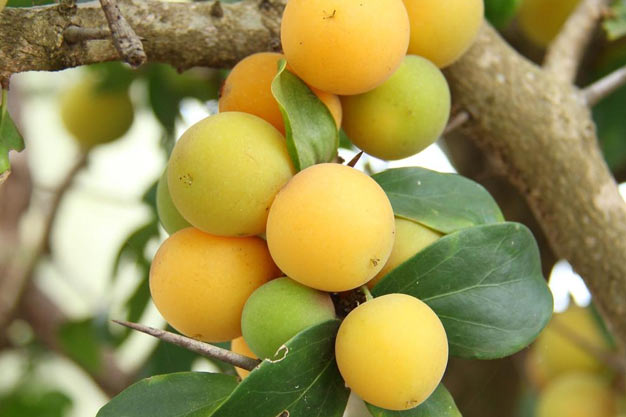
Kei Apple is a thorny evergreen shrub or small tree producing attractive yellow-orange fruits. It is valued as an edible fruit plant, living...
| Scientific Name | Dovyalis caffra |
| Plant Height | Usually 3 to 5 m; can reach about 8 to 9 m |
| Growing Time | Perennial; commonly begins fruiting about 4 to 5 years from seed |
| Growing Location | Southern African subtropical regions, open bush, wooded grassland, coastal areas and well to drained sandy or loamy soils |
| Sunlight Requirement | Full Sunlight |
| Temperature | Around 20 to 30°C; can tolerate short periods near to 3°C. |
| Care Tips | Grow Kei Apple in full sun with well to drained sandy or loamy soil. Water regularly while young, then moderately after establishment. Prune after fruiting, remove dead branches, and handle carefully because its branches have sharp thorns. |
| Quick Summary | Kei Apple is a dense, evergreen, thorny shrub or small tree native to southern Africa. Its glossy foliage and bright yellow to orange fruits give it strong ornamental appeal. The acidic fruits can be processed into jams, jellies, sauces and preserves. Because of its formidable thorns and dense branching, it is also an excellent living security hedge. The plant tolerates drought, poor soils and coastal conditions once established. With attractive fruit, evergreen foliage and manageable growth, Kei Apple is useful for edible landscaping, boundary planting, specialty fruit production and ornamental horticulture. |
| Commercial & Gifting Uses | Commercially used for jams, jellies, preserves, fruit products, living fences, security hedges and ornamental landscaping. For gifting, young potted Kei Apple plants are particularly suitable for gardening enthusiasts. |
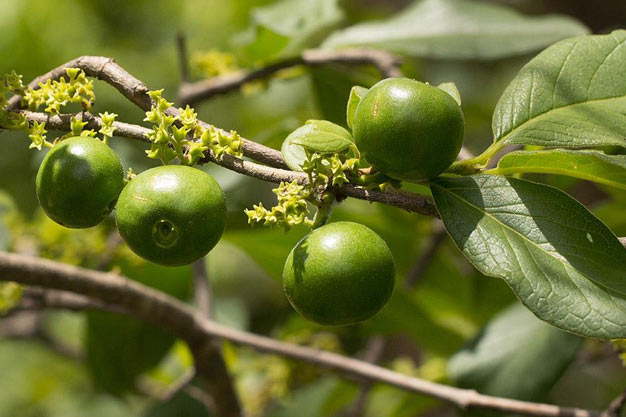
Wild Medlar is a small African fruit tree with rounded leaves and edible brownish fruits. It is valued for its tasty fruit, drought toleranc...
| Scientific Name | Vangueria infausta |
| Plant Height | Approximately 3 to 8 m |
| Growing Time | Slow to growing; fruiting may begin around 2 to 4 years under favorable conditions |
| Growing Location | Tropical and subtropical Africa, savannas, woodland and areas with a distinct dry season |
| Sunlight Requirement | Full sun to light shade |
| Temperature | Best around 17 to 28°C; tolerates approximately 12 to 36°C. |
| Care Tips | Plant Wild Medlar in well to drained soil with full sun or light shade. Water young plants moderately, reduce irrigation after establishment, remove weak branches, protect young growth from frost, and provide sufficient room for canopy development. |
| Quick Summary | Wild Medlar, also called African Medlar, is a small deciduous fruit tree native to tropical and subtropical Africa. It produces rounded fruits that change from green to brownish or reddish tones as they mature. The fruit is traditionally eaten fresh, dried or processed into beverages. The species is relatively drought tolerant once established and grows in areas experiencing distinct dry seasons. Its modest size makes it suitable for edible gardens and specialty fruit collections. Wild Medlar is especially attractive to gardeners interested in unusual African fruit trees and traditional food plants. |
| Commercial & Gifting Uses | Primarily used commercially for fresh fruit, dried fruit, beverages and specialty African food products. For gifting, young nursery plants and unusual edible to fruit tree collections are appropriate. |
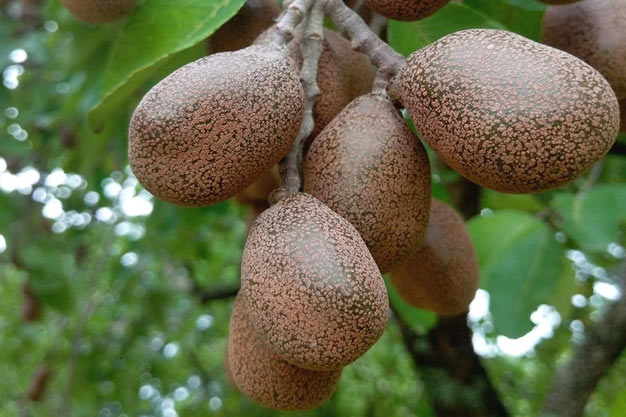
Mobola Plum is an evergreen African fruit tree with a dense rounded crown and edible plum-like fruits. It is valued for food, shade, traditi...
| Scientific Name | Parinari curatellifolia |
| Plant Height | Usually 8 to 15 m; can reach approximately 20 m |
| Growing Time | Slow to moderate; long to term perennial tree, with fruiting depending on age and conditions |
| Growing Location | Tropical and subtropical African savannas, Miombo woodlands and seasonal dry woodland |
| Sunlight Requirement | Full sunlight |
| Temperature | Best around 14 to 30°C; tolerates approximately 10 to 36°C. |
| Care Tips | Grow Mobola Plum in full sun and deep, well to drained soil. Water young trees regularly during establishment, then reduce irrigation. Allow ample space for the broad crown, avoid cold winds, and protect young plants from severe conditions. |
| Quick Summary | Mobola Plum is a medium to large evergreen African tree recognized for its dense, rounded crown, rough bark and edible fruits. It naturally occurs across savannas, Miombo woodlands and seasonal dry forests. The fruits are valued locally as a food and are sometimes processed into traditional products. Its substantial canopy provides excellent shade, while its adaptability to seasonal climates makes it useful in agro forestry and ecological restoration. Because of its attractive structure and unusual edible fruits, Mobola Plum is also suitable for botanical collections, educational gardens and specialty horticultural projects. |
| Commercial & Gifting Uses | Commercial applications include fruit products, traditional foods, agro forestry, shade and ecological planting. For gifting, it is best suited to botanical collections, native to tree enthusiasts and specialty edible to plant gardeners. |
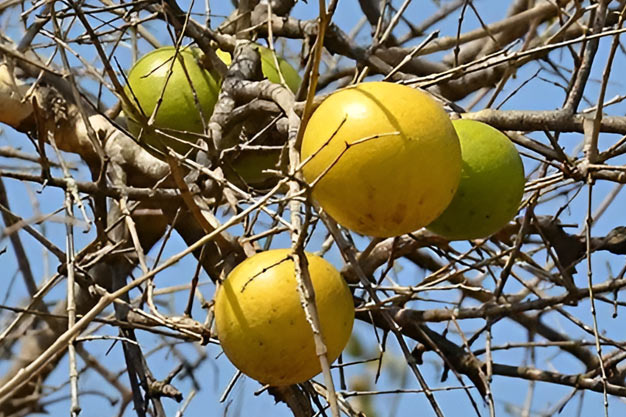
Monkey Orange is a thorny African fruit tree producing large, round yellow fruits with sweet-sour pulp. Its compact form, attractive fruit a...
| Scientific Name | Strychnos spinosa |
| Plant Height | Usually 4 to 5 m; can reach about 9 to 10 m |
| Growing Time | Medium growth rate; fruit production varies with growing conditions and plant maturity |
| Growing Location | Tropical African savannas, open woodland, bushveld and riverine fringes |
| Sunlight Requirement | Full sunlight tolerates some shade |
| Temperature | Best around 20 to 28°C; tolerates approximately 15 to 32°C. |
| Care Tips | Plant Monkey Orange in full sun and well to drained sandy soil. Water during establishment, then moderately. Avoid over to watering, allow space for thorny branches, and use mature fruit only; unripe fruit and seeds can be toxic. |
| Quick Summary | Monkey Orange is a thorny African shrub or small tree recognized for its large, spherical fruits with woody shells. Mature fruits become yellow to yellow to brown and contain aromatic, sweet to sour pulp surrounding numerous seeds. The species occurs naturally in tropical African savannas, woodland and riverine areas. It grows relatively quickly from seed and can tolerate dry conditions once established. The fruit is harvested for local consumption and specialty food use. Its distinctive fruits and compact tree form make it interesting for botanical gardens, edible landscape collections and specialty African fruit cultivation. |
| Commercial & Gifting Uses | Commercially used for specialty fruit, local food products, traditional uses, furniture wood and wildlife planting. For gifting, young plants for collectors and botanical gardens are suitable. Unripe fruit and seeds should not be consumed. |
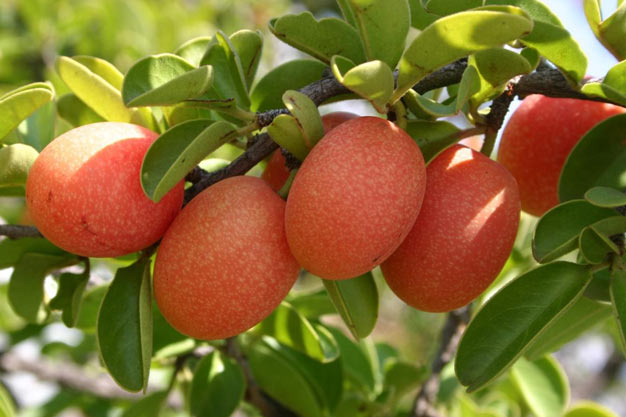
Sour Plum is a small African fruit tree with leathery blue-green foliage, spiny branches and attractive orange-red fruits. It is valued for ...
| Scientific Name | Ximenia caffra |
| Plant Height | Up to approximately 6 m |
| Growing Time | Moderate; perennial shrub/small tree, with fruiting dependent on age and local conditions |
| Growing Location | Dry woodland, bushland and savanna regions of eastern and southern Africa |
| Sunlight Requirement | Full Sunlight |
| Temperature | Approximately 18 to 30°C; best suited to warm, seasonally dry climates |
| Care Tips | Grow Sour Plum in full sun and well to drained soil. Water young plants during establishment, then reduce irrigation. Provide good airflow, prune damaged branches carefully, and allow sufficient space because mature branches may carry sharp spines. |
| Quick Summary | Sour Plum is a sparsely branched African shrub or small tree with leathery blue to green leaves and spiny branches. It produces attractive oval fruits that mature to orange or reddish shades. The species is adapted to warm, seasonally dry environments and occurs naturally across parts of eastern and southern Africa. Its edible fruits and traditional importance make it a useful indigenous fruit species. The plant also has ornamental value because of its distinctive foliage, fruit and branching habit. It is particularly suitable for specialty fruit gardens, botanical collections, restoration projects and African plant collections. |
| Commercial & Gifting Uses | Commercial uses include specialty fruit, traditional food products, seed/oil to related uses and indigenous to plant cultivation. For gifting, potted Sour Plum plants and African indigenous fruit collections are suitable. |
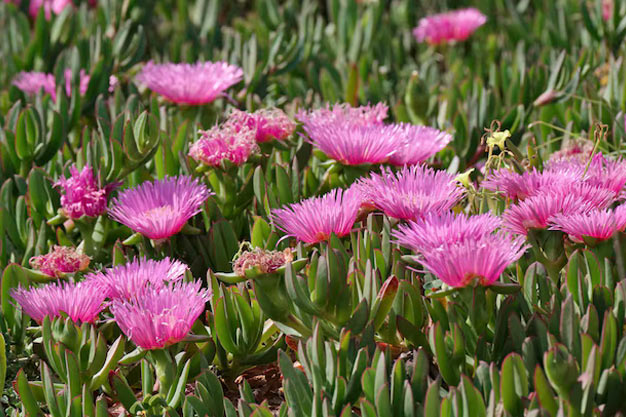
Sour Fig is a fast-spreading succulent groundcover with fleshy leaves, large yellow-to-pink flowers and edible fig-like fruits. Its drought ...
| Scientific Name | Carpobrotus edulis |
| Plant Height | About 10 to 50 cm |
| Growing Time | Fast to growing groundcover; can produce fruit within approximately 1 year under favorable conditions |
| Growing Location | Coastal areas, sandy soils, dunes, rocky slopes and dry Mediterranean to type environments |
| Sunlight Requirement | Full sunlight |
| Temperature | Approximately 10 to 30°C; sensitive to severe frost |
| Care Tips | Plant Sour Fig in sandy, sharply drained soil and full sun. Water sparingly after establishment, avoid prolonged wet soil, trim runners to control spreading, and protect from severe frost. Provide adequate space for vigorous trailing growth. |
| Quick Summary | Sour Fig, also known as Hottentot Fig or Ice Plant, is a low to growing succulent native to coastal southern Africa. It forms dense mats of fleshy, triangular leaves and produces large yellow flowers that can fade toward pink. Fig to like fruits follow flowering and may be used in jams and other foods. Its tolerance of sandy soils, drought and coastal exposure makes it valuable for erosion control and landscape groundcover. However, it can become invasive outside its native range, so responsible planting and regular control are important. |
| Commercial & Gifting Uses | Commercially used for groundcover, erosion control, coastal landscaping, ornamental gardens and specialty food products. For gifting, it works well as a low to maintenance succulent or coastal garden plant. |
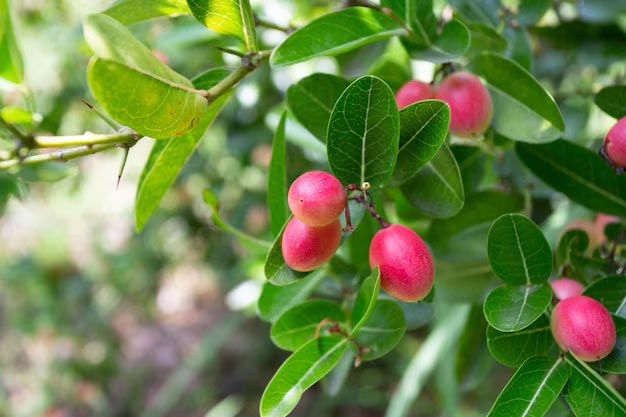
Natal Plum is an evergreen, thorny shrub with glossy foliage, fragrant white flowers and attractive red plum-like fruits. It is highly value...
| Scientific Name | Carissa macrocarpa |
| Plant Height | Commonly 1.5 to 2.1 m; can reach approximately 6 m or more depending on form and conditions |
| Growing Time | Moderate to slow; seed to grown plants can fruit relatively early, sometimes within 2 to 4 years |
| Growing Location | Warm subtropical and tropical regions, especially coastal areas, sandy soils and well to drained landscapes |
| Sunlight Requirement | Full sun to light shade |
| Temperature | Approximately 18 to 32°C; young plants require protection from freezing temperatures. |
| Care Tips | Plant Natal Plum in full sun to light shade and well to drained soil. Water regularly during establishment, then sparingly. Prune after flowering, maintain a compact shape, protect from severe cold, and wear gloves when handling thorny branches. |
| Quick Summary | Natal Plum is an attractive evergreen shrub native to coastal regions of southern and eastern Africa. It features glossy leathery leaves, fragrant white flowers and striking red to reddish to purple fruits. Its dense, thorny growth makes it especially useful for privacy screens and security hedges. The plant tolerates drought, salt spray and different soil types provided drainage is adequate. Compact cultivars are also suitable for containers and foundation planting. Its flowers, foliage and colorful fruits provide year to round ornamental interest, while ripe fruits can be used in preserves and other culinary preparations. |
| Commercial & Gifting Uses | Commercially used for ornamental landscaping, security hedges, privacy screens, coastal gardens, containers and fruit preserves. For gifting, it is one of the better choices here as a decorative potted fruiting shrub. |
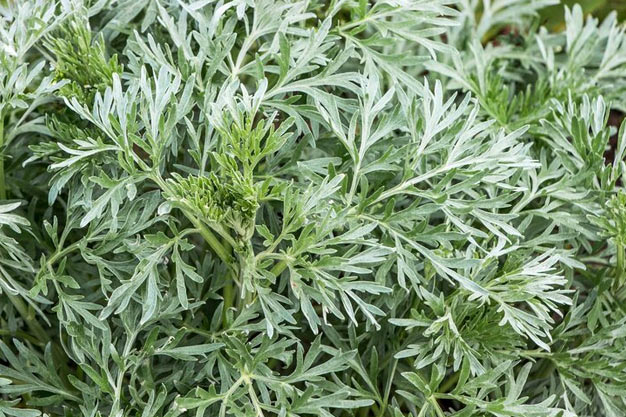
African Wormwood is an aromatic perennial shrub with silvery-green foliage and small yellowish flowers. Native to southern Africa, it is val...
| Scientific Name | Artemisia afra |
| Plant Height | Approximately 0.5 to 2 m |
| Growing Time | Fast to growing perennial; generally establishes within one growing season and can be harvested periodically |
| Growing Location | South African grasslands, mountain slopes, forest margins and well to drained areas |
| Sunlight Requirement | Full sun to partial shade |
| Temperature | Approximately 10 to 28°C; prefers moderate temperatures and good airflow |
| Care Tips | Plant African Wormwood in fertile, well to drained soil with full sun or light shade. Water moderately, avoid waterlogged roots, prune after flowering to maintain shape, and harvest young leafy stems regularly for vigorous growth. |
| Quick Summary | African Wormwood is an aromatic perennial shrub native to southern Africa, particularly South Africa. It develops finely divided, silvery to green foliage and produces small yellowish flower heads. The foliage releases a distinctive pleasant fragrance when crushed. Traditionally valued as an indigenous herb, the plant is also cultivated for herbal preparations and specialty botanical products. Its attractive foliage and compact growth make it suitable for herb gardens, cottage gardens and educational collections. African Wormwood prefers well to drained soil and moderate watering and can become drought tolerant once established, making it suitable for warm, relatively dry landscapes. |
| Commercial & Gifting Uses | Commercially used for dried herbal products, herbal teas, botanical preparations, essential to oil research and specialty herb cultivation. For gifting, it is suitable as a potted aromatic herb, indigenous plant or herbal to garden gift. |
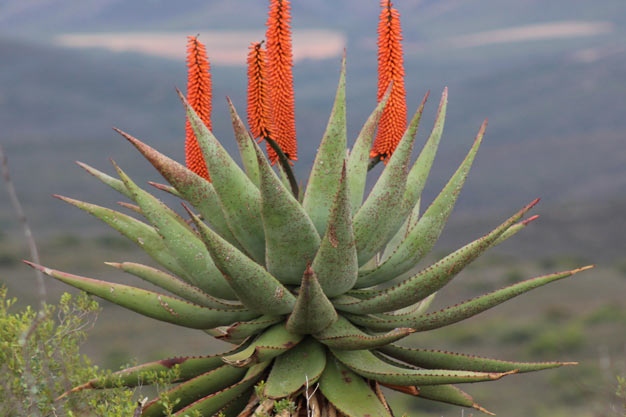
Bitter Aloe is a tall South African succulent with a dramatic rosette of spiny leaves and striking orange-red flower spikes. It is valued as...
| Scientific Name | Aloe ferox |
| Plant Height | Approximately 2 to 3 m; flowering plants can occasionally become taller |
| Growing Time | Slow to moderate; mature plants generally require several years before producing substantial flowering stems |
| Growing Location | Dry grasslands, rocky hills, scrublands and semi to arid regions of South Africa and southern Africa |
| Sunlight Requirement | Full sunlight |
| Temperature | Approximately 15 to 32°C; protect from prolonged freezing temperatures |
| Care Tips | Grow Bitter Aloe in full sun and sharply drained sandy or rocky soil. Water deeply but infrequently, allowing soil to dry between watering. Avoid frost and standing water, and remove dead leaves carefully when necessary. |
| Quick Summary | Bitter Aloe, commonly called Cape Aloe, is a large succulent native to southern Africa. It forms an impressive rosette of thick, spiny leaves and produces tall, colorful flower spikes that attract pollinators. The plant is highly adapted to dry environments and requires excellent drainage. Its attractive architectural form makes it an excellent specimen for xeriscaping, rock gardens and warm to climate landscapes. Aloe ferox has also been commercially cultivated for aloe to derived ingredients and botanical products. It grows slowly compared with many garden plants but can become a striking long to lived feature when given suitable space and sunlight. |
| Commercial & Gifting Uses | Commercially used for aloe to derived cosmetic and botanical products, ornamental landscaping and succulent collections. For gifting, it is excellent as a large decorative succulent, drought to tolerant plant or specialty aloe specimen. |
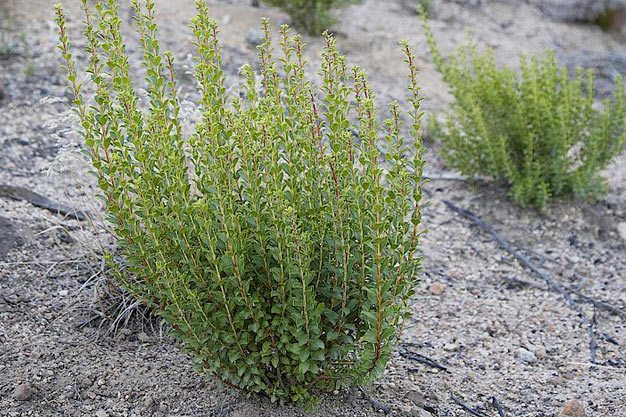
Buchu is a compact aromatic evergreen shrub with glossy leaves and small white to pale flowers. Native to South Africa's Cape region, it is ...
| Scientific Name | Agathosma betulina |
| Plant Height | Approximately 0.5 to 1.5 m |
| Growing Time | Moderate to growing evergreen shrub; usually requires several growing seasons to become well established |
| Growing Location | Fynbos vegetation, mountain slopes and acidic, well to drained soils of the Western Cape, South Africa |
| Sunlight Requirement | Full sunlight |
| Temperature | Approximately 10 to 25°C; prefers cool Mediterranean to type conditions |
| Care Tips | Plant Buchu in acidic, sandy, sharply drained soil and full sun. Avoid excessive fertilizer and standing water. Provide good airflow, water during dry periods, and prune lightly after flowering to maintain a compact shape. |
| Quick Summary | Buchu is a small aromatic evergreen shrub native to the Cape Floristic Region of South Africa. It develops glossy, strongly scented leaves and delicate white or pale flowers. The plant naturally occurs in Mediterranean to type environments characterized by dry summers and wetter winters. Buchu has a long history of traditional use and is commercially valued for its distinctive aromatic foliage and essential to oil components. It is also attractive as a specialty garden plant for gardeners who enjoy fragrant native species. Buchu requires acidic, sandy, well to drained soil and generally performs best in sunny, relatively dry conditions. |
| Commercial & Gifting Uses | Commercially used for aromatic products, herbal tea blends, essential to oil and fragrance to related products. For gifting, it is suitable as a fragrant potted herb, indigenous South African plant or specialty botanical gift. |
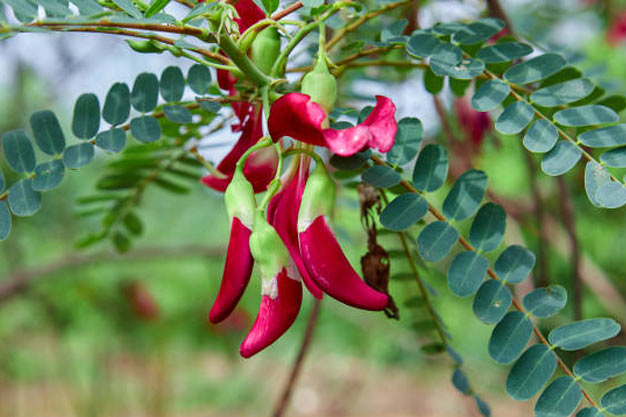
Sutherlandia is a distinctive southern African shrub with grey-green foliage and bright orange-red, pea-like flowers. Its unusual lantern-sh...
| Scientific Name | Lessertia frutescens |
| Plant Height | Approximately 0.5 to 2 m |
| Growing Time | Fast to growing perennial shrub; can establish within one growing season under suitable conditions |
| Growing Location | Dry grasslands, scrublands, open woodland and semi to arid regions of southern Africa |
| Sunlight Requirement | Full sunlight |
| Temperature | Approximately 15 to 30°C; performs best in warm, relatively dry conditions |
| Care Tips | Grow Sutherlandia in full sun and well to drained sandy soil. Water moderately during establishment, then reduce irrigation. Avoid waterlogging, prune lightly after flowering, and provide good airflow and sufficient space for spreading branches. |
| Quick Summary | Sutherlandia is a hardy southern African perennial shrub recognized for its grey to green foliage, bright orange to red flowers and unusual inflated seed pods. It naturally occurs in dry grasslands, scrublands and semi to arid environments. The plant has a long history of traditional use in southern African communities and is also cultivated as an ornamental indigenous species. Its attractive flowers and distinctive seed pods provide seasonal garden interest. Sutherlandia is well suited to sunny, water to wise landscapes and specialty herb gardens. It prefers sandy, well to drained soil and generally requires less irrigation after becoming established. |
| Commercial & Gifting Uses | Commercially used for herbal products, dried plant material, botanical products and indigenous to plant cultivation. For gifting, it is suitable as a potted indigenous herb, flowering shrub or specialty South African plant. |
| Important | The common name “Cancer Bush” reflects traditional naming and use; it should not be presented as a proven cancer treatment or cure. |
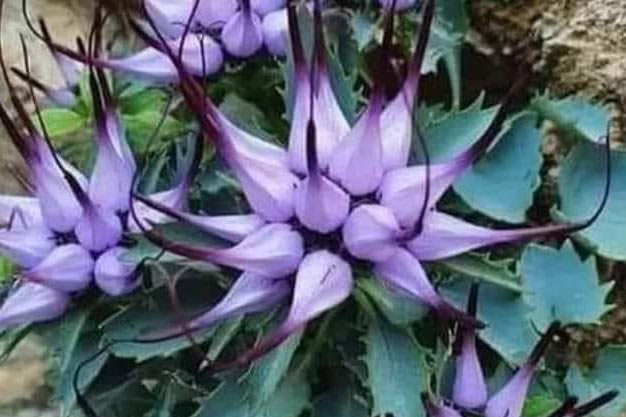
Devil's Claw is a distinctive drought-adapted southern African plant with trailing stems and unusual hooked fruits. It thrives in sandy, dry...
| Scientific Name | Harpagophytum procumbens |
| Plant Height | Low to growing; trailing stems can spread approximately 1 to 2 m |
| Growing Time | Slow to growing seasonal perennial; typically develops during the rainy season and becomes dormant during dry periods |
| Growing Location | Kalahari and other dry regions of Namibia, Botswana and South Africa |
| Sunlight Requirement | Full sunlight |
| Temperature | Approximately 18 to 32°C; prefers hot, dry conditions |
| Care Tips | Plant Devil's Claw in very sandy, sharply drained soil and full sun. Water during active growth but allow soil to dry thoroughly. Avoid excessive moisture, protect the roots from disturbance, and provide ample ground space. |
| Quick Summary | Devil's Claw is a low to growing perennial native to the dry regions of southern Africa, especially the Kalahari. It develops trailing stems, attractive tubular flowers and distinctive fruits covered with curved, hook to like structures that inspired its common name. The plant is highly adapted to hot, sandy and seasonally dry environments. Its underground parts and dried fruits have a long history of traditional use and are commercially harvested for botanical products. Devil's Claw is particularly interesting for xeriscape gardens, desert plant collections and educational displays demonstrating adaptations to harsh environments. |
| Commercial & Gifting Uses | Commercially used for dried botanical material, herbal products and specialty natural to product ingredients. For gifting, it is best suited to unusual plant collections, desert to garden enthusiasts and botanical to themed gifts. |
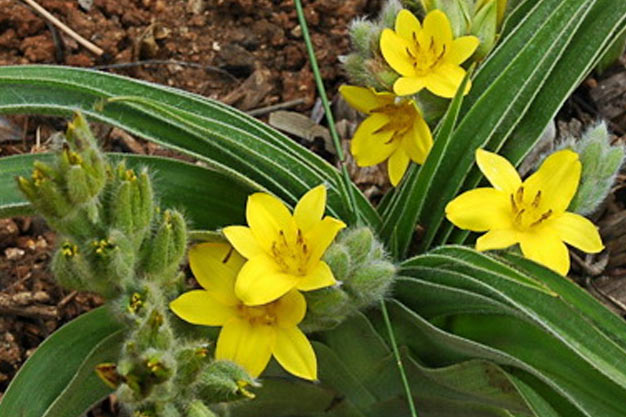
African Potato is a small tuberous perennial with grass-like leaves and bright yellow star-shaped flowers. Native to southern Africa, it is ...
| Scientific Name | Hypoxis hemerocallidea |
| Plant Height | Approximately 20 to 40 cm |
| Growing Time | Seasonal perennial; actively grows during favorable rainy periods and becomes dormant during dry periods |
| Growing Location | Grasslands and seasonally dry regions of southern and southeastern Africa |
| Sunlight Requirement | Full sun to partial shade |
| Temperature | Approximately 15 to 28°C; prefers warm growing seasons |
| Care Tips | Plant African Potato in well to drained soil with full sun or partial shade. Water during active growth, reduce watering during dormancy, avoid waterlogged conditions, and allow foliage to die back naturally before the next growth cycle. |
| Quick Summary | African Potato is a tuberous perennial herb native to southern and tropical Africa. It produces narrow, grass to like leaves and attractive yellow star to shaped flowers during its active growing period. The underground tuber allows the plant to survive seasonal dry conditions and periods of dormancy. It occurs naturally in grasslands and other seasonally dry habitats. The species has a long history of traditional use in southern Africa and is also cultivated for indigenous to plant collections. Its compact size, bright flowers and interesting underground storage organ make it suitable for educational, botanical and specialty gardens. |
| Commercial & Gifting Uses | Commercially used primarily for indigenous botanical products, traditional plant to material markets and specialty horticulture. For gifting, it is suitable as a small flowering indigenous plant or botanical collection specimen. |
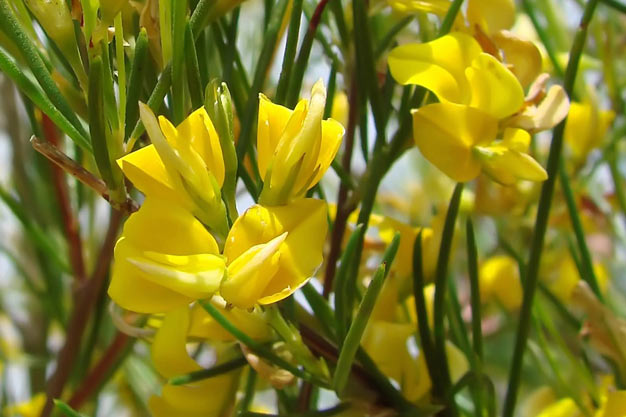
Rooibos is a fine-leaved, needle-like South African shrub famous for producing caffeine-free herbal tea. Native to the Cape's Mediterranean ...
| Scientific Name | Aspalathus linearis |
| Plant Height | Approximately 1 to 1.5 m |
| Growing Time | Approximately 12 to 18 months to the first commercial harvest; plantations may be harvested annually for several years |
| Growing Location | Cederberg and nearby mountain regions of the Western and Northern Cape, South Africa |
| Sunlight Requirement | Full Sunlight |
| Temperature | Approximately 18 to 32°C during active growth; tolerates cooler winter conditions |
| Care Tips | Grow Rooibos in acidic, sandy, very well to drained soil and full sun. Avoid rich fertilizer and excessive irrigation. Scarify seeds before sowing, provide good airflow, and allow plants to experience a dry summer period. |
| Quick Summary | Rooibos is a slender, needle to leaved shrub endemic to the Cape Floristic Region of South Africa. It is one of the country's best to known commercial indigenous crops and is cultivated primarily for its leaves and young stems, which are processed into the familiar rooibos herbal infusion. The plant is adapted to Mediterranean conditions, with cool wet winters and hot dry summers. Successful cultivation depends strongly on suitable acidic, sandy soils and climate. Commercial plantations are concentrated in a relatively narrow region, reflecting the plant's specialized environmental requirements. |
| Commercial & Gifting Uses | Commercially used extensively for rooibos tea, tea blends, extracts, beverages, food ingredients and packaged specialty tea products. For gifting, it is ideal as premium rooibos tea, tea hampers, seed packets or potted specialty plants. |
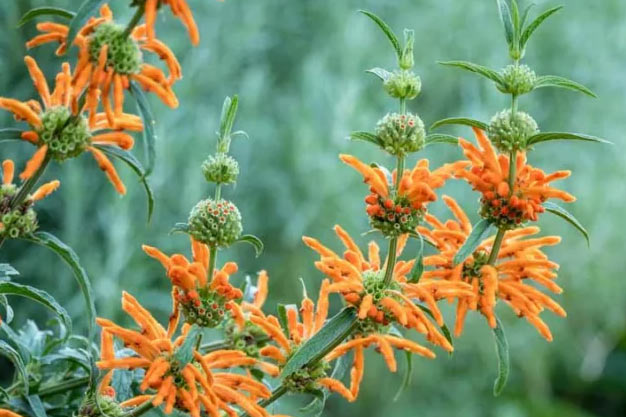
Wild Dagga, or Lion's Ear, is a striking South African shrub with tall stems, aromatic foliage and vivid orange tubular flower clusters. It ...
| Scientific Name | Leonotis leonurus |
| Plant Height | Approximately 1.5 to 2.5 m |
| Growing Time | Fast to growing perennial; flowering generally occurs during the warmer growing season |
| Growing Location | Grasslands, scrublands, forest margins and open areas of southern Africa |
| Sunlight Requirement | Full Sunlight |
| Temperature | Approximately 18 to 30°C; protect from prolonged freezing conditions |
| Care Tips | Plant Wild Dagga in full sun and well to drained soil. Water regularly while young, then moderately after establishment. Prune after flowering to encourage branching, remove spent flowers, and protect plants from prolonged frost or freezing temperatures. |
| Quick Summary | Wild Dagga, commonly called Lion's Ear or Lion's Tail, is a tall perennial shrub native to southern Africa. It develops upright stems, aromatic foliage and distinctive whorls of orange tubular flowers. The flowers are highly attractive to pollinating insects and add strong seasonal color to sunny gardens. The plant prefers well to drained soil and can tolerate relatively dry conditions once established. Its bold flowers and architectural growth make it popular in wildlife gardens, cottage borders and ornamental landscapes. It can also be grown in large containers in cooler regions when protected from frost. |
| Commercial & Gifting Uses | Commercially used for ornamental landscaping, pollinator gardens, dried floral material and specialty botanical products. For gifting, it is particularly suitable as a flowering potted plant, pollinator to friendly garden plant or indigenous South African plant. |


Buying plants online has made it easier to find interesting varieties without visiting several nurseries or garden centres. Online plant stores can offer everything from indigenous trees and garden shrubs to flowering plants, herbs, succulents, ornamental plants, and attractive potted arrangements.
Depending on the retailer, plants may be available as individual specimens, nursery-grown plants, decorative potted plants, starter plants, or gift-ready arrangements. Some online services also provide planters, baskets, gift packaging, personalised cards, and complementary gifts.
Online plant shopping is particularly useful when you're sending a plant to someone in another city. Instead of transporting a plant yourself, you can arrange delivery directly to the recipient's home, workplace, or another suitable location.
Indigenous plants have evolved within South African environments and are naturally connected to the country's climate, soil, wildlife, and ecosystems. For gardeners, incorporating indigenous species can be an excellent way to create landscapes that reflect the character of the local region.
Many indigenous plants are also valued for their ability to cope with local environmental conditions once properly established. This can make them attractive choices for gardeners interested in water-wise landscaping, wildlife-friendly gardens, and lower-maintenance outdoor spaces.
Choosing an indigenous plant does not mean sacrificing beauty. South Africa's native flora includes striking flowers, unusual foliage, attractive fruits, distinctive trees, and fragrant plants that can make a garden both practical and visually interesting.
A well-planned garden can combine indigenous trees, shrubs, flowering plants, herbs, succulents, and ground covers to create different layers of colour and texture. Larger trees can provide shade and structure, while shrubs and smaller flowering plants can fill borders and garden beds.
Popular categories for South African gardens include:
Combining several types of plants can create a garden that remains attractive across different seasons while also providing useful habitat and food sources for birds, butterflies, bees, and other wildlife.
Plants can transform both indoor and outdoor spaces. A carefully chosen potted plant can add natural colour to a living room, brighten a balcony, soften an office environment, or create a welcoming entrance to a home.
For outdoor spaces, homeowners can choose trees, shrubs, flowering plants, succulents, and other garden varieties according to available space and local growing conditions. Smaller plants can work particularly well on balconies, patios, verandas, and compact urban gardens.
When selecting a plant for a home, consider the amount of sunlight available, watering requirements, container size, ventilation, and the amount of time available for maintenance.
Plants serve many purposes beyond decoration. They can provide shade, improve the appearance of gardens, attract pollinators, create privacy, produce edible fruits, add fragrance, and contribute to outdoor relaxation areas.
Some South African plants are also valued for traditional, cultural, culinary, or botanical significance. However, the purpose and appropriate use of each plant can vary considerably, so plant-specific information should always be checked before using a species for anything beyond ornamental gardening.
A plant makes a particularly thoughtful gift because it represents growth, life, renewal, and lasting memories. It can be a wonderful alternative to a traditional bouquet when you want to give something that the recipient can continue to enjoy.
For someone who loves gardening, an indigenous plant can be a more personal choice than a standard decorative gift. For someone with limited outdoor space, a compact potted plant or succulent may be more appropriate.
Plants can make excellent gifts for:
One of the biggest attractions of South African plants is their sense of place. A Marula tree, for example, has a distinctive connection with the country's natural and cultural landscape, while plants such as Cape Aloe, Buchu, Rooibos, and Wild Dagga are associated with different regions and traditions.
Other indigenous fruit-bearing plants, including Kei Apple, Wild Medlar, Mobola Plum, Monkey Orange, Sour Plum, Sour Fig, and Natal Plum, demonstrate the remarkable variety found within South Africa's plant heritage.
These plants can be particularly appealing to people who want to learn more about local flora or incorporate native species into their gardens.
Both indigenous and ornamental plants can have an important place in a South African garden. Indigenous species can provide a strong connection to the local environment, while ornamental varieties offer an enormous range of colours, shapes, and decorative styles.
The best choice depends on the garden's purpose, location, climate, available space, maintenance preferences, and personal taste. A mixed garden can combine the strengths of both approaches, creating an attractive landscape with different heights, textures, flowering periods, and foliage.
The size and location of your growing area should always influence your plant selection. A large garden may accommodate mature trees and spreading shrubs, while a balcony may be better suited to compact plants grown in containers.
Before purchasing, consider:
Choosing a plant that matches its environment is one of the simplest ways to encourage healthy growth and avoid unnecessary maintenance.
From indigenous trees and fruit-bearing plants to aromatic herbs, succulents, flowering varieties, and garden shrubs, South Africa offers an extraordinary selection for gardeners and plant lovers. Whether you're creating a new landscape, adding greenery to your home, or searching for a distinctive gift, there is a plant to suit almost every space and occasion.
South Africa's indigenous flora includes an extraordinary selection of trees, shrubs, herbs, succulents, and fruit-bearing plants. Many species have adapted naturally to particular South African environments, making them fascinating choices for gardeners and plant enthusiasts who want to explore local biodiversity.
Some plants are valued mainly for their ornamental qualities, while others are known for their fruit, fragrance, traditional significance, wildlife value, or distinctive appearance. Before purchasing any indigenous plant, it is important to consider the local climate, available space, soil conditions, sunlight, and the plant's eventual size.
Marula is one of South Africa's best-known indigenous trees and has a strong association with the country's natural and cultural heritage. It is a large deciduous tree with a broad crown, making it particularly impressive when given sufficient space to develop.
The Marula produces distinctive fruits and is valued for its ecological and cultural importance. Its fruits are also associated with traditional food and beverage practices in parts of southern Africa.
For gardeners with adequate outdoor space, a Marula can become a striking feature tree. Because it can grow considerably larger than many ornamental garden plants, it should be selected with its mature size and growing conditions in mind.
Kei Apple is an attractive indigenous shrub or small tree recognised for its dense growth, glossy foliage, and distinctive yellowish fruit. Its naturally thorny branches can also make it useful as a protective hedge or boundary plant.
With its combination of attractive foliage and edible fruit, Kei Apple can add both visual interest and practical value to suitable gardens. It is particularly interesting for gardeners who want to explore indigenous fruit-bearing plants rather than relying entirely on conventional ornamental species.
Wild Medlar is an indigenous South African fruit tree appreciated for its natural character and fruit production. Like many native fruiting species, it can provide additional interest to gardens while contributing to a landscape that reflects the country's botanical heritage.
When planted in an appropriate location, Wild Medlar can become a valuable feature in a larger garden. Gardeners should allow sufficient room for growth and select a site that meets the plant's light, soil, and moisture requirements.
Mobola Plum is a distinctive indigenous tree known for its attractive appearance and edible fruit. It occurs naturally in parts of southern Africa and can be an interesting choice for people interested in native fruit trees.
Its presence in a garden can add a different dimension to a traditional landscape, particularly when combined with other indigenous species. As with other larger trees, planning for mature size is important before planting.
Monkey Orange is an indigenous shrub or small tree known for its rounded fruits and dense growth. Its natural appearance makes it suitable for gardens designed around native South African plants.
The plant can contribute structure and greenery to a landscape while offering an opportunity to grow a less commonly seen indigenous fruiting species. It can be especially appealing to gardeners who enjoy discovering unusual plants with local origins.
Sour Plum is another interesting indigenous fruit-bearing plant found in parts of southern Africa. Its fruits and natural growth habit make it a noteworthy choice for gardeners exploring South Africa's native plant diversity.
Rather than selecting plants solely for their decorative appearance, growing species such as Sour Plum allows gardeners to create landscapes that also reflect local botanical heritage.
Sour Fig is a succulent ground-covering plant that is particularly well suited to dry and coastal environments. Its fleshy leaves and colourful flowers give it considerable ornamental appeal, while its spreading habit makes it useful for covering open areas.
Because it is adapted to relatively dry conditions, Sour Fig can be an interesting option for water-wise landscaping when grown in a suitable environment. Its low-growing nature also makes it useful for borders, slopes, rock gardens, and other areas where a spreading plant is desirable.
Natal Plum is an attractive evergreen shrub known for its glossy leaves, fragrant flowers, and colourful fruit. Its dense growth habit makes it useful in gardens where screening, structure, or an attractive hedge is required.
The plant combines ornamental appeal with fruit production, making it an interesting addition to suitable outdoor spaces. Its flowers can also add seasonal colour and fragrance to the garden.
African Wormwood is an aromatic indigenous plant recognised for its silvery foliage and distinctive fragrance. Its appearance makes it particularly attractive in gardens that use foliage contrast rather than relying entirely on brightly coloured flowers.
It can work well alongside other drought-tolerant or Mediterranean-style plants, depending on local growing conditions. Its silvery leaves can create an attractive visual contrast with greener garden plants.
African Wormwood has also been associated with traditional practices. Such traditional uses should not be interpreted as evidence that the plant can diagnose, prevent, or treat medical conditions.
Aloes are among the most recognisable plants associated with South African landscapes. Bitter Aloe and Cape Aloe represent the remarkable diversity of aloe species found across the region.
With their architectural forms, fleshy leaves, and striking flower spikes, aloes can create strong focal points in water-wise and indigenous gardens. Their flowers can also provide valuable seasonal resources for pollinators and other wildlife.
Aloes are especially appealing to gardeners looking for plants with distinctive shapes that can tolerate periods of relatively dry conditions once properly established.
Buchu refers to several aromatic plants native to South Africa, particularly species associated with the Cape region. The plants are recognised for their strongly scented leaves and historical importance in traditional practices.
For gardeners and plant enthusiasts, Buchu offers an opportunity to grow a plant with a distinctive South African identity. Its aromatic foliage can add another sensory element to a garden containing indigenous herbs and other fragrant plants.
As with other plants traditionally associated with herbal practices, ornamental and botanical information should be kept separate from medical advice.
Growing indigenous plants can make a garden feel more connected to its surroundings. Native species can offer food and shelter for local wildlife, contribute to biodiversity, and provide gardeners with an opportunity to learn about the natural heritage of their region.
Many indigenous plants are also attractive choices for water-wise gardening, although their exact water requirements vary by species and growing location. A plant that naturally occurs in a dry region may have very different requirements from one adapted to a wetter environment.
For this reason, indigenous does not automatically mean maintenance-free. Good plant selection, appropriate soil preparation, correct watering, and suitable placement remain essential.
A garden can become much more than a decorative space when plants are selected with local wildlife in mind. Indigenous flowers, fruits, foliage, and shelter can help create a more welcoming environment for birds, butterflies, bees, and other beneficial garden visitors.
Flowering aloes and other nectar-producing plants can be particularly valuable additions, while fruit-bearing trees and shrubs may provide seasonal food sources for wildlife.
If your goal is to create a wildlife-friendly garden, consider combining plants with different flowering and fruiting periods. This can provide a more varied environment throughout the year.
Water-wise gardening is particularly relevant in parts of South Africa where rainfall can be limited or seasonal. Plants adapted to local dry conditions can be incorporated into gardens to reduce unnecessary water use, provided they are planted in suitable locations and established correctly.
Succulents, aloes, indigenous shrubs, and other drought-adapted species can form the foundation of attractive low-water landscapes. Mulching, efficient irrigation, suitable soil preparation, and grouping plants according to their water requirements can make a significant difference to garden maintenance.
The best indigenous plant is not necessarily the largest, rarest, or most unusual variety. The right choice is the one that matches your garden's conditions and your expectations.
Indigenous plants provide an opportunity to bring a small part of South Africa's natural heritage into gardens and outdoor spaces. From impressive trees and fruit-bearing shrubs to sculptural aloes and aromatic plants, each species offers its own character and story.
For plant lovers, these varieties can be both beautiful and educational. They can also make thoughtful gifts for people who enjoy gardening, nature, landscaping, or learning about South Africa's remarkable flora.
South Africa's plant heritage extends far beyond ornamental garden species. The country is home to aromatic plants, succulents, herbs, flowering varieties, and plants that have been associated with traditional knowledge for generations. These species are particularly interesting for people who want to explore indigenous gardening and learn more about the plants naturally connected with South African landscapes.
Some varieties are primarily grown for their appearance, while others have cultural, botanical, culinary, or traditional significance. When choosing these plants, it is important to understand their growing requirements and intended purpose rather than assuming that traditional use means a plant has proven medical benefits.
Rooibos is one of South Africa's most recognisable plants and has a particularly strong connection with the Western Cape's Cederberg region. The plant is best known internationally for the popular herbal infusion made from its leaves and stems.
As a botanical species, Rooibos is an interesting addition to collections focused on South African flora. Its fine, needle-like foliage and natural association with the Cape landscape give it a distinctive identity.
Rooibos is especially appealing to people interested in indigenous plants, South African agriculture, and the country's unique botanical resources.
Sutherlandia, commonly known as cancer bush, is a South African indigenous plant with attractive foliage and colourful flowers. Its botanical and cultural history has attracted considerable interest among plant enthusiasts.
The plant can add visual interest to suitable gardens and is particularly appealing to people who enjoy learning about traditional South African plants. Its bright flowers can also contribute seasonal colour to an indigenous-style landscape.
Although Sutherlandia has a history of traditional use, traditional claims should not be confused with established medical evidence. It should not be promoted as a proven treatment for cancer or other diseases.
Devil's Claw is a distinctive plant associated with southern Africa and is recognised for its unusual hooked fruit structures. Its unusual appearance makes it an interesting subject for people fascinated by native and traditional plants.
The plant is more commonly encountered in botanical, herbal, and traditional-plant contexts than in conventional ornamental gardens. Anyone interested in growing it should first check whether local environmental conditions are appropriate.
Devil's Claw has a long history of traditional use, but such historical use should not be interpreted as proof of effectiveness for treating medical conditions.
African Potato is another South African plant that has attracted interest because of its traditional and botanical associations. The plant belongs to the broader group of species that have been used traditionally in parts of southern Africa.
For plant enthusiasts, it provides an opportunity to explore species that are connected to local plant knowledge rather than focusing solely on conventional decorative varieties.
When purchasing or growing plants associated with traditional remedies, always distinguish between cultural or historical information and scientifically established medical uses.
Wild Dagga, also known as Lion's Ear, is an attractive flowering plant recognised for its unusual flower structure and South African origins. Its blooms can provide strong visual interest in suitable gardens.
The plant can work particularly well in landscapes that combine indigenous flowering species with other wildlife-friendly plants. Its distinctive appearance also makes it an interesting choice for gardeners looking for something less conventional.
Wild Dagga has traditional associations, but those historical uses should not be treated as medical recommendations.
South Africa contains several distinct climate zones, so a plant that thrives in one region may require very different conditions in another. Before ordering a plant online, consider your local temperature range, rainfall, humidity, sunlight, soil, and available growing space.
Coastal gardens, dry inland regions, highveld areas, subtropical locations, and cooler regions can all present different challenges for gardeners. Choosing a plant suited to your local environment is therefore more important than simply selecting a plant because it looks attractive.
Water-wise gardening is an increasingly useful approach in regions where water availability can fluctuate. Instead of creating a landscape that depends heavily on frequent irrigation, gardeners can combine suitable indigenous plants with efficient watering practices and good soil management.
Aloes, succulents, and other drought-adapted plants can create attractive landscapes with strong shapes and interesting textures. They can be combined with decorative gravel, natural stone, mulch, and carefully selected flowering plants to create a contemporary water-wise garden.
However, drought-tolerant does not mean that a newly planted specimen requires no water. Plants generally need appropriate watering while establishing their root systems, after which their long-term requirements may become lower.
Planting for pollinators can make a garden more lively while supporting local biodiversity. Bees, butterflies, and other insects are attracted to gardens that provide suitable flowers, shelter, and food resources.
When planning a pollinator-friendly garden, choose a mixture of flowering plants that bloom at different times. Indigenous flowering species can be especially valuable because they form part of the natural relationships between local plants and wildlife.
You don't need a large property to enjoy South African plants. Compact gardens, patios, balconies, courtyards, and containers can all accommodate carefully selected varieties.
Succulents and smaller plants can work particularly well in containers, while compact shrubs can provide structure in small outdoor areas. Container gardening also makes it easier to control soil conditions and move plants when necessary.
For small spaces, always check the expected mature size of a plant before buying it. A plant that looks compact when purchased may require considerably more space as it develops.
Large properties offer greater flexibility for incorporating indigenous trees, flowering shrubs, fruit-bearing plants, hedges, and layered garden designs. Feature trees can provide shade and structure, while smaller shrubs and ground covers can be used around them to create depth.
Marula and other indigenous trees can become impressive landscape features when planted in locations with enough room for their mature canopy and root systems.
Large gardens can also be designed around themes such as indigenous woodland, wildlife habitat, water-wise landscaping, fruit gardens, or mixed ornamental borders.
An indigenous garden does not need to look wild or unstructured. With careful planning, native plants can be arranged into attractive and contemporary landscapes that combine practical gardening with local character.
Start by identifying the conditions in your garden and then select plants with similar requirements. Grouping plants according to their water and sunlight needs can simplify maintenance and create a more natural-looking design.
Consider combining:
The appeal of South African plants comes from their variety. Some provide shade, others offer flowers, fruits, fragrance, habitat, or distinctive foliage. Some are particularly valuable for water-wise landscapes, while others make interesting additions to collections focused on traditional or indigenous plants.
This variety makes plant shopping more personal. Instead of choosing a plant only because it looks attractive, you can select one based on its connection to the local environment, its role in your garden, or the interests of the person receiving it as a gift.
A successful plant purchase should match both the growing environment and the gardener's available time. Someone who travels frequently may prefer hardy, low-maintenance plants, while an enthusiastic gardener may enjoy species that require more regular attention.
Before buying, ask yourself:
For people who enjoy nature and gardening, an indigenous plant can be more than a decorative purchase. It can be an opportunity to learn about local ecosystems, observe seasonal changes, attract wildlife, and create a stronger connection with South Africa's remarkable botanical heritage.
Whether you're developing a water-wise garden, creating a wildlife-friendly space, collecting indigenous species, or simply adding greenery to your home, South African plants offer countless possibilities.
The popularity of plants extends beyond gardening projects. Indigenous and ornamental plants can also make memorable gifts for people who appreciate nature. A carefully selected plant can represent growth, new beginnings, friendship, appreciation, and lasting memories.
A plant can be a wonderfully thoughtful alternative to traditional gifts. Unlike flowers that eventually fade, a well-chosen plant can continue growing and reminding the recipient of a special moment for months or even years. Whether you are celebrating a birthday, welcoming someone into a new home, congratulating a colleague, or simply sending a thoughtful surprise, plants offer a natural and lasting way to show you care.
Online plant delivery makes gifting even easier. You can explore different varieties, choose a suitable pot or planter, add a personalised message, and arrange delivery directly to the recipient. Depending on the retailer and location, plant gifts may be available for delivery to homes, offices, hospitals, and other suitable addresses across South Africa.
A plant is a thoughtful birthday present for someone who enjoys gardening, nature, home décor, or meaningful gifts. Instead of choosing a temporary gift, you can give something that continues to grow and become part of the recipient's home.
For smaller spaces, compact potted plants, succulents, and decorative greenery can make excellent choices. For someone with a garden, an indigenous shrub, flowering plant, or suitable young tree may be more appropriate.
You can make a birthday plant gift more personal by adding:
Plants are especially appropriate for housewarming celebrations because they bring life and natural beauty into a new home. A stylish potted plant can brighten an entrance, living room, patio, balcony, or garden while helping the new space feel more welcoming.
Orchids, succulents, decorative foliage plants, flowering varieties, and suitable indigenous plants can all make attractive housewarming gifts. For outdoor spaces, consider the recipient's garden size, climate, sunlight, and available planting area before choosing a variety.
A beautiful plant can be a meaningful Mother's Day gift for mums who enjoy flowers, gardening, or home decoration. Flowering plants provide the colour of a bouquet while giving the recipient something they can continue caring for after Mother's Day.
Elegant potted flowering plants, orchids, succulents, decorative greenery, and attractive indigenous varieties can all be considered depending on the recipient's lifestyle.
Plant gifts are not limited to traditional floral arrangements. A hardy outdoor plant, indigenous shrub, bonsai-style plant, succulent collection, or attractive garden specimen can make a distinctive Father's Day present for dads who enjoy gardening or spending time outdoors.
For a gardening enthusiast, you can choose a plant that complements an existing garden rather than selecting something purely decorative.
Plants can carry a lovely message of growth, stability, and lasting companionship, making them suitable for anniversaries. A carefully selected flowering plant, ornamental tree, orchid, or attractive potted plant can become a long-lasting reminder of a special relationship.
For a romantic anniversary gift, consider combining the plant with flowers, chocolates, a personalised card, or another meaningful present.
New achievements deserve memorable gifts. Plants are suitable for celebrating promotions, graduations, new businesses, new homes, career milestones, and other accomplishments.
For an office promotion, a stylish desk or indoor plant can add greenery to a workspace. For someone moving into a house with a garden, an outdoor plant or indigenous garden specimen may be a more suitable choice.
Retirement marks the beginning of a new chapter, and a plant can represent continued growth and new opportunities. A long-lasting indoor plant, flowering plant, bonsai, or garden specimen can be a thoughtful retirement gift from colleagues, friends, or family.
A personalised message can make the gift even more memorable by recognising the recipient's years of work and wishing them happiness in their next stage of life.
Plants can make sophisticated corporate gifts because they combine professional presentation with lasting value. Businesses can use plant gifts to thank clients, recognise employees, celebrate partnerships, welcome new team members, or mark company milestones.
For corporate environments, choose plants that are attractive but relatively straightforward to maintain. Elegant potted greenery, orchids, succulents, and suitable indigenous plants can work well in offices, reception areas, meeting rooms, and home workspaces.
Corporate plant gifts can also be personalised with branded packaging, greeting cards, company messages, or complementary gift items, depending on the retailer.
For someone who already enjoys gardening, choosing a plant can be more personal than buying a generic present. Think about what they already grow and select something that adds variety to their collection.
Indigenous fruit trees, flowering shrubs, succulents, aloes, aromatic plants, and unusual South African species can be particularly appealing to experienced gardeners.
If you are unsure about their existing collection, a versatile plant gift accompanied by a decorative pot or gardening accessory can be a safe and attractive option.
An indigenous South African plant can have an extra layer of meaning because it connects the gift with the country's natural heritage. Giving a locally associated plant can be especially appropriate for people who appreciate South African landscapes, gardening, conservation, or native biodiversity.
A Marula, suitable indigenous shrub, Aloe, fruit-bearing plant, or another locally appropriate species can become a distinctive gift that is different from a conventional bouquet.
The best plant gift often depends on your relationship with the recipient. A romantic partner may appreciate a flowering plant, while a colleague may prefer a low-maintenance office plant. A parent with a large garden might enjoy an indigenous shrub or fruit tree, whereas a friend living in an apartment may prefer a compact potted plant.
| Recipient | Plant Gift Ideas |
|---|---|
| Partner | Flowering Plants, Orchids, Decorative Plants |
| Mother | Flowering Plants, Orchids, Succulents |
| Father | Indigenous Plants, Garden Plants, Succulents |
| Friend | Compact Plants, Flowering Plants, Decorative Greenery |
| Grandparents | Flowering Plants, Easy-Care Plants, Garden Shrubs |
| Colleague | Desk Plants, Succulents, Low-Maintenance Plants |
| Gardener | Indigenous Plants, Fruit Trees, Unusual Varieties |
| Client | Elegant Potted Plants, Orchids, Premium Plant Gifts |
The choice between a potted plant and an outdoor garden plant depends largely on the recipient's living situation. Potted plants are more versatile because they can be used indoors, on balconies, patios, verandas, or small outdoor areas. They are particularly convenient gifts for people living in apartments.
Garden plants are better suited to recipients who have suitable outdoor space and enjoy gardening. Before sending a larger plant, consider whether the recipient has enough room to plant it and whether the species is appropriate for their local conditions.
Shopping for plants online is convenient, but choosing the right variety requires a little thought. A beautiful plant will only remain a successful gift if it suits the recipient's environment and ability to care for it.
Find out whether the plant will be placed in an apartment, office, balcony, patio, garden, or larger outdoor area. Space should influence the plant's eventual size and container requirements.
If the recipient is new to gardening, a hardy and relatively easy-care plant may be preferable to a species requiring specialised attention.
A plant that needs full sunlight may not be appropriate for a dark indoor room. Similarly, a shade-loving variety may struggle in a hot, exposed garden.
A young nursery plant can look small when delivered but may become considerably larger over time. Always consider its expected mature dimensions before choosing a permanent planting location.
A plant can become an even more memorable present when paired with complementary gifts. Online retailers may offer combinations that are ready to send for birthdays, anniversaries, housewarmings, and corporate occasions.
These combinations allow you to create a gift that feels more personal while still keeping the plant as the main centrepiece.
Plant gifts combine decoration, nature, and personal meaning in one present. They can brighten a room, enhance a garden, create a relaxing atmosphere, and give recipients the pleasure of watching something grow.
For environmentally conscious shoppers and people who prefer experiences or lasting gifts over disposable presents, plants can also provide a more enduring alternative to many traditional gift choices.
Whether you're searching for a birthday plant, housewarming gift, corporate plant, Mother's Day surprise, or a unique indigenous plant for a gardening enthusiast, online plant delivery gives you plenty of options.
At GiftFloraHub, you can explore plant gifting ideas and discover trusted online retailers offering different varieties and gift options across South Africa. Compare plants according to the recipient, occasion, available space, and care requirements to find a gift that is both beautiful and practical.
Choosing the right plant is only the beginning. Good care helps plants establish healthy roots, maintain attractive foliage, and continue growing in their new environment. South Africa's varied climates mean that plant care can differ considerably between regions, so always consider the specific requirements of the variety you purchase.
Whether you are caring for an indigenous tree, flowering shrub, Aloe, succulent, fruit-bearing plant, aromatic herb, or decorative potted plant, a few basic principles can make plant care easier and more successful.
Water requirements vary widely between plant species. Some indigenous and drought-adapted plants can tolerate relatively dry conditions once established, while others require consistently moist soil.
Instead of watering every plant according to a fixed schedule, check the soil and consider the weather. Newly planted specimens generally need more attention while their root systems become established, whereas established drought-tolerant plants may need considerably less water.
Sunlight is one of the most important factors in plant health. Some species perform best in full sun, while others prefer partial shade or filtered light. A plant that receives unsuitable levels of sunlight may grow poorly even when watering and soil conditions are otherwise correct.
Before planting or positioning a new plant, observe how much direct sunlight the location receives throughout the day. Remember that the intensity of sunlight can change significantly between summer and winter.
Healthy soil provides plants with support, moisture, air, and nutrients. However, different plants have different soil preferences. Some prefer rich, moisture-retentive soil, while succulents and many drought-adapted plants generally require excellent drainage.
Poor drainage can cause water to remain around roots for too long, potentially leading to root problems. For container plants, always make sure the pot has suitable drainage holes and that excess water can escape freely.
Mulch can be useful in outdoor gardens because it helps reduce moisture loss, protects the soil surface, and can suppress unwanted weed growth. Organic mulch can also contribute to soil improvement as it breaks down over time.
Keep mulch slightly away from the immediate base of tree trunks and plant stems to reduce the risk of moisture-related problems.
Plants require nutrients for healthy growth, but fertiliser should be used according to the needs of the individual species. Over-fertilising can damage plants and may create unnecessary nutrient problems.
Use a suitable fertiliser at the recommended rate and timing. Plants growing actively during favourable seasons may have different nutritional requirements from plants experiencing dormancy or environmental stress.
Pruning can help maintain the shape, health, and appearance of many shrubs and trees. However, pruning requirements differ between species. Removing dead, damaged, or diseased growth can often improve the appearance of a plant, while major pruning should be carried out according to the needs of the particular variety.
Regularly remove dead leaves and faded flowers where appropriate, keep containers clean, and check plants periodically for signs of pests or environmental stress.
Spring is an excellent time to assess the garden after winter, refresh planting beds, add suitable plants, and prepare actively growing species for the new season. Check irrigation systems and gradually increase watering where necessary as temperatures rise.
Hot weather can increase water loss, particularly for plants growing in containers or exposed locations. Monitor soil moisture carefully and provide suitable protection for plants that cannot tolerate intense afternoon heat.
Autumn provides an opportunity to prepare gardens for cooler weather, remove damaged growth, add mulch, and plant suitable trees, shrubs, and perennials where local conditions permit.
Winter requirements vary considerably across South Africa. Cooler inland areas may require protection for sensitive plants, while milder regions can continue supporting a wide range of outdoor species. Avoid unnecessary watering during cold or wet periods.
A plant may experience some temporary stress after transportation. Once it arrives, unpack it carefully and place it in an appropriate environment rather than immediately changing several growing conditions at once.
Some temporary leaf drooping or minor changes can occur after transportation, particularly when a plant has been moved between different environments. Continued decline, however, may indicate that the plant requires different light, water, temperature, or drainage conditions.
When shopping for plants online, look beyond the photograph. A plant may look beautiful in a product image, but its suitability for your home or garden depends on practical factors.
Make sure you know the plant's name and whether it is an indoor plant, outdoor plant, tree, shrub, succulent, herb, or flowering variety.
Find out how large the plant can become. This is particularly important when purchasing trees and larger indigenous shrubs.
Look for information about sunlight, watering, soil, temperature, drainage, and general maintenance.
Plant delivery requirements can vary depending on plant size, packaging, location, and season. Always review the retailer's delivery information before placing an order.
If the plant is a gift, think about the recipient's home, garden, experience level, and personal interests before choosing a variety.
Popular and interesting indigenous varieties include Marula, Kei Apple, Wild Medlar, Mobola Plum, Monkey Orange, Sour Plum, Sour Fig, Natal Plum, Cape Aloe, African Wormwood, Buchu, Rooibos, and several other native species.
Many indigenous plants can be excellent garden choices when the species is matched to the local climate, soil, sunlight, available space, and watering conditions. Indigenous does not mean every species will thrive everywhere, so local suitability remains important.
Aloes, succulents, and various drought-adapted indigenous species can be useful for water-wise landscaping. Their exact requirements vary, and newly planted specimens still need appropriate care while establishing.
Yes. Online retailers offer a variety of plants for delivery, including indoor plants, outdoor plants, flowering varieties, indigenous plants, succulents, herbs, and gift-ready potted plants. Availability and delivery coverage depend on the retailer.
Yes. Plants can make thoughtful birthday gifts, particularly for people who enjoy gardening, nature, home décor, or long-lasting presents. A suitable plant can continue growing and reminding the recipient of the occasion long after the birthday.
Compact indoor plants, flowering plants, succulents, orchids, decorative greenery, and suitable indigenous plants can all make attractive housewarming gifts. The best choice depends on the recipient's available space and growing conditions.
Some indigenous plants can be relatively easy to maintain once established, particularly species adapted to local conditions. However, maintenance requirements vary considerably between plants, so it is important to check the care needs of each variety.
Consider its mature height and width, root characteristics, sunlight requirements, soil conditions, water needs, and the amount of available space. A small nursery tree can eventually become a substantial landscape feature.
GiftFloraHub makes it easier to discover plant gifting options across South Africa. Instead of limiting your search to traditional bouquets, you can explore plant ideas suited to different recipients, occasions, homes, gardens, and lifestyles.
We provide useful information about indigenous plants, garden varieties, plant care, gifting occasions, and choosing plants online, while connecting visitors with trusted affiliate retailers where available.
Whether you are searching for a unique South African plant, a decorative houseplant, an outdoor garden variety, a flowering plant, or a meaningful plant gift, our guides can help you make a more informed choice.
A plant can represent growth, new beginnings, appreciation, friendship, and lasting memories. From a birthday surprise and housewarming gift to a corporate thank-you or a new addition to your own garden, plants offer a versatile way to celebrate meaningful moments.
South Africa's exceptional plant diversity makes the choice even more exciting. You can select a locally connected indigenous species, an attractive flowering plant, a hardy succulent, a fruit-bearing plant, or a decorative potted variety according to the recipient and occasion.
Discover a wide range of plant ideas with GiftFloraHub, from indigenous South African species and garden plants to thoughtful potted gifts for special occasions. Explore suitable options for birthdays, housewarmings, Mother's Day, Father's Day, corporate gifting, congratulations, and everyday surprises.
Whether you're a passionate gardener looking for an unusual indigenous species or simply searching for a beautiful plant to send to someone special, choosing the right plant can turn a simple gift into something that continues to grow and create memories.
Explore South African plant gifting options with GiftFloraHub and find a beautiful, meaningful plant for every space, gardener, and special occasion.