
Worldwide Gift Delivery Partners
Explore Swedish wildflowers, woodland blooms and thoughtful floral gifts.
Worldwide Gift Delivery Partners

Flowers in Sweden reflect the country's varied landscapes, seasonal changes and rich botanical heritage. From delicate woodland blooms that appear after winter to colourful meadow flowers and unusual plants found in northern mountain regions, Swedish flowers offer a fascinating look at the relationship between nature, culture and the changing seasons. Their beauty is often subtle rather than extravagant, with graceful shapes, fresh colours and natural growing patterns that suit the Scandinavian landscape.
Sweden's flowers are influenced by its long coastline, extensive forests, open meadows, limestone-rich islands and cold northern regions. The short but intense growing season in many parts of the country encourages plants to flower during a limited window of spring and summer. Some species are widely appreciated for their garden value, while others attract botanists and nature enthusiasts because of their restricted habitats or unusual characteristics.
For flower lovers, Sweden offers more than traditional floral arrangements. Its native and naturalised flowers inspire garden planting, botanical illustrations, nature-themed gifts and seasonal decorations. At GiftFloraHub, exploring flowers associated with Sweden can help visitors discover distinctive blooms, learn about their characteristics and find inspiration for thoughtful floral gifts.
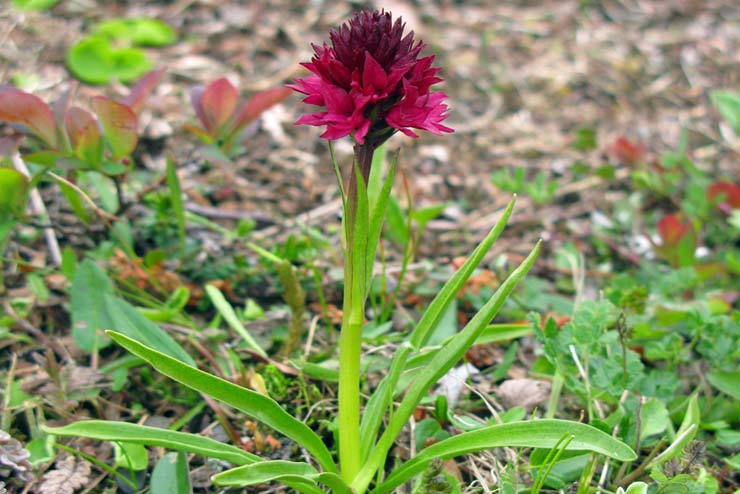
A very rare Swedish orchid with dense wine-red to deep pink flower spikes, restricted to a few calcareous mountain meadows around southern L...
| Scientific Name | Gymnadenia runei |
| Flower Color | Wine to red, deep pink to reddish to purple |
| Plant Height | Approximately 15 to 30 cm |
| Flower Size | Individual flowers about 8 to 15 mm |
| Flowering Time | June to July |
| Growing Time | Several years to flowering, slow natural establishment |
| Growing Location | Calcareous alpine/subalpine meadows around Tärnaby, southern Lapland |
| Sunlight | Full sun to light open shade |
| Temperature | Temperature for plant growing approx. 5 to 18°C and temperature for flower blooming approx. 10 to 18°C |
| Care Tips | Grow only from legally propagated material in alkaline, sharply drained, humus to poor soil. Provide cool conditions, strong light, moderate moisture and excellent drainage. Avoid fertilization, disturbance, transplantation and collection from wild populations. |
| Quick Summary | Brudkulla is one of Sweden's most unusual orchids, associated with a very small distribution in southern Lapland. Its compact flower head carries striking wine to red to deep pink flowers and rises above narrow green foliage. Swedish sources describe it as endemic to Sweden and occurring around the Tärnaby area, particularly in calcareous mountain meadows. Taxonomically, the plant has a complicated history: Kew currently accepts Gymnadenia × runei as a hybrid between G. conopsea and G. nigra, while Swedish conservation documentation uses Gymnadenia runei. It is therefore best presented in a commercial catalogue with a taxonomic note. Because Swedish orchids are legally protected, Brudkulla should be presented as a conservation or botanical flower, not as a cut to flower commodity. |
| Commercial & Gifting Uses | Suitable only as a botanical/conservation subject; never recommend wild to collected plants. |
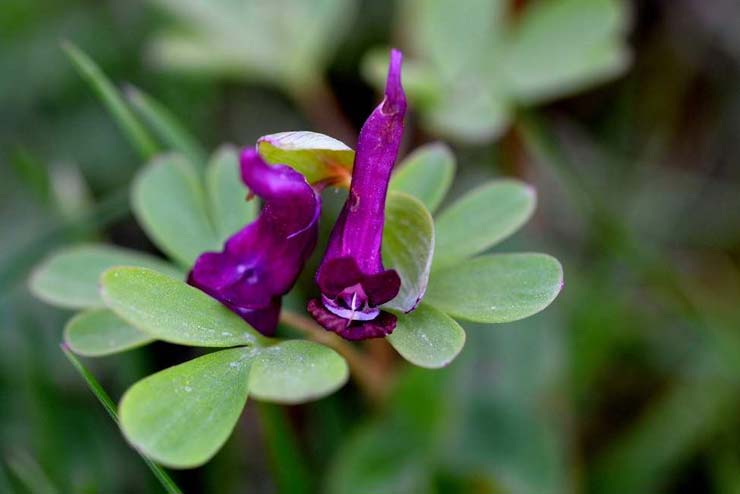
A highly localized Gotland endemic with delicate purple-pink flowers and finely divided foliage. It is a botanical rarity associated with li...
| Scientific Name | Corydalis gotlandica |
| Flower Color | Purple, pink to purple, occasionally pale violet |
| Plant Height | About 10 to 25 cm |
| Flower Size | About 15 to 25 mm |
| Flowering Time | April to May |
| Growing Time | Approximately 1 to 3 years under suitable cultivation |
| Growing Location | Limestone habitats on Gotland, Sweden |
| Sunlight | Partial shade to filtered sunlight |
| Temperature | Temperature for plant growing approx. 5 to 18°C and temperature for flower blooming approx. 8 to 16°C |
| Care Tips | Provide alkaline, rocky, well to drained soil with organic matter, partial shade and cool spring conditions. Keep evenly moist during growth but avoid winter waterlogging. Do not collect wild plants; use legally propagated stock. |
| Quick Summary | Gotland Corydalis is a particularly distinctive member of the poppy family, recognized for its restricted Swedish distribution and association with limestone landscapes. Its low to growing habit and purple to pink tubular flowers make it attractive to botanists and specialist gardeners, but its rarity means it should not be treated like an ordinary ornamental crop. The plant emerges during the cool spring season, taking advantage of available moisture before the summer landscape becomes drier. Its natural habitat is closely connected with Gotland's unusual calcareous environments. In a flower catalogue, its strongest appeal is therefore its rarity, Swedish identity and ecological significance rather than commercial availability. It works especially well in educational, botanical, conservation and heritage to themed presentations. |
| Commercial & Gifting Uses | Mainly botanical garden, conservation and specialist to plant interest. |
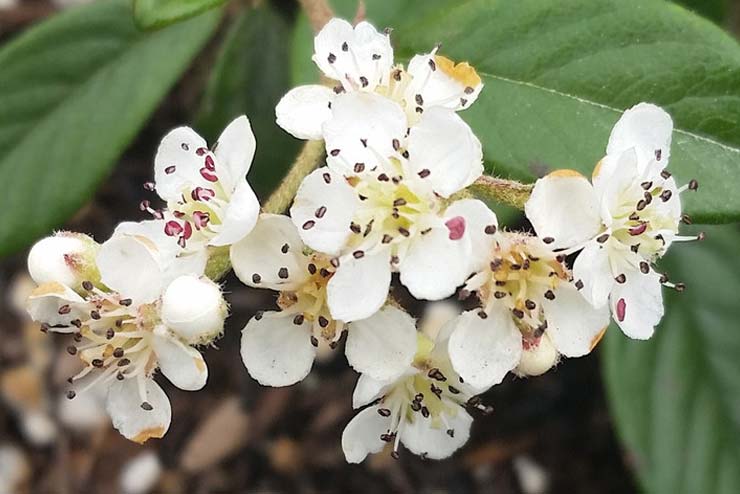
A rare Swedish cotoneaster associated with Kullaberg's limestone-rich landscape. It produces small pale flowers followed by decorative fruit...
| Scientific Name | Cotoneaster kullensis |
| Flower Color | White to pinkish to white |
| Plant Height | Approximately 0.5 to 1.5 m |
| Flower Size | About 5 to 8 mm |
| Flowering Time | May to June |
| Growing Time | 2 to 5 years to mature flowering |
| Growing Location | Kullaberg, Skåne, southern Sweden |
| Sunlight | Full sun to partial shade |
| Temperature | Temperature for plant growing and approx. 5 to 22°C and temperature for flower blooming approx. 10 to 20°C |
| Care Tips | Use alkaline, well to drained soil and full sun or light shade. Water during establishment but avoid saturated roots. Prune minimally after flowering. Preserve natural growth conditions and use only legally propagated plants. |
| Quick Summary | Kullaberg Cotoneaster is a rare woody plant associated with Kullaberg in Skåne. Unlike large to flowered ornamental shrubs, its flowers are small, understated and produced primarily for ecological reproduction rather than showy display. The species forms part of Kullaberg's exceptional flora, where limestone geology, coastal exposure and diverse woodland and grassland habitats create conditions for unusual plants. Swedish conservation documentation lists Cotoneaster kullensis as an endangered species within the Kullaberg Natura 2000 area. Its flowers are therefore best interpreted as part of a rare native shrub rather than a conventional bouquet flower. For commercial catalogues, its strongest applications are botanical education, ecological tourism, Swedish heritage products and conservation storytelling rather than cut flowers or mass to market gifting. |
| Quick Summary | Botanical and conservation significance. |
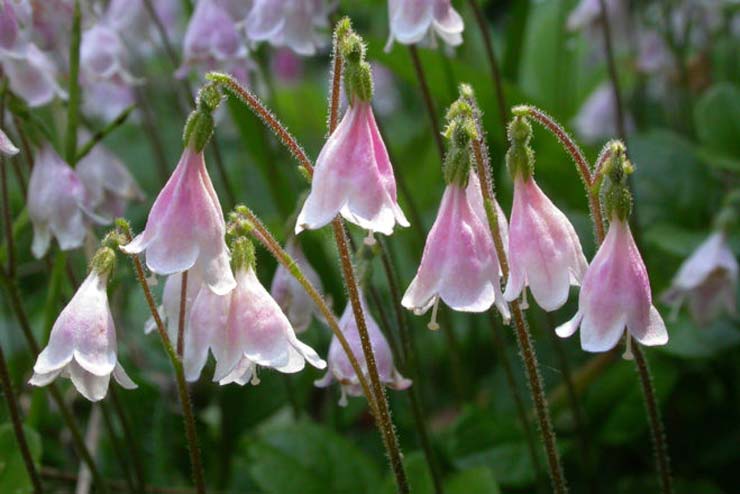
A fragrant woodland ground cover bearing paired, nodding pink-and-white bell-shaped flowers. Twinflower is strongly associated with boreal f...
| Scientific Name | Linnaea borealis |
| Flower Color | Pink and white |
| Plant Height | 5 to 15 cm |
| Flower Size: | 8 to 15 mm |
| Flowering Time | June to July |
| Growing Time | 2 to 4 years to establish a substantial flowering patch |
| Growing Location | Cool boreal coniferous forests |
| Sunlight | Partial shade to dappled shade |
| Temperature | Temperature for plant growing approx. 5 to 20°C and temperature for flower blooming approx. 10 to 18°C |
| Care Tips | Provide acidic, humus to rich, well to drained woodland soil and cool partial shade. Keep moisture consistent without waterlogging. Avoid intense afternoon sun, heavy fertilizer and frequent disturbance. Allow the creeping stems to spread naturally. |
| Quick Summary | Twinflower is one of Sweden's most culturally recognizable woodland plants. Its slender stems carry pairs of wonderfully delicate, nodding flowers that combine pink tubes with pale interiors and a subtle fragrance. The plant forms low mats beneath conifers and other cool northern woodland vegetation. Its association with Carl Linnaeus gives it an additional cultural value, making it particularly suitable for Swedish heritage products, botanical illustrations, stationery, tourism merchandise and nature to themed gifts. It is not, however, a major commercial cut flower because the stems are delicate and the plant is naturally low to growing. Its greatest appeal is symbolic: it represents boreal forests, Swedish botanical history and Linnaeus himself. |
| Commercial & Gifting Uses | Limited specialist ornamental use; popular for Swedish botanical, Linnaeus to themed and heritage gifts, but not a major cut flower. |
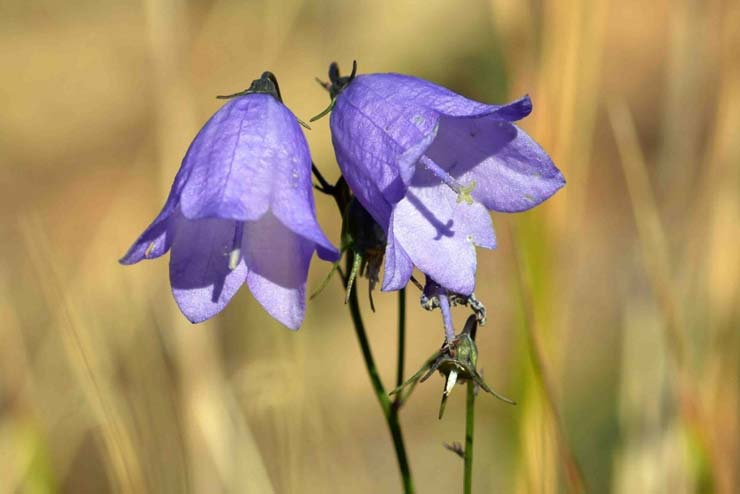
Sweden's national flower, the Harebell produces graceful blue-violet bells on slender stems and thrives in meadows, grasslands and open natu...
| Scientific Name | Campanula rotundifolia |
| Flower Color | Blue to blue to violet |
| Plant Height | 10 to 40 cm |
| Flower Size | 15 to 25 mm |
| Flowering Time | June to September |
| Growing Time | 1 to 2 years |
| Growing Location | Meadows, grasslands, rocky slopes and open woodland |
| Sunlight | Full sunlight to light shade |
| Temperature | Temperature for plant growing approx. 8 to 25°C and temperature for flower blooming approx. 12 to 22°C |
| Care Tips | Grow in full sun with moderately fertile, well to drained soil. Water during establishment, then avoid excessive moisture. Remove spent stems to extend flowering. Divide mature clumps carefully in spring or autumn for propagation. |
| Quick Summary | The Harebell is one of Sweden's most recognizable wildflowers and is widely appreciated for its airy blue to violet bells. Its slender stems give it an especially graceful appearance when growing among grasses, making it ideal for naturalistic gardens and Swedish to themed floral artwork. Unlike many rare species on this list, Campanula rotundifolia has a broad natural range extending across Europe and into the Russian Far East. It is therefore much more suitable for horticultural cultivation than the highly endemic species. The plant tolerates relatively dry conditions once established and performs well in rock gardens, meadow planting and informal borders. Its status as Sweden's national flower makes it particularly attractive for commercial gifting, souvenirs, printed products and Scandinavian floral branding. |
| Commercial & Gifting Uses | Swedish souvenirs, stationery, floral prints, national to themed gifts, garden plants and dried to flower designs. |
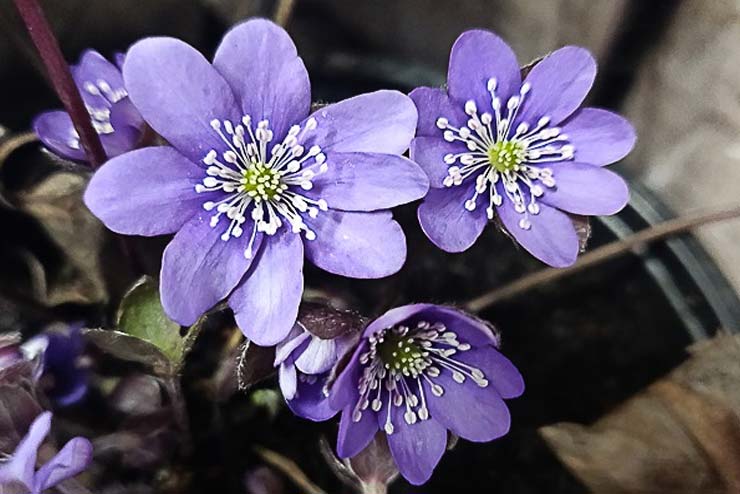
A brilliant early-spring woodland flower with vivid blue-violet petals that emerges soon after winter, often flowering before surrounding tr...
| Scientific Name | Hepatica nobilis |
| Flower Color | Blue, blue to violet, occasionally pink or white |
| Plant Height | 5 to 15 cm |
| Flower Size | 15 to 30 mm |
| Flowering Time | March to May |
| Growing Time | 2 to 3 years to establish |
| Growing Location | Deciduous woodland, woodland edges and calcareous soils |
| Sunlight | Partial shade; spring sunlight preferred |
| Temperature for plant growing approx. 5 to 20°C and temperature for flower blooming approx. 6 to 15°C | |
| Care Tips | Plant in humus to rich, well to drained soil beneath deciduous trees. Give bright spring light and summer shade. Maintain moderate moisture. Avoid disturbance once established because hepatica develops slowly and dislikes repeated transplantation. |
| Quick Summary | Blue Anemone is among the most striking signs of early spring in northern European woodlands. Its rich blue to violet flowers can appear while the surrounding forest floor is still covered with fallen leaves from the previous year. The plant is particularly attractive because its flowers emerge close to the ground before the developing tree canopy creates deep summer shade. It prefers humus to rich woodland soil and is especially successful where spring sunlight reaches the forest floor. Its vivid colour makes it popular with gardeners and photographers, although natural populations may receive legal protection in parts of Sweden. For commercial applications, cultivated plants, botanical art and spring to themed gifting are preferable to wild to collected flowers. |
| Commercial & Gifting Uses | Specialist garden plant, floral illustrations, spring gifts and botanical products. Wild collection should be avoided where protected. |
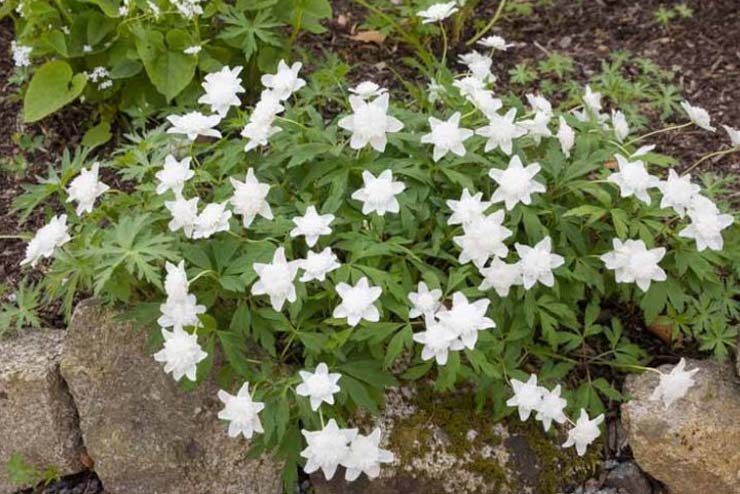
A classic Scandinavian spring woodland flower that forms spectacular carpets of white beneath beech, birch and other deciduous trees.
| Scientific Name | Anemone nemorosa |
| Flower Color | White, occasionally pinkish |
| Plant Height | 10 to 25 cm |
| Flower Size | 20 to 40 mm |
| Flowering Time | April to May |
| Growing Time | 2 to 4 years to establish colonies |
| Growing Location | Deciduous woodland, forest margins and shaded meadows |
| Sunlight | Partial shade to spring sun |
| Temperature | Temperature for plant growing approx. 5 to 20°C and temperature for flower blooming approx. 7 to 16°C |
| Care Tips | Plant rhizomes in humus to rich, moist but well to drained woodland soil. Provide spring sunlight and summer shade. Do not over to fertilize. Allow foliage to die back naturally after flowering so underground rhizomes can replenish energy. |
| Quick Summary | Wood Anemone is one of the defining flowers of European spring woodland. In Sweden it can cover large areas beneath deciduous trees, producing an impressive white floral carpet before the developing canopy becomes dense. Its seasonal strategy is highly adapted to woodland conditions: the plant flowers early, takes advantage of available spring light and then retreats underground as summer shade increases. It spreads gradually through underground rhizomes and can eventually create extensive colonies. Its flowers are attractive but relatively delicate, which limits its importance as a commercial cut flower. It is much more valuable for naturalistic gardens, woodland landscaping, photography, spring festivals and botanical to themed gifts. The species creates particularly memorable visual associations with Scandinavian forests. |
| Commercial & Gifting Uses | Limited cut to flower use; mainly garden, botanical photography, spring to themed gifts and naturalistic landscaping. |
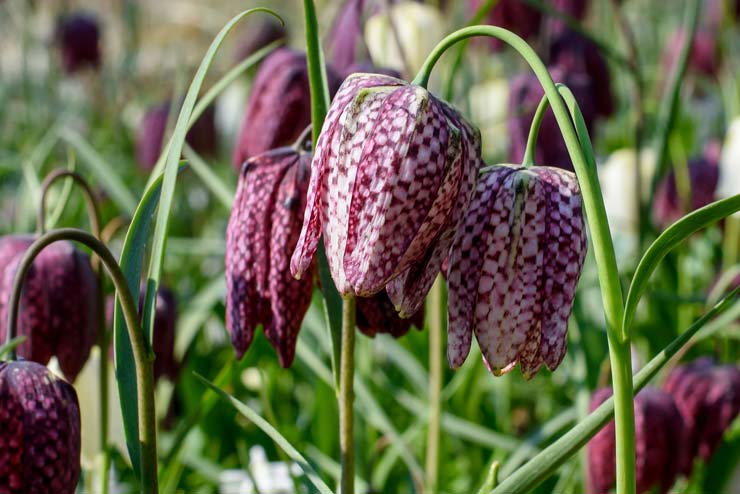
A distinctive nodding bell-shaped flower marked with a purple-and-white checkerboard pattern, traditionally associated with Swedish meadows ...
| Scientific Name | Fritillaria meleagris |
| Flower Color | Purple, maroon, pinkish to purple and white |
| Plant Height | 20 to 40 cm |
| Flower Size | 30 to 50 mm |
| Flowering Time | April to May |
| Growing Time | 2 to 3 years from bulb to strong flowering |
| Growing Location | Moist meadows and naturalized grasslands |
| Sunlight | Full sun to light shade |
| Temperature | Temperature for plant growing approx. 5 to 20°C and temperature for flower blooming approx. 8 to 16°C |
| Care Tips | Plant bulbs in moisture to retentive but well to drained soil with good spring light. Do not allow bulbs to dry completely. Avoid heavy fertilizer. Let foliage yellow naturally after flowering to restore energy for next season. |
| Quick Summary | Snake's Head Fritillary is among Europe's most distinctive bulb flowers. Its nodding, bell to shaped blooms are instantly recognizable because of their unusual checkerboard markings, usually in rich purple, maroon, pink and white tones. The flowers rise from narrow grass to like foliage during spring and are particularly attractive when naturalized through damp meadows. In Sweden it is closely associated with Uppland, where the Swedish name Kungsängslilja reflects its cultural importance. Unlike many rare endemic plants on this list, Fritillaria meleagris is a genuine horticultural subject and can be propagated and sold as cultivated bulbs. Its unusual pattern gives it strong potential for spring bouquets, premium garden products, floral photography, greeting cards and sophisticated gifting collections. |
| Commercial & Gifting Uses | High ornamental and gifting potential as bulbs and cultivated flowers; excellent for spring arrangements, gardens and decorative products. |
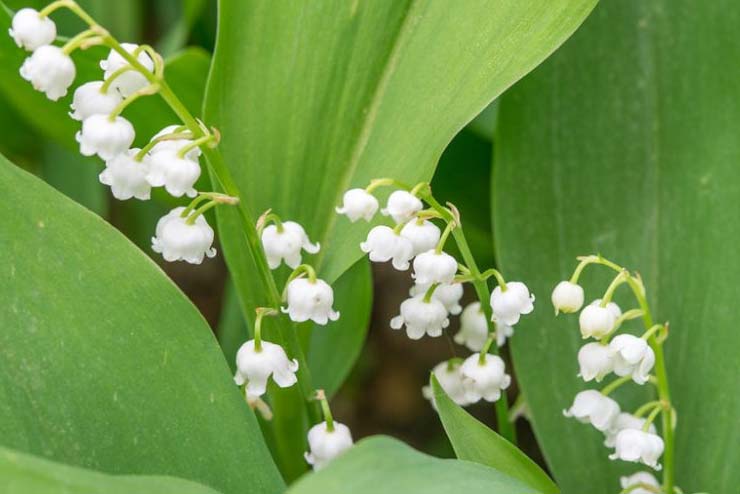
A highly fragrant woodland flower with elegant white bells, celebrated in Sweden as the provincial flower of Gästrikland and widely valued f...
| Scientific Name | Convallaria majalis |
| Flower Color | White; rarely pink |
| Plant Height | 15 to 30 cm |
| Flower Size | 5 to 10 mm |
| Flowering Time | May to June |
| Growing Time | 2 to 5 years to mature flowering colonies |
| Growing Location | Woodland, forest margins and humus to rich soils |
| Sunlight | Partial to full shade |
| Temperature | Temperature for plant growing approx. 5 to 22°C and temperature for flower blooming approx. 10 to 18°C |
| Care Tips | Grow in humus to rich, moist soil under partial or full shade. Keep roots cool and evenly moist. Allow colonies to spread naturally. Remember that every part is poisonous and local Swedish collection restrictions apply. |
| Quick Summary | Lily of the Valley is one of Europe's most recognizable fragrant woodland flowers. Its arching stems carry small white bells that release a powerful, sweet fragrance, making the plant exceptionally valuable in perfumery and spring to themed gifting. In Sweden it is associated with Gästrikland and grows widely outside the mountain regions. Cultivated forms are also valued for gardens and seasonal floral products. However, its commercial status requires care in Sweden: the plant is protected in several counties, and collection for sale or commercial purposes is prohibited in specified areas. The entire plant is poisonous if consumed. Consequently, commercial products should rely on legally cultivated material and should not imply that wild Swedish plants are available for harvesting. |
| Commercial & Gifting Uses | Used in fragrance, perfumery, cultivated plants, wedding themes and spring floral products. Restrictions apply in parts of Sweden. |
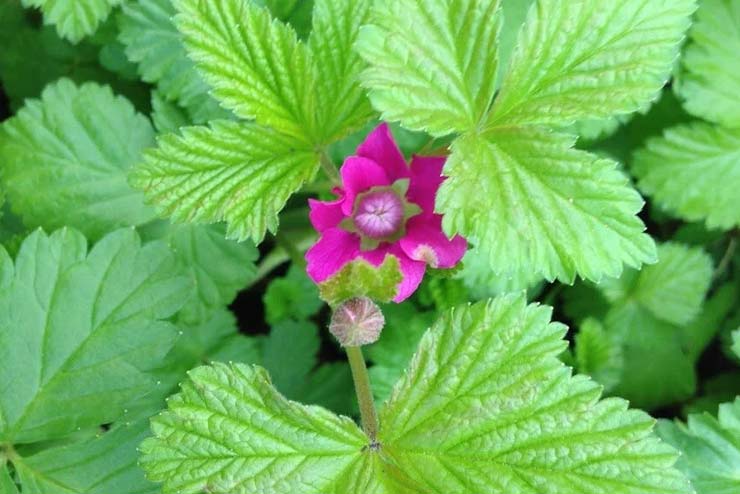
A low northern bramble with beautiful dark-pink flowers that later produces the intensely aromatic Arctic bramble berry, prized especially i...
| Scientific Name | Rubus arcticus |
| Flower Color | Dark pink, rose to red to magenta |
| Plant Height | 10 to 30 cm |
| Flower Size | 15 to 25 mm |
| Flowering Time | June to July |
| Growing Time | 2 to 3 years to fruiting maturity |
| Growing Location | Moist northern meadows, forest margins, ditches and wet woodland |
| Sunlight | Full sun to partial shade |
| Temperature | Temperature for plant growing approx. 5 to 20°C and temperature for flower blooming approx. 10 to 18°C |
| Care Tips | Provide cool, moist, acidic to to to neutral, organic to rich soil with good drainage. Give sun or partial shade. Keep evenly watered during flowering and fruiting. Use compatible cultivars for reliable fruit production and avoid hot conditions. |
| Quick Summary | Arctic Bramble is a low to growing northern perennial valued more for its extraordinary fruit than for its flowers. The flowers are nevertheless exceptionally attractive, appearing in shades of dark pink, rose to red or magenta during early summer. After pollination they develop into intensely aromatic dark to red berries that have a long culinary tradition in northern Scandinavia. In Sweden the plant is particularly associated with northern regions and is the landscape flower of Norrbotten. Commercial cultivation exists mainly through selected forms and hybrids rather than large to scale production of wild plants. The berry is used in preserves and specialty food products, while the flower itself has limited commercial importance. Its combination of attractive flowers, cultural identity and premium fruit makes it suitable for specialty gifting. |
| Commercial & Gifting Uses | Commercial value is mainly in the fruit, including preserves and specialty foods; flowers have niche botanical and gifting appeal. |
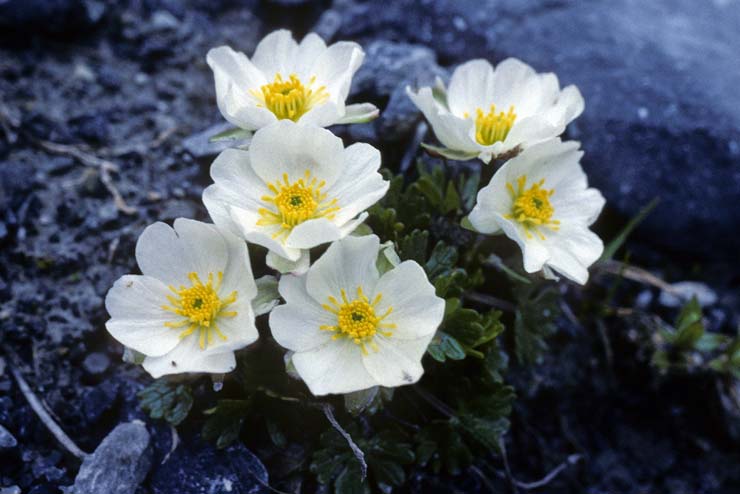
A remarkable high-altitude buttercup that flowers beside melting snowfields, producing white flowers that can turn pink or reddish as they a...
| Scientific Name | Ranunculus glacialis |
| Flower Color | White, later pink to reddish |
| Plant Height | 5 to 20 cm |
| Flower Size | 18 to 38 mm |
| Flowering Time | July to August |
| Growing Time | Several years; slow alpine perennial |
| Growing Location | High Scandinavian mountains, snowbeds and rocky alpine ground |
| Sunlight | Full sunlight |
| Temperature for plant growing approx. 0 to 15°C and temperature for flower blooming approx. 5 to 12°C | |
| Care Tips | Provide very cool conditions, gritty mineral soil, excellent drainage and reliable moisture. Protect from heat and stagnant water. Give full sunlight. Alpine cultivation requires careful temperature management and should never involve wild collection. |
| Quick Summary | Glacier Buttercup is an extraordinary example of plant adaptation to extreme alpine environments. It survives close to persistent snow patches where the growing season is short, temperatures remain low and exposed ground experiences severe weather. Its flowers initially appear white, sometimes changing through pink to reddish tones as they age. The species is native across a broad Arctic to alpine range that includes Sweden, Norway, Iceland, Greenland and high European mountains. In Sweden it occurs in the high mountain environment, where it takes advantage of snowmelt moisture. It has virtually no conventional cut to flower market because its ecological requirements are difficult to reproduce commercially. Its primary value is scientific, botanical and educational, representing the remarkable flora of Scandinavian high mountains. |
| Commercial & Gifting Uses | No mainstream commercial use. Botanical, alpine to garden and conservation interest. |
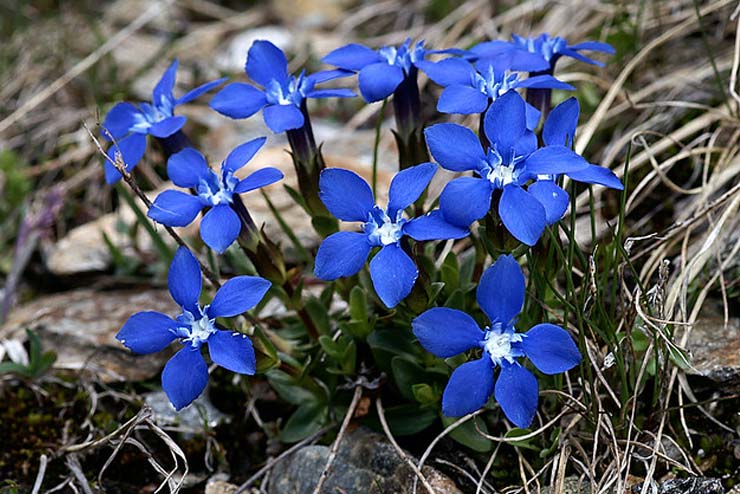
A tiny alpine gentian with intensely vivid blue flowers that open widely in sunshine, creating striking colour against rocky mountain vegeta...
| Scientific Name | Gentiana nivalis |
| Flower Color | Brilliant blue |
| Plant Height | 5 to 15 cm |
| Flower Size | 10 to 20 mm |
| Flowering Time | July to August |
| Growing Time | Usually 1 to 2 seasons for annual/biennial plants |
| Growing Location | Alpine grasslands, limestone to rich mountain slopes and rocky ledges |
| Sunlight | Full sunlight |
| Temperature | Temperature for plant growing approx. 2 to 15°C and temperature for flower blooming approx. 8 to 15°C |
| Care Tips | Use gritty, alkaline, sharply drained soil and abundant sunlight. Keep roots cool and moisture moderate. Avoid rich fertilizer and heat. Protect young plants from competition, especially in warm lowland growing conditions. |
| Quick Summary | Alpine Gentian is a small but spectacular mountain flower. Its vivid blue petals are especially striking because the plant itself is tiny and grows close to the ground. The flowers respond strongly to sunlight and may remain closed during cloudy or cool conditions. In Swedish mountains it is associated with calcareous grasslands, Dryas moors, rocky ledges and other open alpine habitats. Its short stature is an adaptation to exposed mountain conditions, where low temperatures and strong winds make tall growth difficult. Although the flower has considerable visual appeal, it is not an important commercial cut flower. Its main value lies in alpine gardening, botanical collections, photography, scientific education and premium nature to themed imagery. |
| Commercial & Gifting Uses | No major cut to flower trade. Suitable for alpine botanical gardens, photography and nature to themed products. |
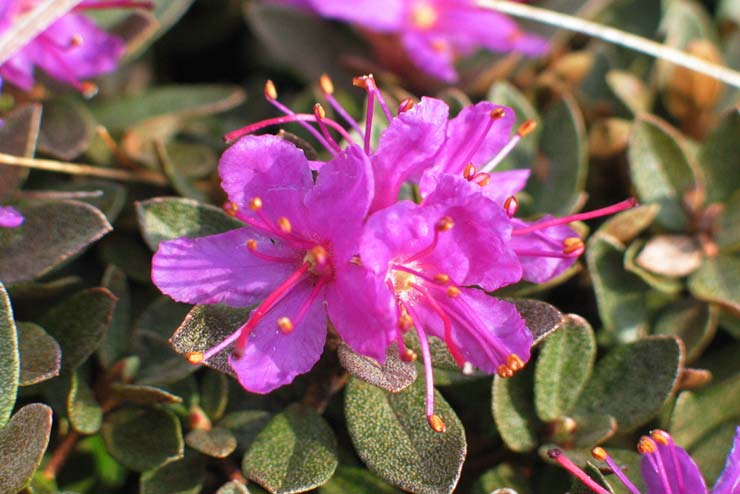
A miniature Arctic rhododendron with leathery evergreen foliage and clusters of brilliant reddish-violet flowers, adapted to cold, exposed S...
| Scientific Name | Rhododendron lapponicum |
| Flower Color | Reddish to violet, purple to pink |
| Plant Height | Usually 4 to 10 cm |
| Flower Size | 15 to 25 mm |
| Flowering Time | May to June |
| Growing Time: | 2 to 5 years to establish |
| Growing Location | Calcareous alpine moors and Dryas rich mountain habitats |
| Sunlight | Full sunlight to light shade |
| Temperature | Temperature for plant growing approx. 0 to 15°C and temperature for flower blooming approx. 5 to 15°C |
| Care Tips | Provide acidic to to to calcareous mineral conditions according to provenance, excellent drainage and cool temperatures. Protect from overheating. Maintain moderate moisture. Give good light but shelter from drying winds. Avoid heavy feeding and poorly drained soil. |
| Quick Summary | Lapland Rosebay is an exceptionally small member of the rhododendron family, often growing only a few centimetres above the mountain surface. Despite its miniature size, its reddish to violet flowers create an intense burst of colour against mosses, lichens and rocky ground. In Swedish Lapland it is particularly associated with calcareous Dryas moors and high mountain environments. Its evergreen leaves help it survive the long Arctic winter, while its low growth minimizes exposure to severe winds. It is a specialist botanical plant rather than a conventional bouquet flower. Its strongest commercial potential is in alpine gardening, botanical collections, educational displays and nature to themed imagery. Swedish mountain flora guides specifically note its low stature and June flowering period. |
| Commercial & Gifting Uses | Specialist alpine garden plant, limited commercial value compared with mainstream rhododendrons. |
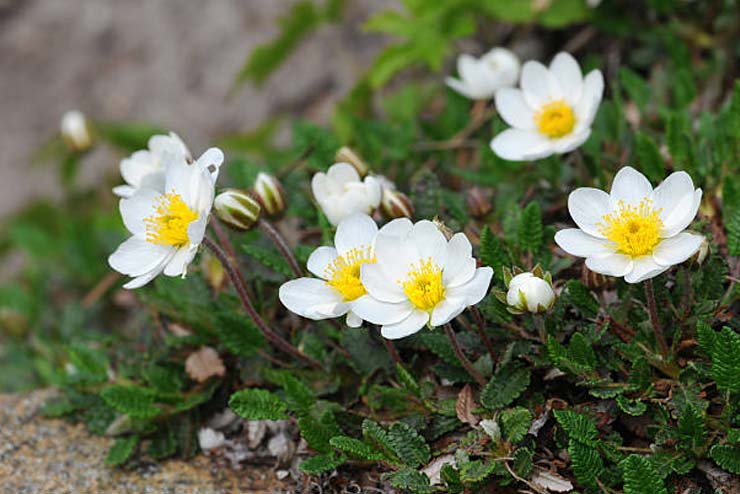
A tough, low-growing alpine plant with elegant white flowers and golden centres, thriving in lime-rich rocky ground and forming characterist...
| Scientific Name | Dryas octopetala |
| Flower Color | White |
| Plant Height | 5 to 15 cm |
| Flower Size | 20 to 40 mm |
| Flowering Time | June to July |
| Growing Time | 2 to 4 years |
| Growing Location | Calcareous alpine slopes, Dryas moors and rocky mountain ground |
| Sunlight | Full sunlight |
| Temperature | Temperature for plant Growing approx. 0 to 18°C and temperature for flower blooming approx. 8 to 16°C |
| Care Tips | Plant in alkaline, gritty, sharply drained soil under full sun. Keep roots cool and avoid excessive winter wetness. Water during establishment, then allow natural drying between watering. Avoid rich fertilizer and competition. |
| Quick Summary | Mountain Avens is a characteristic plant of northern alpine landscapes and one of the species that defines lime to rich Dryas moor vegetation. Its low woody stems, leathery leaves and white flowers allow it to withstand strong winds, cold temperatures and nutrient to poor rocky soils. The flowers are relatively large compared with the plant and have a bright yellow centre, giving them considerable ornamental appeal despite their small stature. In Swedish Lapland, extensive communities of Mountain Avens occur in calcareous mountain terrain and support a diverse collection of other alpine plants. It is better suited to specialist rock and alpine gardens than cut to flower production. Its visual identity is particularly useful for Scandinavian nature products and mountain to themed botanical designs. |
| Commercial & Gifting Uses | Alpine garden, rock garden and botanical uses; not a major cut flower. |
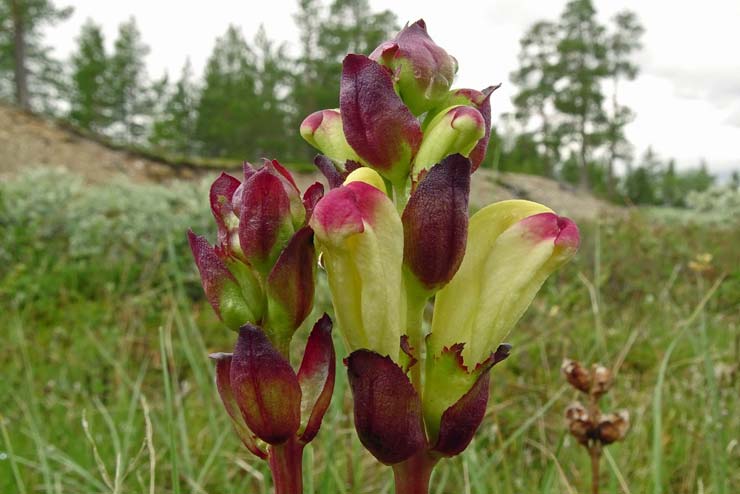
A dramatic wetland perennial with tall spikes of pale yellow flowers marked with purple-pink tips, giving it a distinctive scepter-like appe...
| Scientific Name | Pedicularis sceptrum to carolinum |
| Flower Color | Yellow, cream and pink to purple |
| Plant Height | 30 to 100 cm |
| Flower Size | 25 to 38 mm |
| Flowering Time | June to August |
| Growing Time | 2 to 3 years to mature flowering |
| Growing Location | Wet meadows, fens, marshes and peat to rich habitats |
| Sunlight | Full sunlight to partial shade |
| Temperature | Temperature for plant growing approx. 5 to 20°C and temperature for flower blooming approx. 10 to 18°C |
| Care Tips | Provide consistently moist, nutrient to moderate soil and cool conditions. Give sun or light shade. Avoid drying the root zone. Because the species is hemiparasitic, cultivation is more successful with compatible host vegetation nearby. |
| Quick Summary | King Charles's Scepter is one of the most architecturally striking flowers in northern European wetlands. Its tall upright flowering spike resembles a ceremonial scepter, while pale yellow tubular flowers carry contrasting pink or purple markings. The plant belongs to Pedicularis, a group containing hemiparasitic species that obtain some nutrients through connections with neighbouring plants. It is associated with wet meadows, fens and other moisture to rich habitats and has a broad subarctic/subalpine Eurasian distribution that includes Sweden. Its unusual shape gives it considerable botanical and photographic interest, but it is not a conventional cut flower and is rarely encountered in commercial floral design. It is better suited to specialist collections, wetland interpretation, botanical gardens and Scandinavian heritage imagery. |
| Commercial & Gifting Uses | Limited specialist botanical or ornamental interest, not a mainstream commercial flower. |
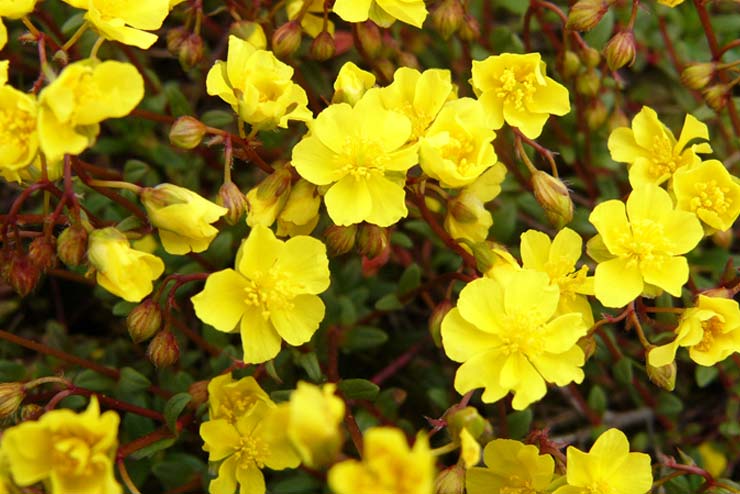
A low-growing yellow rockrose adapted to Öland's dry limestone Alvar, where its bright flowers can colour large areas during the early summe...
| Scientific Name | Helianthemum oelandicum |
| Flower Color | Bright yellow |
| Plant Height | 5 to 20 cm |
| Flower Size | 15 to 25 mm |
| Flowering Time | June, with some forms flowering later |
| Growing Time | 1 to 3 years |
| Growing Location | Öland's Great Alvar and other calcareous open habitats |
| Sunlight | Full sunlight |
| Temperature | Temperature for plant growing approx. 8 to 25°C and temperature for flower blooming approx. 15 to 25°C |
| Care Tips | Use very well drained alkaline or calcareous soil in full sun. Allow seasonal dryness after flowering. Avoid rich soil and frequent watering. Maintain open growing conditions because surrounding vigorous plants can quickly overwhelm this low shrub. |
| Quick Summary | Öland Sun rose is one of the characteristic plants of Öland's Great Alvar. It is a low woody shrub that spreads across shallow limestone soils and produces bright yellow flowers during the early summer. The species is remarkably adapted to an environment where drought, frost and seasonal waterlogging occur within the same annual cycle. The true Öland form is especially significant because it is restricted to Öland and is considered a glacial relict. Its flowers are showy enough for rock gardens, but its strongest commercial potential is cultural rather than floral. It is highly suitable for Öland tourism branding, Swedish botanical artwork, conservation education, postcards and nature themed gifts. |
| Commercial & Gifting Uses | Good specialist rock to garden potential, plus Öland to themed tourism, botanical prints and heritage gifts; not a standard cut flower. |
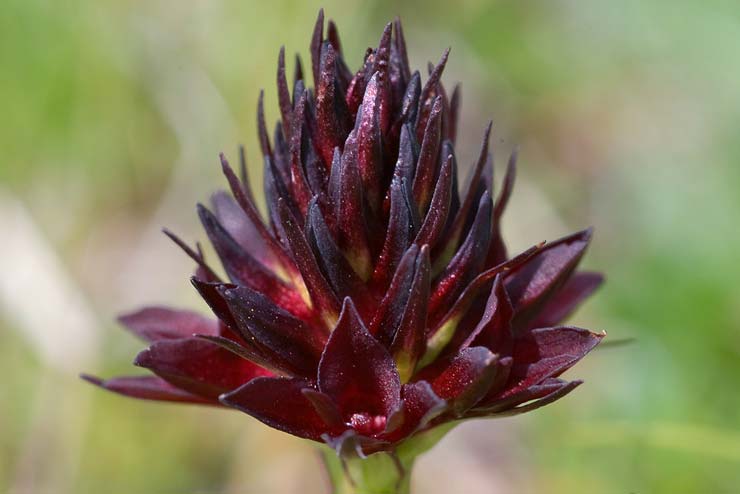
A rare dark maroon-to-blackish orchid with a powerful vanilla-like fragrance, growing in calcareous Swedish grasslands and flowering in earl...
| Scientific Name | Gymnadenia nigra |
| Flower Color | Dark maroon, reddish to black, deep purple |
| Plant Height | Up to about 20 to 25 cm |
| Flower Size | Individual flowers approximately 8 to 15 mm |
| Flowering Time | May to June |
| Growing Time | Several years; difficult specialist cultivation |
| Growing Location | Calcareous grasslands and traditional hay meadows in northern Sweden |
| Sunlight | Full sunlight |
| Temperature | Temperature for plant growing approx. 5 to 18°C and temperature for flower blooming approx. 10 to 18°C |
| Care Tips | Use only legally propagated material. Provide cool, bright conditions, alkaline well drained soil and low fertility. Avoid disturbance and over watering. Never collect wild plants. Maintain natural meadow conditions where possible and monitor local conservation regulations. |
| Quick Summary | Black Vanilla Orchid is one of Sweden's most unusual orchids, combining a dark flower colour with an intense fragrance reminiscent of vanilla. The dense flower spike can appear almost black or chocolate to maroon from a distance, although individual flowers are reddish to purple. In Sweden the species is extremely rare and occurs in a limited number of inland locations, particularly in calcareous grasslands and traditional hay meadows. It is protected throughout Sweden, and wild specimens may not legally be picked, dug up or damaged. Consequently, it should never be marketed as a wild to harvested commercial flower. Its strongest legitimate commercial applications are specialist cultivated orchid collections, botanical education, photography and conservation to themed gifting. |
| Commercial & Gifting Uses | No wild commercial use. Legally propagated plants may have specialist botanical value; not a normal cut flower. |
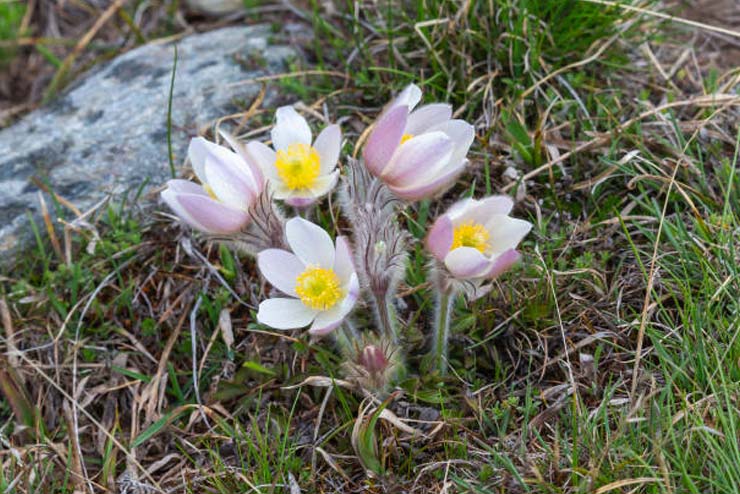
A distinctive early alpine flower with silky, hairy foliage and white flowers often flushed with pink or purple, capable of blooming while s...
| Scientific Name | Pulsatilla vernalis |
| Flower Color | White with pink to purple exterior |
| Plant Height | 5 to 20 cm |
| Flower Size | 30 to 50 mm |
| Flowering Time | April to June |
| Growing Time | 2 to 4 years |
| Growing Location | Dry, open, sandy or rocky northern habitats and alpine heaths |
| Sunlight | Full sunlight |
| Temperature | Temperature for plant growing approx. 0 to 18°C and temperature for flower blooming approx. 3 to 15°C |
| Care Tips | Plant in sharply drained sandy or gritty soil with full sun. Avoid waterlogged conditions. Keep roots cool and avoid excessive fertilizer. Provide winter drainage and allow the plant to remain undisturbed after flowering. |
| Quick Summary | Spring Pasqueflower is a remarkable northern perennial adapted to begin flowering exceptionally early in the year. Its stems and buds are covered in fine hairs, providing protection against cold temperatures, while the flowers open close to the ground as snow retreats. The flowers are generally white inside with pink or purplish tones on the outer surfaces. The plant prefers open, dry and well to drained habitats where competing vegetation remains limited. Its ability to bloom during the transition from winter to spring gives it considerable symbolic value as a flower of renewal and resilience. It is better suited to specialist alpine gardens, botanical collections, photography and Scandinavian spring to themed products than commercial cut to flower production. |
| Commercial & Gifting Uses | Specialist rock to garden and alpine plant; suitable for botanical imagery and spring to themed products, but not a mainstream cut flower. |


Swedish flowers are closely connected to the country's climate and geography. In southern Sweden, spring flowers emerge in woodland clearings, gardens and meadows as temperatures rise. Further north, the flowering season is often shorter, and plants must adapt to cooler conditions, long winters and challenging growing environments. Alpine and subalpine areas support specialist species that remain low to the ground, while woodland habitats provide suitable conditions for delicate shade-loving flowers.
Many Swedish wildflowers have a natural, understated appearance. Small bell-shaped flowers, white woodland carpets, blue-violet spring blooms and unusual patterned petals all contribute to the country's botanical character. These flowers are especially appealing to people who appreciate native plants, naturalistic gardens and the quiet beauty of Scandinavian landscapes.
Swedish flowers can be explored in several ways: as plants that grow in gardens, as wild species observed in their natural habitats, as subjects for botanical study and as inspiration for gifts and decorative products. Understanding these differences is important because a flower that is botanically significant may not be suitable for picking, selling as a cut flower or growing outside its natural environment.
Harebell (Campanula rotundifolia) is one of the most recognisable flowers associated with Sweden and is identified on the collection page as the country's national flower. Its slender stems carry delicate blue to violet bell-shaped blooms, creating a light and graceful appearance among grasses, rocky slopes and open meadows.
The harebell flowers mainly through the summer months and can suit naturalistic planting schemes where its fine stems and small blooms complement other meadow plants. Compared with some rare Swedish botanical species, it has a much broader natural distribution and is a more familiar subject for horticulture and garden-inspired products.
Its simple form and cool colour palette make the harebell an appealing theme for Scandinavian floral artwork, botanical prints, greeting cards and nature-inspired gifts. It can also provide inspiration for gardeners who want to create a relaxed meadow effect rather than a formal flower bed.
Twinflower (Linnaea borealis) is a low-growing woodland plant known for its paired, nodding pink-and-white flowers. Its delicate appearance reflects the quieter side of Swedish floral heritage, where small plants can be just as memorable as large, showy blossoms.
Twinflower grows naturally in cool woodland environments, often among conifers and other vegetation that provides filtered light and a layer of organic material. Its slender stems and paired flowers make it distinctive, while its association with Carl Linnaeus adds an important botanical and historical dimension.
For people interested in Swedish nature, Twinflower is particularly meaningful as a subject for botanical illustrations, nature writing, educational displays and heritage-themed gifts. It is not a typical commercial cut flower; its appeal lies mainly in its symbolism, woodland character and place in botanical history.
Blue Anemone (Hepatica nobilis) is a woodland flower admired for its blue to violet petals and its ability to bloom early in the year. It can appear before trees develop their full canopy, taking advantage of the brighter light that reaches the woodland floor in spring.
The plant is generally associated with partially shaded woodland settings and soils containing organic matter. Its compact growth and vivid flowers make it an interesting subject for spring gardens, nature photography and botanical collections. Depending on the location, natural populations may be subject to conservation rules, so wild collection should never be assumed to be permitted.
Blue Anemone also represents the sense of renewal associated with the Swedish spring. Its appearance after the colder months makes it a natural source of inspiration for seasonal floral designs, spring-themed cards and thoughtful gifts for people who appreciate woodland plants.
Wood Anemone (Anemone nemorosa) is known for its white flowers and its ability to form broad carpets beneath deciduous trees. In spring, woodland floors can become covered with blooms before the trees above develop dense foliage and reduce the available light.
This seasonal growth pattern makes Wood Anemone a characteristic spring flower. The plant takes advantage of favourable light conditions early in the year, then gradually retreats as the woodland becomes shadier. Its natural appearance is particularly suited to woodland-inspired gardens and Scandinavian botanical imagery.
Although its flowers are attractive, Wood Anemone is generally more significant as a garden and habitat plant than as a mainstream cut flower. It can inspire naturalistic landscaping, spring photography, botanical illustrations and nature-themed decorative products.
When people think about flower gifts, they often picture roses, lilies or mixed bouquets. Sweden's botanical diversity offers another perspective. Native and distinctive flowers can be appreciated through cultivated plants, illustrations, garden designs and products inspired by the country's landscapes.
For example, Harebell offers a familiar blue-violet floral theme, Twinflower represents northern woodland character, and Blue Anemone captures the freshness of early spring. Wood Anemone brings to mind bright forest floors, while Snake's Head Fritillary is recognised for its unusual checkerboard-patterned petals.
These different forms of floral inspiration can suit a range of interests, from gardening and photography to Scandinavian home décor and botanical collecting. When choosing a flower-related gift, it is useful to consider whether the recipient prefers fresh arrangements, living garden plants, decorative artwork or information about unusual plant species.
Sweden is home to botanical rarities that are important because of their limited distribution, specialised habitats or conservation status. Examples in the collection include Brudkulla Orchid, Gotland Corydalis and Kullaberg Cotoneaster. These plants are valuable subjects for botanical education and conservation awareness, but they should not automatically be presented as readily available commercial flowers.
Some rare species require highly specific soil conditions, cool temperatures or specialist cultivation techniques. Others are associated with habitats that need protection from disturbance. A responsible approach to Swedish flowers means respecting local conservation requirements and choosing legally propagated material whenever plants are offered for cultivation.
For shoppers and nature enthusiasts, botanical illustrations, educational resources and products inspired by these rare species can provide a meaningful way to appreciate them without encouraging the removal of plants from the wild.
Swedish flowers combine seasonal beauty, natural simplicity and a rich botanical identity. From the familiar Harebell to the delicate Twinflower and the early spring blooms of Blue Anemone and Wood Anemone, each flower tells a different story about Sweden's landscapes and growing conditions.
Whether you are researching native flowers, looking for Scandinavian-inspired gift ideas or exploring plants for a naturalistic garden, learning about these blooms is a useful starting point. Discover the different flowers associated with Sweden and consider how their colours, shapes and seasonal character can inspire thoughtful floral gifts and botanical designs.
Sweden's floral heritage includes many flowers that stand out because of their unusual shapes, seasonal appearance or connection to specific natural habitats. Some bloom across woodland floors in spring, while others thrive in open meadows, coastal landscapes or colder mountain environments. Exploring these flowers provides a deeper understanding of Sweden's botanical diversity and offers inspiration for gardeners, nature lovers and people interested in Scandinavian floral design.
The flowers below represent different aspects of Swedish plant life. Some are familiar garden favourites, while others are primarily wild species appreciated for their botanical importance. Their suitability for cultivation or gifting depends on availability, local growing conditions and conservation requirements.
Snake's Head Fritillary (Fritillaria meleagris) is famous for its hanging, bell-shaped flowers, which often feature a striking checkerboard pattern in shades of purple, burgundy and white. This unusual pattern distinguishes it from many other spring flowers and makes it a favourite subject for botanical photography and illustration.
The species is associated with moist meadows and grassland habitats in parts of Europe. Where it is cultivated, it generally prefers soil that retains moisture without becoming excessively waterlogged. Its nodding flowers add an informal, natural character to suitable spring planting schemes.
For people drawn to unusual flower forms, Snake's Head Fritillary offers an alternative to conventional blooms. Its patterned petals can inspire floral artwork, decorative prints and seasonal gift designs. Availability as a living plant or cut flower varies, so it should not be assumed to be a standard commercial bouquet component.
Lily of the Valley (Convallaria majalis) is recognised for its arching stems of small, white, bell-shaped flowers and its distinctive fragrance. It grows naturally in woodland environments and is also cultivated in gardens where its spreading growth habit can be accommodated.
The plant usually flowers in spring, creating a delicate display beneath trees and shrubs. Its compact white blooms make it popular in traditional gardens and floral imagery, particularly where a soft, elegant appearance is desired.
Lily of the Valley is associated with springtime, renewal and understated elegance in several European floral traditions. It can inspire seasonal greeting cards, botanical illustrations and decorative gifts. However, all parts of the plant are poisonous if ingested, so it should be handled thoughtfully around children and pets. Local rules and sourcing conditions should also be checked before purchasing plants or collecting flowers.
Arctic Bramble (Rubus arcticus) is a low-growing perennial known for its delicate pink to reddish flowers and its edible fruit. It is adapted to cool northern environments and is associated with moist meadows, woodland edges and other suitable habitats across parts of northern Europe.
The flowers are modest in size, but the plant has additional interest because its blooms develop into aromatic berries under suitable growing conditions. Arctic Bramble is therefore relevant to both botanical enthusiasts and people interested in edible plants from cooler climates.
Its northern character makes it a distinctive subject for Scandinavian nature-inspired gifts and botanical collections. Growing it successfully can require attention to climate, soil moisture, pollination and local conditions, so it is best suited to gardeners who can provide an appropriate environment.
Glacier Buttercup (Ranunculus glacialis) is a specialist alpine species associated with high-altitude environments in parts of Europe. It is adapted to short growing seasons and cold conditions, and its flowers can change appearance as they mature, often developing from white or pale shades towards pinkish tones.
This flower represents the resilience of plants that survive in exposed mountain habitats. Low temperatures, intense sunlight, wind and limited growing seasons create demanding conditions, favouring species with specialised growth patterns.
For flower enthusiasts, Glacier Buttercup is particularly interesting as a subject for alpine botany, mountain photography and educational displays. It is not a typical home-garden flower, and its specific environmental requirements mean it should not be recommended casually for ordinary indoor pots or warm-climate gardens.
Gentians are widely admired for their intense blue flowers and their association with mountain landscapes. Alpine Gentian is a useful botanical theme for people interested in the cool colours and compact growth forms of alpine plants. The exact species and growing requirements should be checked before selecting a plant for cultivation.
Many gentians prefer well-drained soil and conditions that match their natural habitat, although requirements vary considerably between species. Some are adapted to limestone soils, while others favour acidic or moisture-retentive conditions. Their care needs should therefore be assessed at species level rather than treated as identical.
Gentians can inspire Scandinavian floral artwork, garden designs and gifts for people who enjoy mountain landscapes. Their rich blue colour also works well in decorative themes based on cool tones, natural textures and the restrained aesthetic often associated with Nordic design.
Mountain Avens (Dryas octopetala) is a low-growing plant associated with Arctic and alpine environments. It has white flowers with a prominent yellow centre, followed by distinctive feathery seed heads. These seed heads can remain visually interesting after the flowering period has passed.
The plant is adapted to exposed conditions and is often found in rocky or well-drained habitats. Its compact growth and ability to tolerate challenging environments make it an important part of alpine plant communities.
Mountain Avens is especially interesting for gardeners who study alpine landscapes or create specialist rock gardens in climates where it can grow successfully. It is also a compelling subject for botanical illustration and nature-themed products, although its growing requirements may be too specialised for many ordinary gardens.
Brudkulla Orchid is a distinctive orchid associated with Sweden's botanical heritage. Orchids often attract specialist interest because of their complex flower structures, specific pollination relationships and, in some cases, demanding cultivation requirements.
As with other rare or locally significant plants, the availability and legal status of Brudkulla Orchid should be verified before presenting it as a purchasable garden plant. Wild orchids can be vulnerable to habitat disturbance and illegal collection, making responsible sourcing particularly important.
For a botanical enthusiast, this orchid can be appreciated through species guides, nature photography, educational content and artwork inspired by Swedish flora. Such alternatives allow people to celebrate rare plants without encouraging the removal of specimens from their natural habitats.
Gotland Corydalis is a distinctive botanical name associated with Sweden's island flora. Gotland has a particular landscape shaped by limestone geology, coastal conditions and habitats that support a range of specialised plants. These environmental features contribute to the island's botanical interest.
Plants associated with specialised island habitats can have narrower distributions than widespread woodland or meadow species. Their conservation depends on protecting suitable growing conditions and limiting unnecessary disturbance. Any purchase or cultivation recommendation should therefore be based on verified information about the particular species and its legal status.
Gotland Corydalis can be an engaging topic for people exploring Swedish botanical diversity, regional nature and island ecosystems. It is also suitable as inspiration for botanical illustrations, educational resources and nature-focused gift designs.
Kullaberg Cotoneaster represents another specialist plant associated with Sweden's distinctive flora. Coastal landscapes can support unusual plant communities because of their combination of exposed rock, wind, variable soil depth and local climatic influences.
Cotoneasters as a group include shrubs with small leaves, delicate flowers and, in many species, colourful berries. Their horticultural uses vary by species, and a particular plant's size, growth habit and environmental needs should be confirmed before it is selected for a garden.
For people interested in Swedish landscapes, this plant provides a starting point for learning about regional botanical diversity and the relationship between geology and vegetation. It can also inspire nature-themed artwork, garden planning and educational gifts.
The best flower to explore depends on the recipient's interests and the intended use. Harebell and gentians appeal to people who appreciate blue flowers and naturalistic planting. Twinflower and Wood Anemone are associated with woodland settings, while Snake's Head Fritillary attracts attention through its unusual pattern. Arctic Bramble adds an edible-plant dimension, and Mountain Avens and Glacier Buttercup are especially relevant to alpine botany.
For a gardener, it is important to consider climate, soil type, sunlight and moisture before selecting a living plant. Alpine species may struggle in warm, humid environments, while woodland flowers can require shade and soil conditions that are difficult to reproduce in exposed locations. A flower's Swedish origin alone does not guarantee that it will thrive in every garden.
Flowers associated with Sweden can inspire thoughtful gifts for people who value nature, gardening, photography or Scandinavian design. A floral illustration featuring Harebell, a framed print of woodland flowers or a nature-inspired greeting card can celebrate Swedish botanical heritage without requiring a rare living plant.
For gardeners, legally propagated plants that suit the recipient's local conditions may be a better choice than specialist wildflowers. For someone who enjoys learning about plants, a field guide or botanical artwork can be more useful than a plant with demanding cultivation needs.
When shopping online, check the product description carefully to understand whether an item is a fresh bouquet, a living plant, a decorative product or an illustration. This helps set accurate expectations about delivery, care and availability.
Sweden's distinctive flowers are valuable not only for their beauty but also for the habitats and ecological relationships they represent. Rare orchids, alpine species and plants with limited distributions should be appreciated with particular care. Avoid collecting wild flowers unless local regulations clearly permit it, and choose reputable sources when buying living plants.
Responsible appreciation also means selecting plants suited to the intended growing environment. A native or alpine flower may be an excellent choice for a suitable garden but a poor choice for a warm indoor setting. Botanical prints, photography and educational gifts offer alternative ways to celebrate these flowers.
Sweden's flower calendar is shaped by long winters, changing daylight hours and a relatively short growing season in many regions. Spring brings the first woodland blooms, summer introduces colourful meadows and mountain flowers, and late summer can extend the display with hardy perennials and flowering garden plants. Autumn is quieter, but seed heads, foliage and late-season blooms continue to provide interest.
Understanding the seasonal character of Swedish flowers is useful for gardeners, nature enthusiasts and anyone looking for floral inspiration. It also helps people choose appropriate plants and gifts based on flowering time, local climate and the recipient's growing conditions.
Spring is an especially rewarding time to explore Sweden's woodland flowers. As snow recedes and temperatures begin to rise, plants take advantage of the light reaching the ground before deciduous trees develop their full canopy. This creates favourable conditions for several early-flowering species.
Wood Anemone (Anemone nemorosa) is a familiar example, with white flowers that can spread across suitable woodland floors. Blue Anemone (Hepatica nobilis) adds blue or violet tones, while Lily of the Valley generally flowers later in spring, producing its recognisable white bells and fragrance.
Spring-flowering bulbs and cultivated perennials can also bring colour to gardens, courtyards and balconies. For people inspired by Scandinavian landscapes, a combination of white and blue flowers can create a fresh, restrained palette that works well with natural stone, timber and simple outdoor furniture.
When selecting spring flowers, consider the amount of sunlight available before trees leaf out, the soil's moisture level and how much shade develops later in the season. Plants that thrive in a bright spring woodland may struggle in a garden that remains dry or receives intense afternoon sunlight.
As spring progresses into summer, Swedish meadows and open landscapes become increasingly colourful. Harebell (Campanula rotundifolia) produces slender stems with small blue-violet bells, while suitable gentian species can add deeper blue tones to specialist plantings. Other meadow flowers provide contrasting white, yellow, pink and purple colours.
Harebell is particularly suitable as inspiration for naturalistic gardens because of its delicate form. It can complement grasses and other small flowering plants without dominating the planting scheme. Its informal appearance reflects the simplicity often associated with Scandinavian garden design.
For gardeners, early summer is a useful time to observe which areas receive adequate light and which remain moist or shaded. These observations can guide future planting choices. Plants should be selected according to their actual requirements rather than grouped together simply because they are associated with Sweden.
Summer is an important flowering period for many alpine and northern plants. In mountain environments, the growing season can be brief, so flowers may bloom quickly when temperatures and daylight conditions become favourable. Species such as Mountain Avens (Dryas octopetala) and Glacier Buttercup (Ranunculus glacialis) illustrate the specialised forms that plants can develop in cold, exposed habitats.
These flowers are of particular interest to botanists and alpine-garden enthusiasts. However, high-altitude plants may require cool root conditions, specific soil chemistry, excellent drainage or consistent moisture. They should not be treated as easy choices for every home garden, especially in warmer climates.
Gardeners who want an alpine-inspired look can often achieve a similar visual effect with locally suitable rock-garden plants. Low-growing perennials, compact flowering plants, natural stone and well-drained growing areas can create a mountain-inspired design without introducing species that are poorly suited to the local environment.
As summer moves towards autumn, some flowers continue blooming while others begin producing seeds. This stage of the season adds a different kind of beauty to Swedish-inspired gardens. Seed heads, grasses and changing foliage can provide texture even when fewer flowers remain open.
In a naturalistic planting scheme, leaving some healthy seed heads in place can add visual interest and provide food or shelter for wildlife, depending on the plant species and local conditions. Dead or diseased plant material should still be removed where appropriate to maintain plant health.
For gardeners planning next year's display, late summer and autumn are useful times to review which flowers performed well, where drainage was poor and which areas need additional planting. Recording flowering times can help create a more balanced garden with blooms across several months.
A Swedish-inspired garden does not need to contain rare wildflowers or plants from Sweden itself. The design can draw on the country's natural landscapes through restrained colours, informal planting, native species suited to the local climate and materials such as timber, gravel and stone.
White flowers, cool blues, soft pinks and fresh greens can create a calm palette. Harebell-inspired blue flowers can be combined with white-flowering perennials and ornamental grasses. Woodland-inspired areas can use shade-tolerant plants beneath trees, while sunnier sections can feature meadow-style planting.
The most successful approach is to select plants that thrive in the garden's actual conditions. A Swedish landscape may inspire the design, but the final plant list should reflect the local climate, soil, rainfall and available sunlight.
Woodland-inspired gardens recreate the layered structure of a forest edge or shaded clearing. They often combine small flowering plants, leafy ground covers, shrubs and trees. This approach can be particularly appealing to people who enjoy the quiet beauty of Wood Anemone, Twinflower and other woodland species.
For a home garden, begin by assessing how much light reaches the ground throughout the day. Areas beneath deciduous trees may receive brighter light in early spring and deeper shade later. Soil can also become dry beneath established trees because their roots compete for water.
Choose shade-tolerant plants appropriate to the region and avoid disturbing established woodland habitats. Where a specific Swedish species is unavailable or unsuitable, locally adapted alternatives can provide a similar natural effect with less maintenance.
Meadow-style planting offers a relaxed alternative to formal flower beds. Instead of arranging every flower in a precise line, the design uses groups of flowering plants and grasses to create a more natural appearance. Harebell is a useful source of inspiration for this style because of its slender stems and small, bell-shaped flowers.
A successful meadow garden depends on the right combination of plants, soil and maintenance. Some meadow flowers prefer nutrient-poor soil, while others grow better in richer conditions. Excessive fertiliser can encourage vigorous foliage at the expense of flowers in certain meadow species.
For smaller gardens, a dedicated patch of meadow-style planting may be more practical than converting the entire lawn. For larger spaces, different flowering periods can be combined to extend seasonal interest and provide a varied habitat for pollinators.
Rock gardens can evoke Sweden's mountainous landscapes through stones, gravel, compact plants and carefully managed drainage. They are particularly useful where space is limited or where gardeners want to display low-growing perennials in a defined area.
Although alpine flowers such as Mountain Avens and Glacier Buttercup are fascinating botanical examples, they may require specialist conditions. Many gardeners will find it easier to use locally suitable rock-garden species that tolerate the region's temperatures and rainfall.
When building a rock garden, avoid placing stones solely for decoration without considering how water will move through the soil. A well-designed planting area should provide appropriate drainage while still meeting the moisture requirements of the chosen plants.
People living in apartments can enjoy Swedish-inspired flowers without needing a large garden. Window boxes, pots and compact planters can bring seasonal colour to balconies, terraces and entrance areas. A simple combination of blue, white and soft pink flowers can create a calm Nordic-inspired appearance.
For containers, choose plants according to the amount of sunlight, wind exposure and available space. Balcony conditions can be more extreme than garden conditions because pots dry out quickly and roots have less insulation from temperature changes. Large containers generally retain moisture more evenly than very small pots.
Consider a mix of plants with different flowering periods so the display does not lose all its colour at once. Remove spent blooms when appropriate, monitor watering during warm weather and make sure containers have drainage holes.
Swedish floral inspiration can be enjoyed through fresh bouquets, flowering plants and decorative products. Each option suits a different purpose. Fresh flowers offer immediate colour for a celebration or interior arrangement, while a living plant can provide longer-lasting interest when the recipient has suitable growing conditions.
For a Scandinavian-inspired interior, arrangements with simple forms and a restrained colour palette can complement natural wood, neutral fabrics and uncluttered spaces. Botanical prints and floral illustrations are another option for people who appreciate Swedish wildflowers but do not have space or conditions for growing them.
When selecting fresh flowers, consider vase life, seasonal availability and delivery conditions. When choosing a living plant, pay closer attention to light, temperature, watering needs and the recipient's experience with gardening.
The best flower for a particular space depends on more than appearance. Sun-loving meadow plants may struggle on a shaded balcony, while woodland species may suffer in hot, dry conditions. Alpine plants can be especially challenging where summers are warm and humid.
Swedish flowers offer plenty of inspiration for people who want a gift connected with nature, seasonal beauty or Scandinavian design. A fresh arrangement may suit someone celebrating a special occasion, while botanical artwork can be an excellent option for a person who enjoys wildflowers, gardening or photography.
At GiftFloraHub, exploring the Sweden flowers collection can help visitors discover flower-related products and ideas connected with the country's distinctive flora. Before placing an order, review the individual product details to confirm what is supplied, whether it is a fresh arrangement or a decorative item, and what delivery options are available.
Flowers make meaningful gifts because they can express affection, appreciation, encouragement and celebration without requiring a long message. Sweden's distinctive floral heritage adds another dimension to flower gifting, with woodland blooms, delicate meadow flowers and mountain plants offering inspiration for different personalities and occasions.
From the blue tones of Harebell to the delicate appearance of Twinflower and the white spring blooms of Wood Anemone, Swedish flowers offer a natural aesthetic that appeals to people who appreciate simplicity and understated beauty. Their colours, shapes and seasonal associations can inspire fresh arrangements, botanical artwork, greeting cards and garden-related gifts.
When choosing a flower gift, consider the recipient's preferences, the occasion, the presentation and the practicalities of delivery. A traditional bouquet may be the best option for an immediate celebration, while a living plant or botanical illustration can be more suitable for someone who enjoys gardening or nature-inspired home décor.
Birthdays are a natural occasion for sending flowers. A colourful bouquet can brighten someone's home or workplace, while a botanical-themed gift can offer a more personal alternative for someone who enjoys nature, art or gardening.
For a Swedish-inspired birthday theme, blue and white flowers can create a fresh, elegant appearance. Blue-flowering varieties evoke the character of Harebell and gentians, while white blooms can recall the simplicity of woodland flowers. These are design inspirations rather than a recommendation to use protected or difficult-to-source wild species in a bouquet.
For someone who enjoys gardening, a suitable flowering plant can be a longer-lasting alternative to cut flowers. Choose a plant that matches the recipient's climate, available space and gardening experience. If the person lives in an apartment, a compact flowering plant or botanical print may be more practical than a large outdoor plant.
Flowers remain a popular way to mark anniversaries and romantic milestones. While roses are a familiar choice, Swedish-inspired floral designs can offer a softer and more understated style. Natural colours, delicate flowers and simple arrangements can communicate thoughtfulness without an overly formal presentation.
Blue and white combinations can suit someone who prefers a calm, minimalist aesthetic, while pink and violet shades can create a warmer and more expressive display. A floral illustration featuring Swedish woodland or meadow flowers can also become a lasting reminder of a special date.
When choosing anniversary flowers, think about what the recipient enjoys rather than selecting a design solely for its symbolism. Someone who loves fresh arrangements may appreciate seasonal blooms, while a keen gardener may prefer a suitable living plant. A botanical print can be a thoughtful choice for a couple who share an interest in travel, landscapes or nature.
Flowers can express affection and appreciation for parents, grandparents, siblings and other family members. A seasonal arrangement can bring colour into a family home, while a plant-related gift may be especially meaningful for relatives who enjoy gardening.
For parents or grandparents who spend time tending a garden, consider a flowering plant that suits their local climate and requires a manageable level of care. If they have limited mobility or prefer low-maintenance gifts, a fresh bouquet or floral artwork may be easier to enjoy than a plant that needs regular pruning, repotting or specialised care.
For family members who enjoy Scandinavian culture, a gift inspired by Sweden's natural landscapes can feel distinctive. Botanical illustrations, floral stationery and nature-themed home décor can reflect an interest in Swedish flowers without requiring a rare living specimen.
A housewarming gift is an opportunity to help someone make a new space feel welcoming. Flowers can add immediate colour to a room, while a suitable plant can become part of the home's longer-term decoration.
Swedish-inspired floral arrangements work well in interiors that feature natural materials, neutral colours and simple furnishings. White and blue flowers can create a fresh look, while greenery and understated containers can complement a Scandinavian-inspired interior.
Before choosing a living plant, consider the home's light conditions and the recipient's available space. A bright windowsill may suit a different plant from a shaded hallway. For a small apartment, a compact flowering plant or botanical print can be a better option than a large planter.
Flowers are a thoughtful way to thank a friend, colleague, host or someone who has provided support. A modest arrangement can express appreciation without making the gesture feel excessive. For recipients who prefer practical or lasting gifts, a botanical-themed card or decorative floral product can also be appropriate.
A Swedish-inspired design can be especially suitable when the recipient appreciates nature, gardening or minimalist aesthetics. Choose balanced colours and simple presentation rather than an arrangement that feels too elaborate for the relationship or occasion.
For online orders, check the product description and delivery details before purchasing. If the flowers are intended to arrive on a particular day, verify the available delivery options rather than assuming every item can be delivered on demand.
Graduations, new jobs, promotions and other achievements are occasions when flowers can communicate encouragement and recognition. Bright seasonal flowers may suit an energetic celebration, while a more restrained arrangement can work well for someone who prefers understated design.
For a recipient who enjoys Swedish landscapes, a floral gift inspired by meadows, woodland or alpine scenery offers a personal touch. Botanical artwork or a nature-themed notebook can also make a thoughtful addition to a congratulatory message.
For professional milestones, choose a presentation that suits the workplace and the recipient's preferences. A compact arrangement or tasteful botanical gift may be more practical than a large bouquet that requires substantial space.
Flowers can help businesses recognise achievements, welcome colleagues, thank clients or mark important professional occasions. A well-chosen floral gift can communicate appreciation while maintaining a polished and considerate tone.
For businesses that want a Scandinavian-inspired style, arrangements with restrained colours, natural textures and clean presentation can create a modern appearance. Botanical prints or nature-themed decorative products may also suit recipients who prefer a lasting item rather than fresh flowers.
When organising gifts for several recipients, consistency and practicality matter. Consider delivery schedules, packaging, product availability and the preferences of the people receiving the gifts. For larger orders, confirm quantities and delivery arrangements in advance.
People who enjoy nature often appreciate gifts that reflect an interest in the natural world. Swedish flowers offer plenty of inspiration because they include woodland plants, meadow species, unusual patterned blooms and specialist alpine flowers.
A gardening enthusiast may enjoy a plant guide, botanical illustration or a living plant that suits their garden conditions. Someone who enjoys hiking or nature photography may prefer a print featuring Swedish wildflowers or a landscape-inspired floral design.
For experienced gardeners, it can be worth considering the recipient's existing collection before choosing a plant. Specialist species may require particular soil conditions, cool temperatures or carefully controlled moisture. A plant that is difficult to grow in the recipient's climate may be less enjoyable than a decorative or educational gift.
The best flower gift often reflects the recipient's personality. People who love bright colours may prefer a vibrant mixed bouquet, while those who enjoy quiet, natural interiors may appreciate a restrained arrangement inspired by Nordic design.
Each type of flower-related gift has different advantages. Fresh bouquets offer immediate visual impact and are well suited to celebrations, thank-you gestures and romantic occasions. Their lifespan is limited, however, and they need suitable care after delivery.
Living plants can provide a longer-lasting reminder of an occasion, but they require appropriate light, watering, soil and temperature. A plant associated with Sweden may not thrive in another country or climate, so suitability should always be checked.
Botanical prints, greeting cards and floral decorative products offer another option. They can celebrate Swedish flowers without the practical requirements of keeping a plant alive or sourcing a rare wild species. These gifts are especially useful for people who appreciate flowers but have limited space or gardening experience.
Shopping online makes it easier to explore different flower styles and gift categories, but product descriptions should be reviewed carefully. The name of a flower may refer to a living plant, a fresh arrangement, a decorative item or an illustration. These products are not interchangeable, and their availability and delivery requirements may differ.
Before ordering, consider the following:
GiftFloraHub provides a place to explore flowers and flower-inspired products associated with different countries and botanical traditions. The Sweden flowers collection offers inspiration drawn from Swedish wildflowers, woodland blooms and distinctive plants connected with northern landscapes.
Whether you are looking for a birthday gift, an anniversary gesture, a housewarming present or a botanical-themed item for a nature enthusiast, consider the recipient's interests and the purpose of the gift. A fresh bouquet may be ideal for a celebration, while a floral print or suitable garden plant may be more appropriate for someone who enjoys lasting reminders of nature.
Review each product's details to understand what is included and which delivery options are available. Choosing a gift that matches the recipient's preferences will help make the gesture more personal and practical.
Flowers associated with Sweden grow in a variety of environments, from shaded woodlands and open meadows to exposed mountain habitats. Their care requirements therefore differ considerably. Some cultivated flowers grow well in ordinary garden beds, while specialist alpine and woodland species need more specific combinations of temperature, soil, light and moisture.
Understanding these differences is essential when choosing flowers for a garden or purchasing a living plant as a gift. A flower's association with Sweden does not necessarily mean it will grow successfully in every climate. Always check the requirements of the particular species and adapt care to local conditions.
Sunlight is one of the most important factors affecting flowering. Meadow flowers generally require suitable levels of light, while many woodland plants naturally grow under trees or along shaded forest edges. Alpine species may receive intense sunlight in their native habitats but also experience cool temperatures and specific soil conditions.
Before planting, observe the garden or balcony throughout the day. A space that receives morning sunlight and afternoon shade can provide different conditions from an exposed south-facing balcony. For container plants, remember that sunlight can heat the pot and dry out the soil more quickly than it would in a garden bed.
Watering requirements vary according to the plant species, soil, container size and weather. Some woodland flowers prefer consistently moist soil, while many alpine plants require excellent drainage and may be damaged by prolonged waterlogging. There is no single watering schedule suitable for all Swedish flowers.
Check the soil before watering rather than relying only on a fixed timetable. If the surface is dry, examine the soil below it to determine whether the root zone also needs moisture. Water container plants thoroughly when needed, allowing excess water to drain freely.
During warm weather, pots may dry out faster than garden beds. During cooler or rainy periods, watering may need to be reduced. Avoid leaving pots standing in water unless the particular plant has a specific requirement for consistently saturated conditions.
Soil conditions can determine whether a flower grows successfully or struggles despite regular care. Some plants prefer organic-rich woodland soil, while others are adapted to gravelly, rocky or relatively nutrient-poor ground. Certain gentians, for example, have specific soil preferences that differ between species.
Before planting a specialist flower, confirm its preferred soil texture, pH and moisture level. Adding compost or fertiliser without checking the plant's needs can sometimes be counterproductive, especially for species adapted to lean soils.
Good drainage is important for many container plants. Use pots with drainage holes and a growing medium suited to the chosen species. For garden beds, improve drainage where necessary, but do not make the soil excessively dry for plants that naturally prefer moist conditions.
Harebell (Campanula rotundifolia) is associated with meadows, grasslands and other open habitats. If growing a cultivated form, provide conditions that suit the plant's particular variety, including adequate light and well-drained soil where appropriate. Avoid excessive fertilisation if it encourages leafy growth at the expense of flowers.
Gentians require more careful identification before planting because different species have different soil and moisture preferences. Some grow in limestone-rich environments, while others are adapted to acidic or moisture-retentive soils. Check the exact species rather than treating all gentians as having identical needs.
For gardeners outside Sweden, locally adapted blue-flowering plants can provide a similar visual effect with less risk of failure. This is particularly useful in warm or humid climates where some northern and alpine species may struggle.
Woodland flowers such as Wood Anemone and Blue Anemone are associated with environments where seasonal light, leaf litter and soil moisture influence their growth. Suitable cultivated plants generally need conditions that reflect their natural habitat, although requirements vary by species and growing form.
When creating a woodland-inspired garden, use locally suitable plants and avoid disturbing established woodland ecosystems. Areas beneath mature trees can be surprisingly dry because tree roots compete for water, even when the space receives little direct sunlight.
Apply mulch only when it suits the plant and soil conditions. A suitable organic mulch can help maintain soil structure and moisture, but an excessively thick layer may interfere with small plants or keep the root zone too wet.
Container gardening offers a practical way to enjoy flowering plants in apartments, courtyards and other limited spaces. Select pots that provide sufficient room for root growth and include drainage holes. Very small containers can dry out quickly and may require more frequent monitoring.
Choose a potting medium that matches the plant's needs rather than using the same mix for every flower. Some plants prefer moisture-retentive compost, while others require a more open, free-draining medium. Avoid placing a plant in a decorative outer pot where excess water cannot escape unless the inner pot can be removed for drainage.
During the growing season, monitor leaves and flowers for signs of stress. Wilting can indicate insufficient water, but it can also occur when roots are damaged by excessive moisture. Check the soil and drainage before deciding how to respond.
Seasonal changes affect flowering plants in different ways. In Sweden, spring growth follows the colder months, summer brings the main flowering period for many species, and autumn often signals a shift towards seed production and dormancy. Gardeners elsewhere should follow their own local climate rather than copying Sweden's calendar directly.
Not every flower should be cut back at the same time. Some species benefit from leaving seed heads in place, while others need different pruning or dormant-season care. Follow guidance for the exact plant being grown.
Many flower-growing problems arise when a plant's natural requirements are overlooked. A species associated with cold mountain conditions may not tolerate a hot, humid summer, while a woodland plant may suffer in a dry container exposed to afternoon sun.
Harebell (Campanula rotundifolia) is commonly identified as Sweden's national flower. Its delicate blue-violet, bell-shaped flowers are associated with open landscapes and naturalistic planting.
Flowers connected with Sweden's botanical heritage include Harebell, Twinflower, Blue Anemone, Wood Anemone, Lily of the Valley, Snake's Head Fritillary and various gentians. Other specialist plants are associated with northern and alpine environments. Their natural distribution and availability for cultivation vary.
Many Swedish woodland flowers appear in spring, while numerous meadow and mountain species flower during summer. The exact timing depends on latitude, elevation, weather and the individual species. Southern Sweden generally has a different growing season from the far north.
Some species can be cultivated outside Sweden if the climate, soil and growing conditions are suitable. Others need specialised environments or may not tolerate warmer conditions. Check the exact species' requirements and any import or plant-health restrictions before purchasing.
Many alpine flowers are outdoor plants that need specific light, temperature and drainage conditions. They should not automatically be treated as indoor houseplants. If you want flowers for an indoor setting, choose species known to grow well in that environment.
Rules depend on the species, location and applicable conservation requirements. Some plants may be protected, and picking flowers or disturbing their habitats can be restricted. Check current local guidance and avoid collecting rare or protected plants.
A fresh bouquet in blue and white tones, botanical artwork, floral stationery or a suitable flowering plant can all make thoughtful gifts. The best choice depends on the recipient's interests, available space and ability to care for a living plant.
Not necessarily. Some rare or specialist species are primarily appreciated in their natural habitats and may not be commercially available as cut flowers. Consider cultivated alternatives, botanical illustrations or nature-themed decorative products instead.
Shopping online can help you explore flower arrangements, plants and decorative gifts inspired by Swedish botanical traditions. Before ordering, check the product description to confirm whether it is a fresh bouquet, a living plant or a non-living decorative item.
Review availability, delivery areas, estimated delivery times and any care instructions provided. For living plants, confirm that the species is suitable for the recipient's climate and that any import or plant-health requirements can be met. These checks are especially important for rare or specialist plants.
If the gift is for a particular occasion, allow enough time for delivery and select a product that fits the recipient's preferences. A simple floral arrangement may suit a celebration, while a botanical print can provide a lasting reminder of Sweden's natural landscapes.
GiftFloraHub's Sweden flowers collection offers a starting point for exploring flowers associated with Sweden, from familiar meadow blooms to distinctive woodland and alpine species. These flowers provide inspiration for people interested in gardening, Scandinavian design, nature photography and thoughtful floral gifts.
Whether you are choosing a present for a birthday, anniversary, housewarming or thank-you occasion, consider the recipient's style and the type of product that would be most useful. Fresh flowers provide immediate colour, suitable living plants can offer longer-term enjoyment, and botanical-themed gifts can celebrate Swedish flora without the practical demands of plant care.
Explore the available products and read their descriptions carefully before ordering. Product availability and delivery options can vary, so use the information provided for each item to choose the most appropriate gift.
Sweden's flowers reflect the beauty of woodland clearings, open meadows, northern landscapes and specialist mountain habitats. From the familiar Harebell to the delicate Twinflower, the spring display of Wood Anemone and the unusual patterns of Snake's Head Fritillary, these plants offer plenty of inspiration for nature lovers and flower enthusiasts.
By learning about their habitats, flowering seasons and growing requirements, you can appreciate Swedish flowers more responsibly and make better choices when selecting plants or flower-inspired gifts. Whether you prefer a fresh arrangement, a garden plant or botanical artwork, Swedish floral heritage offers a distinctive blend of natural beauty and Scandinavian simplicity.
Explore the Sweden flowers collection at GiftFloraHub to discover floral inspiration and thoughtful gift ideas connected with Sweden's distinctive botanical heritage.