
Worldwide Gift Delivery Partners
Explore Brazil's Beautiful Flowers, Their Meanings, Care Tips & Gift Ideas
Worldwide Gift Delivery Partners

Brazil is one of the world's most botanically diverse countries, with an extraordinary range of flowers and flowering plants growing across tropical forests, coastal landscapes, savannas, wetlands and subtropical regions. This natural variety has given Brazilian gardens a distinctive character, combining vivid colours, unusual flower forms and plants adapted to very different growing conditions.
From the brilliant yellow blooms of the Golden Trumpet to the exotic appearance of Bromeliads, elegant Orchids, colourful Heliconia and fragrant flowering trees, Brazilian flowers offer something for almost every type of garden and plant lover.
The Brazil flower collection featured on GiftFloraHub includes both familiar favourites and distinctive Brazilian plants. Some are primarily valued as cut flowers, while others are better suited to gardens, balconies, containers, landscaping or long-term plant gifting.
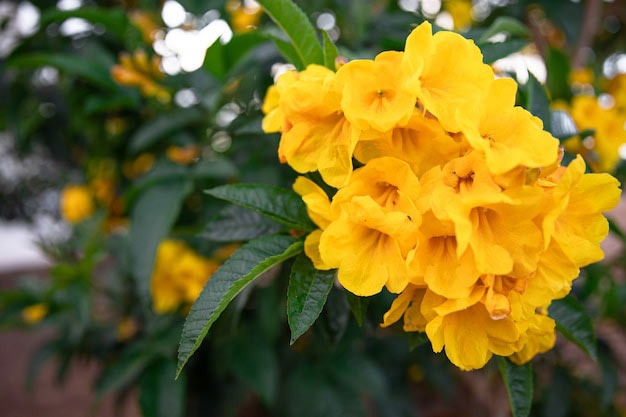
Ipê-Amarelo also known as Golden Trumpet, is a striking Brazilian tree known for its bright yellow trumpet-shaped flowers. It blooms dramati...
| Scientific Name | Handroanthus albus. |
| Flower Color | Bright yellow |
| Plant Height | 20 to 35 ft (6 to 10 m) |
| Flower Size | 5 to 8 cm |
| Flowering Time | Late winter to early spring |
| Growing Time | 3 to 5 years (to maturity) |
| Growing Location | Tropical and subtropical regions |
| Sunlight Requirement | Full sunlight |
| Temperature | Plant growing temperature: 20 to 35 °C. Best flowering temperature 18 to 30 °C. |
| Care Tips | Well to drained soil required, Minimal watering once established, Protect young plants from frost. |
| Quick Summary | Ipê to Amarelo is a spectacular ornamental tree known for its vibrant golden to yellow blooms that appear when the tree is leafless, creating a dramatic visual impact. Native to South America, it thrives in warm climates and is highly drought to tolerant once established. The tree is widely appreciated for its seasonal beauty and low maintenance requirements. Its blossoms attract pollinators like bees and birds, enhancing biodiversity. Due to its striking flowering display and resilience, it is commonly planted along streets and parks, making it a symbol of natural beauty and seasonal change in tropical landscapes. It is basically uses in Landscaping, avenue plantation, premium outdoor gifting. |
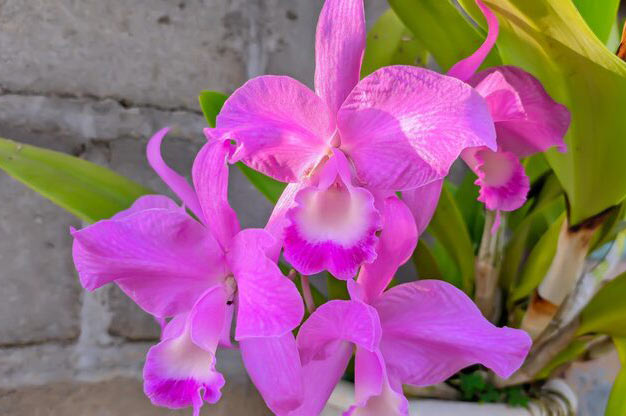
Corsage Orchid is famous for its large, colorful, fragrant flowers and elegant appearance. It is a popular ornamental orchid, often used in ...
| Scientific Name | Cattleya labiata |
| Flower Color | Purple, Pink, White, Yellow |
| Plant Height | 30 to 60 cm |
| Flower Size | 10 to 15 cm |
| Flowering Time | Spring and Autumn |
| Growing Time | 1 to 2 years |
| Growing Location | Indoor and greenhouse |
| Sunlight Requirement | Bright but indirect sunlight |
| Temperature | Plant growing temperature: 18 to 28 °C. Best flowering temperature 20 to 25 °C. |
| Care Tips | Required Orchid mix soil, moderate watering and good airflow. |
| Quick Summary | Cattleya orchids are among the most elegant and fragrant orchids, often called the “Queen of Orchids.” Their large, colorful, and highly scented blooms make them extremely desirable for ornamental purposes. These orchids require bright indirect light and well to drained growing media. They thrive in controlled environments like greenhouses or indoor setups. Known for their long to lasting flowers, they are popular in floral displays and ceremonies. Their exotic appeal and premium look make them one of the most valued orchid varieties in the global flower market, especially for decorative and gifting purposes.. It is basically uses in Wedding corsages, luxury bouquets and premium gifts. |
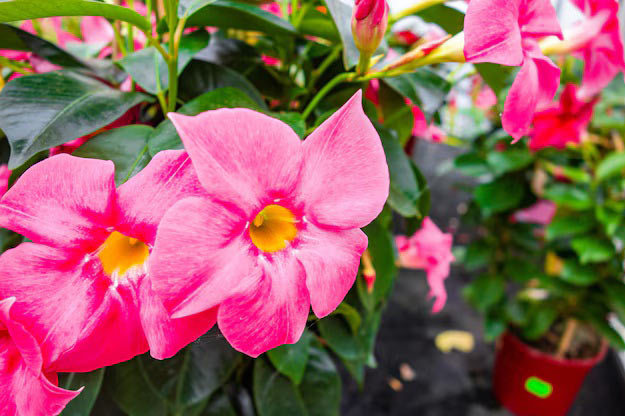
Brazilian Jasmine is a tropical climbing plant with glossy foliage and vibrant trumpet-shaped flowers. It is popular for decorating balconie...
| Scientific Name | Mandevilla sp. |
| Flower Color | Red, Pink and White |
| Plant Height | 1 to 3 metre |
| Flower Size | 5 to 10 cm |
| Flowering Time | Summer |
| Growing Time | 4 to 6 months |
| Growing Location | Tropical gardens and pots |
| Sunlight Requirement | Full sunlight or partial shade |
| Temperature | Plant growing temperature: 20 to 32 °C. Best flowering temperature 22 to 30 °C. |
| Care Tips | Trellis support, regular watering and fertilization |
| Quick Summary | Mandevilla, also known as Brazilian Jasmine, is a beautiful flowering vine with glossy leaves and trumpet to shaped flowers. It thrives in warm climates and produces continuous blooms during the growing season. The plant is ideal for vertical gardening and adds elegance to balconies, patios, and garden trellises. It prefers well to drained soil and regular watering. Its vibrant flowers attract butterflies and enhance garden aesthetics. Due to its fast growth and striking appearance, Mandevilla is widely used in decorative landscaping and container gardening, making it a popular choice for both residential and commercial ornamental use. It is basically uses in Balcony décor, hanging pots and gifting plants. |
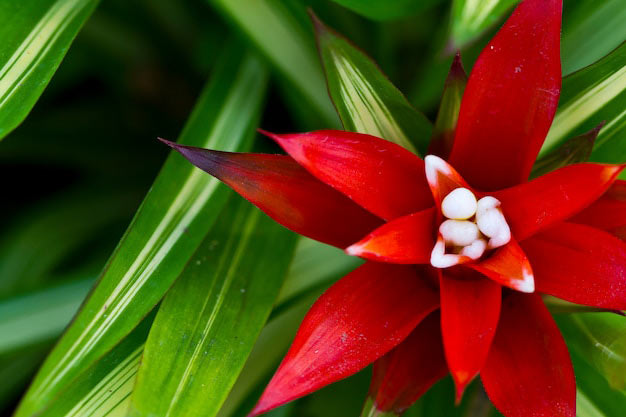
Bromeliads are distinctive tropical plants with colorful foliage and unusual flower structures. Easy to maintain and highly decorative, they...
| Scientific Name | Bromeliaceae sp. |
| Flower Color | Red, Orange, Yellow, Pink |
| Plant Height | 20 to 60 cm |
| Flower Size | Variable |
| Flowering Time | Once in lifecycle |
| Growing Time | 1 to 3 years |
| Growing Location | Indoor or tropical |
| Sunlight Requirement | Bright indirect sunlight |
| Temperature | Plant growing temperature: 18 to 30 °C. Best flowering temperature 20 to 28 °C. |
| Care Tips | Water central cup, high humidity, avoid direct sunlight. |
| Quick Summary | Bromeliads are exotic tropical plants known for their striking foliage and colorful bracts rather than traditional flowers. They are highly adaptable to indoor environments and require minimal maintenance. These plants store water in their central cup, making them unique and drought to tolerant. Bromeliads thrive in humid conditions with indirect sunlight. Their long to lasting appearance and vibrant colors make them a favorite in modern interior decoration. They are commonly used in offices, homes, and decorative arrangements, offering a tropical aesthetic that enhances any indoor space with minimal care requirements. It is basically uses in Indoor décor, corporate gifting and decorative arrangements. |
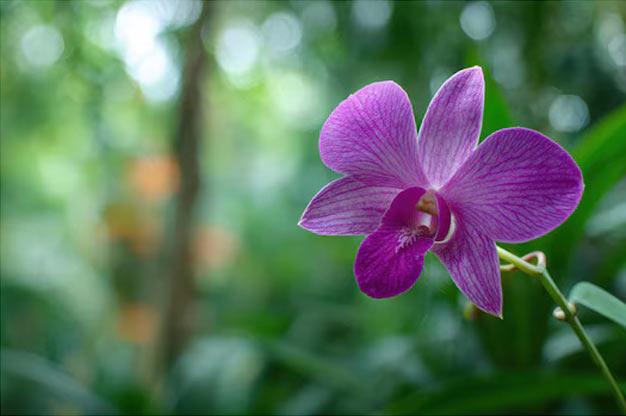
Dendrobium orchids are prized for their elegant blooms, long-lasting flowers, and wide range of colors. They are popular ornamental plants f...
| Scientific Name | Dendrobium spp |
| Flower Color | Multiple colors |
| Plant Height | 20 to 90 cm |
| Flower Size | 5 to 12 cm |
| Flowering Time | Produces blooms continuously |
| Growing Time | 1 to 2 years |
| Growing Location | Indoor or greenhouse |
| Sunlight Requirement | Indirect sunlight |
| Temperature | Plant growing temperature: 18 to 30 °C. Best flowering temperature 20 to 28 °C. |
| Care Tips | Airy media, good humidity and minimal watering |
| Quick Summary | Dendrobium orchids are among the most popular orchid varieties due to their elegance and long to lasting blooms. They thrive in controlled indoor environments with indirect sunlight and high humidity. These orchids produce stunning flowers in a wide range of colors and patterns, making them highly desirable for decorative purposes. Their low maintenance and extended flowering period make them ideal for beginners and professionals alike. Orchids symbolize luxury, beauty, and refinement, making them a top choice in the global floriculture market for both personal decoration and gifting. It is basically uses in Export flowers, Flower bouquets and luxury gifting. |
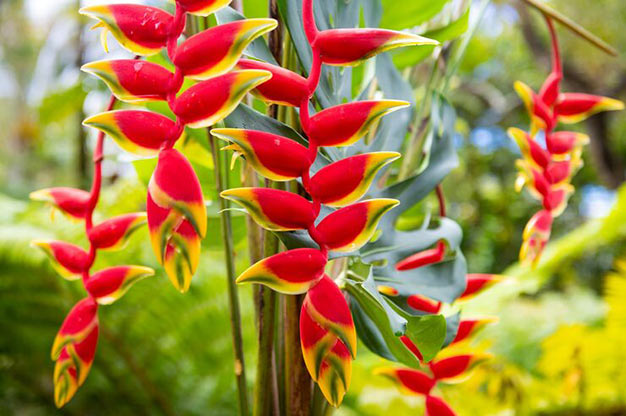
Lobster Claw is a tropical plant recognized for its dramatic, brightly colored bracts and exotic appearance. It is widely used in tropical g...
| Scientific Name | Heliconia rostrata |
| Flower Color | Red, Yellow, Orange |
| Plant Height | 1 to 5 metre |
| Flower Size | Large bracts |
| Flowering Time | Plant produces blooms continuously |
| Growing Time | 8 to 12 months |
| Growing Location | Putting plants that come from warm, humid, equatorial regions straight into the ground, garden beds, or outdoor pots. |
| Sunlight Requirement | Full sunlight |
| Temperature | Plant growing temperature: 22 to 35 °C. Best flowering temperature 25 to 32 °C. |
| Care Tips | Moist soil, frequent watering and wind protection. |
| Quick Summary | Lobster Claw is a striking tropical plant with bold, colorful bracts that resemble a lobster’s claw. It thrives in warm, humid climates and produces flowers throughout the year. Its large, vibrant structures make it highly attractive for landscaping and floral arrangements. The plant requires rich, moist soil and full sunlight for optimal growth. Heliconia is widely used in tropical gardens and resort landscapes due to its exotic appearance. Its durability and long to lasting blooms make it an excellent choice for decorative and commercial floral applications. It is basically uses in Tropical bouquets and resort decoration. |
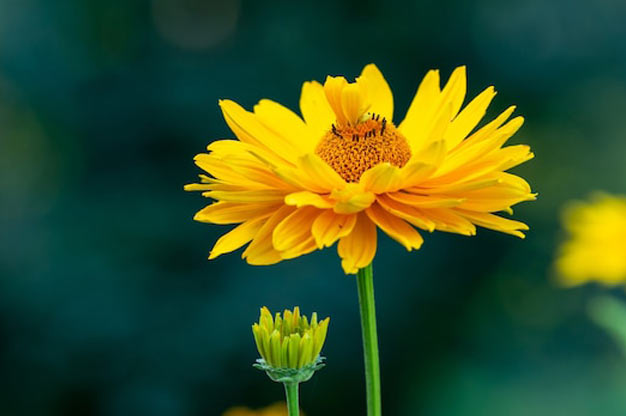
Chrysanthemums are colorful flowering plants available in many shapes, sizes, and shades. Their long-lasting blooms make them popular for ga...
| Scientific Name | Chrysanthemum morifolium |
| Flower Color | Yellow, White, Red and Pink |
| Plant Height | 30 to 90 cm |
| Flower Size | 5 to 15 cm |
| Flowering Time | Winter |
| Growing Time | 3 to 4 months |
| Growing Location | Gardens or Flower pots |
| Sunlight Requirement | Full sunlight. |
| Temperature | Plant growing temperature: 15 to 25 °C. Best flowering temperature 10 to 20 °C. |
| Care Tips | Pinching, fertilization and good drainage soli. |
| Quick Summary | Chrysanthemums are one of the most popular seasonal flowers, especially during winter. They are available in a wide range of colors and shapes, making them versatile for decorative purposes. The plant thrives in cooler climates and requires full sunlight for healthy growth. Chrysanthemums are widely cultivated due to their ease of care and high yield. Their long to lasting blooms make them ideal for both fresh and dried arrangements. They hold cultural significance in many countries and are commonly used in festivals, ceremonies, and everyday floral decorations. It is basically uses in Garlands, Flower Bouquets and Festival Flowers. |
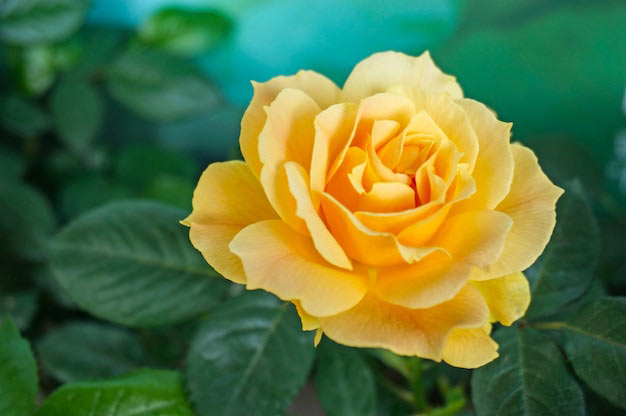
Roses are among the world's most popular flowers, celebrated for their beauty, fragrance, and variety of colors. They are widely used for ro...
| Scientific Name | Rosa sp |
| Flower Color | Red, Pink, White, Yellow, Orange, Peach |
| Plant Height | 30 cm to 2 metre (depending on variety) |
| Flower Size | 5 to 12 cm |
| Flowering Time | Plant produces blooms continuously |
| Growing Time | 3 to 4 months from planting to bloom |
| Growing Location | Balcony, Gardens, Greenhouses, Flower Farms |
| Sunlight Requirement | Full sunlight 6 to 8 hrs daily. |
| Temperature | Plant growing temperature 15 to 28 °C. Best flowering temperature 18 to 26 °C. |
| Care Tips | Water deeply 2 to 3 times per week. Plant in well to drained fertile soil. Prune regularly to promote new growth. Water deeply but avoid waterlogging. Apply balanced fertilize. |
| Quick Summary | Roses are the most iconic and widely cultivated flowers in the world, symbolizing love, beauty, and passion. They come in a vast range of colors, each carrying a unique meaning. Roses thrive in well to drained soil with plenty of sunlight and require regular care, including pruning and fertilization. Their long to lasting blooms and pleasant fragrance make them highly desirable for both ornamental and commercial purposes. Roses are extensively grown for cut flowers, perfumes, and essential oils, making them one of the most valuable crops in the global floriculture industry. It is basically uses in Bouquets and Floral Arrangements, Perfume and cosmetics and Wedding Decorations. |
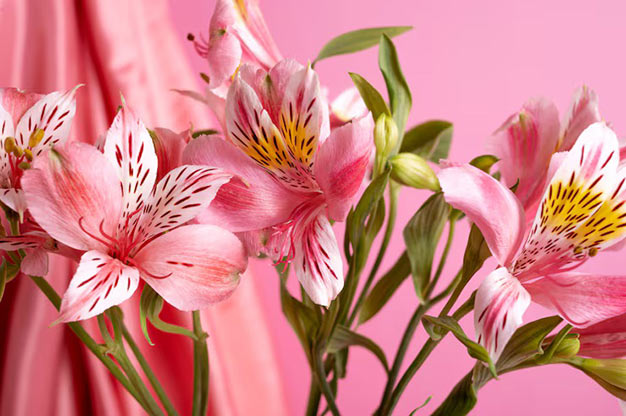
Alstroemeria, known as Lily of the Incas, produces delicate, colorful flowers marked with attractive streaks. Its long-lasting blooms make i...
| Scientific Name | Alstroemeria sp. |
| Flower Color | Pink, Orange, White and Yellow |
| Plant Height | 30 to 90 cm |
| Flower Size | 4 to 6 cm |
| Flowering Time | Spring to Summer |
| Growing Time | 4 to 5 months |
| Growing Location | Cool climates, Gardens and Greenhouses |
| Sunlight Requirement | Full sunlight to partial shade |
| Temperature | Plant growing temperature: 13 to 20 °C. Best flowering temperature 15 to 18 °C. |
| Care Tips | Keep roots cool with mulch, water regularly but avoid waterlogging, and use well to drained fertile soil. Deadhead spent blooms to encourage continuous flowering. |
| Quick Summary | Alstroemeria, also known as Lily of the Incas, is a popular cut flower valued for its vibrant colors and long vase life. Native to South America, it produces clusters of delicate, lily to like blooms with unique streaked patterns. The plant thrives in cooler climates and prefers well to drained soil with moderate watering. Its long to lasting flowers make it highly suitable for bouquets and floral arrangements. Alstroemeria symbolizes friendship and devotion, adding emotional value to its beauty. Due to its durability and attractive appearance, it is widely cultivated for both domestic and export flower markets. It is basically uses in Bouquets and Floral Arrangements and Gifting. |
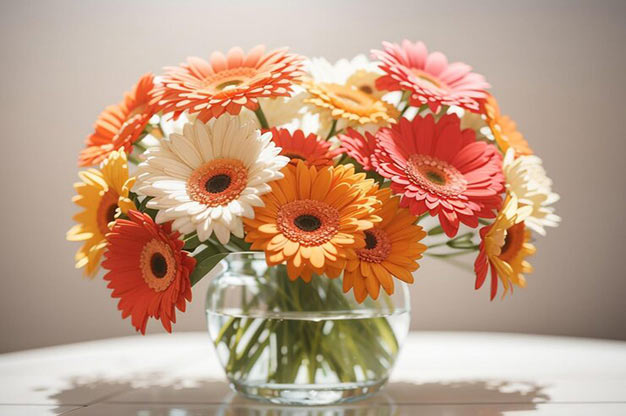
Gerbera Daisies are cheerful flowers known for their large, vibrant blooms and strong stems. Available in many bright colors, they are widel...
| Scientific Name | Gerbera jamesonii. |
| Flower Color | Red, Pink, Yellow, Orange, White |
| Plant Height | 20 to 45 cm |
| Flower Size | 7 to 12 cm |
| Flowering Time | Plant produces blooms continuously |
| Growing Time | 3 to 4 months from planting to bloom |
| Growing Location | Greenhouse or Garden pots |
| Sunlight Requirement | Full sunlight |
| Temperature | Plant growing temperature: 18 to 24 °C. Best flowering temperature 20 to 25 °C. |
| Care Tips | Ensure well to drained soil, avoid water stagnation at crown, and provide moderate watering. Maintain good air circulation to prevent fungal diseases. |
| Quick Summary | Gerbera daisies are bright and cheerful flowers known for their bold colors and large blooms. They are widely cultivated in greenhouses and gardens due to their high commercial value. These flowers prefer sunny conditions and well to drained soil. Gerberas are long to lasting and ideal for cut flower arrangements, making them a staple in floral markets worldwide. Their vibrant appearance symbolizes happiness, purity, and positivity. Due to their strong stems and wide color range, they are extensively used in bouquets, event decorations, and gifting, making them one of the most popular flowers globally. It is basically uses in Bouquets, Event decoration and gifting purpose. |
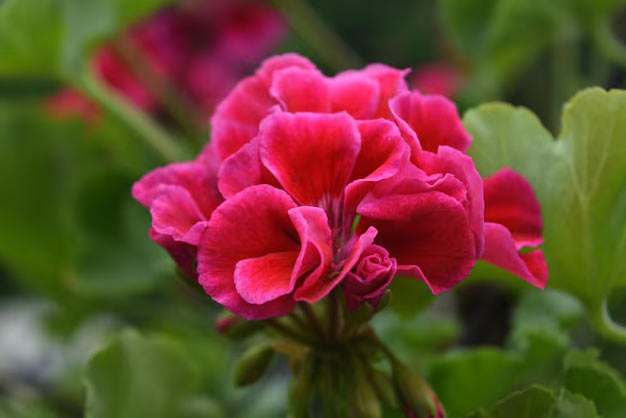
Begonias are versatile ornamental plants valued for their attractive flowers and decorative foliage. They thrive in suitable warm conditions...
| Scientific Name | Begonia sp. |
| Flower Color | Red, Pink, White, and Orange |
| Plant Height | 15 to 60 cm |
| Flower Size | 5 to 8 cm |
| Flowering Time | Summer to early Winter |
| Growing Time | 2 to 4 months |
| Growing Location | Indoor and shaded gardens |
| Sunlight Requirement | Partial shade |
| Temperature | Plant growing temperature: 18 to 26 °C. Best flowering temperature 20 to 24 °C. |
| Care Tips | Avoid overwatering, maintain humidity, and use light, well to drained soil. Protect from direct sunlight to prevent leaf burn. |
| Quick Summary | Begonias are versatile ornamental plants admired for both their attractive foliage and delicate flowers. They thrive in shaded or indoor environments, making them ideal for home decoration. With a wide range of colors and leaf patterns, begonias add aesthetic value to any space. They require moderate watering and high humidity for optimal growth. Their compact size makes them suitable for pots, hanging baskets, and indoor displays. Begonias are widely cultivated for ornamental purposes due to their ease of care and long to lasting blooms, making them popular in both residential and commercial plant markets. It is basically uses in Indoor plants, decorative pots and Gifting Purpose. |
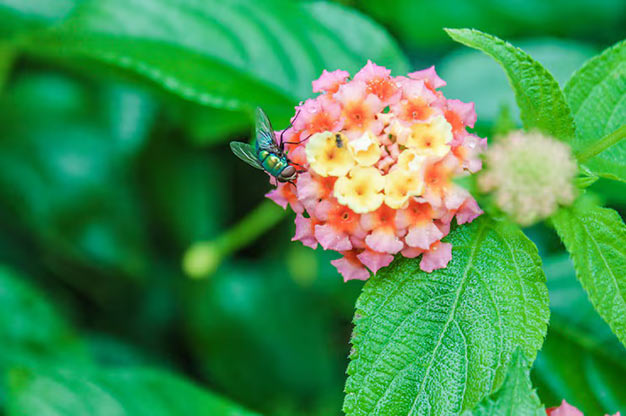
Lantana is a hardy flowering plant producing colorful clusters of small blooms, often in multiple shades on the same flower head. It is popu...
| Scientific Name | Lantana camara |
| Flower Color | Multi to colored (Yellow, Red, Orange, Pink) |
| Plant Height | 30 cm to 3 metre |
| Flower Size | Small clustered flowers |
| Flowering Time | Plant produces blooms continuously |
| Growing Time | 2 to 3 months |
| Growing Location | Tropical gardens and roadsides |
| Sunlight Requirement | Full sunlight |
| Temperature | Plant growing temperature: 20 to 35 °C. Best flowering temperature 22 to 32 °C. |
| Care Tips | Very hardy plant, requires minimal watering, tolerates poor soil, and benefits from regular pruning to maintain shape. |
| Quick Summary | Lantana is a hardy flowering shrub known for its vibrant multi to colored flower clusters and ability to thrive in harsh conditions. It is highly drought to tolerant and grows well in tropical and subtropical climates. The plant attracts butterflies and pollinators, making it beneficial for garden ecosystems. Lantana requires minimal care and can flourish in poor soils with full sunlight. Due to its resilience and continuous flowering, it is widely used in landscaping, roadside plantations, and garden borders. Its bright and cheerful appearance also makes it a popular choice for decorative outdoor planting. It is basically uses in Landscaping, low to maintenance gifting plants, garden decoration. |
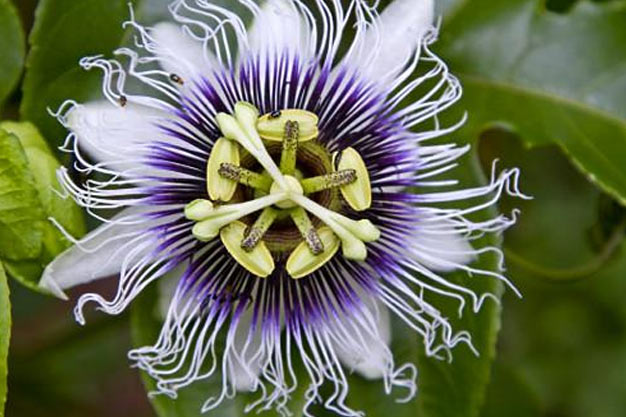
Passion Flower is an exotic climbing vine celebrated for intricate star-shaped blooms with colorful corona filaments. Flowers commonly combi...
| Scientific Name | Passiflora spp. |
| Flower Color | White, purple, violet, blue, pink, red, and combinations |
| Plant Height | Approximately 3 to 5 m in cultivation; vigorous species may grow considerably higher with support |
| Flower Size | Usually 5 to 10 cm across |
| Flowering Time | Spring to autumn, depending on species and climate |
| Growing Time | Fast to growing; flowering may begin within about 1 to 2 years under favorable conditions |
| Growing Location | Tropical and subtropical gardens, trellises, pergolas, fences, containers |
| Sunlight Requirement | Full sun to partial shade; around 6+ hours of sunlight is generally beneficial |
| Temperature Requirement | Ideally 18 to 30°C; some species tolerate cooler conditions, while tropical types need winter protection |
| Care Tips | Plant in fertile, well to drained soil with full sun or light shade. Water regularly during establishment, support vines, prune after flowering, remove dead growth, and protect from prolonged frost, strong winds, or waterlogging for best results. |
| Quick Summary | Passion Flower is a spectacular tropical and subtropical vine recognized for intricate flowers with layered petals, corona filaments, and prominent reproductive structures. Depending on species or cultivar, blooms may be white, purple, blue, pink, red, or combinations. The vigorous climbing habit makes it ideal for trellises, pergolas, fences, arches, and ornamental containers. Many Passiflora species also produce attractive edible or ornamental fruits, increasing their commercial value. The flowers attract bees, butterflies, and other pollinators, making them useful in biodiversity to focused gardens. Passion Flower is popular in nurseries, landscape projects, tropical gardens, and flowering to plant gifting. For gifting, established potted vines are generally more practical than loose cut flowers because individual blooms are short to lived. |
| Commercial & Gifting Uses | Ornamental nursery plants, Tropical landscaping, Trellises, pergolas and garden arches, Flowering potted to plant gifts, Pollinator gardens, Passion to fruit production for suitable species. |
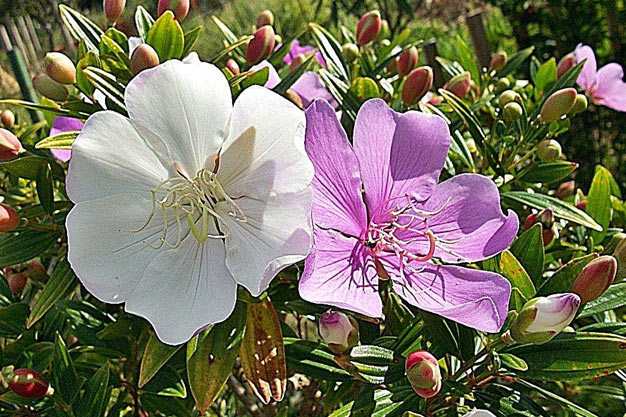
Manacá-da-Serra is a Brazilian ornamental tree famous for flowers that change from white to pink, lilac and purple as they mature, creating ...
| Scientific Name | Pleroma mutabile |
| Flower Color | White, pink, lilac and purple as flowers age |
| Plant Height | Approximately 5 to 12 m for the typical tree; compact forms are much smaller |
| Flower Size | Approximately 5 to 8 cm across |
| Flowering Time | Spring, summer and sometimes early winter; varies by form and climate |
| Growing Time | Approximately 2 to 3 years from seed to first flowering; cuttings can flower earlier |
| Growing Location | Brazil’s Atlantic Forest regions, tropical/subtropical gardens, parks and urban landscapes |
| Sunlight Requirement | Full sun preferred; light partial shade can be tolerated |
| Temperature Requirement | Approximately 18 to 28°C for strong growth; protect young plants from severe frost |
| Care Tips | Grow in fertile, well to drained soil under full sun. Water regularly during establishment, mulch lightly, prune after flowering, and protect young plants from prolonged drought, severe cold, strong winds, and poorly drained conditions during winter periods. |
| Quick Summary | Manacá to da to Serra is a Brazilian ornamental tree famous for flowers that naturally change color as they mature, creating white, pinkish, lilac, and deep to purple tones on the same plant. This unusual sequence gives the tree exceptional visual appeal in gardens and landscape displays. Native to Brazil’s Atlantic Forest, it performs well in sunny locations with fertile, well to drained soil and regular moisture during establishment. The species can become a medium to sized tree, while compact forms are available for smaller spaces. It is widely valued for residential landscaping, streetscapes, courtyards, parks, and ornamental plant collections. As a gift, a flowering potted Manacá to da to Serra or compact cultivar is especially attractive for gardeners who appreciate native Brazilian plants and long to lasting seasonal color. |
| Commercial & Gifting Uses | Ornamental landscaping, Residential gardens, Parks and streetscapes, Flowering nursery plants, Housewarming gifts, Native Brazilian plant collections. |
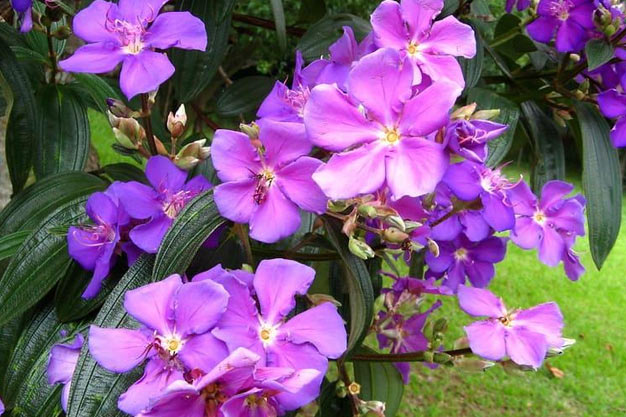
Quaresmeira is a striking Brazilian flowering tree covered with abundant purple to violet blooms. Its attractive foliage and long flowering ...
| Scientific Name | Pleroma granulosum |
| Flower Color | Purple, violet, occasionally pink cultivars |
| Plant Height | Approximately 8 to 12 m; larger specimens may exceed this |
| Flower Size | Approximately 5 to 8 cm across |
| Flowering Time | Spring through autumn; flowering can occur for much of the year in favorable climates |
| Growing Time | Moderate growth; first flowering generally takes several years from seed |
| Growing Location | Tropical/subtropical gardens, parks, avenues, courtyards and urban landscapes |
| Sunlight Requirement | Full sun to light partial shade |
| Temperature Requirement | Approximately 18 to 30°C; best in warm tropical and subtropical conditions |
| Care Tips | Provide full sun, fertile well to drained soil, regular moisture, and organic mulch. Prune lightly after flowering to maintain shape, remove damaged branches, and protect young trees from prolonged drought, frost, and harsh winds while establishing years. |
| Quick Summary | Quaresmeira is a highly ornamental Brazilian tree admired for abundant purple to violet flowers and attractive dark green foliage. Its flowering display can extend through much of the growing season in suitable tropical and subtropical climates, making it valuable for landscape design. The flowers appear in terminal and axillary clusters and create a strong color contrast against the foliage. Pleroma granulosum is commonly planted in gardens, avenues, parks, courtyards, and urban landscapes because of its attractive form and reliable ornamental performance. It prefers fertile, well to drained soil, regular moisture, and good sunlight. For commercial use, it is primarily sold as a landscape tree or nursery plant rather than as a conventional cut flower. As a gift, a young flowering tree is suitable for gardens, commemorative planting, and nature to inspired occasions. |
| Commercial & Gifting Uses | Urban landscaping, Parks and avenues, Ornamental garden trees, Nursery specimens, Commemorative tree gifts, Residential garden gifting. |
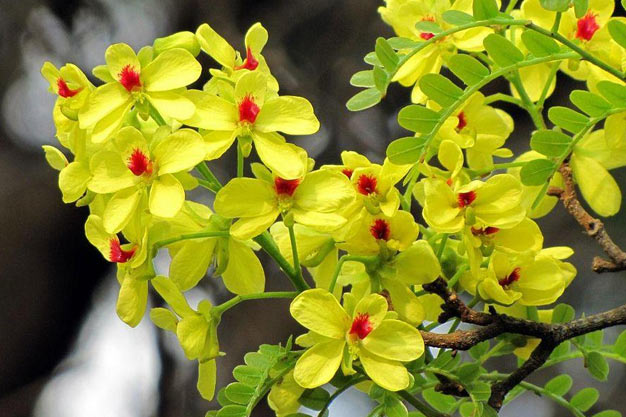
Pau-Brasil produces fragrant yellow flowers with a distinctive red-marked central petal. This iconic Brazilian native tree has important cul...
| Scientific Name | Paubrasilia echinata |
| Flower Color | Bright yellow with a red to marked central/standard petal |
| Plant Height | Approximately 10 to 15 m; exceptional trees may grow larger |
| Flower Size | Petals approximately 1 to 1.5 cm long; flower clusters are larger |
| Flowering Time | Spring, often around September to October in Brazil |
| Growing Time | Slow to growing; flowering generally requires several years depending on propagation and conditions |
| Growing Location | Atlantic Forest regions, botanical gardens, conservation sites and warm landscapes |
| Sunlight Requirement | Full sunlight preferred |
| Temperature Requirement | Approximately 20 to 30°C; protect young plants from severe cold |
| Care Tips | Grow in fertile, well to drained soil with good sunlight and adequate spacing. Water young trees regularly, avoid waterlogging, mulch around roots, and protect seedlings from extreme drought, severe frost, and strong winds during the first seasons conditions. |
| Quick Summary | Pau to Brasil Flower is the fragrant bloom of Brazil’s iconic native Pau to Brasil tree, a species with major cultural and historical importance. Its flowers combine yellow petals with a distinctive red to marked central petal, producing an elegant contrast. The tree is native to the Atlantic Forest and can grow into a substantial ornamental specimen under favorable conditions. Flowering generally occurs in spring and attracts insect pollinators such as bees and butterflies. Because the species is threatened and historically overexploited, responsible cultivation and legally sourced plants are important. Commercially, the flower is not commonly sold as a cut flower; the tree is more valuable for conservation planting, botanical collections, landscaping, and environmental education. As a gift, nursery to grown seedlings can suit eco to conscious, commemorative, educational, or corporate sustainability occasions. |
| Commercial & Gifting Uses | Conservation planting, Botanical collections, Native to tree landscaping, Environmental education, Commemorative tree gifts, Eco to friendly/corporate sustainability gifts. |
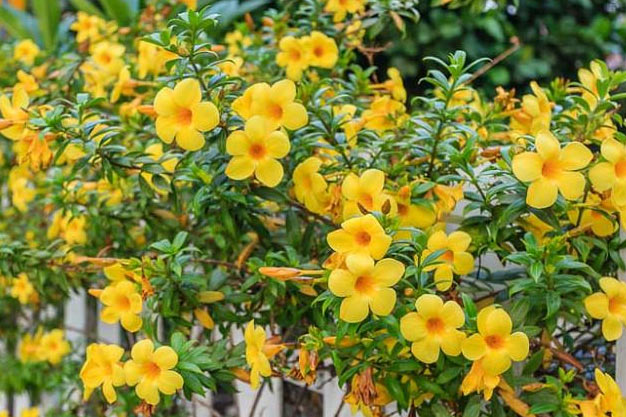
Yellow Allamanda is a tropical flowering climber with large golden-yellow trumpet-shaped flowers and glossy foliage. Its bright blooms make ...
| Scientific Name | Allamanda cathartica |
| Flower Color | Bright yellow, often with darker throat markings |
| Plant Height | Approximately 3 to 6 m or more when climbing; can be maintained smaller |
| Flower Size | Approximately 7 to 11 cm long and 5 to 7.5 cm wide |
| Flowering Time | Spring to autumn; strongest flowering during warm weather |
| Growing Time | Fast to growing; flowering may begin within the first year under favorable conditions |
| Growing Location | Tropical/subtropical gardens, trellises, fences, containers and landscaping |
| Sunlight Requirement | Full sun; strongest flowering occurs with abundant light |
| Temperature Requirement | Approximately 20 to 30°C; avoid prolonged temperatures below 15 to 18°C |
| Care Tips | Give full sun, warmth, fertile well to drained soil, and regular moisture. Provide climbing support, prune after flowering, feed during active growth, and handle sap carefully because it may irritate skin. Avoid prolonged cold in exposed locations. |
| Quick Summary | Yellow Allamanda is a tropical flowering climber or shrub celebrated for large, bright to yellow trumpet to shaped blooms and glossy green foliage. The flowers create a cheerful, highly visible display and are especially attractive when trained over trellises, fences, arches, walls, or garden supports. Allamanda cathartica grows best in warm, humid conditions with full sun, fertile soil, regular moisture, and good drainage. It is widely cultivated as an ornamental plant in tropical and subtropical landscapes and is valued by nurseries for its vigorous growth and long seasonal flowering. Commercially, it is mainly sold as a live ornamental plant, flowering container plant, or landscaping specimen rather than a cut flower. As a gift, a healthy potted Allamanda suits tropical to garden enthusiasts, housewarming occasions, and outdoor décor. Its milky sap can irritate skin, so handle carefully |
| Commercial & Gifting Uses | Tropical landscaping, Flowering garden plants, Potted ornamental plants, Trellis and pergola decoration, Housewarming gifts, Patio and outdoor décor gifts. |
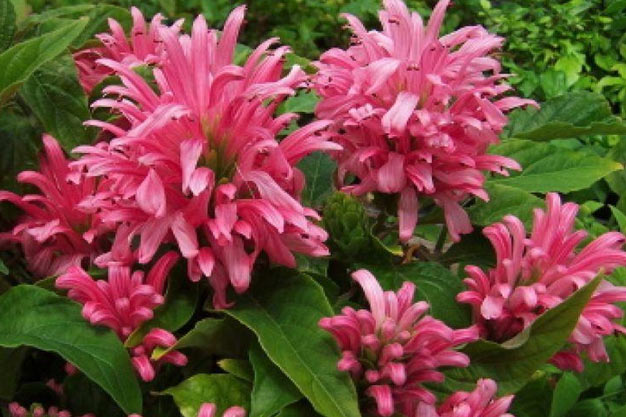
Brazilian Plume Flower is a tropical shrub producing dense, feather-like clusters of tubular blooms in pink, red, white, apricot and related...
| Scientific Name | Justicia carnea |
| Flower Color | Pink, red, white, apricot, yellow and lavender depending on cultivar |
| Plant Height | Approximately 1 to 2 m; some landscape references list up to 1.8 to 2 m |
| Flower Size | Individual flowers approximately 5 cm; clusters are larger |
| Flowering Time | Periodically through the year; commonly summer to autumn |
| Growing Time | Moderate growth; approximately 1 to 2 years for a well to established flowering plant |
| Growing Location | Tropical/subtropical gardens, borders, containers and shaded or partly sunny landscapes |
| Sunlight Requirement | Full sun to partial shade; filtered light is useful in hot climates |
| Temperature Requirement | Approximately 18 to 28°C; protect from prolonged cold |
| Care Tips | Grow in fertile, moist but well to drained soil with bright filtered light or partial shade. Water consistently, feed during active growth, prune after flowering, and protect from prolonged cold, dry conditions, and scorching sunlight during establishment. |
| Quick Summary | Brazilian Plume Flower is a tropical ornamental shrub known for dense, upright clusters of tubular flowers that resemble soft pink, red, white, apricot, or other colorful plumes. The flowers rise above broad green foliage, creating a lush, decorative appearance in garden beds and containers. Justicia carnea is native to eastern Brazil and performs well in warm climates, with full sun to partial shade depending on local conditions. Pruning encourages fresh growth, on which flowering develops. Commercially, it is commonly grown as a nursery ornamental, bedding plant, container specimen, and landscape shrub. Its colorful flower clusters also make it attractive for gifting, particularly as a living flowering plant. Compact growth, repeat flowering, and tolerance of warm conditions increase its appeal for patios, courtyards, tropical gardens, and decorative outdoor spaces. |
| Commercial & Gifting Uses | Flowering nursery plants, Container plants, Garden borders, Tropical landscaping, Patio and balcony plants, Living flowering gifts. |
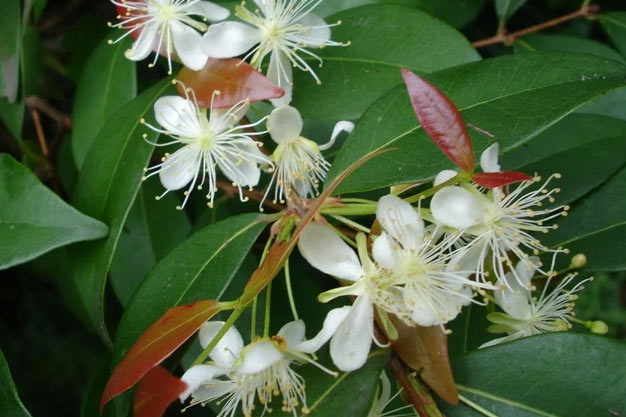
Copaíba flowers are delicate, usually pale white to cream or yellowish blooms produced in clusters on tropical Copaifera trees. The flowers ...
| Scientific Name | Copaifera spp. |
| Flower Color | White, cream, pale yellowish |
| Plant Height | Species vary; Copaifera officinalis can reach about 30 m |
| Flower Size | Small flowers, generally around 1 to 2 cm |
| Flowering Time | Varies by species and region; often during warm or rainy periods |
| Growing Time | Slow to moderate; trees require several years to reach flowering maturity |
| Growing Location | Tropical forests, plantations, restoration sites and botanical collections |
| Sunlight Requirement | Full sun to partial shade when young; good light is preferred as trees mature |
| Temperature Requirement | Approximately 22 to 30°C; suited to warm tropical climates |
| Care Tips | Plant in warm tropical conditions with fertile, well to drained soil and adequate moisture. Provide space for growth, water young trees regularly, mulch lightly, and avoid prolonged drought, waterlogged roots, and severe cold during establishment periods successfully. |
| Quick Summary | Copaíba Flower refers to the small, delicate flowers produced by species of Copaifera, tropical trees native to the Americas. The blooms are generally pale white, cream, or yellowish and are carried in clusters, with numerous prominent stamens giving them a soft, airy appearance. Copaifera species are valued primarily for their trees, ecological importance, timber, and traditional resin products rather than for commercial cut flowers. The trees can become large and require ample growing space, warm temperatures, fertile well to drained soil, and consistent moisture during establishment. Commercially, Copaíba is more commonly cultivated for forestry, ecological restoration, botanical collections, and resin to related value than for floral arrangements. As a gift, a nursery to grown young tree can be appropriate for environmental, botanical, educational, or conservation to themed occasions, especially where native or tropical tree planting is appreciated. |
| Commercial & Gifting Uses | Forestry and tree cultivation, Ecological restoration, Botanical collections, Tropical landscaping, Conservation gifts, Environmental/educational gifts. |
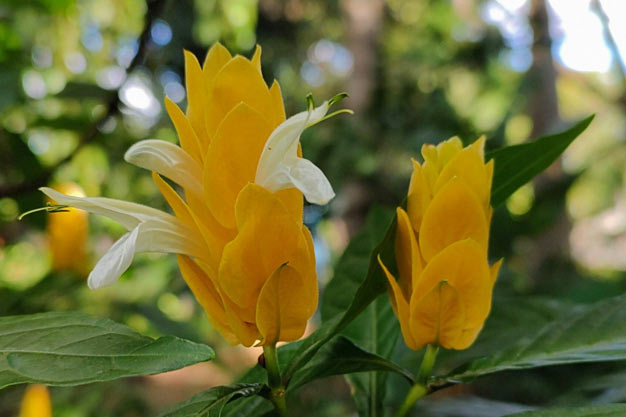
Camarão-Amarelo, or Golden Shrimp Plant, produces upright golden-yellow bracts surrounding small white tubular flowers. Its unusual flower s...
| Scientific Name | Pachystachys lutea |
| Flower Color | White flowers surrounded by bright to yellow bracts |
| Plant Height | Approximately 0.5 to 1.5 m in cultivation; larger in favorable tropical conditions |
| Flower Size | White tubular flowers approximately 4 to 5 cm long |
| Flowering Time | Warm to season flowering; may flower repeatedly in tropical climates |
| Growing Time | Approximately 5 to 10 years to full maturity; flowering can occur much earlier under warm conditions |
| Growing Location | Tropical/subtropical gardens, borders, balconies, patios and containers |
| Sunlight Requirement | Full sun to partial shade |
| Temperature Requirement | Approximately 18 to 30°C; protect below about 10°C |
| Care Tips | Provide warm conditions, moist well to drained soil, and full sun to partial shade. Water consistently, feed during active growth, prune lightly after flowering, and protect plants from temperatures below 10°C and dry winds during winter months. |
| Quick Summary | Camarão to Amarelo, or Golden Shrimp Plant, is a tropical ornamental plant recognized for upright spikes of bright to yellow overlapping bracts surrounding small white tubular flowers. The combination resembles a golden shrimp or decorative candle and provides strong visual interest for gardens, patios, balconies, borders, and containers. Pachystachys lutea grows as a compact evergreen shrub and performs best in warm, humid conditions with moist but well to drained soil and good light. In Brazil and other tropical regions it is cultivated primarily as an ornamental landscape and container plant. Commercial nurseries value it for its distinctive appearance, manageable size, and prolonged warm to season flowering. As a gift, a healthy potted plant is more practical than cut flowers and works well for housewarming, gardening, tropical décor, and celebratory occasions. Protect plants from cold temperatures and maintain consistent moisture for best performance. |
| Commercial & Gifting Uses | Ornamental potted plants, Tropical landscaping, Balcony and patio décor, Garden borders, Housewarming gifts, Gardening and celebratory gifts. |



Brazil's enormous geographical area creates many different environments for plants. Warm tropical regions support moisture-loving flowering plants, while other parts of the country offer conditions suitable for drought-tolerant species, ornamental trees and seasonal flowers.
The country's Atlantic Forest is particularly important for native plant diversity. Many Brazilian ornamental plants have developed characteristics suited to warm, humid environments, while others can adapt to gardens, urban landscapes and container cultivation when their basic requirements are met.
This diversity is reflected in the range of flowers available to Brazilian gardeners. Large tropical plants can create a dramatic landscape, climbing flowers can cover trellises and pergolas, and compact flowering plants can bring colour to balconies, patios and indoor spaces.
For flower lovers, Brazil is therefore more than a source of colourful blooms. It is home to an extensive botanical heritage that combines ornamental beauty with ecological and cultural importance.
Brazilian gardens contain a mixture of native plants and ornamental species that have become popular through cultivation. Understanding this difference can make choosing a plant more meaningful, especially for buyers who specifically want to grow plants connected with Brazil's natural heritage.
Plants such as Pau-Brasil, Manacá-da-Serra and Quaresmeira have strong connections with Brazilian landscapes. Other plants, including Roses, Chrysanthemums and Gerberas, are internationally popular flowers that are also widely used for gardens, bouquets and gifting.
There is value in both categories. Native plants can help people connect with local botanical heritage, while widely cultivated ornamentals offer familiar colours, forms and gifting possibilities.
When purchasing a native Brazilian species, responsible sourcing is particularly important. Some plants have conservation concerns, and buyers should favour legally propagated nursery plants rather than specimens collected from natural habitats.
Brazilian flowers appeal to gardeners and gift buyers for several reasons. Many tropical species produce strong colours and unusual flower structures that immediately attract attention.
Golden Trumpet, for example, can create a dramatic display of yellow trumpet-shaped flowers, while Lobster Claw produces bold red, orange and yellow bracts. Manacá-da-Serra is particularly unusual because its flowers can change colour as they mature, creating several shades on the same tree.
Orchids offer another type of appeal. Corsage Orchids are appreciated for their large, colourful and fragrant flowers, while Dendrobium Orchids are valued for their elegant appearance and extended flowering potential.
These differences make Brazilian flowers suitable for everything from everyday home decoration to premium gifts, weddings, events, landscaping and professional environments.
For outdoor gardens in warm regions, tropical flowering plants can create a lush and colourful atmosphere. Plants such as Brazilian Jasmine, Yellow Allamanda and Lobster Claw can provide strong visual impact when given suitable warmth, sunlight and moisture.
Brazilian Jasmine, for instance, is a climbing plant that can be trained over trellises and supports, making it useful for balconies, patios and vertical gardens. Yellow Allamanda also works well around garden structures where its bright trumpet flowers can be displayed prominently.
For gardeners with limited space, container-grown flowering plants can be a practical alternative to large landscape specimens. The right plant can add colour to a balcony or patio without requiring a large garden.
However, tropical plants should not all be treated alike. Some prefer full sun, while others perform better with filtered or indirect light. Checking the specific plant's requirements before purchasing is essential.
Not every Brazilian flowering plant needs to stand in direct sunlight. Some popular ornamental plants are particularly suitable for indoor environments, shaded gardens or locations with filtered light.
Bromeliads are an excellent example. Their colourful foliage and distinctive central structures provide a tropical appearance, while many can adapt well to bright indoor conditions. They generally prefer bright indirect light and humid surroundings rather than harsh direct sunlight.
Begonias are another versatile choice. Their combination of decorative foliage and flowers makes them suitable for containers, indoor displays and partially shaded areas. They generally benefit from protection against intense direct sunlight and excessive watering.
Orchids can also be attractive choices for indoor or protected environments when they receive suitable light, humidity and airflow.
Limited outdoor space does not mean giving up colourful flowering plants. Containers allow many smaller plants and selected climbers to be grown on balconies, patios and terraces.
Brazilian Jasmine can be trained vertically, helping gardeners make use of wall or trellis space. Begonias can provide compact colour in pots, while suitable orchids and bromeliads can bring a tropical feel to protected areas.
When selecting a flowering plant for a small space, consider more than its current size. Some plants can grow considerably larger over time, while vigorous climbers may need regular pruning and support.
Container size, drainage, wind exposure and sunlight should all be considered before choosing a plant for a balcony or patio.
Brazil's flowering plants are also valuable for landscape design. Large flowering trees can become focal points, while shrubs, climbers and tropical plants can be used to create layers of colour and texture.
Golden Trumpet is suited to warm landscapes and is valued for its striking seasonal flowering display. Quaresmeira provides purple to violet flowers and can be used in gardens, avenues and urban landscapes. Manacá-da-Serra offers another distinctive landscape feature because of its changing flower colours.
For tropical landscaping, Heliconia and Allamanda can create a much more dramatic appearance. Their strong colours and distinctive shapes are particularly effective around resorts, large gardens, courtyards and other outdoor spaces.
Landscape plants should always be selected according to local climate, available space and mature size rather than simply their appearance at the time of purchase.
Flowers are among the most versatile gifts because they can express affection, appreciation, congratulations and celebration without requiring the recipient to have a particular hobby.
Traditional cut flowers such as Roses, Gerberas and Chrysanthemums are suitable for bouquets and arrangements, while orchids and flowering potted plants can provide a longer-lasting alternative.
A living plant can be particularly appropriate for someone who enjoys gardening. Instead of enjoying the flowers for only a short period, the recipient can continue caring for the plant and potentially enjoy new growth or flowering in the future.
For a housewarming gift, a decorative flowering plant can add colour to a new home. For a gardening enthusiast, a Brazilian native flowering tree or unusual tropical plant can provide a more personal and memorable present.
One of the first decisions when buying flowers online is whether to choose a traditional bouquet or a living plant.
Cut flowers are ideal when the goal is immediate visual impact. Roses, Gerberas, Chrysanthemums and Alstroemeria are particularly useful for bouquets and floral arrangements because of their colours, forms and decorative appeal.
Living flowering plants offer a different experience. Orchids, Begonias, Bromeliads and suitable tropical flowering plants can continue growing after the gifting occasion when cared for properly.
| Flower Type | Best Suited For | Gift Advantage |
|---|---|---|
| Roses | Romantic bouquets and celebrations | Classic and widely recognised |
| Gerberas | Birthdays and cheerful occasions | Bright, colourful appearance |
| Orchids | Premium gifts and special occasions | Elegant and long-lasting |
| Bromeliads | Home and office gifting | Decorative living plant |
| Brazilian Jasmine | Garden and balcony enthusiasts | Flowering climbing plant |
| Manacá-da-Serra | Gardens and native-plant enthusiasts | Distinctive changing flower colours |
Brazil covers a large range of climates, so a flowering plant that thrives in one part of the country may require different conditions elsewhere. Tropical species generally appreciate warmth and moisture, while some popular flowering plants perform better under milder or cooler conditions.
For warm tropical environments, plants such as Heliconia, Brazilian Jasmine and Yellow Allamanda can be attractive choices when their requirements are met. For protected indoor locations, Bromeliads, Begonias and orchids may be more appropriate.
Some flowers, including Chrysanthemums and Alstroemeria, have different temperature preferences and may perform better under cooler conditions or controlled growing environments.
Before buying a plant as a gift, consider where the recipient lives and whether the plant will be grown indoors, on a balcony, in a garden or in a greenhouse.
Flowering plants can contribute to garden biodiversity by providing food and habitat for pollinating insects and other wildlife. Bees, butterflies and other pollinators are attracted to many flowering species, although the value of a particular plant depends on the local ecosystem and the availability of suitable resources.
Several plants featured on the Brazil flower page are noted for attracting pollinators. Golden Trumpet can attract bees and birds, while Passion Flower can provide an attractive resource for bees, butterflies and other pollinators. Lantana is also known for attracting butterflies and other pollinating insects.
For gardeners interested in biodiversity, combining several flowering plants with different flowering periods can provide a more varied garden environment than relying on a single species.
Brazilian flowers offer a combination of familiar favourites and unusual botanical forms. A classic Rose can communicate a traditional message, while a colourful Orchid or Bromeliad can create a more sophisticated tropical presentation.
For someone with a garden, a flowering tree such as Golden Trumpet, Manacá-da-Serra or Quaresmeira can become a long-term feature. For someone living in an apartment, a compact Begonia, Orchid or Bromeliad may be more practical.
The best choice therefore depends on the recipient rather than simply the flower itself. Consider their available space, gardening experience, preferred colours and ability to provide the necessary care.
Buying flowers online makes it easier to compare different flower types and discover plants that may not be readily available at a nearby florist or garden centre. It is particularly useful when searching for unusual Brazilian flowering plants or gifts for someone in another city.
When purchasing a living plant, check the plant's expected size, sunlight requirement, watering needs and preferred temperature. For cut flowers, pay attention to the expected freshness, arrangement style and delivery details.
For larger flowering trees and tropical plants, it is especially important to understand the mature size before ordering. A small nursery plant can eventually become a substantial landscape specimen.
GiftFloraHub's Brazil flower collection brings together different types of flowering plants, ranging from familiar Roses and Gerberas to orchids, tropical climbers and distinctive Brazilian ornamental trees.
Brazil's flowers reflect the country's remarkable variety of landscapes and growing conditions. Bright flowering trees, tropical vines, orchids, bromeliads, colourful annual and seasonal flowers, and native Brazilian species all contribute to an exceptionally diverse floral culture.
Whether you are looking for a romantic bouquet, a colourful birthday gift, an elegant orchid, a tropical flowering plant or a long-term garden specimen, Brazilian flowers offer many possibilities.
From the golden display of the Ipê-Amarelo to the delicate beauty of orchids and the unusual colour-changing flowers of Manacá-da-Serra, each plant brings its own character to a home, garden or gift.
Brazil's flower culture brings together tropical species, ornamental garden plants and internationally loved flowers. Some are admired for dramatic colours and unusual shapes, while others are chosen for bouquets, indoor displays, gardens and special occasions.
The following flowers and flowering plants are among the notable options featured for Brazil, offering different possibilities for home decoration, gardening and gifting. Choosing between them depends on whether you want a short-term floral arrangement, a potted flowering plant or a long-term garden specimen.
Golden Trumpet, commonly associated with the Brazilian Ipê-Amarelo, is famous for its spectacular yellow flowers. When the tree reaches its flowering period, the bright blooms can create a striking display against the branches.
Golden Trumpet is particularly attractive in warm climates where it can be grown as a landscape tree. It generally prefers plenty of sunlight and well-drained soil, making an open outdoor position more appropriate than a dark indoor location.
The tree's strong visual impact makes it useful as a focal point in gardens, streetscapes and larger landscaped areas. Its flowers can also attract pollinators, adding ecological value to its ornamental appeal.
A young Golden Trumpet can be a memorable gift for someone with suitable outdoor space. It is better suited to gardeners who understand that a tree is a long-term commitment rather than a temporary decorative gift.
Corsage Orchid, often associated with Cattleya orchids, is prized for its large, colourful flowers and elegant appearance. Orchids have long been popular for premium gifting because their blooms can look sophisticated in both traditional and contemporary settings.
Corsage Orchids are available in different colours and patterns, allowing them to suit many occasions. Their dramatic flowers can make a strong impression without requiring a large arrangement.
As living plants, orchids generally benefit from bright but filtered light, good airflow and a growing medium that drains efficiently. Excessive water around the roots can cause problems, so watering should be adapted to the plant's environment.
A flowering orchid can be suitable for birthdays, anniversaries, congratulations, corporate appreciation and other occasions where an elegant living gift is preferred over a conventional bouquet.
Brazilian Jasmine is a vigorous flowering climber appreciated for its colourful trumpet-shaped flowers and ability to grow vertically. It can be particularly effective when trained over trellises, arches, fences or other garden supports.
Its climbing habit makes it useful for gardeners who want to add flowers without occupying a large amount of ground space. Instead of spreading across a garden bed, the plant can use vertical structures to create a flowering feature.
Brazilian Jasmine generally prefers warmth, sunlight and suitable moisture. Regular pruning may be useful for controlling its shape and encouraging a more manageable appearance.
This plant can be a thoughtful gift for someone who enjoys landscaping, balconies or vertical gardening. Before gifting it, make sure the recipient has an appropriate support structure and enough room for a climbing plant.
Bromeliads are a diverse group of tropical plants known for their distinctive foliage, colourful centres and unusual growth forms. Many varieties create a strong tropical atmosphere even when grown in relatively compact containers.
One of the major attractions of Bromeliads is their foliage. Depending on the variety, leaves may be green, striped, spotted or strongly coloured, allowing them to remain decorative even when they are not flowering.
Many Bromeliads prefer bright indirect light rather than intense direct sun. They generally need good drainage and should not be left sitting in constantly saturated soil.
A potted Bromeliad can be an excellent choice for home or office gifting. Its unusual shape makes it feel different from a traditional bouquet, while its relatively compact form can suit smaller spaces.
Dendrobium Orchids are another popular orchid group appreciated for their attractive stems and clusters of flowers. Their elegant appearance makes them suitable for both decorative displays and gifting.
Depending on the variety, Dendrobiums can have different growth habits and care requirements. They generally appreciate good light, suitable humidity and a well-draining orchid medium.
Watering should be managed carefully. Orchids need moisture, but their roots also need access to air. Allowing the growing medium to become appropriately less wet between waterings can help prevent prolonged saturation.
A flowering Dendrobium can work particularly well as a sophisticated birthday, anniversary, housewarming or corporate gift. It can also appeal to people who already enjoy collecting orchids.
Lobster Claw, commonly associated with Heliconia, is one of the most visually distinctive tropical flowering plants. Its colourful structures can resemble the claws of a lobster, giving the plant its memorable common name.
Heliconias are particularly suited to warm, humid environments. They can grow into substantial plants and are often used to create a dramatic tropical effect in gardens and landscapes.
They generally appreciate warmth, moisture and adequate sunlight, although the exact requirements can vary among species and cultivars.
Because Lobster Claw can become much larger than a typical potted flowering plant, it is best suited to recipients with suitable garden space or an appropriate tropical growing environment.
Its bold form can work well around pools, large gardens, tropical courtyards and landscape borders. When planted alongside other foliage plants, Heliconia can create layers of colour and texture.
Chrysanthemum is one of the world's best-known ornamental flowering plants. It is available in many colours and flower forms, making it highly adaptable for bouquets, decorative arrangements and garden planting.
Chrysanthemums can be suitable for gardeners looking for seasonal colour. Depending on the variety and local conditions, they may be grown in garden beds, containers or decorative pots.
They generally perform best with adequate light and well-drained soil. Regular removal of faded flowers can help maintain a tidy appearance and encourage continued flowering in suitable varieties.
Because they are available in many colours and styles, Chrysanthemums can be matched with different occasions. A potted flowering plant can provide a longer-lasting alternative to a cut arrangement when the recipient enjoys gardening.
Roses remain among the most recognisable flowers in the world. Their association with romance, affection and celebration makes them a natural choice for many gifting occasions.
Different Rose colours can create different visual impressions. Red is strongly associated with romance, while pink, white, yellow and other shades can be used for friendship, appreciation, congratulations or general celebration.
For garden cultivation, Roses generally benefit from sunlight, good airflow and well-drained fertile soil. Their care can include watering, feeding, pruning and monitoring for pests or fungal problems.
Roses can be an appropriate choice when the message is more important than botanical novelty. They are particularly suitable for Valentine's Day, anniversaries, birthdays and romantic gestures.
Lily of the Incas, commonly known as Alstroemeria, is valued for its colourful flowers and attractive form. It is particularly popular in floral arrangements because its blooms can provide colour and visual structure.
Alstroemeria flowers are available in several shades, often featuring contrasting markings that give individual blooms a distinctive appearance.
As a garden plant, Lily of the Incas can be suitable for locations with appropriate light and well-drained soil. It can also be grown in containers where conditions are suitable.
Its colourful appearance makes it useful for cheerful bouquets, congratulations, birthdays and general celebration. It can also be combined with other flowers to create a varied arrangement.
Gerbera Daisies are popular because of their large, vibrant flower heads and wide range of colours. Their clean, daisy-like appearance makes them particularly effective in cheerful bouquets and contemporary floral arrangements.
Gerberas can be associated with happiness, friendship and celebration, making them suitable for birthdays, congratulations and everyday gifts.
As garden plants, they generally appreciate good sunlight and well-drained soil. Care should be adapted to the local climate, particularly in areas with prolonged humidity or excessive rainfall.
Gerberas are a useful choice when you want a colourful gift without the strongly romantic association often attached to red Roses. Their bright appearance can make them suitable for friends, colleagues and family members.
| Flower or Plant | Main Feature | Best Use |
|---|---|---|
| Golden Trumpet | Brilliant yellow trumpet flowers | Gardens and landscaping |
| Corsage Orchid | Large elegant flowers | Premium gifts and indoor displays |
| Brazilian Jasmine | Flowering climbing habit | Trellises, patios and vertical gardens |
| Bromeliad | Distinctive tropical foliage | Homes, offices and containers |
| Dendrobium Orchid | Elegant flower clusters | Special occasions and orchid collections |
| Lobster Claw | Dramatic tropical flower structures | Tropical gardens and landscaping |
| Chrysanthemum | Many colours and flower forms | Bouquets, pots and seasonal colour |
| Rose | Classic and symbolic blooms | Romantic and celebratory gifts |
| Lily of the Incas | Colourful patterned flowers | Bouquets and mixed arrangements |
| Gerbera Daisy | Large cheerful flower heads | Birthdays and friendly gifts |
Brazilian flower buyers have a wide range of choices, but the right flower depends on the purpose of the purchase. Tropical plants such as Bromeliads and Heliconia can create a strong exotic appearance, while Roses and Chrysanthemums provide a more familiar floral style.
For someone who enjoys gardening, a living tropical plant may be more meaningful than a temporary bouquet. For a romantic occasion, Roses may communicate the intended message more directly.
For a professional environment, orchids and elegant potted plants can provide a sophisticated appearance without being overly personal. For a cheerful birthday gift, Gerberas or colourful Chrysanthemums can be excellent options.
Flowering plants can change the atmosphere of a room without requiring major changes to the interior. Orchids can provide an elegant focal point, Bromeliads can introduce tropical character, and smaller flowering plants can brighten shelves, tables and window areas.
When placing flowering plants indoors, consider natural light, ventilation and temperature. A plant that prefers bright indirect light should not automatically be placed directly beside a hot, sunny window.
For offices, reception areas and professional interiors, compact flowering plants with attractive foliage can add colour while maintaining a polished appearance.
Outdoor gardens provide considerably more possibilities for Brazilian flowering plants. Large flowering trees can become landscape focal points, while climbers can be trained across structures and tropical plants can create lush planting beds.
Golden Trumpet can provide a strong seasonal flowering display, while Brazilian Jasmine can make use of vertical space. Heliconia can create a bold tropical effect, and suitable Roses or Chrysanthemums can introduce more familiar garden colours.
Before planting, consider mature height, spread, root development and sunlight requirements. This is especially important when purchasing young plants online, because their eventual size can be very different from their delivery size.
Brazilian flowers have strong commercial appeal because they can serve several different markets. Florists can use cut flowers for arrangements, while garden centres and plant retailers can offer living flowering plants for long-term cultivation.
Orchids and tropical plants can occupy the premium gifting segment, while Roses, Gerberas and Chrysanthemums can appeal to a broader audience. Flowering trees and climbers can target gardening enthusiasts, landscapers and homeowners looking to improve outdoor spaces.
This variety also makes Brazilian flowers suitable for different price ranges, from simple everyday floral gifts to more distinctive living plants and specialist specimens.
A living flowering plant offers an experience that extends beyond the gifting day. With suitable care, an Orchid, Bromeliad, Begonia or other flowering plant can continue producing new growth and seasonal colour.
For gardening enthusiasts, the ongoing care can become part of the enjoyment. For home decorators, a flowering plant can provide a natural focal point. And for gift recipients, watching a plant develop can make the present feel more personal and lasting.
However, living plants require responsibility. The recipient should have suitable space and be able to provide the light, water and care that the particular species requires.
There is no single Brazilian flower that is perfect for every occasion. The right selection depends on the message, recipient and environment.
Matching the flower with the recipient's personality and lifestyle can turn a standard flower purchase into a more thoughtful gift.
From elegant Corsage Orchids and Dendrobiums to colourful Gerberas and Roses, Brazil offers flowers for traditional gifting as well as distinctive tropical gardening.
Golden Trumpet, Brazilian Jasmine, Bromeliads and Lobster Claw provide a very different character, making them particularly appealing to people who want something unusual or strongly connected with tropical landscapes.
The variety also means that flower lovers can build collections around colour, growing habit, climate or cultural interest.
Brazil's flowering plant diversity extends far beyond familiar Roses and Orchids. Across forests, gardens, coastal areas and urban landscapes, many distinctive plants contribute colour, fragrance, foliage and habitat for wildlife.
Some Brazilian plants are especially valued for their connection to local landscapes, while others have become popular ornamental choices because of their unusual flowers or ability to thrive in warm conditions. These plants can be used in gardens, containers, balconies, landscaping projects and thoughtful plant gifts.
The following selection highlights several distinctive flowering plants associated with Brazil and explains how they can fit into different gardening and gifting situations.
Begonia is a versatile ornamental plant appreciated for both its flowers and attractive foliage. Depending on the variety, Begonias can offer bright blooms in shades such as pink, red, white and orange while also providing decorative leaves.
Begonias can be particularly useful for containers, balconies, patios and partially shaded areas. Many varieties prefer bright filtered light rather than prolonged exposure to intense midday sunshine.
Good drainage is important because Begonias generally do not respond well to soil that remains excessively wet. Allowing appropriate airflow around the plant can also help maintain healthier foliage.
A potted Begonia can be a practical choice for someone who enjoys colourful indoor or outdoor plants but does not have room for a large tree or tropical shrub.
Lantana is known for its clusters of small flowers that can appear in combinations of yellow, orange, pink, red and other shades. Its colourful appearance makes it popular in sunny gardens and landscape borders.
One of its appealing features is its attraction to butterflies and other pollinating insects. This makes Lantana an interesting addition to gardens designed with wildlife and biodiversity in mind.
Lantana generally prefers plenty of sunlight and well-drained soil. Once established in a suitable environment, some varieties can tolerate relatively dry conditions better than many moisture-loving tropical plants.
It can be used in borders, containers and informal garden areas. Its ability to produce clusters of colourful flowers makes it useful when the goal is to create a lively, pollinator-friendly landscape.
Passion Flower is one of the most visually unusual flowering plants associated with tropical and subtropical gardens. Its flowers have intricate structures that make them immediately recognisable.
Many Passion Flower varieties grow as climbers, making them useful for fences, trellises, arches and other vertical structures. This growth habit allows gardeners to add substantial floral interest without using all of the available ground space.
Passion Flowers generally appreciate warmth, sunlight and suitable moisture. Because climbing varieties can grow vigorously, they may need support and occasional pruning to keep their growth under control.
Passion Flower can be particularly attractive to gardeners interested in supporting pollinators. Some species also have ecological relationships with butterflies, making them an interesting addition to a biodiversity-focused garden.
Manacá-da-Serra is one of Brazil's particularly distinctive flowering trees. It is admired for flowers that can appear in different shades as they mature, creating a striking combination of colours on the same plant.
The flowers can progress through shades such as white, pink and purple, giving the tree an unusual multi-coloured appearance during its flowering period.
Because it can become a substantial landscape plant, Manacá-da-Serra is generally more appropriate for gardens and outdoor spaces than small indoor environments. Its mature size should be considered before planting.
For someone interested in Brazilian native plants, flowering trees or landscape gardening, Manacá-da-Serra can be a more distinctive gift than a conventional bouquet. It represents a long-term gardening project and can eventually become an important feature of the landscape.
Quaresmeira, associated with the genus Tibouchina, is known for its attractive purple to violet flowers. Its flowering display can provide a strong contrast against green foliage.
This Brazilian tree is valued as an ornamental landscape plant and can be used in gardens, streetscapes and other suitable outdoor environments.
Quaresmeira is particularly appealing to gardeners who want a flowering tree that provides seasonal colour while also contributing to the overall structure of a landscape.
Its connection with Brazilian landscapes gives it additional appeal for people interested in native or culturally significant plants. As with other trees, adequate space and suitable growing conditions should be considered before planting.
Pau-Brasil, or Brazilwood, holds an important place in Brazilian history and botanical heritage. The species is strongly connected with the country's name and has considerable cultural significance.
Its flowers are relatively modest compared with some of Brazil's spectacular ornamental species, but the plant's historical and ecological importance gives it a special place among Brazilian plants.
For gardeners interested in native species, a legally propagated Pau-Brasil plant can represent more than an ornamental addition. It can provide an opportunity to learn about Brazilian natural history and plant conservation.
Because some native Brazilian species have faced habitat pressure or conservation concerns, buyers should choose plants supplied through responsible, legitimate cultivation rather than plants taken from natural habitats.
Yellow Allamanda is a tropical flowering plant recognised for its large yellow trumpet-shaped flowers. Its bright colour makes it particularly effective in warm-climate gardens and landscape designs.
Allamanda can be grown as a shrub or trained according to the variety and growing conditions. It generally appreciates warmth, sunlight and adequate moisture.
Its vigorous growth can make it useful for creating a strong visual effect, but gardeners should provide enough space and support where required.
Yellow Allamanda can complement other tropical plants with contrasting foliage. It is especially attractive around patios, garden entrances, walls and landscape borders where its yellow flowers can become a focal point.
Brazilian Plume Flower is appreciated for its clusters of delicate flowers and attractive ornamental appearance. It can add a softer texture to a garden compared with larger tropical flowering plants.
Its flowering clusters can provide useful colour contrast when planted alongside green foliage or combined with other ornamental species.
As with many tropical and subtropical flowering plants, successful cultivation depends on suitable temperature, light, watering and soil conditions.
For gardeners creating a layered planting scheme, Brazilian Plume Flower can help fill the middle or lower levels of a garden while larger trees and shrubs provide height.
CopaÃba trees are strongly associated with Brazilian and South American forests. They are valued not only for their botanical characteristics but also for their cultural and traditional importance.
Their flowering structures are less commonly seen in everyday flower shops than Roses or Orchids, which makes them particularly interesting to people who enjoy unusual plants and botanical collections.
For anyone considering a CopaÃba-related plant, it is important to understand that many tree species require substantial outdoor space as they mature. They should therefore be selected primarily for appropriate gardens or landscape projects rather than small indoor settings.
Camarão-Amarelo, commonly known as the Golden Shrimp Plant, is valued for its distinctive golden-yellow bracts and ornamental appearance. The unusual flower structures make it an eye-catching choice for tropical and subtropical gardens.
Its compact nature can make it more practical than large flowering trees for gardeners working with limited outdoor space. It can also be considered for containers when the growing conditions are appropriate.
Bright light, suitable warmth, moderate moisture and well-drained soil can help support healthy growth. Excessive wetness around the roots should generally be avoided.
This plant can be a good option for someone who enjoys unusual ornamental plants but does not have room for a large landscape tree. Its distinctive appearance gives it a decorative quality that can stand out in a home garden.
Flowering plants can make a garden more attractive while also contributing to local biodiversity. Bees, butterflies, hummingbirds and other wildlife may use flowers as sources of nectar or pollen, depending on the species and local environment.
Lantana and Passion Flower can be particularly interesting choices for gardeners who want to encourage pollinator activity. Other flowering plants can also contribute when they provide accessible floral resources.
A pollinator-friendly garden works best when it includes several plant species with different flowering periods. This creates a more varied environment and can provide resources over a longer part of the growing season.
Brazilian tropical plants can transform outdoor areas by introducing strong colours, unusual shapes and different layers of vegetation. A successful tropical landscape often combines flowering trees, shrubs, climbers and decorative foliage rather than relying on one plant alone.
Large trees such as Manacá-da-Serra and Quaresmeira can provide height and seasonal colour. Yellow Allamanda and Passion Flower can introduce climbing or shrub-like interest, while Camarão-Amarelo and Begonia can fill smaller spaces.
Heliconia can create a dramatic tropical effect in suitable warm and humid environments, particularly when planted among broad-leaved foliage.
When designing a landscape, always consider the mature size of each plant. A planting arrangement that looks spacious when young can become crowded as trees and shrubs develop.
Not everyone has a large garden, but containers can make it possible to enjoy many flowering plants in smaller spaces. Begonias, selected Bromeliads and compact ornamental plants can be suitable for balconies, patios and terraces.
Container gardening also allows plants to be moved when weather or sunlight conditions change. However, containers can dry out faster than garden soil, so moisture should be monitored carefully.
Choose containers with drainage holes and use an appropriate growing medium for the plant. Avoid selecting a container that is too small for the mature root system.
For climbers such as Brazilian Jasmine or Passion Flower, vertical supports can turn a small balcony into a productive flowering space without requiring a large floor area.
Brazil's native flora is an important part of global biodiversity, and responsible gardening can play a role in supporting appreciation for native plants.
When purchasing a Brazilian native species, consumers should consider whether the plant has been propagated legally and responsibly. Avoiding plants collected directly from natural habitats helps reduce unnecessary pressure on wild populations.
Native plants can also provide an educational opportunity. Growing a species connected with a particular Brazilian ecosystem can encourage people to learn about local forests, pollinators, wildlife and conservation.
For commercial plant buyers and gift shoppers, responsible sourcing adds another important consideration beyond appearance and price.
| Garden or Space | Possible Choices | What to Consider |
|---|---|---|
| Small apartment | Begonia, Bromeliad, Orchid | Light and container size |
| Balcony | Begonia, compact flowering plants, selected climbers | Wind, sunlight and weight |
| Patio | Brazilian Jasmine, Allamanda, Camarão-Amarelo | Container size and support |
| Medium garden | Lantana, Passion Flower, flowering shrubs | Spread and maintenance |
| Large garden | Manacá-da-Serra, Quaresmeira, Golden Trumpet | Mature tree size and root space |
| Tropical landscape | Heliconia, Allamanda, Passion Flower | Warmth, humidity and available space |
One of the biggest advantages of choosing Brazilian flowering plants is the opportunity to create a garden with a distinctive identity. Instead of using only conventional ornamental flowers, gardeners can combine native and tropical species to create different heights, textures and flowering periods.
A garden might combine a flowering tree such as Manacá-da-Serra with a climbing Passion Flower, colourful Lantana and smaller container plants. The result can be both visually interesting and valuable to local pollinators.
For smaller spaces, a Bromeliad, Begonia or Golden Shrimp Plant can introduce tropical character without requiring the space needed by a mature tree.
Each plant offers a different reason to grow or gift it. Manacá-da-Serra is memorable for its changing flower colours, Pau-Brasil for its cultural heritage, Passion Flower for its intricate blooms, Heliconia for its dramatic tropical appearance and Lantana for its colourful pollinator-friendly flowers.
This diversity means that Brazilian plants can appeal to very different buyers. A beginner may prefer a manageable potted flowering plant, while an experienced gardener may be interested in a native tree or vigorous tropical climber.
For gifting, the same principle applies: choose the plant according to the recipient's space, gardening experience and personal interests.
A flowering plant can be more than decoration. It can represent growth, appreciation, connection with nature or an interest in Brazilian botanical heritage.
A compact Begonia or Bromeliad can brighten a home, while a flowering tree can become a long-term part of a family's garden. For someone fascinated by tropical plants, a Passion Flower or Heliconia can provide an opportunity to explore a completely different style of gardening.
Whether selected for a birthday, housewarming, gardening milestone or simply as a thoughtful surprise, Brazilian flowering plants offer plenty of ways to make a gift more personal.
Brazil's floral diversity includes plants for almost every type of growing environment, from compact balcony containers to large landscape gardens. The key is to match each plant with the conditions it actually needs.
Begonia, Lantana, Passion Flower, Manacá-da-Serra, Quaresmeira, Pau-Brasil, Yellow Allamanda, Brazilian Plume Flower, CopaÃba and Camarão-Amarelo each bring a different combination of colour, form and Brazilian character.
Flowers are one of the most versatile gifts in Brazil. They can be used to celebrate birthdays, express affection, congratulate someone on an achievement, welcome a person into a new home or simply brighten an ordinary day. From classic Roses and Gerberas to Orchids, Bromeliads and distinctive Brazilian flowering plants, there are choices for almost every personality and occasion.
A flower gift does not always have to be a traditional bouquet. A flowering plant can offer a longer-lasting alternative for someone who enjoys gardening, while an elegant Orchid can combine the beauty of flowers with the experience of caring for a living plant.
When choosing flowers online, consider the occasion, relationship, recipient's preferences and available space. These simple factors can help turn a standard flower purchase into a much more meaningful gift.
Birthdays are an ideal occasion for colourful flowers. Bright and cheerful blooms can create a celebratory feeling without necessarily carrying a strong romantic message.
Gerbera Daisies are a popular choice for cheerful birthday gifting because of their bright colours and large flower heads. Chrysanthemums can also provide a wide range of colours and forms, while Orchids are suitable when a more elegant presentation is preferred.
For someone who enjoys gardening, consider giving a living flowering plant instead of a cut bouquet. A Bromeliad, Begonia or Orchid can continue to provide decorative value after the birthday has passed.
Flowers remain a classic way to communicate affection and romance. Roses are the traditional choice, particularly red Roses, but Orchids can provide a more sophisticated alternative for someone who appreciates elegant plants.
For a romantic gift with a longer life, a potted Orchid can be more practical than a bouquet. With suitable care, the plant can flower again and continue reminding the recipient of the occasion.
Brazilian Jasmine can also be an interesting choice for a partner who enjoys gardening. Its climbing habit makes it particularly suitable for someone who has a balcony, patio or garden where the plant can be trained over a support.
The most important factor is choosing a flower that matches the recipient rather than simply selecting the most expensive option.
An anniversary is an opportunity to choose flowers that represent an ongoing relationship. A living plant can be particularly meaningful because it continues to grow over time.
Roses remain an obvious romantic choice, while Orchids can provide a refined and long-lasting alternative. For couples who enjoy gardening together, a flowering tree or tropical plant can become part of their shared outdoor space.
A plant such as Manacá-da-Serra can be an especially distinctive option for a couple with a suitable garden. Its changing flower colours can create an attractive seasonal display and make the gift feel different from a conventional bouquet.
Mother's Day is one of the occasions when flowers can combine beauty with a personal message of appreciation. The best choice depends on your mother's taste and whether she prefers bouquets, indoor plants or gardening.
Orchids can provide an elegant presentation, while Gerberas and Chrysanthemums offer cheerful colours. A flowering Begonia or Bromeliad can be a practical option for a mother who enjoys caring for plants at home.
For a mother with a garden, consider a living flowering plant that can become part of her outdoor collection. A suitable Brazilian flowering plant can provide a more memorable experience than a short-lived arrangement.
Flowers are not limited to romantic occasions or Mother's Day. A carefully selected plant can also make an excellent Father's Day gift, particularly for someone who enjoys gardening, landscaping or nature.
For gardening enthusiasts, a flowering tree, tropical plant or unusual native species can be more appealing than a traditional bouquet. A suitable Bromeliad or Orchid can also work well for fathers who prefer indoor plants.
The best choice should reflect the recipient's interests. Someone who enjoys working outdoors may appreciate a garden plant, while someone with limited space may prefer a compact potted flowering plant.
A new home provides an excellent opportunity to give a living gift. Flowers can immediately brighten a room, while a potted plant can become part of the home's long-term decoration.
Bromeliads can bring a tropical appearance to interiors, while Orchids can add an elegant focal point to a living room, dining area or office. Begonias can also work well where suitable light is available.
For a recipient with an outdoor garden, a flowering plant can be an even more personal choice. Brazilian Jasmine can be suitable for vertical spaces, while larger flowering trees should only be considered when the recipient has sufficient outdoor space.
Valentine's Day is strongly associated with romantic flowers, making it one of the most important occasions for flower gifting. Red Roses remain a traditional option, but there are many alternatives for people who want something less conventional.
Pink Roses can create a softer romantic impression, while Orchids can offer a sophisticated presentation. A carefully selected tropical flowering plant may also be suitable for a partner who enjoys gardening.
For online gifting, consider combining the flowers with another suitable gift to create a more complete presentation. The flower itself should remain appropriate to the recipient's preferences and the message you want to communicate.
Flowers and plants can also be used in professional settings. Corporate gifts should generally be elegant, neutral and easy to maintain rather than highly personal.
A sophisticated Orchid or attractive Bromeliad can work well for an office, reception area or professional workspace. For larger corporate environments, carefully selected flowering plants can also contribute to interior decoration.
Plants can be particularly useful as corporate gifts because they can remain in the recipient's office or business premises long after the initial occasion.
Flowers play an important role in weddings and celebrations, where colour, shape and arrangement style can influence the entire atmosphere of an event.
Roses remain popular for romantic arrangements, while Orchids can provide an elegant premium appearance. Gerberas and Chrysanthemums can introduce brighter colours, while tropical flowers such as Heliconia can create a more dramatic Brazilian-inspired theme.
When selecting flowers for an event, consider the venue temperature, event duration, colour scheme and availability. Tropical plants may require different handling from traditional cut flowers.
For a person who loves gardening, the most meaningful flower gift may be one that gives them something to grow rather than something to display temporarily.
A flowering tree such as Golden Trumpet, Manacá-da-Serra or Quaresmeira can become a long-term garden feature when the recipient has suitable space. Brazilian Jasmine and Passion Flower can appeal to gardeners interested in climbers and vertical gardening.
For smaller gardens, Begonia, Bromeliad or Camarão-Amarelo may be more practical choices. The important consideration is whether the plant matches the recipient's climate, available space and gardening experience.
Native Brazilian plants can provide a particularly meaningful gift for people interested in local biodiversity, botanical history and conservation.
Plants associated with Brazilian heritage, such as Pau-Brasil, can have educational and cultural value in addition to their botanical interest. Manacá-da-Serra and Quaresmeira can also appeal to people looking for flowering plants with a strong connection to Brazilian landscapes.
Native plant gifting should always be approached responsibly. Choose plants from legitimate cultivation and avoid specimens that may have been collected illegally from natural habitats.
The relationship between the giver and recipient can influence which flower feels most appropriate. A romantic partner may appreciate Roses or Orchids, while a friend may prefer bright Gerberas or a colourful mixed arrangement.
| Recipient | Suggested Flowers or Plants | Gift Style |
|---|---|---|
| Partner | Roses, Orchids | Romantic and elegant |
| Mother | Orchid, Begonia, Roses | Appreciative and warm |
| Father | Ornamental plant, Bromeliad, garden plant | Practical and thoughtful |
| Friend | Gerberas, Chrysanthemums | Bright and cheerful |
| Colleague | Bromeliad, Orchid | Professional and refined |
| Gardener | Brazilian flowering plant or tree | Long-term and personal |
| New homeowner | Bromeliad, Orchid, flowering plant | Decorative and welcoming |
Both cut flowers and living plants have advantages, and the better option depends on the recipient.
A bouquet provides an immediate visual impact and is ideal when you want the recipient to enjoy a carefully arranged display. Roses, Gerberas, Chrysanthemums and Alstroemeria are particularly versatile for floral arrangements.
A potted Orchid, Bromeliad, Begonia or other suitable flowering plant can last considerably longer with appropriate care. It is especially suitable for someone who enjoys gardening or wants natural decoration for their home.
| Feature | Cut Flowers | Living Plants |
|---|---|---|
| Immediate impact | Excellent | Very good |
| Long-term use | Limited | Potentially long-lasting |
| Gardening required | No | Yes |
| Suitable for gardeners | Good | Excellent |
| Apartment friendly | Usually | Depends on plant |
Colour can influence the feeling created by a flower gift, although meanings can vary between cultures and individual preferences.
Rather than relying solely on traditional meanings, consider the recipient's favourite colours and personal style. A flower gift becomes more meaningful when it reflects the person receiving it.
The perfect flower gift is a combination of beauty, suitability and practicality. Before ordering, think about where the recipient will keep the flowers and how much care they can provide.
For recipients who already receive traditional bouquets regularly, a distinctive Brazilian flowering plant can provide something different. Orchids are a natural choice for premium gifting, while unusual tropical plants can appeal to experienced gardeners.
A flowering tree can also represent a more substantial long-term gift when the recipient has the appropriate property. Such gifts require more planning, but they can become memorable features of a garden for years.
For a premium indoor gift, a well-presented flowering Orchid or Bromeliad can combine botanical interest with attractive home decoration.
GiftFloraHub helps shoppers explore flower and plant gifting ideas for different countries and occasions. Our Brazil flower collection is designed to bring together familiar flowers, tropical plants and distinctive Brazilian flowering species in one informative destination.
Whether you are looking for a romantic Rose, an elegant Orchid, a cheerful Gerbera, a tropical Bromeliad or a flowering plant for a gardening enthusiast, understanding the characteristics of each option can make your choice easier.
Our goal is to help visitors discover suitable flower and plant options while providing useful information about their appearance, growing habits, gifting potential and practical considerations.
A meaningful flower gift does not have to be complicated. Choosing the right flower for the recipient, adding a personal message and considering how the plant will be used can make the gesture much more memorable.
For someone who loves romance, choose a classic flower. For a gardening enthusiast, select a living plant. For a new homeowner, choose something that complements their space. For a colleague or business partner, an elegant Orchid or decorative plant can provide a professional impression.
Brazil's enormous floral diversity means you can move beyond ordinary bouquets and choose something that reflects the country's tropical character and botanical heritage.
Brazil has a wide range of climates and growing environments, so there is no single care routine that works for every Brazilian flower. A tropical plant may need warmth and humidity, while a flowering plant grown in a container may require careful control of watering and drainage.
Before buying a flowering plant, it is useful to understand its basic requirements for sunlight, water, soil, temperature and space. Giving the plant conditions similar to its natural or preferred growing environment can help it establish successfully.
Whether you choose an Orchid, Bromeliad, Begonia, Rose, Gerbera, Brazilian Jasmine or a larger flowering tree, regular observation is one of the simplest ways to understand what the plant needs.
Watering should be based on the plant, container size, soil condition, temperature and surrounding humidity rather than following a fixed schedule for every species.
Many flowering plants perform best when the growing medium receives adequate moisture but is not permanently saturated. Constantly wet soil can reduce air around the roots and may encourage root problems.
Orchids, Bromeliads and tropical flowering plants can have different watering requirements, so always check the specific needs of the plant rather than treating all tropical species in the same way.
Light is one of the most important factors influencing flowering. A plant that receives too little light may produce fewer flowers, while excessive direct sunlight can damage sensitive foliage.
Many tropical ornamental plants prefer bright filtered or indirect light, while flowering plants such as Roses and Lantana generally perform better with substantial sunlight.
| Plant Type | Typical Light Preference | Placement Idea |
|---|---|---|
| Orchid | Bright filtered light | Bright indoor area or protected outdoor position |
| Bromeliad | Bright indirect to filtered light | Indoor room, patio or sheltered garden |
| Begonia | Bright indirect or partial light | Balcony, patio or bright indoor location |
| Rose | Good direct sunlight | Sunny outdoor garden |
| Lantana | Full sun | Sunny garden bed or container |
| Passion Flower | Bright light and sun | Trellis, fence or garden support |
Healthy roots are essential for strong flowering. The growing medium should provide enough support while allowing excess water to drain away.
Container-grown Orchids often require a specialised airy growing medium rather than ordinary garden soil. Other flowering plants may prefer a fertile but well-draining potting mix.
For outdoor gardens, improving soil structure with suitable organic material can help support healthy root development. However, soil requirements differ considerably between plant species.
Poor drainage can cause water to remain around the roots for too long. This can lead to root stress and other problems. Containers should therefore have drainage holes, and heavy soil should be avoided when it does not suit the plant.
Many tropical plants originate from environments where humidity is higher than that found in some indoor spaces. Orchids, Bromeliads and certain tropical flowering plants can benefit from suitable humidity combined with good airflow.
However, increasing humidity without adequate ventilation can create an environment where fungal problems become more likely. A balanced combination of moisture, airflow and appropriate light is generally more useful than simply making the air as humid as possible.
For indoor plants, placing several compatible plants together can sometimes create a slightly more humid microenvironment. Avoid placing plants so close together that airflow becomes restricted.
Regular maintenance can help keep flowering plants attractive and encourage healthy new growth. Removing faded flowers can improve the appearance of many ornamental plants and, depending on the species, may encourage additional flowering.
Climbing plants such as Brazilian Jasmine and Passion Flower may require pruning to keep them within their intended growing area. Larger flowering shrubs and trees may also need occasional structural maintenance.
Always use clean and suitable gardening tools when pruning. Avoid excessive pruning simply to control a plant that has naturally been selected for vigorous growth; choosing an appropriately sized species in the first place is often a better solution.
Brazil covers a large geographical area, so seasonal conditions vary considerably between regions. A care routine suitable for a humid tropical area may not be appropriate for a cooler or drier region.
During warmer periods, container plants may dry out more quickly and require more frequent monitoring. During periods of heavy rainfall, outdoor plants may need attention to drainage rather than additional watering.
Where temperatures fall during cooler months, tropical plants may need protection from cold conditions, particularly if they are normally grown in warm environments.
Flowering plants need nutrients for healthy leaves, roots and flowers. The correct fertiliser depends on the species, growing medium and stage of growth.
Using too much fertiliser can damage roots or create excessive leafy growth, so following the product instructions is important. Slow-release fertilisers can be convenient for some container plants, while other plants may benefit from a diluted liquid fertiliser during active growth.
Orchids and other specialised plants should receive fertilisers formulated or recommended for their particular growing requirements rather than a generic feeding routine.
Even healthy plants can occasionally experience problems. Early observation can make it easier to identify changes before they become serious.
| Possible Problem | Common Sign | What to Check |
|---|---|---|
| Overwatering | Yellowing leaves or persistently wet soil | Drainage and watering frequency |
| Underwatering | Wilting or dry growing medium | Watering and temperature |
| Low light | Weak growth or limited flowering | Plant location |
| Excessive sunlight | Scorched or faded foliage | Direct exposure and shade |
| Pests | Visible insects or damaged leaves | Leaves, stems and new growth |
| Poor drainage | Weak growth and unhealthy roots | Pot and growing medium |
If a plant shows persistent or severe symptoms, identify the species first and seek advice appropriate to that particular plant and growing environment.
Buying flowers online makes it possible to explore a much wider range of gifting options than simply choosing from a local selection. However, buyers should consider several practical factors before placing an order.
For living plants, the most attractive choice is not necessarily the best choice if the recipient cannot provide the required growing conditions.
When ordering flowers for delivery, location and timing can influence the most practical choice. A delicate flowering arrangement may require different handling from a hardy potted plant.
For same-day or occasion-focused gifting, a bouquet can provide an immediate visual effect. For longer-term gifting, a suitable potted Orchid, Bromeliad or other flowering plant may be more appropriate.
If the recipient lives in an apartment, consider compact plants. For a house with a garden, there may be more opportunities to choose larger flowering plants or trees.
Brazil has a wide range of popular flowers and ornamental plants, including Roses, Orchids, Gerberas, Chrysanthemums, Bromeliads, Heliconia, Allamanda, Lantana and several native flowering species.
Roses are a classic romantic choice, particularly red Roses. Orchids can provide a sophisticated alternative for someone who prefers an elegant living plant.
Gerberas and colourful Chrysanthemums can work well for birthdays because of their cheerful appearance. An Orchid or flowering plant can be suitable for someone who prefers longer-lasting gifts.
Some tropical plants can grow well indoors when they receive suitable light, temperature, humidity and airflow. Bromeliads and certain Orchids can be good options, but requirements vary by species.
Yes. A potted Orchid, Bromeliad, Begonia or another appropriately sized flowering plant can make an attractive housewarming gift.
Consider the mature height, spread, root space, climate, sunlight and available garden area. A tree should only be selected when the recipient has suitable outdoor space.
They can be excellent gifts for people interested in gardening, biodiversity or Brazilian botanical heritage. Always choose responsibly propagated plants from legitimate sources.
There is no universal watering schedule. Check the moisture of the growing medium and follow the requirements of the particular species. Avoid keeping plants constantly waterlogged.
GiftFloraHub is designed to help visitors discover flower and plant gifting ideas for different countries and occasions. Our Brazil flower page brings together information about traditional flowers, tropical plants and distinctive Brazilian species to make choosing a gift easier.
Instead of looking only at flower names, visitors can consider the appearance, growing characteristics, gifting suitability and practical requirements of different options.
Whether you are searching for flowers for a birthday, anniversary, Valentine's Day, Mother's Day, housewarming, corporate occasion or simply a thoughtful surprise, exploring the available choices can help you select something more suitable for the recipient.
From classic Roses and colourful Gerberas to elegant Orchids and dramatic tropical plants, Brazilian flower gifting offers an impressive variety of choices. Each flower can create a different feeling, and each living plant can bring its own character to a home or garden.
The right choice depends on more than appearance. Think about the occasion, the relationship, the recipient's preferences, available space and the amount of care they can provide.
For a quick celebration, a colourful bouquet can make an immediate impression. For a gardening enthusiast, a living flowering plant may become a lasting reminder of the occasion. For someone interested in Brazil's natural heritage, a responsibly propagated native plant can offer both beauty and educational value.
Brazil's extraordinary botanical diversity provides countless possibilities for flower lovers and gift buyers. From tropical flowering trees and climbing plants to compact indoor Orchids and colourful bouquets, there is an option for almost every space and occasion.
At GiftFloraHub, you can explore Brazilian flower ideas, compare different types of flowers and plants, and discover gifting options that match the recipient and occasion.
Explore Brazilian flowers and flowering plants today and choose a beautiful gift that brings colour, nature and a personal touch to someone special.