
Worldwide Gift Delivery Partners
Explore Mexico's colourful flowers, cultural blooms and unique varieties for gifts, gardens and special occasions.
Worldwide Gift Delivery Partners

Mexico is home to an extraordinary variety of flowers, from colourful garden blooms and tropical ornamentals to distinctive native species that have become part of the country's cultural identity. Flowers play an important role in Mexican gardens, celebrations, religious traditions, festivals and everyday gifting.
Mexico's varied geography and climate create ideal conditions for many different types of flowering plants. From the highlands and dry regions to tropical coastal areas, Mexican landscapes support dahlias, marigolds, orchids, salvias, zinnias, morning glories and many other colourful species.
For flower lovers, Mexico offers much more than traditional bouquets. Its floral heritage includes flowers suitable for gardens, potted displays, special occasions and meaningful gifts. Some varieties are especially associated with Mexican traditions, while others are valued for their unusual colours, shapes, fragrance or ability to attract pollinators.
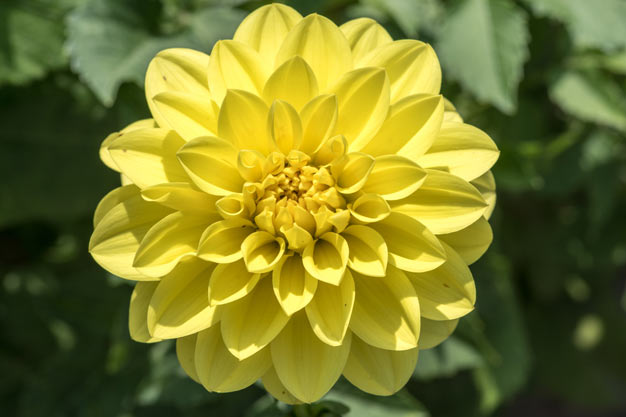
Dahlia is Mexico’s national flower, admired for its perfectly arranged, multi-layered blooms in nearly every color except true blue. Its dra...
| Scientific Name | Dahlia pinnata |
| Flower Color | Red, pink, yellow, orange, white, purple, lavender and bicolors |
| Plant Height | 1 to 6 ft (0.3 to 1.8 m), depending on cultivar |
| Flower Size | 2 to 12 in (5 to 30 cm) |
| Flowering Time | Summer to autumn, until frost |
| Growing Time | About 12 to 16 weeks from planting to flowering |
| Growing Location | Borders, flower beds, cutting gardens and containers |
| Sunlight Requirement | Full sun; 6 to 8 hours daily |
| Temperature | Temperature for plant growing 15 to 27°C and temperature for flower blooming is 18 to 24°C |
| Care Tips | Plant tubers in fertile, well to drained soil after frost. Provide full sun, regular deep watering, and support for tall varieties. Pinch young plants for branching, deadhead spent flowers, and lift tubers where winters freeze. |
| Quick Summary | Dahlia is a spectacular tuberous perennial and the official national flower of Mexico. Its symmetrical, layered blooms range from tiny pompons to enormous dinner to plate flowers. Dahlias perform best in sunny locations with fertile, well to drained soil and regular moisture. Their extraordinary diversity of colors, forms and bloom sizes makes them valuable in ornamental gardens and professional flower production. Tall varieties often require staking, while regular deadheading encourages continued flowering. In cold climates, tubers are commonly lifted and stored after frost. Dahlias are especially appreciated for their long flowering season and excellent performance as cut flowers. |
| Commercial & Gifting Uses | Cut to flower bouquets, wedding arrangements, luxury floral designs, birthday bouquets, event décor and ornamental potted plants. |
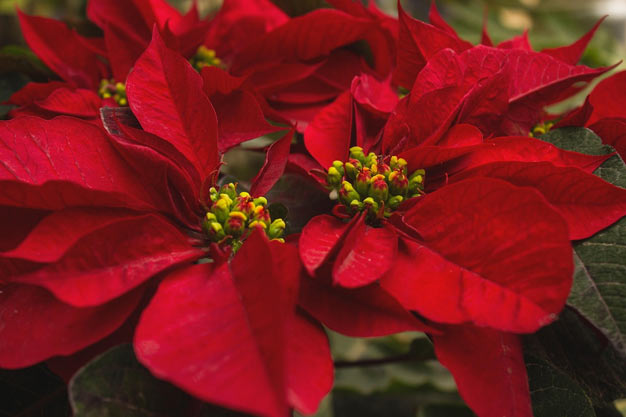
Poinsettia, Mexico’s beloved Nochebuena, is famous for its brilliant colored bracts surrounding tiny true flowers. Closely associated with C...
| Scientific Name | Euphorbia pulcherrima |
| Flower Color | Red, white, pink, cream, marbled and bicolor bracts; true flowers yellow to green |
| Plant Height | 1 to 3 ft indoors; up to 10 to 15 ft outdoors in warm climates |
| Flower Size | Bract display 6 to 18 in (15 to 45 cm) |
| Flowering Time | Late autumn to winter |
| Growing Time | About 4 to 6 months for marketable flowering plants |
| Growing Location | Indoors, patios, warm gardens and protected landscapes |
| Sunlight Requirement | Bright indirect light indoors; partial to full sun outdoors |
| Temperature | Temperature for growing plant 18 to 27°C and temperature for flower blooming 18 to 22°C |
| Care Tips | Keep poinsettias warm, bright and protected from cold drafts. Water when the upper soil feels dry, but never leave roots standing in water. Use well to drained soil, avoid sudden temperature changes, and prune after flowering. |
| Quick Summary | Poinsettia is a tropical Mexican shrub celebrated worldwide as the classic Christmas plant. The colorful structures commonly called flowers are actually modified leaves known as bracts, surrounding small yellow true flowers. Red remains the traditional choice, although modern cultivars offer white, pink, cream and patterned forms. Poinsettias need warmth, bright light and carefully controlled watering. They are highly popular for seasonal home decoration, churches, hotels, offices and festive events. With suitable care in frost to free climates, plants can grow into large landscape shrubs. Their association with Christmas makes them one of the world’s most important seasonal ornamental plants. |
| Commercial & Gifting Uses | Christmas gifts, corporate holiday presents, festive home décor, hotel displays, church decoration and seasonal retail plant sales. |
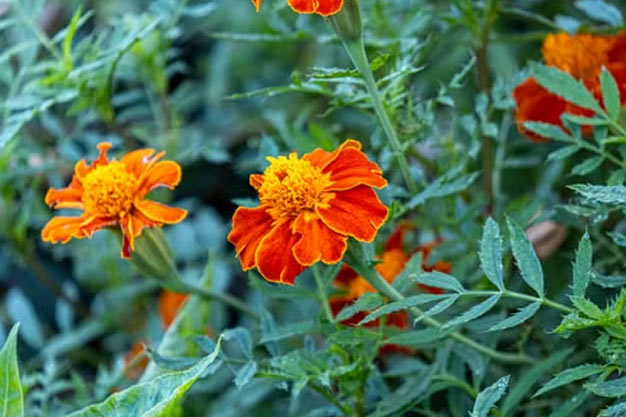
Mexican marigold, or cempasúchil, produces bold golden-orange flower heads that symbolize remembrance and celebration. Famous in Día de los ...
| Scientific Name | Tagetes erecta |
| Flower Color | Yellow, gold, orange and deep orange |
| Plant Height | 1 to 4 ft (30 to 120 cm) |
| Flower Size | 2 to 5 in (5 to 13 cm) |
| Flowering Time | Summer to autumn; longer in warm climates |
| Growing Time | About 8 to 12 weeks from seed to flowering |
| Growing Location | Flower beds, borders, containers and commercial flower fields |
| Sunlight Requirement | Full sunlight |
| Temperature for plant growing 18 to 30°C and temperature for flower blooming 20 to 28°C | |
| Care Tips | Grow in full sun and well to drained soil. Water regularly while establishing, then avoid excessive moisture. Remove faded blooms to extend flowering, provide spacing for airflow, and protect young plants from severe frost and waterlogging. |
| Quick Summary | Mexican marigold is one of Mexico’s most recognizable ornamental flowers and is deeply connected with Día de los Muertos celebrations. Its large, densely petaled blooms glow in shades of yellow, gold and orange. The plant grows rapidly from seed and flowers generously in warm, sunny conditions. It performs well in garden beds, containers and large to scale flower production. Strong stems and bright colors make selected cultivars useful as cut flowers and decorative garlands. Besides its cultural importance, Mexican marigold is widely planted for landscaping and festive displays, creating bold blocks of color throughout the growing season. |
| Commercial & Gifting Uses | Día de los Muertos decorations, garlands, religious offerings, festive bouquets, floral carpets, landscaping and seasonal potted plants. |
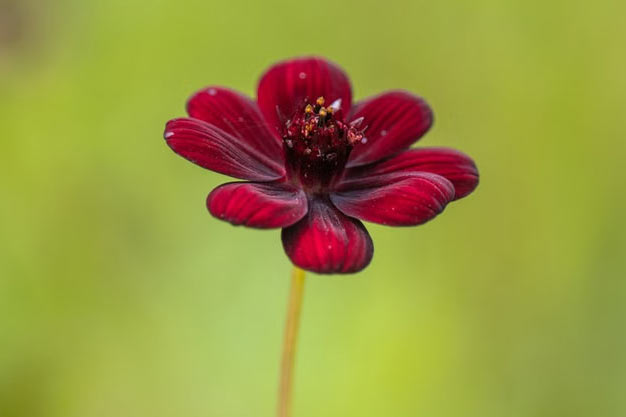
Chocolate cosmos is a rare and elegant perennial with deep velvety burgundy-red flowers carrying a distinctive cocoa-like fragrance. Its unu...
| Scientific Name | Cosmos atrosanguineus |
| Flower Color | Dark burgundy, chocolate to red to deep maroon |
| Plant Height | 1.5 to 3 ft (45 to 90 cm) |
| Flower Size | 1.5 to 2 in (4 to 5 cm) |
| Flowering Time | Summer to early autumn |
| Growing Time | About 10 to 14 weeks from actively growing divisions or tubers |
| Growing Location | Sunny borders, containers, cutting gardens and protected beds |
| Sunlight Requirement | Full sun to light partial shade |
| Temperature | Temperature for plant growing 18 to 27°C and temperature for flower blooming 20 to 25°C |
| Care Tips | Grow in fertile, well to drained soil and provide consistent moisture without waterlogging. Choose a warm sunny position, deadhead regularly, protect from frost, and lift or shelter tuberous roots in regions with severe winters. |
| Quick Summary | Chocolate cosmos is treasured for its velvety, almost black to red blooms and remarkable fragrance reminiscent of chocolate. Native to Mexico, the cultivated form is generally propagated vegetatively because the commonly grown plant does not reliably produce viable seed. It forms a compact perennial clump and flowers through the warm season when grown in sun and well to drained soil. Its dark blooms provide striking contrast among lighter flowers and foliage. Because of its rarity, fragrance and sophisticated appearance, chocolate cosmos is particularly attractive for specialty nurseries, collectors’ gardens and premium floral designs. Frost protection is important in colder regions. |
| Commercial & Gifting Uses | Premium bouquets, romantic gifts, anniversary arrangements, specialty cut flowers, collector plants and luxury garden gifts. |
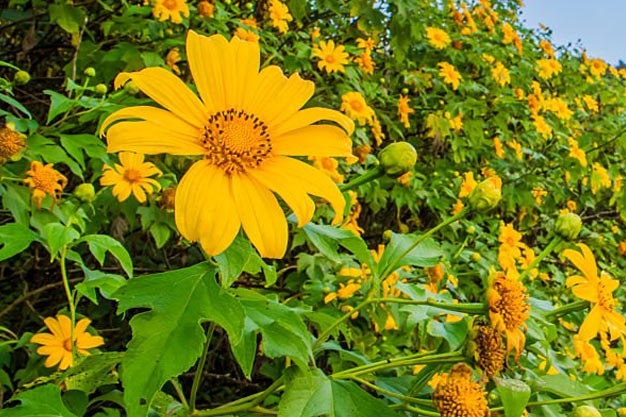
Mexican sunflower is a vigorous, tall flowering plant producing brilliant yellow-orange daisy-like blooms. Its nectar-rich flowers attract b...
| Scientific Name | Tithonia diversifolia |
| Flower Color | Bright yellow to orange to yellow |
| Plant Height | 6 to 15 ft (1.8 to 4.5 m) |
| Flower Size | 2 to 5 in (5 to 13 cm) |
| Flowering Time | Late summer to autumn |
| Growing Time | About 3 to 5 months to flowering |
| Growing Location | Large gardens, sunny borders, hedges and pollinator landscapes |
| Sunlight Requirement | Full sunlight |
| Temperature | Temperature for plant growing 20 to 32°C and temperature for flower blooming 22 to 30°C |
| Care Tips | Plant in a sunny, spacious location with well to drained soil. Water regularly until established, then reduce irrigation. Prune or cut back vigorous growth when necessary, provide support in windy areas, and protect plants from frost. |
| Quick Summary | Mexican sunflower is a large, fast to growing perennial or shrub to like plant known for its vibrant yellow to orange daisy flowers. Its tall stature creates an impressive background in gardens and provides abundant resources for pollinating insects. The plant adapts well to warm climates and can grow vigorously in sunny locations. Although individual flowers resemble sunflowers, the plant has a more open, branching habit and may reach several meters in favorable conditions. It is especially effective in large landscapes, ecological gardens and tropical planting schemes. Regular pruning helps manage its size and encourages a fuller appearance. |
| Commercial & Gifting Uses | Landscape planting, pollinator gardens, tropical floral displays, garden to center plants and occasional large decorative cut stems. |
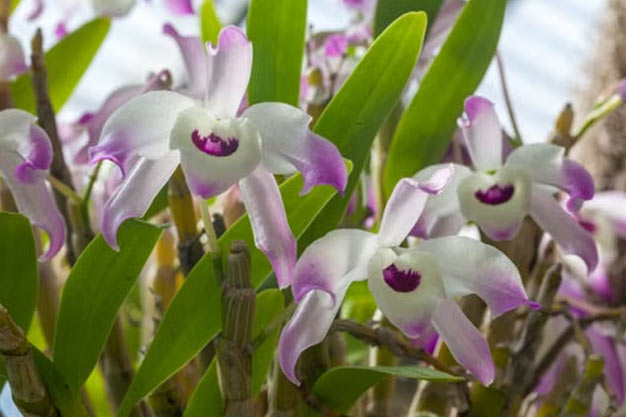
Laelia orchid is a graceful Mexican and Central American epiphyte producing clusters of delicate pale pink to lavender flowers. Its elegant ...
| Scientific Name | Laelia rubescens |
| Flower Color | Pale lavender, pinkish to lilac, white to light rose with deeper lip markings |
| Plant Height | 1 to 3 ft (30 to 90 cm), including flower spikes |
| Flower Size | About 2 to 3 in (5 to 8 cm) |
| Flowering Time | Winter to spring |
| Growing Time | Usually 2 to 4 years from young plant to mature flowering size |
| Growing Location | Greenhouses, orchid houses, sheltered patios and warm indoor spaces |
| Sunlight Requirement | Bright filtered light |
| Temperature for plant growing 18 to 28°C and temperature for flower blooming approximately 18 to 24°C | |
| Care Tips | Provide bright filtered light, warm temperatures and excellent air circulation. Grow in a coarse orchid medium, water thoroughly but allow roots to approach dryness, maintain moderate humidity, and avoid prolonged cold or waterlogged conditions. |
| Quick Summary | Laelia rubescens is an attractive epiphytic orchid admired for its refined sprays of pale pink, lavender or nearly white flowers. Like many orchids, it naturally grows attached to trees or other supports rather than in ordinary garden soil. It requires bright filtered light, good airflow and a fast to draining growing medium. Mature plants may produce elegant flower spikes carrying several blooms with contrasting lip markings. Its exotic form and relatively manageable cultivation requirements make it appealing to orchid enthusiasts. Laelia orchids are especially valued as collectible ornamental plants and as sophisticated living gifts for people who enjoy long to lasting flowering specimens. |
| Commercial & Gifting Uses | Specialty orchid sales, collector gifts, luxury potted plants, botanical displays, weddings and premium floral décor. |
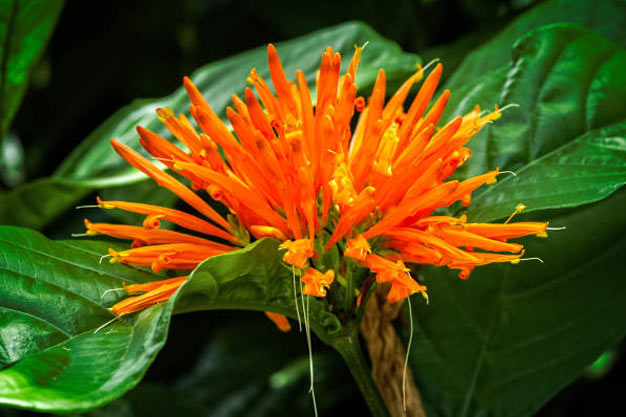
Mexican honeysuckle is a warm-climate evergreen shrub covered with bright orange tubular flowers. Its long flowering period, easy-care natur...
| Scientific Name | Justicia spicigera |
| Flower Color | Bright orange to orange to red |
| Plant Height | 3 to 6 ft (0.9 to 1.8 m) |
| Flower Size | Individual tubular flowers about 1 to 2 in (2.5 to 5 cm) |
| Flowering Time | Spring through autumn; nearly year to round in warm climates |
| Growing Time | About 3 to 6 months from rooted cuttings to establishment |
| Growing Location | Warm gardens, borders, hedges, containers and pollinator gardens |
| Sunlight Requirement | Full sunlight to partial shade |
| Temperature | Temperature for plant growing 18 to 32°C and flower blooming Temperature 20 to 30°C |
| Care Tips | Grow in warm, well to drained soil with regular watering during establishment. Prune after major flowering flushes to maintain shape and encourage branching. Provide sun or light shade, mulch roots, and protect plants from frost. |
| Quick Summary | Mexican honeysuckle is a shrubby ornamental plant known for clusters of vivid orange tubular flowers. Despite its common name, it is not a true honeysuckle. It grows well in warm climates and provides repeated flowering when given adequate sunlight and moderate moisture. The blossoms are especially attractive to hummingbirds and other nectar to feeding wildlife. Its dense growth habit makes it useful as a flowering hedge, border plant or large container specimen. The plant responds well to pruning and can be maintained at a compact size. Its cheerful flowers give tropical gardens long to lasting, warm color. |
| Commercial & Gifting Uses | Ornamental nursery plants, patio containers, pollinator gardens, tropical landscaping and colorful garden gifts. |
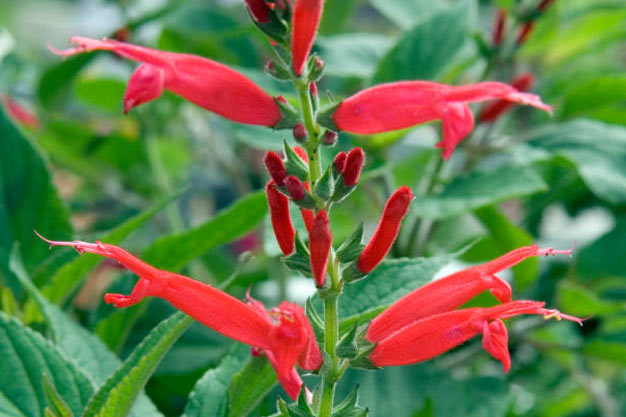
Pineapple sage combines aromatic pineapple-scented foliage with vivid scarlet tubular flowers. This attractive perennial brings fragrance, b...
| Scientific Name | Salvia elegans |
| Flower Color | Scarlet to bright red |
| Plant Height | 3 to 5 ft (0.9 to 1.5 m) |
| Flower Size | Individual flowers about 1 to 2 in (2.5 to 5 cm) |
| Flowering Time | Late summer to autumn |
| Growing Time | Approximately 3 to 5 months from rooted cuttings or established plants |
| Growing Location | Herb gardens, borders, containers and warm sheltered landscapes |
| Sunlight Requirement | Full sunlight to partial shade |
| Temperature | Temperature for plant growing 18 to 30°C and temperature for flower blooming 18 to 25°C |
| Care Tips | Plant in fertile, well to drained soil and provide regular watering during dry periods. Give full sun for stronger flowering, prune lightly for bushiness, remove damaged stems, and protect the roots from severe frost during winter. |
| Quick Summary | Pineapple sage is a fragrant ornamental herb best known for leaves that release a sweet pineapple to like scent when crushed. In late summer and autumn, the plant produces vivid scarlet tubular flowers that attract hummingbirds and other pollinators. It grows as a bushy perennial in warm climates and can also be cultivated successfully in large containers. The combination of aromatic foliage and brilliant flowers gives it value beyond ordinary flowering plants. It is useful in sensory gardens, herb collections and decorative borders. With warmth, sunlight and well to drained soil, pineapple sage can provide a striking seasonal floral display. |
| Commercial & Gifting Uses | Fragrant potted plants, herb garden gifts, autumn décor, pollinator gardens, specialty nursery sales and decorative floral arrangements. |
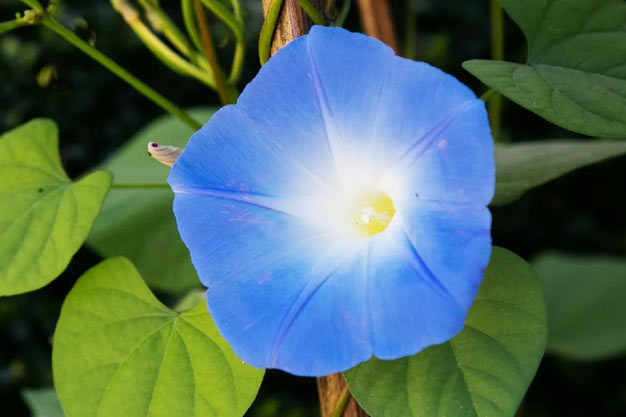
Mexican morning glory is a fast-growing climbing vine with large sky-blue, violet-blue or purple funnel-shaped flowers and pale throats. Its...
| Scientific Name | Ipomoea tricolor |
| Flower Color | Sky blue, violet to blue or purple with a white to yellowish throat |
| Plant Height | 8 to 13 ft (2.5 to 4 m) |
| Flower Size | About 2 to 4 in (5 to 10 cm) |
| Flowering Time | Summer to autumn season varies by climate |
| Growing Time | Approximately 8 to 12 weeks from seed to first flowers |
| Growing Location | Trellises, fences, walls, arches, balconies and containers |
| Sunlight Requirement | Full sunlight |
| Temperature | Temperature for plant growing 18 to 30°C and temperature for flower blooming 20 to 28°C |
| Care Tips | Sow in warm, well to drained soil and provide a strong support for climbing. Keep soil moderately moist during establishment, give full sun, avoid excessive fertilizer, and remove unwanted self to seeded plants where naturalization is a concern. |
| Quick Summary | Mexican morning glory is a vigorous twining vine native to Mexico and widely cultivated for its large, funnel to shaped flowers. The blooms commonly open in the morning and close or fade later in the day, creating a constantly changing display. Heart to shaped leaves provide dense green coverage, making the plant useful for screens and vertical gardening. It grows rapidly from seed in warm conditions and performs best with strong sunlight and support for climbing. Popular cultivars, especially blue to flowered forms, are widely used as ornamental annuals in cooler climates and as longer to lived vines in warm regions. |
| Commercial & Gifting Uses | Trellis plants, balcony gifts, flowering climbers, garden to center sales, arch decoration and ornamental landscaping. |
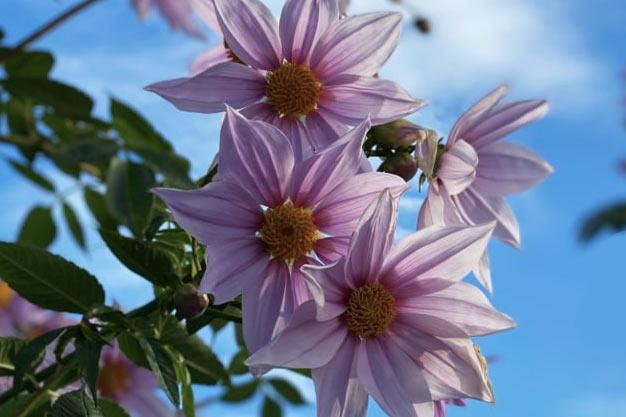
Tree dahlia is an extraordinary giant perennial producing elegant pale pink to lavender flowers on towering bamboo-like stems. Its exception...
| Scientific Name | Dahlia imperialis |
| Flower Color | Pale pink, lavender to pink to lilac |
| Plant Height | 10 to 20 ft (3 to 6 m) in favorable conditions |
| Flower Size | About 3 to 5 in (8 to 13 cm) |
| Flowering Time | Late autumn to early winter, often before frost |
| Growing Time | Usually 5 to 8 months from established cuttings or tubers |
| Growing Location | Large gardens, sheltered borders and warm landscapes |
| Sunlight Requirement | Full sunlight to light partial shade |
| Temperature for plant growing 18 to 30°C and temperature for flower blooming 15 to 24°C | |
| Care Tips | Plant in deep, fertile, well to drained soil and allow plenty of space. Provide shelter from strong winds and stake tall stems if needed. Water regularly during active growth, mulch roots, and protect stems and tubers from frost. |
| Commercial & Gifting Uses | Specialty nursery plants, large landscape specimens, botanical gardens, tropical garden gifts and decorative cut stems. |
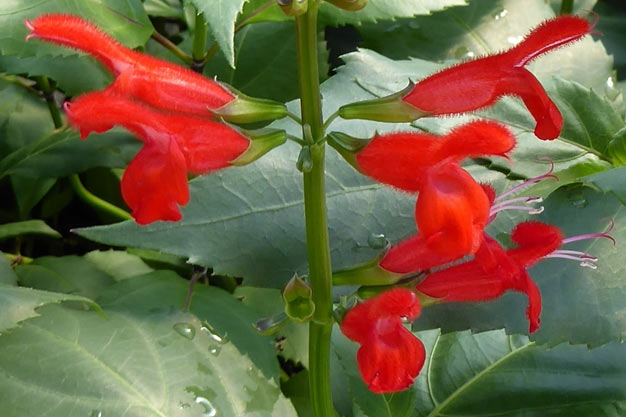
Belize sage is a tropical shrubby perennial bearing striking fiery red to orange-red tubular flowers. Its bold color, long blooming potentia...
| Scientific Name | Salvia miniata |
| Flower Color | Bright red to fiery orange to red |
| Plant Height | 3 to 6 ft (0.9 to 1.8 m) |
| Flower Size | About 1 to 2 in (2.5 to 5 cm) |
| Flowering Time | Summer to autumn; potentially longer in warm climates |
| Growing Time | Approximately 3 to 6 months from rooted cuttings |
| Growing Location | Warm borders, woodland edges, patios, containers and tropical gardens |
| Sunlight Requirement | Partial shade to filtered sunlight |
| Temperature | Temperature for plant growing 18 to 30°C and temperature for flower blooming 20 to 27°C |
| Care Tips | Grow in rich, well to drained soil with consistent moisture. Provide filtered sunlight or gentle morning sun, prune lightly after flowering, maintain good air circulation, and protect plants from frost and prolonged cold conditions. |
| Quick Summary | Belize sage is a colorful ornamental Salvia valued for its bright tubular flowers and lush shrubby growth. The fiery blooms stand out strongly against green foliage and attract hummingbirds and other nectar to feeding visitors. It is best suited to warm, frost to free or protected environments where it can develop into a substantial perennial shrub. Rich but well to drained soil and regular moisture support vigorous growth. Partial shade is especially helpful in very hot climates. Its tropical appearance makes Belize sage useful for mixed borders, patio containers and specialty plant collections, where its vivid flower color creates a strong visual accent. |
| Commercial & Gifting Uses | Specialty nursery plants, hummingbird gardens, tropical containers, ornamental landscaping and colorful potted plant gifts. |
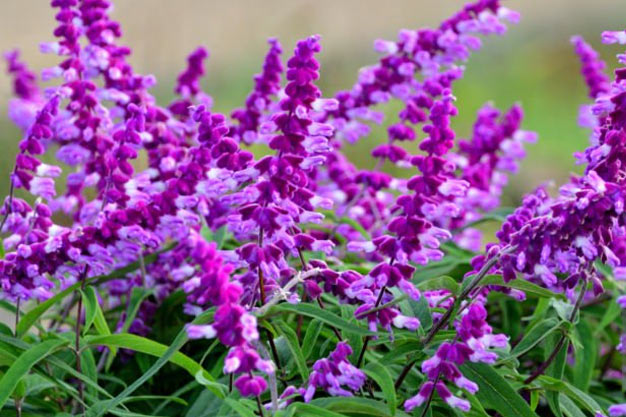
Mexican bush sage produces long, arching spikes covered with velvety purple calyces and contrasting white flowers. Its soft texture, dramati...
| Scientific Name | Salvia leucantha |
| Flower Color | Purple, violet and white |
| Plant Height | 3 to 6 ft (0.9 to 1.8 m) |
| Flower Size | Individual flowers about 1 in (2 to 3 cm); spikes 6 to 12 in (15 to 30 cm) |
| Flowering Time | Late summer to autumn; until frost |
| Growing Time | About 3 to 5 months from rooted cuttings or divisions |
| Growing Location | Borders, mass plantings, containers and pollinator gardens |
| Sunlight Requirement | Full sunlight to partial sun |
| Temperature | Temperature for plant growing 18 to 30°C and temperature for flower blooming 18 to 25°C |
| Care Tips | Plant in full sun or light shade with well to drained soil. Water regularly while establishing, then avoid excessive wetness. Cut back old stems in spring, deadhead lightly when needed, and protect the root zone in cold winters. |
| Quick Summary | Mexican bush sage is a vigorous perennial famous for its soft, velvety flower spikes. Purple or violet calyces surround small white flowers, producing a distinctive two to tone effect that lasts from late summer into autumn. The plant develops into a broad, shrubby clump and is particularly effective when planted in groups. Its blooms attract pollinators and can also be harvested for fresh or dried decorative arrangements. Mexican bush sage tolerates warm conditions well and needs good drainage to remain healthy. In colder climates, winter protection or spring regrowth management may be necessary. |
| Commercial & Gifting Uses | Landscaping, mass planting, potted plants, dried floral arrangements, autumn bouquets and pollinator garden projects. |
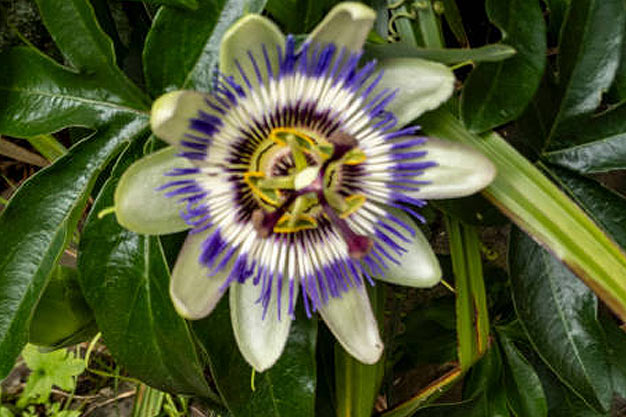
Mexican passion flower is an exotic climbing vine with intricate pink, purple and green floral structures arranged around a distinctive cent...
| Scientific Name | Passiflora mexicana |
| Flower Color | Pink, lavender, purple, green and cream |
| Plant Height | Climbing up to about 20 to 24 ft (6 to 7 m) |
| Flower Size | Approximately 2 to 4 in (5 to 10 cm) |
| Flowering Time | Spring through autumn, depending on climate |
| Growing Time | Around 6 to 12 months from seed or cuttings to strong flowering growth |
| Growing Location | Trellises, fences, warm gardens, conservatories and botanical collections |
| Sunlight Requirement | Full sunlight to partial shade |
| Temperature | Temperature for plant growing 18 to 32°C and temperature for flower blooming 20 to 30°C |
| Care Tips | Provide a strong trellis, warm conditions and well to drained soil. Water consistently during active growth without waterlogging roots. Prune excessive vines after flowering, feed lightly during the growing season, and protect plants from frost. |
| Quick Summary | Mexican passion flower is a perennial climbing vine with one of the most intricate floral designs among ornamental plants. Its flowers feature radiating filaments, colorful petals and a prominent central reproductive structure, creating an exotic, almost architectural appearance. Native to Mexico and adapted to warm conditions, it climbs through surrounding vegetation or over garden supports. The vine is suitable for sunny to lightly shaded locations with well to drained soil and room to spread. Because of its unusual flowers and vigorous climbing habit, it is particularly valuable for collectors, botanical displays and gardens seeking distinctive tropical character. |
| Commercial & Gifting Uses | Exotic plant collections, botanical garden displays, trellis plants, specialty nursery sales and unusual ornamental gifts. |
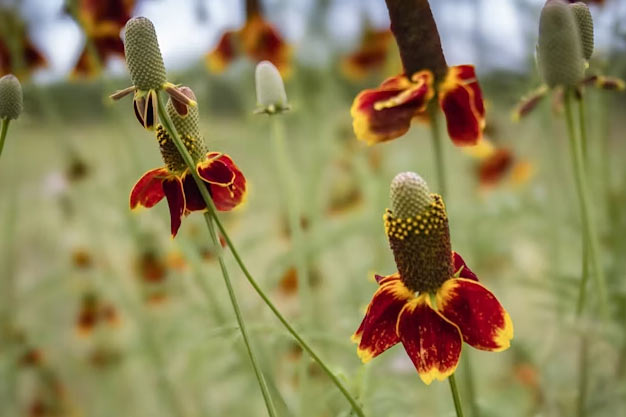
Mexican hat flower is a drought-tolerant prairie wildflower recognized by its drooping red-and-yellow petals surrounding a tall central cone...
| Scientific Name | Ratibida columnifera |
| Flower Color | Yellow, red, mahogany and reddish to brown |
| Plant Height | 1 to 3 ft (30 to 90 cm) |
| Flower Size | About 1 to 3 in (2.5 to 8 cm), including cone |
| Flowering Time | Late spring to autumn |
| Growing Time | About 10 to 16 weeks from seed to flowering |
| Growing Location | Prairie gardens, wildflower meadows, borders and xeriscapes |
| Sunlight Requirement | Full sunlight |
| Temperature | Temperature for plant growing 15 to 30°C and temperature for flower blooming 20 to 30°C |
| Care Tips | Plant in full sun and well to drained soil. Once established, water sparingly because the plant tolerates drought well. Remove faded blooms for a tidier appearance, avoid heavy wet soils, and allow some seed heads to remain for natural reseeding. |
| Quick Summary | Mexican hat flower is a distinctive North American wildflower whose downward to pointing petals surround a tall, dark central cone resembling a traditional hat. It is highly adaptable, drought tolerant and easy to grow from seed in sunny, well to drained locations. The plant provides long to lasting summer color while attracting bees, butterflies and other beneficial insects. Its natural appearance makes it particularly suitable for prairie to style planting, wildflower meadows and low to maintenance landscapes. Mexican hat flower can self to seed under favorable conditions, helping establish naturalized colonies. Its unusual shape also adds interest to fresh and dried wildflower arrangements. |
| Commercial & Gifting Uses | Wildflower seed mixes, prairie landscaping, eco to friendly garden gifts, dried arrangements and natural to style bouquets. |
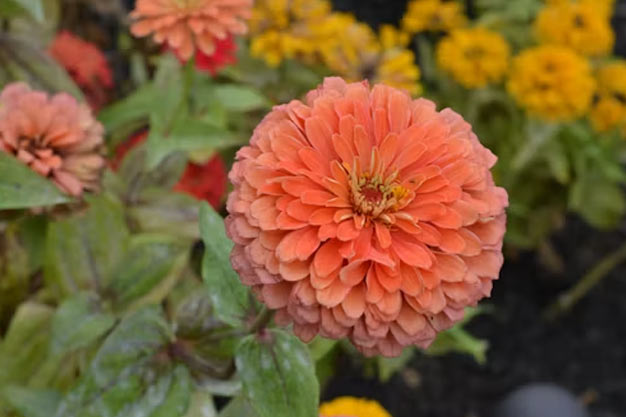
Short Description: Zinnia is a colorful, fast-growing annual producing single, semi-double or fully double blooms in an extraordinary range ...
| Scientific Name | Zinnia elegans |
| Flower Color | Red, pink, orange, yellow, white, purple, lavender, green and bicolor |
| Plant Height | 1 to 4 ft (30 to 120 cm) |
| Flower Size | 1 to 6 in (2.5 to 15 cm) |
| Flowering Time | Summer to autumn; until frost |
| Growing Time | About 6 to 10 weeks from seed to flowering |
| Growing Location | Flower beds, borders, cutting gardens, containers and commercial farms |
| Sunlight Requirement | Full sunlight |
| Temperature | Temperature for plant growing 18 to 32°C and temperature for flower blooming 20 to 30°C |
| Care Tips | Sow in warm soil with full sun and good airflow. Water at the base to keep foliage dry, use well to drained soil, remove faded blooms regularly, and space plants properly to reduce fungal disease and encourage strong flowering. |
| Quick Summary | Zinnia is one of the easiest and most colorful annual flowers to grow. Native to Mexico and surrounding regions, it has been extensively developed into cultivars with different heights, flower forms and colors. Blooms may resemble daisies, pompons or small dahlias, depending on the variety. Zinnias thrive in heat and sunshine and produce flowers continuously when regularly deadheaded. Their sturdy stems and bright colors make taller cultivars particularly valuable for cut to flower production. Compact varieties are ideal for pots and bedding displays. With rapid growth and low production costs, zinnias remain important for both home gardening and commercial floriculture. |
| Commercial & Gifting Uses | Fresh bouquets, birthday flowers, mixed arrangements, wedding décor, bedding plants, potted gifts and commercial cut to flower production. |
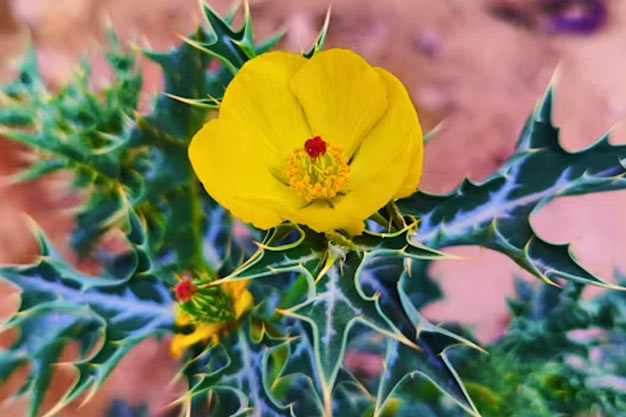
Mexican poppy is a hardy, drought-tolerant wildflower producing bright yellow, papery blooms above striking bluish-green spiny foliage. Its ...
| Scientific Name | Argemone mexicana |
| Flower Color | Bright yellow to golden yellow |
| Plant Height | 1 to 4 ft (30 to 120 cm) |
| Flower Size | About 2 to 4 in (5 to 10 cm) |
| Flowering Time | Spring to autumn in suitable warm conditions |
| Growing Time | Approximately 8 to 12 weeks from seed to flowering |
| Growing Location | Dry gardens, roadsides, wildflower areas and xeriscapes |
| Sunlight Requirement | Full sunlight |
| Temperature | Temperature for plant growing 18 to 35°C and temperature for flower bBlooming 22 to 32°C |
| Care Tips | Grow in full sun and sharply drained soil. Water sparingly after establishment and avoid rich, waterlogged conditions. Handle carefully because the foliage is prickly, and manage self to seeding where the plant may spread aggressively. |
| Quick Summary | Mexican poppy is a robust annual or short to lived perennial recognized by its bright yellow flowers and decorative bluish to green leaves armed with sharp spines. It thrives in hot, dry and disturbed environments where many ornamental plants struggle. The papery flowers open widely in sunshine and provide vivid contrast against the prickly foliage. Because it tolerates drought and poor soils, it is useful for low to water landscapes and wildflower to style planting. However, the plant can self to seed readily and should be managed responsibly in regions where it behaves aggressively. Its ornamental value lies mainly in its resilience, bright flowers and dramatic foliage. |
| Commercial & Gifting Uses | Wildflower seed mixes, drought to tolerant landscaping, ecological gardens and specialty native or ornamental plant collections. |
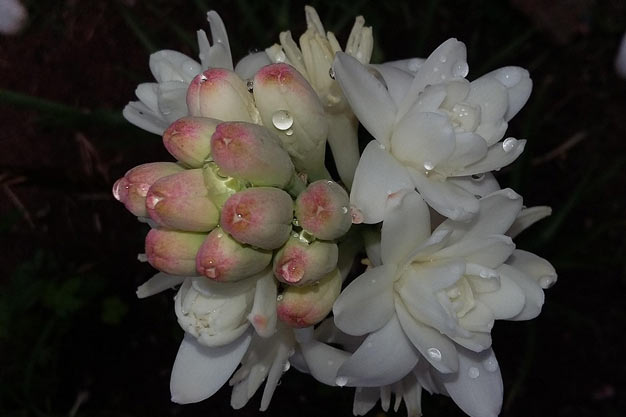
Tuberose is a luxurious, intensely fragrant flowering plant producing waxy white blossoms along tall spikes. Long associated with perfumery,...
| Scientific Name | Agave amica |
| Flower Color | Creamy white; some cultivars have pinkish tones |
| Plant Height | 2 to 4 ft (60 to 120 cm) |
| Flower Size | Individual flowers about 1.5 to 2.5 in (4 to 6 cm) long |
| Flowering Time | Summer to autumn |
| Growing Time | Approximately 4 to 6 months from bulb planting to flowering |
| Growing Location | Flower farms, sunny beds, containers and warm gardens |
| Sunlight Requirement | Full sunlight |
| Temperature | Temperature for plant growing 20 to 30°C and temperature for flower blooming 20 to 28°C |
| Care Tips | Plant bulbs in warm, fertile, well to drained soil and provide full sun. Water consistently during active growth, feed moderately, avoid waterlogging, and allow bulbs to rest after foliage declines. Protect dormant bulbs from severe frost. |
| Quick Summary | Tuberose is a bulbous perennial famous for its intensely sweet and rich fragrance. Tall flower spikes carry numerous waxy white blossoms that open gradually, extending their decorative and aromatic value. It is an important commercial flower for the perfume industry and fresh to flower trade. Single and double to flowered cultivars are grown, with double forms often providing fuller floral displays. Tuberose requires warmth and sunshine for strong growth and flowering. The cut spikes are widely used in weddings, religious ceremonies and luxury floral arrangements. Its exceptional fragrance has made tuberose a classic ingredient in high to end perfumery. |
| Commercial & Gifting Uses | Perfume production, wedding garlands, bridal bouquets, luxury bouquets, religious ceremonies and fragrant floral gifts. |
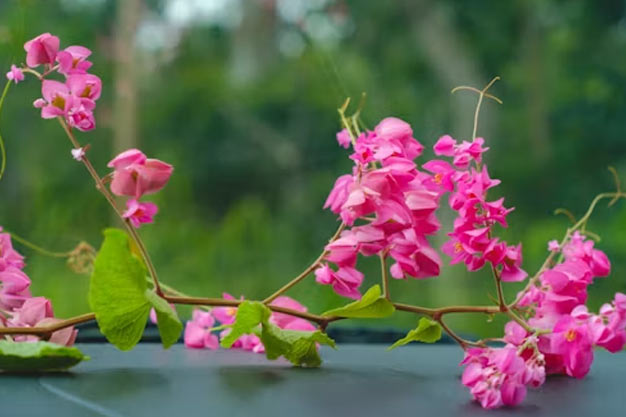
Coral vine is a vigorous Mexican climber covered with cascading sprays of pink, coral or white flowers. Its romantic appearance, heart-shape...
| Scientific Name | Antigonon leptopus |
| Flower Color | Pink, coral to pink, rose and white |
| Plant Height | 15 to 40 ft (4.5 to 12 m) |
| Flower Size | Individual flowers about 0.5 to 1 in (1 to 2.5 cm) |
| Flowering Time | Spring to autumn; nearly year to round in tropical climates |
| Growing Time | About 4 to 8 months from seed or rooted cuttings to flowering |
| Growing Location | Pergolas, fences, trellises, walls and large tropical gardens |
| Sunlight Requirement | Full sunlight to partial shade |
| Temperature | Temperature for plant growing 20 to 35°C and temperature for flower blooming 22 to 32°C |
| Care Tips | Give coral vine a strong support and plenty of growing space. Plant in well to drained soil, water during establishment, prune vigorously to control spread, and remove unwanted seedlings because it can become invasive in favorable warm climates. |
| Quick Summary | Coral vine is a fast to growing perennial climber native to Mexico, producing graceful clusters of pink, coral or white flowers above heart to shaped leaves. Its vigorous stems quickly cover trellises, fences and other structures, creating a curtain of flowers that attracts bees and butterflies. The plant tolerates heat and relatively poor soils once established. Underground tubers allow it to resprout after damage or seasonal dieback. Because of its strong growth and prolific seed production, responsible management is important in regions where it can escape cultivation. Its romantic floral display makes it particularly attractive for ornamental garden structures. |
| Commercial & Gifting Uses | Pergola decoration, flowering climber sales, wedding garden décor, romantic garden gifts and tropical landscaping. |
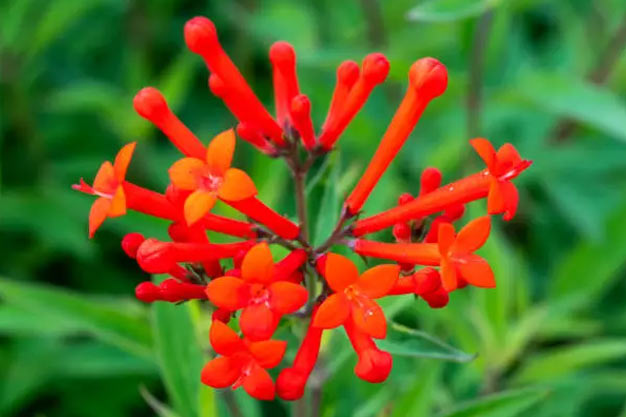
Scarlet bouvardia is a striking shrubby perennial producing dense clusters of slender trumpet-shaped red flowers. Its brilliant color, long ...
| Scientific Name | Bouvardia ternifolia |
| Flower Color | Scarlet red, orange to red to coral to red |
| Plant Height | 2 to 5 ft (60 to 150 cm) |
| Flower Size | Individual tubular flowers about 1 to 2 in (2.5 to 5 cm) |
| Flowering Time | Spring to autumn, depending on climate |
| Growing Time | Approximately 4 to 8 months from rooted cuttings to flowering size |
| Growing Location | Warm borders, containers, rock gardens and hummingbird gardens |
| Sunlight Requirement | Full sun to partial shade |
| Temperature | Temperature for plant growing 18 to 30°C and temperature for flower blooming 20 to 28°C |
| Care Tips | Grow in well to drained soil with regular moisture during active growth. Provide morning sun or partial shade in very hot climates, prune lightly after flowering, avoid frost, and ensure good airflow around dense growth. |
| Quick Summary | Bouvardia ternifolia, often called scarlet bouvardia or firecracker bush, forms a compact to medium to sized shrub covered with clusters of vivid tubular flowers. The bright red blossoms are highly attractive to hummingbirds and stand out strongly against the green foliage. It grows best in warm conditions with well to drained soil and moderate watering. Related cultivated bouvardias are also important in the cut to flower industry, where their elegant tubular flowers are used in bouquets and wedding designs. The species itself is especially attractive for wildlife gardens, specialty nurseries and ornamental collections. |
| Commercial & Gifting Uses | Specialty nursery plants, hummingbird gardens, mixed bouquets, wedding accents and colorful potted gifts. |
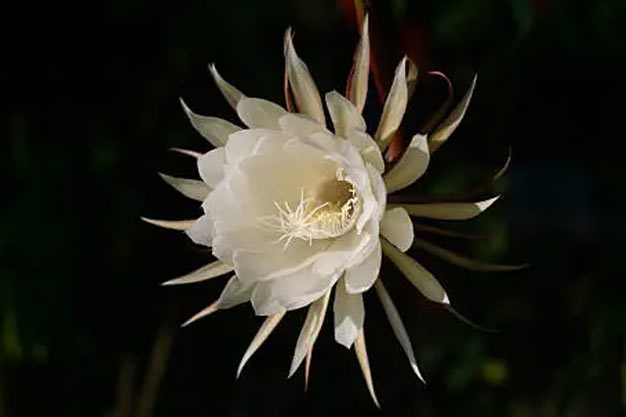
Orchid cactus, often called Queen of the Night, produces enormous, intensely fragrant white flowers that open dramatically after dark. Its r...
| Scientific Name | Epiphyllum oxypetalum |
| Flower Color | White to creamy white |
| Plant Height | 3 to 10 ft (1 to 3 m), depending on support and age |
| Flower Size | 6 to 12 in (15 to 30 cm) |
| Flowering Time | Mainly summer; flowers open at night |
| Growing Time | Usually 2 to 4 years from cutting to mature flowering size |
| Growing Location | Greenhouses, shaded patios, hanging baskets and bright indoor spaces |
| Sunlight Requirement | Bright filtered light; gentle morning sun |
| Temperature | Temperature for plant growing 18 to 30°C and tmperature for flower blooming 20 to 27°C |
| Care Tips | Grow in a loose, fast to draining medium and provide bright filtered light. Water when the upper medium begins drying, increase moisture during active growth, avoid frost, and reduce watering slightly during cooler resting periods. |
| Quick Summary | Orchid cactus is an epiphytic cactus admired for its spectacular night to blooming flowers. The enormous white blossoms open after sunset and release a strong, sweet fragrance before fading by morning. Flattened, leaf to like stems create an attractive cascading habit, making mature plants suitable for hanging baskets and sheltered patios. Unlike desert cacti, it prefers organic, well to drained growing media and regular but careful watering. The mysterious short to lived flowering event makes blooming plants particularly treasured by collectors. Its combination of unusual growth, giant fragrant flowers and nighttime beauty has earned it the popular name Queen of the Night. |
| Commercial & Gifting Uses | Collector plants, premium houseplant gifts, botanical displays, exotic garden collections and special occasion plant gifts. |
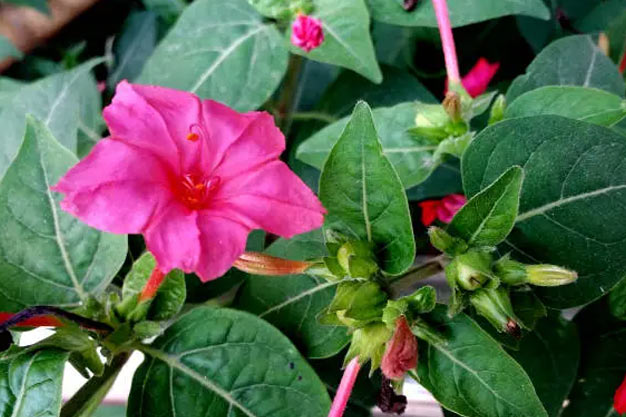
Four o'clock flower is a fragrant ornamental known for blooms that typically open during the late afternoon and evening. Flowers appear in m...
| Scientific Name | Mirabilis jalapa |
| Flower Color | Pink, red, magenta, yellow, white, orange and multicolored |
| Plant Height | 2 to 4 ft (60 to 120 cm) |
| Flower Size | About 1 to 2.5 in (2.5 to 6 cm) |
| Flowering Time | Summer to autumn |
| Growing Time | Approximately 8 to 12 weeks from seed to flowering |
| Growing Location | Borders, cottage gardens, containers and evening to scented gardens |
| Sunlight Requirement | Full sunlight to partial shade |
| Temperature | Temperature for plant growing 18 to 32°C and temperature for flower blooming 20 to 28°C |
| Care Tips | Grow in sunny or lightly shaded positions with well to drained soil. Water regularly during establishment, deadhead if a tidy appearance is desired, allow tuberous roots to overwinter only in frost to free conditions, and protect from severe cold. |
| Quick Summary | Four o'clock flower is a colorful, bushy ornamental that takes its name from its habit of opening blooms in the late afternoon, although timing varies with weather and light. The sweetly scented trumpet to shaped flowers may occur in several colors on a single plant, including striped and variegated forms. The plant grows quickly from seed and develops fleshy underground roots in suitable climates. Its evening fragrance makes it especially attractive near patios and seating areas. Four o'clocks provide reliable summer color with relatively simple care and can self to seed or return from their tuberous roots in warm regions. |
| Commercial & Gifting Uses | Evening gardens, fragrant garden gifts, mixed containers, cottage to style landscaping and colorful seasonal potted plants. |
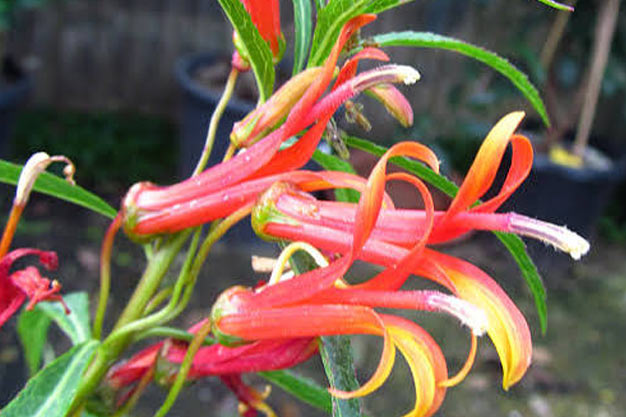
Mexican cardinal flower is a distinctive shrubby perennial with long red and yellow tubular blossoms that attract hummingbirds. Its unusual ...
| Scientific Name | Lobelia laxiflora |
| Flower Color | Red to orange with yellow throats |
| Plant Height | 2 to 5 ft (60 to 150 cm) |
| Flower Size | About 1.5 to 3 in (4 to 8 cm) |
| Flowering Time | Spring to autumn; often extended in mild climates |
| Growing Time | Approximately 4 to 8 months from cuttings or divisions to flowering |
| Growing Location | Borders, dry gardens, slopes, containers and hummingbird landscapes |
| Sunlight Requirement | Full sun to partial shade |
| Temperature | Temperature for plant growing 15 to 30°C and temperature for flower blooming 18 to 27°C |
| Temperature | Plant in well to drained soil and provide regular water while establishing. Mature plants tolerate some dryness. Prune lightly after flowering, remove damaged stems, provide partial shade in extreme heat, and protect roots from severe frost. |
| Quick Summary | Mexican cardinal flower is a perennial or subshrub distinguished by narrow tubular blossoms colored red, orange and yellow. The flowers project outward from the stems and are particularly attractive to hummingbirds. Its spreading or arching growth habit makes it useful in mixed borders, slopes and naturalistic gardens. The plant performs well in warm conditions and can tolerate relatively dry soil once established, although moderate moisture encourages fuller growth. Its striking flower shape offers a different texture from typical bedding plants. Mexican cardinal flower is particularly suited to wildlife to friendly gardens and specialty ornamental collections. |
| Commercial & Gifting Uses | Hummingbird gardens, specialty nursery plants, xeriscape projects, tropical borders and ornamental container gifts. |
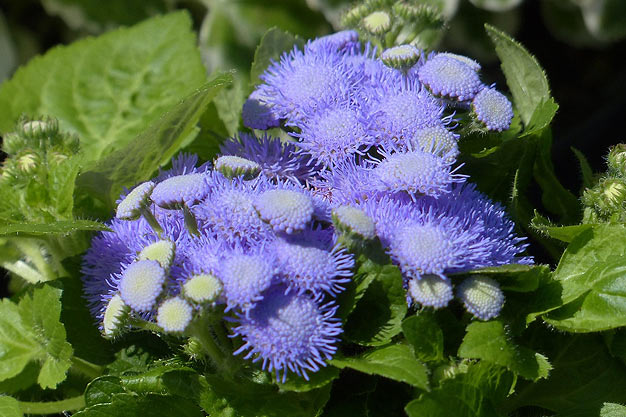
Ageratum, commonly called floss flower, produces soft, fluffy clusters in powder-blue, violet, pink or white. Its compact growth and long fl...
| Scientific Name | Ageratum houstonianum |
| Flower Color | Powder blue, violet, lavender, pink and white |
| Plant Height | 6 to 30 in (15 to 75 cm) |
| Flower Size | Flower clusters about 1 to 3 in (2.5 to 8 cm) |
| Flowering Time | Late spring to autumn; until frost |
| Growing Time | About 8 to 12 weeks from seed to flowering |
| Growing Location | Beds, borders, containers, window boxes and mass plantings |
| Sunlight Requirement | Full sun to partial shade |
| Temperature | Temperature for plant growing 18 to 30°C and temperature for flower blooming: 20 to 27°C |
| Care Tips | Plant in fertile, well to drained soil and keep moisture consistent without waterlogging. Provide sun or light shade, remove faded flower clusters when necessary, space plants for airflow, and protect tender growth from frost and cold temperatures. |
| Quick Summary | Ageratum is a compact flowering plant valued for its unusual soft, fuzzy flower heads that resemble small clusters of colored floss. Blue and violet cultivars are particularly popular because naturally blue bedding flowers are relatively uncommon. Plants bloom continuously through warm weather when given adequate sunlight, moisture and occasional grooming. Shorter varieties form dense mounds for borders, while taller types can be used in mixed flower beds or containers. Ageratum combines well with bright yellow, pink and white flowers, creating strong color contrasts. Its dependable growth makes it a common choice for commercial bedding to plant production. |
| Commercial & Gifting Uses | Bedding plants, container gardens, landscape borders, mixed planters, seasonal gifts and commercial nursery sales. |
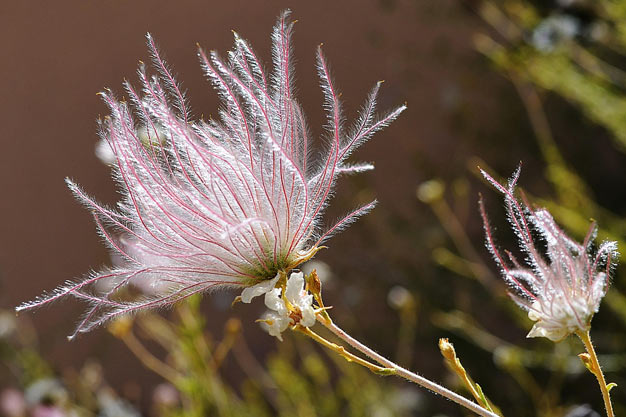
Apache plume is a drought-tolerant desert shrub producing delicate white, rose-like flowers followed by spectacular feathery pink seed plume...
| Scientific Name | Fallugia paradoxa |
| Flower Color | White flowers; pink to silvery feathery seed plumes |
| Plant Height | 3 to 8 ft (0.9 to 2.4 m) |
| Flower Size | About 1 to 2 in (2.5 to 5 cm) |
| Flowering Time | Spring to autumn, often in repeated flushes |
| Growing Time | About 1 to 2 years from young plant to a well to established flowering shrub |
| Growing Location | Desert gardens, rock gardens, xeriscapes and dry slopes |
| Sunlight Requirement | Full sunlight |
| Temperature | Temperature for plant growing 10 to 35°C and temperature for flower blooming 18 to 30°C |
| Care Tips | Plant in full sun and sharply drained sandy or gravelly soil. Water regularly only during establishment, then sparingly. Avoid heavy wet soils, prune lightly to maintain shape, and allow attractive seed plumes to remain for ornamental interest. |
| Quick Summary | Apache plume is an attractive drought to adapted shrub from arid regions of the southwestern United States and northern Mexico. Its delicate white flowers resemble small wild roses, but the plant becomes even more distinctive after flowering when the developing seeds form soft, feathery plumes. These plumes gradually take on pinkish or silvery tones and create a decorative, airy effect. Apache plume thrives in sunny, dry locations and is well suited to water to wise landscaping. Its flowers attract pollinators, while its unusual seed heads provide extended seasonal interest. It is an excellent ornamental choice for desert, rock and native to style gardens. |
| Commercial & Gifting Uses | Xeriscape landscaping, drought to tolerant nursery plants, native garden gifts, desert to themed arrangements and specialty ornamental collections. |



Mexico is recognised for its remarkable biodiversity, and its flowering plants are an important part of that natural heritage. Different regions support different floral communities, influenced by altitude, rainfall, temperature and soil conditions.
Some Mexican flowers are adapted to sunny and relatively dry environments, while others prefer humid or partially shaded conditions. This diversity means that Mexican-inspired flower collections can include both hardy garden plants and delicate tropical or woodland species.
For gardeners, this variety provides many opportunities to create colourful outdoor spaces. For flower enthusiasts, it also makes Mexico an interesting source of unusual botanical varieties that may not be as familiar as conventional roses or lilies.
Flowers have a deep connection with Mexican cultural traditions. They are used to decorate homes, churches, public spaces, festivals and family gatherings, while particular flowers can carry meanings connected with remembrance, celebration, love and spirituality.
One of the best-known examples is the Mexican marigold, commonly called cempasúchil. Its bright golden-orange colour has a strong association with Dia de los Muertos celebrations, where flowers are traditionally used to decorate altars and honour loved ones.
Poinsettia, known in Mexico as Nochebuena, is another flower strongly connected with Mexican culture and Christmas. Its bright red bracts have made it one of the world's most recognisable seasonal plants.
These cultural connections give Mexican flowers a significance that goes beyond their appearance. A particular bloom can represent a celebration, a family tradition or a connection with Mexican heritage.
Dahlia holds a special place in Mexican botanical heritage and is recognised as Mexico's national flower. Native species of Dahlia originated in Mexico, and the plant has since become popular in gardens around the world.
Dahlias are known for their impressive range of flower forms, colours and sizes. Depending on the variety, blooms may be simple and open or densely layered with numerous petals.
The diversity of Dahlia makes it suitable for many different garden styles. Smaller varieties can be used in containers and borders, while larger cultivars can create striking focal points in flower beds.
A garden featuring Dahlias can provide strong seasonal colour while also reflecting an important part of Mexico's native plant heritage. Their wide variety of colours makes it possible to coordinate them with other flowering plants and foliage.
Dahlias generally benefit from suitable sunlight, fertile soil and regular attention during active growth. Exact requirements vary according to the variety and local climate.
Poinsettia (Euphorbia pulcherrima) is one of Mexico's best-known flowering plants. In Mexico it is commonly known as Nochebuena, meaning Christmas Eve.
The plant is especially popular during the Christmas season because of its vivid red bracts. Although red is the classic colour, cultivated varieties are also available in shades such as white, cream, pink and combinations of different tones.
Poinsettias can be grown as seasonal decorative plants or maintained as longer-term plants under appropriate conditions. Their strong association with Christmas also makes them particularly suitable for seasonal gifting.
A potted Poinsettia can be a thoughtful alternative to a traditional cut-flower arrangement during the holiday season. It can decorate a home, office, reception area or festive table while providing a distinctly Mexican botanical connection.
Mexican Marigold, commonly referred to as cempasúchil, is one of the flowers most closely associated with Mexican cultural traditions. Its vivid yellow and orange tones are particularly prominent during Dia de los Muertos.
The flower is valued for its colour, visual impact and traditional symbolism. During celebrations honouring deceased family members, marigolds are commonly used to decorate altars, graves and other ceremonial spaces.
Beyond cultural use, marigolds can also be attractive garden plants. Their bright flowers can bring strong colour to borders, containers and seasonal displays.
Cempasúchil has become an important visual element of Dia de los Muertos celebrations. Its use demonstrates how a flower can become part of a cultural tradition rather than simply being appreciated as an ornamental plant.
For people with Mexican heritage or an interest in Mexican culture, a marigold plant or floral arrangement can therefore carry a more personal meaning than an ordinary decorative bouquet.
Chocolate Cosmos is a distinctive flowering plant appreciated for its deep reddish-brown flowers and unusual chocolate-like fragrance. The plant has a strong connection with Mexico and is particularly attractive to collectors looking for less conventional flowering species.
Its dark blooms create an interesting contrast with brightly coloured flowers in garden borders and mixed plantings. The unusual fragrance can also add another sensory dimension to a flower garden.
Chocolate Cosmos is especially appealing to people who enjoy botanical collections and unusual flowering plants rather than only conventional bouquet flowers.
Mexican Sunflower is known for its tall growth and vibrant flowers, which can bring a bold tropical feel to gardens. Its warm shades of orange, red and yellow can create an eye-catching display during the flowering season.
The plant can be useful at the back of borders because of its height, while its colourful flowers can also attract pollinators such as bees and butterflies.
Mexican Sunflower is particularly suitable for gardeners who want a lively, informal planting style with strong seasonal colour.
Laelia Orchid represents another important part of Mexico's flowering plant diversity. Orchids are admired for their intricate flowers, elegant forms and specialised growing requirements.
Laelia species can be particularly attractive to orchid enthusiasts and collectors who want to explore Mexican and Mesoamerican orchid diversity.
Orchids generally require more specific growing conditions than many common garden flowers. Light, humidity, air circulation, temperature and growing medium all need to be considered carefully.
A flowering orchid can make an elegant gift for someone who enjoys plants and appreciates unusual flowers. Because orchids can be maintained beyond the flowering period, they can provide a longer-lasting alternative to a conventional bouquet.
Mexican Honeysuckle is an attractive flowering plant appreciated for its colourful tubular blooms and ability to add a warm, tropical character to suitable gardens.
Its flowers can attract pollinators, making it useful not only as an ornamental plant but also as part of a wildlife-friendly garden.
Mexican Honeysuckle can be considered for borders, garden beds and other sunny locations where its growth habit can be accommodated.
A Mexican-inspired garden can combine flowers with different heights, colours, textures and flowering periods. Tall Mexican Sunflowers can provide a background layer, while Dahlias and Marigolds can create colourful middle and foreground displays.
Salvias and other nectar-rich plants can add another dimension by attracting bees, butterflies and other beneficial garden visitors.
When designing a garden, it is important to match each plant with the local growing conditions rather than choosing plants only for their appearance. Sunlight, rainfall, temperature and soil drainage can have a major effect on plant performance.
Many flowering plants associated with Mexico can contribute to pollinator-friendly gardens. Bees, butterflies, hummingbirds and other visitors are attracted to flowers that provide nectar or pollen.
Plants such as Mexican Sunflower, Mexican Honeysuckle and several Salvia varieties can provide useful sources of nectar when flowering.
A pollinator garden can combine several species so that flowers appear at different times of the year. Providing water, avoiding unnecessary pesticide use and including suitable native or locally adapted plants can further improve the garden environment.
When choosing Mexican flowers, it is useful to distinguish between cut flowers and living flowering plants.
Fresh flower arrangements are ideal when the immediate visual impact of a bouquet is important. They can be selected for birthdays, anniversaries, romantic occasions, celebrations and expressions of sympathy.
Flowering plants, on the other hand, can continue growing after the occasion. A potted Poinsettia, Orchid or another suitable flowering plant can become part of the recipient's home or garden.
For gardeners, bulbs, seeds or established garden plants may provide an opportunity to cultivate Mexican-associated flowers over a longer period.
Buying flowers online can make it easier to explore different floral styles and gift options without visiting multiple flower shops. Online flower services may offer bouquets, arrangements, potted flowering plants and seasonal selections.
Before placing an order, consider the purpose of the flowers, the recipient's preferences and the type of product being purchased. A bouquet may be appropriate for an immediate celebration, while a potted plant may be better for someone who enjoys gardening.
When shopping online, also review available delivery areas, delivery dates, product descriptions and seasonal availability. Flower varieties and colours can sometimes vary depending on local supply.
Mexican flowers can be selected according to the occasion and the message you want the gift to communicate.
The most suitable flower is often the one that reflects both the occasion and the recipient's personality.
Mexican flowers offer an appealing combination of natural beauty, cultural meaning and botanical diversity. Some are familiar worldwide, while others remain fascinating discoveries for gardeners and flower collectors.
Dahlia represents Mexico's national floral heritage, cempasuchil connects flowers with remembrance and tradition, Poinsettia brings a strong seasonal connection to Christmas, and orchids provide an elegant option for collectors and flower lovers.
Mexico's floral heritage includes flowers that are admired for their colour, fragrance, unusual appearance and cultural importance. Some have become symbols of Mexican traditions, while others are valued by gardeners and collectors for their distinctive botanical characteristics.
From the celebrated Dahlia to the seasonal beauty of Poinsettia and the deep golden tones of cempasúchil, these flowers can add character to gardens, homes, celebrations and thoughtful floral gifts. The following varieties are especially interesting for anyone exploring Mexican flowers.
Dahlia is one of the most important flowers associated with Mexico and is recognised as the country's national flower. Native Dahlias occur naturally in Mexico, and the plant has developed into an internationally popular garden flower.
Dahlias are available in an impressive range of colours, flower shapes and sizes. Some varieties produce compact blooms, while others develop large, elaborate flowers with many layers of petals.
In a garden, Dahlias can be used in borders, containers or dedicated flower beds. Their strong colours also make them suitable for cut-flower arrangements and seasonal bouquets.
A Dahlia arrangement can be a colourful choice for birthdays, celebrations and other occasions where a vibrant floral presentation is appropriate. A potted Dahlia can also appeal to someone who enjoys gardening and wants to grow the plant beyond its flowering period.
Poinsettia (Euphorbia pulcherrima) is one of Mexico's most recognisable flowering plants. In Mexico, it is widely known as Nochebuena and has a strong connection with the Christmas season.
The plant is best known for its vivid red bracts surrounding the small central flowers. Modern cultivated varieties are also available in white, pink, cream and other colours.
Poinsettias can be grown as attractive container plants and are particularly popular as seasonal decorations. Their association with Christmas makes them especially suitable for festive gifts and home decor.
A healthy potted Poinsettia can provide a longer-lasting alternative to a traditional cut bouquet. It can be placed in a living room, entrance, office or other suitable location during the festive season.
When gifting a Poinsettia, choose a plant with healthy foliage and avoid exposing it to unsuitable temperatures during transportation or delivery.
Cempasúchil, commonly known as Mexican Marigold, is perhaps the flower most strongly connected with Dia de los Muertos. Its intense yellow and orange colours have become a defining part of traditional floral displays during this important Mexican observance.
The flowers are used to decorate altars, graves and ceremonial spaces in remembrance of deceased family members. Their vivid appearance gives displays warmth and colour while reflecting an important cultural tradition.
Outside ceremonial use, marigolds can also be attractive garden flowers. They can bring bright seasonal colour to borders, containers and mixed flower beds.
For people observing Dia de los Muertos, cempasúchil can have a meaning that goes far beyond decoration. The flower represents an important connection between floral beauty, remembrance and Mexican cultural heritage.
Its cultural importance also makes it an interesting choice for educational gardens and botanical collections focused on Mexican plants.
Chocolate Cosmos is a particularly unusual Mexican-associated flower. It is known for its dark reddish-brown to chocolate-coloured blooms and a fragrance often described as reminiscent of chocolate.
The combination of colour and fragrance makes it appealing to collectors who enjoy flowers that offer something different from conventional garden varieties.
Chocolate Cosmos can create an attractive contrast when planted alongside flowers in lighter or brighter colours. Its darker blooms can also add depth to a mixed border.
This flower can make an interesting choice for an experienced gardener or botanical enthusiast. Its unusual appearance gives it strong conversation value and makes it suitable for specialty plant collections.
Mexican Sunflower (Tithonia) is a tall, energetic flowering plant recognised for its warm orange, red or yellow-toned blooms. It can create a dramatic display when planted in sunny outdoor areas.
Its height makes it useful toward the back of flower borders, where it can provide a colourful background for shorter plants.
The flowers can also attract butterflies and other pollinating visitors, making Mexican Sunflower a useful choice for gardeners interested in creating wildlife-friendly spaces.
Because of its vigorous growth and height, Mexican Sunflower is generally better suited to gardens with adequate room. Gardeners should provide sufficient sunlight and space for the plant to develop naturally.
Its strong seasonal display can work particularly well in informal, cottage-style and pollinator-friendly gardens.
Laelia Orchid represents the more specialised side of Mexico's floral diversity. Laelia and related orchid varieties are admired for their elegant flowers, distinctive forms and appeal to collectors.
Orchids are different from many common garden flowers because they can have specialised requirements concerning light, humidity, air circulation, temperature and growing medium.
For this reason, Laelia Orchids may be particularly appropriate for experienced plant enthusiasts who enjoy learning about specialised growing conditions.
A flowering orchid can create a sophisticated presentation for birthdays, anniversaries, housewarmings and professional occasions. Unlike a short-lived bouquet, a healthy orchid can continue growing after the flowers have faded when cared for properly.
Mexican Honeysuckle is an attractive flowering shrub known for its colourful tubular flowers and ability to bring a warm, tropical appearance to suitable landscapes.
The flowers can provide a source of nectar for pollinators, making the plant useful in gardens designed to support butterflies and other beneficial visitors.
Its relatively informal growth habit can work well in mixed borders, garden beds and other outdoor planting areas where there is sufficient room for development.
Gardeners interested in supporting pollinators can combine Mexican Honeysuckle with other nectar-producing flowers. A varied planting scheme can provide food sources at different times and create a more diverse garden environment.
| Flower | Key Feature | Suitable Use |
|---|---|---|
| Dahlia | Wide range of colours and flower forms | Gardens, bouquets and gifts |
| Poinsettia | Bright seasonal bracts | Christmas decor and gifts |
| Mexican Marigold | Golden-orange flowers and cultural significance | Dia de los Muertos and gardens |
| Chocolate Cosmos | Dark flowers and distinctive fragrance | Specialty gardens and collections |
| Mexican Sunflower | Tall growth and bright blooms | Sunny gardens and pollinator spaces |
| Laelia Orchid | Elegant and specialised flowers | Collections and sophisticated gifts |
| Mexican Honeysuckle | Colourful tubular flowers | Landscaping and pollinator gardens |
The flowers associated with Mexico can be incorporated into many different garden designs. Dahlias and Zinnias can provide strong colour in traditional flower beds, while Mexican Sunflower can add height and movement.
Mexican Honeysuckle and flowering Salvia varieties can contribute a more wildlife-friendly planting style. Orchids and other specialised flowers can be displayed separately where their environmental requirements can be controlled.
A mixed garden does not need to contain only Mexican species. Combining Mexican flowers with locally suitable plants can create a diverse landscape while making it easier to match the growing conditions of the garden.
Several Mexican-associated flowers can provide inspiration for colourful floral arrangements. Dahlias, Zinnias and Marigolds can bring strong colours and different textures to bouquets and decorative displays.
When choosing cut flowers, consider bloom freshness, stem strength and vase life. Some flowers may be better suited to short-term displays, while others can remain attractive for longer when handled and conditioned properly.
A mixed arrangement combining flowers of different shapes can create more visual depth than using a single flower variety.
Mexico's floral traditions provide many possibilities for celebrations. The choice of flower can be based on the season, cultural meaning, colour preference or personal connection.
Dahlia can provide a sophisticated and colourful option for birthdays and anniversaries, while Poinsettia is naturally suited to Christmas. Cempasúchil has a particularly strong association with Dia de los Muertos.
For occasions without a specific traditional flower, a colourful combination of Mexican-associated blooms can create a distinctive and personal gift.
A flower gift can be chosen according to the recipient's personality and interests. Someone who enjoys gardening may appreciate an established flowering plant, while someone who simply enjoys fresh flowers may prefer a ready-made bouquet.
For collectors, an unusual flower such as Chocolate Cosmos or Laelia Orchid can be more meaningful than a conventional arrangement. For festive occasions, Poinsettia provides an easy connection with Mexican seasonal traditions.
For culturally significant occasions, cempasúchil can carry a deeper message than an ordinary decorative flower, particularly when used respectfully within the relevant tradition.
Online shopping can make it easier to discover both flowering plants and floral gifts associated with Mexico. Before ordering a living plant, however, buyers should check its growing requirements and whether it is suitable for the recipient's climate.
For cut flowers, delivery timing is particularly important because freshness can influence the appearance and longevity of the arrangement. For potted plants, packaging, seasonal conditions and transportation can affect the plant's condition when it arrives.
GiftFloraHub provides information to help visitors understand Mexican flowers and explore relevant flower and plant gifting possibilities. Product availability, colours, sizes and delivery options may vary by retailer and season.
A bouquet provides an immediate floral display and is often the easiest choice for birthdays, romantic occasions and celebrations. A flowering plant offers a different kind of value because it can remain with the recipient after the original flowers have faded.
Consider a potted plant when the recipient enjoys gardening or has a suitable home environment. Choose a bouquet when immediate presentation and convenience are more important.
The right choice ultimately depends on the recipient, the occasion and how long you want the floral gift to remain part of their surroundings.
Mexican flowers combine natural diversity with strong cultural associations. Dahlia represents Mexico's botanical identity, Poinsettia has become a worldwide symbol of Christmas, and cempasúchil remains closely connected with remembrance and Dia de los Muertos.
At the same time, flowers such as Chocolate Cosmos, Mexican Sunflower, Laelia Orchid and Mexican Honeysuckle demonstrate the wide range of colours, fragrances, forms and growing habits found among Mexican-associated plants.
Whether you are interested in gardening, flower gifting, cultural traditions or unusual botanical varieties, Mexican flowers offer plenty to explore.
Mexico's flowering plant diversity goes far beyond the country's best-known Dahlia, Poinsettia and Marigold. Many other species bring distinctive colours, fragrances, climbing habits and seasonal interest to gardens. Some are especially attractive to pollinators, while others work well as ornamental plants in warm and sunny environments.
The following Mexican and Mexico-associated flowers offer interesting choices for gardeners who want to create colourful borders, wildlife-friendly spaces, container displays or a more distinctly Mexican-inspired landscape.
Pineapple Sage (Salvia elegans) is a fragrant flowering plant known for its bright red tubular flowers and foliage that can release a pineapple-like aroma when crushed. It is native to Mexico and parts of Central America and is valued by gardeners for both its ornamental and sensory qualities.
The vivid flowers can attract hummingbirds, bees and other pollinating visitors, making Pineapple Sage a useful addition to wildlife-friendly gardens.
Its foliage also provides an aromatic element that makes the plant interesting even when it is not in full bloom. In suitable climates, it can be grown in garden borders or containers.
Planting Pineapple Sage alongside other nectar-rich flowers can help create a lively garden environment. Its red flowers can provide a strong contrast against green foliage and lighter-coloured blooms.
Mexican Morning Glory refers to attractive flowering morning-glory plants associated with Mexico and other parts of the Americas. These plants are generally valued for their colourful, trumpet-shaped flowers and vigorous climbing or spreading growth.
Morning glories can be useful where vertical space needs to be covered. Trellises, fences and garden supports can provide a framework for the vines to climb.
Because some morning-glory species can grow rapidly, gardeners should provide sufficient support and monitor their spread. The exact growing behaviour depends on the species and local conditions.
A well-managed morning glory can bring colour to walls, fences and other vertical structures. Its flowers can also create a softer transition between hard landscaping and garden areas.
Tree Dahlia is a tall-growing member of the Dahlia family that can create a dramatic presence in suitable gardens. Unlike compact bedding Dahlias, Tree Dahlia can develop into a much taller plant with an open, branching structure.
Its height makes it particularly useful for adding vertical interest to the back of a garden border. The flowers can provide seasonal colour while the stems create an architectural element within the planting design.
Because of its size, Tree Dahlia is best planted where there is enough room for its mature growth and where strong winds are not likely to damage the plant.
Mexican Bush Sage (Salvia leucantha) is a popular ornamental plant known for its velvety foliage and attractive flower spikes, often featuring combinations of purple, violet and white.
Its soft-looking flowers provide texture as well as colour, making the plant particularly attractive in informal and pollinator-friendly gardens.
Mexican Bush Sage can work well in borders, garden beds and larger containers where it receives appropriate light and growing space.
Flowering Salvias are often useful in gardens designed to attract pollinating insects. Planting several nectar-producing species together can create a more productive environment for bees, butterflies and other visitors.
Passion Flower is known for its intricate and unusual blooms. The flowers have complex structures that make them particularly fascinating to gardeners interested in distinctive ornamental plants.
Many Passion Flower species are vigorous climbers and can be trained over trellises, pergolas, fences and other supports.
Depending on the species, some Passion Flowers can also produce edible passion fruit. However, not every ornamental Passion Flower produces fruit suitable for consumption, so correct identification is important.
Its climbing habit makes Passion Flower particularly useful for adding height and covering structures. The unusual flowers can become a focal point in a garden while also complementing other tropical and subtropical plants.
Hat Flower is a distinctive ornamental plant recognised for its unusual flowers and foliage. It can provide an interesting alternative to more familiar bedding flowers.
Plants with unusual flower structures can be especially appealing to gardeners who enjoy botanical collections and want to introduce something different into a mixed border.
When selecting Hat Flower or other less-common varieties, gardeners should check the particular species' sunlight, temperature and moisture requirements before planting.
Zinnia is one of the most useful colourful flowers for sunny gardens. Zinnias are available in many colours and flower forms, making them suitable for informal borders, containers and mixed seasonal displays.
Their bright flowers can also attract butterflies and other pollinators. A mixture of Zinnia colours can create a lively garden display without requiring a complicated planting design.
Zinnias can be suitable for cheerful floral arrangements and casual garden-inspired bouquets. Their variety of colours makes it easy to create combinations suited to birthdays, celebrations and summer occasions.
Mexican Poppy is an attractive flowering plant associated with warm and sunny environments. Its delicate blooms can provide a softer visual contrast against stronger foliage and larger flowers.
Like other specialty Mexican flowering plants, the exact care requirements depend on the species and local climate. Gardeners should consider drainage, sunlight and temperature before planting.
Mexican Poppy can be an interesting choice for people who prefer less conventional flowers and want to broaden the range of plants in their garden.
Tuberose (Polianthes tuberosa) is known particularly for its strong and distinctive fragrance. The white flowers are often used in floral arrangements, decorative displays and traditional celebrations.
Its fragrance can make Tuberose especially attractive for evening gardens, where scented flowers can become more noticeable as temperatures cool.
A Tuberose arrangement can be an appealing choice for people who appreciate scented flowers. Because its fragrance is quite pronounced, it is best selected according to the recipient's personal preference.
Coral Vine is a climbing ornamental plant known for clusters of small pink or rosy flowers. Its spreading growth habit can help cover fences, trellises and other garden structures.
The flowers can provide valuable seasonal colour and may attract bees and other pollinating insects.
Because climbing plants can spread quickly under favourable conditions, Coral Vine should be given appropriate support and enough space for controlled growth.
Many flowering plants associated with Mexico can contribute to a garden designed for bees, butterflies and other pollinators. A combination of flowering species can provide food sources across different periods of the growing season.
Plants such as Pineapple Sage, Mexican Bush Sage, Mexican Sunflower, Zinnia, Mexican Honeysuckle and Passion Flower can bring both colour and ecological interest to suitable gardens.
Pollinator-friendly gardening does not require a large property. Even a balcony or small courtyard can provide useful flowering plants when suitable container species are selected.
Many Mexican-associated flowering plants are well suited to bright environments because they originate from regions where sunlight is abundant. Mexican Sunflower, Zinnia, Dahlia and several Salvia varieties can create colourful displays in sunny garden locations when their individual requirements are met.
Before planting, consider how many hours of direct sunlight the area receives. A sunny open garden is very different from a shaded courtyard or indoor room.
Grouping plants with similar light requirements can make maintenance easier and help prevent problems caused by unsuitable growing conditions.
Mexico includes many regions where water availability can be limited, and this has contributed to an important tradition of gardening with plants adapted to relatively dry conditions.
However, not every Mexican flower is drought tolerant. A plant's water requirements depend on its natural habitat, species and stage of growth.
Water-wise gardening can be improved by grouping plants according to their water needs, improving soil structure and using mulch where appropriate. Newly planted flowers generally need more attention while their root systems become established.
Using plants appropriate for the local climate can reduce unnecessary watering and make garden maintenance more sustainable. Gardeners should always select species based on their actual local conditions rather than assuming that every plant from Mexico requires little water.
Container gardening makes it possible to enjoy many flowering plants even when outdoor space is limited. Zinnias, smaller Dahlias, Salvias and other suitable species can provide seasonal colour on balconies, patios and terraces.
Containers should have adequate drainage and should be large enough for the selected plant's root system. The growing medium can dry out faster in containers than in garden beds, so moisture should be checked regularly.
Climbing plants such as Passion Flower or Morning Glory can also be grown in containers when a suitable support is provided and the plant's growth is managed.
A small garden does not mean that you have to limit yourself to a few types of flowers. Selecting plants according to mature size can help create a varied display without overcrowding the available space.
Compact Zinnias, smaller Dahlias and suitable Salvia varieties can provide colour at different levels. Vertical plants and climbers can make use of walls and trellises without taking up as much ground space.
For very small spaces, containers can also be arranged at different heights to create a layered floral display.
In warm climates, Mexican flowering plants can be combined with palms, ornamental foliage, fruit plants and other tropical species to create a lush landscape.
Passion Flower and Coral Vine can be trained vertically, while Mexican Sunflower and Tree Dahlia can provide height. Lower-growing flowering plants can fill the spaces between larger specimens.
The most successful landscape designs generally combine plants according to their growing requirements rather than simply grouping them by country of origin.
Before purchasing a Mexican flowering plant, consider five basic factors: available space, sunlight, temperature, water requirements and maintenance time.
The variety of Mexican flowers makes it possible to select a gift according to the recipient's interests. A bright Zinnia arrangement can suit a cheerful celebration, while an Orchid may be more appropriate for someone who appreciates elegant plants.
For gardeners, a living plant such as a suitable Dahlia, Salvia or specialty flowering variety can provide enjoyment beyond the original occasion.
For someone interested in Mexican culture, a flower associated with a particular tradition can add greater meaning to the gift when presented respectfully and in the appropriate context.
Mexican flowering plants offer a remarkable combination of colour, fragrance, cultural history and garden value. Pineapple Sage adds aromatic foliage and bright flowers, Mexican Bush Sage provides soft colourful flower spikes, Passion Flower offers intricate blooms and climbing growth, while Tuberose adds fragrance to suitable gardens.
Other varieties such as Zinnia, Mexican Poppy and Coral Vine provide additional options for colourful borders, containers and landscape designs.
Flowers have a natural place in Mexican celebrations, family traditions and everyday expressions of affection. The right Mexican flower can communicate happiness, appreciation, remembrance, friendship or love, depending on the occasion and the relationship between the giver and recipient.
From a colourful Dahlia bouquet for a birthday to a Poinsettia for Christmas or cempasúchil for a traditional Dia de los Muertos display, Mexican flowers offer choices with both visual appeal and cultural significance.
When selecting flowers as a gift, consider not only the colour and appearance but also whether the recipient prefers fresh bouquets, flowering plants, fragrant flowers or varieties they can grow themselves.
A birthday is an opportunity to choose flowers that reflect the recipient's personality. Bright and cheerful varieties can create a celebratory feeling, while an elegant flowering plant can become a longer-lasting reminder of the occasion.
Dahlias are an excellent option for someone who appreciates colourful and sophisticated blooms. Their wide range of colours makes it possible to create arrangements that feel personal and distinctive.
Zinnias can be suitable for someone who enjoys lively, informal flowers, while a Laelia Orchid may appeal to a recipient who prefers unusual and elegant plants.
For gardening enthusiasts, a living flowering plant can be more meaningful than a traditional bouquet. A suitable Dahlia, Salvia or other Mexican-associated flowering plant can provide the recipient with an opportunity to grow and enjoy the plant after the birthday has passed.
Romantic flowers do not have to be limited to traditional red roses. Mexican flowers provide colourful alternatives for expressing affection and creating a memorable Valentine's Day gift.
Deep-coloured Dahlias, vibrant seasonal flowers or an elegant flowering plant can offer a more individual approach to romantic gifting.
For someone who enjoys fragrance, Tuberose can be an interesting choice because of its distinctive scent. However, strongly scented flowers should be selected according to the recipient's personal preference.
A colourful mixed bouquet can also combine several Mexican-associated flowers to create a more vibrant and personalised Valentine's Day arrangement.
Mother's Day is well suited to colourful flowering gifts, particularly flowers that can be enjoyed beyond the day itself.
A fresh Dahlia or mixed flower arrangement can provide an immediate decorative display, while an Orchid or Poinsettia can become part of the home as a living plant.
For mothers who enjoy gardening, a flowering plant may be particularly meaningful because it gives them something to care for and enjoy over time.
Anniversaries are about celebrating a relationship and the memories built over time. A floral gift can be chosen to reflect the recipient's favourite colour, flower or gardening interests.
A sophisticated Dahlia arrangement can provide an elegant anniversary display, while an Orchid can serve as a longer-lasting living reminder of the occasion.
For couples who enjoy gardening together, a flowering plant can become part of their shared garden. Choosing a plant that suits their available space and climate can make the gift both beautiful and practical.
Dia de los Muertos is one of Mexico's most distinctive cultural traditions, and flowers play an important role in many observances. The bright orange and yellow flowers of cempasúchil, or Mexican Marigold, are particularly associated with this occasion.
Flowers may be used to decorate altars, graves and remembrance spaces. Their colours contribute to the visual character of the celebration while expressing respect and remembrance for loved ones who have passed away.
For this occasion, choosing flowers should be approached with cultural awareness. Cempasúchil is not simply a decorative orange flower; it has a specific traditional significance within Mexican Dia de los Muertos practices.
Fresh marigolds, petals or appropriate floral arrangements can be incorporated into traditional displays depending on the family's customs. The exact practices can differ between families and regions, so personal and family traditions should always guide the arrangement.
Poinsettia, known in Mexico as Nochebuena, is one of the most recognisable Mexican plants associated with Christmas.
Its bright red bracts can add a festive appearance to homes, offices, churches and public spaces. Poinsettias are commonly available as potted plants, making them particularly convenient for seasonal gifting.
Although red is the classic choice, other cultivated colours can also be used for Christmas decor. A healthy plant in an attractive container can make a thoughtful seasonal gift.
A Poinsettia can be given to family members, friends, colleagues or business associates. It can also be used as part of a larger Christmas gift arrangement.
Mexico's colourful floral traditions can provide inspiration for weddings and other large celebrations. Dahlias, Zinnias, Marigolds and other vibrant flowers can be combined to create warm and colourful floral designs.
For a Mexican-inspired wedding theme, strong colours can be balanced with greenery and neutral elements to create an attractive visual contrast.
Flowers should be selected according to seasonal availability, venue conditions and the desired colour scheme. A professional florist can also help determine which flowers are practical for bouquets, centrepieces and larger installations.
Warm oranges, yellows, reds, pinks and purples can create a vibrant Mexican-inspired palette. Dahlias and Marigolds can provide strong focal colours, while smaller flowers and foliage can be used to soften the arrangement.
A flowering plant can be a particularly suitable housewarming gift because it can become part of the recipient's new home rather than disappearing after a few days.
For indoor spaces, an appropriate Orchid or Poinsettia can provide a decorative focal point. For a balcony, patio or garden, a suitable Dahlia, Zinnia or flowering Salvia can provide seasonal colour.
Before gifting a living plant, consider the amount of natural light available in the recipient's home and whether they have the time and interest to maintain it.
Flowers can also be used for professional occasions such as business anniversaries, office openings, client appreciation, employee recognition and seasonal celebrations.
For corporate settings, elegant and manageable flowering plants can be more practical than very delicate flowers. A suitable Orchid or seasonal Poinsettia can add colour to a reception desk, meeting room or office without requiring a large arrangement.
For larger corporate events, colourful Mexican-inspired floral arrangements can be used as centrepieces or decorative displays.
For someone who loves gardening, a living Mexican-associated flowering plant can be much more engaging than a conventional bouquet.
Dahlias are particularly appealing because of the huge variety of cultivars available. Salvias can attract pollinators, while Passion Flower can provide a more challenging climbing project.
For experienced collectors, unusual varieties such as Chocolate Cosmos or Laelia Orchid may offer something different from common garden plants.
When giving a living plant, include basic information about its sunlight, watering and soil requirements so that the recipient can establish it successfully.
Both fresh flowers and potted flowering plants can make excellent gifts, but they serve different purposes.
Fresh bouquets are ideal when you want an immediate visual impact. They are particularly suitable for birthdays, anniversaries, romantic occasions and celebrations.
A mixed bouquet can also combine several Mexican-associated flowers and create a colourful presentation without requiring the recipient to maintain a living plant.
Potted plants can offer longer-term enjoyment when the recipient has suitable conditions. Poinsettia and orchids are examples of plants that can be presented as attractive living gifts.
They are especially appropriate for gardeners and plant lovers who enjoy caring for plants after they have finished flowering.
The recipient's lifestyle should play an important role in deciding what type of Mexican flower to send.
| Recipient | Suggested Flower Type | Why It May Suit Them |
|---|---|---|
| Flower lover | Dahlia or mixed seasonal flowers | Colourful and visually striking |
| Gardening enthusiast | Dahlia, Salvia or specialty plant | Can be grown and enjoyed over time |
| Indoor plant lover | Orchid or Poinsettia | Suitable options for decorative interiors |
| Fragrance lover | Tuberose | Known for its distinctive scent |
| Culture enthusiast | Cempasúchil or culturally relevant flowers | Connects with Mexican traditions |
| Pollinator gardener | Salvia, Mexican Sunflower or Honeysuckle | Can support pollinator-friendly planting |
| Christmas recipient | Poinsettia / Nochebuena | Strong seasonal connection |
Colour can influence how a floral gift feels. Mexican flowers are particularly useful for colourful arrangements because many varieties are available in vivid shades.
Red flowers can create a passionate or festive appearance, while yellow and orange flowers can communicate warmth and celebration. Pink flowers can provide a softer romantic or affectionate feel, while purple flowers can create a more elegant presentation.
Rather than following strict rules about flower colour, consider the recipient's favourite colours and the overall tone of the occasion.
A personalised message can make a flower gift more meaningful. The message can refer to a shared memory, a celebration, a cultural connection or simply express affection and appreciation.
For someone with Mexican heritage, choosing a flower with a cultural connection can add an additional layer of meaning. For a gardener, selecting a plant that matches their interests can make the gift feel more carefully considered.
The presentation can also be personalised with an appropriate vase, planter or decorative container where available.
Online flower delivery can be convenient when sending flowers to someone in another city or country. Before ordering, check the delivery location, preferred delivery date and whether the product is a fresh bouquet, potted plant or another type of floral gift.
For fresh flowers, delivery timing and handling can influence their condition. For living plants, transportation and weather conditions can affect the plant, so product descriptions and delivery information should be reviewed carefully.
GiftFloraHub provides useful information about Mexican flowers and can help visitors explore flower and plant gifting possibilities through relevant online options. Product availability, pricing, flower varieties and delivery terms may vary between providers.
There is no single Mexican flower that is perfect for every occasion. The best choice depends on the recipient, the purpose of the gift, the season and the growing or display environment.
Choose a bright Dahlia or Zinnia arrangement for a cheerful celebration, an Orchid for an elegant plant gift, Tuberose for someone who appreciates fragrance, Poinsettia for Christmas or cempasuchil for an appropriate Dia de los Muertos tradition.
By matching the flower with the occasion and recipient, a Mexican flower gift can become more personal than a generic floral arrangement.
Mexico's floral traditions provide inspiration for birthdays, anniversaries, romantic occasions, family celebrations, cultural observances, Christmas, weddings and professional events.
Whether you prefer fresh flowers, potted plants or garden-ready varieties, Mexican flowers offer a broad selection of colours, shapes and growing styles.
Mexican flowers come from a wide range of natural environments, so their care requirements can vary considerably. A plant adapted to a sunny, dry region may need very different conditions from an orchid or tropical flowering plant. Before buying or gifting a Mexican flower, it is useful to understand its preferred light, moisture, soil and temperature conditions.
Whether you are growing Dahlias, Zinnias, Mexican Bush Sage, Poinsettia, Tuberose or another flowering plant, providing conditions that are reasonably close to its natural growing environment can help support healthy growth and attractive blooms.
Light is one of the most important factors affecting flowering. Many Mexican garden flowers perform well in bright conditions, but the exact requirement depends on the plant.
If a flowering plant produces weak growth or very few blooms, inadequate light can sometimes be a contributing factor. On the other hand, leaves that become scorched or bleached may indicate excessive direct exposure.
Water requirements differ considerably between Mexican flower varieties. Some plants tolerate relatively dry conditions after establishment, while others need more consistent moisture.
Instead of following the same watering schedule for every plant, check the soil and consider the current weather conditions. Plants growing in containers may dry out faster than those planted directly in the ground.
Overwatering can be just as damaging as underwatering. Good drainage is particularly important for plants that are sensitive to prolonged wet soil.
Healthy roots are essential for strong flowering. Mexican flowers should be planted in soil or growing media appropriate for their particular requirements.
Compacted soil can restrict roots and prevent proper drainage. In containers, drainage holes are essential because excess water needs a way to escape.
Organic matter can sometimes improve soil structure, but amendments should be used according to the needs of the individual plant. Orchids, for example, generally require a different growing medium from conventional garden flowers.
Fresh flowers require different care from living plants. Once a bouquet arrives, placing it in a clean container with suitable fresh water can help maintain its appearance.
For many cut flowers, trimming the stems before placing them in water can improve water uptake. Remove foliage that would remain below the water level, as submerged leaves can contribute to water quality problems.
Different flowers have different vase lives, so the longevity of a bouquet will depend on the varieties included and how they were handled before and after delivery.
Potted Mexican flowering plants can provide longer-term enjoyment, but they need appropriate care after delivery. Avoid immediately placing a newly received plant in an unsuitable location simply because it looks attractive there.
First identify the plant and check its light, watering and temperature requirements. Give it time to adjust to its new environment.
Plants such as Poinsettia and Orchids can remain attractive after their initial flowering period when provided with suitable conditions. Their care should be based on the particular species rather than assuming that all flowering plants need the same treatment.
Dahlias generally appreciate good sunlight, fertile soil and adequate moisture during active growth. The growing conditions should remain well drained so that the roots are not exposed to prolonged waterlogging.
Depending on the variety, Dahlias may require support to prevent tall stems from bending under the weight of their flowers.
Removing faded blooms can help maintain the appearance of the plant and may encourage continued flowering in suitable growing conditions.
Poinsettias are particularly popular during the Christmas season, but they can remain attractive beyond the holidays with appropriate care.
Place the plant in a bright location without exposing it to damaging extremes of temperature. Water when necessary while avoiding prolonged waterlogging.
Because Poinsettias are sensitive to environmental conditions, avoid placing them immediately beside very cold windows, strong heat sources or areas exposed to drafts.
Orchids such as Laelia require more specialised care than many ordinary garden flowers. They generally need suitable filtered light, good air circulation and a growing medium that allows excess water to drain efficiently.
Overwatering is a common concern with orchids. The plant should not be treated like a conventional moisture-loving garden flower unless its specific requirements indicate otherwise.
Because orchid care varies between species and hybrids, always check the requirements of the particular plant you are purchasing.
Flowering plants can respond differently as temperatures, rainfall and daylight change. Seasonal adjustments can therefore make plant care more successful.
Many plants begin producing fresh growth as conditions become warmer. Monitor watering, sunlight and new shoots carefully during this period.
Hot weather can increase water loss from both soil and foliage. Container plants may require more frequent monitoring, especially when exposed to direct sunlight.
As temperatures begin to fall, some plants may slow their growth. Adjust watering according to the changing conditions rather than continuing a summer routine automatically.
Cold-sensitive Mexican and tropical plants may require protection in cooler climates. Indoor plants should still receive sufficient light while being kept away from damaging cold or heating sources.
Pruning requirements vary between Mexican flower species. Some plants benefit from removing dead flowers, while climbing plants may need training and structural pruning.
Passion Flower and other vigorous climbers should be provided with suitable support and managed so that their growth remains within the intended area.
Remove dead or damaged plant material where appropriate and use clean gardening tools. Avoid aggressive pruning without understanding the plant's growth habit.
The Dahlia is recognised as Mexico's national flower. It is native to Mexico and is celebrated for its remarkable diversity of flower forms and colours.
Cempasuchil, or Mexican Marigold, is strongly associated with Dia de los Muertos. Its bright yellow and orange flowers are commonly used in traditional remembrance displays.
Poinsettia, known as Nochebuena in Mexico, has a strong connection with Christmas and is widely used as a seasonal decorative plant.
Yes, many Mexican-associated flowering plants can be cultivated in other countries when their temperature, light, soil and watering requirements can be met. However, some species may require protected or controlled conditions.
Some are. Poinsettias and suitable orchids can be attractive indoor plant gifts, while other Mexican flowers may be better suited to outdoor gardens.
Plants such as Mexican Sunflower, Pineapple Sage, Mexican Bush Sage, Mexican Honeysuckle and suitable Zinnias can attract pollinators when grown under appropriate conditions.
No. Mexico has many different climates and ecosystems, so its flowers have different water requirements. Always check the needs of the particular species.
Yes. Depending on availability and the delivery location, Mexican-associated flowers can be offered as fresh bouquets, potted plants or garden-ready plants. Product availability and delivery options vary by provider and season.
Online flower shopping gives customers an opportunity to explore different Mexican-inspired floral gifts without visiting multiple physical stores. Depending on location and season, options may include fresh bouquets, potted flowering plants, seasonal plants and specialty varieties.
Before purchasing, check the product description carefully. A photograph may show a particular colour or arrangement style, but flower availability can change according to season and local supply.
For living plants, consider the recipient's climate and growing environment. A beautiful plant is only a good gift if the recipient has a reasonable opportunity to care for it successfully.
A living flowering plant can provide a different gifting experience from a traditional bouquet. Instead of enjoying the flowers for only a limited period, the recipient may continue caring for the plant and watching it develop.
A Dahlia can be an engaging choice for a gardener, an Orchid can suit an indoor plant enthusiast, and a Poinsettia can make a seasonal Christmas gift.
The key is to match the plant with the recipient's available space, climate and level of gardening interest.
GiftFloraHub provides information for people interested in discovering flowers from different parts of the world, including the diverse floral heritage of Mexico.
Our Mexico flowers page brings together information about Mexican-associated flowers, their characteristics, cultural connections, gardening uses and gifting possibilities. It is designed to help visitors understand the choices available before deciding what type of flower or plant may be appropriate.
Whether you are searching for a colourful birthday bouquet, a Mexican-inspired floral gift, a Christmas Poinsettia, a culturally meaningful flower for DÃa de los Muertos or a living plant for a gardening enthusiast, exploring the different flower varieties can help you make a more informed choice.
GiftFloraHub may also feature or connect visitors with relevant online flower and gifting options. Product availability, pricing, delivery areas and seasonal selections can vary, so always review the individual product information before completing a purchase.
Mexican flowers can suit a wide range of personal, cultural and professional occasions. The vibrant colours of Dahlias and Zinnias can create a cheerful birthday display, while Orchids can provide an elegant gift for someone who enjoys indoor plants.
Poinsettia offers a natural connection with Christmas, while cempasuchil has a much more specific cultural role during Dia de los Muertos. Tuberose can appeal to fragrance lovers, and Salvia or Mexican Sunflower can be interesting choices for gardeners interested in pollinator-friendly spaces.
Rather than choosing a flower simply because it looks attractive, consider the recipient, occasion, cultural meaning and practical requirements. This approach can make a flower gift more thoughtful and useful.
Mexico's flowers represent an exceptional combination of biodiversity, colour, fragrance, cultural heritage and gardening potential. From the national Dahlia to the traditional cempasúchil and seasonal Nochebuena, individual flowers can tell different stories about Mexican nature and culture.
At the same time, less familiar varieties such as Chocolate Cosmos, Laelia Orchid, Pineapple Sage and Mexican Bush Sage provide opportunities for gardeners and plant enthusiasts to discover something unusual.
Whether your interest is flower gifting, gardening, Mexican culture or simply discovering beautiful plants, exploring Mexico's floral diversity can open the door to many unique choices.
From colourful bouquets to long-lasting flowering plants, Mexican flowers offer options for celebrations, cultural traditions, home decoration and gardening.
Explore the different varieties, learn about their characteristics and choose a flower that fits your occasion and recipient. With the right selection, a Mexican flower can become more than a decoration—it can be a meaningful expression of celebration, appreciation, remembrance or affection.
Explore Mexican flowers with GiftFloraHub and discover beautiful floral choices for gifts, gardens, homes and special occasions.