
Worldwide Gift Delivery Partners
Discover Beautiful Flowers & Thoughtful Gifts Across South Korea
Worldwide Gift Delivery Partners

Flowers are an important part of life and seasonal beauty in South Korea. From colourful spring blooms and delicate mountain wildflowers to elegant bouquets prepared for birthdays, anniversaries, graduations and celebrations, flowers are used in many different ways throughout the country. South Korea's distinct four seasons also create an ever-changing floral landscape, with different flowers bringing colour and character to gardens, parks, mountains and homes throughout the year.
South Korea is home to a fascinating variety of native flowers as well as popular ornamental plants. The Mugunghwa, or Rose of Sharon, is particularly important as the national flower of South Korea. Other distinctive Korean flowers include Korean Bellflower, Winter Hazel, Forsythia, Korean Aster, Korean Peony, Anemone, Clematis, Weigela, Korean Honeysuckle, Korean Violet and several other native species.
Flowers are also popular gifts for expressing affection, appreciation, congratulations and good wishes. A fresh bouquet can make a memorable birthday or anniversary present, while a flowering plant can provide a longer-lasting gift for someone who enjoys gardening or decorating their home.
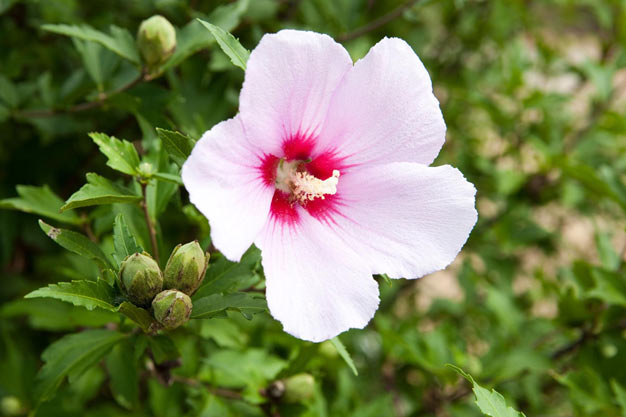
Mugunghwa (무궁화), Korea’s national flower, is a hardy deciduous shrub with trumpet-shaped blooms in white, pink, red, purple, violet and blue...
| Scientific Name | Hibiscus syriacus |
| Flower Color | White, pink, red, purple, violet and blue; many varieties have contrasting red or purple centers. |
| Plant Height | Approximately 2.5 to 4 m (8 to 13 ft); cultivar size varies. |
| Flower Size | Approximately 7 to 12 cm (3 to 5 in) across, depending on cultivar. |
| Flowering Time | July to October in Korea; generally midsummer through autumn in temperate climates. |
| Growing Time | Plant in spring or early autumn; active growth occurs mainly from late spring through summer. Mature size can take several years. |
| Growing Location | Full sun preferred; partial shade is tolerated, but flowering is generally best with abundant direct sunlight. |
| Temperature | Approximately 18 to 30°C (65 to 86°F) is a practical favorable range; the plant is considerably cold to hardy once established. Around 25°C (77°F) has been reported as favorable for maximum flowering in H. syriacus under controlled conditions. |
| Care Tips | Plant in fertile, well to drained soil under full sun. Water regularly during establishment, mulch to conserve moisture, feed lightly in spring, and prune in early spring before new growth. Watch for aphids, mites, and scale insects. |
| Quick Summary | Mugunghwa, or Rose of Sharon, is a deciduous flowering shrub and the national flower of South Korea. It develops an upright, bushy form with lobed green leaves and attractive trumpet to shaped blooms. Flowers occur in white, pink, red, purple, violet, and blue, often with contrasting dark centers. The plant performs best in full sun and moist, well to drained soil, tolerating heat, urban conditions, and a range of soils. It flowers repeatedly from midsummer into autumn, with individual blooms lasting about one day but appearing continuously. Its symbolism represents resilience, perseverance and enduring beauty. |
| Commercial & Gifting Uses | Primarily sold as an ornamental landscape shrub, hedge/screen plant, border plant, mass planting and nursery to grown live plant. Best suited to live potted to plant gifts, garden plants, Korean cultural/national to symbol gifts and commemorative landscaping. Less suitable for conventional bouquets because an individual flower generally lasts only about one day, although the plant continuously produces new flowers. Mugunghwa is officially recognized as South Korea’s national flower and symbolizes endurance, resilience and the idea of an “eternal blossom.” It is also represented in Korean government and national to organization decorations and badges. |
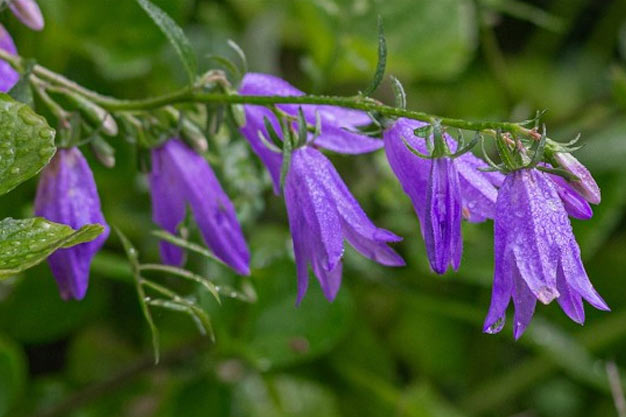
Korean bellflower (금강초롱꽃) is a rare Korean endemic perennial admired for its elegant, drooping lavender-blue bell-shaped flowers. It thrives...
| Scientific Name | Hanabusaya asiatica |
| Flower Color | Lavender to blue to violet; occasionally white |
| Plant Height | 30 to 70 cm |
| Flower Size | 3 to 5 cm long |
| Flowering Time | July to September |
| Growing Time | 2 to 3 years to establish from seed |
| Growing Location | Cool, rocky mountain slopes, woodland edges and shaded alpine areas |
| Sunlight Requirement | Partial shade to filtered sunlight |
| Temperature | For growing temperature 10 to 22°C and temperature for flower blooming 15 to 22°C |
| Care Tips | Grow in cool, well to drained, humus to rich soil with morning light and afternoon shade. Keep soil evenly moist without waterlogging. Protect from excessive summer heat, strong winds and prolonged drought. Avoid disturbing established roots. |
| Quick Summary | Korean bellflower is one of Korea’s most distinctive native wildflowers, producing graceful pendant bells on upright stems. Its cool lavender to blue flowers create an elegant woodland display during summer. The perennial prefers moist, well to drained soil, filtered sunlight and cool mountain conditions. It is particularly attractive in rock gardens, shaded borders and botanical collections. Because it is a specialized and conservation to sensitive native species, it is better appreciated through nursery propagation rather than wild collection. Its unusual flower form makes it valuable for educational, botanical and conservation to themed plant displays. |
| Commercial & Gifting Use | Specialty nurseries, botanical gardens, conservation displays and premium native to plant gifts. It is not a mainstream commercial cut flower. |
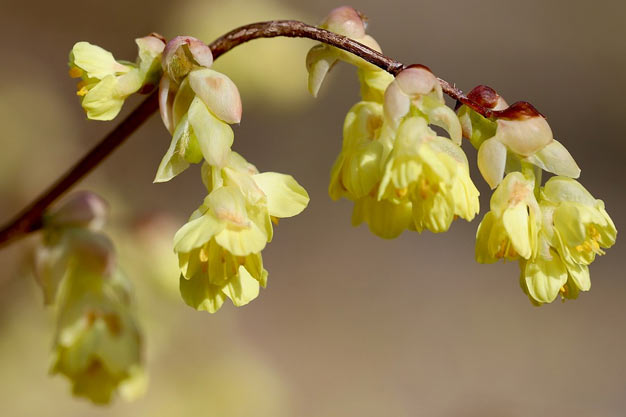
Winter Hazel (풍년화) is a graceful deciduous shrub producing pendulous clusters of pale yellow flowers before or as new leaves emerge. It is v...
| Scientific Name | Corylopsis coreana |
| Flower Color | Pale yellow to yellow to green |
| Plant Height | 2 to 6 m |
| Flower Size | 1 to 2 cm |
| Flowering Time | March to April |
| Growing Time | 3 to 5 years to establish well |
| Growing Location | Woodland margins, mountain valleys and moist forest areas |
| Sunlight Requirement | Full sun to partial shade |
| Temperature | For plant growing temperature 8 to 22°C and flower blooming temperature 5 to 15°C |
| Care Tips | Plant in fertile, moist but well to drained soil. Provide morning sun or partial shade, especially in hot climates. Mulch around the roots, water during dry periods and prune lightly after flowering to maintain shape. |
| Quick Summary | Winter Hazel is an attractive deciduous shrub native to central and southern Korea. It produces delicate hanging clusters of pale yellow flowers in early spring, often before the foliage fully develops. The blooms provide valuable seasonal interest in woodland gardens, naturalistic landscapes and shrub borders. After flowering, rounded green foliage develops and later contributes attractive autumn color. The plant prefers fertile, moist and well to drained soil with sun or partial shade. Its graceful branching habit and early flowers make it particularly useful for spring to themed ornamental gardens and specialty landscape collections. |
| Commercial & Gifting Use | Ornamental nursery plant, spring landscape planting, woodland gardens, botanical gifts and premium gardening collections. |
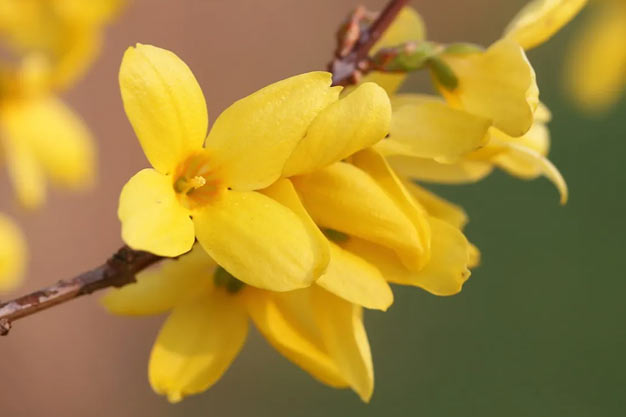
Forsythia (개나리) is a cheerful deciduous shrub famous for masses of bright yellow spring flowers along bare branches. It is widely valued for...
| Scientific Name | Forsythia koreana |
| Flower Color | Bright golden yellow |
| Plant Height | 1.5 to 3 m |
| Flower Size | 2 to 3 cm |
| Flowering Time | March to April |
| Growing Time | 2 to 4 years |
| Growing Location | Mountain slopes, woodland margins, parks and gardens |
| Sunlight Requirement | Full sun to partial shade |
| Temperature | Plant growing temperature 10 to 25°C and flower blooming temperature 5 to 18°C |
| Care Tips | Plant in fertile, well to drained soil and provide plenty of sunlight for heavy flowering. Water during establishment, mulch roots and prune immediately after flowering. Remove weak branches regularly to maintain an attractive, vigorous shape. |
| Quick Summary | Korean forsythia is a deciduous ornamental shrub that announces spring with abundant golden to yellow flowers appearing along its branches. The flowers emerge before the foliage, creating a particularly striking landscape effect. It grows well in sunny gardens, shrub borders, parks and informal hedges. Once established, it is relatively adaptable and can tolerate a range of well to drained soils. Pruning after flowering encourages healthy new shoots and maintains a compact form. Its reliable spring display makes it one of the more commercially useful Korean ornamental shrubs for landscaping and seasonal garden decoration. |
| Commercial & Gifting Uses | Landscape shrubs, spring gardens, parks, hedge planting, flowering branches and ornamental nursery sales. |
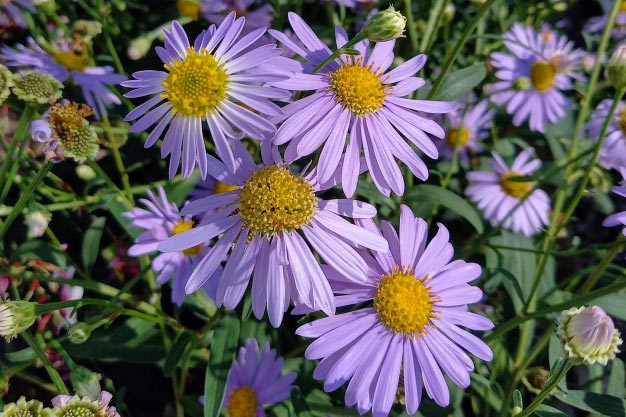
Korean aster (벌개미취) is a graceful perennial producing violet-purple daisy-like flowers with golden centers. Its long flowering season and up...
| Scientific Name | Aster koraiensis |
| Flower Color | Violet to purple with yellow center |
| Plant Height | 40 to 80 cm |
| Flower Size | 4 to 6 cm |
| Flowering Time | August to October |
| Growing Time | 1 to 2 years |
| Growing Location | Meadows, mountain grasslands, roadsides and sunny woodland margins |
| Sunlight Requirement | Full sun to partial shade |
| Temperature | Plant growing temperature 12 to 25°C and temperature for flower blooming 15 to 23°C |
| Care Tips | Provide fertile, well to drained soil and at least several hours of sunlight daily. Keep moisture consistent during flowering, remove faded blooms and divide overcrowded clumps every few years for vigorous growth. |
| Quick Summary | Korean aster is a long to flowering Korean perennial recognized for its attractive violet to purple flower heads and contrasting yellow centers. Blooming from late summer into autumn, it provides valuable color when many spring flowers have finished. The plant grows naturally in grasslands, mountain areas and open habitats and performs well in sunny ornamental beds. It benefits from moderately fertile, well to drained soil and regular moisture during active growth. Its upright form and extended flowering season make it useful for native gardens, pollinator to friendly landscapes, borders and Korean to themed planting schemes. |
| Commercial & Gifting Uses | Native landscape planting, pollinator gardens, ornamental borders, garden to center plants and seasonal flowering gifts. |
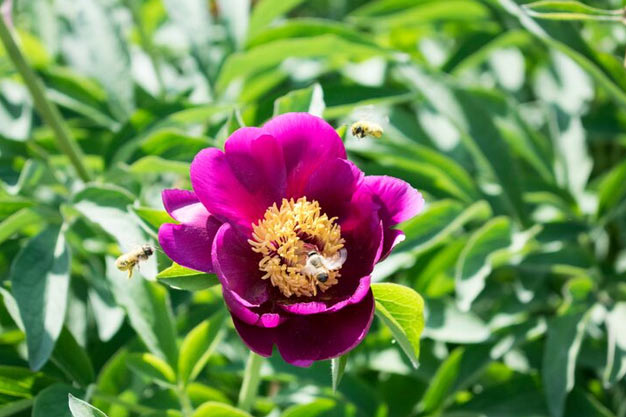
Peony (산작약) is a woodland perennial producing elegant cup-shaped flowers in white to pink shades. Its attractive foliage and showy blooms ma...
| Scientific Name | Paeonia obovata |
| Flower Color | White, pale pink or pink to red |
| Plant Height | 30 to 60 cm |
| Flower Size | 7 to 10 cm |
| Flowering Time | May to June |
| Growing Time | 2 to 4 years |
| Growing Location | Woodland margins, forest clearings and mountain slopes |
| Sunlight Requirement | Morning sun to partial shade |
| Temperature | Temperature for Growing: 8 to 24°C Temperature for Flower Blooming: 12 to 20°C |
| Care Tips | Grow in fertile, humus to rich, well to drained soil with morning sun and afternoon shade. Water deeply but infrequently, avoid disturbing roots and provide winter protection in exposed locations. Allow foliage to mature naturally. |
| Quick Summary | Korean peony, commonly associated with Paeonia obovata, is a beautiful herbaceous woodland perennial found across Korea and other parts of East Asia. Its flowers open in late spring, displaying delicate white, pink or reddish tones around a prominent center. The plant prefers woodland to like conditions with fertile soil, good drainage and moderate sunlight. Attractive foliage provides additional ornamental value after flowering. It is particularly suitable for cottage gardens, woodland borders and botanical collections. Although related to commercially important peonies, this wild species is less commonly produced as a mainstream cut flower. |
| Commercial & Gifting Uses | Specialty perennial nurseries, woodland gardens, botanical collections and premium plant gifts. |
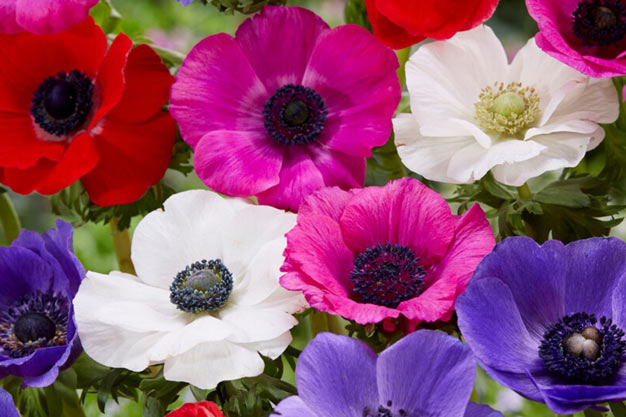
Anemone (홀아비바람꽃) is a delicate woodland perennial with solitary white flowers and yellow centers. It is admired for its early spring bloom a...
| Scientific Name | Anemone koraiensis |
| Flower Color | White with yellow center |
| Plant Height | 10 to 25 cm |
| Flower Size | 2 to 4 cm |
| Flowering Time | April to May |
| Growing Time | 2 to 3 years |
| Growing Location | Moist mountain forests and shaded woodland soils |
| Sunlight Requirement | Partial to full shade |
| Temperature for plant growing 8 to 20°C and temperature for flower blooming 8 to 16°C | |
| Care Tips | Plant in moist, humus to rich woodland soil under filtered light. Keep roots cool and consistently moist during active growth. Avoid heavy disturbance, drought and hot afternoon sun. Mulch lightly with leaf compost to protect roots. |
| Quick Summary | Korean anemone is a delicate spring to flowering perennial associated with moist Korean mountain forests. Its solitary white flowers rise above finely divided green foliage, creating an understated but elegant woodland display. The species is particularly attractive when planted beneath deciduous trees or in shaded rock gardens. It prefers cool temperatures, rich organic soil and steady moisture during active growth. Because it is a specialized native wildflower rather than a mainstream florist crop, its greatest value is in botanical collections, native to plant conservation and naturalistic woodland landscaping. |
| Commercial & Gifting Uses | Specialty native to plant nurseries, woodland gardens, botanical collections and conservation to themed gifts. |
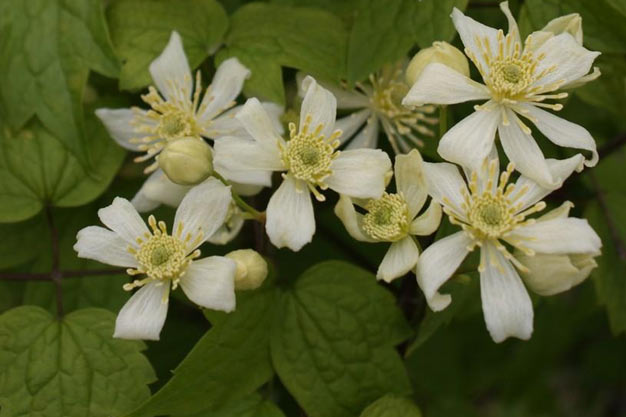
Clematis (할미밀망) is a deciduous climbing vine producing clusters of delicate creamy-white flowers. Its graceful growth and attractive blooms ...
| Scientific Name | Clematis trichotoma |
| Flower Color | Creamy white to pale yellow to white |
| Plant Height | 2 to 5 m as a climber |
| Flower Size | 3 to 5 cm |
| Flowering Time | May to June |
| Growing Time | 2 to 3 years |
| Growing Location | Forest margins, shrubs and woodland slopes |
| Sunlight Requirement | Full sun to partial shade |
| Temperature | Temperature for plant growing 10 to 25°C and temperature for flower blooming 15 to 23°C |
| Care Tips | Provide fertile, well to drained soil and a sturdy support structure. Keep roots cool with mulch while allowing the upper growth to receive sunlight. Water regularly during establishment and prune lightly after flowering when necessary. |
| Quick Summary | Korean clematis is a deciduous native climbing plant that produces clusters of delicate creamy to white flowers during late spring and early summer. The vine uses surrounding shrubs and supports to climb naturally, making it particularly attractive in woodland to edge landscapes. Its divided foliage creates a soft green background for the starburst to like flowers. It performs best in fertile, well to drained soil with sunlight on the upper growth and cooler, shaded roots. The species is more suitable for specialty landscape planting and native plant collections than for conventional florist bouquets. |
| Commercial & Gifting Uses | Trellis plants, specialty nurseries, woodland landscaping, garden collections and living plant gifts. |
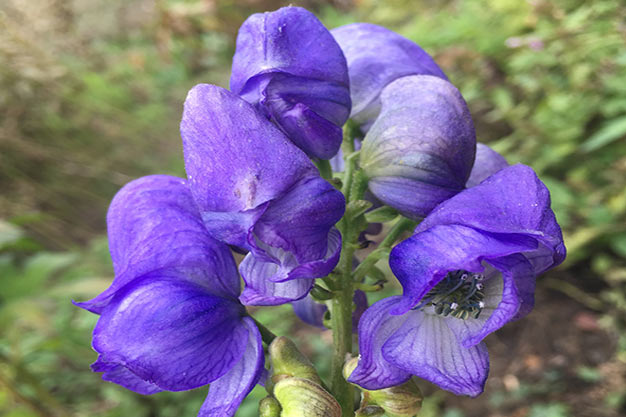
Monkshood (진범) is a striking perennial with hooded blue-violet flowers on upright stems. It is primarily valued for botanical and ornamental...
| Scientific Name | Aconitum pseudolaeve |
| Flower Color | Blue to violet to purple |
| Plant Height | 50 to 100 cm |
| Flower Size | 2 to 4 cm |
| Flowering Time | August to September |
| Growing Time | 2 to 3 years |
| Growing Location | Mountain forests, cool woodland edges and moist slopes |
| Sunlight Requirement | Partial shade |
| Temperature | Temperature for plant growing 10 to 22°C and temperature for flower blooming 12 to 20°C |
| Care Tips | Grow in cool, moist, well to drained soil with partial shade. Handle only with protective gloves and keep away from children and pets. Do not ingest any plant part. Avoid unnecessary root disturbance during cultivation. |
| Quick Summary | Korean monkshood is a dramatic Korean native perennial recognized for its hood to shaped blue to violet flowers. The tall flower spikes create strong vertical interest in cool woodland and mountain gardens. It prefers consistently moist but well to drained soil and partial shade, particularly where summers are warm. Monkshood species contain potent toxic alkaloids, making this plant unsuitable for edible, culinary or casual gifting purposes. Gardeners should use gloves when handling it and keep it away from children and pets. Its principal value is ornamental, botanical and educational rather than commercial floral use. |
| Commercial & Gifting Uses | Botanical collections and specialty ornamental gardens only. Not recommended as a casual gift because monkshood is highly toxic. |
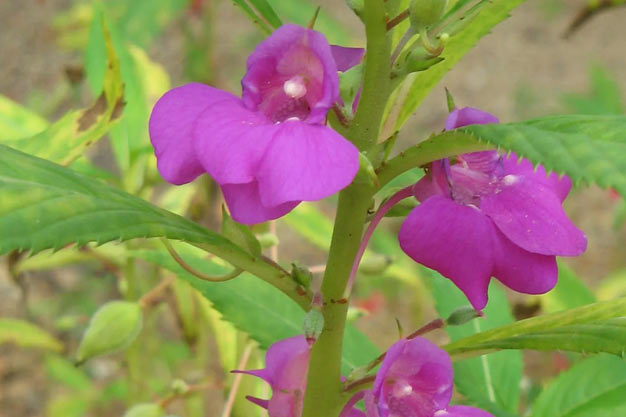
Gayasan Balsam (가야물봉선) is a Korean woodland balsam with richly colored flowers and delicate foliage. It thrives in cool, moist shaded habita...
| Scientific Name | Impatiens atrosanguinea |
| Flower Color | Deep red, wine to red to reddish to purple |
| Plant Height | 30 to 60 cm |
| Flower Size | 3 to 5 cm |
| Flowering Time | July to September |
| Growing Time | 1 to 2 years |
| Growing Location | Moist mountain forests, shaded valleys and woodland edges |
| Sunlight Requirement | Partial shade to shade |
| Temperature | Temperature for plant growing 12 to 24°C and temperature for flower blooming 15 to 22°C |
| Care Tips | Maintain evenly moist, humus to rich soil and filtered shade. Protect plants from hot afternoon sunlight and drying winds. Provide good drainage despite frequent watering, and remove damaged stems to encourage fresh growth. |
| Quick Summary | Gayasan balsam is a shade to loving Korean perennial associated with cool, moist mountain habitats. Its richly colored flowers provide striking contrast against green foliage during summer. Like other woodland balsams, it performs best where soil remains consistently moist but does not become stagnant. Filtered sunlight beneath trees or along shaded garden borders is ideal. The species is relatively specialized and is better represented in native to plant collections, botanical gardens and naturalistic landscapes than in conventional commercial flower production. Its unusual deep flower coloration makes it especially appealing to collectors of Korean native flora. |
| Commercial & Gifting Uses | Specialty native nurseries, botanical gardens, woodland landscaping and living native to plant gifts. |
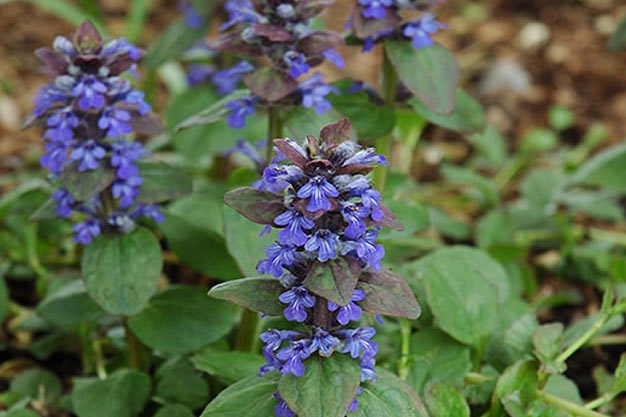
Korean Bugleweed (자란초) is a low-growing perennial producing upright spikes of blue-violet flowers. Its compact habit and attractive flowerin...
| Scientific Name | Ajuga spectabilis |
| Flower Color | Blue to violet to purple |
| Plant Height | 20 to 40 cm |
| Flower Size | 1 to 2 cm |
| Flowering Time | May to June |
| Growing Time | 1 to 2 years |
| Growing Location | Mountain forests, rocky slopes and woodland margins |
| Sunlight Requirement | Partial shade to full sun in cool climates |
| Temperature | Temperature for plant growing 10 to 24°C and temperature for flower blooming 12 to 20°C |
| Care Tips | Use fertile, well to drained soil with moderate moisture. Provide morning sun or filtered shade, especially in warm regions. Remove faded flower spikes and divide mature clumps when overcrowded to maintain healthy, compact growth. |
| Quick Summary | Korean bugleweed is a compact perennial valued for its upright flower spikes and attractive foliage. Its blue to violet flowers appear in spring and create a colorful display above low foliage. The species is adapted to Korean mountain habitats and can be incorporated into rock gardens, woodland borders and naturalistic native landscapes. It prefers moderately moist, well to drained soil and performs especially well in partial shade. Regular removal of faded flower spikes can maintain a tidy appearance. Its compact form also makes it suitable for small specialty gardens and native to plant collections. |
| Commercial & Gifting Uses | Rock gardens, border plants, specialty nurseries, native landscapes and compact living plant gifts. |
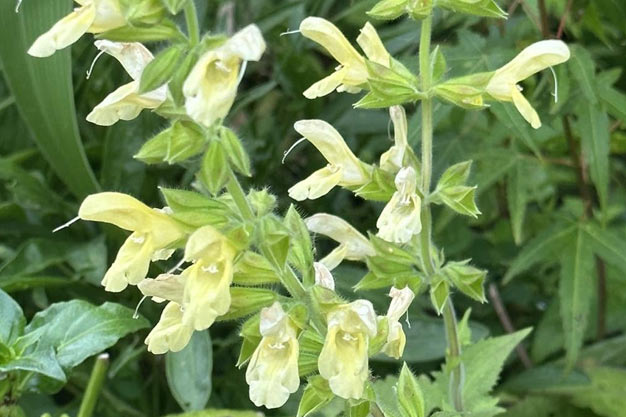
Korean Sage (참배암차즈기) is a Korean native perennial producing attractive blue-violet flowers on upright stems. It prefers temperate conditions...
| Scientific Name | Salvia chanryoenica |
| Flower Color | Blue to violet to purple |
| Plant Height | 30 to 70 cm |
| Flower Size | 2 to 3 cm |
| Flowering Time | July to September |
| Growing Time | 1 to 2 years |
| Growing Location | Mountain slopes, open woodland and rocky habitats |
| Sunlight Requirement | Full sun to partial shade |
| Temperature | Temperature for plant growing 12 to 25°C and temperature for flower blooming 15 to 23°C |
| Care Tips | Grow in fertile, sharply drained soil with morning or full sun. Avoid waterlogged conditions, especially during winter. Water during prolonged drought, remove faded stems and provide good air circulation around plants. |
| Quick Summary | Korean sage is a distinctive perennial native to South Korea, where it grows in temperate mountain habitats. Its blue to violet flowers provide attractive vertical color during summer and early autumn. The plant is well suited to sunny or lightly shaded native gardens when grown in well to drained soil. Good air circulation helps maintain healthy foliage, while moderate watering supports flowering without creating soggy conditions. Its unusual Korean origin and attractive flowers make it interesting for botanical collections, native plant displays, rock gardens and pollinator to focused landscapes. |
| Commercial & Gifting Uses | Native plant nurseries, pollinator gardens, rockeries, botanical collections and specialty living gifts. |
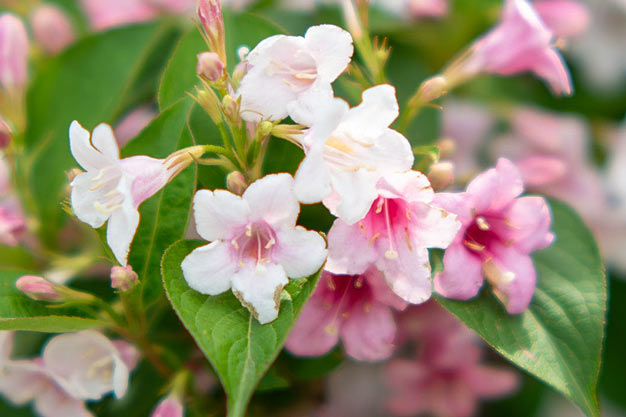
Weigela (병꽃나무) is a deciduous flowering shrub producing tubular flowers that develop from yellow-green buds into pink or lavender tones. It ...
| Scientific Name | Weigela subsessilis |
| Flower Color | Yellow to green buds opening pink, lavender or pale colors |
| Plant Height | 2 to 3 m |
| Flower Size | 2 to 4 cm |
| Flowering Time | April to June |
| Growing Time | 5 to 10 years to maturity |
| Growing Location | Korean mountain slopes, forests, coastal areas and gardens |
| Sunlight Requirement | Full sun to partial shade |
| Temperature | Temperature for plant growing 8 to 25°C and temperature for flower blooming: 10 to 20°C |
| Care Tips | Plant in fertile, well to drained soil under full sun or partial shade. Water during establishment, mulch around roots and prune after flowering. Remove weak or overcrowded branches to encourage vigorous flowering shoots. |
| Quick Summary | Korean weigela is a deciduous shrub native to the Korean Peninsula and valued for its attractive tubular flowers and adaptable garden habit. Flower buds may appear yellow to green before opening into pink or lavender tones, creating a changing seasonal display. The shrub grows well in sun or partial shade and tolerates a range of well to drained soils. It is useful for mixed borders, wildlife gardens, informal hedges and specimen planting. Its relatively substantial size and attractive flowering make it more commercially useful than many rare Korean wildflowers. |
| Commercial & Gifting Uses | Landscaping, flowering hedges, parks, ornamental nurseries, specimen shrubs and premium garden gifts. |
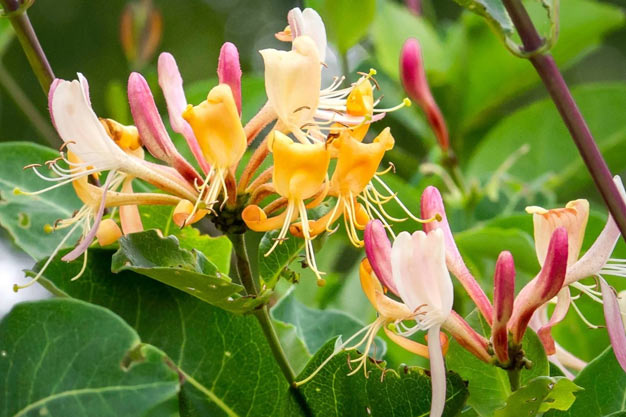
Honeysuckle (청괴불나무) is a deciduous native shrub with attractive tubular flowers and ornamental foliage. It is suited to naturalistic landsca...
| Scientific Name | Lonicera subsessilis |
| Flower Color | White to pale yellow, sometimes pinkish with age |
| Plant Height | 1.5 to 3 m |
| Flower Size | 2 to 4 cm |
| Flowering Time | May to June |
| Growing Time | 3 to 5 years |
| Growing Location | Korean mountain forests, woodland edges and shrublands |
| Sunlight Requirement | Full sun to partial shade |
| Temperature | Temperature for plant growing 8 to 24°C and temperature for flower blooming 12 to 20°C |
| Care Tips | Grow in moist, well to drained soil with sun or light shade. Water during dry periods, mulch around the root zone and prune after flowering. Maintain adequate spacing for air circulation and natural shrub development. |
| Quick Summary | Korean honeysuckle is a Korean native shrub belonging to the honeysuckle family. It develops attractive flowers during late spring and is naturally associated with temperate mountain and woodland habitats. The shrub works well in naturalistic landscapes where its flowers and foliage can complement native plant communities. It prefers moist but well to drained soil and performs in either full sun or partial shade. Its relatively modest ornamental profile means it is more frequently appropriate for specialty native collections, ecological gardens and wildlife to oriented plantings than for mass commercial cut to flower production. |
| Commercial & Gifting Uses | Native landscaping, wildlife gardens, specialty nurseries, botanical collections and living plant gifts. |
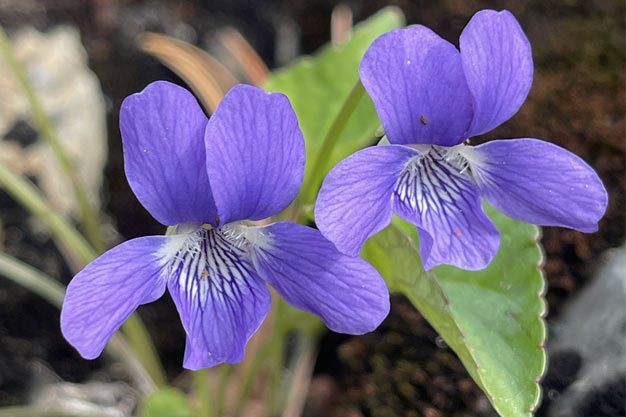
Korean Violet (서울제비꽃) is a petite perennial producing charming violet flowers close to the ground. Its compact size makes it suitable for ro...
| Scientific Name | Viola seoulensis |
| Flower Color | Violet to purple with darker markings |
| Plant Height | 5 to 15 cm |
| Flower Size | 1.5 to 2.5 cm |
| Flowering Time | March to May |
| Growing Time | 1 to 2 years |
| Growing Location | Grasslands, woodland margins, urban green spaces and mountain slopes |
| Sunlight Requirement | Partial shade to full sun |
| Temperature | Temperature for plant growing 8 to 22°C and temperature for flower blooming 8 to 18°C |
| Care Tips | Use light, fertile, well to drained soil with moderate moisture. Provide morning sunlight or partial shade, especially in hot regions. Avoid heavy watering and divide established plants carefully when clumps become crowded. |
| Quick Summary | Korean violet is a small native perennial appreciated for its delicate purple to violet flowers and compact growth. It naturally occurs in Korean habitats ranging from woodland edges to open grassy areas. Because of its low stature, it works particularly well at the front of borders, in rock gardens, under deciduous trees and in miniature native landscapes. The plant prefers moderate moisture and good drainage and benefits from protection against extreme summer heat. Its understated beauty makes it suitable for botanical displays and small living plant gifts rather than conventional cut to flower arrangements. |
| Commercial & Gifting Uses | Rockeries, miniature gardens, native plant collections, botanical displays and small potted plant gifts. |
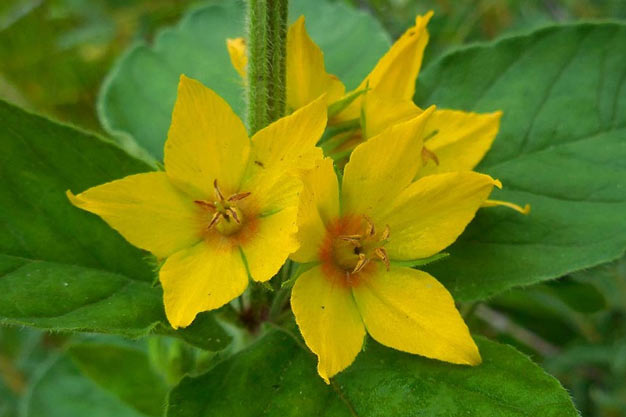
Korean Starwort (참좁쌀풀) is an upright perennial with bright yellow, star-shaped flowers arranged along leafy stems. Its cheerful summer bloom...
| Scientific Name | Lysimachia coreana |
| Flower Color | Bright yellow |
| Plant Height | 50 to 100 cm |
| Flower Size | 1 to 2 cm |
| Flowering Time | June to July |
| Growing Time | 1 to 2 years |
| Growing Location | Mountain grasslands, moist meadows and woodland margins |
| Sunlight Requirement | Full sun to partial shade |
| Temperature | Temperature for plant growing 12 to 25°C and temperature for flower blooming 15 to 23°C |
| Care Tips | Grow in moist, well to drained fertile soil with sun or light shade. Water during dry periods, especially before flowering. Remove faded stems after blooming and divide established clumps to maintain vigor and prevent overcrowding. |
| Quick Summary | Korean starwort is a Korean perennial that produces cheerful yellow, star to shaped flowers during summer. The upright stems and leafy appearance provide good vertical structure in meadow to style and naturalistic gardens. It naturally occurs in mountain grasslands and other open, moderately moist habitats. The plant performs best where soil remains evenly moist but drains freely. Its bright yellow flowers contrast effectively with green foliage and combine well with other native perennials. It is primarily valuable as an ornamental native plant and is particularly suitable for botanical gardens and Korean flora collections. |
| Commercial & Gifting Uses | Native meadow gardens, borders, botanical collections, specialty nurseries and living plant gifts. |
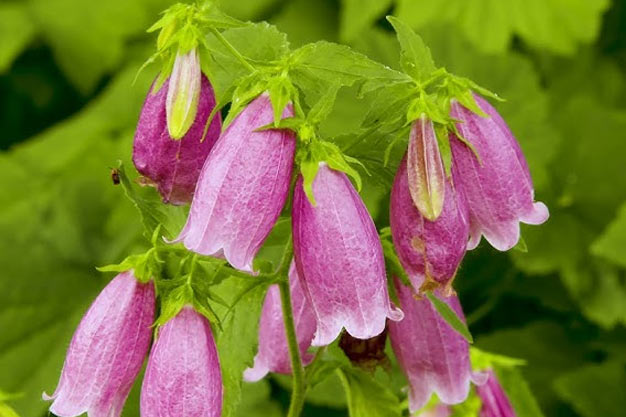
Bellflower Species (섬초롱꽃) is a showy perennial producing long, hanging bell-shaped flowers in white to pink-purple shades, often marked with...
| Scientific Name | Campanula takesimana |
| Flower Color | White to pink to purple, often spotted |
| Plant Height | 30 to 80 cm |
| Flower Size | 4 to 6 cm long |
| Flowering Time | June to August |
| Growing Time | 1 to 2 years |
| Growing Location | Rocky slopes, coastal areas, woodland edges and gardens |
| Sunlight Requirement | Full sun to partial shade |
| Temperature | Temperature for plant growing 10 to 25°C and temperature for flower blooming 15 to 23°C |
| Care Tips | Plant in fertile, well to drained soil with sun or partial shade. Maintain moderate moisture and avoid stagnant water. Deadhead regularly to extend flowering, and divide vigorous clumps when necessary to prevent excessive spreading. |
| Quick Summary | Korean bellflower is a highly attractive perennial recognized for its long, pendulous bell to shaped flowers, which may range from white to pink to purple and often display decorative markings. It is particularly effective in borders, rock gardens, cottage gardens and naturalistic landscapes. The plant tolerates sun or partial shade and prefers fertile, well to drained soil with consistent moisture. Its flowers provide an extended summer display and attract attention because of their distinctive shape. Compared with many Korean endemic wildflowers, this species has stronger ornamental to garden potential and is available through specialty horticultural cultivation. |
| Commercial & Gifting Uses | Garden borders, rock gardens, cottage gardens, ornamental nurseries, potted plants and flowering gifts. |
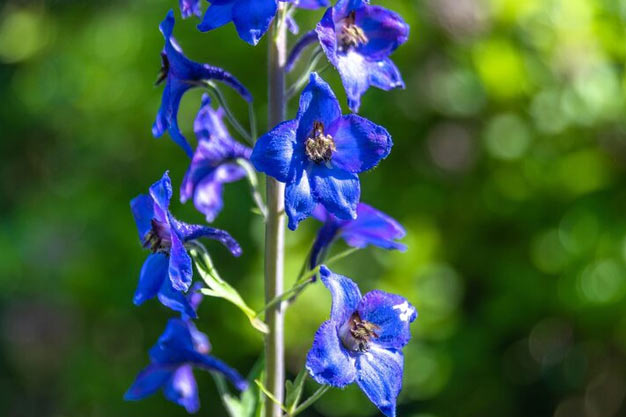
Mountain Bellflower (가야산잔대) is a delicate perennial with slender blue-violet bell-shaped flowers. It is suited to cool mountain-style garden...
| Scientific Name | Adenophora kayasanensis |
| Flower Color | Pale blue to violet to blue |
| Plant Height | 30 to 70 cm |
| Flower Size | 2 to 3 cm |
| Flowering Time | July to September |
| Growing Time | 1 to 3 years |
| Growing Location | Mountain grasslands, rocky slopes and open woodland |
| Sunlight Requirement | Full sun to partial shade |
| Temperature | Temperature for plant growing 10 to 24°C and temperature for flower blooming 14 to 22°C |
| Care Tips | Provide sharply drained, moderately fertile soil and full morning sun or light shade. Water consistently during active growth, but avoid soggy roots. Protect from extreme heat and allow natural dormancy during winter. |
| Quick Summary | Korean mountain bellflower is a graceful Korean native perennial adapted to mountain environments. Its slender stems carry attractive blue to violet bell to shaped flowers that create a light, airy appearance during summer. The species is best suited to cool, well to drained conditions and benefits from protection against excessive summer heat. It can be incorporated into rock gardens, alpine to style beds, naturalistic landscapes and botanical collections. Because it is a specialized native species, it is primarily of interest to collectors and native to plant enthusiasts rather than commercial florists. Its delicate flowers provide an elegant addition to Korean botanical displays. |
| Commercial & Gifting Uses | Specialty nurseries, alpine gardens, rockeries, botanical collections and native to plant gifts. |
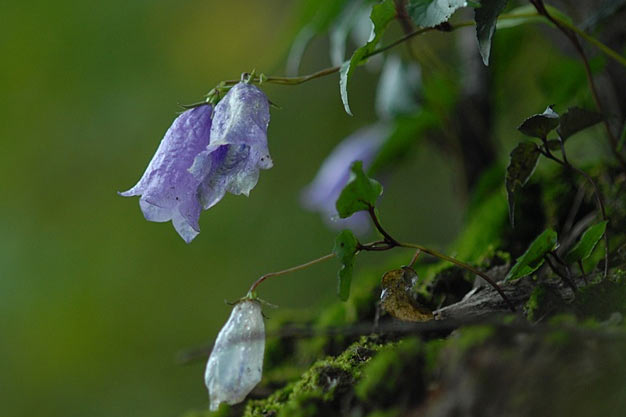
Korean Bellflower (검산초롱꽃) is a graceful mountain perennial with pendulous violet-blue bells. The name Hanabusaya latisepala is taxonomically...
| Scientific Name | Hanabusaya latisepala |
| Flower Color | Lavender to blue to violet |
| Plant Height | 30 to 70 cm |
| Flower Size | 3 to 5 cm |
| Flowering Time | July to September |
| Growing Time | 2 to 3 years |
| Growing Location | Cool rocky mountain slopes and shaded woodland |
| Sunlight Requirement | Partial shade |
| Temperature | Temperature for plant growing 10 to 22°C and temperature for flower blooming 15 to 22°C |
| Care Tips | Grow in cool, humus to rich, sharply drained soil with filtered sunlight. Keep moisture consistent without waterlogging. Protect plants from summer heat and avoid collecting specimens from natural habitats; use responsibly propagated nursery stock. |
| Quick Summary | This Korean bellflower name is associated with the distinctive Hanabusaya group of Korean mountain plants. The plants produce elegant pendant lavender to blue flowers and prefer cool, shaded, rocky habitats. Modern taxonomic databases treat Hanabusaya latisepala as a synonym of Hanabusaya asiatica, so the two names should not generally be presented as separate species. The plant is best suited to conservation collections, botanical gardens, specialist rockeries and cool woodland gardens. Its unusual flower form makes it attractive to collectors, but responsible nursery propagation is preferable to wild collection. |
| Commercial & Gifting Uses | Botanical collections, specialist nurseries, conservation gardens and premium native to plant gifts; not a mainstream florist flower. |
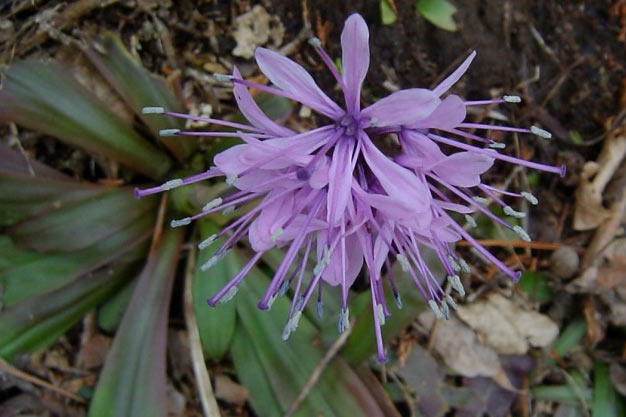
Lady's-Mantle (처녀치마) is a small woodland perennial producing delicate pinkish-purple flowers above strap-shaped foliage. It prefers cool, mo...
| Scientific Name | Heloniopsis koreana |
| Flower Color | Pink, purple to pink to reddish to purple |
| Plant Height | 15 to 30 cm |
| Flower Size | 1 to 2 cm |
| Flowering Time | April to May |
| Growing Time | 2 to 3 years |
| Growing Location | Moist mountain forests, rocky woodland and shaded slopes |
| Sunlight Requirement | Partial shade to shade |
| Temperature | Temperature for plant growing 8 to 20°C and temperature for flower blooming 8 to 16°C |
| Care Tips | Use cool, humus to rich, well to drained soil and filtered shade. Maintain steady moisture during growth while avoiding standing water. Protect plants from hot sunlight and allow foliage to remain undisturbed after flowering. |
| Quick Summary | Korean lady's to mantle is a small, elegant perennial adapted to cool mountain woodland habitats. Its narrow foliage forms a basal clump from which delicate pinkish to purple flowers emerge in spring. The plant appreciates moist, organic to rich soil and filtered light, making it appropriate for shaded rockeries, woodland gardens and botanical collections. It is not a mainstream commercial cut flower because of its specialized habitat and modest flower size. Its main horticultural appeal comes from its unusual Korean native identity, early flowering and graceful form. Current Kew taxonomy treats Heloniopsis koreana as Helonias koreana. |
| Commercial & Gifting Uses | Specialist nurseries, woodland gardens, botanical collections and conservation to themed living plant gifts. |
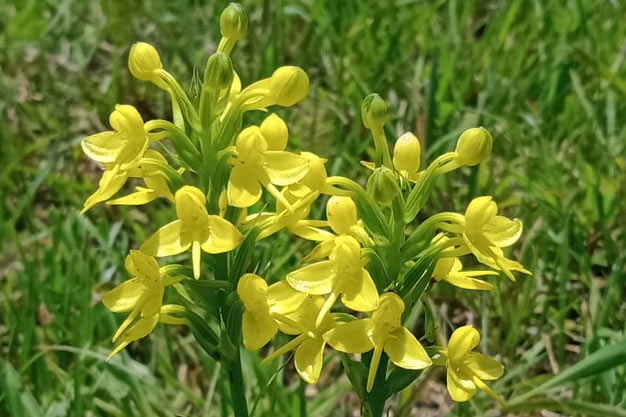
Korean Gentian — 참닻꽃 is a delicate mountain perennial producing unusual yellow-green flowers with contrasting markings. Its distinctive appe...
| Scientific Name | Halenia coreana |
| Flower Color | Yellow to green with purple or reddish markings |
| Plant Height | 20 to 50 cm |
| Flower Size | 2 to 3 cm |
| Flowering Time | July to September |
| Growing Time | 1 to 3 years |
| Growing Location | Mountain meadows, cool grasslands and open woodland |
| Sunlight Requirement | Full sun to partial shade |
| Temperature | Temperature for plant growing 10 to 22°C and temperature for flower blooming 13 to 20°C |
| Care Tips | Provide cool, well to drained, humus to rich soil with morning sun or partial shade. Maintain moderate moisture during growth, avoid excessive heat and protect roots from prolonged summer dryness. Do not overfertilize young plants. |
| Quick Summary | Korean gentian is a specialized Korean mountain perennial appreciated for its unusual flower structure and subtle yellow to green coloration. The flowers often display contrasting purple or reddish markings that add visual interest when viewed closely. It is naturally associated with cool grasslands, mountain slopes and open woodland habitats. Garden cultivation requires good drainage, moderate moisture and protection from extreme heat. Because its flowers are relatively small and the species is not a conventional florist crop, it is primarily suited to alpine gardens, botanical collections and specialty native to plant displays. Its unusual appearance makes it appealing to dedicated plant collectors. |
| Commercial & Gifting Uses | Alpine gardens, specialty nurseries, botanical collections and collector to oriented living plant gifts. |
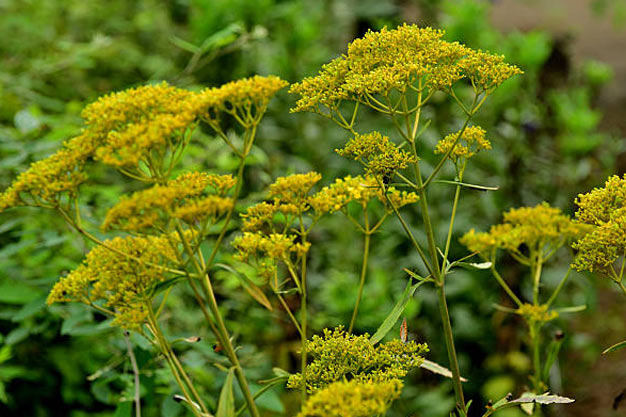
Mountain Valerian (금마타리) is a Korean perennial producing clusters of small yellow flowers above attractive foliage. It is particularly suite...
| Scientific Name | Patrinia saniculifolia |
| Flower Color | Bright yellow |
| Plant Height | 20 to 60 cm |
| Flower Size | 0.5 to 1 cm per flower |
| Flowering Time | July to August |
| Growing Time | 1 to 2 years |
| Growing Location | Mountain forests, rocky slopes and open woodland |
| Sunlight Requirement | Full sun to partial shade |
| Temperature | Temperature for plant growing 10 to 24°C and temperature for flower blooming 14 to 22°C |
| Care Tips | Grow in fertile, well to drained soil with good sunlight or light shade. Water moderately during active growth, avoid prolonged saturation and remove old flower stems after blooming to maintain a neat appearance. |
| Quick Summary | Korean mountain valerian is a perennial native to Korea and neighboring East Asian regions. It develops clusters of small, bright yellow flowers that create a cheerful display above its foliage during summer. The species naturally occurs in mountain environments and is well adapted to cool, temperate growing conditions. In gardens, it can be used in rockeries, native borders and naturalistic plantings where its upright flower clusters complement other mountain perennials. It is mainly a specialty ornamental plant rather than a conventional commercial cut flower. |
| Commercial & Gifting Uses | Native gardens, rockeries, botanical collections, specialty nurseries and living plant gifts. |
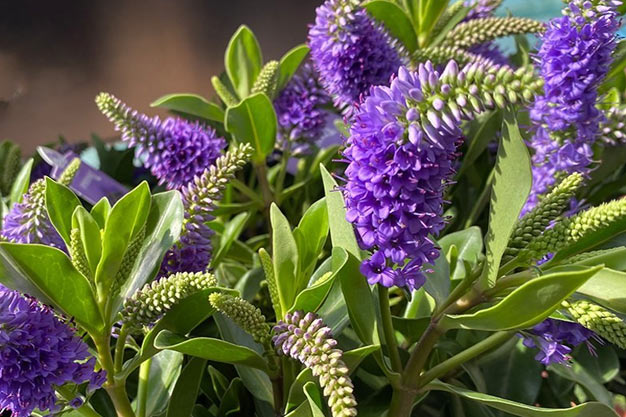
Korean Veronica (부산꼬리풀) is a compact native perennial producing upright spikes of blue-violet flowers. It is suitable for sunny borders, roc...
| Scientific Name | Pseudolysimachion pusanensis |
| Flower Color | Blue to violet to lavender |
| Plant Height | 30 to 60 cm |
| Flower Size | 1 to 2 cm |
| Flowering Time | July to September |
| Growing Time | 1 to 2 years |
| Growing Location | Mountain slopes, grasslands, rocky areas and open habitats |
| Sunlight Requirement | Full sunlight |
| Temperature | Temperature for plant growing 12 to 25°C and temperature for flower blooming 15 to 23°C |
| Care Tips | Plant in full sun and sharply drained soil. Avoid excessive winter moisture, water moderately during drought and remove spent flower spikes. Pinch young stems lightly if a shorter, bushier plant is desired. |
| Quick Summary | Korean Veronica is a Korean native perennial recognized for upright spikes of attractive blue to violet flowers. Its compact growth and vertical flower display make it useful in sunny borders, rock gardens and naturalistic landscapes. The plant prefers good drainage and performs best where sunlight is plentiful. Regular removal of faded flower spikes can improve its appearance and encourage continued flowering. It is more commonly suited to specialist native to plant and ornamental gardening than to commercial floristry. Current Kew taxonomy treats Pseudolysimachion pusanensis as a synonym of Veronica pusanensis. |
| Quick Summary | Sunny borders, rockeries, specialty nurseries, native landscapes and compact flowering plant gifts. |
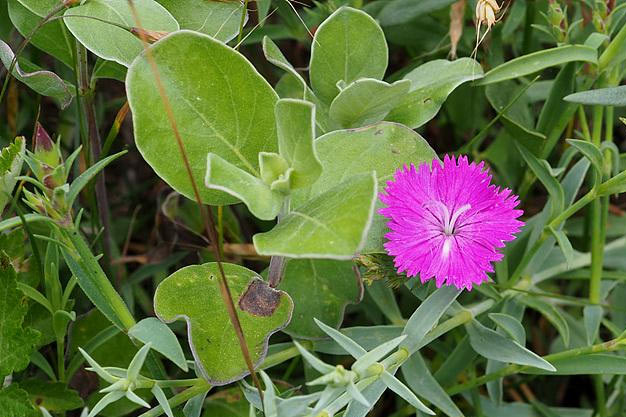
Korean Rock Pink (갯바위패랭이꽃) is a compact Korean native Dianthus with attractive pink flowers and a low-growing habit. It is suitable for rock...
| Scientific Name | Dianthus koreanus |
| Flower Color | Pink to rosy pink |
| Plant Height | 15 to 30 cm |
| Flower Size | 2 to 4 cm |
| Flowering Time | May to August |
| Growing Time | 1 to 2 years |
| Growing Location | Rocky coastal habitats, exposed slopes and well to drained sites |
| Sunlight Requirement | Full sunlight |
| Temperature | Temperature for plant growing 12 to 26°C and temperature for flower blooming 15 to 24°C |
| Care Tips | Use gritty, sharply drained soil and full sunlight. Water deeply but sparingly after establishment, avoid wet winter roots and remove faded flowers. Provide excellent air circulation and avoid excessive fertilizer. |
| Quick Summary | Korean rock pink is a recently recognized Korean native species of Dianthus, adapted to exposed and rocky environments. Its attractive pink flowers and compact habit make it particularly suitable for rock gardens, dry borders and coastal to style landscapes. The plant performs best in full sunlight and sharply drained soil, where excessive moisture can cause root problems. Its low growth makes it useful along pathways, rockeries and the front of perennial borders. Because it is a specialized native species, it is primarily of interest to specialty nurseries, collectors and Korean botanical gardens. |
| Commercial & Gifting Uses | Rock gardens, coastal landscapes, specialty nurseries, native to plant collections and small flowering plant gifts. |


South Korea's four distinct seasons create a constantly changing floral landscape. Different flowers come into bloom as temperatures, rainfall and daylight change throughout the year, giving gardens and natural areas a fresh appearance in every season.
Spring is one of the most exciting times for flower lovers. Early flowering shrubs such as Forsythia and Winter Hazel bring bright colour to gardens and natural landscapes, followed by numerous spring perennials and woodland flowers.
Summer introduces another selection of flowering plants. Mugunghwa, Korean Bellflower, Clematis and other summer varieties can provide colour in gardens and native landscapes.
Autumn continues the display with flowers such as Korean Aster and Mugunghwa, while many garden plants provide additional interest through changing foliage.
During winter, outdoor flowering activity becomes quieter in many parts of the country, although evergreen plants, winter-interest species and indoor flowering plants can continue to bring natural beauty into homes and offices.
This seasonal variety makes flowers an excellent way to experience the changing character of South Korea throughout the year.
Flowers are closely associated with beauty, celebration and personal expression. Giving flowers can communicate feelings of affection, gratitude, encouragement or congratulations without requiring a lengthy message.
A carefully selected floral arrangement can make an ordinary day feel special, while flowers are also commonly associated with important milestones such as birthdays, graduations, weddings, anniversaries and professional achievements.
The type, colour and presentation of flowers can influence the overall feeling of a gift. A bright mixed bouquet may create a cheerful impression, while an elegant arrangement in softer tones can be more appropriate for a formal or sophisticated occasion.
Mugunghwa (Hibiscus syriacus), commonly known as Rose of Sharon, is the national flower of South Korea and one of the country's most recognisable floral symbols.
This deciduous flowering shrub produces attractive trumpet-shaped blooms in colours including white, pink, red, purple, violet and blue, depending on the variety. Many cultivars also feature contrasting darker centres that add additional visual interest.
Mugunghwa generally flowers from midsummer into autumn in Korea. Although individual flowers have a relatively short lifespan, the plant continually produces new blooms, creating an extended flowering display.
For gardeners, Mugunghwa can be used as a landscape shrub, hedge, screen, border plant or feature specimen. It can also be an interesting living plant gift for someone who appreciates Korean culture, gardening or native-inspired landscapes.
Because individual Mugunghwa flowers are short-lived, the plant is generally more suitable as a living garden or potted gift than as a conventional cut-flower bouquet.
South Korea's floral heritage extends far beyond Mugunghwa. Its mountainous terrain, forests, valleys, grasslands, coastal regions and open landscapes support a wide variety of flowering plants.
Some Korean flowers are compact woodland perennials, while others grow into larger flowering shrubs. Some prefer filtered sunlight and moist soil, whereas others perform better in sunny, well-drained locations.
This diversity gives gardeners many opportunities to create landscapes inspired by Korean natural environments. Native flowers can also provide an alternative to gardens based entirely on commonly available ornamental varieties.
South Korean flowers can be incorporated into many different garden styles. A woodland garden can combine delicate native perennials with flowering shrubs, while a sunny border can feature colourful summer flowers and plants that enjoy more direct light.
Climbing flowers such as Clematis can be trained over suitable supports to introduce vertical interest. Larger flowering shrubs such as Weigela can provide structure, while smaller plants such as Korean Violet can be used around the edges of borders and rock gardens.
When creating a Korean-inspired garden, it is important to group plants according to their growing requirements. Native species can originate from very different habitats, so a plant that thrives in a cool mountain environment may not perform well in a hot, exposed location.
You do not need a large garden to enjoy flowers. Small flowering plants, decorative potted plants and fresh bouquets can bring natural colour into apartments, offices and compact homes.
A flowering plant can brighten a windowsill, balcony, entrance, dining area or workspace. Compact plants are particularly useful for people who have limited outdoor space but still enjoy gardening.
Fresh bouquets provide another convenient option. They can immediately transform a room without requiring the recipient to commit to long-term plant care.
Both fresh flowers and flowering plants can make excellent gifts, but they offer different experiences.
Fresh flowers are ideal when you want to create an immediate visual impact. A professionally arranged bouquet can be particularly suitable for birthdays, anniversaries, romantic occasions, congratulations and celebrations.
A flowering plant offers a longer-lasting alternative. With appropriate care, it can continue growing and flowering after the original occasion has passed. This makes flowering plants particularly suitable for gardening enthusiasts, housewarming gifts and people who enjoy caring for plants.
The recipient's lifestyle should always be considered before choosing between the two. Someone living in a small apartment may prefer a compact arrangement, while a homeowner with outdoor space may enjoy a flowering garden plant.
Flowers can be given for a wide range of personal, family and professional occasions. Selecting flowers according to the event can make the gift feel more thoughtful and appropriate.
Online flower delivery makes it easier to send flowers when you cannot personally visit the recipient. Instead of travelling to a florist, you can browse available arrangements, compare styles, select a suitable gift and arrange delivery to the recipient's address.
Depending on the florist or gifting service, online shoppers may find roses, seasonal bouquets, mixed flower arrangements, flowering plants, decorative pots and other floral gifts.
Some services may also provide complementary gifts such as chocolates, cakes, greeting cards, vases or gift hampers. Combining flowers with an additional gift can create a more complete present for birthdays, anniversaries and other special occasions.
The best flower gift is one that matches the recipient as well as the occasion. Before placing an order, consider the person's favourite flowers, preferred colours, available space and personal style.
For a romantic occasion, you may prefer an elegant rose arrangement or a premium floral design. For a birthday, a colourful seasonal bouquet can create a cheerful impression. For a professional recipient, a sophisticated arrangement or attractive flowering plant may be more appropriate.
If the recipient has an interest in Korean culture or gardening, a Korean native flowering plant can make the gift more distinctive than a standard bouquet.
Seasonal flowers provide an opportunity to celebrate the natural character of the time of year. Spring flowers can create a fresh and lively atmosphere, summer blooms can introduce vibrant colours, and autumn flowers can provide deeper seasonal tones.
Choosing flowers that naturally bloom during a particular season can also make a gift feel more connected to the occasion. Seasonal arrangements may vary depending on availability, location and the florist's current selection.
For gardening enthusiasts, seasonal flowering plants can be especially interesting because they allow recipients to enjoy the natural progression of flowers throughout the year.
A flower gift can be simple, elegant and personal. You might choose a traditional bouquet for a celebration, a romantic arrangement for a partner, a flowering plant for a gardening enthusiast or a Korean native plant for someone interested in the country's botanical heritage.
There is no single flower that is perfect for every recipient. The best choice depends on the relationship, occasion, personal preference and the environment in which the flowers will be enjoyed.
From the nationally recognised Mugunghwa to delicate woodland flowers, colourful seasonal perennials and attractive flowering shrubs, South Korea offers an impressive variety of flowers to explore.
Its four-season climate creates changing floral displays throughout the year, while native Korean species provide a distinctive connection to the country's natural landscapes and botanical heritage.
Whether you are looking for a fresh bouquet, a flowering plant, a seasonal arrangement or a meaningful gift for someone in South Korea, learning about the flowers can help you choose something that is both attractive and appropriate.
South Korea is home to many beautiful flowering plants, ranging from nationally recognised shrubs to delicate mountain wildflowers. Some are well suited to ornamental gardens, while others are mainly appreciated by botanical enthusiasts, native-plant collectors and specialist growers.
The country's native flowers also reflect the diversity of its landscapes. Mountain slopes, woodland edges, coastal areas, meadows and shaded forests each provide different growing environments. As a result, Korean flowers can differ greatly in size, colour, flowering season and care requirements.
For anyone looking to buy flowers or flowering plants in South Korea, understanding these differences can make it easier to choose something suitable for a garden, home, special occasion or thoughtful plant gift.
Mugunghwa (Hibiscus syriacus), also known as Rose of Sharon, is one of the most important flowers associated with South Korea. It is a deciduous flowering shrub with attractive trumpet-shaped blooms available in shades including white, pink, red, purple, violet and blue.
The plant generally flowers from midsummer into autumn. Although an individual flower may remain open for only a short time, the shrub continues producing new flowers, creating a long-lasting seasonal display.
Mugunghwa prefers plenty of sunlight and fertile, well-drained soil. Once established, it is relatively adaptable and can be used in gardens as a specimen shrub, border plant, hedge or screening plant.
Its cultural importance also makes it different from an ordinary ornamental flower. A Mugunghwa plant can be an especially meaningful living gift for someone interested in South Korean culture, gardening or native-inspired landscapes.
Commercial and gifting appeal: Mugunghwa is primarily suitable as a nursery-grown ornamental shrub, garden plant, potted plant or culturally meaningful living gift rather than a conventional cut-flower bouquet.
Korean Bellflower (Hanabusaya asiatica) is one of South Korea's distinctive native flowering plants. It produces elegant, drooping bell-shaped flowers in lavender-blue to violet shades and has a particularly graceful appearance.
This perennial naturally occurs in cool mountain environments, rocky slopes, woodland edges and shaded areas. It prefers filtered light or partial shade rather than intense afternoon sunlight.
Good drainage and consistent moisture are important for this plant. Because it is adapted to cooler conditions, excessive heat and prolonged dryness can cause stress.
The unusual shape and colour of its flowers make Korean Bellflower especially interesting for botanical collections, specialist gardens and native-plant enthusiasts.
Commercial and gifting appeal: It is more suitable for specialty nurseries, botanical displays and premium living-plant gifts than for mainstream commercial bouquets.
Winter Hazel (Corylopsis coreana) is a graceful deciduous shrub valued for its early spring flowers. Its delicate pale-yellow to yellow-green blooms appear in hanging clusters, often before the new foliage has fully developed.
This early flowering habit gives Winter Hazel a special place in spring gardens. The flowers stand out against the bare or lightly leafed branches, creating a soft seasonal display.
The shrub naturally occurs around woodland margins, mountain valleys and moist forest environments. In gardens, it can be used as a specimen shrub, woodland planting or part of a naturalistic landscape.
It performs best in fertile, moist but well-drained soil with full sun to partial shade. Mulching around the roots can help maintain soil moisture during dry periods.
Commercial and gifting appeal: Winter Hazel is mainly offered as an ornamental nursery plant, spring garden shrub or premium gardening gift.
Forsythia (Forsythia koreana) is one of the most noticeable spring-flowering shrubs in Korea. Its branches become covered with bright golden-yellow flowers, often before the fresh green foliage appears.
The strong yellow display makes Forsythia particularly effective in gardens, parks, informal hedges and larger landscape projects. It can also be used to create a colourful seasonal feature along pathways and boundaries.
Forsythia prefers a sunny position and fertile, well-drained soil. Regular watering is particularly important while young plants are becoming established. Pruning after flowering can help maintain an attractive shape and encourage healthy new growth.
Its reliable spring flowering and relatively adaptable nature make it one of the more commercially useful Korean ornamental shrubs.
Commercial and gifting appeal: Forsythia can be suitable for garden landscaping, flowering shrub purchases, nursery plants, spring-themed displays and gardening gifts.
Korean Aster (Aster koraiensis) is a graceful perennial recognised for its violet-purple daisy-like flowers with contrasting yellow centres. It provides colour later in the year, when many spring-flowering plants have already finished.
The plant generally flowers from late summer into autumn. Its extended flowering period makes it useful for gardens designed to maintain seasonal interest over a longer period.
Korean Aster naturally occurs in meadows, mountain grasslands, roadsides and open woodland areas. It performs well in sunny to lightly shaded locations with fertile, well-drained soil and regular moisture during active growth.
Its attractive flower heads can also make it useful in pollinator-friendly and naturalistic gardens.
Commercial and gifting appeal: Korean Aster can be suitable for ornamental borders, native gardens, pollinator landscapes, garden-centre plants and seasonal flowering plant gifts.
Korean Peony (Paeonia obovata) is a woodland perennial admired for its attractive cup-shaped flowers. The blooms can appear in white, pale pink or pink-red shades and are complemented by attractive green foliage.
Unlike some commercially produced peonies grown primarily for the cut-flower market, this Korean species is particularly interesting as a native woodland plant and botanical specimen.
It prefers fertile, humus-rich, well-drained soil with moderate sunlight. Morning sun combined with afternoon shade can be beneficial in warmer growing environments.
Peonies are naturally associated with elegance and special occasions, making them attractive choices for flower lovers. A Korean Peony plant can also be a meaningful living gift for someone who enjoys perennial gardening.
Commercial and gifting appeal: Korean Peony is particularly suitable for specialty nurseries, woodland gardens, botanical collections and premium flowering-plant gifts.
Korean Anemone (Anemone koraiensis) is a small spring-flowering perennial with delicate white flowers and yellow centres. Its understated appearance makes it very different from large commercial bouquet flowers.
The plant is naturally associated with moist mountain forests and shaded woodland environments. It prefers cool conditions, organic-rich soil, filtered light and consistent moisture during active growth.
Korean Anemone can be particularly attractive when planted beneath deciduous trees or incorporated into shaded rock gardens and naturalistic landscapes.
Because of its specialised growing requirements, it is generally more valuable to native-plant enthusiasts and botanical collections than to conventional florists.
Commercial and gifting appeal: It can be offered as a specialty native plant, woodland garden specimen or conservation-themed living gift.
Korean Clematis (Clematis trichotoma) is a deciduous climbing plant that produces clusters of delicate creamy-white flowers during late spring and early summer.
Its climbing habit gives it an advantage when garden space is limited horizontally. With a suitable support structure, Clematis can grow over trellises, fences, arches or other garden features.
The plant prefers fertile, well-drained soil. Its upper growth benefits from sunlight, while the roots appreciate cooler conditions and protection from excessive heat.
For gardening enthusiasts, a Clematis plant can therefore be more than a flower gift. It can become a long-term feature of a garden and provide seasonal colour year after year when properly maintained.
Commercial and gifting appeal: Korean Clematis is suitable for specialty nurseries, trellis planting, woodland landscapes, garden collections and living plant gifts.
Korean Monkshood (Aconitum pseudolaeve) is a dramatic perennial recognised for its upright stems and hood-shaped blue-violet to purple flowers.
Its unusual flower structure makes it visually striking in cool woodland and mountain-style gardens. It prefers partial shade, cool conditions and moist but well-drained soil.
However, Monkshood requires special caution. Plants in the Aconitum group contain potent toxic compounds. They should not be eaten, and the plant should be handled carefully with appropriate protective measures.
For this reason, Monkshood should not be treated as an ordinary flower gift. It is better suited to knowledgeable gardeners, botanical collections and specialist ornamental gardens where appropriate safety precautions can be maintained.
Commercial and gifting appeal: Primarily a specialist botanical and ornamental plant. It is not recommended as a casual flower gift, particularly for households with children or pets.
Gayasan Balsam (Impatiens atrosanguinea) is a Korean woodland perennial known for its deep red, wine-red to reddish-purple flowers.
It naturally grows in cool, moist mountain forests, shaded valleys and woodland margins. This makes it particularly suitable for gardeners looking for plants that can provide colour in filtered-light environments.
The plant prefers humus-rich soil that remains evenly moist while still providing adequate drainage. Hot afternoon sunlight and drying winds can be stressful, so a sheltered location is generally preferable.
Its unusual flower colour gives it strong appeal for collectors interested in Korean native flora.
Commercial and gifting appeal: Gayasan Balsam is better suited to specialty nurseries, woodland gardens, botanical collections and living native-plant gifts.
Korean Bugleweed (Ajuga spectabilis) is a compact perennial that produces upright spikes of blue-violet to purple flowers. Its relatively small size makes it useful for gardens where space is limited.
It can be incorporated into rock gardens, woodland borders, native planting schemes and smaller ornamental landscapes. In cooler conditions it can tolerate more sunlight, while partial shade can be useful in warmer environments.
Regular removal of faded flower spikes can help maintain a neat appearance. Mature clumps may also be divided when they become crowded.
Commercial and gifting appeal: Korean Bugleweed can work well as a compact border plant, rock-garden specimen, specialty nursery plant or small living flower gift.
Korean Sage (Salvia chanryoenica) is a Korean native perennial producing blue-violet to purple flowers on upright stems.
It naturally grows in mountain slopes, open woodland and rocky habitats. In suitable gardens, it can provide vertical colour while also complementing other native flowering plants.
Korean Sage generally performs best in fertile, well-drained soil with good sunlight. Avoiding waterlogged conditions is particularly important, while adequate air circulation can help maintain healthy growth.
Its unusual Korean origin and attractive flowers make it an interesting option for native gardens, rockeries and botanical collections.
Commercial and gifting appeal: Suitable for native plant nurseries, pollinator-focused gardens, rock gardens, botanical collections and specialist living plant gifts.
Korean Weigela (Weigela subsessilis) is a deciduous flowering shrub with tubular flowers that can develop from yellow-green buds into pink, lavender or pale-coloured blooms.
Its relatively substantial size gives it more landscaping potential than many smaller Korean wildflowers. It can be used as a specimen shrub, informal hedge, mixed-border plant or feature in a larger garden.
Weigela prefers fertile, well-drained soil and can grow in full sun or partial shade. Pruning after flowering can help maintain its shape and encourage vigorous new flowering shoots.
For a gardening enthusiast with enough outdoor space, a young Weigela can make an attractive premium plant gift.
Commercial and gifting appeal: Korean Weigela is suitable for landscaping, flowering hedges, parks, ornamental nurseries, specimen planting and premium garden gifts.
Korean Honeysuckle (Lonicera subsessilis) is a deciduous native shrub producing tubular flowers in white to pale-yellow shades, sometimes developing pinkish tones as they mature.
The shrub is naturally associated with Korean mountain forests, woodland edges and shrublands. Its natural growth habit makes it especially appropriate for wildlife-oriented gardens and landscapes designed around native plants.
It prefers moist but well-drained soil and can tolerate full sun to partial shade. Regular watering may be necessary during extended dry periods, particularly for young plants.
Commercial and gifting appeal: Korean Honeysuckle is suitable for native landscaping, wildlife gardens, specialist nurseries, botanical collections and living plant gifts.
Korean Violet (Viola seoulensis) is a petite native perennial producing delicate violet-purple flowers with darker markings. Its compact growth makes it particularly useful in smaller garden spaces.
It can be planted at the front of borders, around rockeries, beneath deciduous trees or within miniature native landscapes. Its small stature also makes it an interesting option for suitable containers.
Korean Violet prefers moderate moisture and good drainage. In warmer locations, morning sunlight combined with afternoon protection can help reduce heat stress.
Its delicate appearance makes it a charming alternative to large flowering gifts for someone who appreciates subtle native plants.
Commercial and gifting appeal: Suitable for rockeries, miniature gardens, botanical displays, native plant collections and small potted plant gifts.
Korean Starwort (Lysimachia coreana) is an upright perennial producing bright yellow, star-shaped flowers during summer.
The plant naturally occurs in mountain grasslands, moist meadows and woodland margins. Its upright growth provides useful structure in naturalistic gardens and meadow-style planting schemes.
Korean Starwort performs best in fertile, well-drained soil with consistent moisture during active growth. Removing faded stems after flowering can help maintain a tidy appearance.
The strong yellow colour also creates an attractive contrast when planted alongside blue, violet or purple-flowering Korean perennials.
Commercial and gifting appeal: Suitable for native meadow gardens, ornamental borders, specialist nurseries, botanical collections and living plant gifts.
Bellflower Species (Campanula takesimana) is a showy Korean perennial recognised for its long, hanging bell-shaped flowers. The blooms can range from white to pink-purple and may feature attractive markings.
Its distinctive flowers make it particularly useful in borders, rock gardens, cottage-style landscapes and naturalistic planting schemes. Compared with some highly specialised Korean wildflowers, this bellflower has stronger potential for ornamental gardening.
The plant prefers fertile, well-drained soil with moderate moisture. It can grow in full sun or partial shade, although conditions should be adapted to the local climate.
Regular removal of faded flowers can help maintain its appearance and encourage continued flowering.
Commercial and gifting appeal: Suitable for ornamental nurseries, garden borders, rockeries, cottage gardens, potted plants and flowering plant gifts.
Mountain Bellflower (Adenophora kayasanensis) is a delicate Korean native perennial with slender stems carrying pale blue to violet-blue bell-shaped flowers.
It is naturally adapted to mountain grasslands, rocky slopes and open woodland. Its airy appearance can add a light and elegant character to rock gardens and alpine-inspired landscapes.
The plant prefers sharply drained soil, moderate moisture and protection from extreme heat. Morning sunlight or light shade can be beneficial, particularly in warmer growing environments.
Because of its specialised nature, Mountain Bellflower is more likely to appeal to native-plant collectors and botanical enthusiasts than to conventional flower shoppers.
Commercial and gifting appeal: Suitable for specialty nurseries, alpine gardens, rockeries, botanical collections and distinctive native-plant gifts.
South Korean flowers stand out because they combine natural beauty with strong regional character. Some species are closely associated with the country's mountains and forests, while others have become familiar ornamental plants in gardens and urban landscapes.
Their diversity also means that there is a Korean flower for many different gardening situations. Large shrubs can provide structure, compact perennials can suit smaller spaces, woodland species can brighten shaded areas, and colourful seasonal flowers can extend the flowering period of a garden.
The most suitable flower depends on whether you are looking for a bouquet, a potted flowering plant, a garden shrub or a specialist native species.
For a long-lasting garden gift, flowering shrubs such as Mugunghwa, Forsythia or Weigela may be more appropriate where sufficient outdoor space is available.
For a compact garden or container, smaller plants such as Korean Violet or Korean Bugleweed can be more practical.
For a specialist botanical gift, a Korean native plant may be particularly appealing to an experienced gardener or collector.
For a traditional celebration, however, a professionally arranged bouquet of commercially cultivated flowers is generally more practical than a rare native wildflower.
South Korea's flowers offer far more variety than the familiar commercial bouquet. From Mugunghwa and Forsythia to Korean Bellflower, Peony, Korean Aster, Weigela and smaller native woodland flowers, each plant brings its own seasonal character and growing requirements.
One of the best ways to explore the floral diversity of South Korea is by looking at the seasons in which different flowers bloom. Because the country experiences noticeable changes in temperature throughout the year, gardens and natural landscapes can look completely different from one season to another.
Early spring brings delicate woodland flowers and bright flowering shrubs, while summer introduces a wider selection of perennials and native mountain flowers. Autumn continues the display with late-blooming species, allowing gardens to remain colourful even after many spring flowers have disappeared.
When buying flowering plants, considering the natural flowering season can help you select varieties that are likely to provide colour at the right time of year.
Spring is one of the most attractive flower seasons in South Korea. As temperatures rise after winter, flowering shrubs and woodland plants begin to produce fresh colour across gardens, parks and mountain landscapes.
Winter Hazel is among the earlier flowering shrubs, producing delicate pale-yellow flower clusters around March and April. Forsythia also creates a particularly impressive spring display with masses of bright golden-yellow flowers appearing along its branches.
Smaller native flowers such as Korean Anemone and Korean Violet add another layer of seasonal interest. These plants are particularly attractive in woodland-style gardens, shaded areas and naturalistic landscapes.
Spring is therefore an excellent time to enjoy Korean flowers that prefer cooler temperatures and moderate moisture.
As temperatures become warmer, many Korean perennials enter their main flowering period. Summer gardens can include both colourful ornamental varieties and native species adapted to mountain and woodland environments.
Mugunghwa begins its important flowering period during summer and can continue producing flowers into autumn. Korean Bellflower, Clematis and several other native species also contribute colour during this season.
For gardeners, summer is a useful period to monitor watering carefully. Plants growing in containers or exposed locations can lose moisture more quickly than plants growing in shaded garden beds.
Providing appropriate sunlight, sufficient moisture and good drainage can help summer-flowering plants maintain healthy growth.
South Korea's floral display does not end when spring passes. Several native perennials provide colour during late summer and autumn.
Korean Aster is particularly useful for extending the flowering season, producing violet-purple flowers with yellow centres from around August into October. Mugunghwa can also continue flowering through much of this period.
Late-season flowers are valuable when designing a garden because they provide colour after many early-season shrubs and perennials have finished blooming.
Combining spring, summer and autumn flowering plants can therefore create a garden with a more continuous sequence of blooms.
South Korea's mountains and forests provide natural habitats for many shade-loving and woodland flowers. These plants can inspire attractive garden designs based on filtered sunlight, natural textures and layered planting.
Korean Anemone, Korean Bellflower, Korean Peony, Korean Violet and Gayasan Balsam are examples of plants associated with woodland or cooler growing conditions.
Woodland-style gardens generally benefit from soil rich in organic matter, good drainage and protection from harsh afternoon sunlight. A layer of suitable organic mulch can also help moderate soil temperature and retain moisture.
Rather than planting every flower in direct sunlight, grouping shade-tolerant varieties beneath suitable trees or beside structures can create a more natural growing environment.
South Korea's mountainous geography has influenced the characteristics of many native plants. Some species naturally grow on rocky slopes, mountain grasslands and open woodland areas.
Mountain Bellflower, Korean Sage, Korean Bugleweed and Korean Aster can be interesting choices for naturalistic or Korean-inspired landscapes where their light, upright forms complement grasses, rocks and other perennial plants.
Good drainage is particularly important for plants adapted to rocky habitats. Water should be able to move away from the roots rather than remaining stagnant around them.
A naturalistic garden does not need to look formal. Combining native flowering plants with rocks, grasses, shrubs and carefully positioned pathways can create a landscape that feels closer to a natural Korean setting.
Some Korean flowering plants perform well when provided with several hours of direct sunlight. Mugunghwa, Forsythia, Korean Aster, Korean Sage and Korean Starwort can all contribute to sunny garden displays when their individual growing requirements are met.
Sunny locations can encourage stronger flowering, but they can also increase evaporation. During hot or dry periods, gardeners should check the soil regularly rather than relying on a fixed watering schedule.
Mulching around suitable outdoor plants can help reduce moisture loss and moderate soil temperatures. However, mulch should not be piled directly against stems or trunks.
Not every Korean flower needs strong direct sunlight. Several native species naturally grow beneath trees, along woodland edges or on shaded mountain slopes.
Korean Bellflower, Korean Anemone, Korean Violet, Gayasan Balsam and Korean Peony can be considered for suitable partial-shade environments.
In warmer growing conditions, morning sunlight followed by afternoon shade can be useful for plants that are sensitive to intense heat. Maintaining consistent soil moisture without creating waterlogged conditions is equally important.
Limited outdoor space does not mean you have to miss out on Korean flowers. Compact perennials and carefully selected potted flowering plants can bring colour to balconies, terraces, windowsills and small courtyards.
Korean Violet is particularly interesting because of its compact growth. Korean Bugleweed can also work well where a smaller native perennial is desired.
For balconies, always consider the final size of the plant, container weight, available sunlight and exposure to wind. A plant that naturally grows into a large shrub may not be suitable for a small balcony even if it initially appears compact in a nursery pot.
Larger outdoor spaces provide more opportunities to combine flowering shrubs, climbers and perennials.
Mugunghwa can provide a strong focal point as a flowering shrub, while Weigela and Korean Honeysuckle can contribute structure and seasonal flowers.
Korean Clematis can add vertical interest when given a suitable trellis, fence or garden support. Smaller perennials can then be planted around the base or along the front of borders.
This layered approach allows plants with different heights and flowering periods to work together rather than competing for the same visual space.
Flowering plants can add more than colour to a garden. A diverse selection of flowers can create useful habitat and food resources for insects and other wildlife.
Plants such as Korean Aster and Korean Sage can be incorporated into pollinator-conscious landscapes alongside other suitable flowering species. A mixture of plants that bloom at different times can provide a longer period of floral resources.
A pollinator-friendly garden does not need to be completely wild. Flowering borders, native plant sections and mixed perennial beds can all contribute to a more diverse garden environment.
When selecting plants for this purpose, choose species appropriate to the local climate and growing conditions rather than assuming that every native Korean flower will perform equally well in every location.
The appearance of a flower should not be the only consideration when buying a plant. Its natural growing environment can provide valuable clues about where it will perform best.
| Growing Environment | Suitable Flower Types | Important Considerations |
|---|---|---|
| Sunny garden | Mugunghwa, Forsythia, Korean Aster, Korean Sage | Good sunlight, drainage and appropriate watering |
| Partial shade | Korean Bellflower, Korean Peony, Korean Violet | Filtered light and moderate moisture |
| Woodland garden | Anemone, Gayasan Balsam, Korean Violet | Organic soil, cooler roots and protection from harsh sun |
| Rock garden | Korean Bugleweed, Mountain Bellflower, Korean Sage | Excellent drainage and suitable sunlight |
| Large garden | Mugunghwa, Weigela, Korean Honeysuckle, Clematis | Allow sufficient room for mature growth |
| Small garden or container | Korean Violet, Korean Bugleweed and compact varieties | Container size, drainage and available sunlight |
Flowers with a strong connection to Korean landscapes can help create a garden inspired by the country's natural and cultural heritage. Mugunghwa can serve as a focal flowering shrub, while native perennials can be used around pathways and garden borders.
Compact flowering plants and carefully selected shrubs can work well in contemporary outdoor spaces. Simple planting combinations can provide colour without making the garden appear crowded.
Native Korean flowers can be combined with grasses, shrubs and ground-cover plants to create a less formal landscape. This approach can be particularly attractive around woodland-style areas and larger properties.
Small mountain flowers and plants that prefer well-drained conditions can be incorporated into rockeries. Korean Bugleweed and Mountain Bellflower are examples of species with potential for specialist rock-garden designs.
South Korean flowers naturally experience different conditions depending on their habitat, and even within South Korea, local climate can vary. Coastal locations, mountainous areas and urban environments may provide different temperatures, wind exposure and moisture levels.
When buying a flowering plant, consider the conditions where it will actually be grown. A cool woodland plant may need additional protection in a warmer urban environment, while a sun-loving shrub may perform poorly in deep shade.
For online purchases, carefully review the plant's sunlight, temperature, watering and soil requirements before ordering. This is particularly important when purchasing specialist native species.
Flowering plants can provide a more lasting alternative to cut flowers. With suitable care, a potted plant can continue growing after the original celebration and may flower again in a future season.
For indoor spaces, choose plants specifically suited to indoor conditions rather than simply moving an outdoor plant into a room. Light levels, temperature, humidity and ventilation can differ significantly between outdoor and indoor environments.
For balconies and terraces, select plants according to the amount of direct sunlight and exposure to wind. Container drainage is especially important because excess water has fewer places to escape than it does in open garden soil.
A garden can remain colourful for longer when plants with different flowering periods are combined thoughtfully.
Early spring varieties such as Winter Hazel and Forsythia can provide the first major display. Korean Peony and other late-spring plants can follow, while Clematis, Korean Bellflower and Korean Starwort can provide colour during the warmer months. Korean Aster and Mugunghwa can continue the display into late summer and autumn.
This approach reduces dependence on a single flowering season and creates a garden that changes naturally as the year progresses.
Seasonal flowers can make gifts feel more connected to the moment. A spring flowering plant can celebrate a new beginning, while a summer or autumn arrangement can reflect the colours and atmosphere of that particular season.
For someone who enjoys gardening, a living flowering plant can provide an experience that lasts beyond the day of delivery. For someone who prefers simple decoration, a fresh seasonal bouquet may be the more practical choice.
When ordering a plant as a gift, always consider the recipient's space and gardening experience. A specialist native flower may be fascinating to an experienced gardener but unsuitable for someone looking for an easy-care decorative plant.
South Korea's seasonal changes create an impressive range of flowering possibilities. From the golden spring display of Forsythia and the delicate flowers of Winter Hazel to the summer colours of Korean Bellflower and the late-season blooms of Korean Aster and Mugunghwa, every part of the year offers something different.
Whether you are planning a garden, choosing a flowering plant for your home or searching for a meaningful gift, understanding the plant's natural environment and flowering season can help you make a better choice.
Flowers make thoughtful gifts in South Korea because they can communicate celebration, affection, appreciation and encouragement in a simple yet memorable way. A carefully chosen bouquet can brighten someone's day, while a flowering plant can become a lasting reminder of an important occasion.
From romantic roses and elegant mixed bouquets to seasonal flowers and attractive potted plants, there are many ways to choose a floral gift according to the recipient and occasion. The best option depends on the relationship, personal taste, available space and the message you want the gift to convey.
When ordering flowers online for delivery in South Korea, you can explore different flower styles and choose an arrangement that matches the occasion without needing to visit a florist personally.
A birthday is one of the easiest occasions for giving flowers. A colourful bouquet can add warmth to the celebration and can be delivered directly to someone's home, workplace or chosen venue.
For a cheerful birthday gift, consider a mixed seasonal bouquet featuring several colours and flower varieties. If you know the recipient's favourite flower, choosing an arrangement centred around that flower can make the gift feel much more personal.
For someone who enjoys gardening, a flowering plant can be an alternative to cut flowers. A potted flowering plant can continue growing after the birthday and may bloom again with appropriate care.
Flowers are a natural choice for anniversaries and romantic milestones. The right bouquet can create an elegant presentation while providing a personal expression of love and appreciation.
Roses are a traditional romantic choice, but they are not the only option. Mixed bouquets, seasonal flowers and sophisticated arrangements can create a more individual gift, particularly when you know the recipient's preferred colours or flowers.
For a long-term partner who enjoys gardening, a flowering plant can also provide a more lasting alternative. It can become a living reminder of the anniversary rather than a temporary decoration.
When selecting an anniversary arrangement online, consider the size of the bouquet, the recipient's personal style and where the flowers will be displayed.
Valentine's Day is strongly associated with romantic gifts, making flowers a popular choice for expressing affection. A carefully arranged bouquet can be delivered as a surprise or presented alongside another gift.
Red roses remain an obvious romantic option, but other colours and flower combinations can create a softer or more contemporary impression. Pink flowers can convey warmth and affection, while mixed seasonal arrangements can provide a more distinctive appearance.
If you are sending flowers to someone who prefers understated gifts, a smaller elegant arrangement may be more appropriate than a very large bouquet.
White Day is another occasion when thoughtful gifts are exchanged, and flowers can be incorporated into a wider gift presentation. A bouquet can be sent on its own or paired with confectionery, a greeting card or another suitable present.
For White Day, delicate arrangements in white, pink, pastel or mixed colours can create a refined appearance. The final selection should reflect the recipient's personality rather than relying solely on traditional colour associations.
Mother's Day is an excellent opportunity to combine flowers with a personal message of appreciation. A beautiful bouquet can provide an immediate decorative effect, while a flowering plant may be better suited to someone who enjoys gardening.
Elegant flowers in soft or vibrant colours can both work well depending on the recipient's preferences. A premium arrangement can also be combined with chocolates, a gift basket or another thoughtful item.
When choosing Mother's Day flowers online, it is worth considering the size of the arrangement and whether the recipient has enough space to display it comfortably.
Graduation marks an important achievement, and flowers can make a cheerful congratulatory gift. Bright bouquets are particularly suitable for celebrating academic milestones, new opportunities and personal accomplishments.
Sunshine-inspired yellow arrangements, colourful mixed flowers and modern bouquets can all create an energetic celebration atmosphere.
Flowers can also be given for promotions, new jobs, awards, examinations, business achievements and other moments when someone deserves recognition.
Flowers naturally complement weddings, engagements and other romantic celebrations. They can be used as gifts for the couple, decorative arrangements or congratulatory bouquets.
Elegant white flowers can create a classic appearance, while pastel and seasonal combinations can provide a softer modern look. Larger arrangements may be appropriate for formal celebrations, while smaller bouquets can be easier to transport and display.
When purchasing wedding flowers online, check the delivery requirements carefully because timing and presentation are particularly important for event-related orders.
Flowers can also be appropriate for professional relationships. A well-presented floral arrangement can be used to congratulate a business associate, welcome a new client, celebrate a company milestone or recognise an employee's achievement.
For corporate gifting, sophisticated and balanced arrangements are generally more suitable than highly romantic designs. Neutral, elegant colour combinations can work well in offices and professional environments.
Flowering plants can also be considered for offices because they can remain on a desk, reception area or meeting-room space for much longer than a cut bouquet.
Not everyone prefers receiving a cut bouquet. For someone who enjoys gardening, a living flowering plant can provide a much more engaging gift experience.
A suitable flowering shrub or perennial can become part of the recipient's garden and may return with new growth or flowers in future seasons. Korean flowering plants can be especially interesting for people who appreciate native species and botanical diversity.
Before purchasing a living plant as a gift, however, consider the recipient's available space, sunlight and gardening experience. A specialist native species may require more attention than an easy-care ornamental plant.
Native Korean flowers can provide a distinctive alternative to conventional commercial bouquets. They can be particularly meaningful for recipients interested in Korean landscapes, native plants, gardening or botanical conservation.
Plants such as Korean Violet, Korean Bellflower, Korean Aster and other native species can introduce a connection to the country's natural heritage.
However, native does not automatically mean easy to grow. Some Korean species have specialised requirements related to temperature, soil moisture, shade or drainage. For this reason, specialist plants should generally be selected for recipients who are comfortable caring for them.
The relationship between the sender and recipient can influence the most appropriate flower choice. A romantic partner may appreciate a traditional rose bouquet, while a parent might prefer an elegant mixed arrangement or flowering plant.
| Recipient | Suitable Flower Gift | Gift Style |
|---|---|---|
| Partner | Roses or elegant mixed bouquet | Romantic and personal |
| Parent | Seasonal bouquet or flowering plant | Warm and appreciative |
| Friend | Colourful mixed flowers | Cheerful and casual |
| Colleague | Elegant bouquet or potted plant | Professional and refined |
| Gardener | Flowering plant or Korean native species | Practical and long-lasting |
| New homeowner | Decorative flowering plant | Welcoming and lasting |
Choosing between a potted plant and fresh flowers depends largely on what the recipient will enjoy most.
Fresh bouquets offer immediate beauty and are especially suitable for celebrations, romantic occasions and formal events. They are convenient for recipients who want decoration without ongoing plant care.
Potted plants can provide a longer-lasting experience. They are particularly appropriate for gardening enthusiasts, housewarming gifts and people who enjoy caring for living plants.
However, a potted plant requires the right environment. Before choosing one, consider the amount of sunlight, available space, watering requirements and the recipient's ability or willingness to provide regular care.
Choosing flowers becomes easier when you consider a few simple factors before ordering.
Online flower shopping is a convenient option when distance prevents you from delivering a gift personally. It allows you to explore different bouquets and plant options before selecting something suitable for the recipient.
When ordering online, check the available delivery locations, delivery dates, flower availability and presentation options. Seasonal availability can also influence the final flower selection.
For important occasions, ordering in advance can provide greater flexibility, especially around popular gifting dates when demand for flowers may increase.
GiftFloraHub provides an easy starting point for exploring flower and plant gifting options for South Korea, helping you discover suitable products and gifting ideas in one place.
A flower gift becomes more memorable when it reflects the person receiving it. Instead of choosing a bouquet solely because it looks attractive, consider the occasion, relationship, personality and lifestyle of the recipient.
A romantic rose bouquet can express affection, a colourful seasonal arrangement can celebrate a birthday, a flowering plant can welcome someone into a new home, and a Korean native plant can provide a meaningful connection to the country's botanical heritage.
Whether you are sending flowers from another city or another country, the right floral gift can make an important occasion feel much more personal.
A beautiful bouquet can last considerably longer when it receives the right care. Fresh flowers are living materials, so their lifespan depends on the flower variety, freshness at the time of delivery and the conditions in which they are kept.
After receiving a bouquet, remove unnecessary packaging carefully and place the flowers in a clean vase filled with fresh water. Cut the stems at an angle before placing them in water so the flowers have a better opportunity to absorb moisture.
Keep the arrangement away from strong direct sunlight, heaters, air-conditioning vents and areas with significant temperature fluctuations. A cool location with indirect light is generally better for maintaining fresh flowers.
Replace the vase water regularly and remove leaves that sit below the waterline. Fallen leaves can encourage bacterial growth and may reduce the freshness of the arrangement.
Flowering plants have different watering and light requirements, so there is no single watering schedule that works for every species. Before watering, check the condition of the soil and consider the plant's natural habitat.
Plants that naturally grow in moist woodland environments may need more consistent moisture, while species adapted to rocky or well-drained habitats may be damaged by excessive watering.
Sunlight requirements are equally important. Some flowering shrubs perform best in several hours of direct sunlight, while woodland flowers may prefer filtered light or partial shade.
Healthy roots are essential for successful flowering. Even beautiful plants can struggle if they are placed in unsuitable soil or containers without adequate drainage.
Most flowering plants benefit from soil that provides both moisture and oxygen around the roots. Heavy, permanently wet soil can lead to root problems, while extremely dry soil may prevent healthy growth.
For container-grown plants, always use pots with drainage holes. Excess water should be able to escape freely rather than collecting at the bottom of the container.
When growing Korean native flowers, research the plant's natural habitat before preparing the soil. Mountain and rocky species may prefer sharper drainage, while woodland plants may perform better in soil containing more organic matter.
Spring is an active growth period for many Korean plants. Remove damaged winter growth where appropriate, refresh mulch and monitor new shoots for signs of stress or pests.
Hot weather can increase water loss, especially for container plants. Check soil moisture more frequently and protect plants that naturally prefer cooler or shaded conditions from excessive heat.
As temperatures begin to fall, late-flowering plants such as Korean Aster can continue providing colour. Remove unhealthy plant material and prepare sensitive plants for colder conditions where required.
Winter care depends on the species and local climate. Some Korean native plants naturally tolerate cold conditions, while young or container-grown plants may require additional protection.
Fresh-cut flowers naturally have a limited lifespan, but good care can help preserve their appearance.
Different flower varieties have different natural vase lives, so it is normal for some flowers in a mixed bouquet to fade earlier than others.
Buying flowers online is convenient, but the product description should be considered carefully before placing an order. Look at the type of flowers, arrangement style, approximate size, delivery information and any additional gift options.
For fresh bouquets, check whether the arrangement is seasonal because the exact flowers available may change according to market supply and local growing conditions.
For flowering plants, look for information about mature size, sunlight, watering, temperature and whether the plant is intended for indoor or outdoor cultivation.
If the flowers are being sent as a gift, also consider whether the recipient has enough space to display the arrangement or care for a living plant.
Before purchasing flowers for delivery in South Korea, consider the following:
For important celebrations, it is sensible to review the delivery information carefully before completing an order.
The national flower of South Korea is the Mugunghwa, commonly known in English as the Rose of Sharon (Hibiscus syriacus).
Popular flowers and flowering plants associated with South Korea include Mugunghwa, Forsythia, Korean Bellflower, Korean Aster, Peony, Anemone, Clematis and Weigela, along with many commercially cultivated flowers used in bouquets.
Yes, particularly for recipients who enjoy gardening, native plants or Korean botanical heritage. However, some native species have specialised growing requirements and may not be suitable for beginners.
Online flower delivery services can make it possible to arrange flowers for recipients in South Korea without personally visiting a local florist. Delivery coverage and available products depend on the individual service.
Neither option is universally better. Fresh bouquets provide immediate beauty and are ideal for celebrations, while flowering plants can provide a longer-lasting gift for someone who enjoys gardening.
Colourful mixed bouquets, seasonal flowers and the recipient's favourite flowers can all make suitable birthday gifts. A flowering plant is another option for someone who enjoys gardening.
Roses and elegant mixed arrangements are popular choices for anniversaries. The recipient's favourite flower or colour can make the arrangement more personal.
Yes. Bright and cheerful bouquets can make suitable congratulatory gifts for graduates and can also be used for other achievements, promotions and new beginnings.
The vase life varies according to the flower type, freshness, temperature and care. Proper water management, clean containers and a suitable location can help flowers remain attractive for longer.
Some compact Korean flowering plants can be grown successfully in containers, but suitability depends on the species. Container size, drainage, sunlight and mature plant size should all be considered before planting.
Flowers can express many different emotions, from romance and gratitude to congratulations and sympathy. Choosing the right flower is therefore about more than appearance. The occasion, relationship, personal preferences and practical circumstances should all be considered.
A colourful bouquet can make a birthday more cheerful, roses can add a romantic touch to an anniversary, a flowering plant can welcome someone into a new home, and an elegant arrangement can recognise a professional achievement.
For someone who loves gardening, a Korean native flowering plant can provide a more personal and lasting experience than a traditional bouquet.
GiftFloraHub is designed to help you explore flower and plant gifting ideas for different countries and occasions. Our South Korea flower guide brings together information about Korean flowers, seasonal varieties, gifting occasions and practical considerations when choosing floral presents.
Whether you are looking for a romantic bouquet, birthday flowers, congratulatory arrangements, seasonal blooms or a flowering plant, exploring different options can help you find a gift that better matches the recipient.
We also highlight the characteristics of Korean native flowers for visitors who are interested in gardening, botanical diversity and plants associated with South Korean landscapes.
As an affiliate-focused website, GiftFloraHub may feature products and services from external flower and gifting providers. When you choose to purchase through an available partner link, we may receive a commission at no additional cost to you.