
Worldwide Gift Delivery Partners
Discover Swiss alpine flowers, seasonal blooms and thoughtful flower gifts.
Worldwide Gift Delivery Partners

Switzerland is widely associated with snow-covered mountains, alpine meadows, green valleys and clear lakes, but its botanical landscape is equally fascinating. From the famous Edelweiss to brilliant blue Gentians, delicate Alpine Pansies and colourful mountain Asters, Swiss flowers reflect the country's varied elevations and distinctive mountain habitats.
The flowers associated with Switzerland are not limited to conventional florist varieties. Many of the species found on this page are alpine or subalpine plants with specialised growing requirements, while others, such as Poet's Narcissus, Martagon Lily and Grengiols Tulip, also have strong horticultural or seasonal appeal. This makes Swiss flowers interesting for gardeners, botanical enthusiasts and people looking for gifts connected with the country's natural heritage.
GiftFloraHub brings together information about these distinctive Swiss flowers and their potential uses as garden plants, specialist botanical specimens, seasonal flowers and nature-inspired gifts. Some varieties are suitable for cultivated gardens or containers, while rare or protected species should only be appreciated through legitimate cultivated sources rather than wild collection.
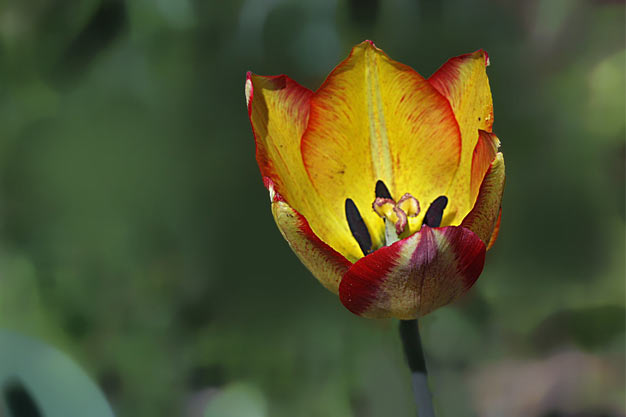
Rare Grengiols Tulip a historic Swiss tulip with yellow, red-edged and red forms, surviving around Grengiols in Valais.
| Scientific name | Tulipa grengiolensis |
| Flower color | Yellow; yellow with red margins; red forms |
| Plant height | 30 to 50 cm |
| Flower size | About 5 to 7 cm |
| Flowering time | May |
| Growing time | Autumn bulb planting; spring growth and flowering |
| Growing location | Grengiols, Valais, Switzerland; traditional winter to rye fields |
| Sunlight | Full sunlight |
| Temperature | Plant growing temperature 5 to 18°C and flowering temperature 10 to 18°C |
| Care tips | Plant only legally propagated bulbs in fertile, well to drained soil and full sun. Allow winter chilling, moderate spring moisture, and natural dormancy after foliage yellows. Never collect bulbs from protected Swiss populations. |
| Quick Summary | The Grengiols Tulip is one of Switzerland's most distinctive botanical curiosities. It occurs around the Valais village of Grengiols, where traditional winter to rye agriculture has helped maintain its tiny surviving population. Plants normally produce upright yellow flowers, while some individuals have red margins, dark basal markings or entirely red flowers. The Swiss government created a protected area specifically to conserve the plant, and InfoFlora records its extremely restricted distribution. Its origin is unusual: Swiss sources describe it as a relic population of a tulip introduced centuries ago, rather than an unequivocally wild native species. Kew currently places the name under Tulipa gesneriana, illustrating an unresolved taxonomic interpretation. Commercially, it is best treated as a conservation symbol rather than a conventional cut flower |
| Commercial/gifting Uses | Conservation/tourism symbolism, botanical education and licensed horticultural propagation are appropriate; wild to collected bulbs or flowers should not be marketed. |
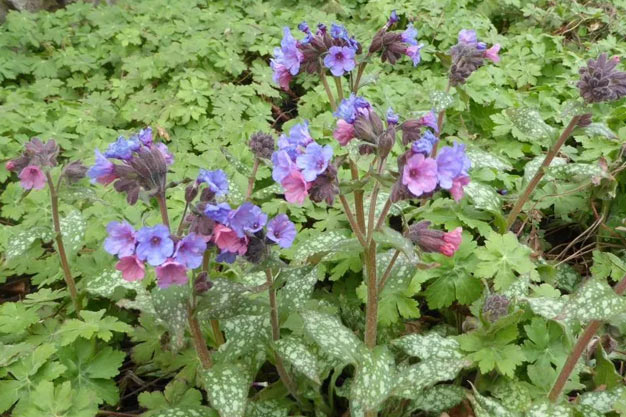
Swiss Lungwort is a localized perennial with spring flowers changing through pink, violet and blue tones.
| Scientific name | Pulmonaria helvetica |
| Flower color | Pink, violet, blue |
| Plant height | 20 to 60 cm |
| Flower size | 1.5 to 2.4 cm |
| Flowering time | March to May |
| Growing time | Autumn or early spring planting; spring growth |
| Growing location | Deciduous mixed woods and shrubs between Lake Neuchâtel and Lake Geneva |
| Sunlight | Partial shade to filtered light |
| Temperature | Temperature for plant growth 8 to 18°C and temperature for flowering 8 to 16°C |
| Care tips | Give cool, humus to rich, moist but well to drained soil and partial shade. Avoid prolonged drought and intense afternoon sun. Divide established clumps after flowering, and remove damaged foliage to improve airflow. |
| Quick Summary | Swiss Lungwort is a specialized European member of the borage family associated particularly with western Switzerland. InfoFlora records it from deciduous mixed forests and shrublands between Lake Neuchâtel and Lake Geneva, where it occupies relatively cool, shaded environments. Plants reach roughly 20 to 60 centimetres and carry flowers approximately 15 to 24 millimetres long. Like other lungworts, its flowers can change coloration as they mature, producing attractive pink, violet and bluish tones on the same plant. The foliage is relatively large and may be lightly spotted or almost plain. Unlike mass to market Pulmonaria cultivars sold for gardens, P. helvetica is not a mainstream florist crop. Its greatest commercial potential lies in specialist alpine or woodland plant collections, botanical interpretation, native to plant education and conservation to oriented gifts rather than bouquets. |
| Commercial/gifting Uses | Suitable mainly for specialist botanical collections, woodland gardens and conservation to themed gifts. |
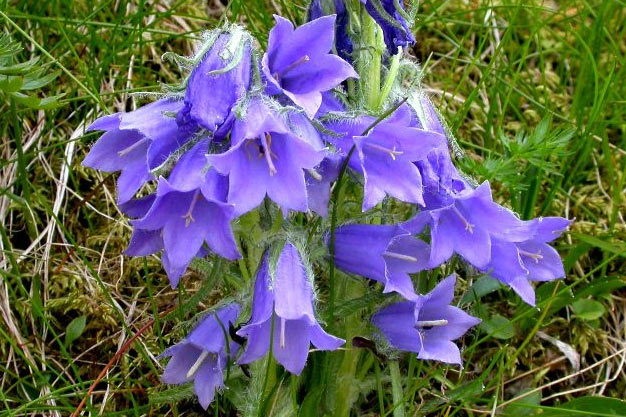
Cut Bellflower is a delicate Central Alpine bellflower with unusual notched, violet-blue nodding flowers.
| Scientific name | Campanula excisa |
| Flower color | Pale violet to blue |
| Plant height | 5 to 20 cm |
| Flower size | 1.5 to 2.5 cm |
| Flowering time | July to August |
| Growing time | Spring establishment; summer growth and flowering |
| Growing location | Rocky screes and silicate crevices of the Central/Southern Alps |
| Sunlight | Full sunlight to light shade |
| Temperature | Temperature for plant growth 5 to 18°C and temperature for flowering 8 to 16°C |
| Care Tips | Use gritty, sharply drained, mineral soil with limited fertility. Provide strong light, cool roots and moderate summer moisture. Protect from waterlogging, excessive heat and disturbance. Propagate only from legitimate cultivated stock. |
| Quick Summary | Cut Bellflower is a small perennial adapted to the difficult environment of alpine rock screes and crevices. Swiss InfoFlora describes stems generally 5 to 12 centimetres high, occasionally reaching 20 centimetres, with narrow leaves and usually solitary, terminal, often nodding flowers. Its pale violet to blue corolla measures approximately 1.5 to 2.5 centimetres and is particularly distinctive because its lobes are separated by rounded, deeply cut sinuses. The species occurs on silicate rock in montane to alpine environments, especially in eastern Valais and western Ticino. It is not an ordinary florist crop because its short stems and fragile alpine habit make commercial cut to flower production impractical. It is better suited to specialist rock gardens, alpine houses, educational collections and carefully propagated botanical gifts. |
| Commercial/gifting Uses | Specialist alpine nursery plant and botanical to garden specimen rather than commercial cut flower. |
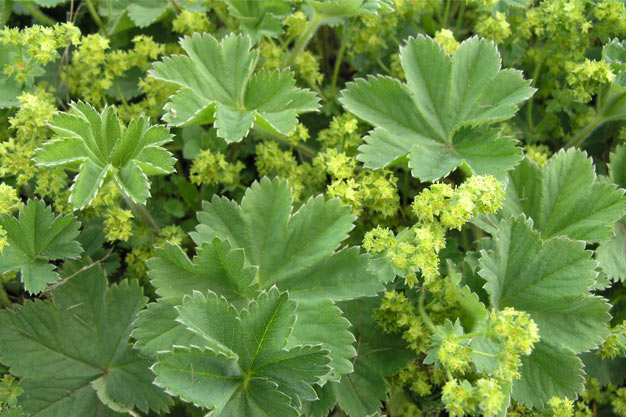
Weber's Lady's Mantle is a highly localized Swiss Alchemilla valued primarily for botanical rarity rather than showy flowers.
| Scientific name | Alchemilla weberi |
| Flower color | Greenish to yellow |
| Plant height | About 10 to 30 cm |
| Flower size | 2 to 4 mm |
| Flowering time | May to August |
| Growing time | Spring to summer active growth |
| Growing location | Switzerland; localized alpine/subalpine habitats |
| Sunlight | Partial shade to full sunlight |
| Temperature for plant growth 5 to 18°C and temperature for flowering 8 to 16°C | |
| Care Tips | Grow in cool, well to drained soil with moderate moisture and good air circulation. Avoid fertilizer excess and summer heat. Use legally propagated material only, maintaining genetic records when grown for conservation or research. |
| Quick Summary | Weber's Lady's Mantle is one of the inconspicuous but taxonomically interesting Alchemilla plants associated with Switzerland. Unlike commercially popular ornamental lady's mantles, it is not cultivated primarily for large foliage or dramatic flowers. The plant produces small, greenish to yellow flowers typical of the genus, with delicate inflorescences rather than conspicuous petals. InfoFlora currently lists Alchemilla weberi as an accepted species and gives it a Least Concern status, but its available ecological information is limited. This means cultivation recommendations should be treated cautiously and based on cool, alpine to style conditions rather than generic garden assumptions. Commercial opportunities are consequently very small. Its strongest potential is as a specialist alpine nursery plant, botanical to garden accession, scientific collection specimen or conservation to themed educational gift. |
| Commercial/gifting Uses | Specialist botanical collections only. |
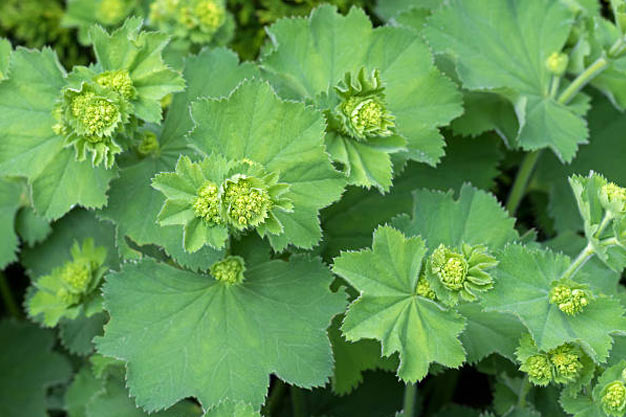
Silver-toothed Lady's Mantle is a Swiss-native alpine Alchemilla with subtle green flowers and attractive silvery foliage details.
| Scientific name | Alchemilla argentidens |
| Flower color | Greenish to yellow |
| Plant height | About 10 to 30 cm |
| Flower size | 2 to 4 mm |
| Flowering time | June to August |
| Growing time | Spring to summer |
| Growing location | Switzerland, especially subalpine/subarctic environments |
| Sunlight | Full sun to partial shade |
| Temperature | Temperature for plant Growth 5 to 18°C and temperature for flowering 8 to 16°C |
| Care tips | Provide cool temperatures, mineral to rich but well to drained soil, moderate moisture and good light. Avoid soggy roots and intense heat. Propagate from authenticated cultivated material rather than collecting plants from natural Swiss populations. |
| Quick Summary | Silver to toothed Lady's Mantle is a distinctive Swiss member of the rose family. Kew currently recognizes Alchemilla argentidens as an accepted species and records Switzerland as its native range, primarily within subalpine or subarctic environments. Like many Alchemilla species, its flowers are modest compared with its foliage, consisting of small greenish to yellow structures rather than brightly colored petals. Its interest therefore comes from botanical distinctiveness, foliage character and restricted distribution rather than conventional ornamental flower appeal. The species is not a mainstream cut to flower plant and should not be promoted as a readily available commercial bouquet crop. Where legally propagated, it may appeal to specialist alpine gardeners, botanical institutions, collectors and conservation to oriented gift markets. Wild collection should be avoided because localized plants can be vulnerable to habitat disturbance. |
| Commercial/gifting Uses | Specialist alpine plant and conservation collections. |
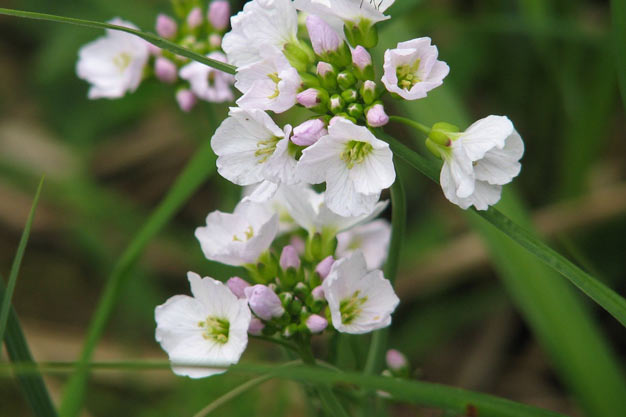
Swiss Bittercress is an unusual alpine wetland plant representing recent natural hybrid evolution in Switzerland.
| Scientific name | Cardamine insueta |
| Flower color | White to pale pink/lilac |
| Plant height | About 10 to 40 cm |
| Flower size | 5 to 10 mm |
| Flowering time | May to July |
| Growing time | Spring to summer |
| Growing location | Wet meadows and waterways around Urnerboden, Central Switzerland |
| Sunlight | Full sun to partial shade |
| Temperature | Temperature for plant growth 5 to 18°C and temperature for flowering 8 to 16°C |
| Care Tips | Maintain consistently moist, cool soil without stagnation, with filtered sun or morning light. Avoid drought. Because its biology involves hybrid origin and vegetative propagation, use authenticated cultivated material and avoid disturbing wild populations. |
| Quick Summary | Swiss Bittercress is botanically remarkable because it represents a naturally formed triploid plant that arose through hybridization between Cardamine amara and Cardamine rivularis in the Swiss Alps. Research at Urnerboden indicates that the hybrid lineage developed roughly 100 to 150 years ago and inherited useful traits from its parent species, including tolerance of submergence and vegetative plantlet production on leaves. It occupies wet transitional habitats between wetter streamside environments and surrounding meadows. Its flowers are small and relatively understated, usually white to pale pink or lilac. Because it is a specialized ecological plant rather than a showy ornamental, commercial flower production is not established. Its greatest value is scientific: it provides an unusually clear example of recent plant evolution and adaptation in a human to influenced alpine landscape. |
| Commercial/gifting Uses | Botanical education, conservation and scientific collections. |
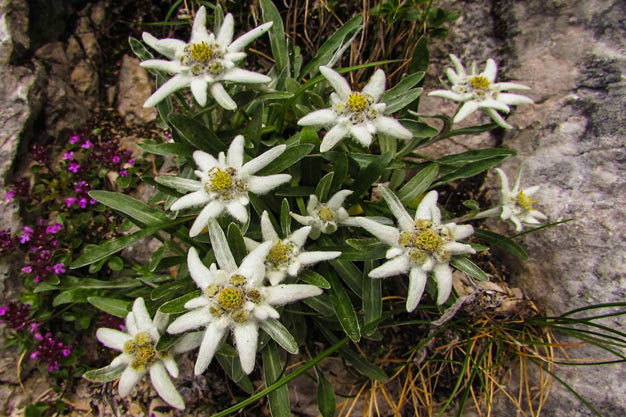
Edelweiss is a Switzerland's iconic white alpine flower, symbolizing the Alps, purity, endurance and mountain heritage.
| Scientific name | Leontopodium nivale |
| Flower color | White to felted bracts with yellowish centers |
| Plant height | 10 to 20 cm |
| Flower size | 2 to 5 cm overall star to like head |
| Flowering time | June to August |
| Growing time | Spring to summer |
| Growing location | Alpine limestone slopes and rocky mountain habitats |
| Sunlight | Full sunlight |
| Temperature | Temperature for plant growth 5 to 18°C and temperature for flowering 8 to 18°C |
| Care Tips | Grow in very well to drained alkaline, gritty soil under full sun. Keep roots moderately dry and protect from winter wet. Avoid rich fertilizer. Container culture works well when drainage is excellent and temperatures remain cool. |
| Quick Summary | Edelweiss is perhaps the most recognizable botanical symbol of the Swiss Alps. Leontopodium nivale subsp. alpinum forms compact perennial plants with narrow grey to green foliage and characteristic white to felted, star to shaped bracts surrounding small yellowish flower heads. It is adapted to exposed mountain conditions, where dense hairs help reduce environmental stress from cold, dryness and intense ultraviolet radiation. Cultivated plants generally reach around 20 centimetres and prefer full sun, alkaline or neutral soil and excellent drainage. RHS lists it as suitable for rock gardens, gravel gardens and alpine houses. Commercially, edelweiss has enormous symbolic value compared with its physical size: it appears in Swiss souvenirs, dried to flower products, tourism merchandise, cosmetics and specialty nursery sales. Authenticated cultivated plants are preferable to wild to collected specimens. |
| Commercial/gifting Uses | Nursery plants, dried flowers, souvenirs, cosmetics, tourism merchandise and Swiss to themed gifts; wild collection should be avoided. |
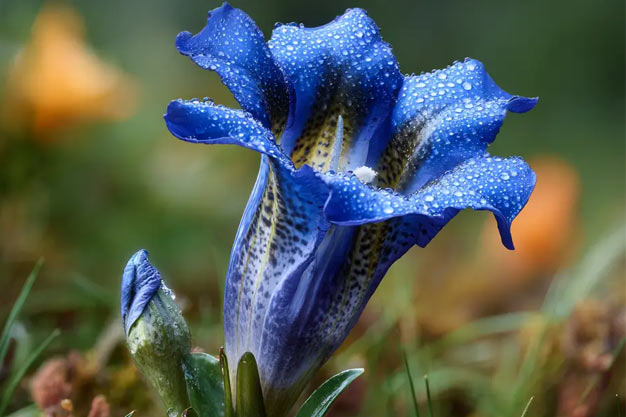
Trumpet Gentian is a spectacular deep-blue alpine gentian prized for its large trumpet-shaped flowers and compact rock-garden habit.
| Scientific name | Gentiana acaulis |
| Flower color | Intense deep blue |
| Plant height | 5 to 15 cm |
| Flower size | 4 to 7 cm |
| Flowering time | May to July |
| Growing time | Spring to summer |
| Growing location | Alpine and subalpine grasslands, acidic to neutral rocky soils |
| Sunlight | Full Sunlight |
| Temperature for plant Growth 5 to 18°C and temperature for flowering 8 to 18°C | |
| Care Tips | Plant in cool, humus to rich, sharply drained soil with consistent spring moisture. Provide strong sunlight but protect roots from overheating. Avoid excessive fertilizer and winter waterlogging. Do not disturb established crowns unnecessarily. |
| Quick Summary | Trumpet Gentian is one of Europe's most dramatic alpine flowers because its compact foliage contrasts with exceptionally large, intense to blue trumpet blooms. The plant remains low to growing, making it particularly valuable for rock gardens, alpine troughs and containers. It prefers cool conditions, strong light and moisture to retentive but well to drained soil rather than hot, dry garden conditions. Swiss populations occur in mountain grasslands and rocky habitats, and InfoFlora records the species as Least Concern nationally, although some regional populations face pressures. Unlike several ultra to rare Swiss endemics in this list, Gentiana acaulis has genuine horticultural value and can be propagated commercially. It is therefore suitable for premium alpine to plant gifts, miniature landscape arrangements and specialty nursery sales. Its brilliant blue flowers also make it particularly attractive for themed mountain or European botanical collections. |
| Commercial/gifting Uses | Alpine nursery plant, rockery plant, potted gift and specialist garden plant. |
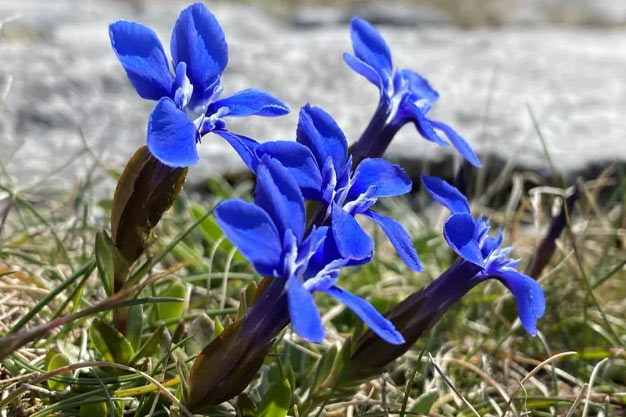
Spring Gentian is a tiny alpine perennial famous for brilliant electric-blue, star-like flowers appearing soon after winter.
| Flower color | Brilliant blue |
| Plant heigh | 4 to 10 cm |
| Flower size | About 2 to 3 cm |
| Flowering time | April to May in Switzerland |
| Growing time | Early spring to summer |
| Growing location | Swiss mountain meadows, pastures and calcareous alpine habitats |
| Sunlight | Full Sunlight |
| Temperature for plant growth 4 to 16°C and temperature for flowering 6 to 15°C | |
| Care Tips | Provide full sun, alkaline or neutral, humus to rich but well to drained soil and reliable spring moisture. Keep roots cool. Avoid hot, stagnant conditions and excessive fertilizer. Propagate by seed or division from cultivated plants. |
| Quick Summary | Spring Gentian is a diminutive but exceptionally vivid alpine flower. Swiss InfoFlora records it across Switzerland in calcareous mountain meadows and pastures, with flowering mainly during April and May. Plants form low rosettes and produce brilliant blue flowers that can appear soon after snow has retreated. The species is adapted to cool mountain environments and prefers sunny, well to drained conditions. RHS cultivation guidance similarly recommends full sun, moist but well to drained soil and alkaline or neutral substrates. Because plants are small and flowers are borne close to the ground, the species has little value as a conventional cut flower. Its commercial opportunity instead comes from alpine gardening, rockeries, specialist nurseries, miniature containers and educational botanical gifts. It is an excellent choice for customers seeking authentic European alpine plants. |
| Commercial/gifting Uses | Specialist alpine nursery plant, rock garden, miniature pot and botanical gift. |
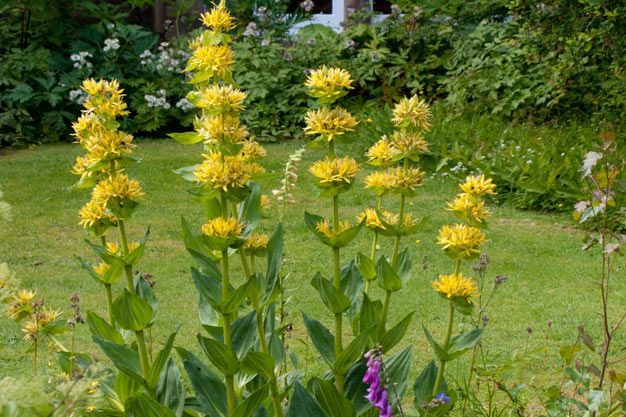
Yellow Gentian is a tall alpine gentian valued for its golden flowers and especially for its large roots used in traditional bitter preparat...
| Scientific name | Gentiana lutea |
| Flower color | Golden yellow |
| Plant height | 50 to 120 cm |
| Flower size | Up to about 3.5 cm |
| Flowering time | June to August |
| Growing time | Spring to summer, several years for substantial roots |
| Growing location | Alpine/subalpine grasslands and calcareous mountain slopes |
| Sunlight | Full sun to light shade |
| Temperature for plant growth 8 to 20°C and temperature for flowering 12 to 20°C | |
| Care Tips | Give deep, fertile, well to drained soil, full sun and steady moisture during active growth. Weed carefully during establishment. Plants grow slowly, so avoid disturbance. Allow several years when cultivating plants primarily for mature roots. |
| Quick Summary | Yellow Gentian is one of Europe's most important traditional gentian species. It forms substantial perennial plants with broad blue to green leaves and clusters of golden to yellow flowers in the upper leaf axils. Swiss InfoFlora records plants commonly reaching 50 to 120 centimetres. Unlike the diminutive blue gentians, its greatest commercial importance is not ornamental: its large roots are harvested for traditional bitter preparations and spirit production. Cultivation research shows that root biomass develops slowly, with commercially useful root size requiring several growing years. It prefers mountain meadow conditions, good drainage and adequate moisture while establishing. For gifting, the plant is especially suitable in botanical or alpine gardening collections, while processed root products and traditional gentian spirits have stronger commercial significance than cut flowers. Sustainable cultivated production is preferable to uncontrolled wild harvesting. |
| Commercial/gifting Uses | High for root to based botanical products and spirits; moderate as ornamental nursery plant. |
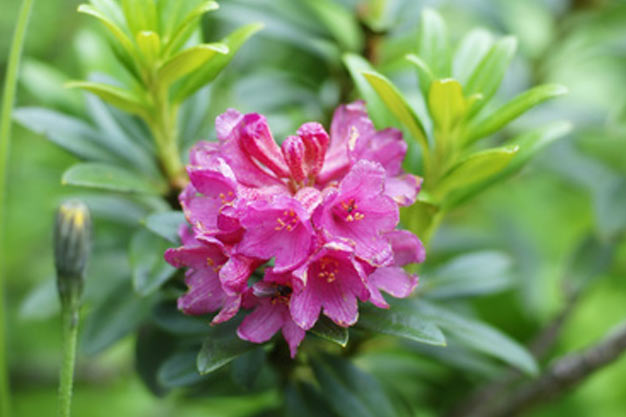
Alpine Rose an evergreen Swiss mountain shrub covered with vivid red-pink flower clusters in early summer.
| Scientific name | Rhododendron ferrugineum |
| Flower color | Bright pink to red |
| Plant height | Up to 1 m |
| Flower size | About 1.5 cm |
| Flowering time | June to August |
| Growing time | Spring to autumn establishment; summer flowering |
| Growing location | Acidic mountain forests, heaths and subalpine slopes |
| Sunlight | Partial shade to sun |
| Temperature | Temperature for plant growth 5 to 20°C and temperature for flowering 10 to 20°C |
| Care Tips | Use acidic, humus to rich, well to drained soil and cool root conditions. Provide morning sun or filtered light in warm climates. Keep evenly moist without waterlogging, mulch lightly, and avoid alkaline fertilizers or lime |
| Quick Summary | The Alpine Rose is an evergreen dwarf rhododendron that forms characteristic subalpine shrub communities across the Alps. Swiss InfoFlora describes plants up to approximately one metre tall, with leathery evergreen leaves and terminal clusters of bright red flowers. The underside of mature leaves becomes distinctly rusty brown, explaining the species epithet ferrugineum. Unlike many alpine plants, it is a woody shrub and therefore has substantial landscape value. It prefers acidic, lime to free environments and naturally occurs in mountain forests, heaths and pastures. Commercially, cultivated plants are useful for alpine gardens, cool to climate landscapes, rock to garden borders and premium potted plant gifts. Its flowers are not commonly sold as cut stems. Because rhododendrons can be sensitive to unsuitable soil chemistry, correct acidic growing conditions are more important than heavy feeding. |
| Commercial & Gifting Uses | Ornamental nursery shrub, alpine landscaping and potted landscape gifts; not a conventional cut flower. |
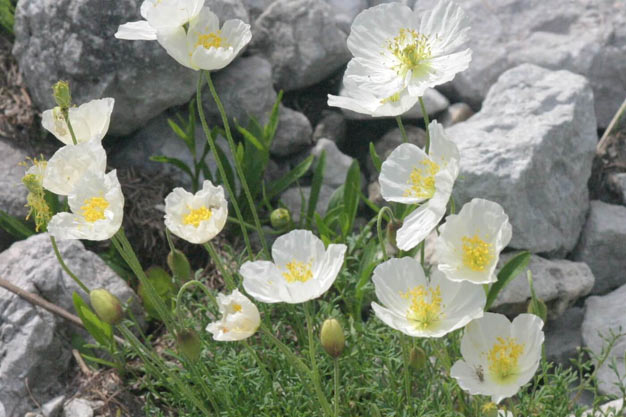
Alpine Poppy is a resilient high-mountain poppy producing delicate yellow or white flowers among rocky alpine screes.
| Scientific name | Papaver alpinum |
| Flower color | Yellow, white; regional forms vary |
| Plant height | 5 to 20 cm |
| Flower size | About 3 to 5 cm |
| Flowering time | May to August |
| Growing time | Spring to summer |
| Growing location | Alpine limestone screes, rocky slopes and high mountain habitats |
| Sunlight | Full Sunlight |
| Temperature | Temperature for plant growth 4 to 18°C and temperature for flowering 8 to 18°C |
| Care Tips | Use gritty, sharply drained mineral soil, full sun and excellent air circulation. Keep summer moisture moderate rather than excessive. Avoid rich compost and root disturbance. Sow or plant only authenticated cultivated material. |
| Quick Summary | The Alpine Poppy represents the highly specialized poppy flora of European mountain screes. The name Papaver alpinum remains familiar horticulturally, although Kew currently treats it as a synonym of Oreomecon alpina. Plants are compact, often forming low foliage cushions from which delicate poppy flowers rise above rocks. Yellow forms are especially familiar in cultivation, while white forms also occur within the broader alpine complex. These plants are adapted to bright sunlight, rapid drainage, cold nights and low to nutrient substrates. Their commercial potential is considerably greater in specialist alpine gardening than in floristry because the stems are short and the flowers are delicate. They make attractive additions to rock gardens, troughs and educational alpine collections. The plant should be purchased from specialist nurseries rather than removed from mountain habitats. |
| Commercial & Gifting Uses | Specialist rock to garden and alpine nursery plant. |
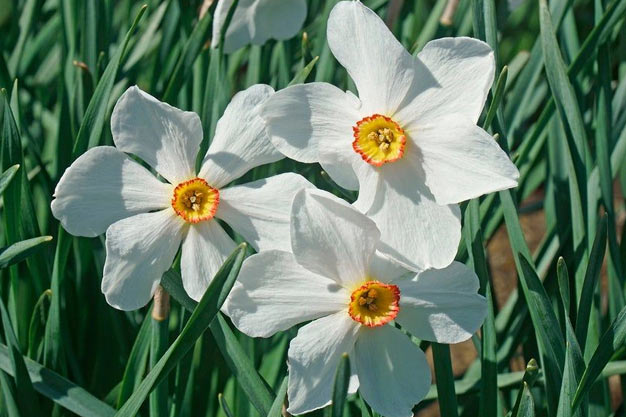
Poet's Narcissus is an intensely fragrant white narcissus with a small yellow, red-edged corona and classic spring-meadow appeal.
| Scientific name | Narcissus poeticus |
| Flower color | White with yellow and red to edged corona |
| Plant height | 30 to 60 cm |
| Flower size | About 4 to 6 cm |
| Flowering time | April to May |
| Growing time | Plant bulbs in autumn; spring flowering |
| Growing location | Meadows and cultivated gardens; widely grown beyond Switzerland |
| Sunlight | Full sunlight to light shade |
| Temperature | Temperature for plant growth 5 to 18°C and temperature for flowering 8 to 18°C |
| Care Tips | Plant bulbs in autumn at roughly 1.5 to 2 times their depth in fertile, well to drained soil. Provide spring moisture and sun. Deadhead flowers, but allow foliage to yellow naturally before removal. |
| Quick Summary | Poet's Narcissus is one of the most fragrant traditional narcissus species and is especially recognizable by its pure white petals surrounding a small yellow corona edged in red. Swiss InfoFlora records flowering primarily in April and May, with plants commonly reaching 30 to 60 centimetres. Unlike many highly specialized alpine species, Narcissus poeticus has considerable horticultural and commercial importance. It can be cultivated from bulbs and is suitable for borders, naturalistic meadow planting, containers and cut to flower production. RHS recommends autumn planting, moderately fertile and well to drained soil, consistent spring moisture and allowing foliage to die back naturally after flowering. In gifting, it works particularly well as a spring bulb gift, fragrant bouquet or planted container. It should not be confused with the unrelated but visually similar white to and to yellow daffodil cultivars. |
| Commercial/gifting Uses | Cut flowers, bulbs, spring bouquets, gardens and seasonal gifts. |
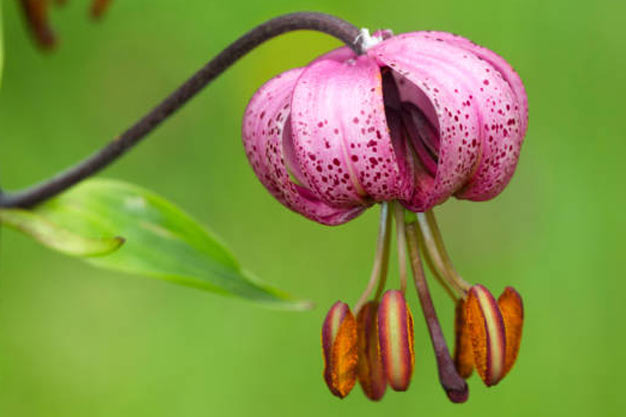
Martagon Lily is an elegant wild lily with recurved, spotted pink-purple flowers, prized for ornamental and cut-flower appeal.
| Scientific name | Lilium martagon |
| Flower color | Pink to purple with dark spots |
| Plant height | 30 to 90 cm in Switzerland; cultivated plants can be taller |
| Flower size | About 3 to 5 cm |
| Flowering time | June to July |
| Growing time | Autumn to spring bulb planting; summer flowering |
| Growing location | Mountain meadows and limestone woodland |
| Sunlight | Partial shade to full sun |
| Temperature | Temperature for plant Growth 8 to 20°C and temperature for flowering 12 to 22°C |
| Care Tips | Plant dormant bulbs in fertile, well to drained soil with roots kept cool. Provide morning sun or dappled shade. Avoid moving established bulbs. Support tall stems and protect from waterlogging and browsing. |
| Quick Summary | Martagon Lily is one of Europe's most elegant native lilies, recognized by its recurved “Turk's to cap” flowers, spotted pink to purple petals and tall leafy stems. Swiss InfoFlora records plants approximately 30 to 90 centimetres high, flowering mainly in June and July in forests and mountain meadows, especially on calcareous soils. Commercially cultivated martagon lilies can be valuable ornamental plants and cut flowers, and horticultural forms are available from specialist growers. However, this distinction is crucial in Switzerland: InfoFlora records the species as totally protected nationally, with additional cantonal protections. Therefore, wild plants should never be harvested for bouquets, bulbs or gifts. For commerce, use certified nursery to propagated stock. It is particularly attractive as a premium bulb gift, woodland to garden plant or elegant summer cut flower. |
| Commercial & Gifting Uses | High horticultural value, but wild Swiss plants are protected. Cultivated bulbs and cut flowers are appropriate. |
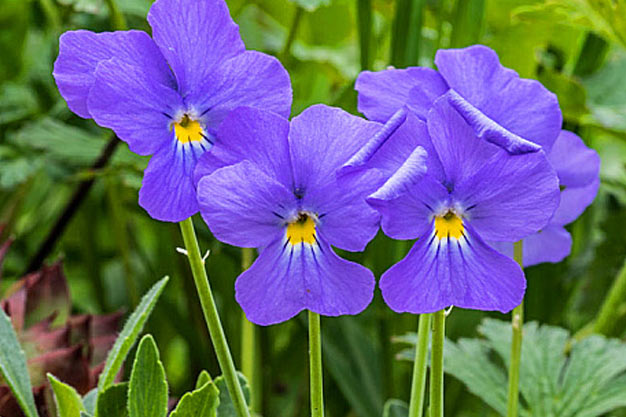
Alpine Pansy is a compact mountain violet with large violet flowers and a distinctive long nectar spur, typically found in rocky alpine mead...
| Scientific name | Viola calcarata |
| Flower color | Violet, blue, yellow, white or combinations |
| Plant height | About 5 to 15 cm |
| Flower size | 2.5 to 4 cm |
| Flowering time | May to August |
| Growing time | Spring to summer |
| Growing location | Alpine meadows, pastures and rocky debris |
| Sunlight | Full Sunlight |
| Temperature | Temperature for plant growth 5 to 18°C and temperature for flowering 8 to 18°C |
| Care Tips | Provide cool, well to drained, moderately moist soil and strong light. Avoid excessive fertilizer and summer heat. Maintain good drainage around roots. Propagate from cultivated seed or division rather than collecting alpine plants. |
| Quick Summary | Alpine Pansy is a small perennial violet adapted to mountain meadows, pastures and rocky environments. It produces unusually large pansy to like flowers relative to its short stature, commonly around 2.5 to 4 centimetres across, with a prominent nectar spur. Flower colors vary from violet and blue to yellow, white and bicoloured forms. Plants typically remain below 15 centimetres, making them attractive for alpine troughs, rock gardens and miniature landscapes. Their flowering season can extend from May into August depending on elevation and local conditions. The species has relatively specialized ecological requirements and is not comparable to the mass to produced bedding pansies used in mainstream horticulture. Commercial opportunities are therefore strongest in specialist alpine nurseries and botanical gift collections rather than bouquets. In Switzerland, conservation to conscious sourcing is particularly important. |
| Commercial & Gifting Uses | Alpine nursery, rock garden and miniature potted plant. |
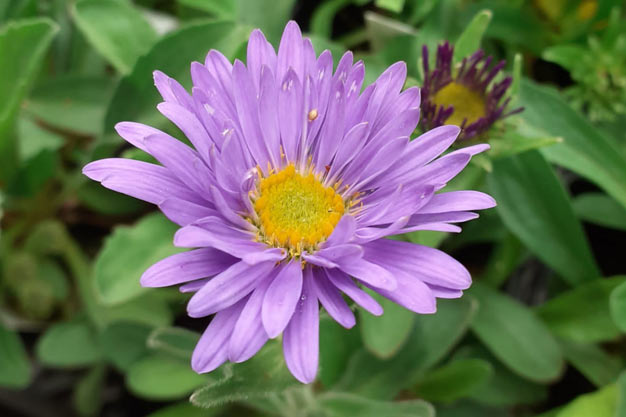
Alpine Aster is a compact perennial with lilac-violet rays surrounding a brilliant yellow center.
| Scientific name | Aster alpinus |
| Flower color | Lilac to violet, occasionally pink/white; yellow center |
| Plant height | 5 to 20 cm |
| Flower size | 3 to 4.5 cm |
| Flowering time | June to August |
| Growing time | Spring to summer |
| Growing location | Alpine grasslands and limestone rocks |
| Sunlight | Full sunlight |
| Temperature for plant growth 5 to 20°C and temperature for flowering 10 to 20°C | |
| Care Tips | Plant in full sun and well to drained mineral soil. Keep moisture moderate during growth, especially during establishment. Avoid winter saturation and excessive fertilizer. Deadhead lightly if desired, but leave healthy foliage intact. |
| Quick Summary | Alpine Aster is a compact perennial that brings the familiar daisy to like appearance of an aster into high mountain environments. Swiss plants generally reach only 5 to 20 centimetres and produce flower heads approximately 3 to 4.5 centimetres across. The rays are commonly light violet or lilac, surrounding a contrasting yellow center. InfoFlora records it from alpine and subalpine grasslands and rocky limestone habitats. Its compact size, vivid flowers and relatively straightforward cultural requirements make it one of the more commercially promising species on this list. It is particularly suitable for rock gardens, alpine troughs, borders and decorative containers. Cultivated forms can also provide useful gifts for gardeners who want an authentic mountain to flower appearance without attempting to grow extremely specialized subnival species. |
| Commercial & Gifting Uses | Rock gardens, alpine borders, containers and specialty nursery gifts. |



Switzerland's geography creates a remarkable range of growing environments. Flowers can be found in alpine meadows, rocky slopes, woodland margins, wet meadows and subalpine landscapes. Changes in altitude, soil composition, moisture and exposure allow different species to occupy highly specialised habitats.
This environmental diversity explains why Swiss flowers can look very different from one another. Low-growing alpine plants often remain compact and develop flowers close to the ground, while meadow and woodland species can grow considerably taller. Some prefer bright mountain sunlight and sharply drained rocky soil, whereas others thrive in cool woodland shade or consistently moist conditions.
For gardeners, this diversity provides an opportunity to explore plants with very different characteristics rather than treating Swiss flowers as one single category.
Edelweiss is perhaps the most recognisable flower associated with Switzerland. Its small size, silvery foliage and distinctive white, star-like appearance have made it a long-standing symbol of the Swiss Alps.
The plant is naturally adapted to exposed mountain environments and is associated with rocky alpine habitats. Cultivated Edelweiss generally remains compact and is valued for rock gardens, alpine collections and containers. It prefers strong sunlight, excellent drainage and soil that is not excessively rich.
Beyond gardening, Edelweiss has strong cultural and tourism associations. It appears in Swiss-themed souvenirs, decorative products and other nature-inspired merchandise, giving the flower significance that extends well beyond its physical size.
For gifting, cultivated Edelweiss can be particularly appealing to someone interested in Switzerland, alpine landscapes or unusual garden plants. Wild plants should not be collected simply for decorative or gifting purposes.
Gentians are another important part of the alpine flower story. Their intense blue flowers can create a striking contrast against green mountain meadows and rocky landscapes. The Switzerland page includes both Trumpet Gentian and Spring Gentian, as well as the taller Yellow Gentian.
Trumpet Gentian is particularly notable for its large deep-blue trumpet-shaped flowers despite its compact growth. It can be an attractive choice for alpine gardens, rockeries and specialist containers when grown under suitable cool conditions.
Spring Gentian is smaller but produces exceptionally vivid blue flowers during the spring flowering period. Its compact habit makes it more appropriate for miniature alpine landscapes and specialist plant collections than conventional bouquets.
Yellow Gentian provides a completely different appearance, producing golden-yellow flowers on a considerably taller perennial plant. Its large roots also have historical importance in traditional bitter preparations and spirit production, giving it both botanical and cultural interest.
Many Swiss flowers are better suited to specialist gardening than to ordinary flower arrangements. Alpine species have evolved to cope with conditions such as cold temperatures, intense sunlight, rocky soil, limited nutrients and rapid drainage.
Plants such as Alpine Aster, Alpine Pansy, Trumpet Gentian and Rhaetian Poppy can be interesting choices for gardeners who want to recreate the character of a mountain landscape on a smaller scale.
These plants can work particularly well in:
However, alpine plants should not simply be treated like ordinary bedding flowers. Their soil, drainage and temperature requirements can be quite specific. Choosing a species according to the intended growing environment is important for successful cultivation.
One of the most interesting features of Switzerland's flower heritage is that not every notable flower is a conventional cut flower. Some species are valued primarily for their botanical characteristics, while others have greater potential as nursery plants, bulbs, rock-garden specimens or educational botanical gifts.
For example, Edelweiss has strong cultural and symbolic value, while Trumpet Gentian and Alpine Aster can appeal to specialist gardeners. Poet's Narcissus, on the other hand, has broader horticultural value and can be used for spring gardens, bulbs, containers and cut-flower arrangements.
This distinction is useful when choosing a Swiss flower gift. Someone looking for a traditional bouquet may prefer a commercially cultivated seasonal flower, while a gardening enthusiast may appreciate an alpine plant or bulb that can continue growing after the gift is received.
Flowers can represent more than colour and decoration. In Switzerland, alpine plants are closely connected with the country's mountain landscapes and outdoor identity. Edelweiss is the clearest example, but Gentians, Alpine Asters, Alpine Pansies and other mountain flowers also contribute to the visual character of the Swiss Alps.
A Swiss flower-inspired gift can therefore be chosen around a particular interest rather than only an occasion. It may appeal to someone who has travelled through the Alps, enjoys mountain landscapes, collects botanical plants or simply appreciates unusual European flowers.
For this reason, Swiss flower gifts can work particularly well when the botanical identity of the flower is part of the meaning behind the present.
When selecting a flower associated with Switzerland, consider what the recipient actually wants from the plant. A person interested in gardening may appreciate a cultivated alpine specimen, while someone who simply wants a seasonal floral gift may prefer a more conventional commercially grown flower.
It is also important to consider the difference between Swiss-native or locally associated species and flowers that are simply cultivated in Switzerland. Not every flower connected with the Swiss flower tradition is exclusive to the country, and some species have much wider European or alpine distributions.
GiftFloraHub focuses on providing useful botanical information alongside commercial possibilities, helping visitors understand the character of each flower before choosing a product or gift.
Switzerland's alpine flora includes species that may have restricted distributions or specific conservation considerations. A flower being attractive or culturally important does not mean that it should be collected from the wild.
For gifting and gardening, legally propagated and responsibly sourced plants, bulbs or flowers are the appropriate choice. This is especially important for specialised alpine species and plants subject to protection.
Responsible sourcing allows people to enjoy Switzerland's botanical heritage without contributing to the disturbance of natural habitats or wild populations.
Switzerland offers a fascinating collection of flowers ranging from iconic Edelweiss and vivid Gentians to Alpine Asters, Pansies, Lilies, Narcissus and distinctive regional species. Their differences in appearance, habitat and cultivation make Swiss flowers particularly interesting for both flower lovers and gardening enthusiasts.
Whether you are looking for a Switzerland-inspired floral gift, an alpine garden plant, a seasonal bulb or simply want to learn more about the flowers associated with the Swiss landscape, exploring the individual varieties can help you find an option that matches your purpose.
Explore the Swiss flower collection on GiftFloraHub to discover alpine blooms, distinctive botanical species and flower-inspired gift ideas connected with Switzerland.
Switzerland is home to an impressive variety of flowers adapted to alpine meadows, mountain slopes, woodland areas and cooler European gardens. Some are famous symbols of the Swiss landscape, while others are less familiar but equally interesting for gardeners and botanical enthusiasts.
The flowers featured here include iconic alpine species such as Edelweiss, vivid Gentians, colourful Asters and Pansies, as well as distinctive flowering plants such as the Martagon Lily, Poet's Narcissus and Grengiols Tulip. Each offers a different combination of appearance, growing characteristics and cultural interest.
Edelweiss is one of the most recognisable flowers associated with Switzerland and the Alps. Its small white flower heads are surrounded by woolly, star-shaped bracts that give the plant its distinctive silvery appearance.
The plant naturally occurs in mountainous environments where it is exposed to bright sunlight, rocky ground, cold temperatures and excellent drainage. Its compact growth habit makes it particularly suitable for alpine gardens, rockeries and specialist containers when cultivated under appropriate conditions.
Edelweiss has become strongly associated with the Swiss Alps and is often used to represent mountain scenery, resilience and Swiss heritage. Its unusual appearance also makes it popular in Swiss-themed souvenirs, decorative products and botanical collections.
For a flower or plant gift, cultivated Edelweiss can be an appealing choice for someone who loves Switzerland, alpine landscapes or unusual garden plants.
Edelweiss generally prefers strong light, sharply drained soil and conditions that resemble its natural rocky habitat. Excessive moisture around the roots can be problematic, making drainage particularly important.
Trumpet Gentian is admired for its intense blue flowers and compact alpine growth. The rich colour of its blooms creates a striking contrast against green vegetation and pale mountain rocks.
Its trumpet-shaped flowers make it especially attractive to people who appreciate unusual flower forms. The plant can be considered for alpine-style gardens, rockeries and specialist collections where suitable conditions are available.
Gentians generally benefit from cool conditions and carefully managed soil moisture. The exact requirements depend on the species and growing environment, so gardeners should select a suitable growing medium and avoid conditions that remain excessively wet.
Its vivid blue flowers can make Trumpet Gentian a distinctive addition to a collection of alpine plants.
Spring Gentian is a compact alpine flower known for its brilliant blue, funnel-shaped blooms. It is one of the smaller Gentian species and is particularly attractive during its spring flowering period.
The intense blue colour can stand out dramatically in alpine meadows and rock gardens. Its relatively small size also makes it interesting for miniature landscapes and carefully designed containers.
Spring Gentian is best appreciated in a setting that provides suitable light, drainage and cool growing conditions. It can be a rewarding choice for gardeners who enjoy specialist alpine plants rather than conventional bedding flowers.
Its seasonal flowering also makes it an interesting addition to a garden designed around different periods of alpine bloom.
Yellow Gentian offers a very different appearance from the better-known blue Gentians. It is a taller perennial with yellow flowers and a strong upright presence, making it useful for naturalistic and mountain-inspired planting schemes.
The plant has a long history in European mountain regions and is particularly notable for its substantial root system. Its roots have traditionally been used in the preparation of bitter beverages and herbal products.
Its culinary and traditional associations give Yellow Gentian an additional dimension beyond its ornamental value. However, traditional plant use should not be confused with proven medical treatment.
As with other specialty plants, it should be sourced responsibly and cultivated rather than removed from protected natural habitats.
Alpine Aster is a colourful perennial associated with mountain environments across Europe. Its daisy-like flowers typically feature a central yellow disc surrounded by narrow petals, creating a classic alpine meadow appearance.
Its relatively compact form makes it suitable for rock gardens, borders and alpine-style planting. The flowers can add colour to landscapes where a low-growing perennial is preferred.
Alpine Aster generally benefits from good sunlight and well-drained soil. It can be particularly effective when planted among other low-growing alpine species with contrasting colours and textures.
For gardening enthusiasts, it can be an attractive alternative to more common garden Asters because of its mountain character and compact habit.
Alpine Pansy is a delicate-looking but distinctive mountain flower that belongs to the Violet family. Its flowers can display combinations of purple, yellow and white, giving each bloom an expressive appearance.
Its low-growing habit makes it suitable for alpine gardens, rockeries and smaller planting spaces. The plant can provide colour close to the ground where taller flowers might overwhelm a miniature landscape.
Alpine Pansy can be especially appealing to gardeners who enjoy seasonal colour and smaller European mountain species. It works well as part of a mixed alpine planting design rather than being treated solely as a conventional bedding plant.
When purchasing an Alpine Pansy, check the specific variety and cultivation requirements because different forms can vary in hardiness and preferred conditions.
Rhaetian Poppy is a striking alpine plant recognised for its delicate poppy-like flowers and association with mountainous habitats. Its bright blooms can provide an attractive contrast against rocky terrain and green alpine vegetation.
Like many specialised mountain plants, it is best appreciated when grown in an environment that provides appropriate drainage, sunlight and seasonal conditions.
This flower can be particularly interesting for botanical gardeners who want to create a collection representing the diversity of European mountain flora. Its unusual regional character also makes it more distinctive than common garden poppies.
When buying or cultivating specialised alpine plants, responsible sourcing is important because some wild populations may be sensitive to habitat disturbance.
Alpine Rose is a mountain shrub rather than a conventional garden rose. It is associated with high-elevation environments and can produce attractive flowers against evergreen foliage.
Its ability to grow in challenging mountain conditions makes it an interesting example of how plants adapt to cooler climates, shorter growing seasons and exposed landscapes.
When cultivated in an appropriate environment, Alpine Rose can contribute to naturalistic or mountain-inspired garden designs. It is particularly suited to gardeners who appreciate native or regionally characteristic European plants.
Its mature growth habit should be considered before planting, particularly in smaller gardens or containers.
Martagon Lily is a graceful woodland and mountain plant recognised for its downward-facing, recurved flowers. The blooms can appear in shades ranging from pink and purple to other natural variations, often decorated with darker markings.
Its unusual flower shape makes it one of the more distinctive lilies associated with European landscapes. Unlike many highly bred garden lilies, Martagon Lily has a more natural woodland character.
Martagon Lily can be suitable for naturalistic planting schemes where it can grow among compatible perennials and woodland-style vegetation. It generally appreciates well-drained soil and conditions appropriate for perennial bulbs.
Because it can return year after year under suitable conditions, a cultivated Martagon Lily can be an appealing gift for an experienced gardener.
Poet's Narcissus is a classic spring-flowering bulb known for its white petals and small central corona. The flowers often have a particularly elegant appearance and can produce a noticeable fragrance.
Unlike highly specialised alpine flowers, Poet's Narcissus has broader horticultural appeal. It can be used in garden borders, containers, naturalised planting areas and seasonal floral displays.
Its combination of fragrance, spring flowering and relatively familiar appearance makes it one of the more accessible Swiss-associated flowers for gardeners and flower lovers.
Bulbs can also provide a longer-lasting gift experience because the recipient can plant them and enjoy flowering in a future season.
Grengiols Tulip is a particularly interesting flower because of its connection with the Swiss village of Grengiols in the canton of Valais. It represents a more localised aspect of Swiss botanical heritage than globally familiar tulip varieties.
Its regional association gives it special interest for people who enjoy rare, traditional or locally significant plants. Rather than simply being another ornamental tulip, it can represent a connection to a specific Swiss landscape and horticultural history.
This type of flower can be especially appealing to collectors and gardeners who appreciate heritage varieties and regionally distinctive plants. Where available, cultivated and responsibly propagated material is preferable to any form of wild collection.
Swiss Lungwort is a woodland-associated perennial recognised for its foliage and attractive flowers. Like other Lungworts, it can provide visual interest through both its leaves and seasonal blooms.
Its preference for cooler, sheltered conditions makes it different from sun-loving alpine flowers such as Edelweiss. This illustrates the broad range of habitats represented by Switzerland's plant life.
Where climate and soil conditions are suitable, woodland-style gardens can provide an appropriate environment for Lungwort species. Moist but well-drained soil and protection from extreme heat can be beneficial.
The right Swiss flower depends largely on what the recipient wants to do with it. Some varieties are primarily attractive as botanical specimens, while others have stronger potential for conventional gardens or seasonal displays.
A botanical gift can be more meaningful when the recipient understands why a particular plant was selected. An Edelweiss can represent the Swiss Alps, while a Grengiols Tulip can introduce someone to a lesser-known part of Swiss botanical heritage.
For gardeners, the appeal may come from the opportunity to cultivate something unusual. For travellers, a Swiss flower can evoke memories of mountain landscapes and alpine holidays. For plant collectors, regional species can provide an opportunity to learn about specialised European flora.
GiftFloraHub provides this type of background information alongside commercial discovery, helping visitors consider both the botanical identity and gifting potential of the flower.
Some alpine and regionally distinctive flowers can be sensitive to habitat disturbance. Their presence in nature is part of Switzerland's ecological heritage, so purchasing should always favour legitimate cultivated and responsibly sourced plants or plant material.
Wild collection can damage fragile habitats and reduce natural populations. This is particularly important for unusual or locally distributed species. A commercially available cultivated specimen can allow gardeners to appreciate a plant without disturbing wild habitats.
When purchasing specialist flowers online, check the seller's product information and sourcing details where available.
From the iconic Edelweiss to vivid Gentians, colourful Alpine Asters, unusual Poppies, fragrant Narcissus and the regionally distinctive Grengiols Tulip, Switzerland offers a fascinating selection of flowers to explore.
Each species has its own character, habitat and cultivation requirements. Understanding these differences makes it easier to select a flower that suits a garden, collection or gift.
One of the most interesting aspects of flowers in Switzerland is the way flowering changes with altitude, climate and season. A flower that appears early in the year in a lowland garden may bloom much later in a mountain valley, while alpine species can remain in flower well into summer. This seasonal variation gives Swiss gardens and natural landscapes a constantly changing character.
For anyone interested in Swiss flowers, understanding the seasons is useful when choosing plants for a garden, planning a balcony display or selecting a flower-related gift. Spring brings bulbs and early woodland flowers, summer is the main season for alpine meadows and mountain blooms, while autumn introduces late-season colour and foliage.
Spring marks the beginning of the main flowering period in many parts of Switzerland. As snow retreats from lower elevations, gardens, meadows and woodland edges begin to produce fresh growth. Bulb flowers are particularly important during this period because they can emerge soon after winter and provide colour before many perennial plants begin flowering.
Narcissus, tulips and other spring bulbs can create attractive displays in gardens and containers. In natural areas, spring flowers may also appear among grasses, woodland vegetation and rocky slopes. The timing varies considerably depending on location, exposure and elevation.
Spring-flowering bulbs are among the easiest ways to introduce seasonal colour into a Swiss-inspired garden. They can be planted in borders, rock gardens, raised beds and containers. Their relatively compact growth also makes them suitable for balconies and terraces where space is limited.
For people who enjoy gardening, a collection of spring bulbs can also become a long-term project. Different varieties can be selected to extend the flowering period, allowing one group of plants to begin flowering as another reaches its peak.
Summer is when Switzerland's alpine landscapes become particularly associated with colourful wildflowers. Once snow has melted from suitable elevations, alpine meadows can develop a remarkable mixture of flowering plants, grasses and low-growing vegetation.
Temperature, sunlight, moisture and altitude all influence which flowers can thrive. Lower mountain areas may support a wider range of plants, while higher locations favour species adapted to shorter growing seasons, cold temperatures and exposed conditions.
This makes alpine flowers especially interesting for gardeners who want to create a naturalistic planting scheme rather than a formal flower bed. A combination of low-growing perennials, rock-garden plants and seasonal flowers can produce a landscape inspired by the Swiss mountain environment.
An alpine-style garden does not necessarily require a large outdoor space or a mountain location. Many of the visual characteristics associated with Swiss alpine landscapes can be recreated on a smaller scale by combining suitable plants with rocks, gravel and well-drained soil.
Rock gardens are particularly suitable for plants that prefer excellent drainage and relatively lean growing conditions. Stones and gravel can also create different planting levels, allowing smaller flowers to remain visible rather than becoming hidden by taller vegetation.
A thoughtfully designed rock garden can combine flowering plants with compact evergreen species and natural stone. The result is a landscape that remains attractive even when fewer flowers are in bloom.
For balconies, patios and compact gardens, containers can provide an alternative to a traditional rock garden. Shallow pots, troughs and raised containers can be arranged with smaller flowering plants to create an alpine-inspired display.
Good drainage is especially important in containers because excess water has fewer places to escape. Choosing a suitable growing medium and avoiding containers that remain waterlogged can help plants establish more successfully.
Flowers are not only decorative. A diverse garden can provide valuable food sources and habitat for bees, butterflies and other insects. Selecting a mixture of flowering plants with different blooming periods can help provide resources throughout a longer portion of the growing season.
Swiss-inspired gardens can incorporate native or regionally appropriate flowering plants alongside carefully selected ornamental species. Rather than planting a single type of flower across an entire area, combining several compatible plants can create a more varied environment.
Different pollinating insects are active at different times and may prefer different flower shapes or plant species. A garden containing early-, mid- and late-season flowers therefore has more potential to support insect activity than a garden where everything blooms at the same time.
This approach is also useful for people who want a garden that feels more natural. Instead of focusing exclusively on perfectly uniform flower beds, a mixture of heights, textures and flowering periods can create a relaxed Swiss meadow-inspired appearance.
Not everyone interested in Swiss flowers has access to a large garden. Balconies and terraces are an important part of urban gardening, particularly in towns and cities where outdoor space can be limited.
Containers allow flower enthusiasts to experiment with seasonal displays without permanently changing the available space. Smaller flowering plants can be combined with foliage plants, bulbs or compact perennials to create a layered arrangement.
Balcony gardeners should consider the amount of direct sunlight, wind exposure and the size of the container before selecting plants. A sunny balcony can support a different range of flowers from a shaded terrace, while exposed high-rise locations may require plants with greater tolerance for wind.
Swiss flowers can be appreciated in two very different ways: as fresh cut flowers or as living plants. Cut flowers are ideal when the purpose is to create an immediate visual display, while living plants offer a longer-lasting connection with gardening.
A seasonal bouquet can bring colour to a dining table, living room or office. A flowering plant, bulb or garden-ready specimen can instead become part of someone's home or outdoor space and may continue to provide enjoyment after the original occasion has passed.
For a short-term celebration, fresh flowers may be the most practical choice. For someone who enjoys gardening, a living plant or flowering bulb can be more meaningful because it gives the recipient something to grow and care for.
For homes with limited space, compact flowering plants or containers may be more suitable than larger garden specimens. For someone with an established garden, alpine plants, perennials or unusual Swiss botanical varieties can provide an opportunity to add something different to an existing collection.
The appeal of Swiss flowers comes partly from their connection with the country's varied landscapes. Lakeside regions, lowland gardens, forest margins, foothills and high alpine environments each create different conditions for plant life.
This geographical diversity means that “Swiss flowers†can represent more than a single style. Some gardens may take inspiration from colourful alpine meadows, while others may use elegant spring bulbs, woodland-inspired planting or naturalistic perennial borders.
For flower lovers, this diversity makes Swiss botanical themes useful for both gardening and gifting. A carefully selected flower or plant can reflect an appreciation for mountains, nature, seasonal change and the distinctive landscapes associated with Switzerland.
Before selecting a Swiss-inspired flower arrangement or plant, it helps to consider where it will be displayed. A sunny outdoor garden offers very different possibilities from an indoor room or shaded balcony.
Swiss flowers offer an opportunity to explore a broader botanical theme that combines gardening, seasonal beauty and the country's alpine identity. From spring bulbs and naturalistic meadow planting to compact balcony displays and specialist alpine gardens, there are many ways to enjoy flowers inspired by Switzerland.
For flower enthusiasts, exploring these varieties can also be a way to learn about the relationship between plants and their environment. Instead of choosing a flower only for its colour, consider its growing conditions, flowering season, size and role within a garden.
Whether the goal is to create an alpine-style planting area, brighten an urban balcony or choose a distinctive botanical gift, understanding the Swiss flowering calendar makes the selection more meaningful. The next section will look more closely at Swiss flower gifts, occasions and how to choose flowers for different recipients.
Flowers are one of the easiest ways to express appreciation, affection, congratulations or good wishes. In Switzerland, flower gifting can take many forms, from traditional bouquets to distinctive alpine-inspired arrangements and flowering plants. The right choice often depends on the recipient, the occasion and whether the flowers are intended as a short-term display or something that can be enjoyed for longer.
Swiss-inspired flowers are particularly appealing when the recipient appreciates nature, gardening or the character of alpine landscapes. Instead of choosing only by colour, a flower gift can be selected around the person's interests, home environment and relationship with the sender.
A birthday is a natural occasion for sending flowers. A colourful seasonal arrangement can add a cheerful touch to the celebration, while a more unusual botanical selection can be suitable for someone who enjoys discovering different plant varieties.
For a recipient who loves gardening, flowering plants or bulbs can offer a more lasting alternative to a traditional bouquet. Someone living in an apartment may prefer a compact flowering plant that can be kept on a balcony, windowsill or terrace.
Flowers have long been associated with romantic occasions, and an anniversary bouquet can provide a simple way to mark an important date. Traditional roses remain a familiar choice, but a flower arrangement inspired by Swiss landscapes can create a more individual gift.
For couples who enjoy travelling, hiking or spending time outdoors, alpine-themed flowers can have an additional personal connection. A bouquet or flowering plant inspired by mountain landscapes can remind the recipient of favourite destinations, memorable walks or shared experiences.
The most appropriate choice does not always need to be the most elaborate one. A carefully selected seasonal arrangement can often communicate thoughtfulness more effectively than a gift chosen purely for size.
Flowers can also be used to send warm wishes to parents, grandparents, siblings and other family members. The style can be adapted according to the relationship and the recipient's interests.
A fresh seasonal bouquet can brighten a parent's home, while a flowering plant may suit someone who enjoys caring for plants. For parents with a garden, an unusual perennial or alpine-inspired plant can become a small addition to their outdoor space.
For grandparents who enjoy gardening, a living plant can be especially meaningful because it provides something to nurture over time. If gardening is not practical, a fresh flower arrangement can bring seasonal colour indoors without requiring ongoing care.
Flowers are a natural choice when someone moves into a new home. They can immediately make a room feel welcoming without requiring permanent decoration.
A housewarming flower gift can be selected according to the available space. A compact arrangement may be ideal for an apartment, while a flowering plant can work well for a home with a balcony, terrace or garden.
For someone establishing a new garden, an alpine-inspired plant or suitable perennial can also represent the beginning of a longer gardening project. Such a gift has the advantage of becoming part of the new home rather than being limited to a single occasion.
A flower gift does not always need a major celebration. Flowers can be sent simply to say thank you, especially when someone has provided help, hospitality or support.
A modest seasonal arrangement is often appropriate for a thank-you gift. The emphasis can remain on freshness, colour and presentation rather than choosing an unusually large arrangement.
For professional situations, a restrained arrangement may be preferable. Neutral seasonal colours and an elegant presentation can communicate appreciation while remaining appropriate for an office or business environment.
Flowers can also accompany positive milestones such as a new job, graduation, promotion, new home or other personal achievement. Bright seasonal flowers can create a celebratory feeling without requiring an elaborate gift.
When the recipient is a gardening enthusiast, a flowering plant can make the congratulations gift more personal. It can represent a new beginning while giving the recipient something that can continue growing after the occasion.
Flowers are sometimes used in professional settings to express appreciation, congratulations or goodwill. For offices, hotels, reception areas and business events, arrangements should generally be selected with the environment in mind.
A simple, elegant arrangement can suit a professional desk or reception area, while larger displays may be appropriate for events or shared spaces. Seasonal flowers can also provide a connection with the time of year without appearing overly formal.
For corporate gifting, practical considerations such as presentation, delivery timing and the recipient's workplace should be considered alongside the appearance of the flowers.
Someone who already loves plants may appreciate something different from a conventional bouquet. Swiss alpine flowers, unusual botanical varieties and flowering plants can appeal to recipients who enjoy learning about species and creating distinctive garden displays.
When selecting a plant for a gardening enthusiast, it is useful to consider whether the recipient has outdoor space and what type of growing conditions are available. A plant that suits a sunny alpine-style garden may not be suitable for a shaded apartment balcony.
Experienced gardeners may enjoy unusual varieties that provide something new to add to an established collection. Botanical interest, flowering period and growth habit can be more important to these recipients than simply choosing the most colourful flower.
For someone just beginning to garden, a manageable flowering plant or seasonal bulb may be a better option. Easy-to-understand care requirements can help the recipient enjoy the gift without feeling overwhelmed.
The recipient's living environment can make a significant difference when choosing between fresh flowers and living plants.
| Living Space | Suitable Flower Gift Approach |
|---|---|
| Apartment | Compact bouquets or manageable flowering plants |
| Balcony | Container-friendly seasonal flowers and smaller plants |
| Terrace | Larger containers and alpine-inspired arrangements |
| Garden | Perennials, bulbs and suitable flowering plants |
| Office | Simple, elegant seasonal arrangements |
One of the most useful decisions when choosing a flower gift is whether to send cut flowers or a living plant. Neither option is universally better; each suits a different type of recipient.
A fresh bouquet is ideal when the immediate visual effect matters. It can be placed directly into a vase and enjoyed without requiring gardening knowledge.
A living plant is better suited to someone who enjoys gardening and has an appropriate place to grow it. It can continue to develop after the occasion and may become a lasting reminder of the person who gave it.
When ordering flowers online, consider more than the photograph of the arrangement. Look at the type of flowers included, the intended delivery location, the recipient's available space and the season in which the flowers are being sent.
If choosing a living plant, check its expected growing conditions and care requirements. If choosing fresh flowers, consider the recipient's preferences for colour, style and fragrance where relevant.
A good flower gift should feel appropriate to both the occasion and the individual. Swiss and alpine-inspired flowers provide an especially interesting option for people who appreciate nature, mountains, gardening and distinctive botanical themes.
From birthdays and anniversaries to housewarmings, congratulations and simple thank-you gestures, flowers can adapt naturally to many occasions. Swiss flowers add another dimension because they can reflect the country's alpine landscapes and rich botanical character.
Whether you prefer a fresh seasonal bouquet, an unusual alpine-inspired arrangement or a flowering plant for a garden or balcony, choosing with the recipient in mind makes the gift more personal.
Swiss flowers include a wide range of species, from alpine perennials and bulbs to flowering plants grown in gardens and containers. Their care requirements can therefore vary considerably. Some prefer full sun and excellent drainage, while others are better suited to cooler or partially shaded conditions.
Understanding the natural environment of a plant is one of the best ways to provide suitable care. Alpine species, for example, may be adapted to cooler temperatures, rocky soils and relatively short growing seasons. Garden varieties may have very different requirements.
Light is one of the first factors to consider when growing flowering plants. Many alpine and rock-garden flowers perform well in bright locations, particularly where they receive several hours of sunlight during the day.
However, excessive heat can be challenging for plants that naturally grow at higher elevations. In warmer locations, providing appropriate afternoon protection may help prevent stress, especially during periods of intense summer heat.
For indoor flowering plants, place the plant according to its individual light requirements rather than assuming that all flowers need direct sunlight. A bright position with suitable filtered light can be preferable for some varieties.
Watering should be adjusted according to the plant, container size, soil and weather conditions. Newly planted flowers generally need more attention while their roots establish, whereas established plants may require less frequent watering.
Overwatering is a common problem, particularly for alpine and rock-garden plants that naturally grow in well-drained environments. Allowing excess water to drain away can help protect roots from prolonged moisture.
Plants grown in pots may dry out faster than plants growing directly in the ground. During warm or windy weather, containers should be checked regularly rather than following a rigid watering schedule.
At the same time, containers should have adequate drainage holes. A decorative pot that holds excess water can create unsuitable conditions for plants that prefer drier soil.
Soil requirements vary between flower species, but good drainage is particularly important for many alpine-inspired plants. Rock gardens often use gravel, stones and free-draining growing media to prevent water from accumulating around roots.
For garden beds, improving drainage may involve incorporating suitable organic material or using raised planting areas where appropriate. The exact soil mixture should always reflect the needs of the selected plant rather than applying the same treatment to every flower.
Bulb flowers such as tulips and narcissus have a different growth cycle from many perennial flowers. Their foliage should generally be allowed to complete its natural cycle after flowering so that the plant can replenish energy for future growth.
Gardeners who grow bulbs in containers should also pay attention to drainage and winter conditions. Container temperatures can fluctuate more quickly than soil temperatures in the ground, so appropriate placement and protection may be useful depending on the local climate.
A Swiss-inspired garden can benefit from seasonal maintenance rather than intensive attention throughout the entire year.
Spring is a useful time to remove winter debris, inspect plants for new growth and prepare containers or garden beds for the growing season. Spring-flowering bulbs can provide some of the earliest colour.
During summer, monitor watering carefully, particularly for plants growing in containers. Remove spent flowers where appropriate to maintain a tidy appearance and, for suitable plants, encourage continued flowering.
Autumn is a useful period for garden preparation, including planting suitable bulbs and clearing unhealthy plant material. Some perennial plants can also be divided or relocated when conditions are appropriate.
Many alpine plants are naturally adapted to cold conditions, but container-grown plants can be more vulnerable to extreme temperature changes. Protecting sensitive pots and avoiding waterlogged winter soil can help reduce problems.
Edelweiss is one of the best-known flowers associated with Switzerland. Alpine gentians, alpine asters, alpine roses and other mountain flowers also contribute to the country's distinctive botanical identity.
Some alpine species can be grown successfully in suitable gardens, particularly rock gardens and other well-drained planting areas. However, suitability depends on the particular species and the local growing conditions.
Yes. Many compact flowering plants and alpine-style species can be grown in containers when the pot size, drainage, soil and sunlight are appropriate. Containers can be especially useful for balconies and terraces.
Yes. Fresh flowers can make attractive gifts for birthdays, anniversaries, congratulations and thank-you occasions. Living flowering plants can be particularly appropriate for recipients who enjoy gardening.
Consider the recipient's preferences, available space, lifestyle and the purpose of the gift. A fresh bouquet may suit someone who wants immediate colour, while a flowering plant may be better for an enthusiastic gardener.
No. Alpine plants have different requirements, and some specialist species can be more demanding than common garden flowers. Before purchasing a living plant, check its preferred light, moisture, soil and temperature conditions.
Buying flowers online can make it easier to explore different styles and seasonal options without visiting several physical flower shops. It also allows customers to compare flower types, arrangements and plant choices before making a decision.
When ordering online, check the product description carefully. For fresh flowers, look at the flower varieties, arrangement size and available delivery information. For living plants, check the plant's mature size and growing requirements.
Delivery location is also important. Flowers intended for a home, office, hotel or event may have different practical requirements, particularly when timing is important.
GiftFloraHub brings together flower and plant information for people interested in sending botanical gifts internationally. The Switzerland flower collection provides an opportunity to explore flowers connected with Swiss landscapes, alpine environments and distinctive botanical traditions.
The selection can be useful for different types of customers. Someone looking for a thoughtful flower gift may prefer a seasonal arrangement, while a gardening enthusiast may be more interested in a distinctive flowering plant or an alpine-inspired variety.
Because every recipient and growing environment is different, the best choice is not necessarily the largest arrangement or the most unusual flower. Considering the recipient, occasion, available space and seasonal conditions can make the gift more appropriate.
Swiss flowers have an appeal that extends beyond decoration. They can represent alpine landscapes, seasonal change, botanical diversity and an appreciation of nature. From the instantly recognisable character of Edelweiss to the vivid colours of gentians and the delicate appearance of alpine meadow flowers, Switzerland offers a distinctive floral identity.
They can also be enjoyed in different forms. Fresh flowers bring immediate colour into a home, while flowering plants and bulbs can become part of a garden or balcony and provide enjoyment over a longer period.
A successful flower gift begins with understanding what the recipient is likely to appreciate. For a birthday, a bright seasonal arrangement can create a cheerful impression. For an anniversary, a more elegant or romantic composition may be appropriate. For a housewarming, a flowering plant can become part of the new home.
For gardeners and nature enthusiasts, an alpine-inspired flower can provide something more personal than a conventional bouquet. For professional settings, a simple seasonal arrangement can express appreciation without being excessive.
Whatever the occasion, Swiss flowers offer an interesting combination of natural beauty and cultural character. Their connection with mountains, meadows and changing seasons makes them particularly appealing to anyone who enjoys flowers with a strong sense of place.
From alpine meadows and mountain slopes to balconies, gardens and indoor displays, Swiss flowers can be appreciated in many different settings. Their variety makes it possible to explore flowers according to season, growing environment, botanical interest and gifting purpose.
Whether you are searching for a distinctive flower gift, exploring alpine gardening or simply learning more about Switzerland's floral heritage, choosing flowers with attention to their characteristics and growing environment can make the experience more rewarding.
Explore the Swiss flower collection at GiftFloraHub to discover botanical-inspired options suitable for gifting, gardening interests and a deeper appreciation of Switzerland's unique floral landscape.