
Worldwide Gift Delivery Partners
Discover Beautiful Korean Plants & Thoughtful Gifts for Every Occasion
Worldwide Gift Delivery Partners

South Korea is known for its mountains, forests, fertile agricultural regions and changing seasons, and this varied landscape supports an impressive range of plants. From productive fruit trees and traditional herbs to evergreen conifers and distinctive native species, Korean plants have an important place in both everyday life and the country's natural heritage.
Some plants are valued primarily for their edible fruits, while others are appreciated for their cultural significance, traditional uses, ornamental appearance or contribution to Korean landscapes. This makes the world of South Korean plants much broader than simply decorative garden greenery.
For anyone interested in gardening, edible plants, Korean culture or thoughtful plant-based gifts, exploring these varieties can help you choose something that is both attractive and meaningful.
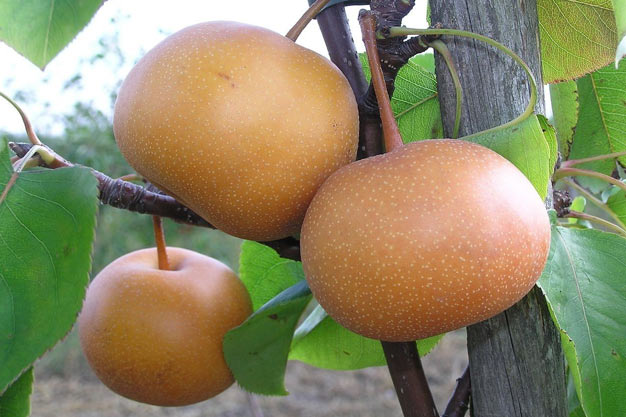
Asian Pear - 배 (Bae) is a crisp, juicy fruit tree producing round, apple-like pears with sweet flavor and refreshing texture. It thrives in ...
| Scientific Name | Pyrus pyrifolia |
| Plant Height | 8 to 12 m |
| Growing Time | About 10 to 20 years to mature tree size; grafted trees can begin fruiting in roughly 2 to 4 years. |
| Growing Location | Temperate regions; fertile, well to drained loam, sandy loam or suitable clay soils. |
| Sunlight Requirement | Full sun, preferably 6 to 8 hours daily. |
| Temperature | Approximately 15 to 27°C during active growth; winter chilling below 7°C is beneficial for flowering and fruiting. |
| Care Tips | Plant in full sun with fertile, well to drained soil. Water deeply during dry periods, mulch the root zone, prune annually, thin excess fruit, maintain airflow, and provide compatible pollinizer varieties for reliable crops. |
| Quick Summary | Asian Pear is a deciduous fruit tree valued for its round, crisp, juicy fruits. Unlike soft European pears, its fruits remain firm and apple to like when ripe. Spring brings attractive white blossoms, followed by golden to brown or greenish fruit in late summer and autumn. Trees prefer full sun, good drainage, and consistent moisture. Asian pears are commercially grown for fresh consumption, premium fruit boxes, gourmet baskets, and seasonal gifting. Their attractive appearance, excellent storage ability, and refreshing sweetness make them especially popular in Asian fruit markets. |
| Commercial & Gifting Uses | Fresh fruit sales, premium fruit baskets, Korean gift boxes, gourmet hampers, festive fruit sets, and specialty produce. |
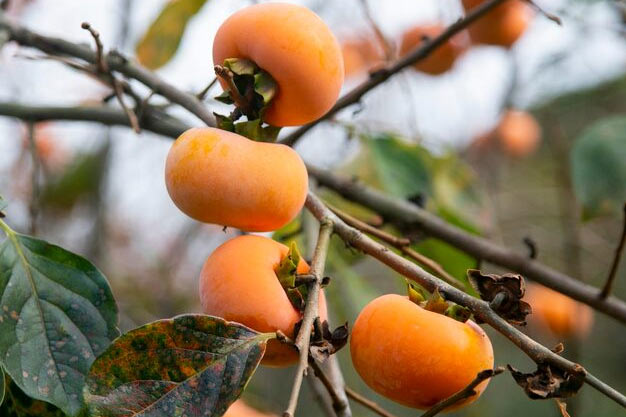
Persimmon - 감 (Gam) is an attractive deciduous fruit tree producing bright orange, sweet fruits in autumn. Its colorful fruit and foliage pr...
| Scientific Name | Diospyros kaki |
| Plant Height | 6 to 10 m commonly; larger trees can develop depending on cultivar and conditions. |
| Growing Time | Approximately 5 to 10 years for substantial production; mature tree development takes longer. |
| Growing Location | Temperate to subtropical regions with full sun and well to drained soil. |
| Sunlight Requirement | Full sun, ideally 6 to 8 hours daily. |
| Temperature | Approximately 15 to 30°C during active growth; protect young trees from severe winter cold. |
| Care Tips | Choose a sunny, sheltered site with well to drained soil. Water regularly during establishment, mulch without touching the trunk, prune lightly, remove weak branches, and protect young trees from severe frost and prolonged drought. |
| Quick Summary | Persimmon, known as Gam in Korea, is a long to lived deciduous fruit tree producing attractive orange to reddish to orange fruits. Depending on cultivar, fruits may be eaten firm or allowed to soften fully before consumption. Trees develop glossy green foliage that can turn vivid colors in autumn. Persimmons perform well in temperate to subtropical climates and prefer full sun with well to drained soil. Commercially, the fruit is sold fresh, dried, or processed. Beautiful fruit color and cultural importance make persimmon especially suitable for Korean seasonal gift boxes and premium autumn fruit hampers. |
| Commercial & Gifting Uses | Fresh persimmons, dried persimmons, Korean Chuseok gift sets, premium fruit hampers, seasonal produce boxes, and processed fruit products. |
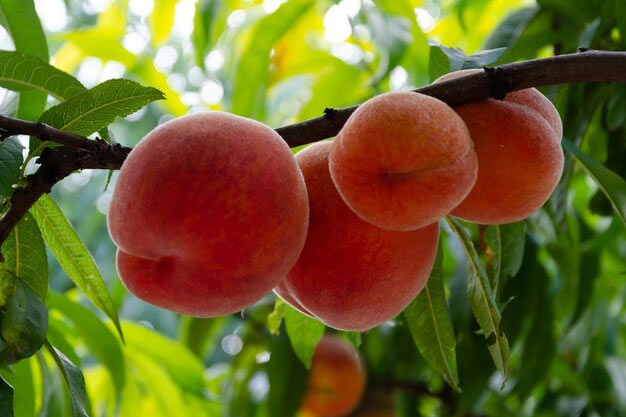
Peach - 복숭아 (Boksunga) is a fast-growing deciduous fruit tree producing fragrant spring blossoms and juicy, sweet fruits with yellow or whit...
| Scientific Name | Prunus persica |
| Plant Height | 4 to 8 m, cultivated trees are often maintained considerably smaller. |
| Growing Time | About 3 to 5 years to begin useful fruiting from grafted plants; mature trees develop over approximately 10 to 20 years. |
| Growing Location | Warm temperate regions with sunny, sheltered locations and well to drained soil. Sunlight Requirement: Full sun, ideally 6 to 8 hours daily. |
| Temperature | Approximately 18 to 30°C during active growth; winter chilling requirements vary by cultivar. |
| Care Tips | Grow peaches in full sun and well to drained soil. Water consistently during flowering and fruit development, prune annually for airflow, thin developing fruit, monitor leaf curl and pests, and protect blossoms from late frost. |
| Quick Summary | Peach is a deciduous fruit tree prized for fragrant pink spring flowers and soft, juicy fruits with characteristic fuzzy skin. Fruits may have yellow or white flesh with attractive red or pink coloration. Peaches grow best in sunny, sheltered locations with fertile, well to drained soil and suitable winter chilling. Regular pruning helps maintain productive branches and manageable tree size. Commercially, peaches are sold fresh and used in desserts, preserves, beverages, and processed foods. Their attractive appearance and association with summer abundance also make them popular in premium fruit baskets and seasonal gifts. |
| Quick Summary | Fresh peaches, fruit baskets, summer hampers, desserts, preserves, juices, and premium seasonal gift boxes. |
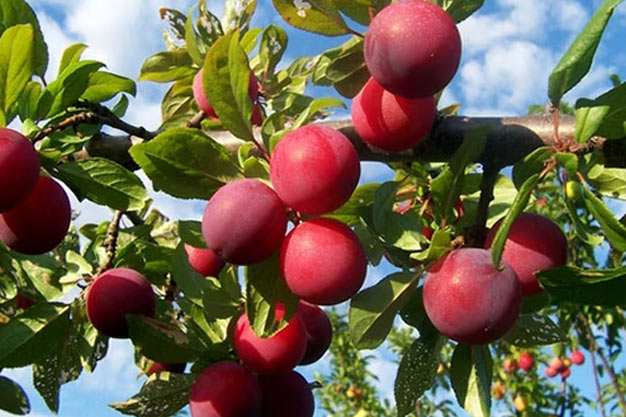
Asian Plum - 자두 (Jadu) is a productive deciduous fruit tree bearing juicy red, purple, yellow, or green plums. Its attractive spring blossom...
| Scientific Name | Prunus salicina |
| Plant Height | Approximately 2.5 to 4 m for many cultivated trees. |
| Growing Time | Around 3 to 5 years to begin fruiting; approximately 5 to 10 years to reach substantial maturity depending on cultivar. |
| Growing Location | Warm temperate regions with full sun, fertile soil, and good drainage. |
| Sunlight Requirement | Full sun, preferably 6 to 8 hours daily. |
| Temperature | Approximately 15 to 28°C during active growth; avoid frost during early flowering. |
| Care Tips | Plant in full sun with fertile, well to drained soil. Water deeply during fruit development, mulch the root area, prune after harvest, thin crowded fruits, protect early blossoms from frost, and provide suitable pollination partners. |
| Quick Summary | Japanese Plum, known as Jadu in Korea, is a productive deciduous tree valued for colorful, juicy summer fruits. Depending on cultivar, plums may have red, purple, yellow, or green skin and sweet, aromatic flesh. The tree produces attractive white blossoms in early spring and performs best in full sun with well to drained soil. Many Japanese plum cultivars benefit from cross to pollination for heavier crops. Commercially, the fruit is sold fresh and used for preserves, desserts, beverages, and processed products. Its bright appearance makes it suitable for premium fruit baskets and seasonal gifting. |
| Commercial & Gifting Uses | Fresh plums, Korean fruit gift boxes, summer hampers, preserves, desserts, beverages, and premium produce baskets. |
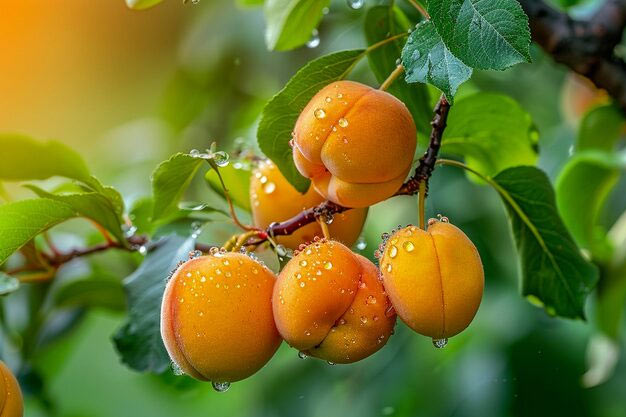
Apricot - 살구 (Salgu) is a deciduous fruit tree producing fragrant spring blossoms and golden-orange fruits with sweet, aromatic flesh. It pr...
| Scientific Name | Prunus armeniaca |
| Plant Height | 4 to 8 m |
| Growing Time | Approximately 3 to 5 years to begin meaningful fruit production; around 10 to 20 years to reach mature tree size. |
| Growing Location | Warm temperate regions, especially sunny, sheltered sites with well to drained soil. |
| Sunlight Requirement | Full sun, ideally 6 to 8 hours daily. |
| Temperature | Approximately 18 to 30°C during active growth; flowering is vulnerable to late frost. |
| Care Tips | Plant apricots in a sunny, sheltered position with excellent drainage. Water during dry spells, prune carefully, thin heavy crops, feed moderately, maintain airflow, and protect early flowers from late frost and cold winds. |
| Quick Summary | Apricot, called Salgu in Korea, is a deciduous fruit tree producing attractive yellow to orange fruits often flushed with red. White or pink to tinged flowers appear in early spring before the leaves, creating ornamental interest. Apricots need full sun, good drainage, and protection from frost because early flowers can be damaged by freezing temperatures. Regular pruning supports fruiting and keeps the canopy manageable. Commercial uses include fresh fruit, jams, dried apricots, desserts, juices, and preserves. Their warm golden color and delicate flavor make them attractive additions to premium summer fruit baskets and gourmet gift hampers. |
| Commercial & Gifting Uses | Fresh apricots, dried fruit, jams, preserves, desserts, gourmet hampers, premium fruit boxes, and summer gifts. |
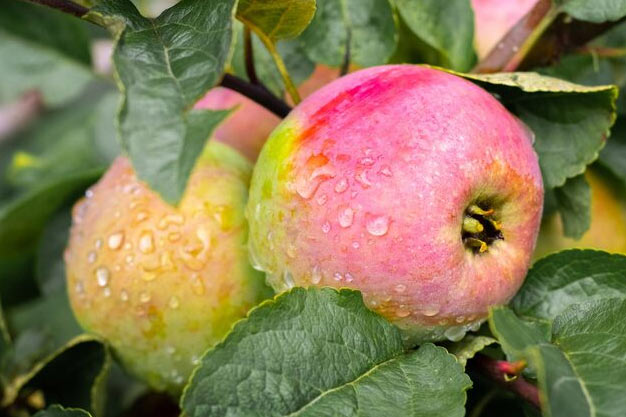
Apple - 사과 (Sagwa) is a widely cultivated deciduous fruit tree producing crisp, sweet or tart fruits in many colors and varieties. It is hig...
| Scientific Name | Malus domestica |
| Plant Height | Commonly 4 to 8 m for cultivated trees, although vigorous trees can become larger. |
| Growing Time | Approximately 3 to 5 years to begin fruiting from grafted trees; mature size and productivity vary by cultivar and rootstock. |
| Growing Location | Temperate regions with fertile, well to drained soil and adequate winter chilling. |
| Sunlight Requirement | Full sun, ideally 6 to 8 hours daily. |
| Temperature | Approximately 15 to 25°C during active growth; cultivar to specific winter chilling is required for reliable flowering. |
| Care Tips | Plant apples in full sun and well to drained fertile soil. Water consistently, mulch the root zone, prune annually, thin fruit clusters, maintain good airflow, and grow compatible cultivars nearby when cross to pollination is required. |
| Quick Summary | Apple is one of the world's most widely cultivated temperate fruit trees, producing fruits ranging from green and yellow to red and striped. Trees produce attractive white or pink spring blossoms followed by edible fruits that vary greatly in flavor, size, texture, and storage ability. Apples generally perform best in full sun with fertile, well to drained soil and adequate winter chilling. Commercial applications include fresh fruit, juice, cider, sauces, desserts, and processed foods. Their universal popularity and attractive appearance make apples excellent choices for corporate fruit baskets, festive hampers, wellness gifts, and everyday gifting. |
| Commercial & Gifting Uses | Fresh apples, corporate fruit baskets, festive hampers, healthy to food gifts, juices, cider, desserts, and premium produce boxes. |
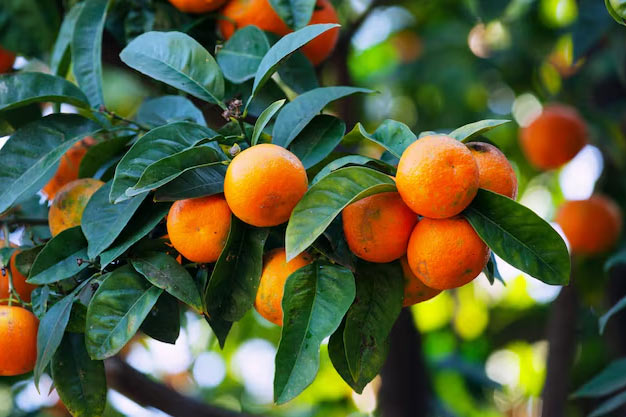
Mandarin Orange - 귤 (Gyul) is a compact evergreen citrus tree producing easy-to-peel, juicy orange fruits with a sweet aroma. Its attractive...
| Scientific Name | Citrus unshiu |
| Plant Height | Approximately 2.5 to 4 m |
| Growing Time | Around 3 to 5 years to begin fruiting from grafted plants; mature development takes longer. |
| Growing Location | Subtropical to mild temperate regions; sunny, sheltered locations with well to drained, slightly acidic soil. |
| Sunlight Requirement | Full sun, preferably 6 to 8 hours daily. |
| Temperature | Approximately 15 to 30°C for active growth; mature trees can tolerate brief cold around −10°C to −8°C depending on conditions, but protection is advisable for young trees. |
| Care Tips | Grow mandarins in full sun and well to drained soil. Water regularly without waterlogging, fertilize during active growth, mulch carefully, protect young trees from freezing temperatures, and prune lightly to maintain airflow and shape. |
| Quick Summary | Mandarin Orange, commonly known as Satsuma Mandarin, is a compact evergreen citrus tree valued for sweet, juicy, easy to to to peel fruits. It produces fragrant white flowers in spring followed by flattened orange fruits that mature during autumn and winter. Satsumas are among the more cold to tolerant commercially important citrus types, although young trees still require protection from severe freezes. They prefer full sun, well to drained soil, and consistent moisture. Commercially, mandarins are sold fresh and used in juices, desserts, fruit boxes, and festive hampers, making them particularly popular for Korean seasonal and holiday gifting. |
| Commercial & Gifting Uses | Fresh mandarins, Korean winter fruit boxes, Chuseok gifts, Lunar New Year hampers, festive baskets, juices, desserts, and citrus gift sets. |
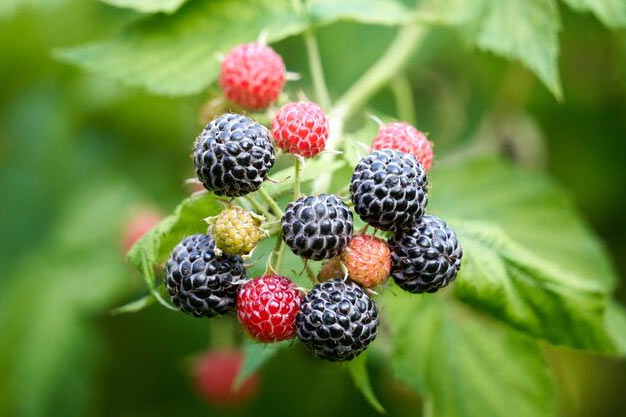
Korean Raspberry - 복분자 (Bokbunja) is a vigorous bramble producing small, flavorful berries that mature from red to dark purple-black. Native...
| Scientific Name | Rubus coreanus |
| Plant Height | Approximately 1.5 to 3 m, depending on cultivar and training. |
| Growing Time | Usually begins meaningful fruit production about 1 to 2 years after establishment; mature canes follow a biennial fruiting cycle. |
| Growing Location | Temperate regions of Korea and neighboring East Asia, fertile, well to drained loamy soil. |
| Sunlight Requirement | Full sun to partial shade; full sun produces the best fruit crop. |
| Temperature | Approximately 15 to 25°C during active growth; winter dormancy and cold tolerance vary with site and cultivar. |
| Care Tips | Plant in fertile, well to drained soil with good air circulation. Provide full sun, regular moisture, and sturdy support, prune fruiting canes after harvest, remove weak growth, and mulch roots to conserve moisture. |
| Quick Summary | Korean Raspberry is a deciduous bramble native to Korea and parts of China. It produces vigorous canes and small berries that change from red toward dark purple to black as they mature. Plants prefer fertile, well to drained soil, good air circulation, and sunny conditions, although they can tolerate partial shade. Its perennial root system produces biennial fruiting canes, with older canes dying after fruiting. Korean raspberry is commercially associated with fresh berries, juices, fermented products, extracts, and traditional Korean beverages. Attractive berry color and cultural significance also support specialty food baskets and regional gifting. |
| Commercial & Gifting Uses | Fresh berries, traditional Korean berry products, beverages, syrups, jams, specialty hampers, gourmet food baskets, and regional gift sets. |
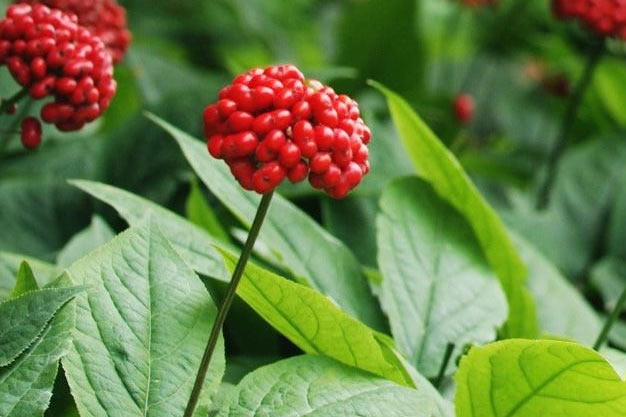
Korean Ginseng - 인삼 (Insam) is a slow-growing perennial prized for its fleshy aromatic roots. Native to East Asia, it prefers cool, shaded c...
| Scientific Name | Panax ginseng |
| Plant Height | 30 to 60 cm |
| Growing Time | Approximately 4 to 6 years for mature roots suitable for commercial harvest. |
| Growing Location | Cool, temperate forests and shaded cultivated fields of Korea and northeastern China, fertile, well to drained soils. |
| Sunlight Requirement | Partial shade to deep filtered shade; generally around 70 to 80% shade. |
| Temperature | Approximately 15 to 25°C during active growth; cool winters are important for dormancy. |
| Care Tips | Grow ginseng in deep, fertile, well to drained soil under filtered shade. Maintain even moisture without waterlogging, mulch lightly, control weeds carefully, provide good drainage, and avoid disturbing roots during cultivation and harvest. |
| Quick Summary | Korean Ginseng is a long to lived herbaceous perennial traditionally cultivated in Korea and northeastern Asia. Its most valuable part is the distinctive branched root, which develops slowly over several years. Plants prefer cool conditions, rich well to drained soil, and substantial shade resembling woodland environments. Ginseng is one of Korea's most culturally significant traditional crops and is widely processed into dried roots, extracts, teas, beverages, supplements, and food products. Premium ginseng roots are also strongly associated with Korean ceremonial, health to oriented, corporate, and holiday gifting, particularly in beautifully packaged specialty gift sets. |
| Commercial & Gifting Uses | Dried ginseng roots, red ginseng products, extracts, teas, beverages, wellness products, premium Korean gift boxes, corporate gifts, and holiday hampers. |
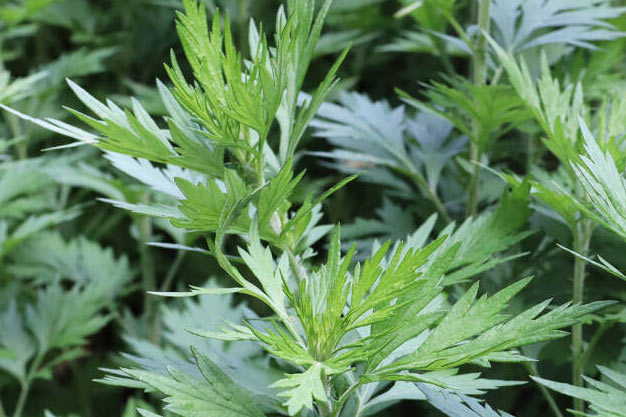
Mugwort - 쑥 (Ssuk) is a hardy aromatic perennial with silver-green foliage and a distinctive herbal fragrance. Widely associated with Korean...
| Scientific Name | Artemisia princeps |
| Plant Height | 50 to 120 cm |
| Growing Time | Approximately 2 to 4 months for substantial vegetative growth; perennial plants return annually. |
| Growing Location | Temperate East Asia, including Korea; adaptable to fields, roadsides, gardens, and well to drained cultivated soils. |
| Sunlight Requirement | Full sun to partial shade. |
| Temperature | For growing temperature approximately 15 to 28°C during active growth. |
| Care Tips | Plant mugwort in well to drained soil with full sun or partial shade. Water moderately, avoid prolonged wetness, divide crowded plants periodically, remove unwanted spread, and harvest young shoots before flowering for culinary use. |
| Quick Summary | Mugwort, called Ssuk in Korea, is a vigorous aromatic perennial herb recognized by its green upper leaves and silvery undersides. It grows readily in temperate conditions and tolerates a range of soils once established. Young leaves and shoots have long been incorporated into Korean culinary traditions, while the plant is also associated with traditional herbal practices. Commercial applications include dried herbs, teas, extracts, culinary ingredients, personal to care products, and traditional preparations. Its strong cultural connection to Korea makes packaged mugwort products suitable for traditional to food hampers, wellness collections, and regional specialty gifts. |
| Commercial & Gifting Uses | Mugwort tea, dried mugwort, Korean rice cakes, herbal products, extracts, cosmetics, traditional food hampers, and Korean specialty gift sets. |
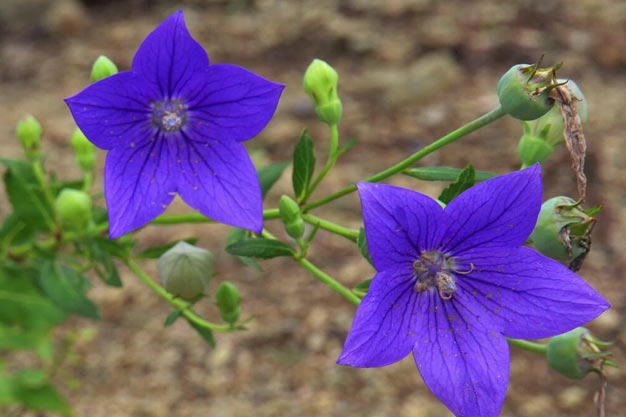
Balloon Flower - 도라지 (Doraji) is a Korean perennial herb recognized for inflated flower buds and star-shaped blue, violet, pink, or white fl...
| Scientific Name | Platycodon grandiflorus |
| Plant Height | 30 to 90 cm |
| Growing Time | Approximately 1 to 2 years for established roots; commercial root production commonly requires longer cultivation. |
| Growing Location | Korea, China, Japan, and eastern Russia; sunny meadows, woodland margins, and cultivated well to drained soils. |
| Sunlight Requirement | Full sun to partial shade. |
| Temperature | For growing temperature approximately 15 to 25°C during active growth. |
| Care Tips | Grow balloon flower in fertile, well to drained soil with full sun or light shade. Water consistently during establishment, avoid standing water, remove spent flowers, support tall stems if needed, and minimize root disturbance. |
| Quick Summary | Balloon Flower, known as Doraji in Korea, is an herbaceous perennial famous for its inflated flower buds that open into attractive star to shaped flowers. Blue to violet is the most familiar color, although pink and white forms also occur. Beneath the plant develops a thick edible root traditionally used in Korean cuisine and herbal preparations. Plants prefer sunny or lightly shaded locations and well to drained soil. Commercially, Doraji roots are sold fresh, dried, seasoned, or processed. The plant's attractive flowers also make it suitable for ornamental gardening and specialty Korean to themed food and wellness gifts. |
| Commercial & Gifting Uses | Fresh and dried Doraji roots, Korean side dishes, traditional foods, herbal preparations, teas, ornamental plants, and Korean specialty hampers. |
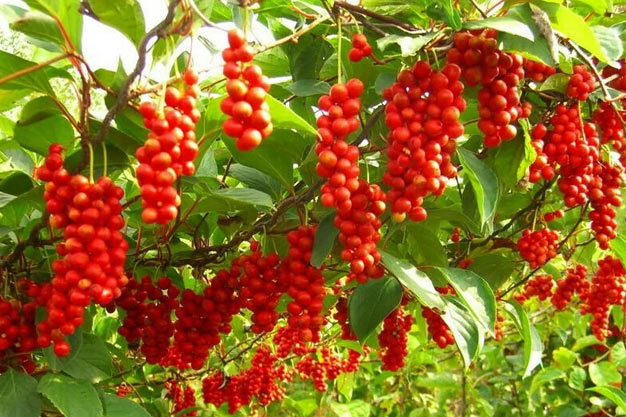
Five-Flavor Berry - 오미자 (Omija) is a woody climbing vine producing clusters of bright red berries traditionally called the five-flavor fruit...
| Scientific Name | Schisandra chinensis |
| Plant Height | 5 to 10 m as a climbing vine |
| Growing Time | Approximately 3 to 5 years to begin significant fruiting under favorable cultivation. |
| Growing Location | Cool temperate forests of Korea, China, Russia, and Japan; fertile, moist, well to drained woodland to type soils. |
| Sunlight Requirement | Partial shade to filtered sunlight; morning sun is beneficial. |
| Temperature | Temperature for plant growing approximately 15 to 25°C during active growth, winter dormancy supports the perennial vine. |
| Care Tips | Provide Schisandra with fertile, moist but well to drained soil and partial shade. Install sturdy support for climbing stems, water consistently, mulch the root area, prune selectively, and protect young plants from prolonged drought. |
| Quick Summary | Schisandra, known as Omija in Korea, is a deciduous woody vine producing attractive clusters of bright red berries. The Korean name refers to the fruit's traditional association with five basic taste sensations. Plants naturally grow in woodland environments and prefer moist, fertile, well to drained soil with partial shade. Support structures allow the vines to climb and improve fruit production and harvesting. Commercially, Omija is used for teas, syrups, beverages, extracts, preserves, and traditional preparations. Its distinctive Korean identity and colorful berries make Omija products especially appealing for gourmet, wellness, and cultural gift hampers. |
| Commercial & Gifting Uses | Omija tea, syrups, traditional beverages, extracts, preserves, dried berries, Korean wellness products, gourmet hampers, and specialty gift sets. |
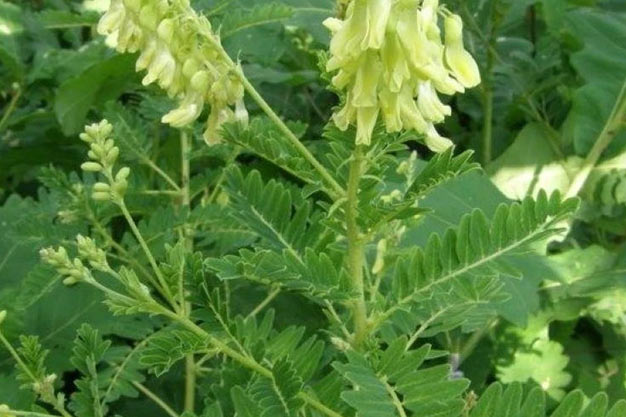
Astragalus - 황기 (Hwanggi) is a hardy perennial traditionally cultivated for its long yellowish roots. Known as Hwanggi in Korea, it prefers ...
| Scientific Name | Astragalus membranaceus |
| Plant Height | 30 to 80 cm |
| Growing Time | Approximately 2 to 4 years for well to developed roots, depending on cultivation objectives. |
| Growing Location | Northeast China, Mongolia, Siberia, and Korea; sunny temperate locations with loose, well to drained soil. |
| Sunlight Requirement | Full sunlight. |
| Temperature | Temperature for plant growing approximately 15 to 25°C during active growth. |
| Care Tips | Grow Astragalus in loose, fertile, well to drained soil under full sun. Water moderately during establishment, avoid waterlogged conditions, control weeds, allow sufficient root development, and harvest carefully to minimize root damage. |
| Quick Summary | Astragalus, known as Hwanggi in Korea, is a herbaceous perennial traditionally cultivated primarily for its long, yellowish root. It produces upright stems with compound leaves and small yellowish flowers. The plant prefers sunny conditions and loose, well to drained soils that allow roots to develop freely. Commercial cultivation focuses mainly on the roots, which are dried and processed into traditional herbal products, teas, extracts, and other preparations. Hwanggi has a long association with Korean traditional culture, making dried to root packages, herbal teas, and wellness to oriented gift sets popular specialty products. |
| Commercial & Gifting Uses | Dried roots, herbal teas, extracts, traditional preparations, wellness products, Korean herbal hampers, and specialty gift packages. |
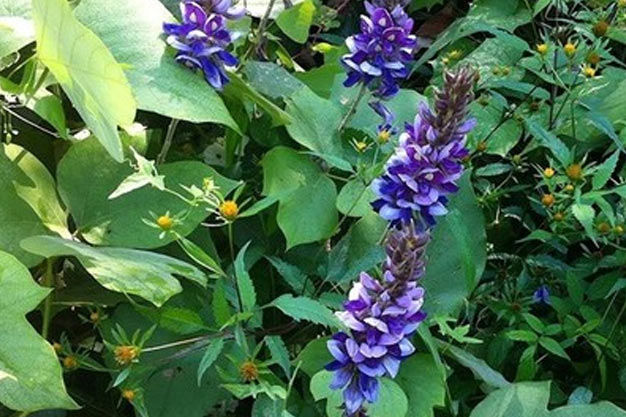
Kudzu - 칡 (Chik) is a vigorous perennial climbing vine with large trifoliate leaves, purple flowers, and substantial underground roots. In K...
| Scientific Name | Pueraria lobata |
| Plant Height | Vines commonly reach 10 to 30 m in length. |
| Growing Time | Rapid growth during the warm season; established plants can spread substantially within one growing season. |
| Growing Location | East Asia, including Korea, China, and Japan; woodland edges, hillsides, fields, and disturbed areas. |
| Sunlight Requirement | Full sunlight to partial shade. |
| Temperature | Temperature for plant growing approximately 20 to 30°C during vigorous growth. |
| Care Tips | Provide strong support and fertile, well to drained soil, with full sun for vigorous growth. Water during dry periods, manage spreading stems carefully, prune unwanted growth, and prevent the vine from invading surrounding plants. |
| Quick Summary | Kudzu, called Chik in Korea, is a vigorous perennial vine with large three to lobed leaves, purple flowers, and extensive underground roots. It grows rapidly in warm conditions and can climb trees, fences, and other structures. In its native East Asian range, kudzu has long been associated with food and traditional uses, particularly its starchy roots. Commercial products include kudzu starch, traditional foods, beverages, and herbal preparations. Because the vine is exceptionally vigorous, cultivation requires careful management. Korean kudzu products can also be presented in traditional to food, regional specialty, and wellness to themed gift collections. |
| Commercial & Gifting Uses | Kudzu starch, traditional foods, beverages, herbal products, extracts, Korean specialty foods, traditional gift boxes, and wellness hampers. |
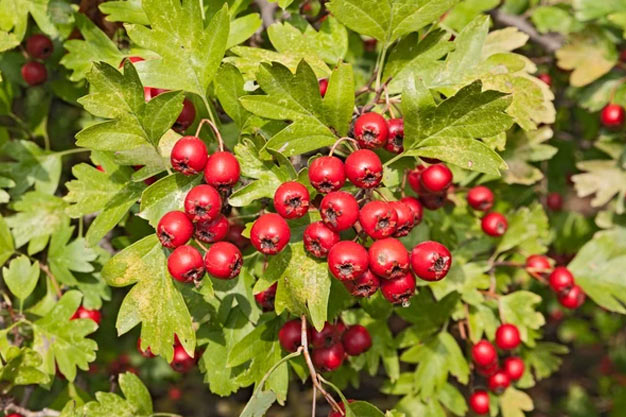
Chinese Hawthorn - 산사나무 (Sansasnamu) is a deciduous tree with white spring flowers, lobed leaves, and bright red autumn fruits. Known as San...
| Scientific Name | Crataegus pinnatifida |
| Plant Height | 4 to 10 m |
| Growing Time | Approximately 4 to 7 years to begin significant fruiting, depending on cultivar and growing conditions. |
| Growing Location | Korea and northern China; woodland margins, hillsides, open landscapes, and cultivated temperate gardens. |
| Sunlight Requirement | Full sun to partial shade; full sun supports better flowering and fruiting. |
| Temperature | Temperature for plant growing approximately 15 to 25°C during active growth. |
| Care Tips | Plant hawthorn in fertile, well to drained soil with full sun. Water young trees regularly, prune to maintain structure and airflow, remove damaged branches, mulch the root zone, and monitor common pests and diseases. |
| Quick Summary | Chinese Hawthorn, called Sansasnamu in Korea, is a deciduous small tree producing deeply lobed leaves, clusters of white flowers, and attractive red fruits. The fruits mature in autumn and have long been used in traditional East Asian food and herbal preparations. Trees tolerate a range of conditions but perform best in sunny sites with well to drained soil. Commercial uses include fresh or dried fruit, preserves, traditional snacks, beverages, and processed products. Its attractive spring flowers and colorful autumn fruit also provide ornamental value, while Korean specialty products make distinctive traditional and seasonal gifts. |
| Commercial & Gifting Uses | Dried hawthorn fruit, traditional snacks, preserves, beverages, herbal products, specialty Korean foods, autumn gift hampers, and traditional gift sets. |
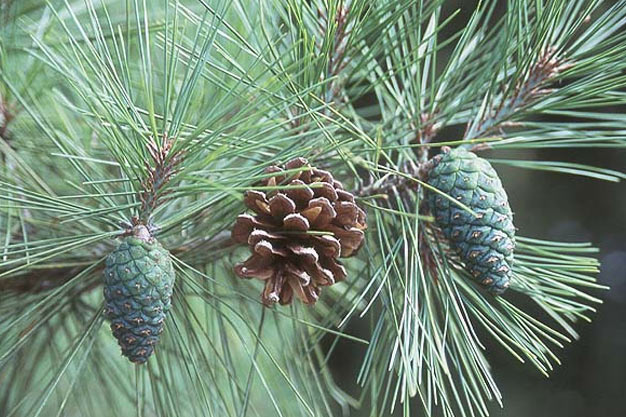
Korean Red Pine - 소나무 (Sonamu) is a graceful evergreen conifer recognized for reddish-brown bark, soft green needles and a broad, artistic c...
| Scientific Name | Pinus densiflora |
| Plant Height | 20 to 35 m (65 to 115 ft) in natural conditions; cultivated trees are often smaller |
| Growing Time | Approximately 20 to 50 years to mature landscape size |
| Growing Location | Korea, Japan, northeastern China and southeastern Russia; sunny gardens, parks, mountains and well to drained landscapes |
| Sunlight Requirement | Full sunlight, preferably 6 hours daily |
| Temperature | Temperature for plant growing approximately to 25°C to 30°C, performs best in cool to temperate climates |
| Care Tips | Korean Red Pine needs full sun, excellent drainage, and moderate watering during establishment. Avoid waterlogged soil, prune lightly to preserve its natural form, mulch the root zone, and fertilize sparingly during active seasonal growth periods. |
| Quick Summary | Korean Red Pine is a graceful evergreen native to Korea, valued for its reddish to brown bark, soft green needles, and broad sculptural crown. It is widely planted in traditional Korean landscapes, parks, gardens, roadsides, and restoration. The species tolerates exposed sites when drainage is good and develops an attractive mature form with age. Commercially, it is supplied as landscape trees, specimen plants, bonsai material, and nursery stock. For gifting, potted specimens and bonsai to style plants are suitable for housewarming, corporate gifts, anniversaries, and nature to themed gifts because of their longevity and cultural significance. |
| Commercial & Gifting Uses | Landscape specimen tree, parks, roadside planting, bonsai, nursery trees, reforestation, timber and traditional Korean gardens. Bonsai gifts, housewarming, corporate gifts, anniversary gifts, premium plant hampers and nature to themed gifts. |
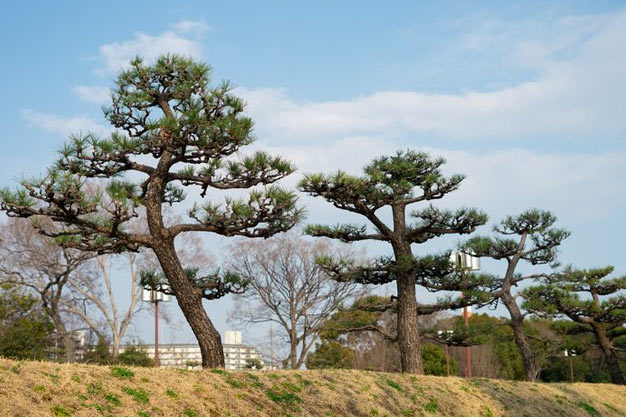
Black Pine - 곰솔 (Gomsol) is a rugged evergreen conifer with dark bark, long needles and strong branching. Native to coastal Korea and Japan,...
| Scientific Name | Pinus thunbergii |
| Plant Height | Commonly 15 to 25 m, can reach about 40 m in favorable natural conditions |
| Growing Time | Approximately 20 to 50 years to mature landscape size |
| Growing Location | Coastal Korea and Japan; gardens, parks, seaside landscapes, windbreaks and bonsai collections |
| Sunlight Requirement | Full sunlight |
| Temperature | Temperature for plant growing approximately 25°C to 30°C; particularly suitable for temperate climates |
| Care Tips | Black Pine prefers full sun, sharply drained soil, and moderate watering while young. Allow the surface to dry slightly between watering, remove dead branches, prune selectively for shape, and protect young roots from prolonged drought. |
| Quick Summary | Black Pine is a hardy evergreen conifer recognized by its dark bark, long needles, and rugged branching structure. Native to coastal Japan and South Korea, it performs particularly well in sunny, exposed landscapes and tolerates salt, wind, and difficult coastal conditions. Its strong architectural form makes it valuable for parks, gardens, streetscapes, windbreaks, and bonsai. Commercially, it is sold as ornamental landscape trees, trained specimens, bonsai plants, and nursery stock. For gifting, potted black pine specimens and bonsai forms are excellent choices for housewarming, corporate, anniversary, and traditional Asian to themed gifts. |
| Commercial & Gifting Uses | Coastal landscaping, specimen trees, parks, windbreaks, bonsai, ornamental nursery trees and trained landscape specimens. Bonsai gifts, housewarming gifts, corporate gifts, anniversary gifts, premium garden plants and traditional Asian to style gifts |
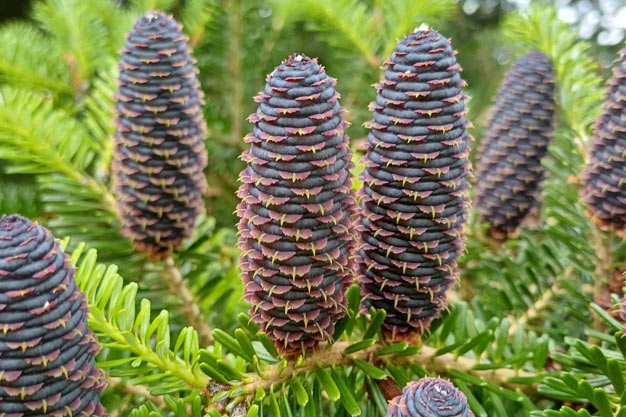
Korean Fir - 구상나무 (Gusangnamu) is a compact evergreen conifer admired for its symmetrical conical shape, silvery needle undersides and strik...
| Scientific Name | Abies koreana |
| Plant Height | Approximately 8 to 12 m (26 to 39 ft) in cultivation; can reach around 10 to 15 m or more in favorable conditions |
| Growing Time | Approximately 20 to 50 years to mature |
| Growing Location | Cool mountain regions of South Korea and North Korea, especially high to elevation forests; temperate gardens |
| Sunlight Requirement | Full sunlight to light/partial shade |
| Temperature | Temperature for plant growing approximately to 25°C to 25°C, prefers cool summers and cold winters |
| Care Tips | Korean Fir prefers cool conditions, full sun to light shade, moist but well to drained acidic soil, and consistent watering. Avoid heat stress, improve drainage, mulch shallow roots, and protect young plants from prolonged summer dryness carefully. |
| Quick Summary | Korean Fir is a compact, elegant evergreen conifer prized for its symmetrical conical shape, silvery needle undersides, and distinctive upright blue to purple cones. Native to cool mountain environments of Korea, it prefers moist, well to drained soil and summer conditions in temperate gardens. It is widely used as a specimen tree in gardens, parks, rockeries, and premium landscape plantings. Commercially, Korean fir is offered as nursery trees, container plants, dwarf cultivars, and seasonal decorative conifers and displays. For gifting, young potted plants are attractive choices for Christmas, housewarming, corporate gifts, anniversaries, and nature to inspired celebrations. |
| Commercial & Gifting Uses | Ornamental specimen trees, premium landscaping, parks, container plants, dwarf cultivars, Christmas decoration and seasonal displays. Christmas plants, premium potted plants, housewarming gifts, corporate gifts, anniversary gifts and ornamental garden gifts |
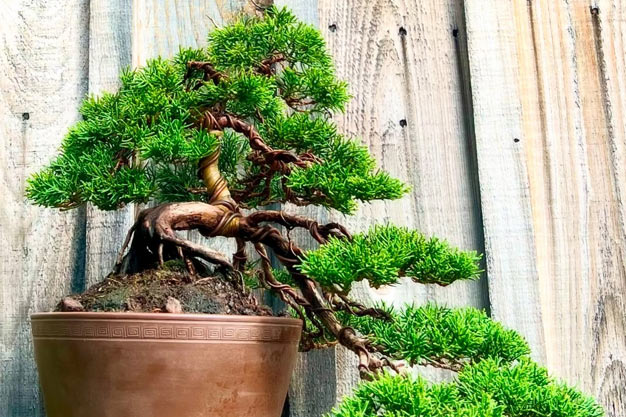
Chinese Juniper - 향나무 (Hyangnamu) is a versatile evergreen conifer available in upright, spreading and shrub-like forms. Its dense foliage, ...
| Scientific Name | Juniperus chinensis |
| Plant Height | Approximately 5 to 18 m depending on cultivar; some forms can reach 15 to 18 m or more |
| Growing Time | Approximately 15 to 30 years to mature landscape size, depending on cultivar and conditions |
| Growing Location | China, Mongolia, Japan, Korea and parts of the Himalayas; gardens, parks, hedges, rockeries and bonsai collections |
| Sunlight Requirement | Full sunlight tolerates partial shade |
| Temperature | Temperature for plant growing approximately to 30°C to 30°C, adaptable to a wide range of temperate climates |
| Care Tips | Chinese Juniper grows best in full sun and well to drained soil. Water regularly until established, then reduce irrigation, avoid constantly wet roots, prune lightly for shape, remove dead growth, and apply balanced fertilizer sparingly annually thereafter. |
| Quick Summary | Chinese Juniper is a versatile evergreen conifer with dense foliage and numerous forms ranging from low shrubs to upright trees. Native across eastern Asia, it adapts to many well to drained soils and tolerates drought after establishment. Its year to round foliage and sculptural habit make it useful for hedges, screens, specimen planting, rock gardens, parks, topiary, and bonsai. Commercially, cultivars are widely sold as landscape shrubs, trained trees, bonsai, and container plants. For gifting, compact Chinese junipers are practical choices for housewarming, office desks, corporate occasions, birthdays, and bonsai enthusiasts seeking easy to care evergreens. |
| Commercial & Gifting Uses | Hedges, screens, specimen trees, parks, rock gardens, topiary, bonsai, container plants and ornamental landscaping. Bonsai, housewarming gifts, office plants, corporate gifts, birthdays, anniversary gifts and long to lasting ornamental plant hampers. |
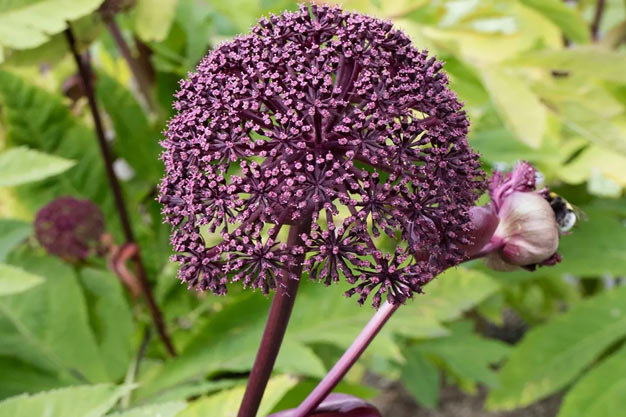
Korean Angelica Root - 참당귀 (Cham-danggui) is a tall Korean medicinal herb valued for its aromatic roots and attractive purple flower cluster...
| Scientific Name | Angelica gigas |
| Plant Height | Approximately 1 to 2 m (3 to 6.5 ft) |
| Growing Time | Usually 2 to 3 years for substantial root development; commonly harvested after 2 years |
| Growing Location | Korea; cool, moist mountain areas, woodland margins, herb gardens and cultivated medicinal to plant fields |
| Sunlight Requirement | Full sunlight to partial shade; protection from intense afternoon heat is beneficial |
| Temperature | Temperature for plant growing approximately 10 to 25°C; prefers cool growing conditions |
| Care Tips | Grow Korean Angelica in moist, fertile, well to drained soil with partial shade or gentle sunlight. Maintain consistent moisture, provide good air circulation, remove competing weeds, and avoid prolonged heat, drought, or waterlogged conditions. |
| Quick Summary | Korean Angelica Root, scientifically known as Angelica gigas, is a large perennial herb native to Korea and traditionally valued for its aromatic root. The plant develops tall stems, divided foliage and distinctive dark purple flower clusters. It naturally favors cool, moist mountain environments and is cultivated as an important medicinal herb. Commercially, the dried root is commonly processed for traditional herbal preparations, teas, extracts and specialty botanical products. For gifting, dried Korean Angelica Root can be included in Korean herbal gift boxes, traditional wellness hampers and cultural botanical collections, particularly for recipients interested in Korean herbal traditions. |
| Commercial & Gifting Uses | Traditional herbal products, dried medicinal roots, herbal teas, botanical extracts, functional to food ingredients, cultivated medicinal crops and specialty herbal preparations. Dried to root gift sets, Korean herbal gift boxes, traditional wellness to themed hampers, botanical gifts and specialty Korean cultural gift packages. |

Plants have long been connected with Korean food, agriculture, traditional practices, landscapes and seasonal celebrations. Some varieties are grown commercially on a large scale, while others are cultivated in home gardens, orchards or specialist collections.
The country's native plant heritage is also receiving greater international recognition. The Korea National Arboretum has worked to establish and promote English names for Korean native plants, helping distinguish plants closely connected with the Korean Peninsula and its cultural history.
One notable example is the Korean red pine, scientifically known as Pinus densiflora. It has a particularly strong association with the Korean landscape and culture and has been officially recognised internationally under the name "Korean red pine.
This combination of natural diversity and cultural importance makes Korean plants interesting not only for gardeners, but also for people looking for gifts with a stronger connection to Korean heritage.
Fruit trees are among the most practical plants featured in the South Korean plant collection. Unlike purely ornamental plants, they can provide attractive blossoms, foliage and eventually edible fruit when grown under suitable conditions.
Asian Pear, for example, produces crisp, juicy fruit and is an important fruit-tree choice in Asian markets. Persimmon adds seasonal colour with its bright orange fruit, while peach, plum, apricot and apple trees combine attractive spring blossoms with summer or autumn harvests.
Mandarin Orange provides another interesting option, particularly for suitable mild climates. Its evergreen foliage, fragrant flowers and orange fruit give it both ornamental and productive value.
Fruit trees can therefore be considered for home orchards, larger gardens, community growing spaces and gardeners who enjoy harvesting their own produce.
They can also have commercial gifting potential. Fresh fruit from these trees is commonly associated with premium produce boxes, seasonal hampers and celebratory food gifts, making fruit-tree varieties particularly relevant to the broader concept of Korean plant and food gifting.
Korean fruit trees offer several advantages beyond their eventual harvest. Many produce attractive flowers in spring, creating ornamental interest before the fruit develops. During the growing season, the foliage provides greenery, while colourful fruit can create another seasonal highlight.
For example, an Asian Pear tree can become a productive feature in a suitable garden, while a Persimmon tree can provide attractive autumn colour and fruit. Peach and Apricot trees are also valued for their delicate blossoms as well as their edible produce.
However, fruit trees require more planning than a small decorative plant. Their mature size, sunlight requirements, soil conditions, pollination needs and local climate should all be considered before planting.
For online plant shoppers, checking these requirements before purchasing is especially important because a young nursery tree may look small when delivered but eventually require considerably more space.
Some South Korean plants are valued not simply because they look attractive, but because they have a long relationship with Korean food, traditional culture and everyday life.
Korean Ginseng is one of the best-known examples. Panax ginseng is a slow-growing perennial whose distinctive root has been cultivated in Korea for generations. It prefers cool conditions, fertile soil and substantial shade, and commercially mature roots generally require several years of cultivation.
Ginseng also has an important place in Korean gifting culture. Processed ginseng and red ginseng products are widely associated with premium, health-oriented and ceremonial gift sets.
Other plants on the South Korean collection, including Mugwort, Balloon Flower, Omija, Astragalus and Korean Angelica, reflect the country's long-standing relationship with useful and traditional plants.
These plants are particularly interesting when exploring Korean botanical heritage, although traditional use should not be confused with medical advice or a guarantee of health benefits.
South Korea's plant diversity also includes trees valued primarily for their appearance, structure and role in the landscape. Evergreen conifers are especially important because they can provide year-round greenery and strong architectural form.
Korean Red Pine is one of the most culturally significant trees associated with Korea. Its distinctive form and historical relationship with Korean landscapes give it an importance that goes beyond ordinary ornamental planting.
Black Pine, Korean Fir and Chinese Juniper provide other options for landscape planting and specialist gardening. Depending on the species and cultivar, these plants may be used as garden specimens, structural evergreens, screening plants or bonsai subjects.
When selecting an ornamental tree, however, gardeners should always consider eventual height and spread. A tree that looks perfect in a small nursery container may eventually require a much larger planting area.
Not every plant associated with South Korea is exclusive to the Korean Peninsula. Some plants are cultivated internationally but have become strongly connected with Korean agriculture, food or gardening.
Others are native species with a much more specific natural distribution. Understanding this difference can make plant selection more informative and can help gardeners choose species that fit the purpose of their garden.
Native plants can be particularly appealing for biodiversity-focused landscapes and people interested in regional botanical heritage. Cultivated fruit trees may be better suited to gardeners looking for edible harvests, while ornamental trees can be chosen primarily for landscape design.
There is no universally "best" type of Korean plant. The right choice depends on the available space, climate, soil, sunlight and the gardener's objectives.
Plants can be incorporated into many different living environments. A large garden may accommodate fruit trees or ornamental conifers, while a balcony or terrace may require compact plants grown in containers.
Fruit trees such as Mandarin Orange can be suitable for selected container-growing situations when an appropriate cultivar and pot size are used. Smaller specialty plants can also be easier to manage in limited spaces.
For larger properties, trees such as Korean Red Pine, Korean Fir or other landscape species can create a strong long-term garden structure.
Before purchasing any plant for a home, consider sunlight, mature size, drainage, watering needs, winter conditions and available planting space. These factors are often more important than the plant's appearance at the time of purchase.
A plant can be a more lasting alternative to a traditional gift. While cut flowers provide immediate beauty, a suitable living plant can continue growing and become part of the recipient's home, balcony or garden.
Fruit trees can be particularly meaningful gifts for gardening enthusiasts because they combine ornamental value with the possibility of future harvests. A small ornamental plant may be more suitable for someone living in an apartment, while a larger tree could be appropriate for a homeowner with a spacious garden.
Plants can also work well for housewarming, birthdays, anniversaries, corporate occasions, gardening milestones and seasonal celebrations.
For culturally meaningful gifting, plants or plant-based products associated with Korea can offer an additional connection to the recipient's interests and traditions.
Online shopping makes it easier to explore different plant varieties without visiting multiple nurseries. It can be particularly useful when looking for specialty plants, fruit trees, Korean botanical varieties or plant-based gifts.
Before ordering, however, read the product information carefully. A good plant listing should provide useful details such as the plant's scientific name, approximate mature size, sunlight requirements, growing environment and basic care information.
For fruit trees, also check expected fruiting time, pollination requirements and whether the variety is appropriate for the local climate. For ornamental trees, pay particular attention to mature height and spread.
For traditional plants such as ginseng or other herbs, distinguish between a living plant and a processed food or herbal product. These are different types of purchases and may have different cultivation, storage and usage considerations.
The ideal plant depends on what you want it to achieve. A productive fruit tree may be perfect for an orchard gardener, while an evergreen ornamental tree may suit someone designing a year-round landscape.
South Korean plants tell many different stories. Fruit trees reflect the country's agricultural traditions, ginseng represents an important part of Korean heritage, and native trees such as Korean Red Pine are deeply connected with the country's landscapes and cultural identity.
For gardeners, these plants offer opportunities to grow something productive, decorative or botanically interesting. For gift buyers, they provide alternatives to ordinary presents and can create a connection with Korean nature, food and traditions.
Whether you are searching for an edible fruit tree, an ornamental evergreen, a traditional Korean plant or a distinctive living gift, understanding the plant before buying it will help you make a more suitable choice.
South Korea has a rich tradition of growing fruit trees, with orchards and home gardens producing a wide range of seasonal fruits. The country's changing seasons allow many deciduous fruit trees to experience winter dormancy, spring flowering and summer or autumn fruit development.
Fruit trees can be attractive additions to a garden even before they produce fruit. Spring blossoms provide seasonal colour, green foliage creates structure during summer, and ripening fruit can add another layer of visual interest later in the year.
Among the fruit-bearing plants associated with South Korea are Asian Pear, Persimmon, Peach, Asian Plum, Apricot, Apple, Mandarin Orange and Korean Raspberry. Each has different growing requirements, making it important to select plants according to the available space and local conditions.
Asian Pear (Pyrus pyrifolia) is one of the most recognisable fruit trees associated with East Asian horticulture. Unlike soft European pears, Asian pears are typically round, crisp and juicy, with a refreshing texture that makes them popular as fresh fruit.
The tree is deciduous and produces attractive flowers in spring before developing fruit during the growing season. With suitable care, a mature tree can become both a productive orchard plant and an attractive feature in a larger garden.
Asian Pear generally benefits from full sunlight, fertile soil and good drainage. Regular moisture is particularly important during periods of fruit development, although waterlogged soil should be avoided.
Gardeners should also consider the eventual size of the tree and whether the selected variety requires cross-pollination with another compatible pear variety.
An Asian Pear tree can be an excellent long-term gift for someone who has an orchard, large garden or strong interest in edible gardening. Unlike a bouquet, the gift has the potential to produce fruit for years when planted and maintained appropriately.
Persimmon (Diospyros kaki) is a popular fruit tree valued for its attractive orange fruit and strong seasonal character. It can be particularly appealing in autumn, when the colourful fruit stands out against the tree's foliage.
Persimmon trees generally prefer a sunny location and fertile, well-drained soil. Good sunlight is important for healthy growth and fruit development, while young trees benefit from consistent watering as they become established.
One of the advantages of Persimmon is that it can combine productive gardening with ornamental value. The tree's seasonal transformation can make it an attractive addition to an orchard-style landscape.
Because Persimmon trees can become substantial plants, they should be given adequate room for their mature canopy. Container cultivation is possible for some suitable cultivars, but the container must be sufficiently large and provide excellent drainage.
A Persimmon tree can be a thoughtful gift for gardeners who appreciate seasonal fruit and long-term plants. It can also be considered for housewarming or garden-establishment gifts when the recipient has appropriate outdoor space.
Peach (Prunus persica) is valued for both its attractive spring flowers and sweet summer fruit. Its flowering period can add considerable colour to an orchard or home garden before the fruit begins to develop.
Peach trees require a sunny growing position and well-drained soil. Good air circulation can also be beneficial, particularly in areas where humid conditions may encourage fungal problems.
Regular watering is important while the tree is actively growing, particularly during flowering and fruit development. At the same time, excessive standing water around the roots should be avoided.
Pruning is an important part of peach-tree management. A suitable pruning approach can help maintain the tree's shape and improve light penetration into the canopy.
A young Peach tree can be an appealing present for an experienced gardener because it offers both decorative spring flowers and the possibility of a future fruit harvest.
Asian Plum (Prunus salicina) is another useful deciduous fruit tree for gardeners interested in growing their own produce. It produces attractive spring blossoms followed by plums that can vary in colour depending on the cultivar.
Asian Plum generally prefers full sunlight, fertile soil and good drainage. As with other fruit trees, the planting site should be chosen with the mature tree's eventual size in mind.
Some plum varieties benefit from another compatible variety nearby for pollination, while others may have different pollination characteristics. Checking the specific cultivar before planting is therefore important.
Regular pruning can help maintain a manageable shape and support healthy fruit production.
An Asian Plum tree can be suitable for home orchards, edible gardens and gardening-themed gifts. It is particularly appropriate for recipients who enjoy growing seasonal produce rather than simply decorating their outdoor space.
Apricot (Prunus armeniaca) is a deciduous fruit tree appreciated for its early spring flowers and golden-orange fruit. Its flowering display can arrive relatively early in the growing season, giving it strong ornamental appeal.
Apricot trees generally prefer a sunny position and well-drained soil. Because flowering can occur early, local weather conditions are important when considering where to grow the tree.
A sheltered location can be helpful in areas where strong winds or sudden temperature changes may affect early blossoms. Regular care during the growing season can support healthy foliage and fruit development.
As with other fruit trees, gardeners should check the specific variety's requirements before planting.
An Apricot tree can make a meaningful gift for someone establishing an orchard or expanding a productive garden. Its combination of spring flowers and edible fruit gives the plant value across more than one season.
Apple (Malus domestica) is one of the world's most widely cultivated fruit trees and is also represented among plants suitable for Korean growing environments.
Apple trees can provide attractive spring blossoms followed by fruit later in the growing season. There are many cultivars with different fruit characteristics, growth habits and climate requirements.
Sunlight is essential for good growth and fruit quality. Apple trees generally perform best in fertile, well-drained soil with consistent moisture during active growth.
Pollination is another important consideration. Many apple cultivars benefit from having a compatible variety flowering nearby, although requirements vary according to the cultivar.
An Apple tree can be a practical gardening gift because it represents growth, patience and future harvests. It is best suited to recipients with sufficient outdoor space and an interest in maintaining a fruit tree over the long term.
Mandarin Orange (Citrus reticulata) offers a different growing habit from many Korean fruit trees because citrus plants are generally evergreen in suitable climates.
The glossy foliage provides year-round greenery, while fragrant flowers can appear before the development of orange-coloured fruit. This combination gives Mandarin Orange both ornamental and productive appeal.
Mandarin trees require plenty of sunlight and well-drained soil. Container cultivation can be possible for suitable varieties, making citrus interesting for gardeners with patios, balconies or smaller outdoor spaces in appropriate climates.
Cold tolerance varies considerably between citrus varieties, so gardeners should select cultivars appropriate for their local conditions and protect plants from unsuitable temperatures when necessary.
A healthy young Mandarin plant can make an attractive gift for someone who enjoys edible gardening and evergreen plants. Its compact form, glossy leaves and eventual fruit can provide interest beyond the initial gifting occasion.
Korean Raspberry is a berry-producing plant associated with Korean and East Asian landscapes. Its fruit-growing potential makes it particularly interesting for gardeners who prefer smaller edible plants rather than large orchard trees.
Berry plants can be useful where garden space is more limited. Depending on the species and cultivar, they may be grown along suitable boundaries, in dedicated fruit beds or in containers designed for productive gardening.
Good sunlight, fertile soil and appropriate moisture are important for healthy berry production. Adequate airflow around the plant can also help reduce problems associated with excessive humidity.
Because common names can refer to more than one related plant, buyers should check the scientific name and exact variety before purchasing a Korean Raspberry plant.
A berry plant can be an enjoyable gift for someone who likes growing food at home. It offers a more unusual alternative to common ornamental plants and can become part of an edible garden.
Fruit trees can transform an ordinary garden into a productive outdoor space. However, the best choice depends on the size of the property and the local growing conditions.
For a larger garden, Asian Pear, Persimmon, Peach, Plum, Apricot or Apple can provide substantial long-term structure. Mandarin Orange may be more appropriate where an evergreen fruit plant is desired and local temperatures allow successful cultivation.
For smaller spaces, compact cultivars, dwarf rootstocks or appropriately sized berry plants may be easier to manage. Container-grown fruit trees can also be considered when the variety is specifically suited to pot cultivation.
| Plant | Main Appeal | Typical Garden Interest |
|---|---|---|
| Asian Pear | Crisp edible fruit and spring blossoms | Orchards and larger gardens |
| Persimmon | Colourful fruit and autumn character | Home orchards and specimen planting |
| Peach | Spring flowers and summer fruit | Sunny edible gardens |
| Asian Plum | Flowers and seasonal plums | Fruit gardens and mixed landscapes |
| Apricot | Early flowers and golden fruit | Orchards and larger gardens |
| Apple | Flowers and familiar edible fruit | Home orchards |
| Mandarin Orange | Evergreen foliage and citrus fruit | Suitable outdoor or container settings |
| Korean Raspberry | Berry production and compact growth | Edible gardens and selected containers |
One of the appealing features of deciduous fruit trees is the way they change throughout the year. In spring, many produce flowers before developing foliage and fruit. During summer, the trees concentrate energy on fruit development, while autumn can bring colourful foliage and ripe fruit.
This seasonal progression makes fruit trees valuable for gardeners who want more than a single period of visual interest.
It also means that fruit-tree care changes throughout the year. Watering, pruning, feeding and protection from pests should be adapted according to the plant's growth stage and local weather.
A fruit tree is a very different type of gift from a bouquet. It requires space, patience and ongoing care, so it should be chosen for someone who is genuinely interested in gardening or has suitable land.
Before gifting a fruit tree, consider:
When these factors are suitable, a fruit tree can be an especially memorable present because the recipient may eventually enjoy a harvest from the plant.
Fruit trees can also be connected with important life events. A young tree can represent a new beginning, making it an interesting option for a housewarming, new garden, milestone birthday or family celebration.
For gardening enthusiasts, gifting a fruit tree can also mark the beginning of a new gardening project. Watching the plant grow over several seasons can make the gift more meaningful than a temporary decorative item.
However, the gift should always match the recipient's circumstances. Someone living in a small apartment may appreciate a compact indoor or balcony plant more than a full-sized orchard tree.
When purchasing fruit trees online, it is important to understand exactly what is being offered. A listing may describe a young tree, grafted plant, rooted cutting, bare-root specimen or container-grown plant, and each type may require different handling after delivery.
Buyers should also check the scientific name and cultivar wherever possible. This is particularly useful when common names vary between regions or are used for several related plants.
Information about mature size, growing zone, pollination, fruiting season and container requirements can help prevent unsuitable purchases.
For gifts, delivery timing is equally important. A living plant needs appropriate packaging and handling, so buyers should review the seller's delivery information and plant-care instructions before ordering.
South Korean fruit plants combine practical gardening with seasonal beauty. Asian Pear and Persimmon can become productive orchard trees, Peach and Apricot provide attractive blossoms as well as fruit, Apple offers familiar garden appeal, while Mandarin Orange adds evergreen character in suitable climates.
Korean Raspberry provides another option for gardeners who prefer smaller fruit-producing plants.
Together, these plants demonstrate how a garden can provide food, flowers, greenery and an enjoyable long-term project.
South Korea's plant heritage extends well beyond fruit trees and ornamental garden plants. Many species have been cultivated, gathered or appreciated for generations because of their connection with traditional food, cultural practices, natural landscapes and herbal traditions.
Some of these plants are especially interesting to gardeners because of their unusual appearance or growing habits, while others are better known through dried, processed or food-based products. Korean Ginseng, Mugwort, Balloon Flower, Omija, Astragalus, Korean Angelica, Kudzu and other specialty plants represent different aspects of this botanical heritage.
When exploring these plants for gardening or gifting, it is useful to distinguish between a living plant and a processed herbal or food product. Their appearance, care requirements, uses and storage conditions can be completely different.
Korean Ginseng (Panax ginseng) is one of the plants most strongly associated with Korea. It is a perennial plant grown primarily for its distinctive root and has a long history within Korean agriculture and traditional culture.
The plant prefers cool growing conditions, fertile soil, good drainage and substantial shade. Unlike many fast-growing garden plants, ginseng develops relatively slowly and requires patience from growers.
The root is the part most commonly associated with commercial ginseng products. Korean ginseng may be sold fresh, dried or processed into products such as extracts, teas and red ginseng preparations.
For gardening enthusiasts, growing living ginseng can be an interesting long-term project, but it is not necessarily an easy beginner plant. Its shade requirements, soil conditions and lengthy growing period need to be understood before cultivation.
Ginseng has a strong presence in Korean gifting culture and is frequently associated with premium and traditional gift sets. A living ginseng plant can be particularly interesting for someone who enjoys specialty gardening, while processed ginseng products may be more practical for general gifting.
Mugwort refers to plants in the Artemisia group, several of which have long-standing culinary and traditional associations in East Asia. In Korea, mugwort is especially familiar as a plant used in traditional foods and cultural practices.
The plant is generally hardy and can adapt to a variety of growing environments. Its silvery-green foliage gives it an attractive appearance in herb gardens and naturalistic planting schemes.
Mugwort can spread readily under favourable conditions, so gardeners should consider its growth habit before planting it directly into a small garden bed.
For people interested in Korean cuisine or traditional plants, Mugwort can be a fascinating addition to a specialist herb garden.
A living Mugwort plant may appeal to gardeners who enjoy culinary herbs and culturally significant species. It can also be incorporated into educational or themed gardens that showcase plants associated with Korean traditions.
Balloon Flower (Platycodon grandiflorus) is one of the most recognisable perennial flowering plants associated with Korea. Its rounded flower buds inflate before opening, giving the plant the distinctive "balloon" appearance from which its common name comes.
The flowers are commonly blue-purple, although white and pink forms are also available in cultivation. The plant can provide attractive colour during the summer flowering period.
Balloon Flower generally prefers a sunny to lightly shaded position and well-drained soil. Once established, it can become a dependable perennial in suitable conditions.
Its attractive flowers and cultural connection make it particularly interesting for Korean-themed gardens and plant collections.
A potted Balloon Flower can make a thoughtful gift for someone who enjoys flowering perennials. Unlike a short-lived bouquet, a healthy plant can potentially return with new growth in future seasons when grown under appropriate conditions.
Omija, commonly known as the five-flavor berry, comes from Schisandra chinensis. The plant is especially interesting because its berries are traditionally described as having several contrasting taste sensations.
Omija is a woody climbing plant rather than a conventional fruit tree. It can therefore provide a different structure in a suitable garden, particularly when given appropriate support.
The plant prefers fertile soil and consistent moisture without prolonged waterlogging. A suitable support structure can be important because of its climbing habit.
Omija berries have a long association with Korean food and traditional beverages. They are commonly used in preparations such as teas, syrups and traditional drinks.
As with other specialty plants, buyers should distinguish a living Omija plant from dried berries, extracts or prepared food products.
Astragalus includes several species used in traditional herbal practices. Some are perennial plants valued for their roots and are cultivated as specialty crops rather than conventional ornamental garden plants.
Astragalus plants can be particularly interesting to gardeners who enjoy collecting traditional herbs and learning about plants used historically in East Asian cultures.
Growing requirements depend on the particular species. Good drainage, appropriate sunlight and suitable soil are important considerations when establishing a plant.
Because "Astragalus" covers a broad botanical group, the scientific name should always be checked before purchasing a plant to ensure that the correct species and growing requirements are understood.
Important: Traditional use of an herb does not automatically establish a medical benefit. Herbal plants should not be presented as substitutes for professional medical treatment or advice.
Korean Angelica is associated with the Angelica group of plants and is known through traditional Korean herbal practices. Depending on the species, these plants can develop tall stems, attractive foliage and distinctive flower structures.
Angelica species generally appreciate fertile soil and adequate moisture, although exact requirements differ between species. A gardener should identify the particular plant before choosing a planting position.
This type of plant is best suited to people who have an interest in specialty herbs or botanical collections rather than someone simply looking for an easy decorative houseplant.
When buying Korean Angelica online, checking the scientific name, plant size and cultivation instructions is especially useful.
Kudzu (Pueraria montana) is a vigorous perennial vine that has a long history of use in East Asian agriculture and traditional practices. It is recognised for its rapid growth and ability to cover substantial areas.
Although its growth habit can be visually impressive, Kudzu is not suitable for every garden. A vigorous climbing plant can quickly outgrow a small planting area and may require considerable management.
For this reason, gardeners should carefully research local regulations and environmental considerations before cultivating vigorous non-native or potentially invasive plants. A plant that is suitable in one region may create ecological problems in another.
Plants such as Ginseng, Mugwort, Balloon Flower and Omija illustrate how closely plants can be connected with Korean culture. They have relationships with food, traditional knowledge, seasonal customs, gardens and the wider natural environment.
For people interested in Korean culture, these plants can provide an opportunity to explore the botanical side of Korean heritage rather than focusing only on ornamental flowers.
They can also be useful in educational gardens, cultural displays and specialist plant collections where the purpose is to explain how plants have interacted with Korean society over time.
Several plants associated with Korea have traditional herbal uses. However, information about traditional use should be separated from evidence-based medical treatment.
Plant products can vary considerably depending on the species, plant part, preparation method and concentration. Some herbs may also interact with medicines or may not be appropriate for certain people.
For this reason, GiftFloraHub presents traditional plants primarily from a botanical, gardening and cultural perspective. Readers should consult a qualified healthcare professional before using herbal products for health purposes, especially when taking medication or managing a medical condition.
Specialty plants can be particularly appealing to experienced gardeners and collectors because they offer something different from common ornamental varieties.
A collection might include a Korean Ginseng plant for its cultural significance, Balloon Flower for its distinctive blooms, Omija for its unusual berries or Korean Angelica for its botanical character.
Collectors should research each plant's mature size, winter tolerance, soil requirements and growth habit before adding it to a collection.
Specialty plants are also good candidates for thoughtful gifts when you know that the recipient already has an interest in Korean plants or unusual botanical species.
Not every Korean specialty plant requires a large garden. Some compact herbaceous plants can be grown successfully in containers, while vigorous vines and trees need considerably more room.
| Growing Space | Possible Plant Types | Important Consideration |
|---|---|---|
| Balcony | Compact herbs and suitable flowering plants | Sunlight and container drainage |
| Patio | Container-grown specialty plants | Pot size and winter protection |
| Home Garden | Balloon Flower, Mugwort and selected herbs | Soil and available sunlight |
| Large Garden | Fruit trees, vines and ornamental trees | Mature size and long-term space |
| Specialist Collection | Ginseng and other traditional species | Species-specific growing conditions |
A specialty Korean plant can make a distinctive gift, particularly when the recipient already enjoys gardening or has an interest in Korean culture.
For a flowering plant lover, Balloon Flower may be a more suitable choice. Someone interested in traditional herbs may appreciate Mugwort or another specialty species, while an experienced gardener may enjoy the challenge of cultivating Ginseng or Omija.
The recipient's growing environment should always be considered before choosing a living plant. A beautiful plant that cannot tolerate the recipient's climate or available light will not make a successful long-term gift.
When purchasing specialty plants online, accurate identification is particularly important. Common names can vary between sellers and countries, while some names may describe several related species.
Look for the scientific name whenever possible and verify whether the plant is suitable for your local growing conditions. This is especially important for herbs, vines and plants with specialised environmental requirements.
For plants intended as gifts, make sure the recipient has the appropriate space and understands the basic care requirements. A specialist plant can be an exciting present, but it should not become an unexpected gardening burden.
The specialty plants associated with South Korea demonstrate just how varied the country's botanical heritage can be. Ginseng represents a long-standing agricultural and cultural tradition, Mugwort connects plants with Korean food and customs, Balloon Flower brings distinctive seasonal colour, and Omija offers an unusual fruiting vine with a strong cultural identity.
These plants can be explored as living specimens, garden plants, educational subjects or inspiration for plant-based gifts. Their value comes not only from their appearance, but also from the stories and traditions connected with them.
For gardeners, choosing such plants can turn a garden into a place of discovery. For gift buyers, they can provide an alternative to conventional presents and create a more personal connection with Korean botanical culture.
South Korean gardening is not limited to flowering plants and fruit trees. Evergreen conifers, ornamental trees and carefully shaped plants also play an important role in gardens, parks and traditional landscapes. Their foliage, structure and seasonal character can provide interest throughout much of the year.
Among the plants associated with Korean landscapes are Korean Red Pine, Black Pine, Korean Fir and Chinese Juniper. These trees have different growth habits and visual characteristics, making them suitable for different landscape styles.
Some can become substantial landscape trees, while selected specimens and cultivars can be maintained in containers or trained as bonsai. Choosing the right plant therefore depends heavily on available space and the gardener's objectives.
Korean Red Pine (Pinus densiflora) is one of the trees most closely associated with Korean landscapes. Its reddish-brown bark, distinctive branching structure and evergreen needles give it a characteristic appearance.
The species has considerable cultural importance in Korea and has traditionally been used in landscapes, forests and artistic representations. Its recognition as a characteristic Korean tree makes it especially interesting for people exploring Korean botanical heritage.
Korean Red Pine generally prefers a sunny position and well-drained soil. It can eventually become a large tree, so adequate space should be provided when planting it in the ground.
For smaller gardens, gardeners may need to consider carefully selected cultivars or trained specimens rather than planting a standard full-sized tree.
A Korean Red Pine specimen can be an especially meaningful gift for someone interested in Korean culture, landscape design or bonsai. Its cultural significance gives it an added dimension beyond ordinary ornamental greenery.
Black Pine is another evergreen conifer that can provide strong visual structure in gardens and landscaped spaces. Its dark green needles and rugged growth habit can create a more substantial appearance than many delicate ornamental plants.
Black Pines generally perform well in sunny locations with suitable drainage. Their tolerance and growth characteristics can make them useful for larger landscape designs, although mature size should always be considered.
Black Pine is also associated with bonsai cultivation. Young or carefully trained specimens can be shaped over time, allowing gardeners to create miniature representations of mature trees.
Bonsai training requires patience and regular maintenance, including appropriate pruning, wiring and root management. It is therefore best suited to recipients who genuinely enjoy detailed gardening.
Korean Fir (Abies koreana) is an attractive evergreen conifer native to Korea. It is particularly notable for its compact form, dense foliage and distinctive cones that can create strong seasonal interest.
Korean Fir is naturally associated with mountainous environments and generally prefers cooler conditions, adequate moisture and well-drained soil. It may struggle in climates that are significantly hotter or drier than its natural environment.
Because of its attractive shape and distinctive cones, Korean Fir can be an appealing specimen tree for gardens where environmental conditions are suitable.
Before purchasing one as a gift, check the recipient's climate and growing conditions carefully. A plant that thrives in a cool mountain environment may require additional attention when grown elsewhere.
Chinese Juniper (Juniperus chinensis) is a highly versatile evergreen species used in gardens, landscape designs and bonsai collections. It can develop into a tree or shrub depending on the cultivar and growing method.
Its evergreen foliage allows it to provide year-round structure, while different cultivars offer varied shapes and textures. Some remain relatively compact, while others can develop into larger landscape specimens.
Chinese Juniper generally benefits from good sunlight and well-drained soil. Established plants can be relatively adaptable, but young specimens still require appropriate watering and protection while becoming established.
Chinese Juniper is particularly popular among bonsai enthusiasts because its foliage and woody structure respond well to training when managed correctly. A mature-looking miniature tree can take years to develop, making bonsai a hobby based on patience rather than quick results.
Ornamental trees can change the overall character of a garden. Evergreen conifers provide structure during winter, while deciduous fruit trees add seasonal changes through flowering, fruiting and autumn foliage.
Korean Red Pine can provide a strong traditional character, Korean Fir can create a refined evergreen focal point, and Chinese Juniper can offer versatility for gardens and specialist collections.
When combining trees, consider differences in height, foliage texture, growth rate and sunlight requirements. Leaving sufficient space between plants is important because a landscape should be designed around the mature size rather than the size of young nursery plants.
Bonsai is the art of growing and training trees in containers to create miniature representations of mature trees. It requires careful pruning, watering, root management and long-term observation.
Conifers such as Black Pine and Chinese Juniper are frequently associated with bonsai because their woody structure and foliage can create convincing miniature tree forms.
A bonsai plant can be an excellent gift for someone who enjoys detailed, hands-on hobbies. However, it is not necessarily the best choice for a recipient who wants a completely maintenance-free plant.
Before gifting bonsai, consider the recipient's experience. A beginner-friendly specimen with basic care instructions may be more appropriate than a highly developed specialist tree.
Not everyone has access to a large garden. Many people live in apartments, making balconies, terraces and small outdoor areas more practical locations for plants.
Large trees such as Korean Red Pine or Korean Fir are generally unsuitable for very small spaces when allowed to grow naturally. Instead, compact plants, appropriately sized potted specimens and bonsai can provide greenery without occupying the same amount of space.
Before placing a plant on a balcony, consider the amount of direct sunlight, wind exposure, pot weight, drainage and seasonal temperatures. Balconies can experience more extreme conditions than ground-level gardens.
Container plants also dry out more quickly than plants growing in the ground, so their watering requirements may need closer monitoring during warm weather.
A plant can be a welcoming gift for someone moving into a new home. Instead of choosing an arrangement that disappears after a few days, a suitable living plant can become part of the recipient's new space.
For a spacious home with a garden, an ornamental tree or fruit tree may be appropriate. For an apartment, a compact flowering plant, evergreen container plant or bonsai can be a more practical choice.
The recipient's lifestyle should also influence the decision. Someone who travels frequently may prefer a lower-maintenance plant, while an enthusiastic gardener may enjoy a species requiring more attention.
A living plant can be a memorable birthday present for someone who enjoys gardening or decorating their home with greenery.
For a beginner, choose a plant with straightforward care requirements. Experienced gardeners may appreciate a fruit tree, specialty Korean plant, bonsai or ornamental tree that gives them a new growing project.
A plant can also be combined with a decorative pot, gardening accessories or a personal message to create a more complete gift.
A plant can symbolise growth, continuity and the passing of time, making it a thoughtful option for anniversaries and other relationship milestones.
A small flowering plant can provide immediate colour, while a tree can represent something intended to grow over many years. The choice should depend on the recipient's gardening space and interest.
For couples with a garden, planting a fruit tree together can even become a shared long-term project. For apartment living, a compact bonsai or flowering plant may be easier to maintain.
Plants can also work well in professional gifting. A tasteful potted plant can add greenery to an office while providing a longer-lasting reminder of appreciation or congratulations.
Corporate plant gifts can be considered for company anniversaries, new offices, employee recognition, business partnerships, promotions and professional celebrations.
For corporate environments, relatively low-maintenance plants are often more practical than demanding specialty species. The appearance of the pot and overall presentation should also complement a professional setting.
Experienced gardeners often appreciate plants that offer something new to learn. A Korean specialty plant, fruit tree or bonsai can provide a longer-term gardening project rather than simply adding decoration.
For fruit growers, Asian Pear, Persimmon, Peach, Plum and Apple can introduce seasonal harvesting. For ornamental gardeners, Korean Red Pine, Korean Fir and Chinese Juniper can provide opportunities for landscape design and long-term plant training.
Collectors may also enjoy less-common Korean plants because they can add botanical variety to an existing collection.
The most successful plant gift is one that fits the recipient's lifestyle. A beautiful plant may not be a good gift if the recipient has no suitable place to grow it.
| Recipient | Possible Plant Choice | Why It May Suit Them |
|---|---|---|
| Beginner gardener | Easy-care decorative plant | Simple introduction to plant care |
| Fruit grower | Asian Pear, Persimmon or Apple | Long-term edible gardening project |
| Bonsai enthusiast | Black Pine or Chinese Juniper | Suitable for training and shaping |
| Korean culture enthusiast | Korean Red Pine or specialty Korean plant | Connection with Korean botanical heritage |
| Apartment resident | Compact potted plant or bonsai | Better suited to limited space |
| Large-garden owner | Ornamental or fruit tree | More room for mature growth |
| Corporate recipient | Elegant low-maintenance plant | Suitable for office environments |
Choosing between a potted plant and a garden tree depends mainly on space and commitment. Potted plants provide flexibility because they can often be moved or repositioned, while trees planted in the ground are intended as longer-term landscape features.
For an apartment or small office, a container-grown plant is usually more practical. For someone with a large garden and a strong interest in horticulture, a fruit tree or ornamental tree can create a more significant long-term gift.
Remember that even a potted tree can eventually outgrow its container. Regular repotting, pruning or eventual planting into the ground may be necessary depending on the species.
Large plants require more careful planning than small decorative plants. Before purchasing an ornamental tree online, check the following details:
These details can prevent a common problem in plant shopping: choosing a tree based only on its current appearance without considering what it will become after several years.
A plant can be much more than a decorative object. It can represent a new beginning, a connection with nature, a gardening hobby or an appreciation of Korean culture.
A Korean Red Pine may appeal to someone fascinated by Korean heritage, while a fruit tree can be ideal for an enthusiastic gardener. A bonsai can suit someone who enjoys patience and precision, and a compact potted plant can bring greenery into an apartment or office.
The key is to match the plant with the recipient rather than choosing solely according to appearance.
South Korea's plant collection offers possibilities for gardeners, collectors, homeowners and gift buyers alike. From productive fruit trees to distinctive conifers and bonsai subjects, there are plants suited to very different interests and environments.
Whether you are buying a plant for yourself or sending one as a gift, understanding its eventual size, care requirements and growing conditions will help ensure a more successful choice.
Successful plant care begins with understanding the natural requirements of each species. South Korea has four distinct seasons, so many plants experience significant changes in temperature, rainfall, sunlight and growth activity throughout the year.
A fruit tree, evergreen conifer, flowering perennial and traditional herb will not necessarily require the same treatment. Before planting or gifting a plant, always consider its preferred growing environment, mature size and seasonal behaviour.
Good plant care generally depends on a combination of appropriate sunlight, sensible watering, healthy soil, sufficient drainage and seasonal maintenance. Providing the right conditions from the beginning can help a plant establish more successfully.
Sunlight is one of the most important factors when choosing where to grow a plant. Some species thrive in several hours of direct sunlight, while others naturally grow beneath forest canopies and prefer partial shade.
Fruit trees such as Asian Pear, Peach, Apple and Persimmon generally benefit from a sunny location because sufficient light supports healthy growth and fruit development.
Some traditional or woodland-associated plants may have different preferences. Korean Ginseng, for example, naturally grows under shaded conditions and should not simply be treated like a full-sun garden plant.
Watering should be based on the plant, soil and current weather rather than following one fixed schedule. During periods of active growth or hot weather, some plants may need more frequent watering, while winter conditions can reduce water requirements considerably.
Newly planted trees generally need closer attention while their root systems are becoming established. Established trees may be more resilient, but they can still require additional water during prolonged dry periods.
Container plants often dry out faster because their root systems are restricted to a relatively small volume of soil. Check the moisture level regularly, particularly during warm weather.
At the same time, overwatering can be just as damaging as underwatering. Soil that remains saturated for extended periods can reduce oxygen around the roots and contribute to root problems.
Healthy soil provides roots with moisture, nutrients and access to oxygen. Different Korean plants can have different preferences, so soil should be matched to the species rather than using the same mixture for every plant.
Fruit trees generally perform best in fertile soil with good drainage. Herbs and specialty plants may have more specific requirements, while container-grown bonsai usually require a carefully balanced growing medium.
Drainage is particularly important for potted plants. Containers should have adequate drainage holes, and excess water should be able to escape freely.
Before planting a tree in the ground, check whether the location becomes waterlogged after heavy rainfall. Poor drainage can be difficult to correct once a large tree becomes established.
Fruit trees such as Asian Pear, Persimmon, Peach, Plum, Apricot and Apple need more attention than many simple ornamental plants. Their care may include watering, pruning, feeding, pest monitoring and managing fruit development.
Pruning can help maintain a manageable tree shape, remove damaged growth and improve light and air movement through the canopy. The appropriate timing and method vary between species, so specific guidance should be followed for the particular tree.
Fruit trees may benefit from appropriate nutrients during active growth, but excessive fertiliser can cause unwanted leafy growth or damage. Soil conditions and the tree's development should be considered before applying additional nutrients.
Some fruit varieties produce better crops when a compatible pollination partner is nearby. This is particularly important when selecting trees for a home orchard, so check the requirements of the specific cultivar before purchasing.
Spring brings increasing temperatures and renewed growth. Fruit trees may flower during this period, while perennial plants begin producing fresh shoots. Monitor newly emerging growth and ensure plants have adequate moisture as the growing season begins.
Hot conditions can increase water loss from both soil and leaves. Container plants require particularly close monitoring. Mulching around suitable garden plants can help conserve soil moisture and moderate soil temperature.
Autumn is an important season for many Korean fruit trees, with Persimmon, Apple and other varieties developing or displaying mature fruit. Falling temperatures also signal the beginning of dormancy for many deciduous species.
Many Korean trees are naturally adapted to cold winters, but young plants and container-grown specimens can be more vulnerable to extreme conditions. Protect sensitive plants where appropriate and avoid unnecessary watering when the soil is frozen or excessively cold.
Growing a plant in a container gives you greater control over its location but also creates additional responsibilities. The restricted root area means that water, nutrients and temperature can change more rapidly than in garden soil.
Bonsai require particularly attentive care. Their small containers can dry quickly, and their roots need periodic management. Pruning and shaping should be performed according to the species and the desired form.
Evergreen bonsai such as Black Pine or Chinese Juniper can provide year-round interest, but they still require appropriate sunlight, watering and seasonal management.
Specialty plants such as Korean Ginseng, Mugwort, Balloon Flower and Omija should be treated according to their individual characteristics rather than using a generic plant-care routine.
Korean Ginseng requires a shaded, cool environment and well-drained soil, while Balloon Flower generally benefits from a brighter location and can provide seasonal flowers.
Omija has a climbing growth habit and may require support, while Mugwort can spread vigorously under favourable conditions. Understanding these differences before planting can make long-term maintenance considerably easier.
When purchasing specialty plants, retain the care information supplied by the grower and refer to the scientific name when researching additional cultivation guidance.
Plants associated with South Korea include Asian Pear, Persimmon, Peach, Plum, Apricot, Apple, Mandarin Orange, Korean Raspberry, Korean Ginseng, Mugwort, Balloon Flower, Korean Red Pine, Korean Fir, Black Pine and Chinese Juniper.
The national flower of South Korea is the Mugunghwa, commonly known as the Rose of Sharon (Hibiscus syriacus). It is a different plant from the specialty plants and fruit trees discussed throughout this guide.
Asian Pear, Persimmon, Peach, Asian Plum, Apricot and Apple are among the fruit-bearing trees suitable for appropriate growing conditions. Mandarin Orange and Korean Raspberry provide additional possibilities depending on climate and available space.
Some can. Compact plants, selected fruit-tree cultivars, herbs and bonsai are often more suitable for containers than full-sized landscape trees. Always check the mature size and container requirements of the specific plant.
Korean Ginseng is generally considered a specialist plant rather than an easy beginner plant. It prefers cool, shaded conditions, suitable soil and a long growing period, so successful cultivation requires patience and careful environmental management.
Yes. Fruit trees can make excellent gifts for experienced gardeners or homeowners with suitable outdoor space. Asian Pear, Persimmon, Peach, Plum and Apple can all be interesting long-term gardening gifts when the growing conditions are appropriate.
Compact potted plants and bonsai are generally more practical than large fruit or landscape trees. The amount of available sunlight and balcony or indoor conditions should be checked before choosing a plant.
No. A plant adapted to Korean conditions may have specific temperature, humidity, soil or seasonal requirements. International buyers should research the species carefully before attempting cultivation.
Some Korean plants have traditional herbal uses, but a traditional use should not automatically be interpreted as a proven medical treatment. Anyone considering herbal products for health purposes should seek advice from an appropriately qualified healthcare professional.
Check the scientific name, plant size, maturity, growing requirements, sunlight, watering needs, hardiness, delivery method and after-delivery care instructions. For trees, also check mature height and width.
Online plant shopping can be a convenient way to discover fruit trees, specialty plants, ornamental trees and gardening gifts. It is particularly useful when searching for plants that may not be available at ordinary local garden centres.
However, living plants are different from ordinary packaged products. Their condition can depend on packaging, transport time, temperature and handling. Buyers should therefore read the seller's delivery and plant-care information carefully.
For trees and larger plants, check the delivered size as well as the mature size. A young nursery plant may arrive in a relatively small container even though it will eventually become a substantial tree.
For specialty plants, always verify the plant's scientific name and intended growing environment. This is especially important when common names differ between countries.
Plants can be used as gifts for many occasions, but the most suitable choice depends on the recipient and their environment.
| Occasion | Plant Gift Ideas | Best For |
|---|---|---|
| Birthday | Flowering plant, bonsai or compact fruit plant | Friends and family |
| Housewarming | Decorative potted plant or suitable fruit plant | New homeowners |
| Anniversary | Long-lived plant or small tree | Couples |
| Graduation | Easy-care plant or bonsai | Students and graduates |
| Corporate occasion | Elegant low-maintenance potted plant | Colleagues and business partners |
| Gardening milestone | Fruit tree or specialty Korean plant | Experienced gardeners |
A living plant can represent growth, continuity and care. Unlike many short-term gifts, it can remain with the recipient and change as it develops.
A fruit tree may eventually provide a harvest, a flowering perennial can return each season, and an evergreen bonsai can become a long-term hobby. This makes plant gifting particularly suitable for people who appreciate experiences and living things rather than disposable presents.
When the plant also has a connection with Korean culture or botanical heritage, the gift can become even more distinctive.
GiftFloraHub brings together information and gifting ideas for people interested in flowers, plants and thoughtful presents across different countries. Our South Korea plant guide is designed to help you understand the variety of Korean fruit trees, traditional plants, specialty herbs and ornamental trees before choosing a product.
Whether you are searching for a productive fruit tree, a traditional Korean plant, an ornamental evergreen, a bonsai-style gift or a compact plant for a home or office, understanding the recipient's needs can make the selection much easier.
Our plant content also provides useful background information so that shoppers can make more informed decisions rather than choosing a plant based only on its appearance.
GiftFloraHub operates as an affiliate-focused website and may feature products and services offered by external retailers or gifting partners. If you purchase through an eligible partner link, we may receive a commission at no additional cost to you.
From productive Asian Pear and Persimmon trees to culturally significant Korean Ginseng, colourful Balloon Flower and elegant evergreen trees, South Korea offers an impressive selection of plants for different interests and occasions.
The best plant gift is not necessarily the largest or most unusual one. It is the plant that fits the recipient's lifestyle, available space and ability to provide the appropriate care.
For gardeners, a fruit tree can become a rewarding long-term project. For plant collectors, a Korean specialty species can add something new to their collection. For apartment residents, a compact potted plant or bonsai may be a better choice. For businesses, an elegant low-maintenance plant can add greenery to a professional environment.
Whatever the occasion, taking a little time to understand the plant can turn a simple purchase into a more thoughtful and lasting gift.