
Worldwide Gift Delivery Partners
Explore Swedish plants, Nordic berries, wild herbs and natural garden inspiration
Worldwide Gift Delivery Partners

Plants in Sweden reflect the country's distinctive northern climate, extensive forests, open meadows, coastal habitats and wetlands. From the elegant Silver Birch and wildlife-supporting Goat Willow to the familiar Bilberry and Lingonberry, Swedish plant life offers a remarkable combination of natural beauty, practical uses and seasonal interest. Many species are adapted to cold winters, changing daylight hours and relatively short growing seasons, making them fascinating subjects for gardeners and nature enthusiasts.
Sweden's botanical diversity extends well beyond ornamental garden plants. Its native and naturalised flora includes meadow herbs, aromatic plants, edible berries, fruit-bearing shrubs, deciduous trees and evergreen species. Some are valued for their contribution to wildlife habitats, while others have long-standing connections with Nordic cooking, traditional crafts and rural landscapes.
At GiftFloraHub, the Sweden plants collection brings together inspiration from these different plant groups. Whether you are researching Nordic flora, looking for ideas for a naturalistic garden or exploring botanical gifts, understanding the characteristics of Swedish plants can help you appreciate their variety and choose suitable options for different purposes.
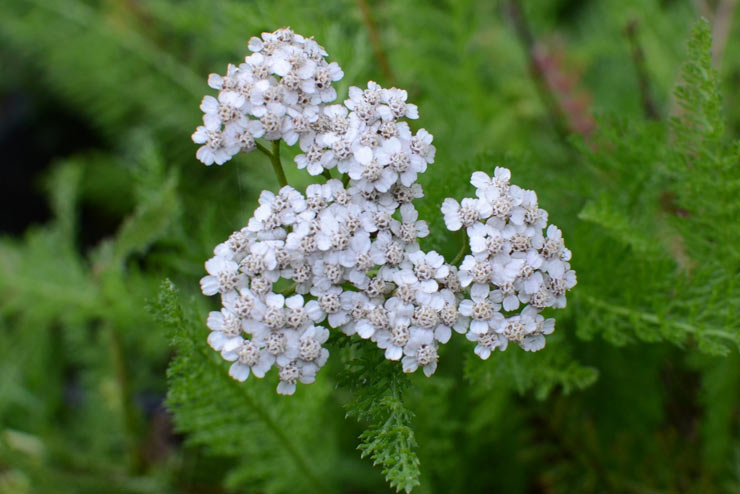
A hardy perennial herb with finely divided, feathery leaves and clusters of tiny white or pink flowers. Traditionally used in herbal prepara...
| Scientific Name | Achillea millefolium |
| Height | 20 to 80 cm |
| Growing time | Spring to early autumn; flowers usually summer. |
| Growing Location | Meadows, grasslands, roadsides and sunny gardens in Sweden. |
| Sunlight Requirement | Full sunlight |
| Temperature | Plant growing temperature approximately 10 to 25°C. |
| Care Tips | Grow in well to drained soil with full sunlight. Water young plants regularly, then reduce watering after establishment. Avoid excessive fertilizer, remove spent flower heads, and divide mature clumps when growth becomes crowded. |
| Quick Summary | Common yarrow is a resilient wildflower found throughout much of Sweden. Its delicate, fern to like foliage and flat flower clusters make it attractive to pollinators and suitable for naturalistic gardens. It tolerates relatively dry soils and can grow in meadows, borders, and wildlife to friendly landscapes. Traditionally, yarrow has been used in herbal teas and other preparations, although medicinal use requires appropriate identification and professional safety guidance. Commercial opportunities include dried ornamental stems, herb to garden plants, botanical education kits, and pollinator to friendly seed collections where permitted. Small potted specimens or dried floral arrangements can make thoughtful gifts for gardeners and nature enthusiasts. Avoid presenting yarrow products as proven treatments for medical conditions, and check local rules before harvesting wild plants. |
| Commercial & Gifting Uses | Dried floral arrangements, ornamental nursery plants, herbal to garden collections, pollinator to garden kits, and botanical gift boxes. |
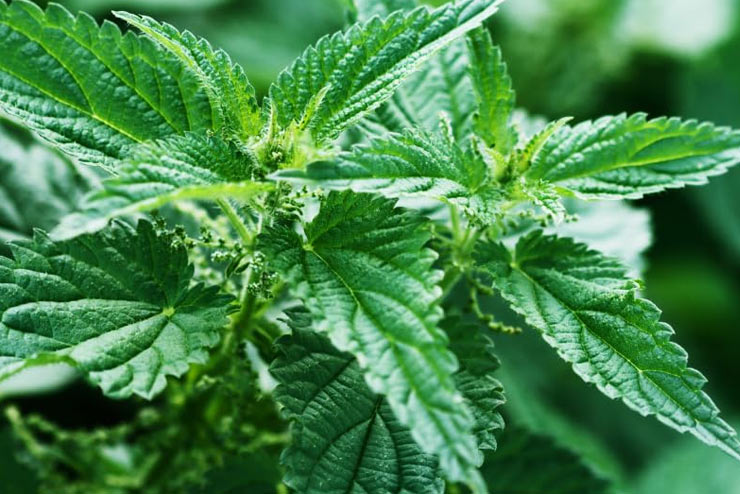
A vigorous perennial with serrated leaves and stinging hairs. Young leaves are traditionally used as a cooked vegetable and in herbal produc...
| Scientific Name | Urtica dioica |
| Height | 30 to 150 cm |
| Growing time | Spring through autumn. |
| Growing Location | Fertile, nitrogen to rich soils, woodland edges and moist ground. |
| Sunlight Requirement | Partial shade to full sun |
| Temperature | Plant growing temperature approximately 8 to 25°C. |
| Care Tips | Plant in moist, fertile soil and provide room for spreading roots. Water during dry periods, contain rhizomes where necessary, and wear gloves when handling. Harvest only correctly identified plants from clean locations. |
| Quick Summary | Stinging nettle is widespread across Sweden and is valued for its nutrient to rich foliage, wildlife benefits, and traditional culinary uses. It thrives in moist, fertile ground and spreads through underground rhizomes, making containment useful in small gardens. The leaves can be prepared as cooked greens or dried for appropriately labelled botanical products; cooking or drying reduces the sting when handled and prepared correctly. Commercial possibilities include culinary herb products, dried plant material, educational garden kits, and composting or gardening demonstrations. A small cultivated nettle patch may interest gardeners who appreciate native plants. As a gift, a nettle to growing kit can suit an experienced gardener, but it should include gloves and clear handling instructions. Avoid harvesting near roads, polluted sites, or chemically treated land. |
| Commercial & Gifting Uses | Culinary herb products, dried botanical ingredients, native to plant education kits, and gardening gifts for experienced growers. |
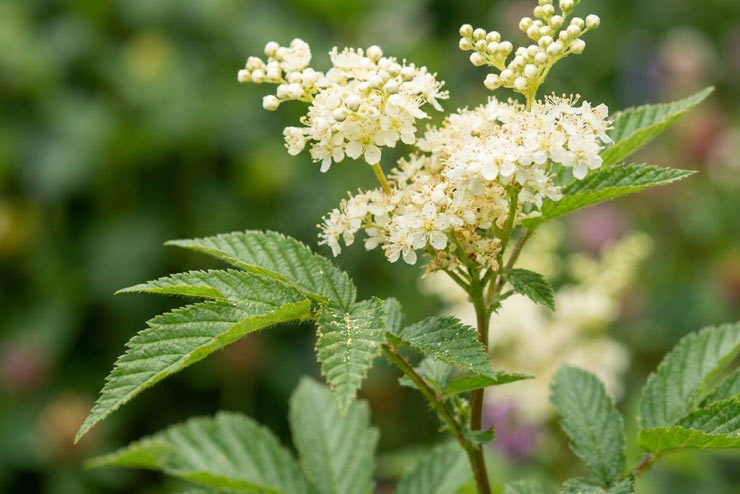
A tall perennial herb bearing frothy cream-white flowers with a sweet fragrance, commonly associated with damp meadows and stream margins.
| Scientific Name | Filipendula ulmaria |
| Height | 60 to 150 cm |
| Growing time | Plant growing time Spring to Autumn and flowering in Summer. |
| Growing Location | Wet meadows, ditches and stream banks. |
| Sunlight Requirement | Full sunlight to partial shade |
| Temperature | Plant growing temperature approximately 10 to 24°C. |
| Care Tips | Grow meadowsweet in moisture to retentive soil enriched with organic matter. Provide sun or partial shade, water consistently, and allow space for mature clumps. Remove old stems after flowering and control spreading roots. |
| Quick Summary | Meadowsweet is a characteristic plant of damp Swedish habitats, recognised by its tall stems and creamy flower clusters. Its sweet scent makes it attractive for sensory gardens and naturalistic planting schemes. The plant prefers moist soil and is particularly useful beside ponds, rain gardens, and water features where its roots can remain cool. Historically, meadowsweet has featured in traditional herbal preparations and flavouring practices. Its aromatic flowers may also inspire botanical displays, dried decorative arrangements, and educational collections. Commercially, cultivated plants can be offered by nurseries specialising in native perennials and wetland gardens. A potted specimen or a moisture to loving native to plant collection can be a thoughtful gift for gardeners with suitable outdoor space. Because it contains salicylate to related compounds, medicinal use warrants particular caution. |
| Commercial & Gifting Uses | Native wetland nursery plants, pollinator gardens, dried decorative flowers, and gifts for pond or rain to garden owners. |
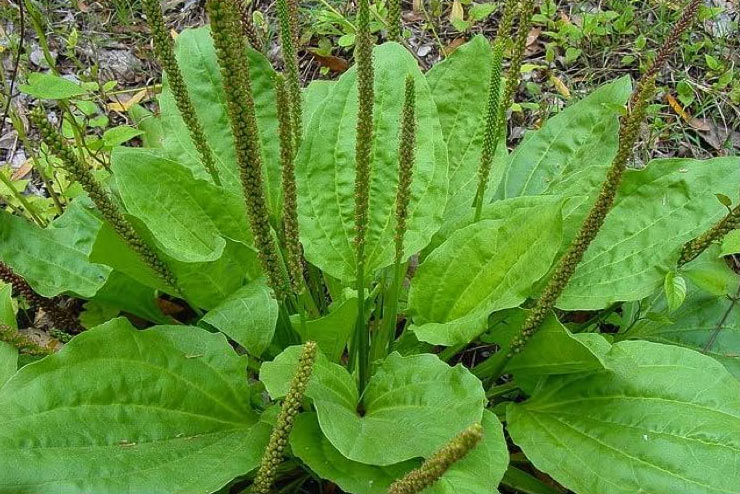
A low-growing perennial rosette with broad, ribbed leaves and narrow flower spikes. It tolerates compacted soil and frequent foot traffic.
| Scientific Name | Plantago major |
| Height | 10 to 40 cm |
| Growing Time | Plant growing time Spring to Autumn. |
| Growing Location | Lawns, paths, disturbed soils and garden edges. |
| Sunlight Requirement | Full sunlight to partial shade |
| Temperature | Plant growing temperature approximately 8 to 25°C. |
| Care Tips | Sow seeds on the soil surface or transplant into ordinary, well drained ground. Water during establishment, then maintain moderate moisture. Remove unwanted flower spikes and grow in containers to limit self to seeding. |
| Quick Summary | Meadowsweet is a characteristic plant of damp Swedish habitats, recognised by its tall stems and creamy flower clusters. Its sweet scent makes it attractive for sensory gardens and naturalistic planting schemes. The plant prefers moist soil and is particularly useful beside ponds, rain gardens, and water features where its roots can remain cool. Historically, meadowsweet has featured in traditional herbal preparations and flavouring practices. Its aromatic flowers may also inspire botanical displays, dried decorative arrangements, and educational collections. Commercially, cultivated plants can be offered by nurseries specialising in native perennials and wetland gardens. A potted specimen or a moisture to loving native to plant collection can be a thoughtful gift for gardeners with suitable outdoor space. Because it contains salicylate to related compounds, medicinal use warrants particular caution. |
| Commercial & Gifting Uses | Botanical learning kits, native herb collections, low to maintenance garden plants, and educational gifts for nature lovers. |
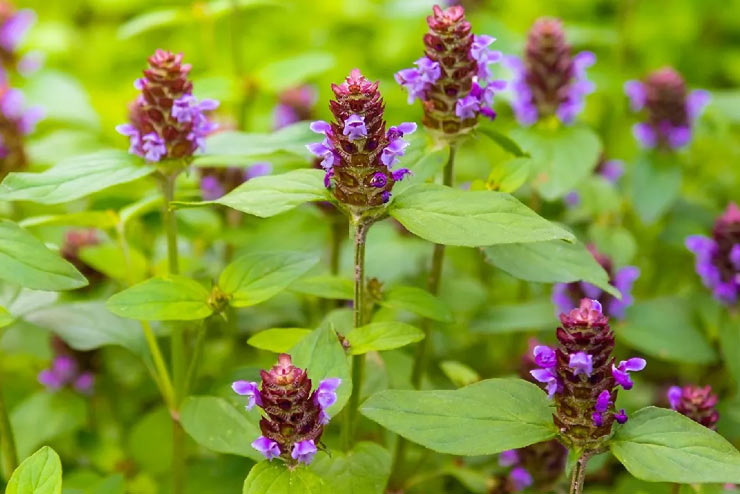
A low perennial with opposite leaves and compact purple flower spikes. It spreads gently in lawns, meadows, and pollinator-friendly borders.
| Scientific Name | Prunella vulgaris |
| Height | 10 to 40 cm |
| Growing Time | Plant growing time Spring to early autumn. |
| Growing location | Meadows, grasslands and open woodland margins. |
| Sunlight Requirement | Full sunlight to partial shade. |
| Temperature | Plant growing temperature approximately 10 to 25°C. |
| Care Tips | Plant in moderately moist, well to drained soil under sun or light shade. Water during dry spells, avoid heavy feeding, and trim after flowering if desired. Divide established clumps or collect ripe seeds for propagation. |
| Quick Summary | Self to heal is a compact wildflower found across much of Sweden and other temperate regions. Its purple flower heads attract bees and other pollinators, making it useful in wildlife lawns, meadow borders, and low growing native planting schemes. The plant tolerates a range of soils and can spread by seed and creeping stems when conditions are favourable. Its name reflects a history of traditional herbal use, not proof that it treats particular diseases. Commercial potential includes nursery grown plants, native meadow seed mixtures where the species is appropriate, and botanical education products. It is also suitable for small gifts aimed at gardeners who want to support pollinators without dedicating much space. Cultivated plants are preferable to wild collection, particularly where local conservation rules apply. |
| Commercial & Gifting Uses | Pollinator to friendly plant packs, native meadow gardens, small nursery pots, and nature to themed gifts. |
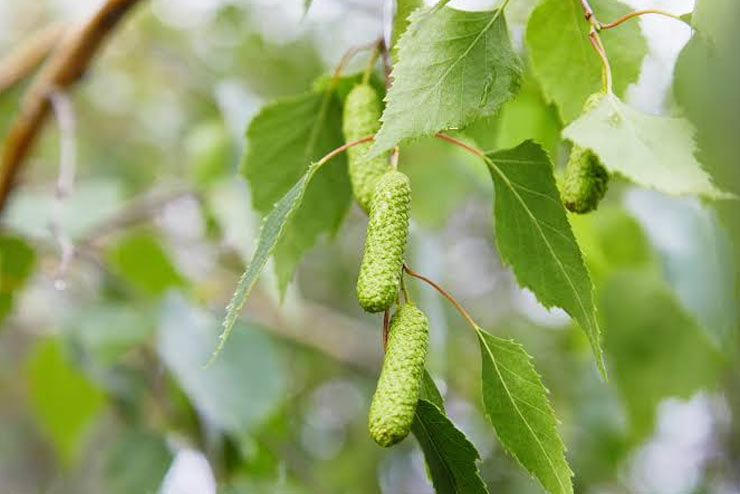
A deciduous tree recognized by its white, peeling bark, fine branches, and triangular leaves that turn yellow in autumn.
| Scientific Name | Betula pendula |
| Height | 15 to 25 m |
| Growing Time | Spring to Autumn. |
| Growing Location | Forests, woodland edges and open, well drained ground. |
| Sunlight Requirement | Full sunlight |
| Temperature | Plant growing temperature approximately 5 to 22°C for active growth. |
| Care Tips | Choose a sunny, spacious outdoor site with well to drained soil. Water young trees during dry weather, mulch without touching the trunk, and avoid severe pruning. Allow room for mature roots and canopy development. |
| Quick Summary | Silver birch is an iconic tree of Swedish landscapes, valued for its pale bark, light canopy, and graceful appearance. It grows in woodland, heathland, and open sites, adapting to many soils provided drainage is reasonable. The tree supports wildlife and contributes to woodland biodiversity. Birch wood has commercial value in timber and craft industries, while bark, twigs, and leaves appear in traditional craft and botanical contexts. A full sized tree is not a suitable gift for every recipient, but a responsibly sourced sapling can be meaningful for someone with suitable land and permission to plant it. Birch themed gifts may include woodcraft, botanical prints, or small decorative objects. Planting should consider eventual height, roots, nearby structures, and local site conditions. |
| Commercial & Gifting Uses | Forestry and craft materials, botanical prints, responsibly sourced saplings, and birch to wood gifts. |
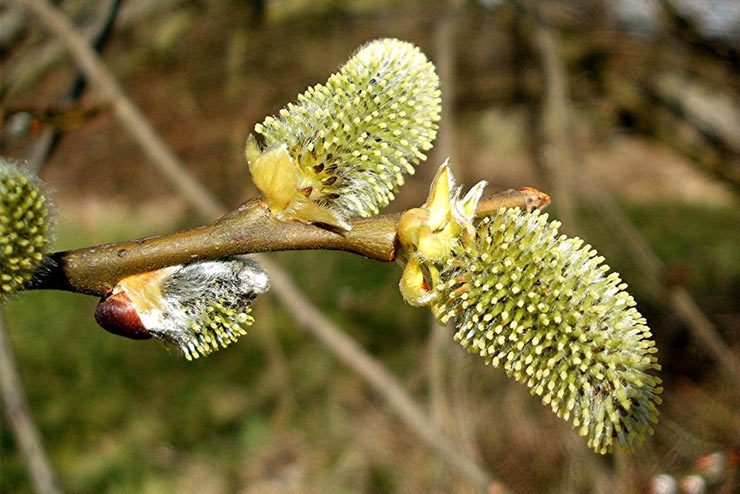
A small tree or large shrub with broad leaves and soft spring catkins that provide early-season pollen and nectar for insects.
| Scientific Name | Salix caprea |
| Height | 3 to 10 m |
| Growing Time | Plant growing time Spring to Autumn. |
| Growing Location | Woodland edges, clearings and moist open ground. |
| Sunlight Requirement | Full Sunlight to partial shade |
| Temperature | Plant growing temperature approximately 5 to 22°C. |
| Care Tips | Plant in a spacious outdoor location with moderately moist soil and good light. Water while establishing, prune selectively after flowering if necessary, and check mature size before planting near buildings or paths. |
| Quick Summary | Goat willow is a familiar northern European shrub or small tree that is especially noticeable in spring, when its soft catkins appear before or alongside new leaves. These flowers are an important early food source for bees and other insects. The species tolerates a range of soils and is suitable for woodland edges, wildlife gardens, and naturalistic landscapes. Its flexible shoots have traditional craft uses, although commercial willow production more commonly uses selected species and cultivars. Nurseries can offer goat willow as a native wildlife plant, while spring to themed botanical illustrations and responsibly sourced twig arrangements can serve as gifts. Because it becomes a substantial woody plant, it is best given to recipients with outdoor space. Avoid taking branches from protected areas or private land without permission. |
| Commercial & Gifting Uses | Wildlife garden saplings, native shrub collections, spring botanical arrangements, and gifts for larger gardens. |
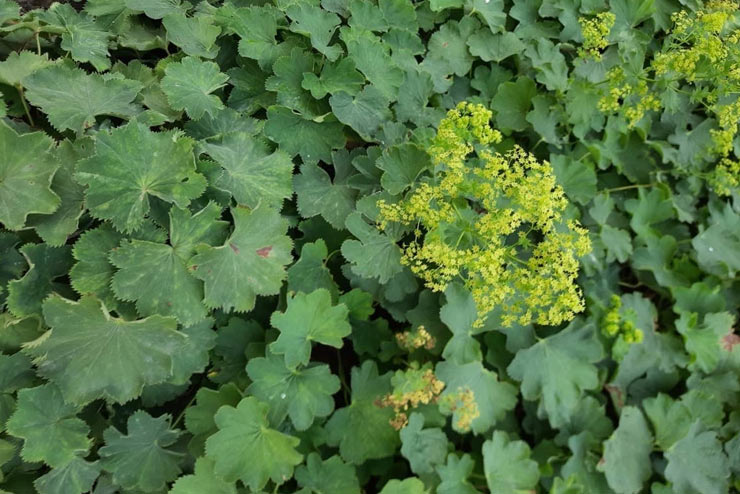
A low perennial with rounded, pleated leaves that often hold sparkling droplets and clusters of small yellow-green flowers.
| Scientific Name | Alchemilla vulgari |
| Height | 15 to 50 cm |
| Growing Time | Plant growing time Spring to autumn and flowers in late Spring and Summer. |
| Growing Location | Meadows, woodland margins and cool garden borders. |
| Sunlight Requirement | Full sunlight to partial shade. |
| Temperature | Plant growing temperature approximately 8 to 22°C. |
| Care Tips | Grow in cool, moderately moist, well drained soil with sun or partial shade. Water during dry periods, remove faded flower stems, and divide clumps when crowded. Monitor seedlings because some forms self to seed freely. |
| Quick Summary | Lady's mantle is a traditional garden and meadow plant known for its pleated foliage, scalloped edges, and small yellow green flowers. In Sweden, plants identified under the Alchemilla vulgaris aggregate can be taxonomically complex, so exact identification may require specialist knowledge. Its soft foliage complements roses, ornamental grasses, and other perennials, and droplets that collect on the leaves give it distinctive visual appeal. Lady's mantle has a history of traditional herbal use, but claims about treating health conditions should not be inferred from that history. Commercial opportunities include potted perennials, cut foliage for floral arrangements, and cottage garden plant collections. It can be gifted to gardeners who appreciate understated flowers and attractive leaves. Choose a nursery grown plant and confirm the species before marketing it as a specific medicinal herb. |
| Commercial & Gifting Uses | Cottage garden plants, cut foliage, perennial gift pots, and botanical garden collections. |
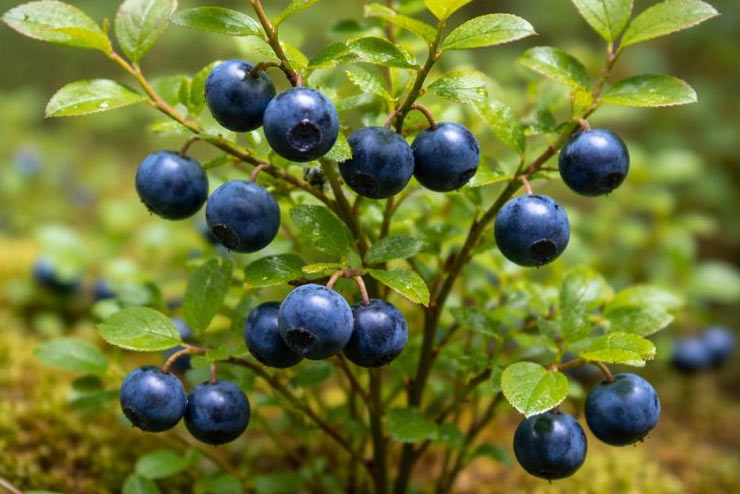
A low-growing woodland shrub producing blue-purple berries with dark flesh. It is a characteristic fruit plant of Swedish forests and heathl...
| Scientific Name | Vaccinium myrtillus |
| Height | 10 to 50 cm |
| Growing time | Spring to autumn; berries generally ripen in summer. |
| Growing Location | Acidic forest soils, heathland and coniferous woodland. |
| Sunlight Requirement | Partial shade to sun. |
| Temperature | Plant growing temperature approximately 8 to 20°C. |
| Care Tips | Use acidic, humus rich soil and rainwater where possible. Keep roots evenly moist but not waterlogged, mulch with suitable organic material, and avoid lime to rich compost. Provide light shade in warmer locations. |
| Quick Summary | Bilberry is one of Sweden's best to known wild berries, growing as a small shrub in acidic forest soils. Its blue berries are used in pies, jams, juices, desserts, and other foods. Unlike cultivated blueberries, bilberry fruits typically have dark purple flesh that colours the hands and mouth. Plants prefer cool conditions and soil rich in organic matter, so ordinary garden soil may need substantial adjustment for successful cultivation. Commercial value is associated mainly with berry harvesting and processed foods, while nursery plants may appeal to gardeners with woodland style plots. Food hampers containing bilberry jam or berry products can make attractive gifts, especially when clearly labelled and responsibly sourced. Wild harvesting should follow local access rules and avoid environmentally sensitive locations. |
| Commercial & Gifting Uses | Jams, juices, baked goods, berry gift hampers, and cultivated plants for acidic woodland gardens. |
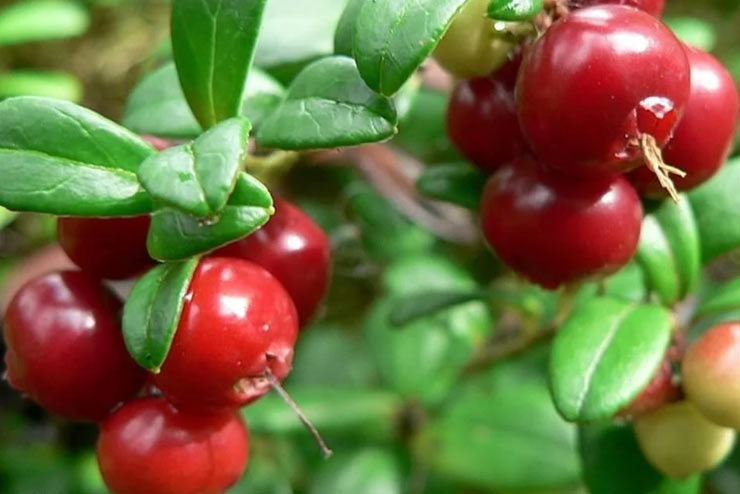
An evergreen dwarf shrub with glossy leaves and clusters of bright red berries commonly used in Nordic cuisine.
| Scientific Name | Vaccinium vitis~idaea |
| Height | 10 to 30 cm |
| Growing Time | Spring to Autumn; berries ripen in late Summer or Autumn. |
| Growing Location | Acidic woodland, heathland and open conifer forests. |
| Sunlight Requirement | Full Sunlight to partial shade. |
| Temperature | Plant growing temperature approximately 8 to 20°C. |
| Care Tips | Plant in acidic, well to drained soil with consistent moisture. Use pine to bark mulch, avoid lime and heavy fertilizers, and provide adequate light for fruiting. Grow compatible plants together where improved pollination is needed. |
| Quick Summary | Lingonberry is a classic Scandinavian berry plant with evergreen foliage and red fruits that remain attractive into autumn. It thrives in acidic soil and cool climates, making it well suited to suitable Swedish gardens and woodland to inspired landscapes. The tart berries are commonly made into preserves, sauces, and accompaniments for traditional Nordic dishes. Their firm texture and distinctive flavour also make them useful in specialty food products. Commercial applications include berry preserves, locally themed food gifts, nursery plants, and edible to landscape kits. A lingonberry plant or jar of lingonberry preserve can make a distinctly Nordic gift. Fruit production depends on light, soil acidity, moisture, pollination, and local climate. When selling processed products, follow applicable food to safety and labelling requirements. |
| Commercial & Gifting Uses | Lingonberry preserves, Nordic food hampers, edible landscaping, and evergreen berry plants. |
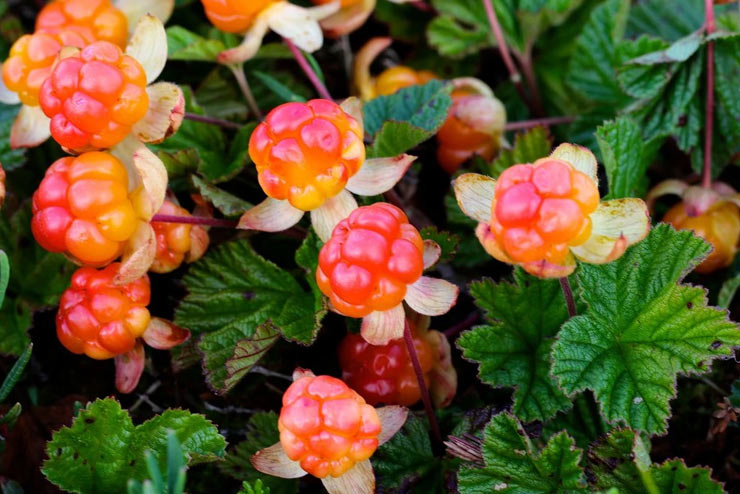
A low-growing northern plant producing distinctive golden-orange berries, especially associated with cool bogs and northern Scandinavian lan...
| Scientific Name | Rubus chamaemorus |
| Height | 5 to 25 cm |
| Growing Time | Spring to Autumn; fruits typically ripen in Summer. |
| Growing Location | Peat bogs, wet acidic ground and northern moorlands. |
| Sunlight Requirement | Full sunlight to partial shade |
| Temperature | Plant growing temperature approximately 5 to 18°C. |
| Care Tips | Provide acidic peat based soil, cool conditions, and reliable moisture without stagnant water. Grow in a spacious bog style container if needed, avoid alkaline amendments, and remember that male and female plants may be necessary for fruiting. |
| Quick Summary | Cloudberry is a distinctive northern berry plant associated with Swedish bogs and cool, wet landscapes. Its amber coloured fruits are prized for their unusual flavour and are used in jams, desserts, sauces, and specialty preserves. Unlike many garden fruit crops, cloudberry requires habitat conditions that can be difficult to reproduce in ordinary gardens, particularly acidic wet soil and a suitable cool climate. Commercial value is therefore often linked to seasonal wild berry harvesting and premium processed foods rather than mass cultivation. Cloudberry jam is a popular Nordic to inspired gift for food enthusiasts and visitors interested in regional flavours. Any harvesting should respect access rules and protect sensitive peatland ecosystems. Gardeners should research local growing conditions before buying plants, and sellers should avoid suggesting that container cultivation guarantees fruit production. |
| Commercial & Gifting Uses | Premium cloudberry jam, specialty Nordic food hampers, regional culinary gifts, and specialist nursery plants. |
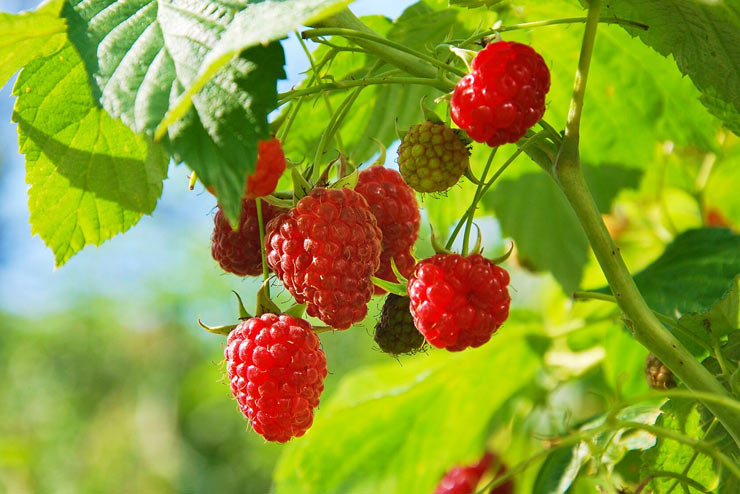
A thorny, spreading shrub producing fragrant red aggregate fruits. It grows naturally in woodland clearings and disturbed ground.
| Height | 0.5 to 2 m |
| Growing Time | Plant growing time Spring to Autumn and Summer fruiting is common. |
| Growing Location | Woodland edges, forest clearings and sunny scrub. |
| Sunlight Requirement | Full sunlight to light shade |
| Temperature | Plant growing temperature approximately 12 to 24°C. |
| Care Tips | Plant in fertile, well to drained soil with good sunlight and airflow. Water deeply during fruit development, mulch to conserve moisture, and remove spent floricanes after harvest. Support canes and control unwanted spreading. |
| Quick Summary | Wild raspberry is a productive fruiting shrub found throughout much of Sweden. It often colonises woodland clearings and disturbed sites, producing red berries that are popular fresh or processed. The plants spread through underground growth and new canes, so garden cultivation benefits from planned spacing and regular pruning. Raspberries are widely used in jams, syrups, juices, desserts, baked goods, and frozen fruit products. Their familiar flavour makes them a strong choice for commercial food production and seasonal gift baskets. Potted raspberry plants can also be gifted to gardeners with a sunny outdoor space. Commercial cultivation generally uses selected varieties for consistent yields, so plants sold as wild raspberry should be correctly identified and labelled. Harvest clean, ripe fruit and follow local food to handling requirements. |
| Commercial & Gifting Uses | Fresh berries, jams, syrups, dessert boxes, seasonal fruit hampers, and edible to garden gifts. |
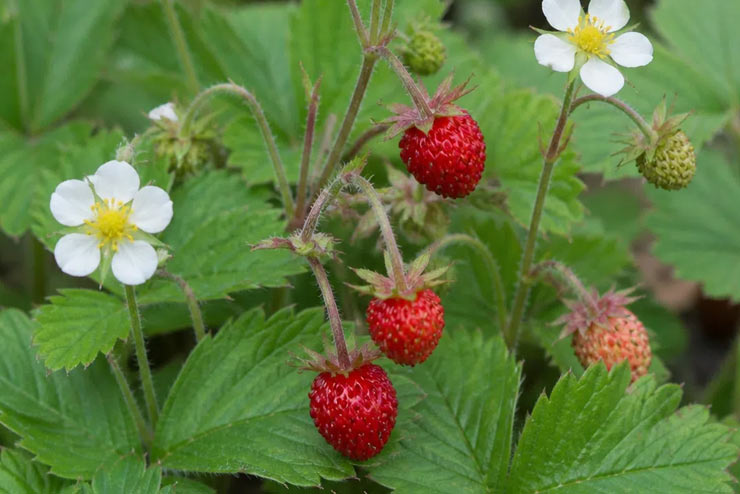
A small perennial ground cover with three-part leaves, white flowers, and tiny, aromatic red berries.
| Scientific Name | Fragaria vesca |
| Height | 5 to 20 cm |
| Growing time | Spring to autumn; fruits commonly ripen in summer. |
| Growing Location | Woodland edges, meadows, banks and sunny clearings. |
| Sunlight Requirement | Full sun to partial shade |
| Temperature | Plant growing temperature approximately 10 to 24°C. |
| Care Tips | Grow in fertile, well to drained soil with sunlight or light shade. Water consistently during flowering and fruiting, remove damaged leaves, and thin crowded runners. Use clean mulch to keep berries off damp soil. |
| Quick Summary | Wild strawberry is a charming native European species found in Swedish meadows, woodland margins, and sunny clearings. Its small berries have an intense aroma and flavour, although the harvest is generally much smaller than that of cultivated garden strawberries. The plant spreads by runners and can form an attractive edible groundcover in suitable garden conditions. It is also valued for white spring and summer flowers and for its suitability in naturalistic planting schemes. Commercial uses include specialty preserves, culinary garnishes, nursery plants, and small edible to garden collections. Because of their delicate size and limited yield, wild strawberries are better suited to niche products than bulk fruit production. A potted plant or woodland to berry gardening kit makes a thoughtful gift for a nature to loving gardener. |
| Commercial & Gifting Uses | Specialty preserves, dessert garnishes, edible ground cover plants, and compact edible to garden gift sets. |
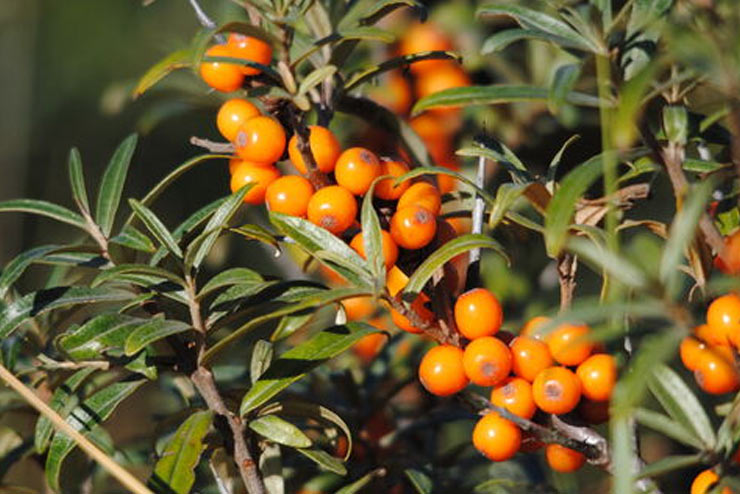
A thorny shrub with narrow silvery leaves and vivid orange berries. It tolerates coastal exposure and relatively poor soils.
| Scientific Name | Hippophae rhamnoides |
| Height | 2 to 6 m |
| Growing Time | Spring to autumn; berries ripen in late summer or autumn. |
| Growing location | Coastal dunes, sandy soils and exposed sites, especially in eastern Sweden. |
| Sunlight Requirement | Full sunlight |
| Care Tips | Plant in full sun with good drainage and adequate space for thorny branches. Water during establishment, avoid excessive nitrogen, and grow male and female plants when fruit production is desired. Prune carefully using protective gloves. |
| Quick Summery | Sea buckthorn is a robust shrub associated with coastal and sandy habitats in parts of Sweden. Its bright orange berries are tart and aromatic, with uses in juices, sauces, jams, and specialty food products. The plant is also used in windbreaks and landscaping because it tolerates exposure and relatively poor soils. Its nitrogen to fixing root association can benefit soil conditions, although planting choices should always account for local ecology and potential spread. Commercial opportunities include processed berry products, nursery plants, and decorative branches. Sea buckthorn juice, preserves, and carefully labelled culinary products can make attractive gifts for people interested in Nordic ingredients. Because the branches are thorny and plants can become large, they are more suitable for outdoor gardens than patios with limited space. Confirm pollination requirements before purchasing. |
| Commercial & Gifting Uses | Juices, preserves, specialty culinary products, coastal landscaping, and Nordic berry gift boxes. |
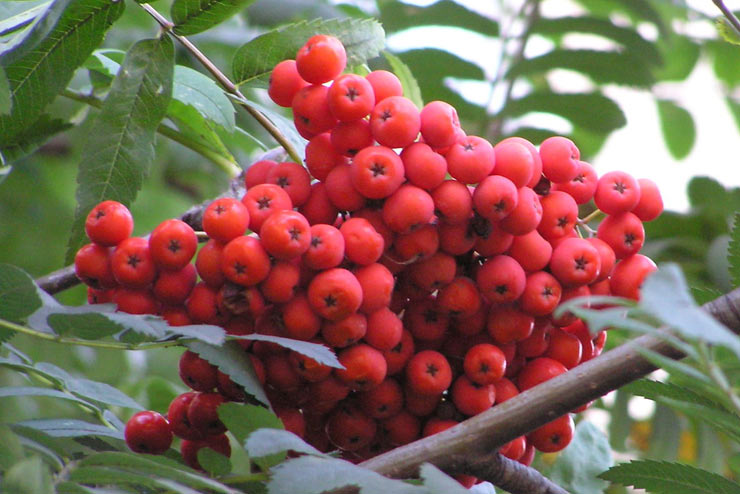
A small deciduous tree with pinnate leaves, clusters of white flowers, and bright orange-red berries.
| Scientific Name | Sorbus aucuparia |
| Height | 5 to 15 m |
| Growing Time | Spring to autumn. |
| Growing Location | Woodlands, forest edges, hillsides and gardens. |
| Sunlight Requirement | Full sun to partial shade |
| Temperature | Plant growing temperature approximately 5 to 22°C. |
| Care Tips | Choose a well to drained outdoor site with sunlight or partial shade. Water young trees during dry spells, mulch around the root zone, and prune damaged branches. Leave adequate space for the mature canopy. |
| Quick Summary | Rowan, also called European mountain ash, is a familiar tree in Swedish woodlands and gardens. It produces clusters of white flowers followed by orange to red berries that provide food for birds and contribute seasonal colour. Rowan adapts to a range of conditions and can be useful in wildlife planting, smaller landscapes, and mixed native hedgerows. Its fruits are sometimes used in preserves and traditional culinary preparations, but they are not generally eaten raw in large quantities. Correct preparation and reliable recipes are important. Commercial uses include nursery trees, autumn decorative arrangements, botanical prints, and selected processed berry products. A rowan sapling can be a meaningful gift for someone with suitable garden space, while bird to themed gifts and botanical artwork are practical alternatives. Planting should consider mature size and local site conditions. |
| Commercial & Gifting Uses | Ornamental trees, wildlife to garden collections, autumn decorations, botanical art, and selected processed berry products. |
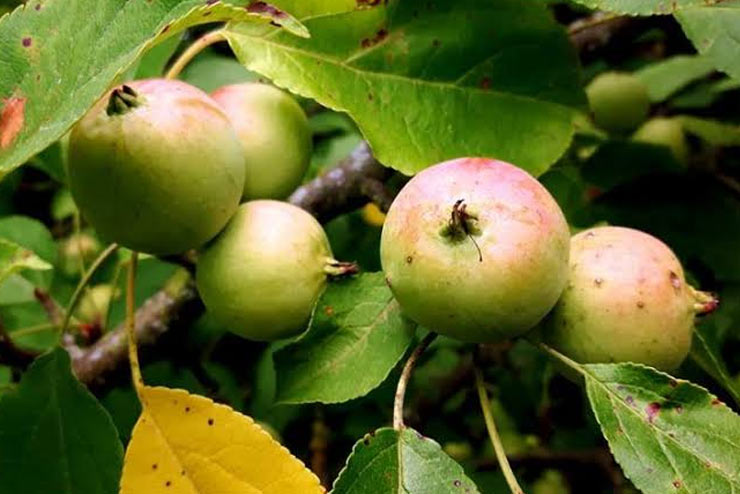
A small deciduous tree with spring blossoms and small greenish-yellow apples. Wild populations and hybrids can be difficult to distinguish.
| Scientific Name | Malus sylvestris |
| Height | 3 to 10 m |
| Growing Time | Spring to Autumn. |
| Growing Location | Woodland edges, hedgerows and open deciduous woodland. |
| Sunlight Requirement | Full sunlight to partial shade |
| Temperature | Plant growing temperature approximately 10 to 24°C. |
| Care Tips | Plant in well to drained soil with adequate sunlight and room for the crown. Water young trees during dry weather, mulch away from the trunk, and prune selectively. Seek expert identification before selling trees as true wild apple. |
| Quick Summary | European wild apple is a small tree native to parts of Europe, including Sweden, and is notable for spring blossoms, wildlife value, and small, often tart fruits. It can support pollinators and provide habitat and food for birds and other wildlife. True wild apple may be confused with cultivated apples or hybrids, so accurate identification matters for conservation and commercial labelling. The fruits can be used in some cooked preparations, but flavour and quality vary considerably. Commercial opportunities include native tree nursery stock, conservation planting, educational orchard projects, and botanical gifts. A young tree may be an appealing gift for someone with a spacious garden or restoration site. It is not ideal for every small garden because the tree needs outdoor space and appropriate growing conditions. |
| Commercial & Gifting Uses | Native tree nurseries, conservation projects, educational orchards, botanical illustrations, and sapling gifts. |
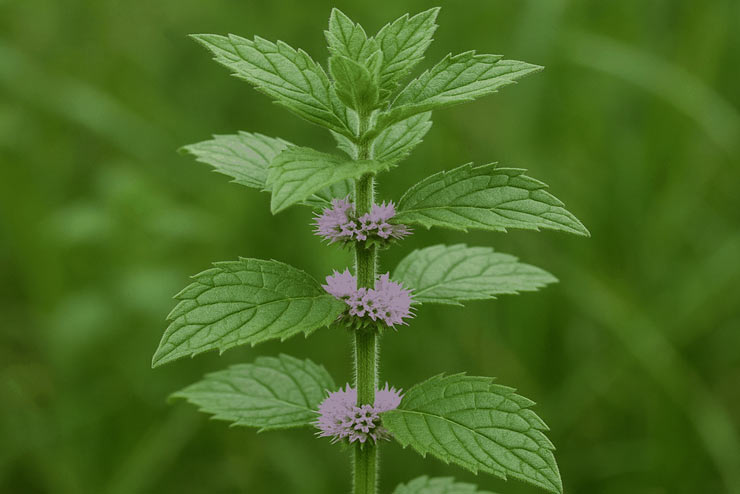
An aromatic perennial herb with opposite leaves, square stems, and small flowers near the leaf axils. Its foliage releases a characteristic ...
| Scientific Name | Mentha arvensis |
| Plant Height | 10 to 60 cm |
| Growing Time | Spring to Autumn |
| Growing Location | Moist meadows, stream margins, ditches and damp field edges. |
| Sunlight Requirement | Full sun to partial shade |
| Temperature | Plant growing temperature approximately 10 to 25°C. |
| Care Tips | Grow in moist, fertile soil with sunlight or partial shade. Water during dry weather, harvest healthy leaves regularly, and contain spreading roots in pots. Avoid excessive fertilizer and ensure correct identification before culinary use. |
| Quick Summary | Field mint is an aromatic perennial found in damp habitats across Sweden. Its fragrant foliage makes it useful for culinary herb gardens, sensory planting, and botanical education. The plant spreads through underground stems, so containers can help prevent it from overtaking nearby herbs. Fresh leaves may be used in suitable culinary preparations, while dried leaves can be incorporated into appropriately labelled herbal products. Essential to oil composition varies, so field mint should not automatically be treated as interchangeable with peppermint or other cultivated mints. Commercial possibilities include potted herbs, dried culinary ingredients, and aromatic garden collections. A small mint plant makes an accessible gift for someone who enjoys cooking or gardening. Plants intended for food should be correctly identified and grown in clean soil, away from contaminated sites. |
| Commercial & Gifting Uses | Culinary herb pots, dried mint, aromatic garden kits, and gifts for home cooks. |
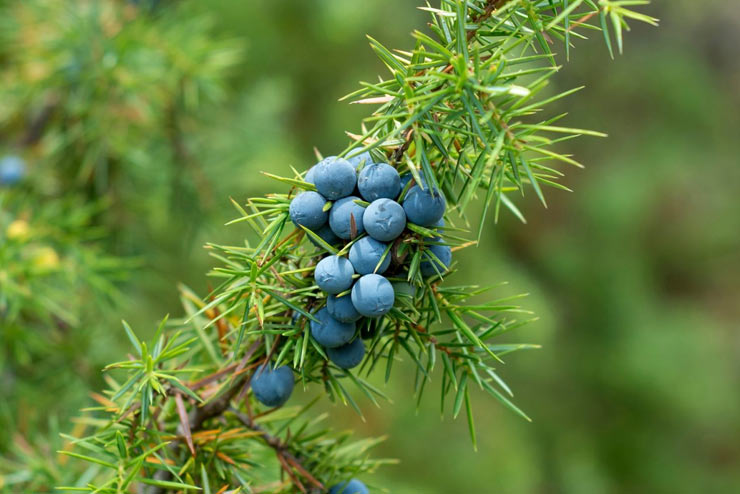
An evergreen coniferous shrub or small tree with sharp needles and fleshy, berry-like cones that mature over multiple seasons.
| Scientific Name | Juniperus communis |
| Plant Height | 0.5 to 10 m, depending on form |
| Growing Time | Spring to Autumn. |
| Growing Location | Heathland, rocky slopes, open woodland and dry, well to drained ground. |
| Sunlight Requirement | Full sunlight |
| Temperature | Plant growing temperature approximately 5 to 22°C. |
| Care Tips | Plant in full sun and well to drained soil. Water while establishing, avoid prolonged waterlogging, and prune lightly to preserve its natural form. Allow mature plants sufficient space and verify plant identity before harvesting cones. |
| Quick Summary | Common juniper is a widespread evergreen species in Swedish landscapes, including heathlands, rocky areas, and open forests. Its needle like foliage and compact growth make it useful for naturalistic gardens, rock gardens, and wildlife friendly landscaping. Its fleshy cones are traditionally used as a flavouring in certain foods, while juniper wood and branches have craft and decorative applications. The cones take a long time to mature, so commercial harvesting requires patience and responsible sourcing. Nursery grown junipers can be sold as ornamental plants, and small specimens or juniper themed botanical arrangements can be given as gifts. Juniper requires good drainage and generally dislikes persistently wet soil. Some juniper products and preparations are unsuitable for certain people, so culinary or medicinal uses should not be promoted without appropriate safety guidance. |
| Commercial & Gifting Uses | Evergreen nursery plants, rock to garden collections, culinary flavouring, botanical decorations, and naturalistic garden gifts. |
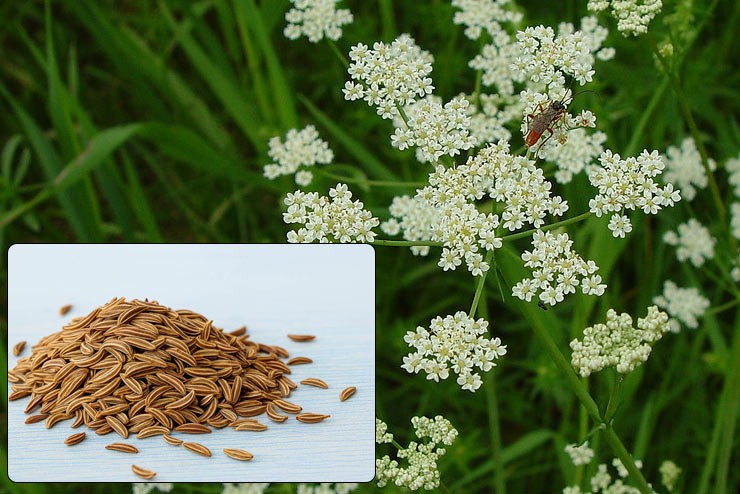
A biennial herb with finely divided leaves, delicate white flower umbels, and aromatic, curved fruits commonly called caraway seeds.
| Scientific Name | Carum carvi |
| Plant Height | 30 to 80 cm |
| Growing Time | Usually a two year cycle, with flowering and seed production in the second year. |
| Growing Location | Meadows, grasslands, field margins and cultivated herb gardens. |
| Sunlight Requirement | Full sunlight |
| Temperature | Plant growing temperature approximately 10 to 22°C. |
| Care Tips | Sow seeds directly into well to drained soil in a sunny location. Keep seedlings evenly moist, thin overcrowded plants, and avoid excessive nitrogen. Allow seed heads to mature before harvesting, drying, and storing them properly. |
| Quick Summary | Caraway is an aromatic biennial herb grown for its distinctive seeds, which have a warm, slightly peppery flavour. It grows in suitable Swedish grasslands and can also be cultivated in sunny herb gardens. Plants generally produce their main seed crop in the second year, so growers need to plan for a longer growing cycle than they would for annual herbs. Caraway seeds are used in breads, cheeses, pickles, spice blends, and traditional European cooking. Commercial applications include packaged culinary seeds, seasoning mixes, and herb to growing kits. A small packet of seeds with a decorative pot and growing instructions can make a practical gift for someone who enjoys cooking. For commercial sale, seeds should be correctly identified, clean, properly dried, and labelled in accordance with food regulations. |
| Commercial & Gifting Uses | Culinary spice packs, bread to making gift sets, herb to growing kits, seasoning blends, and seeds for home gardeners. |
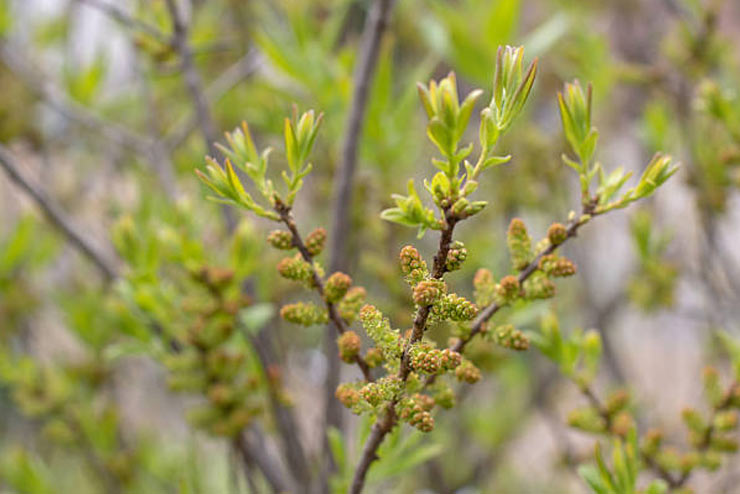
An aromatic deciduous shrub with narrow leaves and small catkins. Its scented foliage is associated with wet heathlands, bogs, and peat-rich...
| Scientific Name | Myrica gale |
| Plant Height | 0.5 to 1.5 m |
| Growing Time | Spring to Autumn. |
| Growing Location | Bogs, wet heathlands, peatlands and damp acidic soils. |
| Sunlight Requirement | Full sunlight to partial shade |
| Temperature | Plant growing temperature approximately 5 to 20°C. |
| Care Tips | Grow in moist, acidic soil in sun or light shade. Never allow the roots to dry completely, and avoid alkaline amendments. Provide room for spreading growth and use responsibly sourced nursery plants rather than disturbing bog habitats. |
| Quick Summary | Bog myrtle is a fragrant shrub of wet, acidic habitats in northern Europe, including parts of Sweden. When crushed, its foliage releases a distinctive aromatic scent. Historically, the plant has been used in certain regional flavouring and traditional aromatic preparations, although applications vary and should not be assumed safe without suitable guidance. It is particularly valuable in specialist wetland gardens and native planting projects because it suits conditions that many ordinary garden shrubs cannot tolerate. Commercial potential includes nursery plants for bog gardens, botanical education, and carefully sourced aromatic materials where lawful. A bog myrtle plant may be a thoughtful gift for someone who maintains a pond or wetland garden. Wild populations should be protected from careless harvesting, and cultivation should reproduce appropriate soil moisture and acidity. |
| Commercial & Gifting Uses | Wetland nursery plants, specialist botanical collections, native habitat restoration, and gifts for pond garden enthusiasts. |


Sweden's geography creates a wide range of growing environments. Southern areas generally experience a longer growing season, while northern regions have colder conditions and shorter summers. Coastal areas, forest clearings, open grasslands and peat-rich wetlands each support different plant communities.
Many Swedish plants are adapted to seasonal changes. Deciduous trees such as Silver Birch lose their leaves in autumn, while evergreen shrubs such as Lingonberry retain foliage through much of the year. Berry-producing plants provide seasonal colour and food for wildlife, and meadow herbs contribute flowers and foliage to naturalistic landscapes.
These differences matter when selecting plants for cultivation. A species associated with cool, acidic woodland soil may not thrive in a hot, dry garden with alkaline soil. Similarly, a shrub adapted to wetland conditions will need more consistent moisture than a plant naturally found on dry, rocky ground.
For gardeners outside Sweden, the country's flora can provide inspiration for planting designs, but the local climate and the requirements of each species should guide the final choice.
Meadows and grasslands are important parts of Sweden's botanical landscape. They support a variety of flowering plants, low-growing herbs and species that provide food or shelter for insects and other wildlife. Several plants in the Sweden collection are particularly relevant to these environments.
Common Yarrow (Achillea millefolium) is a hardy perennial known for its finely divided, feathery leaves and clusters of small white or pink flowers. It grows in meadows, grasslands and sunny open areas, and it can also be used in suitable garden borders and naturalistic planting schemes.
Yarrow is valued for its adaptability and its flowers, which can attract pollinating insects. Once established in an appropriate location, it can tolerate relatively dry conditions. It is therefore an interesting option for gardeners looking for a resilient perennial that contributes to a natural meadow appearance.
Its delicate foliage and flat flower clusters also make it useful as inspiration for botanical illustrations and dried-flower designs. Although yarrow has a history of traditional herbal use, this does not establish that it treats medical conditions. Plants intended for culinary or other uses must be correctly identified and handled appropriately.
Meadowsweet (Filipendula ulmaria) is a tall perennial with frothy, cream-white flower clusters and a sweet fragrance. It is associated with damp meadows, stream margins and other moisture-rich environments across parts of northern Europe, including Sweden.
Its height and soft flower clusters give it a distinctive appearance in naturalistic gardens. Meadowsweet can be suitable for planting near ponds, rain gardens and other locations where soil remains consistently moist, provided the site matches the plant's requirements.
For gardening enthusiasts, Meadowsweet offers an opportunity to explore plants suited to wetter ground rather than relying exclusively on conventional border flowers. Its fragrant blooms also provide inspiration for sensory gardens and botanical displays.
Self-heal (Prunella vulgaris) is a compact perennial with opposite leaves and short spikes of purple flowers. It grows in grasslands, meadows and open woodland margins, and it can form part of a wildlife-friendly garden when the conditions are suitable.
Its relatively low growth makes it relevant to informal lawns, meadow borders and planting schemes that favour smaller flowering plants. Self-heal can spread through seeds and creeping stems, so gardeners should consider how much space it may occupy over time.
Although its name reflects a history of traditional herbal use, it should not be marketed as a proven treatment for illness. Its garden value, botanical characteristics and role in naturalistic planting can be discussed independently of medical claims.
Silver Birch (Betula pendula) is one of the most recognisable trees associated with northern European landscapes. Its pale, peeling bark, fine branches and light canopy give it an elegant appearance. In autumn, its leaves turn yellow, adding seasonal colour to woodlands and gardens.
Silver Birch grows in forests, woodland edges and open sites with suitable drainage. It can support local wildlife and contribute to the structure of natural landscapes. Its attractive bark also makes it a popular source of inspiration for Scandinavian interior design, botanical artwork and nature-themed decorative products.
Despite its visual appeal, a mature birch can become a substantial tree. A sapling is therefore a more appropriate gift for someone with suitable outdoor space than for a recipient who lives in a small apartment or has only a compact balcony.
Before planting, consider the tree's eventual height, root development, canopy spread and distance from buildings. Choose a responsibly sourced plant and confirm that the planting location can accommodate its mature size.
Goat Willow (Salix caprea) is a deciduous shrub or small tree recognised for its soft spring catkins. These appear early in the season and can provide an important source of pollen for insects when relatively few other plants are flowering.
It is associated with woodland edges, clearings and moderately moist open ground. Its naturalistic form makes it suitable for larger gardens and wildlife-oriented landscapes, although its eventual size should be considered before planting.
For people interested in supporting garden biodiversity, Goat Willow offers a useful example of how trees and shrubs can contribute more than visual decoration. Its early-season flowering, foliage and structure make it relevant to planting schemes designed around local wildlife.
A young willow may be a meaningful gift for someone with a suitable garden or restoration project. For recipients with limited space, a botanical illustration or a nature-themed gift inspired by Swedish woodland plants may be a more practical alternative.
Berries are an important part of the plant landscape associated with Sweden. Several berry-producing species grow naturally in woodland, heathland, coastal areas and northern environments. Their fruits are used in a variety of culinary preparations, while the plants themselves can provide seasonal interest and food for wildlife.
Bilberry (Vaccinium myrtillus) is a low-growing shrub found in acidic woodland soils and heathland. Its blue-purple berries have dark flesh and are widely associated with northern European food traditions. They can be used in pies, jams, juices and desserts.
Bilberry is particularly interesting to gardeners because it requires conditions that differ from those preferred by many ordinary garden shrubs. Acidic soil, suitable moisture levels and a climate compatible with the species are important considerations when attempting cultivation.
Lingonberry (Vaccinium vitis-idaea) is an evergreen dwarf shrub with glossy leaves and bright red berries. Its compact growth and persistent foliage can add interest to suitable cool-climate gardens, particularly those designed around woodland or heathland plants.
The tart berries are well known in Nordic cuisine and are commonly made into preserves and sauces. Lingonberry can therefore appeal to both gardeners and people interested in regional food traditions. Successful fruit production depends on appropriate soil acidity, moisture, light and local growing conditions.
Bilberry and Lingonberry illustrate the relationship between Swedish plants and everyday life. They are not simply decorative species: they are also associated with food, seasonal harvesting and the character of northern landscapes.
Plants associated with Sweden can inspire gifts for gardeners, nature lovers, home cooks and people interested in Scandinavian culture. A flowering perennial may suit someone who enjoys tending a garden, while a berry plant can appeal to a recipient interested in edible gardening. A small tree may be appropriate for a person with a spacious property, while botanical artwork offers a practical option for someone with limited space.
The most suitable gift depends on the recipient's interests and growing conditions. Meadow plants may suit a naturalistic garden, wetland species need appropriate moisture, and Nordic berry plants often require specific soil conditions. Choosing according to these needs makes a living plant more likely to thrive.
At GiftFloraHub, exploring the Sweden plants collection can help visitors discover ideas inspired by native herbs, woodland trees, berries and specialist plants. Before purchasing a living specimen, check the product details, availability, sourcing information and care requirements.
Swedish plants combine ecological value, seasonal beauty and practical uses. From the feathery foliage of Common Yarrow and the pale bark of Silver Birch to the red berries of Lingonberry and the aromatic character of meadow herbs, each group offers a different way to appreciate the country's botanical heritage.
Whether you are planning a wildlife-friendly garden, learning about Nordic edible plants or looking for botanical gift inspiration, start by considering the plant's natural habitat and the conditions you can provide. This approach helps you make informed choices while appreciating the diversity of Sweden's plant life.
Sweden's plant heritage includes a wide range of herbs and wild-growing species valued for their fragrance, culinary uses, ecological importance and traditional associations. These plants grow in varied environments, including meadows, woodland edges, damp grasslands and open areas near waterways. Some are familiar garden plants, while others are more closely associated with traditional countryside landscapes and local plant knowledge.
Exploring Swedish herbs offers a useful connection between gardening, cooking and botanical history. Plants such as Stinging Nettle, Broadleaf Plantain, Field Mint and Caraway have distinctive growth habits and practical uses. Others, including Lady's Mantle and Bog Myrtle, are particularly interesting because of their foliage, fragrance or connection with northern European habitats.
When considering these plants for cultivation or as botanical gifts, it is important to understand their growing requirements. A herb that spreads readily in a damp garden may be unsuitable for a small pot, while a plant associated with boggy ground may struggle in dry soil. Traditional uses also need to be distinguished from proven health benefits.
Stinging Nettle (Urtica dioica) is a widespread perennial found in Sweden and many other parts of Europe. It is recognisable by its toothed leaves, upright stems and fine stinging hairs. Although it is sometimes treated as an unwanted garden weed, it has an important ecological role and a long history of culinary and practical use.
Nettles often grow in nutrient-rich soil around woodland edges, hedgerows and disturbed ground. Their leaves provide food for the caterpillars of several butterfly species, making them valuable in wildlife-friendly gardens. They can also be used in carefully prepared culinary dishes, including soups and cooked greens, where local food-safety guidance is followed.
For gardeners, nettles illustrate how a plant commonly removed from ornamental borders can contribute to biodiversity. They are best managed deliberately, as their underground stems and seeds can allow them to spread. A designated wildlife area may be more suitable than allowing them to grow freely throughout a small garden.
Because the plant can cause skin irritation, it should be handled with appropriate protection. Any intended food use requires correct identification and suitable preparation. Traditional uses should not be interpreted as evidence that nettles can replace medical treatment.
Broadleaf Plantain (Plantago major) is a low-growing perennial with broad, oval leaves and slender flower spikes. It is commonly found along paths, in lawns, meadows and other areas where the soil may be compacted or disturbed.
The plant's low rosette of leaves allows it to tolerate conditions that can challenge more delicate garden species. Its flower spikes produce seeds that can be dispersed through contact with soil, footwear and animals. This adaptability makes Broadleaf Plantain an interesting subject for people studying common plants and their ability to survive in changing environments.
In gardens, it may be retained in informal areas or removed where a more uniform lawn is desired. Its value depends on the purpose of the space: a biodiversity-focused garden may tolerate a broader range of spontaneous plants than a highly maintained ornamental lawn.
Broadleaf Plantain also has a history of traditional use in different cultures. However, historical use alone does not establish medical effectiveness. When exploring plants for culinary or other purposes, identification and appropriate safety guidance are essential.
Lady's Mantle (Alchemilla species) is known for its rounded, softly lobed leaves and clusters of small yellow-green flowers. The leaves can hold droplets of water on their surfaces, creating an attractive effect after rain or early in the morning.
Lady's Mantle is associated with temperate gardens and meadow-like settings. Depending on the species and local conditions, it can be used as a border plant, a ground-covering perennial or part of a naturalistic planting scheme. Its foliage provides texture that contrasts with narrow grass leaves and more strongly coloured flowers.
For gardeners seeking a calm, understated appearance, Lady's Mantle can complement white, blue and purple flowering plants. It may also suit cottage-style gardens and informal borders where foliage is as important as the flowers themselves.
The name refers to a group of related plants rather than a single uniform garden form. Before purchasing, check the exact species or cultivar, its mature size and its preferred growing conditions.
Field Mint (Mentha arvensis) is an aromatic perennial associated with moist grassland, field margins and other suitable habitats. Like other members of the mint family, it has fragrant foliage and can spread through underground stems under favourable conditions.
Its aromatic leaves make Field Mint relevant to herb gardens and botanical collections. Mint plants can also attract insects when flowering, and their fragrance adds sensory interest to planting areas. The plant's preferred moisture and light conditions should be considered before choosing a growing location.
Mint can spread vigorously, so it is often easier to manage in a container or a defined garden area. If it is grown alongside other herbs, provide enough space to prevent it from overwhelming slower-growing plants.
For someone interested in Nordic herbs, a cultivated mint plant can be a practical gift when the recipient has a sunny or partly shaded location with suitable moisture. As with all culinary plants, verify the identity of the species before using it in food or drinks.
Caraway (Carum carvi) is a biennial herb known for its finely divided foliage, small flower clusters and aromatic seeds. It grows in parts of Europe and is associated with traditional cooking, where its seeds are used to flavour breads, cheeses, vegetables and other dishes.
Caraway's delicate foliage can make it an attractive addition to an edible garden. Its flowering stems also provide a different texture from leafy culinary herbs such as mint and sage. In suitable climates, it can be grown in a sunny location with soil that drains well.
Gardeners should remember that Caraway typically develops its seed crop according to its growth cycle, so it may not provide a harvest immediately after planting. Growing conditions and the time needed for seed production depend on the local climate and cultivation method.
For a cooking enthusiast, Caraway can be part of a thoughtful edible-garden gift. It is particularly appropriate for someone who enjoys growing herbs and experimenting with traditional European flavours.
Bog Myrtle (Myrica gale), also known as Sweet Gale, is a deciduous shrub associated with bogs, peatlands and other damp, acidic habitats in northern Europe. Its narrow leaves are aromatic when crushed, and the plant is adapted to environments where many ordinary garden shrubs would struggle.
Bog Myrtle is especially interesting to people who study wetland plants or create specialist gardens. Its habitat requirements make it a poor choice for dry borders or containers that are allowed to dry out completely. Where cultivated, it needs conditions that reflect its preference for moist, acidic ground.
The plant has a history of traditional aromatic use in parts of northern Europe. Its fragrance and connection with peatland environments make it a distinctive subject for botanical education and nature-themed gifts.
Anyone considering Bog Myrtle for a garden should assess the available space, soil moisture and local climate before planting. Its suitability depends on providing an appropriate environment rather than simply treating it as a general-purpose ornamental shrub.
Common Juniper (Juniperus communis) is an evergreen conifer with needle-like leaves and a variable growth habit, ranging from low, spreading forms to upright shrubs. It is associated with heathland, open woodland and other habitats across much of northern Europe.
Juniper can provide year-round structure in a garden because it retains its foliage through the seasons. Its form can work well in naturalistic landscapes, rock gardens and suitable borders. However, the eventual size and shape vary considerably between plants, so it is important to select a form that fits the available space.
Juniper berries are used as a culinary flavouring in some traditional European dishes, but not every plant sold under a similar common name should be assumed to be suitable for consumption. Correct identification and food-safety guidance are essential before using any plant material.
For someone who prefers evergreen plants and naturalistic garden design, Common Juniper can be an appealing botanical choice. It is generally more appropriate for an outdoor growing space than for a small indoor setting.
Meadow herbs help create planting schemes that feel connected to the surrounding landscape. Common Yarrow, introduced in Part 1, is one example of a plant that combines finely textured foliage with clusters of small flowers. Broadleaf Plantain and Self-heal can also be found in open grassland habitats, although their suitability for a designed garden depends on the intended style.
A naturalistic garden can include a mixture of flowering perennials, grasses and plants with different heights and flowering periods. This creates visual variation and can provide habitat for insects. The planting does not need to reproduce a Swedish meadow exactly; it can use locally adapted species to achieve a similar informal effect.
Before choosing plants, assess soil fertility, moisture, sunlight and the amount of maintenance you want to undertake. Some meadow species spread readily, while others are slower to establish. A balanced plant selection will usually be more manageable than introducing a large number of unrelated species without considering their growth habits.
Many plants associated with Sweden have been used historically for food, fragrance, household purposes or traditional herbal practices. Stinging Nettle, Field Mint, Caraway and Bog Myrtle each demonstrate a different relationship between people and the plant environment.
However, traditional knowledge should be approached carefully. The fact that a plant has been used historically does not prove that it is safe for every person or effective for treating a medical condition. Some plants can interact with medicines, cause allergic reactions or be harmful if misidentified or consumed incorrectly.
For culinary use, buy correctly identified food-grade products and follow appropriate preparation guidance. For health concerns, consult a qualified healthcare professional rather than relying on a plant or home remedy as a substitute for established care.
Herbs and traditional plants can make thoughtful gifts for people who enjoy gardening, cooking or learning about local plant heritage. Caraway may appeal to someone who likes growing culinary herbs, while Field Mint can suit a person interested in aromatic plants. Common Juniper may be appropriate for a recipient with space for an evergreen shrub, and Lady's Mantle can inspire a soft, naturalistic garden border.
For wetland plants such as Bog Myrtle, the recipient's growing conditions are especially important. A gift should be selected according to the environment the person can provide, rather than the plant's unusual name or appearance alone.
When a living plant is not practical, botanical prints, gardening books and nature-themed decorative products can offer a lasting alternative. They allow the recipient to appreciate Nordic plant diversity without needing to manage specialist growing conditions.
Sweden's herbs and traditional plants offer an engaging combination of fragrance, foliage, culinary interest and ecological value. From the resilient Stinging Nettle to aromatic Field Mint, decorative Lady's Mantle and habitat-specific Bog Myrtle, each species provides a different perspective on northern European plant life.
Whether you are creating a herb garden, planning a wildlife-friendly landscape or searching for botanical gift inspiration, consider the plant's natural habitat, mature size and practical requirements. These details help you select plants that are suited to the space and can be appreciated over time.
Sweden’s natural landscape is closely connected with its berries, fruit-bearing shrubs and edible plants. From woodland bilberries to bright red lingonberries and golden cloudberries, these plants are an important part of Nordic food culture and the changing seasons. They also offer inspiration for gardeners who want to create an outdoor space that combines natural beauty, seasonal interest and edible planting.
Berry plants vary in their preferred soil, moisture, sunlight and growing conditions. Some thrive in acidic woodland soils, while others prefer open, sunny locations. Understanding these differences helps gardeners select suitable plants for their region and available space.
Bilberry (Vaccinium myrtillus) is one of the characteristic berry plants of northern European woodlands. It grows naturally in many parts of Sweden, particularly in forest environments where the soil is acidic and rich in organic material. Its green stems, small leaves and delicate seasonal flowers make it an interesting plant beyond its familiar dark blue berries.
Bilberries are traditionally gathered during the summer months and used in pies, jams, desserts and other homemade recipes. Their deep colour and distinctive flavour make them popular in Nordic-inspired cooking.
For home gardeners, bilberry is best suited to conditions that resemble its natural habitat. It generally prefers acidic soil, consistent moisture and a position with partial shade or filtered sunlight. Ordinary garden soil may not provide the conditions it needs, so choosing the right growing medium is important.
Bilberry plants are a thoughtful choice for people interested in woodland gardening, native plant landscapes and traditional Nordic food culture.
Lingonberry (Vaccinium vitis-idaea) is another well-known Nordic berry plant. Its evergreen leaves provide year-round visual interest, while its small white or pinkish flowers develop into bright red berries later in the growing season.
Lingonberries are widely associated with Swedish cuisine. They are commonly served as a preserve or sauce alongside traditional meals and are also used in baking, desserts and homemade fruit preparations.
The plant generally prefers acidic, well-drained soil and can grow in sunny or partially shaded locations. Its compact growth makes it suitable for selected garden borders, woodland-style planting areas and other spaces where suitable soil conditions can be maintained.
Lingonberry is particularly appealing to gardeners who appreciate plants with both ornamental and culinary value. Its evergreen foliage and colourful fruit create seasonal interest without requiring a large planting area.
Cloudberry (Rubus chamaemorus) is associated with northern and cool-climate environments, particularly moist bogs, peatlands and other specialised habitats. Its low-growing form, distinctive leaves and golden-orange fruit give it a special place among Nordic berry plants.
Cloudberries are valued in Scandinavian food traditions and are often used to make preserves, sauces and desserts. Their relatively short seasonal availability and distinctive flavour contribute to their reputation as a special regional ingredient.
Cloudberry is not an easy substitute for an ordinary garden berry plant. It has particular environmental requirements and is best considered by gardeners who can provide suitable cool-climate and moisture conditions. It may not thrive in a typical garden bed or a warm, dry location.
Because cloudberry is strongly associated with natural northern habitats, it is also an excellent subject for botanical learning and nature-inspired gardening. Anyone interested in cultivating it should check local growing suitability and obtain plants from responsible, reputable sources rather than removing them from the wild.
Wild raspberry (Rubus idaeus) is found in a range of Swedish habitats, including woodland edges, clearings and open areas with sufficient sunlight. Its seasonal growth, flowering and fruiting make it a useful example of a plant that combines wildlife value with edible harvests.
Raspberries are popular in fresh fruit dishes, jams, sauces, baking and frozen preparations. Their sweet-tart flavour works well in both simple home cooking and more elaborate desserts.
In a home garden, raspberries usually perform best in a sunny position with fertile, well-drained soil and adequate moisture. They need room for their canes to grow and benefit from suitable support and regular maintenance. Garden varieties may differ in growth habit, fruiting time and suitability for particular climates.
For gardening enthusiasts, raspberry plants can be a practical addition to an edible garden. They are particularly suitable for people who enjoy growing seasonal fruit and using their harvest in homemade recipes.
Wild strawberry (Fragaria vesca) is a low-growing plant known for its small, fragrant fruits and delicate white flowers. It can be found in woodland margins, grassy areas and other suitable habitats throughout parts of Sweden.
Compared with many cultivated strawberries, wild strawberries produce smaller fruits, but their aroma and flavour are often especially appealing. Their compact growth and attractive foliage also make them interesting for informal garden borders and naturalistic planting schemes.
Wild strawberries generally prefer well-drained soil and can grow in partial shade or sunnier locations, depending on local conditions. They may spread through runners, allowing them to form small patches over time.
This plant suits gardeners who prefer a softer, more natural garden style. It can be incorporated into suitable borders, woodland-inspired spaces and selected containers, provided the growing conditions meet its needs.
Sea buckthorn (Hippophae rhamnoides) is a distinctive shrub recognised for its narrow, silvery-green leaves and clusters of bright orange berries. It is associated with coastal and other open environments, including locations where plants must tolerate challenging soil and weather conditions.
The berries have a sharp, tart flavour and are used in juices, sauces, preserves and other food products. Their strong taste often means they are combined with sweeter ingredients or processed into recipes rather than eaten in large quantities straight from the shrub.
Sea buckthorn can be a striking choice for a suitable garden because its foliage contrasts beautifully with green-leaved plants, while its fruit adds seasonal colour. However, the shrub can become large, and some plants have thorns. Many sea buckthorn plants also require compatible male and female plants for reliable fruit production, so buyers should check the variety and pollination requirements before planting.
For gardeners with adequate space, sea buckthorn offers an interesting combination of ornamental appearance and edible fruit. Its coastal character also makes it a fitting addition to a Nordic-inspired planting plan where local conditions are appropriate.
Berry plants are not the only way to introduce edible and wildlife-friendly planting into a garden. Certain trees and shrubs provide flowers, seasonal foliage, fruit or berries while contributing structure to the overall landscape.
Rowan (Sorbus aucuparia) is a familiar tree in many northern European landscapes. It is valued for its clusters of small white flowers, green summer foliage and bright red-orange berries that appear later in the season.
Rowan provides visual interest at several stages of the year. Its flowers attract insects, while its berries can provide food for birds. This combination makes it a useful choice for people interested in gardens that support local wildlife.
The berries are not generally treated like ordinary sweet dessert fruit and should not be eaten raw in quantity. Traditional culinary preparations use suitable processing methods, and anyone considering them for food should follow reliable guidance on correct preparation.
Rowan can be especially attractive in larger gardens and naturalistic landscapes, where its seasonal changes can be appreciated alongside shrubs, grasses and flowering perennials.
European wild apple (Malus sylvestris) is a native European apple species that can contribute to biodiversity and naturalistic planting. Its spring blossoms bring delicate colour to the garden, while its small apples develop later in the growing season.
Wild apple trees may be of interest to gardeners who appreciate traditional fruit trees, botanical diversity and wildlife-friendly landscapes. Their flowers can provide resources for pollinating insects, and their fruit may be used by wildlife.
A wild apple tree should not be selected solely for large, sweet eating apples. Fruit size, flavour and quality can differ from those of cultivated apple varieties. Gardeners seeking a reliable harvest for fresh eating may prefer a suitable cultivated apple tree, selected according to local climate and pollination needs.
When choosing any fruit-bearing tree, consider its mature size, sunlight requirements, soil conditions and the space available for its canopy and roots.
A garden inspired by Swedish plant life does not need to reproduce a forest or meadow exactly. A carefully selected mix of berry plants, fruit-bearing shrubs, trees and flowering species can create a space that reflects the colours and seasonal character of Nordic landscapes.
Before choosing plants, consider the following factors:
For small gardens, compact berry plants and carefully selected containers may be more practical than large shrubs or trees. For larger spaces, combining fruit-bearing plants with native trees, meadow flowers and ornamental grasses can create a more varied landscape.
Sweden’s wild plants are closely connected with outdoor recreation and traditional food culture. However, not every plant that produces berries or fruit is suitable for eating, and identification mistakes can have serious consequences.
When gathering wild plants, make sure the species is correctly identified and follow applicable local rules. Avoid collecting from protected areas, polluted locations or places where gathering is prohibited. Never assume that a berry is edible simply because birds or other wildlife consume it.
For home gardening, purchasing correctly labelled plants from responsible suppliers is often a more dependable option than collecting plants from the wild. It also allows gardeners to select species and varieties that are appropriate for their soil, climate and intended use.
Nordic berry plants offer more than a seasonal harvest. They bring together botanical interest, food traditions, wildlife value and the pleasure of growing plants suited to a particular landscape. Whether the goal is a compact edible garden or a larger naturalistic planting scheme, choosing suitable species is the first step towards a rewarding result.
Plants make meaningful gifts because they bring natural beauty, seasonal interest and a lasting connection with the outdoors. Swedish plant life offers inspiration for many different gift styles, from woodland-inspired greenery and berry-bearing shrubs to flowering plants, ornamental trees and culinary herbs. These choices appeal to people who enjoy gardening, appreciate nature or want to introduce more greenery into their homes.
When choosing a plant gift inspired by Sweden, consider the recipient’s interests, available space and growing conditions. A compact plant may suit someone living in an apartment, while a fruit-bearing shrub or small tree may be more appropriate for a person with a garden. The most suitable choice is one that fits the recipient’s lifestyle rather than simply looking attractive at the time of purchase.
For people who enjoy gardening, plants with interesting foliage, seasonal flowers or distinctive growth habits can make thoughtful presents. A gardening enthusiast may appreciate a species that adds something different to an existing collection or introduces a new planting theme.
Nordic-inspired choices include berry plants, compact shrubs, flowering perennials and selected trees suited to the recipient’s climate. Bilberry and lingonberry may appeal to gardeners who can provide acidic soil, while sea buckthorn can be considered for larger outdoor spaces where its growth and pollination requirements can be accommodated.
Before selecting a specialist plant, check whether it is suitable for the recipient’s local climate and garden conditions. A plant that grows naturally in Sweden may not perform well in a warmer region or in a garden with unsuitable soil.
Nature lovers often appreciate plants that reflect the character of forests, meadows and other natural landscapes. Silver birch, rowan, common yarrow and other familiar Swedish species can inspire garden designs that feel relaxed, seasonal and connected with the natural environment.
Where outdoor space is available, native or locally appropriate plants can support pollinating insects and other wildlife. Flowering species offer nectar and pollen at different times of the growing season, while suitable trees and shrubs provide structure and shelter.
For recipients who do not have a garden, botanical books, nature-themed accessories or a suitable indoor plant can offer an alternative. These gifts celebrate an interest in plant life without requiring the recipient to manage a large outdoor planting project.
A housewarming plant can bring freshness and character to a new home. Indoor foliage plants are often practical choices because they can complement different interior styles, from simple Scandinavian-inspired rooms to more colourful and decorative spaces.
For a recipient who prefers a clean, natural look, choose a plant with attractive foliage and a simple pot. For someone who enjoys a more varied display, a flowering houseplant or a small collection of compatible indoor plants may be suitable.
Consider the available light before choosing a houseplant. Bright windows, shaded corners and rooms with indirect light support different types of plants. It is also helpful to consider the recipient’s watering routine and whether pets or young children may have access to the plant.
People who enjoy cooking may appreciate plants that connect gardening with the kitchen. Culinary herbs, fruit-bearing plants and selected edible species can be interesting choices for recipients who enjoy fresh ingredients and homemade recipes.
Caraway and mint are examples of herbs associated with culinary traditions, although their growing requirements and uses differ. A compact culinary herb plant can suit a sunny kitchen windowsill or balcony when adequate light and suitable growing conditions are available.
For someone with an outdoor garden, raspberry plants or appropriate berry varieties may offer the pleasure of harvesting seasonal fruit. Bilberry and lingonberry are more specialised choices because they generally require acidic growing conditions.
When gifting edible plants, provide the correct plant name and basic care information. Make sure the species is correctly identified and intended for culinary use, and never assume that every ornamental plant or berry is edible.
Not every plant lover has access to a large garden. Compact plants, tabletop greenery and suitable balcony plants can make botanical gifting accessible to people who live in apartments or smaller homes.
For indoor spaces, consider plants that match the available light and the recipient’s level of gardening experience. Small foliage plants can fit on desks, shelves and side tables, while selected herbs may be suitable for bright kitchen windowsills.
Balcony gardeners may be able to grow certain berries, herbs or ornamental plants in containers. However, container size, drainage, sunlight and winter protection can strongly influence success. Plants that naturally grow into large shrubs or trees are usually unsuitable for very restricted spaces unless an appropriate compact variety is available.
Different plant types offer different experiences. Some are valued mainly for their flowers, others for foliage, fruit, fragrance or their connection with Nordic landscapes. Matching these characteristics with the recipient’s interests can make a plant gift more personal.
It is important to distinguish between plants that are native to Sweden and plants that are simply suitable for a Swedish-inspired garden. A Nordic theme can be created through natural forms, seasonal colour and thoughtful plant combinations without requiring every plant to originate in Sweden.
Nordic-inspired gardens often emphasise simplicity, natural materials, seasonal changes and a balance between cultivated spaces and the surrounding landscape. Rather than relying on large numbers of decorative features, this approach uses carefully selected plants, open space and complementary textures to create a calm outdoor environment.
Different foliage shapes and colours can create visual interest even when few plants are flowering. Silver birch has a distinctive pale trunk, while sea buckthorn is known for its silvery foliage. Suitable flowering perennials add seasonal colour, and selected berry plants can introduce fruit and changes in appearance later in the year.
When planning a mixed planting scheme, consider mature plant height, spreading habits and seasonal growth. Taller plants can provide structure at the back of a border, while lower-growing species can fill the foreground. Allow enough space for each plant to develop without excessive competition.
Plants can help make gardens more welcoming to wildlife when chosen and maintained appropriately. Flowering plants can provide nectar and pollen for pollinating insects, while suitable shrubs and trees offer shelter or food for birds and other animals.
Using locally appropriate species and avoiding unnecessary pesticide use can help support garden biodiversity. A mix of flowering periods may also provide resources over a longer part of the growing season than a garden containing only one type of flower.
Gardeners should choose plants according to local ecological conditions and avoid introducing species that may become invasive. Responsible plant selection helps maintain a balance between decorative appeal and environmental considerations.
A garden can remain interesting throughout the year by combining plants that peak at different times. Spring flowers introduce fresh colour after winter, summer foliage provides structure, and autumn berries or changing leaf colours can extend the display. Evergreen plants may contribute colour and texture during colder months.
In climates with cold winters, select plants that can tolerate local temperatures and provide suitable protection where necessary. Container-grown plants may need additional insulation or a sheltered position because their roots are more exposed to cold than those of plants growing in the ground.
Before purchasing a plant as a gift, take a moment to check the recipient’s location, growing space and gardening preferences. This is especially important when choosing species associated with Sweden’s cool climate or specialised habitats.
Availability varies by supplier, season and destination. Some Swedish native plants are specialised species rather than widely available gift plants, so it is sensible to check local availability and suitability before ordering.
Whether chosen for a home, balcony or garden, a thoughtfully selected plant can celebrate the beauty of Sweden’s botanical landscape while giving the recipient something to nurture.
Growing plants associated with Sweden can be rewarding when their natural requirements are understood. Some species are adapted to cool forests and acidic soils, while others thrive in sunny meadows, open coastal areas or cultivated gardens. Successful plant care begins with selecting species that suit the local climate, available space and growing conditions.
Although plants native to Sweden may be adapted to cold winters, their requirements vary considerably. A woodland ground cover, a fruit-bearing shrub and a mature tree should not be treated in the same way. Understanding each plant’s preferred soil, light, moisture and mature size helps create healthier and more sustainable gardens.
Soil is one of the most important factors in plant growth. Bilberry and lingonberry generally prefer acidic soil rich in organic matter, while many common garden plants grow well in soil closer to neutral pH. Cloudberry has more specialised habitat requirements and may be difficult to cultivate outside suitable conditions.
Before planting, check the soil type and drainage in the intended location. Soil testing can help determine whether the acidity is suitable for the selected species. Where a plant needs acidic conditions, an appropriate growing medium may be more effective than attempting to change the soil throughout an entire garden.
Avoid adding fertiliser or soil amendments without understanding the plant’s requirements. Excessive fertilisation can encourage leafy growth at the expense of flowers or fruit, and unsuitable amendments may damage sensitive species.
Different Swedish plants have different moisture needs. Many garden herbs prefer well-drained soil, while some woodland plants benefit from consistently moist growing conditions. Cloudberry is associated with specialised wetland habitats and should not be treated like an ordinary garden shrub.
For newly planted garden species, water thoroughly after planting and monitor the soil while the roots establish. Watering frequency depends on temperature, rainfall, soil type, container size and the plant itself. Check the soil before watering instead of following a rigid schedule.
Containers require particular attention because they can dry out faster than garden beds. Ensure pots have drainage holes and do not allow water to remain around the roots for extended periods unless the plant specifically requires wet conditions.
Sunlight influences flowering, foliage development and fruit production. Some berry plants, such as bilberry, can tolerate partial shade, while raspberries generally produce well in a sunny position. Many herbs also benefit from adequate light, although their precise requirements vary by species.
Observe how sunlight moves across the garden before choosing a planting location. A sunny border, shaded woodland corner and exposed balcony can support very different types of plants. Matching a plant to the available light is usually more effective than repeatedly moving it after signs of stress appear.
Indoor plants should also be placed according to their light needs. Bright indirect light suits many foliage plants, while other species may tolerate lower light levels. Avoid assuming that every plant associated with a northern climate will automatically thrive indoors.
Seasonal maintenance helps keep gardens healthy and attractive throughout the year. Sweden has pronounced seasonal changes, and plants adapted to its climate may follow distinct periods of active growth, flowering, fruiting and winter dormancy. The exact timing varies according to location, weather and species.
Spring is a useful time to inspect plants for winter damage, remove dead material where appropriate and prepare garden beds for the growing season. Check drainage, refresh suitable organic mulch and identify any plants that need pruning according to their specific requirements.
New plants should be introduced when local conditions are suitable. Avoid planting frost-sensitive species outdoors before the risk of damaging cold has passed. Container plants may also need gradual adjustment when moved from a protected location to outdoor conditions.
During summer, monitor watering needs, check for pests and remove weeds before they compete heavily with garden plants. Berry-producing species may need consistent moisture during flowering and fruit development, particularly during dry weather.
Harvest edible berries only when they are correctly identified and ripe. Follow reliable guidance for species that require particular preparation, and do not consume unfamiliar plants based on appearance alone.
Summer is also a good time to observe how plants perform in their chosen locations. If a plant repeatedly struggles with excessive heat, poor drainage or unsuitable sunlight, consider whether a different position or a more appropriate species would be a better long-term solution.
Autumn maintenance can include removing diseased plant material, clearing blocked drainage and adding suitable mulch around selected garden plants. Avoid disturbing plants unnecessarily as they enter dormancy, and follow species-specific recommendations for pruning and winter preparation.
Some plants benefit from protection against cold winds, while others are naturally adapted to winter temperatures. Container-grown shrubs and perennials may need extra protection because their roots are more exposed to freezing conditions.
Winter care depends on the plant species and the local climate. Hardy outdoor plants may need little intervention once established, while plants in pots or exposed locations may require protection from severe frost, wind or excessive winter moisture.
For indoor plants, keep them away from unsuitable temperature extremes and monitor watering as growth slows. Many plants use less water during periods of reduced growth, so allow their specific moisture needs to guide care rather than maintaining the same watering routine throughout the year.
Even well-chosen plants can experience growing problems when their environmental needs are not met. Early observation and appropriate adjustments can help prevent small issues from becoming more serious.
These symptoms can have several possible causes, so avoid diagnosing a problem from one sign alone. Compare the plant’s condition with its normal growth pattern and adjust care according to reliable species-specific guidance.
When looking for Swedish plants or Nordic-inspired botanical gifts, start by identifying the type of plant you want. Native trees, meadow flowers, edible berry shrubs, culinary herbs and indoor foliage plants serve different purposes and require different growing conditions.
Check product descriptions carefully to confirm the botanical name, mature size, growing requirements and whether the item is a live plant, seed or another plant-related product. A common name can sometimes refer to different species, so the scientific name is particularly useful when selecting specialist plants.
Availability may vary by season, destination and supplier. Some native Swedish species are not widely sold as ordinary garden plants, and certain species may be subject to collection, conservation or trade restrictions. Choose reputable suppliers and avoid purchasing plants collected unlawfully from natural habitats.
If you are choosing a plant as a gift, consider whether the recipient has a garden, balcony or suitable indoor space. A plant that matches the recipient’s conditions is more likely to establish successfully and provide lasting enjoyment.
Sweden is associated with a wide range of plants, including silver birch, rowan, common juniper, common yarrow, stinging nettle, bilberry, lingonberry and wild raspberry. The species found in a particular area depend on climate, soil, altitude and habitat.
Bilberry, lingonberry, cloudberry, wild raspberry, wild strawberry and sea buckthorn are among the berry plants associated with Nordic landscapes. Their growing requirements differ, so not every species is suitable for every garden.
Many plants associated with Sweden can be cultivated in suitable gardens, but success depends on climate, soil, sunlight and moisture. Some species are relatively adaptable, while plants from specialised woodland or wetland habitats may need very specific conditions.
Compact herbs, selected ground-cover plants and appropriately sized berry plants may suit smaller gardens. Lingonberry can be considered where acidic soil and suitable growing conditions are available. Always check the mature size and growth habits of the selected plant.
Bilberry and lingonberry generally prefer acidic soil. Other berry plants have different requirements, so it is important to check the needs of each species before planting. Soil testing can help determine whether the growing conditions are suitable.
Some Swedish wild berries are edible when correctly identified and ripe, but not every berry-bearing plant is safe to consume. Never eat an unfamiliar plant based only on its appearance. Follow reliable identification and food-preparation guidance, especially for species that require processing.
Suitable flowering plants can provide nectar and pollen for insects, while certain trees and shrubs offer food or shelter for birds and other wildlife. Choose species appropriate for the local environment and avoid plants that may become invasive.
Yes. A plant inspired by Sweden can be a thoughtful gift for gardening enthusiasts, nature lovers and people who enjoy greenery. Choose a species that suits the recipient’s climate, available space and experience with plant care. A compact indoor plant or culinary herb may be more practical than a large outdoor shrub for someone living in an apartment.
Winter care depends on the species and the local climate. Hardy outdoor plants may tolerate cold conditions, while container-grown plants and less cold-tolerant species may need shelter or insulation. Check the recommended hardiness and winter care requirements before planting.
Look for reputable nurseries and plant suppliers that provide accurate botanical names and clear growing instructions. Availability differs by species and region. For specialist native plants, confirm that the supplier uses responsible sourcing practices and complies with applicable conservation and trade regulations.
Plants associated with Sweden reflect the diversity of Nordic landscapes, from cool woodlands and open meadows to coastal environments and berry-rich habitats. Silver birch, rowan, juniper, wild herbs and Nordic berries each contribute distinctive colours, textures and seasonal characteristics.
Whether you are planning a wildlife-friendly garden, growing edible berries, exploring traditional herbs or choosing a botanical gift, understanding the needs of each plant helps you make a more suitable choice. Climate, soil, sunlight, available space and responsible sourcing all play an important role in successful plant selection.
Explore the world of Swedish plants to discover ideas for natural garden design, seasonal planting and thoughtful gifts inspired by Nordic botanical beauty. Choose plants that suit your environment and enjoy the lasting connection they can bring to everyday life.