
Worldwide Gift Delivery Partners
Discover Brazilian tropical, fruit and ornamental plants for gardens, homes and thoughtful living gifts.
Worldwide Gift Delivery Partners

Brazil is one of the world's most botanically diverse countries, with an extraordinary variety of plants growing across tropical forests, wetlands, grasslands, coastal regions and cultivated landscapes. From Amazonian fruit trees and palms to colourful ornamental foliage plants, Brazilian plants offer something for gardeners, plant collectors, nature enthusiasts and people looking for distinctive living gifts.
The plant diversity found in Brazil includes edible fruit plants, native trees, tropical ornamentals, climbing plants, culinary species and indoor foliage plants. Some are valued for their fruit, some for their flowers or leaves, while others have cultural, ecological or commercial importance.
For plant lovers, exploring Brazilian species can be an opportunity to discover plants that are less familiar outside South America. For gift buyers, a suitable Brazilian plant can provide a longer-lasting alternative to a traditional bouquet.
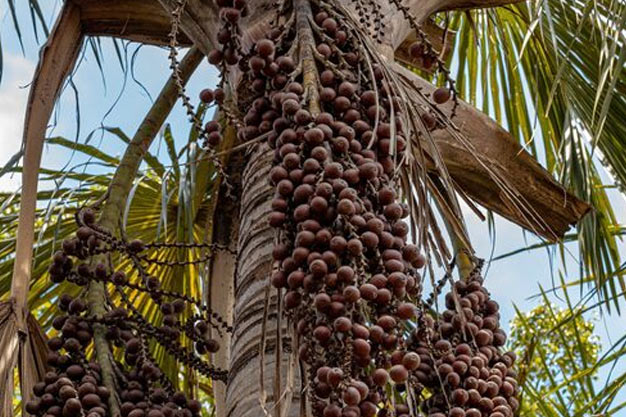
Açaí Palm is a graceful, multi-stemmed tropical palm native to the Amazon region. It produces clusters of small purple-black berries valued ...
| Scientific Name | Euterpe oleracea |
| Plant Height | Approximately 15 to 30 m |
| Growing Time | Usually 3 to 5 years for initial fruit production from seed to grown plants |
| Growing Location | Humid tropical gardens, orchards, plantations and warm frost to free landscapes |
| Sunlight Requirement | Full sun to partial shade; mature palms fruit best with good sunlight |
| Temperature | Ideal temperature for growing 22 to 32°C; sensitive to frost and prolonged cold |
| Care Tips | Grow in consistently moist, fertile, organic to rich soil with good drainage. Provide warmth, humidity and regular watering. Feed during active growth, remove damaged fronds, maintain adequate spacing and protect young palms from frost, drought and strong winds. |
| Quick Summary | Açaí Palm is an attractive Amazonian palm known for its slender trunks, feathery leaves and clusters of dark purple berries. It thrives in warm, humid regions and performs especially well where soil remains consistently moist. The berries are widely processed into pulp, drinks, frozen desserts and other food products. Besides commercial fruit production, mature palms can create a striking tropical landscape effect. Young plants are suitable for specialty nurseries and botanical collections, although successful cultivation requires a frost to free climate and dependable moisture. |
| Commercial & Gifting Uses | Commercially grown for açaí berry pulp, beverages, frozen products and health to food ingredients. Young palms are also sold as premium tropical ornamental plants and may be gifted to collectors or gardeners who enjoy unusual exotic palms. |
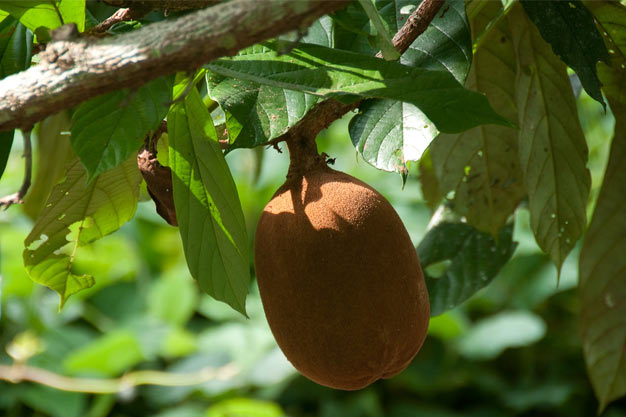
Cupuaçu is a tropical Amazonian fruit tree closely related to cacao. It produces large, aromatic fruits with creamy pulp and valuable seeds,...
| Scientific Name | Theobroma grandiflorum |
| Plant Height | Approximately 5 to 15 m |
| Growing Time | Generally 3 to 5 years to begin producing fruit |
| Growing Location | Humid tropical gardens, agroforestry systems, orchards and frost to free plantations |
| Sunlight Requirement | Partial shade when young; partial shade to filtered or gentle full sun when mature |
| Temperature | Ideal temperature for growing 22 to 30°C |
| Care Tips | Plant in deep, fertile, organic to rich and well to drained soil. Maintain steady moisture and humidity without waterlogging. Protect young trees from harsh sun, frost and strong winds. Mulch regularly, fertilize during growth and prune lightly to maintain shape. |
| Quick Summary | Cupuaçu is a valuable tropical tree native to the Amazon Basin and admired for its large, fragrant fruits. Its creamy white pulp has a distinctive sweet to tart flavor and is commonly used in juices, sweets, ice creams and desserts. The seeds can also be processed into cupulate, a cacao to like product. The tree prefers warm, humid conditions and fertile soil with consistent moisture. Its exotic appearance and unusual fruit make it attractive for specialty tropical orchards, botanical gardens and collectors interested in rare edible plants. |
| Commercial & Gifting Uses | Commercially used for fruit pulp, juices, desserts, confectionery and cosmetic ingredients such as cupuaçu butter. Young trees can be sold as specialty edible plants and gifted to tropical fruit enthusiasts and rare to plant collectors. |
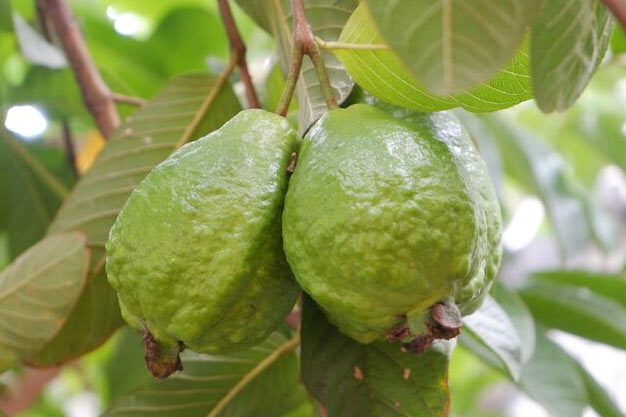
Guava is a fast-growing tropical and subtropical fruit tree producing fragrant, nutritious fruits rich in vitamin C. Its manageable size, at...
| Scientific Name | Psidium guajava |
| Plant Height | Approximately 2 to 10 m, depending on variety and pruning |
| Growing Time | Around 2 to 4 years to begin fruiting |
| Growing Location | Tropical and subtropical gardens, orchards, containers and warm home landscapes |
| Sunlight Requirement | Full sun for best flowering and fruit production |
| Temperature | Ideally temperature for growing 20 to 30°C; mature plants tolerate brief cooler conditions |
| Care Tips | Plant in full sun and fertile, well to drained soil. Water deeply during establishment and fruit development, but avoid constant waterlogging. Feed regularly, prune for airflow and manageable height, remove diseased branches and protect young plants from frost. |
| Quick Summary | Guava is a versatile fruit tree valued for its fragrant flowers, attractive bark and delicious round or pear to shaped fruits. Depending on the cultivar, the flesh may be white, pink, red or yellow. It grows quickly in warm climates and can be maintained as a compact tree through pruning. Guava is suitable for orchards, home gardens and large containers. Its nutritious fruits are eaten fresh or processed into juice, jam, jelly and desserts, making it one of the most commercially useful tropical fruit plants. |
| Commercial & Gifting Uses | Commercially cultivated for fresh fruit, juice, jam, jelly, nectar and processed foods. Compact grafted or fruiting guava plants are popular gifts for home gardeners, edible to garden enthusiasts and housewarming occasions. |
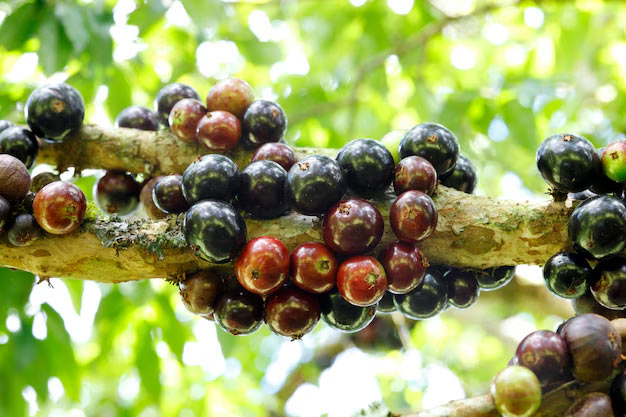
Jabuticaba is an unusual Brazilian fruit tree famous for producing dark purple fruits directly on its trunk and branches. Its distinctive ap...
| Scientific Name | Plinia cauliflora |
| Plant Height | Approximately 3 to 10 m |
| Growing Time | Grafted plants may fruit in 3 to 6 years; seed to grown plants often take considerably longer |
| Growing Location | Humid subtropical and tropical gardens, specialty orchards, containers and botanical collections |
| Sunlight Requirement | Full sunlight to partial shade |
| Temperature | Ideal temperature for growing 18 to 30°C; established plants tolerate brief light cool conditions |
| Care Tips | Grow in rich, slightly acidic, consistently moist and well to drained soil. Water regularly because drought reduces growth. Provide sun or light shade, mulch generously, fertilize moderately and prune only lightly. Protect young plants from severe frost. |
| Quick Summary | Jabuticaba is one of Brazil's most distinctive fruit trees because its grape to like fruits develop directly on the trunk, creating an extraordinary ornamental display. The dark fruits have juicy, sweet pulp and can be eaten fresh or made into beverages, jams and preserves. The tree grows slowly but develops a handsome, dense crown and decorative bark. It prefers fertile soil with dependable moisture and is especially popular among collectors of unusual edible plants. Grafted specimens are particularly desirable because they generally produce fruit sooner than seedlings. |
| Commercial & Gifting Uses | Commercially valued as a premium fresh fruit and for jams, jellies, wines and liqueurs. Fruiting or grafted specimens are highly desirable premium gifts for plant collectors, gardeners and lovers of rare tropical fruit trees. |
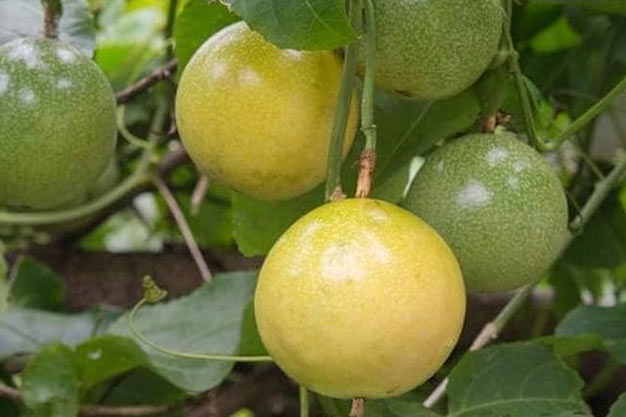
Passion Fruit is a vigorous tropical climbing vine producing spectacular flowers and aromatic edible fruits. Its rapid growth, ornamental be...
| Scientific Name | Passiflora edulis |
| Plant Height | Vine length approximately 5 to 15 m with support |
| Growing Time | Usually 1 to 2 years to begin flowering and fruiting |
| Growing Location | Tropical and subtropical gardens, orchards, trellises, fences and warm containers |
| Sunlight Requirement | Full sunlight for strong flowering and fruit production |
| Temperature | Ideal temperature for growing 20 to 30°C |
| Care Tips | Provide a strong trellis, full sun and fertile, well to drained soil. Water regularly during growth and fruiting, mulch to conserve moisture, fertilize moderately, prune after harvest and protect vines from frost, pests and prolonged waterlogging. |
| Quick Summary | Passion Fruit is a fast to growing climbing plant valued for its striking flowers and highly aromatic fruits. The vine can quickly cover trellises, fences and pergolas, making it useful as both an ornamental and productive edible plant. Its juicy pulp is commonly eaten fresh or processed into beverages, desserts and sauces. Passion Fruit performs best in warm, sunny locations with fertile, well to drained soil and regular moisture. Because of its rapid growth and attractive flowers, it is also an appealing choice for garden gifts and edible landscaping. |
| Commercial & Gifting Uses | Commercially grown for fresh fruit, juice, concentrates, desserts and flavoring products. Flowering or fruiting passion vines are attractive gifts for gardeners and are commonly used for edible landscaping, pergolas and decorative trellises. |
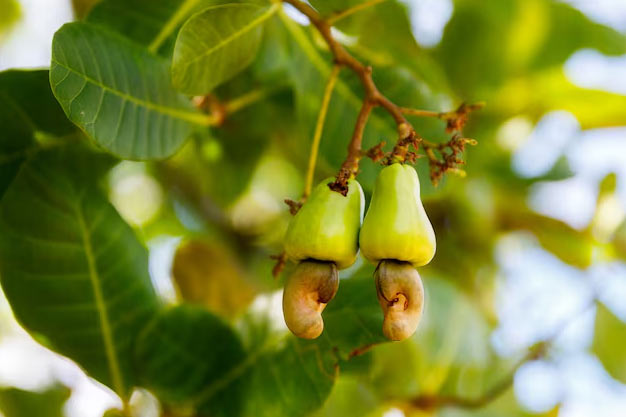
Cashew is a tropical evergreen tree valued for its kidney-shaped nuts and colorful cashew apples. It is commercially important for food prod...
| Scientific Name | Anacardium occidentale |
| Plant Height | Approximately 5 to 12 m, sometimes larger |
| Growing Time | Grafted trees may produce within 2 to 3 years; seedlings generally take 3 to 5 years |
| Growing Location | Tropical and subtropical orchards, coastal areas and warm, frost to free gardens |
| Sunlight Requirement | Full sunlight |
| Temperature | Ideal temperature for growing 24 to 32°C |
| Care Tips | Plant in full sun and well to drained sandy or loamy soil. Water regularly while young, then avoid excessive moisture. Fertilize moderately, prune damaged branches, maintain spacing and protect trees from frost. Handle harvested raw cashew shells carefully due to irritants. |
| Quick Summary | Cashew is a spreading tropical tree grown for its commercially valuable nut and juicy cashew apple. It adapts well to warm regions with strong sunlight and well to drained soil and can tolerate seasonal dryness once established. The tree develops broad foliage and can provide shade in suitable landscapes. Cashew cultivation is economically important because the nuts are widely consumed and processed worldwide. The colorful cashew apple is also used in juices, preserves and fermented products. Grafted plants are useful for faster and more predictable fruit production. |
| Commercial & Gifting Uses | Commercially cultivated for cashew nuts, cashew apple juice, preserves and processed food products. Young grafted plants are suitable gifts for tropical gardeners, orchard owners and people interested in productive, long to lived edible trees. |
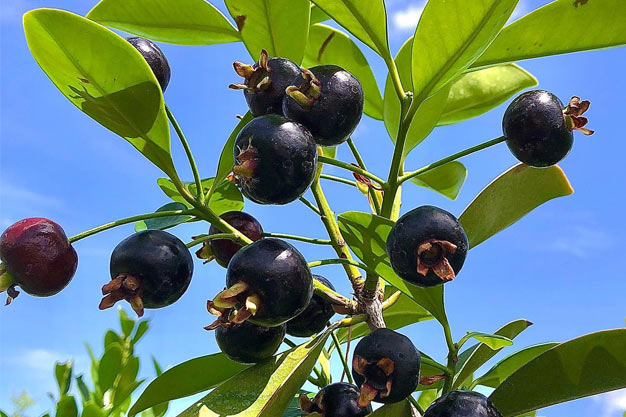
Grumixama is a rare Brazilian fruit tree producing glossy, dark purple to black cherry-like fruits. Its attractive evergreen foliage, fragra...
| Scientific Name | Eugenia brasiliensis |
| Plant Height | Approximately 3 to 15 m |
| Growing Time | Generally 4 to 7 years from seed; improved plants may fruit earlier |
| Growing Location | Humid subtropical and tropical gardens, specialty orchards and protected warm landscapes |
| Sunlight Requirement | Full sunlight to partial shade |
| Temperature | Ideal temperature for growing 18 to 30°C |
| Care Tips | Grow in fertile, organic to rich, slightly acidic and well to drained soil. Keep moisture consistent, especially while young. Provide sun or partial shade, mulch roots, fertilize lightly, prune minimally and protect from severe frost, drought and drying winds. |
| Quick Summary | Grumixama is an attractive evergreen tree native to Brazil and prized for its delicious, dark to colored fruits resembling cherries. The tree produces glossy leaves, decorative flowers and juicy fruits with a sweet, aromatic flavor. It grows best in warm, humid conditions and appreciates fertile soil with regular moisture. Because the fruits are uncommon outside its native region, Grumixama is especially desirable for specialty fruit collections and botanical gardens. Its ornamental appearance also makes it suitable for subtropical landscapes and premium edible plant nurseries. |
| Commercial & Gifting Uses | Commercially used mainly in specialty fruit markets, home orchards, preserves and artisanal products. Young Grumixama plants are premium gifts for rare to fruit collectors, tropical garden enthusiasts and people who enjoy unusual edible plants. |
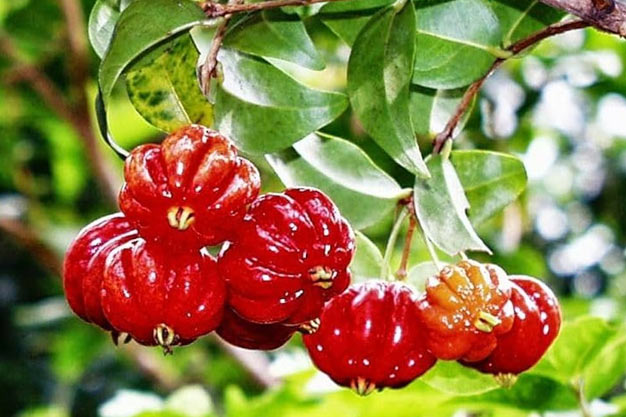
Pitanga, also called Brazilian Cherry, is an evergreen shrub or small tree producing distinctive ribbed red to deep purple fruits. Its fragr...
| Scientific Name | Eugenia uniflora |
| Plant Height | Approximately 2 to 7 m, depending on pruning and growing conditions |
| Growing Time | Usually 2 to 4 years to begin fruiting |
| Growing Location | Tropical and subtropical gardens, hedges, orchards, containers and warm landscapes |
| Sunlight Requirement | Full sunlight to partial shade; best fruiting generally occurs in full sunlight |
| Temperature for Growing | Ideal temperature for growing 18 to 30°C |
| Care Tips | Plant in fertile, well to drained soil and water regularly until established. Provide full sun for heavier fruiting, mulch around roots, prune after harvest to maintain shape and remove weak branches. Protect young plants from severe frost and drought. |
| Quick Summary | Pitanga, commonly known as Brazilian Cherry, is a versatile evergreen plant valued for ornamental foliage, fragrant flowers and brightly colored ribbed fruits. New leaves may emerge with attractive reddish tones, adding further landscape appeal. The juicy fruits vary from sweet to tangy depending on ripeness and cultivar and can be eaten fresh or used in juices and preserves. Pitanga adapts well to warm climates and can be grown as a shrub, small tree or edible hedge. Its compact growth also makes it suitable for containers. |
| Commercial & Gifting Uses | Commercially used for fresh fruit, juices, jams, jellies and specialty preserves. Its attractive foliage and edible fruit make compact plants popular gifts for gardeners, housewarmings, edible landscapes and ornamental container gardens. |
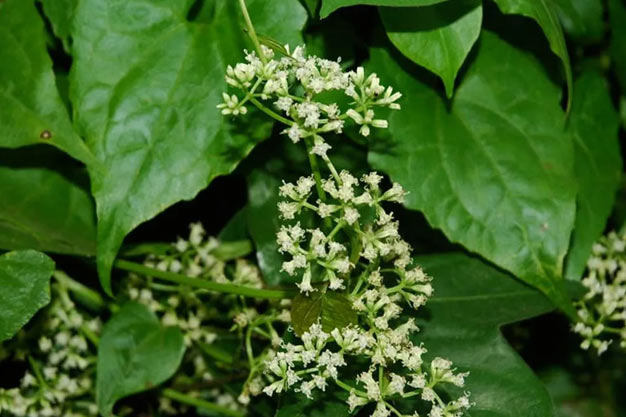
Guaco is a vigorous tropical climbing medicinal vine with heart-shaped green leaves and small white flower clusters. Native to Brazil, it is...
| Scientific Name | Mikania glomerata |
| Plant Height | Usually 1 to 3 m as a climbing vine; stems may extend considerably farther when supported. |
| Growing Time | Fast to growing; approximately 6 to 12 months for substantial vegetative growth. |
| Growing Location | Tropical and subtropical South America, especially Brazil; moist woodland edges, gardens, fences and trellises. |
| Sunlight Requirement | Partial shade to full sun; filtered light is beneficial in hot climates. |
| Temperature | Temperature for growing approximately 20 to 30°C; protect from frost. |
| Care Tips | Provide fertile, well to drained soil, regular moisture and a sturdy trellis. Give morning sun or filtered light in hot climates. Prune regularly to control vigorous growth, improve airflow and encourage fresh leafy shoots. |
| Quick Summary | Guaco is a vigorous South American climbing vine traditionally associated with Brazilian herbal practices. Its glossy, heart to shaped foliage and clusters of small whitish flowers make it attractive as a garden climber. It prefers warm conditions, moisture and support for its twining stems. Commercially, leaves and stems are harvested for herbal products, teas and botanical extracts. Nursery to grown plants can also be sold as medicinal garden specimens. For gifting, potted Guaco plants are suitable for herb gardens, tropical plant collections and wellness to themed gifts. Cultivation should follow local regulations concerning medicinal plant products. |
| Commercial & Gifting Uses | Herbal raw material, dried leaves, botanical extracts, nursery plants, medicinal herb gardens, wellness to themed plant gifts. |
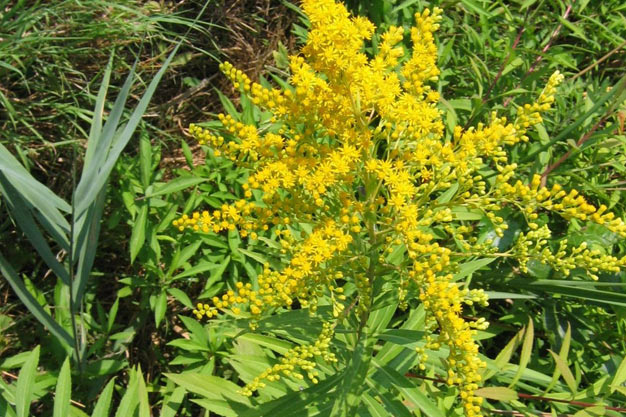
Brazilian Arnica is an upright perennial herb producing bright yellow flower clusters above narrow green foliage. Solidago chilensis is nati...
| Scientific Name | Solidago chilensis Meyen |
| Plant Height | About 1 to 1.5 m. |
| Growing Time | Fast to growing perennial; approximately 4 to 8 months for establishment and vegetative development. |
| Growing Location | South America, including Brazil, Paraguay, Argentina and surrounding regions; open fields, disturbed areas, roadsides and gardens. |
| Sunlight Requirement | Full sun to partial shade. |
| Temperature | Temperature for growing approximately 18 to 30°C; performs best in warm growing conditions. |
| Care Tips | Plant in fertile, moderately moist, well to drained soil with good sunlight. Water during dry periods, remove spent flowers and divide crowded clumps periodically. Avoid prolonged waterlogging and provide adequate airflow around foliage. |
| Quick Summary | Brazilian Arnica is a perennial South American herb recognized for its upright stems and attractive yellow flower clusters. It grows rapidly in suitable warm conditions and can reach around 1.5 metres. The plant naturally occurs in modified soils, field margins and other open habitats. Its flowers provide ornamental interest and support pollinating insects. Commercially, it is cultivated and collected for traditional botanical preparations and herbal to product markets. It can also be sold as a flowering nursery plant for medicinal gardens, natural landscapes and pollinator gardens. |
| Commercial & Gifting Uses | Herbal products, dried botanical material, nursery plants, ornamental gardens, pollinator gardens and natural wellness gifts. |
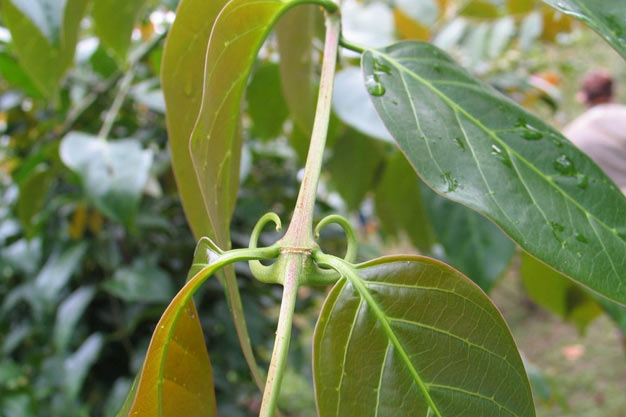
Cat's Claw is a tropical woody climbing vine recognized by its curved, claw-like thorns. Native to Central and South America, it is commerci...
| Scientific Name | Uncaria tomentosa |
| Plant Height | A climbing vine that can reach more than 20 to 30 m when climbing trees. |
| Growing Time | Slow to moderate; commercial stem/root development may require several years. |
| Growing Location | Tropical forests of Central and South America, particularly Amazonian regions. |
| Sunlight Requirement | Partial shade or dappled forest light. |
| Temperature | Temperature for growing approximately 20 to 30°C; frost to sensitive. |
| Care Tips | Grow in warm, humid conditions with partial shade and fertile, well to drained soil. Provide a strong climbing support, maintain consistent moisture and prune carefully. Protect young plants from cold temperatures, drought and harsh direct sunlight. |
| Quick Summary | Cat's Claw is a woody tropical vine famous for the hook to like thorns that resemble a cat's claws. It occurs naturally in tropical forests of Central and South America and climbs through surrounding vegetation. The plant can become very large when supported by trees. Commercial interest centers mainly on sustainably harvested botanical material used in traditional herbal to product markets. Cultivated specimens require warmth, humidity, partial shade and sturdy structural support. As a gift, young potted plants are mainly suitable for collectors of tropical medicinal plants, ethnobotanical species and unusual climbing vines. |
| Commercial & Gifting Uses | Herbal raw material, botanical extracts, ethnobotanical collections, tropical nursery plants and specialty plant gifts. |
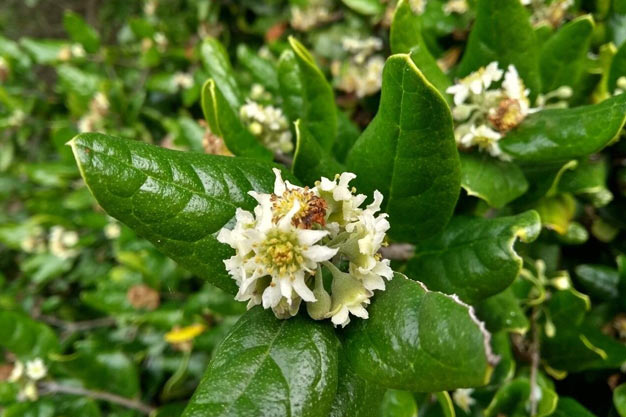
Boldo-do-Chile is an aromatic evergreen tree with leathery, strongly scented leaves and small pale flowers. Native to Chile, it is commercia...
| Scientific Name | Peumus boldus |
| Plant Height | Commonly 4 to 8 m in cultivation; can reach around 20 m under favorable natural conditions. |
| Growing Time | Slow to growing perennial tree; several years are required for substantial leaf to producing growth. |
| Growing Location | Central Chile and Mediterranean to type climates; dry woodland, scrubland and well to drained sites. |
| Sunlight Requirement | Full sunlight to partial shade. |
| Temperature | Growing temperature for approximately 15 to 25°C; protect young plants from severe frost. |
| Care Tips | Use well to drained soil and avoid prolonged waterlogging. Provide full sun or light shade, moderate irrigation and good airflow. Protect young trees from severe cold. Prune lightly and harvest leaves sustainably without damaging branches. |
| Quick Summary | Boldo to do to Chile is an evergreen tree native to central Chile's Mediterranean to type landscapes. Its thick, aromatic leaves are the principal commercially harvested part, while its small pale flowers add seasonal interest. Boldo grows relatively slowly and tolerates dry conditions once established, making well to drained soil particularly important. Commercial cultivation and harvesting focus mainly on leaf production for herbal and botanical markets. It can also be grown as an aromatic landscape tree where climate permits. Gifting is more suitable for established nursery specimens, herb collections and specialty botanical gardens than conventional indoor plant gifts. |
| Commercial & Gifting Uses | Dried leaves, herbal products, botanical extracts, aromatic gardens, nursery trees and specialty medicinal to plant collections. |
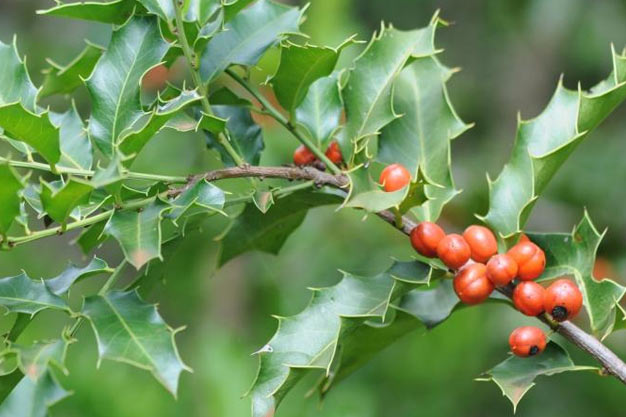
Espinheira-Santa is an evergreen Brazilian shrub or small tree with glossy, leathery leaves and distinctive toothed or thorny margins. It ha...
| Scientific Name | Maytenus ilicifolia |
| Plant Height | Approximately 4 to 5 m. |
| Growing Time | Slow to growing; several years for mature shrub development. |
| Growing Location | Southern and southeastern Brazil and other parts of South America; forest edges, woodland and river to associated habitats. |
| Sunlight Requirement | Full sunlight to dappled shade. |
| Temperature | Growing temperature approximately 18 to 28°C; protect from severe frost. |
| Care Tips | Plant in fertile, well to drained soil under full sun or dappled shade. Water regularly during establishment, then moderately. Prune lightly to maintain shape, remove damaged branches and allow sufficient space for its slow development. |
| Quick Summary | Espinheira to Santa is an evergreen South American shrub or small tree traditionally important in Brazilian herbal culture. Its glossy, leathery leaves have distinctive thorn to like margins, while small flowers are followed by attractive reddish fruits. The plant develops slowly and can reach approximately five metres. Beyond medicinal to plant cultivation, it has notable ornamental potential for landscaping, hedges, potted specimens and bonsai. Its stems have also demonstrated potential in the cut to flower industry because of their attractive foliage and vase life. Consequently, it offers commercial opportunities in herbal, nursery, ornamental and specialty botanical markets. |
| Commercial & Gifting Uses | Herbal raw material, nursery plants, landscaping, hedges, bonsai, cut foliage, ornamental arrangements and specialty plant gifts. |
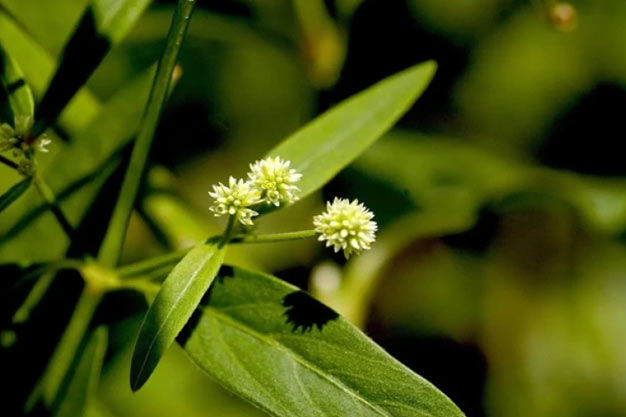
Brazilian Ginseng is a vigorous herbaceous plant with long stems, narrow leaves and small whitish flower clusters. Its thick roots are the p...
| Scientific Name | Pfaffia glomerata |
| Plant Height | Stems commonly reach about 2 to 3 m; plants benefit from support. |
| Growing Time | Approximately 8 to 18 months for substantial root and aerial development; longer for mature root production. |
| Growing Location | Brazil, particularly warm regions with fertile soils; cultivated fields and tropical/subtropical environments. |
| Sunlight Requirement | Full sunlight to partial shade. |
| Temperature | Growing temperature approximately 20 to 30°C. |
| Care Tips | Grow in fertile, well to drained soil with consistent moisture and good sunlight. Provide stakes or trellises for long stems. Avoid waterlogging, monitor roots for rot and maintain weed to free soil around developing plants. |
| Quick Summary | Brazilian Ginseng, commonly known as fáfia, is a vigorous South American plant cultivated particularly for its valuable roots. It develops elongated stems and narrow leaves with clusters of tiny whitish flowers. Commercial cultivation requires adequate spacing and support because stems can become quite long. Well to managed plants can produce substantial root biomass, which is the primary commercial interest. The species is especially important in Brazilian botanical and herbal to product markets. Potted specimens may appeal to collectors of ethnobotanical plants, although root to production cultivation is generally more commercially significant than ornamental gifting. |
| Commercial & Gifting Uses | Herbal raw material, dried roots, botanical products, nursery specimens, ethnobotanical collections and specialty wellness to themed plant gifts. |
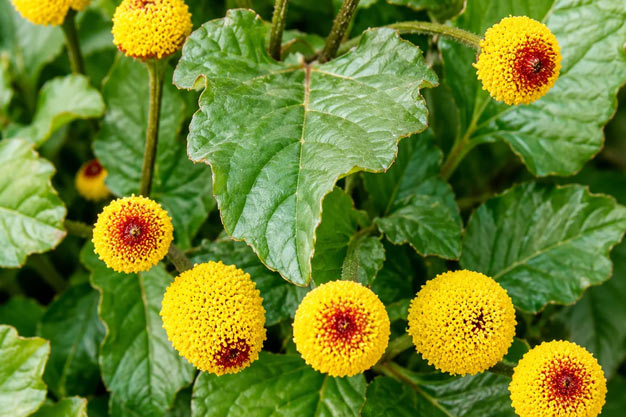
Jambu is a fast-growing tropical herb with broad green leaves and distinctive yellow flower heads with darker centers. Native to South Ameri...
| Scientific Name | Acmella oleracea |
| Plant Height | Approximately 30 to 45 cm; plants can spread to a similar width. |
| Growing Time | Fast to growing; approximately 2 to 4 months to harvestable foliage under favorable conditions. |
| Growing Location | Tropical South America, particularly Brazil; moist gardens, cultivated beds and warm agricultural areas. |
| Sunlight Requirement | Full sunlight to partial shade. |
| Growing temperature approximately 22 to 30°C. | |
| Care Tips | Keep soil consistently moist but well drained and provide fertile, organic to rich conditions. Grow in full sun or partial shade, harvest young leaves regularly and remove old flowers to encourage fresh growth throughout the season. |
| Quick Summary | Jambu is a distinctive tropical herb widely associated with northern Brazilian cuisine. Its green leaves and characteristic yellow flower heads are produced rapidly under warm, moist conditions. The plant is valued for its culinary use and its distinctive tingling sensation. Commercial growers commonly cultivate Jambu for fresh leaves and shoots used in regional foods, while dried botanical material and specialty products also have market potential. Because it grows quickly and remains compact, it is well suited to herb gardens, containers and edible to plant gift collections. |
| Commercial & Gifting Uses | Fresh culinary herb, specialty food products, dried herbs, edible gardens, container plants, culinary gift baskets and tropical herb collections. |
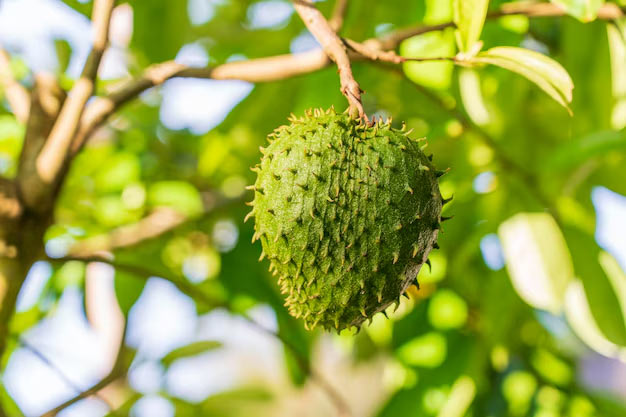
Soursop is a tropical evergreen fruit tree producing large green, soft-spined fruits with aromatic white pulp. Native to tropical America, i...
| Scientific Name | Annona muricata |
| Plant Height | Approximately 5 to 8 m; cultivated trees are often maintained smaller. |
| Growing Time | Seeds can germinate in about 20 to 30 days; fruiting generally begins around 3 to 5 years after planting. |
| Growing Location | Tropical and warm subtropical regions; fertile, well to drained soils and sheltered sites. |
| Sunlight Requirement | Full sun to partial shade, with strong sunlight preferred for productive growth. |
| Growing temperature approximately 22 to 30°C; highly sensitive to frost. | |
| Care Tips | Provide warm, humid conditions, full sun and fertile, well to drained soil. Water during dry periods and mulch around shallow roots. Protect from frost and strong winds, prune crowded branches and avoid waterlogged soil. |
| Quick Summary | Soursop is a tropical evergreen fruit tree valued for its large, distinctive green fruits and aromatic white pulp. It grows best in warm, humid environments with good sunlight, fertile soil and reliable moisture. Trees are frost to sensitive and benefit from protection against strong winds. Commercial production focuses primarily on fresh fruit, juice, beverages, desserts, frozen pulp and processed foods. Seedlings and grafted trees are also sold by nurseries. For gifting, young soursop plants are popular with tropical to fruit enthusiasts, home gardeners and people establishing edible fruit gardens in suitable climates. |
| Commercial & Gifting Uses | Fresh fruit, juice, frozen pulp, beverages, desserts, food processing, fruit orchards, nursery plants and edible to garden gifts. |
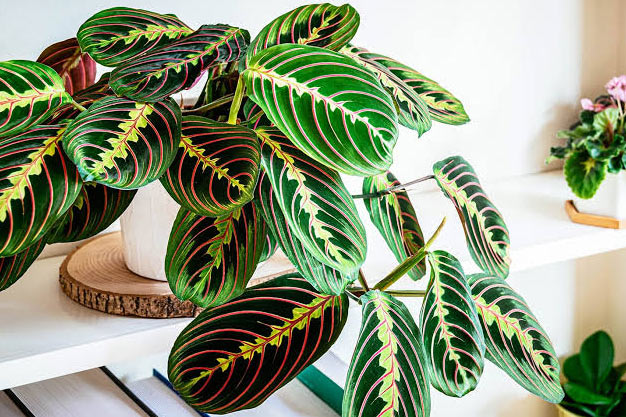
Prayer Plant is a compact tropical foliage plant admired for its beautifully patterned leaves that often fold upward at night like praying h...
| Scientific Name | Maranta leuconeura |
| Plant Height | Approximately 20 to 30 cm tall, spreading up to 45 to 60 cm. |
| Growing Time | Moderate; usually establishes well within 6 to 12 months. |
| Growing Location | Native to tropical Brazilian forests; ideal indoors, in shaded patios, terrariums and humid tropical gardens. |
| Sunlight Requirement | Bright, indirect light to partial shade. Avoid strong direct sunlight. |
| Temperature | Ideal temperature for growing 18 to 27°C; protect from temperatures below 15°C. |
| Care Tips | Keep soil lightly moist, provide bright indirect light and maintain warm, humid conditions. Use well to draining soil, avoid standing water and cold drafts, mist occasionally or increase humidity, and trim damaged leaves to encourage healthy growth. |
| Quick Summary | Prayer Plant is a popular tropical houseplant known for its striking oval leaves decorated with colorful patterns and prominent veins. The leaves characteristically move in response to changing light, often folding upward during the evening. Its compact, spreading growth makes it suitable for tabletops, shelves, hanging displays and terrariums. Prayer Plant prefers consistently warm temperatures, moderate humidity and bright indirect light. Commercially, it is widely produced as an ornamental foliage plant. Its decorative leaves and manageable size also make it an attractive gift for homes, offices, birthdays and housewarming occasions. |
| Commercial & Gifting Uses | Indoor ornamental plant, tabletop décor, hanging baskets, terrariums, office plants, housewarming gifts, birthday gifts and decorative plant hampers. |
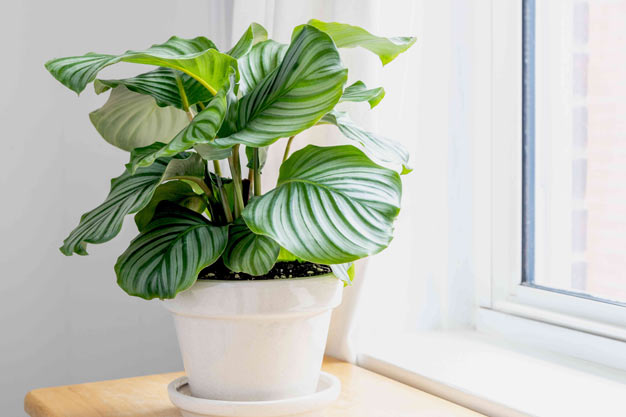
Calathea orbifolia is a luxurious tropical foliage plant with large, rounded green leaves marked by elegant silver-green stripes. Its bold t...
| Scientific Name | Goeppertia orbifolia |
| Plant Height | Approximately 60 to 100 cm indoors under favorable conditions. |
| Growing Time | Moderate approximately 1 to 2 years to reach a mature, full specimen. |
| Growing Location | Native to tropical South American forests; best grown indoors, in conservatories, shaded patios or humid tropical gardens. |
| Sunlight Requirement | Bright, indirect light to partial shade. |
| Temperature | Ideal temperature for growing 18 to 27°C; avoid temperatures below 15°C. |
| Care Tips | Provide bright indirect light, consistently moist but well to drained soil and high humidity. Use filtered or low to mineral water when possible, avoid direct sun and cold drafts, and remove damaged leaves to maintain attractive foliage. |
| Quick Summary | Goeppertia orbifolia, commonly sold as Calathea orbifolia, is prized for its large, round leaves decorated with broad silver to green stripes. Its dramatic foliage creates an elegant tropical appearance, making it a premium choice for interior landscaping. The plant grows best in warmth, humidity and bright filtered light, while strong direct sun may damage its leaves. Commercially, it is widely produced for the houseplant and interior décor market. Large, mature specimens are especially popular as premium gifts for housewarmings, offices, corporate occasions and stylish home decoration. |
| Commercial & Gifting Uses | Premium houseplants, interior landscaping, office décor, hotel and reception displays, housewarming gifts, corporate gifts, luxury plant hampers and decorative indoor arrangements. |
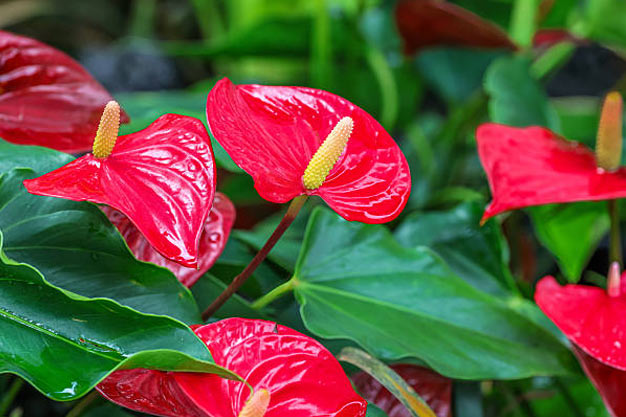
Flamingo Flower is a striking tropical plant admired for its glossy heart-shaped leaves and long-lasting colorful spathes. Available in red,...
| Scientific Name | Anthurium andraeanum |
| Plant Height | Approximately 30 to 60 cm; mature plants may grow larger under ideal conditions. |
| Growing Time | Usually 1 to 2 years to develop into a mature flowering plant. |
| Growing Location | Native to tropical regions of Colombia and Ecuador; grown indoors, in greenhouses, shaded patios and tropical gardens. |
| Sunlight Requirement | Bright, indirect light. Avoid harsh direct sunlight. |
| Ideal temperature for growing 20 to 30°C protect from temperatures below 15°C. | |
| Care Tips | Provide bright indirect light, warm temperatures and high humidity. Keep the growing medium lightly moist but never waterlogged. Use a loose, well to draining mix, fertilize lightly during active growth and remove faded flowers regularly. |
| Quick Summary | Flamingo Flower is a popular tropical ornamental plant valued for its glossy foliage and long to lasting, colorful spathes surrounding a central spadix. Red is the classic color, although pink, white, orange and other cultivated varieties are also available. Its elegant appearance and extended flowering period make it highly desirable for homes, offices and hospitality spaces. Commercially, Anthurium andraeanum is produced as both a flowering potted plant and a source of cut flowers. Its vibrant, sophisticated appearance makes it especially popular for romantic, corporate, anniversary and housewarming gifts. |
| Commercial & Gifting Uses | Flowering potted plants, cut flowers, interior decoration, hotel displays, office décor, anniversary gifts, romantic gifts, Valentine's Day gifts, corporate gifts and premium plant hampers. |
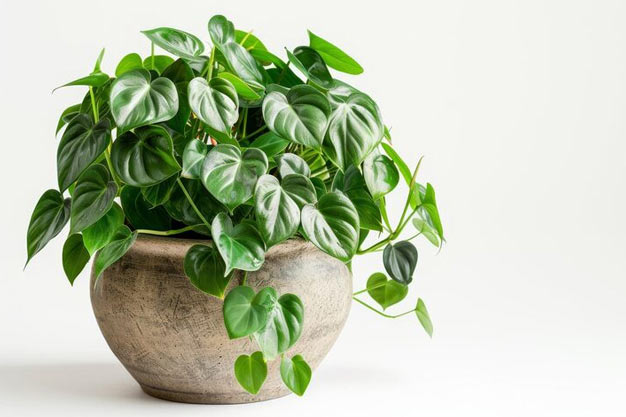
Heartleaf Philodendron is an easy-care tropical vine with glossy, heart-shaped green leaves and gracefully trailing stems. Its adaptable nat...
| Scientific Name | Philodendron hederaceum |
| Plant Height | Usually 30 to 60 cm as a potted plant; trailing or climbing stems can grow 1 to 3 m or longer. |
| Growing Time | Fast to growing; a well to established trailing plant can develop within 6 to 12 months. |
| Growing Location | Native to tropical Central and South America; ideal for indoor spaces, hanging baskets, shelves, offices and shaded tropical gardens. |
| Sunlight Requirement | Low to bright indirect light; performs best in medium to bright filtered light. |
| Temperature | Ideal temperature for growing 18 to 30°C protect from temperatures below 15°C. |
| Care Tips | Grow in well to draining soil with moderate moisture and indirect light. Allow the upper soil layer to dry slightly between watering. Prune long stems for fuller growth, provide support for climbing and protect from cold drafts. |
| Quick Summary | Heartleaf Philodendron is a classic indoor foliage plant loved for its glossy, heart to shaped leaves and elegant trailing or climbing habit. It adapts well to typical indoor conditions and can tolerate lower light, although brighter indirect light encourages stronger growth. Its fast to growing stems make it suitable for hanging baskets, shelves, moss poles and vertical indoor displays. Commercially, it is one of the most widely sold easy to care houseplants because of its adaptability and attractive appearance. Its symbolism of affection and heart to shaped foliage also make it a popular choice for housewarming, friendship and romantic plant gifts. |
| Commercial & Gifting Uses | Hanging baskets, tabletop and shelf plants, climbing indoor displays, office plants, interior landscaping, housewarming gifts, friendship gifts, romantic gifts, birthday gifts and low to maintenance plant hampers. |
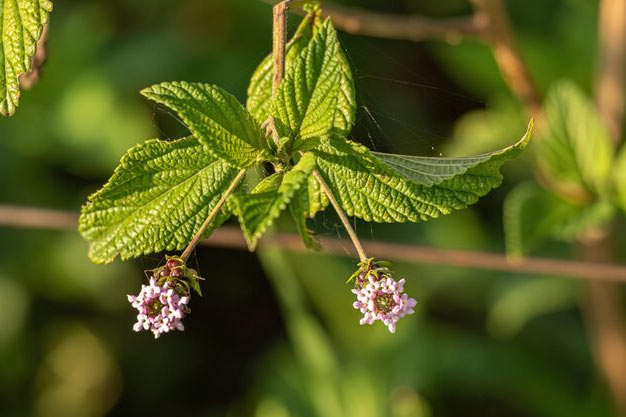
Brazilian Mint is a fast-growing aromatic shrub with soft, hairy leaves and small lavender to bluish flowers. Its fragrant foliage, adaptabi...
| Scientific Name | Hyptis suaveolens |
| Plant Height | Approximately 1 to 2 m, occasionally taller under favorable tropical conditions. |
| Growing Time | Fast to growing; usually establishes within 3 to 6 months and may flower during the first growing season. |
| Growing Location | Tropical and subtropical regions, including South America, Africa and Asia; grows in open fields, roadsides, disturbed land and warm gardens. |
| Sunlight Requirement | Full sun to partial shade; strongest growth generally occurs in sunny locations. |
| Temperature | Temperature for growing approximately 20 to 35°C; sensitive to frost and prolonged cold. |
| Care Tips | Grow in well to drained soil with regular sunlight and moderate watering. Allow soil to dry slightly between watering, prune to control vigorous growth and remove unwanted seedlings. Protect from frost and avoid overwatering around established roots. |
| Quick Summary | Brazilian Mint is an aromatic, fast to growing shrub belonging to the mint family. Its soft, hairy leaves release a noticeable fragrance when touched, while small bluish to purplish flowers attract bees and other pollinators. The plant adapts readily to warm tropical and subtropical conditions and tolerates relatively poor soils once established. Because of its vigorous growth and prolific seed production, it should be managed carefully, particularly in regions where it may spread aggressively. Commercially, it has potential as an aromatic nursery plant, botanical raw material and pollinator to friendly landscape species. For gifting, compact, well to maintained potted specimens can be included in herb gardens, aromatic plant collections and nature to themed gift sets. |
| Commercial & Gifting Uses | Aromatic nursery plants, herb gardens, botanical collections, pollinator gardens, landscaping, specialty plant sales and nature to themed or herb to garden gift sets. |
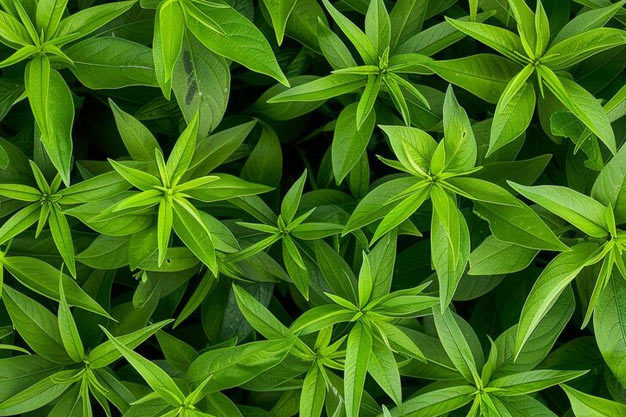
Lemon Verbena is a fragrant shrub with narrow green leaves that release a fresh, intense lemon scent. Popular in culinary, herbal and orname...
| Scientific Name | Aloysia citrodora |
| Growing Time | Moderate to fast to growing; a harvestable plant can develop within approximately 4 to 8 months. |
| Growing Location | Native to South America and widely cultivated in warm temperate, subtropical and Mediterranean to style gardens. |
| Sunlight Requirement | Full sun; light afternoon shade is helpful in extremely hot climates. |
| Temperature | Ideal temperature for growing 18 to 30°C; protect from hard frost. |
| Care Tips | Plant in fertile, well to drained soil and provide plenty of sunlight. Water regularly during active growth without waterlogging. Prune stems to encourage bushiness, harvest leaves frequently and protect roots from severe frost during winter. |
| Quick Summary | Lemon Verbena is a highly aromatic shrub prized for its narrow leaves and refreshing citrus fragrance. Native to South America, it is now cultivated worldwide as a culinary, aromatic and ornamental herb. The leaves are commonly harvested fresh or dried for herbal teas, flavorings, potpourri and other fragrant products. The plant grows best in sunny, sheltered locations with fertile, well to drained soil and regular watering during active growth. Its attractive foliage and pleasant scent make it especially suitable for patio containers and kitchen gardens. Commercially, Lemon Verbena is important for fresh and dried herb production, while potted plants are popular with gardeners. It also makes an excellent housewarming, wellness or gourmet to themed gift. |
| Commercial & Gifting Uses | Fresh herbs, dried leaves, herbal teas, culinary products, aromatic gardens, patio containers, nursery plants, gourmet gift baskets, wellness gifts and herb to garden gift sets. |
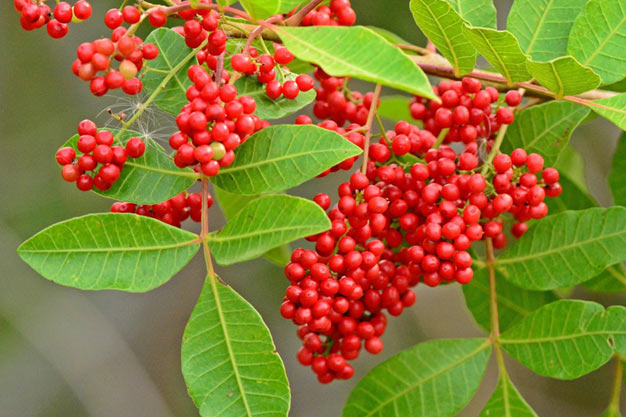
Brazilian Pepper is an evergreen shrub or small tree with glossy foliage, clusters of pale flowers and attractive bright red fruits. Its orn...
| Scientific Name | Schinus terebinthifolia |
| Plant Height | Commonly 3 to 7 m in cultivation; may reach 10 m or more under favorable conditions. |
| Growing Time | Fast to moderate to growing; approximately 2 to 4 years to develop into a substantial shrub or small tree. |
| Growing Location | Native to South America, particularly Brazil, Argentina and Paraguay; grows in warm subtropical and tropical regions, coastal areas and well to drained landscapes. |
| Sunlight Requirement | Full sun to partial shade; full sun promotes dense growth and fruit production. |
| Temperature for Growing | Approximately 18 to 32°C; mature plants tolerate brief light frost better than young plants. |
| Care Tips | Grow in sunny, well to drained soil and water regularly while establishing. Prune to maintain shape and remove unwanted seedlings or suckers. Monitor local regulations, as Brazilian Pepper can spread aggressively and become invasive in suitable climates. |
| Quick Summary | Brazilian Pepper is an evergreen shrub or small tree valued for its dense green foliage, branching habit and decorative clusters of bright red fruits. Native to South America, it adapts well to warm subtropical and tropical environments and can tolerate a range of soil conditions. Its ornamental berries and foliage provide visual interest in gardens and landscape settings. Commercially, plants may be produced for ornamental landscaping, hedging and specialty nursery markets. However, this species is considered invasive in several regions outside its native range, so cultivation and sale should follow local environmental regulations. Where permitted, young container to grown specimens may be used for botanical collections, landscape projects and decorative outdoor plant gifts. |
| Commercial & Gifting Uses | Ornamental landscaping, hedges, screening plants, specialty nursery production, botanical collections and decorative outdoor plant gifts where cultivation is permitted. |
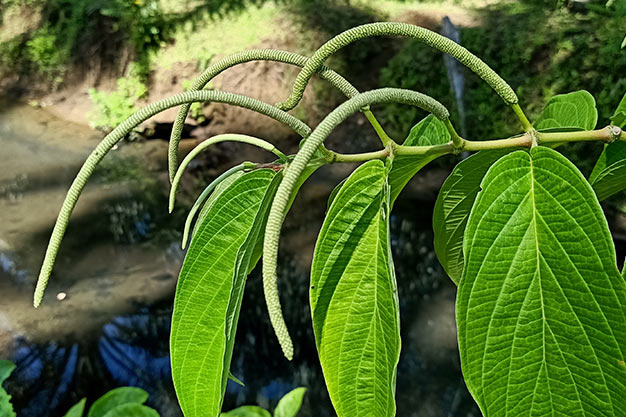
Piper aduncum is a fast-growing tropical shrub or small tree with aromatic lance-shaped leaves and slender flower spikes. It is valued in bo...
| Scientific Name | Piper aduncum |
| Plant Height | Usually 2 to 7 m, occasionally taller in favorable tropical environments. |
| Growing Time | Fast to growing; approximately 1 to 2 years to develop into a mature shrub or small tree. |
| Growing Location | Tropical Central and South America; forest edges, secondary forests, disturbed areas and humid tropical gardens. |
| Sunlight Requirement | Partial shade to full sun; young plants benefit from filtered light. |
| Temperature | Growing temperature approximately 20 to 32°C; highly sensitive to frost. |
| Care Tips | Provide warm, humid conditions, fertile well to drained soil and regular moisture. Grow in filtered light or gentle sun, prune to control size and encourage branching, and protect plants from frost, drought and prolonged waterlogging. |
| Quick Summary | Piper aduncum is a tropical member of the pepper family recognized by its aromatic, elongated leaves and slender, curved flower spikes. It grows rapidly in warm, humid environments and commonly occurs along forest edges and disturbed tropical habitats. The species can develop into a large shrub or small tree and benefits from regular pruning when cultivated in gardens or containers. Commercial interest includes specialty nurseries, ethnobotanical collections and traditional botanical markets. Its distinctive foliage and unusual flower spikes also provide ornamental value for tropical landscapes. Young plants can be marketed as collector specimens or unusual foliage plants. Note: Piper aduncum is not the true Long Pepper; true Long Pepper is Piper longum. |
| Commercial & Gifting Uses | Specialty nursery plants, tropical landscaping, botanical collections, ethnobotanical gardens, aromatic foliage displays, collector plants and unusual tropical plant gifts. |


Brazil's enormous geographical area creates many different growing environments. The Amazon rainforest supports moisture-loving tropical species, while the Cerrado, Atlantic Forest, Caatinga, Pantanal and southern regions each have their own distinctive plant communities.
This diversity is reflected in the range of plants associated with Brazil. Tropical fruit plants such as Açaí, Cupuaçu, Guava, Soursop and Jabuticaba are particularly interesting for edible gardens, while ornamental species such as Calathea, Prayer Plant and Flamingo Flower are valued for their attractive foliage and indoor decorative appeal.
Brazil is also known for plants with unusual characteristics. Jabuticaba, for example, is famous for producing fruit directly from its trunk and larger branches, creating an appearance that is very different from conventional fruit trees.
Fruit plants are an important part of Brazilian gardening and agriculture. Many tropical and subtropical species can be grown for fresh fruit, homemade drinks, desserts, preserves and other food products when suitable conditions are available.
Guava is valued for its fragrant fruit and versatility, while Passion Fruit is an attractive climbing plant that produces both striking flowers and edible fruit. Soursop, Brazilian Cherry, Grumixama, Cashew and Cupuaçu offer further possibilities for gardeners interested in unusual edible plants.
Some fruit plants require substantial space and warm conditions, whereas others can be grown in containers when the variety and growing environment are appropriate. Before purchasing an edible plant, buyers should check its mature size, climate requirements, sunlight needs and expected fruiting conditions.
Brazilian tropical fruits are particularly interesting because many have become associated with local food culture while remaining relatively unusual in other parts of the world.
Açaí is one of Brazil's best-known tropical fruit plants and is closely associated with the Amazon region. Cupuaçu is another Amazonian fruit valued for its aromatic pulp, while Jabuticaba is famous for its unusual fruiting habit.
These plants can be attractive choices for people who enjoy edible gardening and want to grow something beyond conventional apples, oranges or peaches. However, tropical fruit plants generally need appropriate warmth, sunlight, water and soil conditions to perform well.
Brazil's native plants form an important part of the country's ecological heritage. Native species can provide food and shelter for wildlife while contributing to the character of particular Brazilian ecosystems.
Some native plants are now grown commercially as ornamental or fruit-producing plants, allowing gardeners to appreciate their characteristics outside their original habitats. Responsible cultivation is important, particularly when dealing with unusual or ecologically significant species.
When purchasing a native Brazilian plant, it is preferable to choose nursery-propagated specimens from legitimate sources rather than plants collected directly from natural habitats. Responsible sourcing helps support sustainable horticulture and conservation.
Plants in Brazil have long been connected with food, traditional practices, local communities and regional culture. Some species are grown primarily for culinary purposes, while others are valued for their historical or traditional significance.
Jambu, for example, is an important culinary plant associated with northern Brazilian cuisine. Its distinctive taste and sensory qualities have made it an interesting specialty plant for people exploring Brazilian food traditions.
Other Brazilian plants are known internationally because of their fruit, seeds, foliage or traditional uses. However, traditional use should not automatically be interpreted as evidence that a plant can treat or prevent a medical condition. Plant products should always be used responsibly.
Brazilian plants are not limited to fruit trees and edible species. The country's tropical flora has also contributed many attractive ornamental plants that are popular in homes, offices, patios and landscaped gardens.
Calathea and Prayer Plant are particularly attractive because of their decorative foliage. Their patterned leaves can add visual interest even when the plants are not flowering.
Flamingo Flower, commonly associated with Anthurium, is another popular ornamental choice. Its glossy leaves and colourful spathes can create a tropical appearance in suitable indoor or protected outdoor environments.
These plants can be especially useful for people who want Brazilian or tropical character without having enough space for a large outdoor tree.
Large outdoor spaces provide more opportunities to grow Brazilian fruit trees, palms and ornamental plants. Depending on the local climate, suitable choices can be used as individual specimen plants, part of an edible garden or as elements in a tropical landscape.
Fruit trees can provide both shade and harvests, while ornamental foliage plants can be positioned around patios, pathways and garden entrances. Climbing plants such as Passion Fruit can make use of fences, trellises and other vertical structures.
When planning a garden, it is important to consider the mature size of each plant rather than choosing solely according to its appearance when young. A tropical tree that looks small when purchased may eventually require considerable space.
Living in an apartment does not necessarily mean giving up the opportunity to grow Brazilian plants. Several tropical foliage plants can be suitable for containers and indoor environments when their light, humidity and temperature requirements can be met.
Prayer Plant, Calathea and Flamingo Flower can provide attractive greenery in smaller spaces. Depending on the variety, some fruit plants can also be maintained in containers, although fruiting performance may be more limited than when plants have sufficient outdoor space.
Balcony gardeners should also consider wind exposure, direct sunlight, container weight and drainage. A plant that prefers sheltered tropical conditions may need protection on an exposed high-rise balcony.
A plant can be a thoughtful alternative to cut flowers because it has the potential to remain with the recipient for months or years. Brazilian plants can make particularly interesting gifts because they offer a combination of natural beauty and botanical curiosity.
A compact foliage plant can brighten an apartment, an unusual fruit plant can appeal to a gardening enthusiast, and a tropical flowering plant can become a decorative feature in a home or office.
For someone who enjoys cooking, an edible Brazilian plant can provide an additional reason to grow it. For a plant collector, an unusual tropical species may be more exciting than a conventional ornamental plant.
Brazilian plants can be considered for a wide range of occasions. A compact indoor plant can work well as a housewarming present, while a fruit plant may be appropriate for a gardening enthusiast's birthday.
The most attractive plant is not always the most suitable gift. Consider the recipient's available space, gardening experience and local growing conditions before choosing a plant.
For an apartment dweller, a compact foliage plant is generally more practical than a large fruit tree. For someone with a spacious garden, a productive fruit plant may provide a much more rewarding long-term experience.
It is also worth considering whether the recipient enjoys plant care. Beginners may appreciate plants with relatively straightforward requirements, while experienced gardeners may enjoy unusual species that require more specialised attention.
Buying plants online makes it easier to discover unusual Brazilian species that may not be available through ordinary local garden centres. However, online buyers should look beyond photographs and consider the practical growing requirements of each plant.
Before ordering, check the plant's expected size, preferred light conditions, watering requirements, temperature tolerance and whether it is intended primarily for indoor or outdoor cultivation.
For fruiting plants, also consider whether the local climate is suitable for flowering and fruit production. Some tropical plants may grow successfully as ornamentals outside their native climate but may not produce fruit under unsuitable conditions.
For plant gifts, consider the recipient's home or garden environment before making a purchase. A carefully matched plant is more likely to become a successful and appreciated long-term gift.
GiftFloraHub brings together information about Brazilian plants to help visitors explore tropical fruit trees, edible plants, ornamental foliage and distinctive species associated with Brazil.
Whether you are searching for an unusual plant for your own collection, a productive addition to an edible garden or a thoughtful living gift, learning about the plant's characteristics can help you make a more informed choice.
Explore Brazilian plant options according to their purpose, size, appearance and growing requirements, and find ideas suitable for homes, gardens, patios and special occasions.
Brazil is famous for its extraordinary range of tropical and subtropical fruits. Many Brazilian fruit plants are valued not only for their harvests but also for their attractive foliage, flowers, unusual growth habits and connection with regional food culture.
For gardeners, growing a Brazilian fruit plant can be a rewarding way to combine ornamental gardening with edible landscaping. Depending on the species and local climate, these plants can be grown in gardens, orchards, patios or large containers.
The following Brazilian fruit plants are particularly interesting for home gardeners, plant collectors and people searching for unusual living gifts.
Açaí Palm (Euterpe oleracea) is one of the plants most strongly associated with the Amazon region of Brazil. Its small dark-purple fruits are widely known internationally through Açaí-based foods and beverages.
The plant is an attractive tropical palm with slender stems and elegant foliage. In suitable environments, it can become an impressive feature of a tropical landscape.
Açaí palms prefer warm, humid conditions and adequate moisture. They are therefore most suitable for tropical and warm subtropical environments or carefully controlled growing conditions.
Açaí has considerable commercial importance because its fruit is processed into pulp and used in beverages, bowls, desserts and other food products. For home gardeners, however, successful fruit production depends on providing the appropriate climate and growing conditions.
Cupuaçu (Theobroma grandiflorum) is an Amazonian fruit tree related to cacao. It produces large brown fruits containing aromatic pulp with a distinctive tropical flavour.
The fruit is used in a variety of food products, including juices, desserts, sweets and frozen preparations. The plant is therefore interesting for gardeners who want to explore lesser-known Brazilian fruit species.
Cupuaçu prefers warm and humid conditions and is generally better suited to tropical climates than cold environments. Adequate soil moisture, good drainage and protection from unsuitable temperatures are important for healthy growth.
For experienced gardeners and tropical plant collectors, Cupuaçu offers something different from conventional fruit trees. Its Amazonian origin and edible fruit make it both a botanical and culinary curiosity.
Jabuticaba (Plinia cauliflora) is one of Brazil's most distinctive fruit trees. Unlike many familiar fruit trees, Jabuticaba produces its dark fruits directly on the trunk and larger branches.
This unusual fruiting habit makes the tree particularly attractive to plant collectors and gardeners who enjoy unusual botanical features. During fruiting periods, the dark fruits can cover portions of the trunk and branches, creating a remarkable display.
Jabuticaba prefers warm conditions, regular moisture and fertile, well-drained soil. It can be grown as a garden tree and, depending on the variety and cultivation method, some specimens can also be maintained in large containers.
A Jabuticaba plant can make an exceptional gift for someone who enjoys gardening and unusual fruit trees. It offers an experience that goes beyond simply harvesting fruit because the tree itself becomes a botanical feature in the garden.
Guava is one of the most familiar tropical fruit plants associated with Brazil and many other warm regions. The plant can develop into a productive small tree or shrub and is valued for its fragrant fruit.
Guava fruits can be eaten fresh and are also commonly used for juices, desserts, jams, jellies and other preparations. Its versatility makes it an attractive choice for edible gardens.
Guava generally prefers plenty of sunlight and warm conditions. Good drainage is important, while regular watering can support healthy growth during active development.
For gardeners with suitable outdoor space, Guava can provide both ornamental greenery and edible harvests. Regular pruning can help maintain a manageable shape and make harvesting easier.
Passion Fruit is produced by climbing plants in the Passiflora genus. It is valued for both its unusual flowers and aromatic edible fruit, making it particularly useful for ornamental edible gardening.
The vigorous climbing habit allows Passion Fruit to make efficient use of vertical space. A sturdy trellis, fence or other support can help guide the vines and keep the plant organised.
The flowers are also one of the plant's most attractive features. Their intricate structure gives the plant ornamental value even before fruit develops.
For gardeners who have limited ground space but can provide vertical support, Passion Fruit can be an interesting option. However, the vigorous growth should be managed through suitable pruning and support.
Soursop (Annona muricata) is a tropical fruit tree known for its large green fruits with soft, aromatic flesh. It is grown in various tropical regions and has an established place in Brazilian food culture.
The fruit is commonly consumed fresh or used in drinks, desserts and other preparations. The tree itself has broad green foliage that can contribute to the appearance of a tropical garden.
Soursop prefers warm conditions and generally does not tolerate prolonged exposure to cold temperatures. Gardeners outside tropical climates should carefully consider whether their environment can support the plant.
For a gardener with sufficient space and a suitable warm climate, Soursop can provide the opportunity to grow an unusual tropical fruit at home.
Brazilian Cherry, commonly associated with Eugenia uniflora, is a small fruiting tree or shrub that produces colourful ribbed fruits. The plant is also valued as an ornamental species because of its attractive foliage and compact growth.
The fruit changes colour as it matures and can range from orange to deep red or darker shades. Its unusual shape makes it particularly interesting for gardeners who enjoy less conventional fruit plants.
Brazilian Cherry can be useful for gardens where a smaller fruiting plant is preferred over a large tropical tree. With appropriate pruning, it can also be maintained as an attractive landscape shrub.
Depending on the variety, climate and container size, Brazilian Cherry may be suitable for container cultivation. Container-grown specimens require careful attention to watering, drainage, nutrition and root space.
Grumixama (Eugenia brasiliensis) is a Brazilian native fruit tree belonging to the Myrtaceae family. Its dark fruits are valued by people interested in native Brazilian edible plants.
The tree can also provide ornamental value through its foliage and overall structure. It is particularly interesting for gardeners who want to explore native or less commonly cultivated Brazilian fruit species.
Grumixama is best considered by gardeners who can provide suitable warm growing conditions and sufficient space for the plant to develop.
Unlike mainstream fruit trees commonly found in garden centres, Grumixama offers a stronger connection with Brazil's native botanical heritage. It can therefore be an interesting addition to a specialty fruit collection.
Cashew (Anacardium occidentale) is an important tropical plant with both culinary and commercial significance. It is especially well known for producing cashew nuts, while the swollen cashew apple is also used in food and beverage preparations.
The cashew tree prefers warm conditions and plenty of sunlight. It can become a substantial plant, so adequate garden space is important when growing it outdoors.
Cashew is particularly interesting for gardeners who want to understand the relationship between a plant's fruit and commercially valuable seed or nut.
Cashews have a major place in the global food industry. The nuts are consumed directly and used in confectionery, cooking, plant-based foods and other products. For home gardeners, however, fruit and nut production will depend heavily on climate, pollination, plant maturity and growing conditions.
Jambu is a distinctive Brazilian culinary plant particularly associated with the Amazon region and northern Brazilian cuisine. It is known for its unusual sensory effect and is used in traditional dishes.
Jambu is generally grown as a herbaceous plant rather than as a large tree, making it different from many of the fruit plants discussed in this section.
For people interested in Brazilian cuisine and edible gardening, Jambu can be an intriguing specialty plant. Its culinary significance makes it particularly suitable for gardeners who enjoy growing ingredients that are difficult to find in conventional garden collections.
A small culinary garden can include Jambu alongside other herbs and edible plants. Its requirements should be considered carefully according to the local climate and growing conditions.
Not all Brazilian fruit plants require the same amount of space. Selecting a plant according to the available area can make cultivation much easier.
| Garden Size | Possible Plants | Important Consideration |
|---|---|---|
| Small space | Jambu, selected compact fruit plants | Container size and sunlight |
| Balcony or patio | Brazilian Cherry, selected container plants | Container weight and drainage |
| Medium garden | Guava, Brazilian Cherry, Passion Fruit | Pruning and available growing space |
| Large garden | Jabuticaba, Soursop, Cashew | Mature size and root space |
| Tropical garden | Açaí, Cupuaçu, Soursop | Warmth and moisture |
A fruit tree can be a particularly meaningful living gift because it represents growth and can eventually provide a harvest. Unlike a cut bouquet, a well-maintained fruit plant can remain part of the recipient's garden for many years.
Guava can be a practical choice for someone who enjoys edible gardening, while Jabuticaba may appeal to collectors looking for something unusual. Passion Fruit can suit gardeners who enjoy climbing plants and vertical gardening.
For larger properties, a suitable Soursop, Cashew, Açaí or Cupuacu plant can create a more substantial long-term gardening project.
When giving a fruit tree as a seasonal or celebratory gift, it is important to make sure the recipient has an appropriate climate and enough space. A beautiful plant can become difficult to maintain if its mature requirements are overlooked.
Edible landscaping combines food-producing plants with attractive garden design. Brazilian fruit plants can be particularly useful in this type of garden because many offer ornamental foliage, interesting flowers or distinctive fruit in addition to their edible value.
Passion Fruit can be trained along a trellis, Guava can become a productive feature tree, and Brazilian Cherry can work as a smaller fruiting shrub or tree. Larger species such as Jabuticaba and Soursop can become focal points in spacious gardens.
This approach allows gardeners to create outdoor spaces that are both decorative and productive while exploring the diversity of Brazilian plant life.
Before purchasing a Brazilian fruit plant, consider the following factors:
A little planning before purchase can significantly improve the chances of successful cultivation and make a Brazilian plant a more rewarding long-term investment.
Brazilian fruit plants offer an opportunity to explore flavours and growing habits that are very different from conventional garden plants. Açaí, Cupuacu, Jabuticaba, Grumixama, Brazilian Cherry and Jambu are particularly interesting for people who enjoy discovering less familiar species.
Whether you are creating an edible garden, expanding a tropical plant collection or looking for an unusual living gift, these plants provide a combination of botanical interest and practical value.
Brazil's plant heritage extends well beyond tropical fruit trees and ornamental foliage. Across different regions, plants have been used in traditional cuisine, local crafts, cultural practices, gardening and specialty agriculture for generations.
Some Brazilian plants are grown primarily for culinary purposes, while others are valued for their distinctive appearance, natural compounds, aromatic properties or historical associations. This makes Brazil an especially interesting destination for people who enjoy unusual plants and specialty botanical products.
It is important, however, to distinguish traditional or cultural use from scientifically established medical treatment. Plant-based products can have active compounds and may not be suitable for everyone. Responsible identification, sourcing and use are therefore essential.
Jambu is one of the most distinctive edible plants associated with northern Brazil, particularly the Amazonian region. It is widely recognised for the unusual tingling or numbing sensation it can create when eaten.
The plant is used in traditional Brazilian dishes and is an important ingredient in regional cuisine. Its leaves and flowers can be incorporated into recipes, giving dishes a characteristic sensory experience.
Jambu is generally a relatively compact herbaceous plant, making it different from the large tropical fruit trees found elsewhere in Brazil's plant collection. It can therefore appeal to gardeners interested in culinary plants and regional food traditions.
For people who enjoy growing unusual edible plants, Jambu can be an interesting addition to a specialty herb garden. Its culinary significance also makes it an appealing gift for someone interested in Brazilian cooking.
Cacao (Theobroma cacao) has an important connection with Brazil's tropical regions and is one of the world's most recognised plants because of its role in chocolate production.
The cacao tree produces pods containing seeds that are processed into cocoa products. The plant itself has attractive tropical foliage and is particularly interesting to gardeners who want to understand where chocolate originates.
Cacao prefers warm, humid conditions and protection from harsh environmental conditions. It is therefore more appropriate for tropical gardens or controlled growing environments than cold climates.
A cacao plant can make an unusual addition to a tropical garden or botanical collection. It can also provide an opportunity for children and adults to learn about the agricultural journey from a tropical fruit pod to familiar chocolate products.
Yerba Mate (Ilex paraguariensis) is a South American plant traditionally used to prepare a caffeinated beverage. Although its cultural importance extends beyond Brazil, it is an important part of southern Brazilian agricultural and beverage traditions.
The leaves are harvested and processed before being used to prepare the traditional drink. The plant is therefore particularly interesting for people who enjoy culinary history, regional beverages and South American botanical products.
As with other plants containing naturally active compounds, consumption should be approached responsibly. The plant should not be promoted as a treatment for medical conditions simply because it has a traditional history of use.
Guaraná (Paullinia cupana) is a climbing plant native to the Amazon region and is particularly associated with Brazil. Its seeds have traditionally been used in beverages and food products.
The plant has become commercially significant because guaraná is used in various drinks and food products. Its association with Amazonian Brazil also makes it an interesting plant for tropical collections.
Guaraná grows as a woody climber and therefore requires suitable support when cultivated. Warm temperatures and appropriate moisture are important for successful growth.
Guaraná has commercial value far beyond ornamental gardening. Its seeds are processed for use in beverages and other products, demonstrating how Brazilian native plants can become important components of specialty agricultural markets.
Brazil's culinary traditions include many plants that contribute distinctive flavours, aromas and textures to regional food. Pepper plants and other edible herbs can be grown in home gardens where suitable conditions are available.
Specialty culinary plants can be particularly rewarding for gardeners because they offer both ornamental and practical value. Some produce attractive foliage or fruits while also providing ingredients for cooking.
When growing edible plants, always confirm that the species has been correctly identified and that the particular part being consumed is considered suitable for food use.
Açaí is best known internationally for its fruit, but the plant itself is an important part of Amazonian landscapes. The Açaí Palm has a slender, elegant form and can contribute a distinctly tropical appearance to suitable gardens.
The plant's commercial importance comes largely from its fruit, which is processed into pulp and used in numerous food and beverage products.
For gardeners, Açaí can be interesting as both an edible plant and a representation of Amazonian tropical vegetation. However, its environmental requirements should be carefully considered before cultivation outside warm and humid regions.
Brazil's enormous botanical diversity has resulted in a long history of traditional plant use. Indigenous communities and local populations have developed extensive knowledge of plants found in their surrounding environments.
Some plants have traditionally been prepared as teas, infusions, food ingredients or topical preparations. Such traditional knowledge forms an important part of Brazilian cultural heritage.
However, traditional use should be understood within its cultural context. A traditional preparation is not automatically proven to prevent, diagnose or treat a disease. Modern safety considerations, correct plant identification and professional guidance are important when plants are used for purposes beyond ordinary gardening or food use.
Brazil has a substantial market for botanical ingredients, herbal preparations and plant-derived products. Leaves, fruits, seeds, bark and roots from different species may be used in traditional preparations or commercial products.
Some plants are sold as dried herbs, teas, extracts, oils or other processed products. The concentration and safety profile of a processed product can be very different from simply growing the plant in a garden.
Consumers should therefore check product labels, ingredients, recommended usage and sourcing information before purchasing herbal or botanical products.
Many Brazilian plants have traditional or historical associations with health and wellness. However, traditional use should not be presented as proof of a medical benefit.
Plant products may interact with medicines, cause allergic reactions or be unsuitable for certain people. Pregnant or breastfeeding individuals, children and people taking prescription medicines should be particularly cautious about consuming concentrated herbal products.
GiftFloraHub provides botanical and gardening information and does not recommend using plants as substitutes for professional medical diagnosis or treatment.
Always seek advice from a qualified healthcare professional before using a plant or herbal product for a health-related purpose.
Specialty Brazilian plants can be particularly appealing to collectors who want to build a collection around tropical, Amazonian or South American species.
A collection might combine an edible plant such as Guaraná or Cacao with ornamental foliage plants such as Calathea and Prayer Plant. Larger outdoor collections could include fruit trees such as Jabuticaba, Cupuaçu or Brazilian Cherry.
Collectors should consider whether each species has similar growing requirements. Plants with very different humidity, temperature or light needs may require separate growing environments.
Plant lovers who enjoy cooking may find Brazilian specialty plants particularly rewarding. Jambu, Guaraná, Cacao and a wide range of tropical fruit plants provide opportunities to explore ingredients associated with Brazilian cuisine and food culture.
A culinary garden can combine plants that provide fresh fruit, herbs, leaves and other edible parts. Growing these plants at home can also make it easier to understand their seasonal nature and the conditions required for production.
For a gift, a specialty culinary plant can be more personal than a conventional ornamental plant when the recipient enjoys cooking or experimenting with international ingredients.
Specialty plants can also contribute to a tropical garden theme. Large-leaved foliage plants can create a lush background, while fruit trees and palms provide height and structure.
Cacao,Açaí and other tropical plants can contribute to the atmosphere of a warm-climate garden when grown under suitable conditions. Smaller plants can be positioned near patios, pathways or sheltered areas to create layers of foliage.
A combination of edible and ornamental plants can make the garden both attractive and productive.
Unusual plants can be exciting to buy, but responsible selection is important. Buyers should choose legally propagated plants and avoid specimens collected from protected natural habitats.
This is particularly relevant when purchasing rare native plants, wild-collected specimens or products made from roots, bark or other plant material.
Responsible sourcing helps protect Brazil's natural ecosystems while supporting legitimate nurseries and sustainable horticultural practices.
One of the most fascinating aspects of Brazil's plant heritage is the way individual species can have several different roles. A plant may be important to local culture, valuable as a food crop and interesting as a botanical specimen at the same time.
Cacao demonstrates this particularly well through its connection with chocolate production. Guaraná combines Amazonian heritage with a significant beverage market, while Jambu connects plant cultivation with regional Brazilian cuisine.
This combination of culture, horticulture and commerce makes Brazilian plants particularly interesting for gardeners and consumers looking for something beyond conventional ornamental species.
Specialty plants can make excellent gifts when the recipient has a genuine interest in gardening, cooking or botanical collections. A cacao plant may appeal to a chocolate enthusiast, while Jambu can be an intriguing gift for someone interested in Brazilian cuisine.
For collectors, an unusual Brazilian plant can provide a new addition to an existing tropical collection. For gardeners with outdoor space, a productive specialty plant can become a long-term project.
Before giving a specialty plant, however, check whether the recipient has suitable growing conditions and whether local regulations permit the cultivation or movement of the species.
Brazil's plant heritage includes much more than familiar tropical fruit. Specialty species such as Jambu, Guaraná and Cacao demonstrate the close relationship between plants, food, culture and commerce.
These plants can be fascinating additions to botanical collections and culinary gardens while also providing insight into Brazil's regional traditions.
Brazilian plant diversity is not limited to fruit trees and edible species. The country's tropical landscapes are also known for attractive palms, flowering trees, ornamental shrubs and foliage plants that can bring a distinctly warm and natural character to gardens and outdoor spaces.
Some Brazilian plants are suitable for larger landscapes, while others can be grown in containers or used as decorative indoor plants. Choosing the right species depends on available space, climate, sunlight, maintenance requirements and the intended purpose of the plant.
The Açaí Palm is valued not only for its fruit but also for its elegant tropical appearance. Its slender stems and arching foliage can create a strong vertical element in a suitable warm-climate landscape.
Because Açaí prefers warm and humid conditions, it is best suited to tropical or warm subtropical environments. Gardeners should also consider the eventual height and space requirements before planting it close to buildings or confined areas.
For larger tropical gardens, Açaí can be combined with other foliage plants and fruit-bearing species to create a layered landscape with an unmistakable Brazilian character.
Brazilian Cherry is an interesting option for gardeners who want a plant that combines ornamental appeal with edible fruit. Its compact growth and attractive foliage can make it suitable for smaller gardens compared with some large tropical fruit trees.
The colourful fruits provide additional seasonal interest, while regular pruning can help maintain a manageable shape.
It can therefore be considered for edible landscaping, patio gardens and gardens where both decorative and productive plants are desired.
Jabuticaba is particularly valuable as a feature plant because of its unusual fruiting habit. The fruits develop directly on the trunk and larger branches, creating a spectacular appearance when the tree is in fruit.
Its distinctive structure makes it attractive to plant collectors and gardeners who want a conversation-starting specimen. In a suitable garden, Jabuticaba can become much more than an ordinary fruit tree.
It can also be considered as a meaningful living gift for experienced gardeners who appreciate unusual Brazilian plants.
Passion Fruit is a vigorous climbing plant and can be particularly useful where vertical gardening is preferred. A strong trellis, pergola, fence or other support can provide a framework for the vines.
Its attractive flowers give it ornamental value, while the fruit provides an edible harvest when suitable growing conditions are available.
Because the vines can grow vigorously, regular training and pruning may be necessary to keep the plant organised and prevent it from spreading into unwanted areas.
Calathea is one of the most appealing choices for people who want tropical foliage without needing a large outdoor garden. Its patterned leaves can add texture and colour to living rooms, bedrooms, offices and other indoor spaces.
Calathea generally prefers bright but filtered light rather than harsh direct sunlight. It also benefits from appropriate moisture and humidity, although conditions should vary according to the particular species.
Its decorative appearance makes it a popular choice for interior plant displays and thoughtful plant gifts.
Prayer Plant is another compact foliage plant that can work well in homes and apartments. Its patterned leaves and spreading growth habit make it attractive on shelves, tables and other indoor locations.
It can also be used in hanging displays where the trailing growth is allowed to develop naturally.
Prayer Plant is particularly suitable for people who enjoy decorative foliage but do not have sufficient outdoor space for a large Brazilian tree.
Flamingo Flower, commonly associated with Anthurium, combines glossy green foliage with colourful spathes that can remain decorative for an extended period under suitable conditions.
Its tropical appearance makes it suitable for homes, offices, reception areas and other protected environments. It can also make an attractive alternative to a traditional flower bouquet.
When grown indoors, provide suitable light while protecting the plant from extreme direct sunlight and unsuitable temperature conditions.
A Brazilian-inspired garden can combine fruit trees, palms, flowering plants, foliage plants and climbing species to create different layers of height and texture.
Large gardens may accommodate fruit trees such as Jabuticaba, Soursop or Cashew, while smaller areas can use Brazilian Cherry or carefully selected container plants.
For a tropical landscape, combine plants with different leaf shapes and heights rather than planting everything at the same level. This can create a more natural and visually interesting garden.
People living in apartments can still enjoy Brazilian plant varieties. Compact foliage plants are often more practical than large fruit trees when growing space is limited.
Container plants require special attention to pot size, drainage, sunlight and watering. Balcony gardeners should also consider wind exposure and the weight of large containers.
A plant can be an excellent housewarming gift because it can continue growing and decorating the recipient's home long after the occasion.
For an apartment, a compact Calathea, Prayer Plant or Flamingo Flower can be a practical choice. These plants can provide a tropical appearance without requiring a large garden.
For someone moving into a house with outdoor space, a Brazilian fruit plant can be more appropriate. Jabuticaba, Guava or Brazilian Cherry can appeal to gardening enthusiasts who enjoy growing edible plants.
When choosing a housewarming plant, consider the amount of natural light available in the new home. A plant that requires strong outdoor sunlight may not be suitable for a darker indoor environment.
Plants can also work well as corporate gifts because they can remain in an office, reception area or workspace for an extended period.
For professional environments, ornamental foliage plants are often more practical than large fruit trees. Calathea and Flamingo Flower can provide an elegant tropical appearance when the office has appropriate light and environmental conditions.
A plant can be presented as a gift for business anniversaries, company milestones, client appreciation, employee recognition, office openings or professional celebrations.
A birthday plant can be a thoughtful alternative to conventional presents, especially for someone who enjoys gardening or interior decoration.
A colourful Flamingo Flower can suit someone who enjoys indoor plants, while a Calathea or Prayer Plant may appeal to a foliage enthusiast.
For someone with a garden, consider a Brazilian fruit plant such as Guava, Brazilian Cherry or Jabuticaba, depending on the recipient's growing conditions and available space.
A living plant can carry a symbolic message of continued growth, making it a natural choice for an anniversary.
Couples with a garden may appreciate a fruit tree that can become part of their shared outdoor space. For indoor environments, a long-lasting ornamental plant can provide a more practical option.
Jabuticaba can be particularly interesting for an experienced gardener because its unusual fruiting habit makes it different from ordinary anniversary gifts.
Plant gifts can be selected according to the recipient's interests rather than following a single traditional flower choice.
For a mother who enjoys interior decoration, Calathea, Prayer Plant or Flamingo Flower can add natural beauty to the home. For someone who enjoys gardening, a Brazilian fruit plant may provide a more engaging long-term project.
For Father's Day, fruit trees, culinary plants and unusual tropical species can appeal to fathers who enjoy gardening, cooking or outdoor projects.
Experienced gardeners often appreciate plants that offer something unusual. Brazilian species can provide plenty of opportunities to explore new growing techniques, tropical fruit production and distinctive plant characteristics.
Jabuticaba is an interesting choice for collectors because of its unusual fruiting habit. Passion Fruit can provide a rewarding vertical gardening project, while Guava and Brazilian Cherry can be suitable for edible landscapes.
For collectors with tropical conditions, Açaí and Cupuaçu can provide a connection with Amazonian plant diversity.
The recipient should be the most important consideration when selecting a plant gift. A plant that matches their lifestyle and environment is much more likely to be appreciated and successfully maintained.
| Recipient | Plant Ideas | Why It May Suit Them |
|---|---|---|
| Apartment owner | Calathea, Prayer Plant | Compact tropical foliage |
| Indoor plant lover | Flamingo Flower, Calathea | Decorative foliage and colour |
| Gardening enthusiast | Jabuticaba, Guava, Brazilian Cherry | Edible and unusual garden plants |
| Cooking enthusiast | Jambu, fruit plants | Useful culinary possibilities |
| Tropical garden owner | Açaí, Cupuaçu, Soursop | Warm-climate tropical character |
| Corporate recipient | Calathea, Flamingo Flower | Professional decorative appearance |
| Plant collector | Jabuticaba, Grumixama, specialty species | Unusual botanical interest |
The choice between a potted plant and a garden plant depends mainly on the recipient's available space and gardening plans.
Potted plants are generally more practical for apartments, offices, balconies and homes with limited outdoor space. They can also be moved to a more suitable location when light or temperature changes.
Calathea, Prayer Plant and Flamingo Flower are examples of plants that can work well in decorative containers.
Garden plants provide more room for roots and natural development. Fruit trees such as Jabuticaba, Guava and Soursop can become long-term features when planted in suitable locations.
However, buyers should consider mature plant size before choosing a garden tree. A plant that looks small at the time of purchase can eventually require substantial space.
Because Brazil has such a broad range of plant types, it is possible to select plants according to both the occasion and the recipient.
A plant becomes more meaningful when it reflects the recipient's interests. Instead of selecting a plant only because it looks attractive, think about what the person enjoys doing.
A gardening enthusiast may appreciate the challenge of growing Jabuticaba, while a home decorator may prefer the patterned foliage of Calathea. Someone interested in cooking may enjoy a specialty edible plant, while a tropical garden owner may appreciate a larger fruit or palm species.
Adding a personal message can also make the gift more memorable and explain why that particular plant was chosen.
Brazilian plants offer a wide range of possibilities, from compact indoor foliage plants to productive tropical fruit trees. Whether the purpose is decoration, gardening, edible cultivation or gifting, there is a Brazilian plant to suit many different interests.
At GiftFloraHub, visitors can explore Brazilian plant options and learn more about their characteristics before choosing a plant for themselves or someone special.
Brazilian plants come from a wide range of environments, so their care requirements can vary considerably. A tropical fruit tree may need conditions that are very different from those preferred by a compact indoor foliage plant. Before planting or gifting a Brazilian plant, it is important to understand its preferred temperature, sunlight, watering routine, soil type and mature size.
Plants such as Calathea and Prayer Plant generally need different care from fruit trees such as Guava, Jabuticaba or Soursop. Giving each plant conditions that are reasonably close to its natural growing environment can help maintain healthy foliage, roots and overall growth.
Light is one of the most important factors affecting plant growth. Many Brazilian fruit trees and outdoor plants perform best with plenty of sunlight, while tropical foliage plants may prefer bright but filtered light.
Fruit trees: Guava, Passion Fruit, Jabuticaba and many other fruit-producing plants generally need good light to support vigorous growth and, where conditions permit, flowering and fruit development.
Indoor foliage: Calathea, Prayer Plant and similar tropical foliage plants often perform better away from intense direct midday sunlight, which can scorch delicate leaves.
If a plant is moved indoors, observe its response to the available light. Pale growth, weak stems or reduced development can indicate insufficient light, while scorched or bleached leaves can indicate excessive direct exposure.
Watering requirements differ from one Brazilian plant to another. Tropical plants can appreciate consistent moisture, but this does not mean their roots should remain permanently waterlogged.
Before watering, check the condition of the growing medium rather than following a rigid schedule. Container plants can dry out faster than plants growing in the ground, especially during hot or windy weather.
Overwatering can cause root problems just as inadequate watering can cause stress. Good drainage is therefore as important as providing sufficient moisture.
Healthy roots are essential for Brazilian plants, particularly fruit trees and tropical species. Soil should provide enough moisture retention for the plant while allowing excess water to escape.
Heavy, compacted soil can restrict root development and increase the risk of waterlogging. Container-grown plants should always be placed in containers with suitable drainage holes.
For fruit trees, preparing the planting area properly before installation can help establish a stronger root system. Organic matter may improve soil structure where appropriate, but soil amendments should be selected according to the specific plant and local conditions.
Growing Brazilian plants in containers can be a practical solution for balconies, patios, apartments and smaller gardens. However, container plants require more attention because their roots have limited access to water and nutrients.
Choose a container that provides sufficient room for the plant's current root system and future development. Extremely large containers can also create problems if the soil remains wet for too long.
Repotting may eventually be necessary when roots become crowded or the plant has outgrown its existing container. When repotting, avoid damaging the root system unnecessarily and provide suitable drainage.
Brazilian fruit trees such as Guava, Jabuticaba, Soursop, Brazilian Cherry and other species can become long-term garden features when grown under suitable conditions.
Young fruit trees generally benefit from appropriate watering, sufficient sunlight and protection from extreme environmental conditions. As the tree develops, pruning can help maintain its shape and make harvesting easier.
Fruit production is influenced by many factors, including plant maturity, temperature, sunlight, water availability, pollination and general plant health. Purchasing a healthy young plant does not necessarily mean that fruit will appear immediately.
Gardeners should allow newly planted fruit trees time to establish themselves. Excessive pruning, overwatering or frequent relocation can create unnecessary stress during the establishment period.
Passion Fruit is a vigorous climber and needs reliable support. A trellis, pergola or strong fence can provide the structure required for healthy growth.
Regularly guide the vines so they do not become tangled or spread into areas where they are difficult to manage. Pruning can also help maintain the plant's structure and encourage fresh growth.
Good sunlight and appropriate watering are particularly important when the plant is actively growing.
Calathea and Prayer Plant are generally grown for their decorative foliage rather than fruit. Their patterned leaves can remain attractive when the plants receive suitable indirect or filtered light and consistent care.
Keep them away from harsh direct sunlight if their leaves show signs of scorching. At the same time, extremely dark locations can result in weak growth and less attractive foliage.
Water according to the plant's needs and avoid allowing the root area to remain excessively wet for prolonged periods. Indoor air conditions can also affect tropical foliage plants, particularly during periods of very dry air.
Flamingo Flower, commonly associated with Anthurium, can provide colourful tropical decoration indoors when given suitable conditions.
Bright filtered light can support attractive growth, while harsh direct sunlight may damage the leaves. Watering should be balanced so that the growing medium receives adequate moisture without becoming persistently saturated.
Removing damaged leaves and maintaining a clean growing environment can help the plant maintain its decorative appearance.
Plant care should change with the seasons. Temperature, rainfall, humidity, sunlight and plant growth rates can all influence how much attention a Brazilian plant needs.
During warmer periods, plants may use more water and produce faster growth. Outdoor fruit trees and climbing plants may require more frequent monitoring, while container plants can dry out quickly.
When temperatures fall, tropical plants may grow more slowly and require less water. Plants that are sensitive to cold may need protection or relocation to a sheltered environment.
During periods of heavy rainfall, avoid adding unnecessary irrigation. Check drainage carefully because excessive moisture around the roots can create problems.
Pruning can be useful for maintaining the shape, size and health of many Brazilian garden plants. However, pruning requirements vary by species.
Remove dead, damaged or diseased growth where appropriate and use clean, suitable tools. Avoid excessive pruning simply to reduce a plant's size without understanding its growth pattern.
Climbing plants such as Passion Fruit may need regular training, while fruit trees may benefit from structural pruning as they mature.
Even healthy plants can experience problems when their growing conditions are unsuitable. Common symptoms include yellow leaves, leaf browning, weak growth, wilting and reduced flowering or fruit production.
Symptoms should be considered together with the plant's environment rather than assuming one particular cause. If a valuable plant is seriously affected, professional horticultural advice can be useful.
Yes, some Brazilian plants can be cultivated outside Brazil, but success depends on the species and local climate. Tropical plants may need warm temperatures, adequate humidity and protection from cold conditions.
Some smaller or adaptable fruit plants can be grown in containers, although large trees may eventually require substantially more root space. Container cultivation can also affect fruit production.
Decorative tropical foliage plants such as Calathea, Prayer Plant and Flamingo Flower can be considered for suitable indoor environments. Their light and humidity requirements should be checked before purchase.
Not necessarily. Some Brazilian plants have relatively straightforward requirements, while others are more demanding. Choosing a plant that matches the local climate and the gardener's experience can make maintenance easier.
Usually not. Young plants may require time to establish and reach fruiting maturity. Flowering and fruit production also depend on sunlight, temperature, water, pollination and other growing conditions.
Yes. Ornamental plants can be suitable for homes and offices, while fruit or specialty plants can make interesting gifts for gardening and culinary enthusiasts. The recipient's space and climate should always be considered.
Some species may be grown indoors or in protected environments, but genuinely tropical plants may not tolerate prolonged cold. Check the specific plant's temperature requirements before purchasing.
Online plant shopping makes it easier to discover Brazilian fruit trees, tropical foliage plants, specialty species and plant-related gifts. It also allows buyers to compare different plant types according to their intended purpose.
Before ordering, review the plant's description carefully and consider whether it is appropriate for the recipient's environment.
When purchasing live plants, buyers should also consider shipping conditions, packaging, seasonal availability and any applicable plant-import or quarantine regulations.
A living plant can be a more lasting alternative to a traditional bouquet. Brazilian plants offer additional variety because they can be selected for foliage, flowers, fruit, culinary interest or botanical uniqueness.
For indoor gifts, compact foliage and flowering plants can be practical. For garden owners, fruit trees and specialty plants can become long-term additions to their outdoor space.
The best plant gift is one that fits the recipient's lifestyle. A low-maintenance indoor plant may be better for a busy professional, while a rare fruit plant may be ideal for an experienced gardener.
GiftFloraHub helps plant enthusiasts and gift shoppers discover the diversity of Brazilian plants, from tropical fruit trees and edible species to decorative foliage and specialty plants.
Our Brazil plant information is designed to help you understand different plant categories, their potential uses and the factors worth considering before choosing a plant.
Whether you are looking for a plant for your own home, planning an edible garden, searching for an unusual botanical gift or exploring Brazilian plant varieties, you can use the information on this page to narrow down your choices.
GiftFloraHub may also help you discover plant and gift options available through relevant online retailers and gifting services. Product availability, delivery areas, pricing and plant varieties can change, so always review the individual product information before placing an order.
Brazil's plant diversity makes it possible to find options for many different purposes. Tropical fruit trees can bring an edible element to suitable gardens, while Calathea, Prayer Plant and Flamingo Flower can add greenery to indoor spaces.
For gardeners, plants such as Jabuticaba, Guava and Passion Fruit can provide interesting long-term projects. For gifts, a carefully selected ornamental or fruit plant can create a more lasting reminder of a birthday, anniversary, housewarming or professional milestone.
Whatever your reason for choosing a Brazilian plant, consider the plant's natural requirements, the recipient's environment and the amount of care available before making your final selection.
Brazilian plants offer a remarkable combination of biodiversity, food culture, ornamental beauty and botanical interest. From unusual fruiting trees to colourful tropical foliage, they can add something different to gardens, homes and plant collections.
Exploring these plants is also a way to discover the relationship between Brazil's natural environments and its culinary and cultural traditions.
Explore Brazilian plants, discover unique tropical varieties and find ideas for your home, garden or next plant gift with GiftFloraHub.
Choosing a Brazilian plant is about more than selecting an attractive specimen. The right plant should suit its environment, the gardener's experience and the purpose for which it is being grown.
From productive fruit trees and specialty culinary plants to decorative indoor foliage, Brazil offers an exceptional range of possibilities. With appropriate selection and care, a Brazilian plant can become a beautiful and rewarding part of a garden, home or gift.
Explore the world of Brazilian plants and discover a living choice that brings tropical character, botanical interest and lasting value to your space.