
Worldwide Gift Delivery Partners
Worldwide Gift Delivery Partners
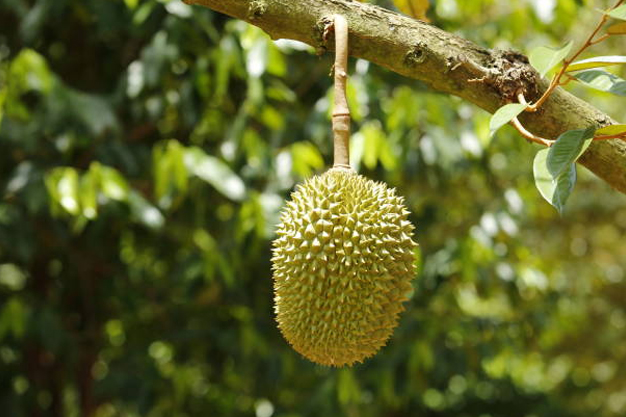
Durian is a large tropical fruit tree famous for its thorn-covered fruits and distinctive aroma. Native to Southeast Asia, it thrives in war...
| Scientific Name | Durio zibethinus |
| Plant Height | 20 to 40 m in natural conditions; commonly maintained around 10 to 25 m in cultivation |
| Growing Time | Grafted trees generally begin fruiting in about 4 to 5 years; seedlings may take 7 to 12 years or longer. |
| Growing Location | Humid tropical lowlands of Southeast Asia; generally up to about 800 m elevation. |
| Sunlight Requirement | Full sunlight young plants benefit from partial shade. |
| Temperature | Approximately 22 to 40°C, with warm, humid conditions preferred. |
| Care Tips | Plant in deep, fertile, well to drained soil with regular moisture. Provide full sunlight after establishment, protect young trees from strong winds, mulch the root zone, fertilize regularly, and avoid prolonged drought or waterlogging. |
| Quick Summary | Durian is one of Southeast Asia’s most valuable tropical fruit trees and is often called the “King of Fruits.” Its large, spiny fruits contain creamy, aromatic edible pulp with distinctive flavor. The evergreen tree prefers warm, humid climates, abundant rainfall, deep fertile soil, and good drainage. Grafted trees can fruit considerably earlier than seedlings. Thailand, Malaysia, Indonesia, and other Southeast Asian countries are major cultivation areas. Commercially, durian is highly valued for fresh fruit, desserts, beverages, processed foods, premium fruit baskets, and luxury tropical fruit gifting. |
| Commercial & Gifting Uses | Fresh premium fruit, fruit baskets, desserts, beverages, frozen pulp, confectionery, specialty food products, and premium tropical fruit gifts. |
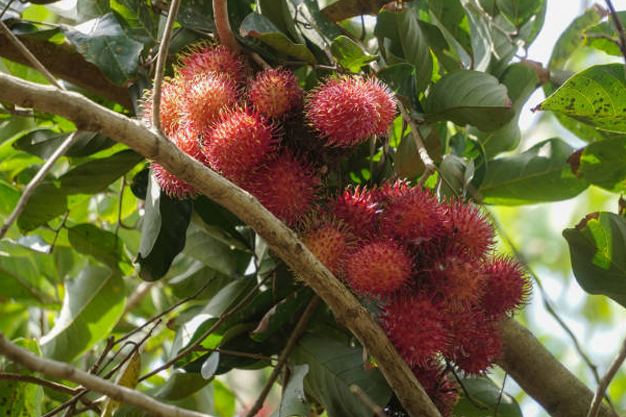
Rambutan is an attractive tropical fruit tree producing round fruits covered with soft, hair-like spines. Native to Southeast Asia, it prefe...
| Scientific Name | Nephelium lappaceum |
| Plant Height | Approximately 5 to 25 m, depending on cultivar and growing conditions. |
| Growing Time | About 3 to 5 years from planting for grafted trees; seedlings commonly take 5 to 7 years. |
| Growing Location | Humid tropical lowlands, generally below 600 m elevation. |
| Sunlight Requirement | Full sunlight young plants appreciate some shelter or filtered shade. |
| Temperature | Temperature for growing approximately 21 to 35°C. |
| Care Tips | Grow rambutan in deep, fertile, well to drained soil with consistent moisture. Provide full sun, shelter young trees from harsh winds, maintain humidity, mulch around roots, fertilize regularly, and protect plants from prolonged drought and cold. |
| Quick Summary | Rambutan is a popular tropical fruit tree recognized by its colorful fruits covered with soft, fleshy hairs. The sweet, juicy aril is commonly eaten fresh and is also processed into canned products, jams, desserts, and beverages. Rambutan grows particularly well in hot, humid tropical climates with abundant rainfall and fertile, well to drained soil. Southeast Asia remains its major production region, with Thailand, Indonesia, Malaysia, Vietnam, and the Philippines among important growing areas. Its attractive appearance and bright red or yellow fruits also make rambutan popular in premium fruit baskets and tropical gifting. |
| Commercial & Gifting Uses | Fresh fruit, premium fruit baskets, canned fruit, desserts, juices, jams, fruit platters, hotel buffets, and tropical fruit gift boxes. |
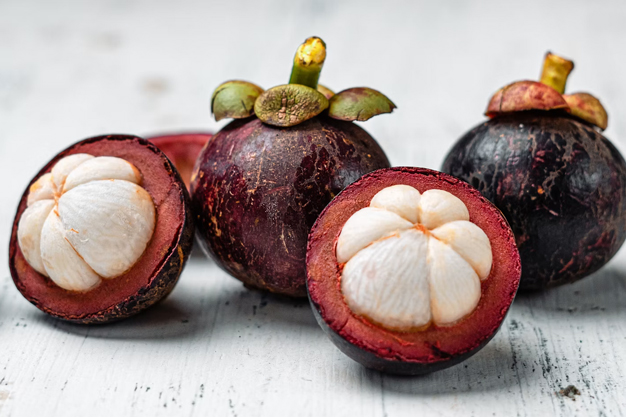
Mangosteen is a slow-growing evergreen tropical tree producing round purple fruits with soft white segments. Known as the “Queen of Fruits,”...
| Scientific Name | Garcinia mangostana |
| Plant Height | Up to about 20 m; cultivated trees commonly remain around 10 m. |
| Growing Time | Seed to grown trees commonly require about 10 to 15 years to reach significant fruit production. |
| Growing Location | Humid equatorial and tropical lowlands, generally below 500 m. |
| Sunlight Requirement | Partial shade to filtered sunlight, particularly for young plants. |
| Temperature | Temperature for plant growing approximately 25 to 35°C, with high humidity preferred. |
| Care Tips | Provide deep, fertile, moisture to retentive but well to drained soil. Keep young trees shaded and protected from strong sunlight and wind. Maintain high humidity, regular irrigation, organic mulch, and steady nutrition throughout active growth. |
| Quick Summary | Mangosteen is a highly prized tropical fruit tree native to Southeast Asia. Its rounded purple fruits contain delicate white segments with a sweet, slightly tangy flavor. The tree is slow to growing and requires consistently warm temperatures, high humidity, moisture, and protection from harsh sunlight, particularly during early growth. It performs best in fertile, well to drained soils in humid tropical regions. Mangosteen is cultivated commercially in countries including Thailand, Indonesia, Malaysia, and the Philippines. Because of its attractive appearance and premium reputation, whole fruits are also popular in luxury fruit baskets and gourmet tropical gift selections. |
| Commercial & Gifting Uses | Premium fresh fruit, luxury fruit baskets, gourmet fruit boxes, desserts, juices, preserves, fruit platters, restaurants, hotels, and premium gifting. |
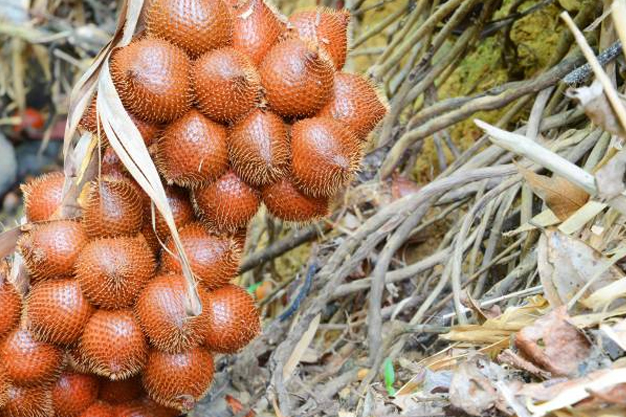
Salak, commonly called snake fruit, is a tropical palm producing brown, scaly-skinned fruits with crisp, sweet-to-tart flesh. It prefers war...
| Scientific Name | Salacca zalacca |
| Plant Height | Approximately 3 to 7 m, depending on growing conditions |
| Growing Time | Usually begins flowering approximately 3 to 4 years after sowing. |
| Growing Location | Humid tropical lowlands, generally up to about 500 m. |
| Sunlight Requirement | Partial shade; young palms require substantial shade, while mature plants tolerate more sunlight. |
| Temperature | Temperature for growing approximately 22 to 30°C for optimum growth. |
| Care Tips | Grow salak in rich, moist, well to drained soil under partial shade. Maintain regular irrigation and high humidity, especially during dry periods. Mulch around plants, control weeds, provide balanced fertilizer, and handle spiny leaves carefully. |
| Quick Summary | Salak is a distinctive tropical palm commonly known as snake fruit because of its reddish to brown, scaly fruit skin. The fruit has crisp, sweet or slightly acidic flesh and is eaten fresh or processed into various foods. It grows best in humid lowland tropical environments with consistent moisture, fertile soil, and partial shade. Young palms particularly benefit from shade before gradually receiving more light as they mature. Indonesia is a major cultivation center, with salak grown commercially in plantations and mixed tropical gardens. Its unusual appearance makes it attractive for specialty fruit baskets and exotic fruit gifting. |
| Commercial & Gifting Uses | Fresh exotic fruit, fruit baskets, specialty fruit boxes, pickles, preserves, sweets, chips, desserts, beverages, and exotic tropical fruit gifts. |
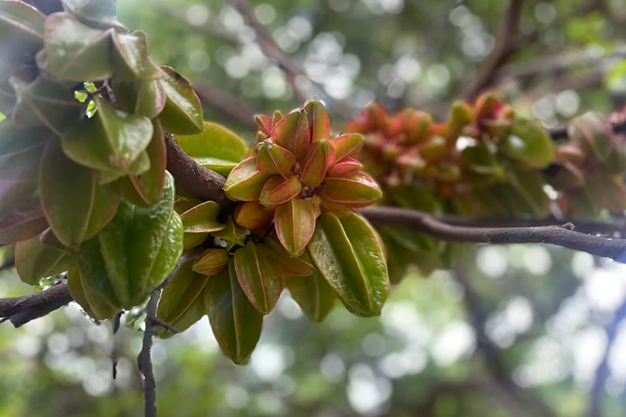
Starfruit is a small tropical tree producing distinctive five-ribbed fruits that form a star shape when sliced. It grows quickly in warm cli...
| Scientific Name | Averrhoa carambola |
| Plant Height | Commonly 6 to 9 m; can reach approximately 12 to 15 m. |
| Growing Time | Grafted/clonal trees may bear in about 2 to 3 years; seedlings commonly take 5 to 6 years. |
| Growing Location | Tropical and frost to free subtropical regions; generally performs well at lower elevations. |
| Sunlight Requirement | Full sun to light shade; shelter from strong winds is beneficial. |
| Temperature | Temperature for growing approximately 24 to 30°C is favorable for strong tropical growth. |
| Care Tips | Plant in fertile, acidic, well to drained soil with consistent moisture. Provide full sun and wind protection, irrigate during dry periods, apply balanced fertilizer regularly, mulch the root area, and avoid frost, drought, and waterlogging. |
| Quick Summary | Starfruit, or carambola, is a small evergreen tropical tree prized for its unusual five to ribbed fruits that create a star shape when sliced. Fruits range from sweet to tart depending on the cultivar and are eaten fresh or used in juices, desserts, salads, preserves, and garnishes. The tree prefers warm, humid conditions, fertile well to drained soil, regular moisture, and protection from strong winds. Commercial cultivation occurs throughout tropical and frost to free subtropical regions. Its attractive golden fruit and distinctive shape make starfruit especially suitable for decorative fruit platters, premium baskets, and exotic gifting. |
| Commercial & Gifting Uses | Fresh fruit, fruit platters, juices, desserts, salads, preserves, garnishes, hotel presentation, fruit baskets, and decorative exotic fruit gifts. |
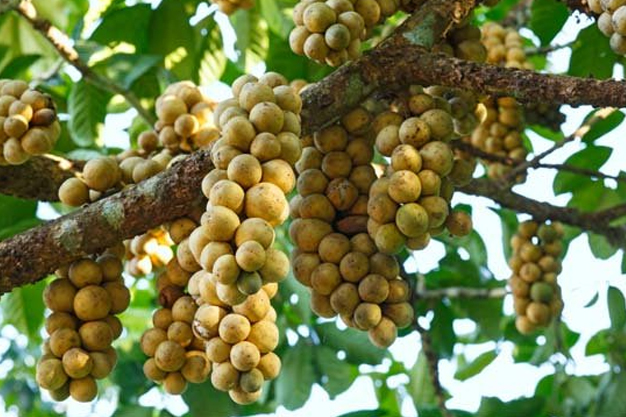
Duku or langsat is a tropical fruit tree producing clusters of small, pale yellow fruits with juicy, aromatic flesh. Native to Southeast Asi...
| Scientific Name | Lansium parasiticum |
| Plant Height | Usually 5 to 10 m in cultivation; larger trees may reach 10 to 30 m. |
| Growing Time | About 5 to 8 years after transplanting; seedlings may take around 10 years. |
| Growing Location | Humid tropical lowlands, preferably near sea level and generally below 800 m. |
| Sunlight Requirement | Filtered shade or partial shade. |
| Care Tips | Grow duku in fertile, organic to rich, well to drained soil under filtered shade. Maintain consistent moisture and mulch around the roots. Protect young trees from strong sunlight and wind, fertilize regularly, and avoid drought or flooding. |
| Quick Summary | Duku and langsat are closely related Southeast Asian tropical fruits produced by Lansium parasiticum. The small, round fruits grow in clusters and have pale yellow skin surrounding juicy, aromatic segments. The trees prefer warm, humid environments, filtered shade, fertile soils, and dependable moisture. They are commonly cultivated in Indonesia, Malaysia, Thailand, and the Philippines, particularly in lowland areas. Commercially, the fruit is mainly sold fresh and is valued for its pleasant flavor and convenient size. Attractive fruit clusters also make duku and langsat suitable for premium tropical fruit baskets and regional gifting. |
| Commercial & Gifting Uses | Fresh fruit, fruit baskets, specialty tropical fruit boxes, desserts, preserves, juices, regional markets, hotels, restaurants, and Southeast Asian fruit gifting. |
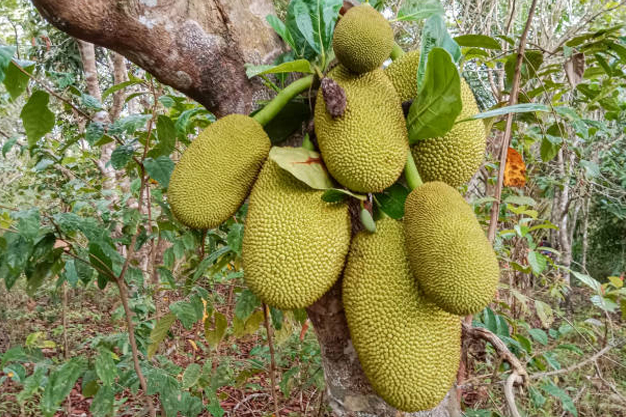
Cempedak is a tropical fruit tree related to jackfruit and breadfruit. Its elongated fruits contain sweet, fragrant golden-yellow flesh. Nat...
| Scientific Name | Artocarpus integer |
| Plant Height | Commonly around 10 to 20 m; can reach approximately 20 m. |
| Growing Time | Seedlings generally fruit in about 3 to 6 years; clonal trees may fruit in 2 to 4 years. |
| Growing Location | Humid tropical lowlands, generally below 1,200 m. |
| Sunlight Requirement | Full sun for mature trees; young plants benefit from partial shade. |
| Temperature | Temperature for growing approximately 22 to 38°C. |
| Care Tips | Plant cempedak in deep, fertile, well to drained soil with abundant moisture. Provide partial shade to young trees and increasing sunlight as they mature. Fertilize regularly, mulch the root zone, and protect plants from prolonged drought. |
| Quick Summary | Cempedak is a tropical evergreen tree closely related to jackfruit and breadfruit. Its large fruits contain soft, fragrant, golden to yellow edible flesh with a distinctive sweet flavor. The species is native to Southeast Asia and is particularly important in Malaysia, Indonesia, and southern Thailand. It thrives in warm, humid climates, fertile deep soils, abundant rainfall, and good drainage. Young trees tolerate shade, while mature trees benefit from stronger light. Cempedak is sold fresh and also prepared by frying or processing. Its distinctive fruit makes it appealing for exotic fruit markets and specialty gifting. |
| Commercial & Gifting Uses | Fresh fruit, fried cempedak, desserts, snacks, processed fruit, local markets, specialty tropical produce, fruit baskets, and exotic Southeast Asian fruit gifts. |
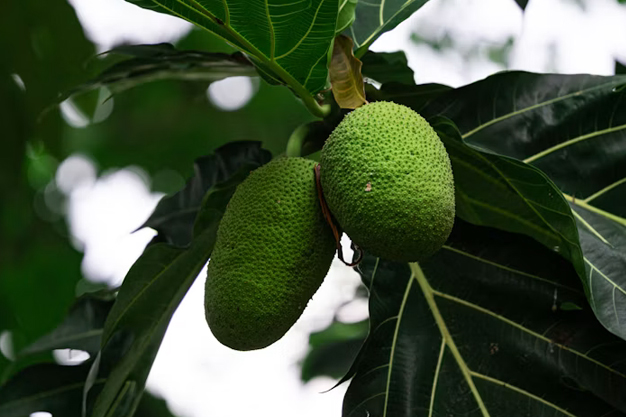
Breadfruit is a large tropical evergreen tree producing starchy, nutritious fruits traditionally used as a staple food. Also called sukun, i...
| Scientific Name | Artocarpus altilis |
| Plant Height | Commonly around 15 m; can reach approximately 20 to 26 m. |
| Growing Time | Fruits can mature approximately 15 to 19 weeks after fruit development; overall bearing age varies by cultivar and propagation method. |
| Growing Location | Tropical lowlands, particularly humid areas below about 650 m, although it can grow at higher elevations. |
| Sunlight Requirement | Full sun for mature trees; young plants benefit from some shade. |
| Temperature | Temperature for growing approximately 21 to 32°C is preferred; broader tolerance is about 12 to 40°C. |
| Care Tips | Plant breadfruit in deep, fertile, well to drained soil with consistent moisture. Give young plants some shade, then increase sunlight as they mature. Mulch regularly, fertilize adequately, protect from prolonged drought, and avoid waterlogged soil. |
| Quick Summary | Breadfruit, commonly called sukun in parts of Southeast Asia, is a large tropical tree cultivated for its nutritious, starchy fruits. The cooked flesh has a texture and flavor often compared with bread or potatoes. Breadfruit grows best in warm, humid tropical climates with abundant rainfall, fertile soil, and good drainage. Young trees benefit from shade before transitioning to full sunlight. It is widely cultivated throughout the Pacific Islands, Southeast Asia, southern India, and other tropical regions. Commercially, breadfruit is used fresh, cooked, dried, processed into flour, and sold through specialty tropical food markets. |
| Commercial & Gifting Uses | Fresh fruit, cooked dishes, chips, flour, dried products, processed foods, specialty tropical food baskets, farmers’ markets, restaurants, and regional tropical food gifting. |
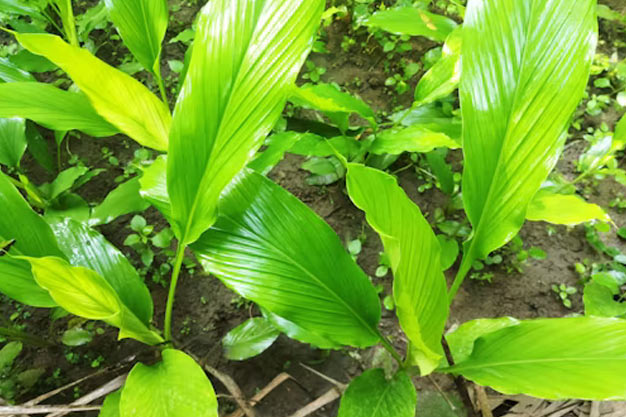
Turmeric is a tropical rhizomatous herb famous for its bright yellow-orange underground rhizomes. It is widely cultivated as a culinary spic...
| Scientific Name | Curcuma longa |
| Plant Height | 60 to 100 cm |
| Growing Time | Approximately 7 to 10 months to mature rhizomes. Early varieties may mature in 7 to 8 months, while longer to duration varieties take 9 to 10 months. |
| Growing Location | Tropical and subtropical regions; India, Indonesia, Southeast Asia, Bangladesh, Sri Lanka and other warm humid areas. |
| Sunlight Requirement | Partial shade to bright filtered sunlight; about 4 to 6 hours of sunlight daily. |
| Temperature for Growing | Approximately 20 to 30°C; warm conditions are essential for healthy rhizome development. |
| Care Tips | Plant rhizomes in rich, loose, well to drained soil. Keep evenly moist, mulch to conserve moisture, provide partial shade, remove weeds regularly, reduce watering when foliage yellows before harvest, and feed monthly during active summer growth. |
| Quick Summary | Turmeric is a tropical perennial herb belonging to the ginger family and is primarily grown for its aromatic underground rhizomes. The rhizomes contain curcumin, which gives turmeric its characteristic golden to yellow color. It grows well in warm, humid climates with fertile, organically rich and well to drained soil. The plant produces attractive broad green leaves and occasional pale yellow to pinkish flower spikes. Turmeric is one of the world's most important spice crops and is widely cultivated throughout South and Southeast Asia. Mature rhizomes are harvested, cleaned, boiled or cured, dried and processed into powder. Turmeric is commonly used in cooking, food coloring, beverages, cosmetics, traditional preparations and commercial herbal products. It is also popular as a potted tropical plant and garden crop. |
| Commercial & Gifting Uses | Spice and turmeric powder production, Natural food coloring, Herbal and wellness products, Cosmetics and skincare products, Culinary gift hampers, Live potted herb gifts, Traditional festival and wellness gift baskets. |
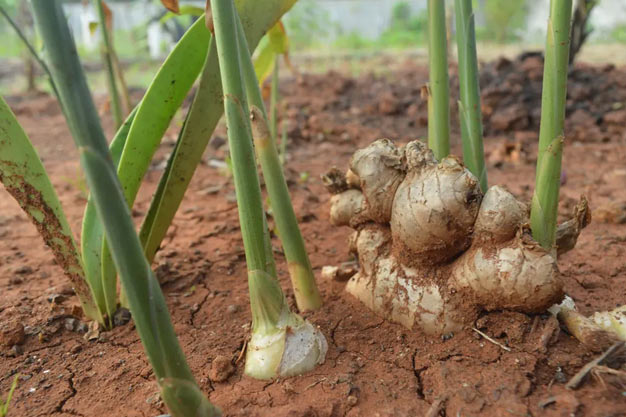
Ginger is a tropical rhizomatous herb valued for its aromatic, spicy underground rhizomes. It is widely grown for fresh ginger, dried spice,...
| Scientific Name | Scientific Name |
| Plant Height | 60 to 150 cm |
| Growing Time | About 8 to 10 months for mature rhizomes; young ginger can be harvested earlier. |
| Growing Location | Tropical and subtropical regions, particularly India, Indonesia, China, Nepal, Southeast Asia, Africa, Australia and parts of Central America. |
| Sunlight Requirement | Partial shade to filtered sunlight; approximately 2 to 5 hours of direct sunlight can be suitable. |
| Temperature | Temperature for growing approximately 19 to 28°C with warm, humid conditions. |
| Care Tips | Plant healthy rhizome pieces in fertile, well to drained soil. Keep consistently moist without waterlogging, provide filtered sunlight, mulch heavily, feed during active growth, harvest when leaves yellow and dry, and maintain warm conditions throughout winter months. |
| Quick Summary | Ginger (Jahe) is a highly valued tropical perennial herb cultivated mainly for its pungent, aromatic rhizomes. The plant develops slender upright stems surrounded by long, narrow green leaves. Its underground rhizomes are harvested young for tender ginger or allowed to mature for dried and processed products. Ginger prefers warm temperatures, high humidity, fertile soil and consistent moisture, while excessive waterlogging can damage the rhizomes. Commercial cultivation is widespread across tropical and subtropical regions, especially Asia. Ginger is used extensively in cooking, baking, beverages, pickles, sauces, confectionery and spice blends. It is also widely processed into dried ginger, ginger powder, extracts and other commercial products. Attractive potted ginger plants can additionally be offered as culinary herb gifts for gardeners and cooking enthusiasts. |
| Commercial & Gifting Uses | Fresh ginger production, Dried ginger and ginger powder, Tea and beverage products, Culinary spice products, Herbal products, Cooking herb gift sets, Potted edible to plant gifts |
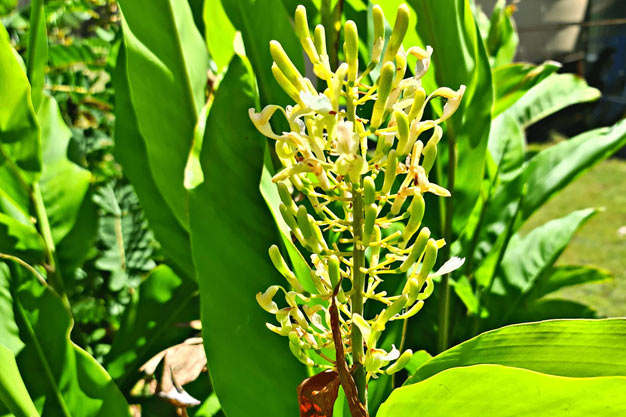
Galangal is a tropical rhizomatous herb with tall leafy stems and strongly aromatic underground rhizomes. It is an important Southeast Asian...
| Scientific Name | Alpinia galanga |
| Plant Height | 1.5 to 2.5 m |
| Growing Time | Approximately 3 to 12 months depending on the desired rhizome size and harvesting purpose. Young rhizomes can reach good harvest quality from around 3 months. |
| Growing Location | Indonesia, Malaysia, Thailand, Philippines, India and other tropical Southeast Asian regions. |
| Sunlight Requirement | Partial shade to filtered sunlight; approximately 4 to 6 hours of light daily. |
| Temperature | Temperature for Growing approximately 22 to 30°C. |
| Care Tips | Grow rhizomes in fertile, moist, well to drained soil with partial shade. Mulch to retain moisture, water during dry periods, remove weeds, harvest young rhizomes before they become fibrous, and divide clumps every few years when crowded. |
| Quick Summary | Galangal (Lengkuas) is a tall tropical perennial belonging to the ginger family. It forms upright leafy stems and produces aromatic underground rhizomes with a distinctive spicy fragrance and flavor. The rhizomes are widely used in Indonesian, Malaysian, Thai and other Southeast Asian cuisines. Galangal thrives in warm, humid environments and prefers fertile, organically rich soil that drains well while retaining adequate moisture. Young rhizomes are generally preferred for culinary use because older rhizomes can become increasingly fibrous. Under suitable conditions, rhizomes develop rapidly and can reach useful harvesting quality within several months. The plant can also provide an attractive tropical appearance in gardens and large containers. Commercially, galangal is sold fresh, dried, powdered or processed into spice pastes and traditional culinary products. |
| Commercial & Gifting Uses | Indonesian and Southeast Asian cuisine, Spice and paste production, Fresh rhizome sales, Dried spice products, Herbal preparations, Culinary herb gift baskets, Live tropical plant gifts. |
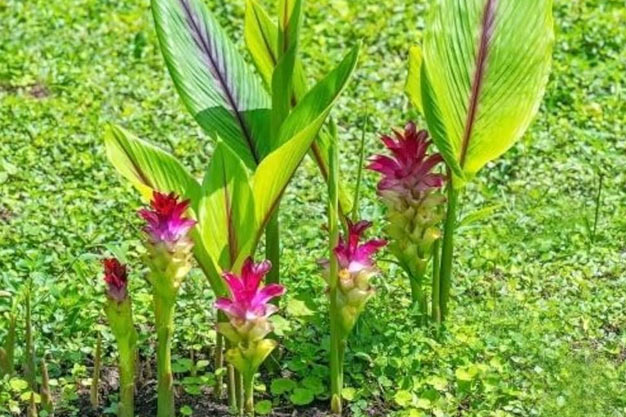
Temulawak is an Indonesian tropical rhizomatous plant closely related to turmeric. Its large underground rhizomes are traditionally valued f...
| Scientific Name | Curcuma xanthorrhiza |
| Plant Height | 1 to 2 m |
| Growing Time | Approximately 8 to 12 months for mature rhizomes. |
| Growing Location | Indonesia and other warm, humid tropical areas of Southeast Asia. |
| Sunlight Requirement | Partial shade to filtered sunlight; approximately 4 to 6 hours of bright light daily. |
| Temperature | Temperature for growing approximately 22 to 30°C. |
| Care Tips | Plant rhizomes in humus to rich, well to drained soil under partial shade. Maintain steady moisture, mulch regularly, remove weeds, fertilize during growth, harvest mature rhizomes when leaves yellow and decline, and avoid waterlogging or drought conditions when possible. |
| Quick Summary | Java turmeric, commonly called temulawak, is a tropical rhizomatous perennial native to Indonesia and a member of the ginger family. It produces broad green leaves and develops substantial underground rhizomes with a characteristic yellow to orange interior. Temulawak prefers warm, humid conditions and fertile, well to drained soil containing plenty of organic matter. It is particularly important in Indonesian traditional plant culture, where its rhizomes are processed into powders, beverages and various herbal preparations. The plant also has ornamental value because of its lush foliage and attractive flower structures. Commercial growers cultivate temulawak mainly for its rhizomes, which can be harvested after the foliage naturally begins to decline. Fresh or dried rhizomes are processed for culinary, beverage, cosmetic and herbal industries. Potted plants can also be marketed to tropical to garden enthusiasts. |
| Commercial & Gifting Uses | Traditional herbal products, Temulawak powder, Herbal beverages, Culinary products, Cosmetic ingredients, Wellness gift hampers, Live tropical plant gifts. |
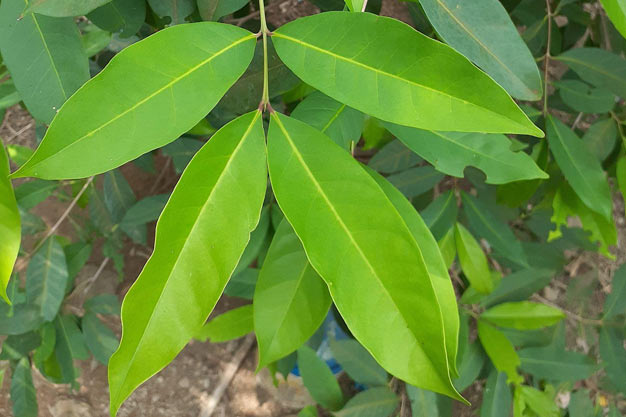
Indonesian bay leaf (Daun Salam) is an evergreen tropical tree valued for its fragrant leaves used in Indonesian cuisine. The attractive glo...
| Scientific Name | Syzygium polyanthum |
| Plant Height | Approximately 10 to 30 m in natural conditions; smaller when regularly pruned or container to grown. |
| Growing Time | Approximately 2 to 5 years to become a useful established leaf to producing plant; mature trees develop over several years. |
| Growing Location | Indonesia, Malaysia, Brunei and other humid tropical regions of Southeast Asia. |
| Sunlight Requirement | Full sun to partial shade; approximately 4 to 7 hours of sunlight daily. |
| Temperature | Temperature for growing approximately 20 to 30°C. |
| Care Tips | Grow in fertile, well to drained soil with partial sun to light shade. Water regularly, mulch around roots, prune lightly to maintain shape, remove damaged leaves, protect young plants from prolonged drought, and feed during active growth. |
| Quick Summary | Indonesian bay leaf (Daun Salam), known locally as daun salam, is an evergreen tropical tree widely associated with Indonesian cooking. It produces attractive glossy green leaves that release a pleasant aromatic fragrance when crushed or cooked. The leaves are commonly added to rice dishes, soups, curries, stews, meat preparations and traditional spice blends to provide depth and aroma. The tree prefers warm, humid conditions and fertile, well to drained soil. In natural environments it can become a substantial tree, but regular pruning makes it more manageable for gardens and home cultivation. Commercially, leaves are sold fresh or dried and are an important ingredient in Indonesian culinary markets. Young plants are also suitable for herb gardens, tropical landscaping and culinary to themed plant gifts for cooking enthusiasts. |
| Commercial & Gifting Uses | Fresh daun salam leaves, Dried culinary leaves, Indonesian spice blends, Culinary herb gardens, Restaurant and food industry supply, Potted culinary plant gifts, Indonesian to themed gift baskets. |
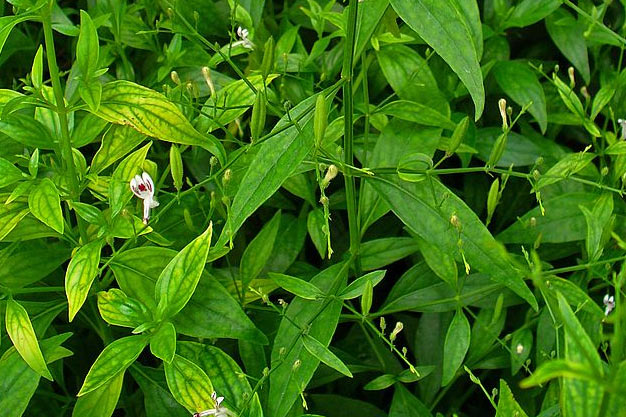
Sambiloto (Andrographis paniculata) is a small annual or short-lived herb recognized for its intensely bitter leaves and stems. It is tradit...
| Scientific Name | Andrographis paniculata |
| Plant Height | 30 to 100 cm |
| Growing Time | Approximately 3 to 5 months for substantial vegetative growth and harvesting. |
| Growing Location | India, Indonesia, Malaysia, Thailand and other tropical and subtropical Asian regions. |
| Sunlight Requirement | Full sun to partial shade; approximately 4 to 6 hours of sunlight daily. |
| Temperature | Temperature for growing approximately 20 to 30°C. |
| Care Tips | Plant in warm, fertile, well to drained soil with good sunlight. Water moderately, avoid standing water, pinch growing tips for bushiness, remove weeds, harvest leaves before flowering for best quality, and feed lightly every month during growth. |
| Quick Summary | Sambiloto (Andrographis paniculata), also called king of bitters, is a small herbaceous plant widely cultivated in tropical and subtropical Asia. It is recognized by its slender stems, narrow green leaves and small white flowers marked with darker purple or reddish patterns. The plant is particularly famous for the extremely bitter taste of its leaves and stems. Sambiloto has a long history of traditional use in Southeast Asian herbal practices and is commonly processed into dried plant material, powders, teas and botanical preparations. It grows readily in warm conditions and can be cultivated in garden beds or containers with fertile, well to drained soil. Commercial cultivation focuses primarily on harvesting the aerial plant parts for herbal to product manufacturing. Its compact size and distinctive appearance also make it suitable for medicinal to herb gardens and educational plant collections. |
| Commercial & Gifting Uses | Herbal products, Dried leaves and stems, Botanical teas, Herbal powders, Traditional plant collections, Medicinal to herb garden kits, Educational plant gifts. |
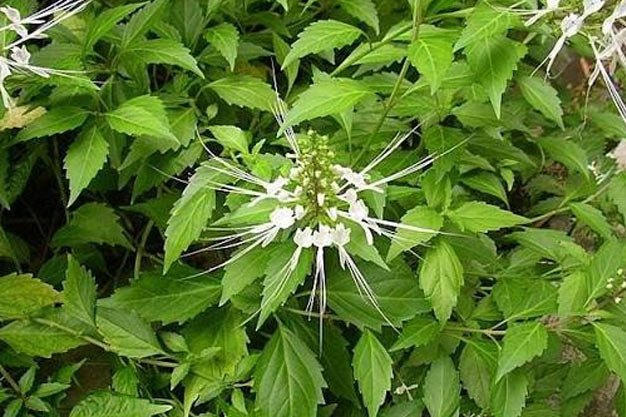
Cat's whiskers (Kumis Kucing) is an attractive tropical medicinal herb known for its slender white or pale-purple flowers with long protrudi...
| Scientific Name | Orthosiphon aristatus |
| Plant Height | 60 to 120 cm |
| Growing Time | Approximately 3 to 6 months to establish a productive plant; flowering may occur within several months under favorable conditions. |
| Growing Location | Indonesia, Malaysia, Thailand, Philippines and other tropical Southeast Asian regions. |
| Sunlight Requirement | Morning sun to partial shade; approximately 4 to 6 hours of sunlight daily. |
| Temperature | Temperature for growing approximately 20 to 30°C. |
| Care Tips | Provide fertile, moist, well to drained soil and morning sun or partial shade. Water consistently, avoid waterlogging, prune after flowering, feed lightly during growth, protect plants from cold temperatures, and maintain good air circulation around foliage regularly. |
| Quick Summary | Cat's whiskers (Orthosiphon aristatus) is a tropical perennial herb admired for its distinctive flowers and traditional herbal importance. The plant develops upright, branching stems covered with green leaves and produces attractive white or pale to purple flowers with exceptionally long stamens that resemble a cat's whiskers. It grows best in warm, humid conditions with fertile, moist but well to drained soil. Cat's whiskers is widely cultivated in Indonesia and other Southeast Asian countries, both as an ornamental garden plant and for traditional herbal applications. Its leaves are commonly dried and processed for herbal beverages and botanical products. Regular pruning encourages branching and helps maintain a compact appearance. Because of its attractive flowers and useful foliage, it can also be marketed as a tropical ornamental plant for home gardens, balconies and herbal to plant collections. |
| Commercial & Gifting Uses | Herbal tea products, Dried leaves, Botanical products, Traditional herbal preparations, Ornamental garden plants, Medicinal to herb collections, Potted plant gifts. |
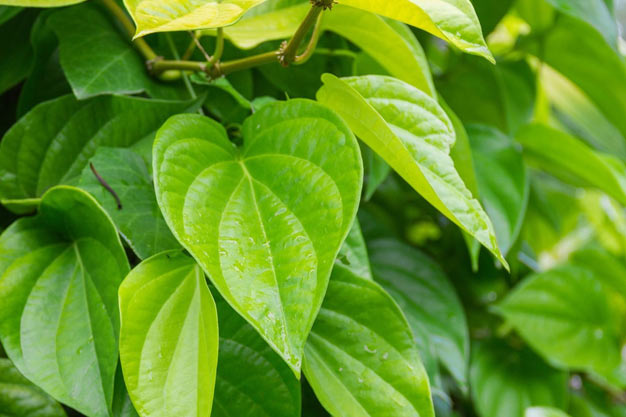
Betel leaf is a tropical perennial climbing vine with glossy, heart-shaped aromatic leaves. It is an important cultural and commercial plant...
| Scientific Name | Piper betle |
| Plant Height | 1 to 5 m or more when supported as a climbing vine. |
| Growing Time | Approximately 6 to 12 months to establish productive vines; commercial leaf production continues for several years under good management. |
| Growing Location | Indonesia, India, Bangladesh, Sri Lanka, Malaysia, Thailand and other warm humid tropical regions. |
| Sunlight Requirement | Partial shade to filtered sunlight; approximately 3 to 5 hours of gentle sunlight daily. |
| Temperature | Temperature for growing approximately 20 to 30°C. |
| Care Tips | Grow in fertile, moist, well to drained soil with filtered sunlight or partial shade. Provide support for climbing stems, maintain humidity, mulch roots, prune regularly, and harvest mature leaves carefully. Avoid harsh afternoon sunlight and dry soil. |
| Quick Summary | Betel leaf (Sirih), known as sirih in Indonesia, is a vigorous tropical perennial vine cultivated for its glossy, heart to shaped aromatic leaves. The plant climbs naturally and benefits from trellises, poles or other supports. It prefers warm, humid conditions, fertile soil, regular moisture and filtered sunlight rather than intense afternoon exposure. Betel leaves have significant cultural and traditional importance across South and Southeast Asia and are commonly used in ceremonial practices and traditional preparations. Commercial production focuses mainly on harvesting fresh, undamaged leaves, which are carefully sorted and marketed for culinary and cultural uses. With proper support and regular pruning, the plant can produce leaves continuously for extended periods in suitable climates. Its attractive foliage also makes it suitable for tropical gardens, home herb collections and living plant gifts. |
| Commercial & Gifting Uses | Fresh betel leaf production, Traditional and ceremonial use, Culinary applications, Herbal products, Restaurant and market supply, Tropical herb gardens, Potted vine gifts. |
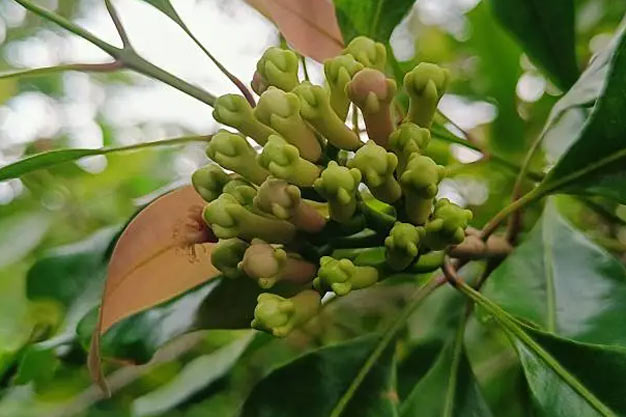
Clove is an evergreen tropical spice tree prized for its fragrant unopened flower buds. Native to Indonesia's Maluku Islands, it thrives in ...
| Scientific Name | Syzygium aromaticum |
| Plant Height | 8 to 20 metres |
| Growing Time | Approximately 6 to 8 years to significant commercial flowering; productive trees can remain valuable for decades |
| Growing Location | Tropical, humid regions; Indonesia, Zanzibar, Madagascar, Sri Lanka, Caribbean and other tropical areas |
| Sunlight Requirement | Full sun to partial shade; approximately 6 to 8 hours of sunlight |
| Temperature | Temperature for growing approximately 20 to 30°C, with warm, humid conditions preferred |
| Care Tips | Plant in deep, fertile, well to drained soil. Provide warmth, humidity and regular moisture without waterlogging. Mulch around the roots, protect young trees from strong winds, fertilize periodically, and prune damaged branches when necessary. |
| Quick Summary | Clove is a valuable evergreen spice tree famous for its strongly aromatic unopened flower buds. Syzygium aromaticum originated in Indonesia's Maluku Islands and became one of the world's historically important spices. The tree develops a dense green crown and produces clusters of pinkish flower buds that are harvested before opening, then dried to form the familiar cloves used in cooking and traditional products. Clove is commercially important for whole spice, ground spice, essential oil, fragrance, cosmetics and food processing. Its attractive evergreen appearance also makes it suitable for tropical gardens and educational plant collections. Because mature trees require several years before substantial commercial production, clove is generally cultivated as a long to term plantation crop in warm, humid tropical climates. |
| Quick Summary | Whole dried cloves, Ground clove spice, Clove essential oil, Herbal and wellness products, Premium spice gift boxes, Indonesian traditional spice hampers, Fragrance and cosmetic products. |
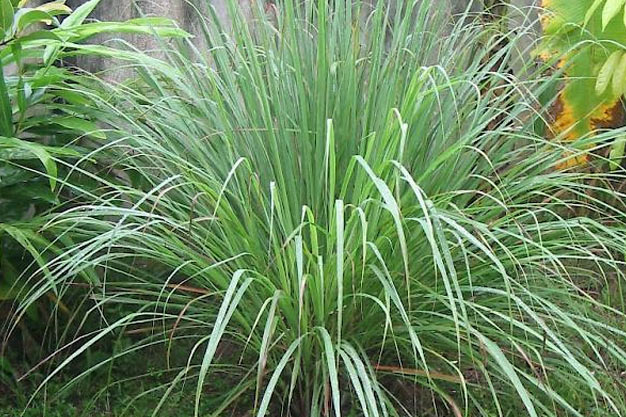
Lemongrass is a fast-growing aromatic perennial grass with long, slender leaves and a refreshing lemon fragrance. Widely cultivated in Indon...
| Scientific Name | Cymbopogon citratus |
| Plant Height | Up to approximately 2 metres |
| Growing Time | About 4 to 6 months for substantial harvest; regular harvesting encourages new growth |
| Growing Location | Tropical and subtropical regions; Indonesia and many cultivated tropical countries |
| Sunlight Requirement | Full sunlight, approximately 6 to 8 hours daily |
| Temperature | Temperature for growing approximately 23 to 30°C; warm conditions are ideal |
| Care Tips | Grow in fertile, well to drained soil with abundant sunlight and regular moisture. Avoid prolonged waterlogging and cold temperatures. Remove dry leaves, divide overcrowded clumps periodically, and harvest outer stalks carefully to maintain continuous vigorous growth. |
| Quick Summary | Lemongrass is a vigorous, aromatic perennial grass widely used throughout Southeast Asian cuisine and commercial agriculture. Cymbopogon citratus forms dense clumps of long, narrow green leaves and produces a distinctive fresh lemon aroma. It is native to Indonesia and is now cultivated across tropical regions worldwide. The thick lower stalks are commonly used to flavor soups, curries, sauces, teas, beverages and marinades. Lemongrass is also commercially grown for essential oil used in perfumes, cosmetics, soaps, candles and aromatherapy products. It grows rapidly in warm, sunny conditions and can provide repeated harvests when properly maintained. Its attractive grass to like form also makes it useful in herb gardens, tropical landscapes, containers and kitchen gardens. |
| Commercial & Gifting Uses | Fresh lemongrass stalks, Dried lemongrass, Lemongrass tea, Essential oil, Herbal products, Culinary gift packs, Spice and herb hampers, Aromatherapy products. |
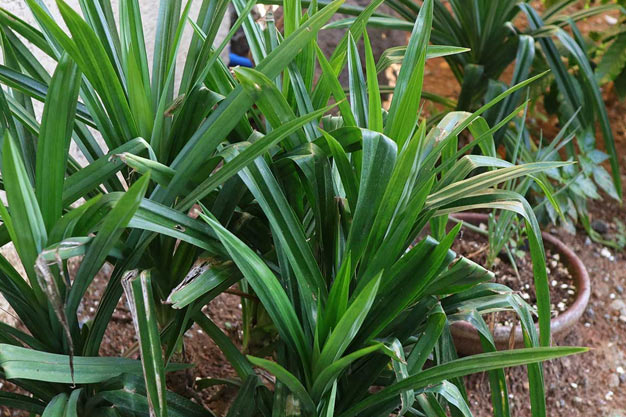
Pandan is a fragrant tropical plant recognized for its long, narrow green leaves and distinctive sweet aroma. Widely cultivated in Southeast...
| Scientific Name | Pandanus amaryllifolius |
| Plant Height | Usually 1 to 1.5 metres in the common small form; larger forms may reach several metres |
| Growing Time | Leaves can generally be harvested from around 6 months after planting |
| Growing Location | Humid tropical regions, especially Indonesia and Southeast Asia |
| Sunlight Requirement | Partial shade to full sun; bright filtered light is ideal |
| Temperature | Temperature for growing approximately 22 to 32°C; warm, humid conditions preferred |
| Care Tips | Provide fertile, moisture to retentive but well to drained soil and regular watering. Grow under partial shade or gentle sunlight. Remove old leaves, maintain humidity, and propagate healthy plants using rooted suckers or suitable stem cuttings. |
| Quick Summary | Pandan, commonly called pandan wangi, is one of Southeast Asia's most recognizable aromatic plants. Pandanus amaryllifolius produces long, narrow green leaves with a distinctive sweet fragrance and is particularly valued in Indonesian and Southeast Asian cuisine. Fresh leaves are used to perfume rice, cakes, desserts, beverages, curries and other traditional foods. The leaves can also provide natural green coloring and are commercially processed into extracts, powders and flavoring products. Pandan is generally grown in humid tropical environments and performs well with regular moisture and partial shade. It is also attractive as a container or garden plant because of its upright, leafy appearance. Commercial cultivation commonly relies on suckers or stem cuttings rather than seeds. |
| Commercial & Gifting Uses | Fresh pandan leaves, Dried pandan leaves, Pandan powder, Pandan extract, Natural food coloring, Pandan to flavored food products, Herbal/culinary gift sets, Potted pandan plants. |
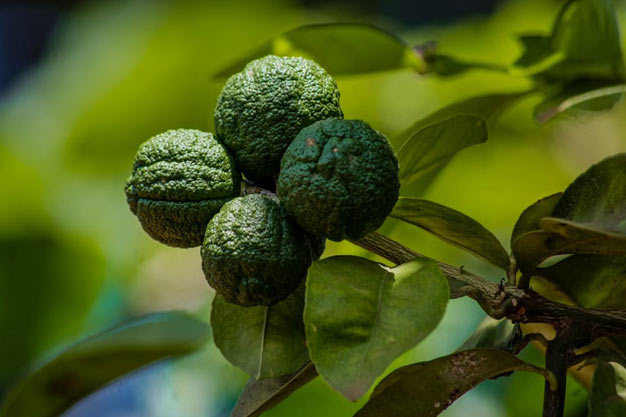
Kaffir lime is a fragrant tropical citrus tree known for its distinctive double-lobed leaves and aromatic, wrinkled green fruits. Widely use...
| Scientific Name | Citrus hystrix |
| Plant Height | Approximately 2 to 6 metres when cultivated; can become a larger shrub/tree under favorable conditions |
| Growing Time | Approximately 2 to 4 years to begin meaningful fruit production from young plants; grafted plants may fruit earlier |
| Growing Location | Tropical and subtropical regions of Southeast and South Asia |
| Sunlight Requirement | Full sunlight, approximately 6 to 8 hours daily |
| Temperature | Temperature for growing approximately 20 to 32°C; frost to sensitive |
| Care Tips | Plant in fertile, well to drained soil with plenty of sunlight. Water regularly while establishing, but avoid standing water. Apply citrus fertilizer periodically, prune lightly for shape, remove damaged branches, and protect young plants from cold. |
| Quick Summary | Kaffir lime, commonly known in Indonesia as jeruk purut, is a highly aromatic tropical citrus plant valued for both its leaves and fruits. Citrus hystrix produces distinctive double to lobed leaves with a strong citrus fragrance and small, rough to skinned green fruits. The leaves are an important ingredient in Indonesian, Thai and other Southeast Asian cuisines, where they add a characteristic citrus aroma to curries, soups, sauces and spice pastes. The fruit rind and juice are also used in cooking and traditional preparations. Commercial growers cultivate kaffir lime for fresh leaves, fruits, essential oils, culinary ingredients and processed food products. The plant performs best in warm, humid climates with fertile, well to drained soil and abundant sunlight. |
| Commercial & Gifting Uses | Fresh kaffir lime leaves, Fresh fruits, Dried leaves, Kaffir lime essential oil, Culinary spice products, Indonesian cooking hampers, Herbal and aromatic products, Potted citrus plants. |