
Worldwide Gift Delivery Partners
Discover Mexico's diverse plants, from fruit trees and culinary herbs to native, traditional and drought-tolerant varieties.
Worldwide Gift Delivery Partners

Mexico is home to an extraordinary range of plants shaped by tropical forests, subtropical landscapes, mountain regions, dry scrublands and desert environments. This diversity has produced plants that are valuable not only for their beauty but also for food, gardening, traditional culture, culinary use and specialty products.
From the familiar <strong>Avocado, Papaya and Guava</strong> to distinctive plants such as <strong>Prickly Pear, Tejocote, Chaya, Vanilla and Mexican Oregano</strong>, Mexican plants offer something for gardeners, food enthusiasts, collectors and people looking for distinctive plant-related gifts. The current GiftFloraHub Mexico plant collection reflects this broad range, including fruit-bearing, edible, aromatic, drought-adapted and traditional botanical varieties.
Mexican plants can also have an interesting connection with everyday life. Some produce fruits that are eaten fresh or processed into foods and beverages, some are important ingredients in Mexican cooking, while others have long histories within traditional botanical practices.
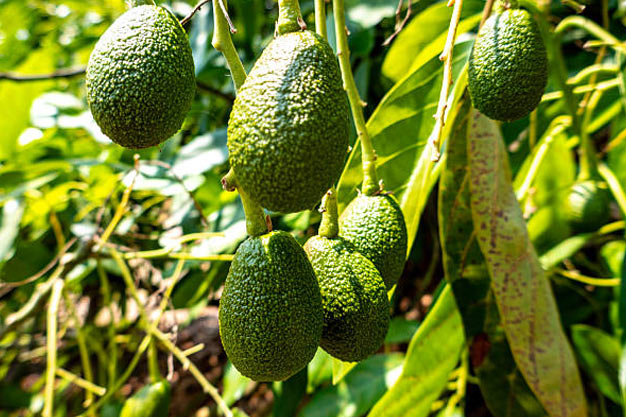
Avocado is a long-lived evergreen fruit tree producing creamy, nutrient-rich fruits. Native to south-central Mexico, it thrives in warm clim...
| Scientific Name | Persea americana |
| Plant Height | 6 to 20 m; grafted commercial trees are often maintained at 3 to 6 m |
| Growing Time | 3 to 5 years to fruit from grafted plants; 5 to 10 years from seed |
| Growing Location | Tropical and subtropical regions with well to drained soil |
| Sunlight Requirement | Full sunlight, about 6 to 8 hours daily |
| Temperature | Temperature for Growing 18 to 30°C |
| Care Tips | Plant in well to drained soil with full sun. Water deeply but avoid waterlogging. Mulch around the roots, protect young trees from strong winds, prune lightly, provide balanced fertilizer, and monitor pests regularly. |
| Quick Summary | Avocado is an evergreen tropical and subtropical fruit tree valued for its smooth, creamy fruit and nutritional richness. Native to south to central Mexico, it has been cultivated for thousands of years and is now grown commercially worldwide. Trees prefer warm temperatures, full sunlight, fertile well to drained soil, and consistent moisture without waterlogging. Grafted avocado trees generally produce fruit earlier and more reliably than seed to grown trees. The fruit is widely consumed fresh, in salads, sandwiches, guacamole, smoothies, and sauces. Avocado oil is also important in food, cosmetics, and personal to care products. Commercially, avocados are among the most valuable tropical fruits. Attractive premium fruit baskets, gourmet hampers, healthy to food packages, and wellness gifts frequently include avocados, making them popular for both retail and gifting purposes. |
| Commercial & Gifting Uses | Fresh fruit, avocado oil, guacamole, health to food products, premium fruit baskets, gourmet food hampers and wellness to themed gifts |
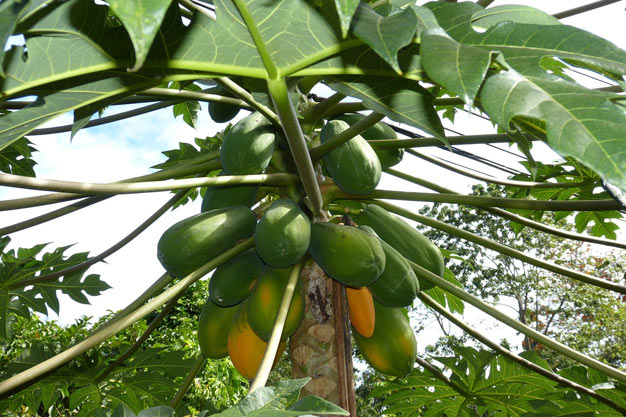
Papaya is a fast-growing tropical plant producing sweet, orange-fleshed fruits. Native to southern Mexico and Central America, it is valued ...
| Scientific Name | Carica papaya |
| Plant Height | 2 to 10 m |
| Growing Time | Approximately 8 to 12 months to first harvest under favorable conditions |
| Growing Location | Tropical and warm subtropical regions |
| Sunlight Requirement | Full sunlight, 6 to 8 hours daily |
| Temperature | Temperature for Growing 21 to 30°C |
| Care Tips | Grow papaya in fertile, well to drained soil under full sunlight. Water regularly without creating standing water. Apply organic fertilizer, protect plants from strong winds, remove damaged leaves, and monitor insects and diseases. |
| Quick Summary | Papaya is a fast to growing tropical plant recognized for its tall, slender trunk, large leaves, and clusters of sweet, juicy fruits. Originating in southern Mexico and Central America, it has become one of the most widely cultivated tropical fruits. Papaya grows best in warm conditions, abundant sunlight, fertile soil, and good drainage. Plants can begin producing fruit within the first year when grown under favorable conditions. Ripe papaya is commonly eaten fresh, while the green fruit is used in salads, curries, pickles, and cooked dishes. Papain, an enzyme found in papaya, has commercial applications in food processing and other industries. Fresh papayas are popular in tropical fruit baskets, breakfast hampers, healthy to food packages, wellness gifts, and assorted fruit gift boxes. |
| Commercial & Gifting Uses | Fresh fruit, juices, smoothies, dried fruit, papain products, fruit baskets, breakfast hampers and healthy to food gifts |
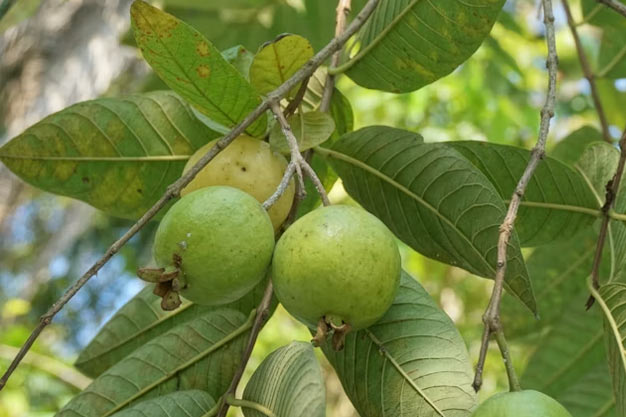
Guava is a hardy tropical fruit shrub or small tree producing aromatic fruits with edible skin and seeds. Native to Mexico and tropical Amer...
| Scientific Name | Psidium guajava |
| Plant Height | 3 to 10 m |
| Growing Time | 2 to 4 years from planting to regular fruit production |
| Growing Location | Tropical and subtropical regions |
| Sunlight Requirement | Full sunlight, 6 to 8 hours daily |
| Temperature | Temperature for Growing 20 to 30°C |
| Care Tips | Grow guava in full sun and fertile, well to drained soil. Water regularly during dry periods, mulch the root zone, prune after harvesting, fertilize periodically, and protect developing fruits from fruit flies and other pests. |
| Quick Summary | Guava is a hardy tropical and subtropical shrub or small fruit tree known for its fragrant flowers and aromatic fruits. Native to Mexico and tropical America, it adapts to a wide range of soils and growing conditions when drainage is adequate. The fruit usually has green or yellow skin and white, pink, or red flesh containing numerous edible seeds. Guava is consumed fresh and is widely processed into juices, nectar, jams, jellies, preserves, sauces, and guava paste. Its pleasant aroma and attractive appearance make it a valuable commercial fruit. Guava trees can also be grown in home gardens and small orchards. Fresh guavas are commonly included in tropical fruit baskets, seasonal hampers, healthy to food packages, gourmet assortments, and traditional fruit gifts for family celebrations and festivals. |
| Commercial & Gifting Uses | Fresh fruit, juice, nectar, jams, jellies, guava paste, fruit baskets, gourmet hampers and seasonal gifts |
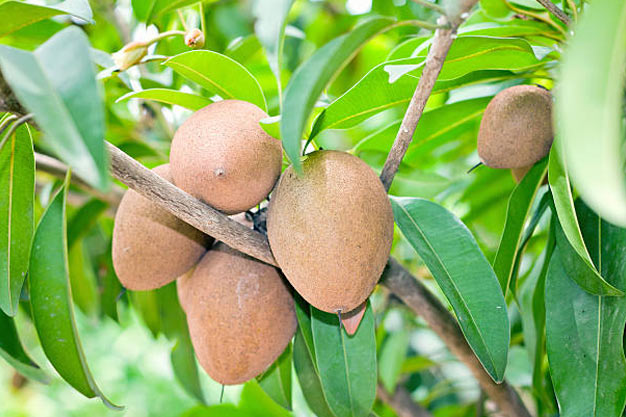
Mamey sapote is a large evergreen tropical tree producing oval fruits with sweet, soft orange-red flesh. Native to southern Mexico, it is va...
| Scientific Name | Pouteria sapota |
| Plant Height | 15 to 30 m |
| Growing Time | 3 to 5 years from grafted trees; considerably longer from seed |
| Growing Location | Warm tropical and humid subtropical regions |
| Sunlight Requirement | Full sunlight |
| Temperature | Temperature for Growing 22 to 30°C |
| Care Tips | Provide full sun, fertile soil, and excellent drainage. Water young trees consistently, especially during dry weather. Mulch around roots, protect young plants from cold, fertilize regularly, and prune carefully when necessary. |
| Quick Summary | Mamey sapote is a large evergreen tropical fruit tree native to southern Mexico and parts of Central America. It produces distinctive oval fruits with rough brown skin and soft orange to reddish flesh surrounding a large seed. The ripe flesh has a rich, sweet flavor often compared with sweet potato, pumpkin, or caramel. Mamey sapote grows best in warm tropical conditions, fertile soil, full sunlight, and reliable moisture with good drainage. Grafted trees generally begin producing earlier than seed to grown trees. The fruit is eaten fresh and is especially popular in smoothies, milkshakes, ice cream, puddings, cakes, and other desserts. Because it is relatively unusual in many markets, mamey sapote is considered a specialty fruit and is suitable for premium tropical fruit baskets, gourmet hampers, and exotic to food gifting. |
| Commercial & Gifting Uses | Fresh specialty fruit, smoothies, milkshakes, ice cream, desserts, preserves, exotic fruit baskets and premium tropical to food hampers |
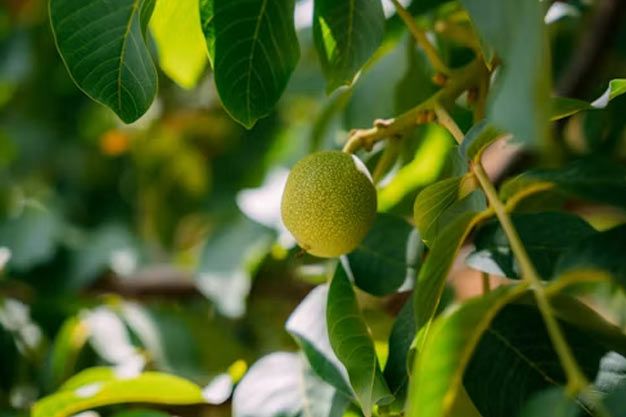
White sapote is a tropical to subtropical evergreen fruit tree producing round fruits with soft, creamy, sweet flesh. Native to central and ...
| Scientific Name | Casimiroa edulis |
| Plant Height | 5 to 15 m |
| Growing Time | About 3 to 5 years from grafted plants |
| Growing Location | Tropical highlands, subtropical areas and frost to free regions |
| Sunlight Requirement | Full sunlight to partial sun |
| Temperature | Temperature for Growing 18 to 28°C |
| Care Tips | Plant white sapote in fertile, well to drained soil with ample sunlight. Water deeply during dry periods, mulch the root zone, fertilize during active growth, prune for structure, and protect young trees from frost. |
| Quick Summary | White sapote is an attractive evergreen fruit tree native to central and eastern Mexico. It produces round to oval fruits with greenish to yellow skin and soft, creamy flesh that becomes sweet and custard to like when ripe. The tree grows well in tropical, subtropical, and mild highland climates where severe frost is absent. Full sun, fertile well to drained soil, and regular irrigation during dry periods encourage healthy growth and fruit production. Grafted plants generally produce fruit sooner than seedlings. White sapote is primarily eaten fresh, although the creamy fruit can also be used in smoothies, desserts, sauces, and specialty preparations. Its unusual appearance and relatively limited availability give it appeal in specialty markets. It can be included in premium tropical fruit baskets, gourmet hampers, exotic fruit selections, and distinctive gifting packages. |
| Commercial & Gifting Uses | Fresh specialty fruit, desserts, smoothies, preserves, exotic fruit baskets, premium hampers and unusual tropical to fruit gifts |
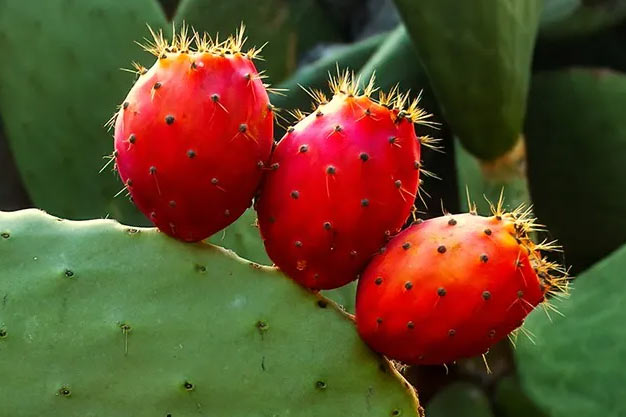
Prickly pear is a drought-tolerant cactus producing colorful edible fruits called tuna. Deeply rooted in Mexican culture, it is commercially...
| Scientific Name | Opuntia ficus to indica |
| Plant Height | 3 to 5 m |
| Growing Time | Approximately 2 to 3 years to significant fruit production |
| Growing Location | Dry tropical, subtropical and Mediterranean climates |
| Sunlight Requirement | Full sunlight, 6 to 8 hours daily |
| Temperature | Temperature for Growing 18 to 35°C |
| Care Tips | Grow prickly pear in full sun and very well to drained soil. Water sparingly after establishment, avoid excessive moisture, provide adequate spacing, handle pads carefully, remove damaged growth, and fertilize lightly during active growth. |
| Quick Summary | Prickly pear, commonly called tuna in Mexico, is a distinctive cactus cultivated for both its edible fruits and succulent pads. Its flat, fleshy pads form branching structures that can tolerate drought, heat, and relatively poor soils. The colorful fruits may have green, yellow, orange, red, or purple skin and contain juicy, sweet flesh with numerous small seeds. Prickly pear has deep historical and cultural importance in Mexico and is used in traditional foods and beverages. Commercially, the fruit is processed into juices, syrups, jams, jellies, candies, desserts, and specialty drinks. Young cactus pads, known as nopales, are also widely consumed. Because of its striking appearance and Mexican cultural connection, prickly pear products are suitable for specialty food hampers, gourmet baskets, regional gift boxes, and distinctive culinary gifts. |
| Commercial & Gifting Uses | Fresh tuna fruit, juices, jams, syrups, candies, beverages, cactus products, specialty food hampers and Mexican to themed gifts |
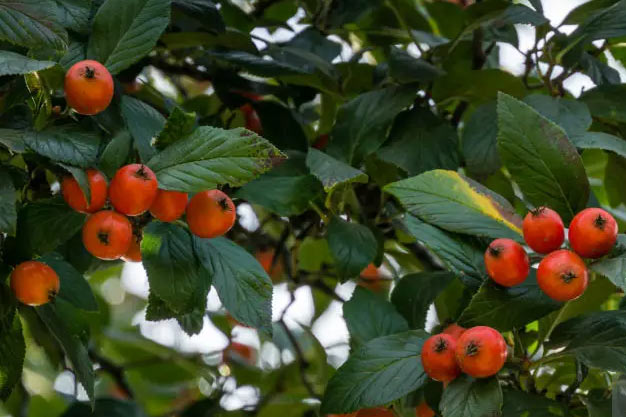
Tejocote is a small Mexican hawthorn tree producing yellow-orange fruits with a distinctive aroma and flavor. Its fruits are especially impo...
| Scientific Name | Crataegus mexicana |
| Plant Height | 4 to 10 m |
| Growing Time | Approximately 3 to 5 years or more, depending on propagation and conditions |
| Growing Location | Mexican highlands and cool subtropical regions |
| Sunlight Requirement | Full sunlight |
| Temperature | Temperature for Growing 15 to 25°C |
| Care Tips | Plant tejocote in full sun and well to drained fertile soil. Water young trees regularly, reduce irrigation after establishment, prune during dormancy, provide balanced fertilizer, and protect developing fruit from common orchard pests. |
| Quick Summary | Tejocote, scientifically known as Crataegus mexicana, is a small fruit tree native to the highlands of Mexico. It belongs to the hawthorn family and produces small, round yellow to orange fruits with a distinctive aroma and tart to sweet flavor. The fruit is especially associated with Mexican winter celebrations and is an important ingredient in traditional ponche, a warm seasonal fruit punch. Tejocote is also used in preserves, jams, candies, sauces, and other traditional preparations. The tree prefers sunny locations, well to drained soil, and moderate temperatures, making it particularly suited to highland and cool subtropical environments. Commercial demand is strongly connected to seasonal Mexican food traditions. Tejocote products can be presented in cultural food hampers, traditional Mexican gift baskets, festive seasonal packages, and specialty to food collections. |
| Commercial & Gifting Uses | Fresh seasonal fruit, ponche, preserves, jams, candies, traditional foods, Mexican seasonal hampers and cultural food gifts |
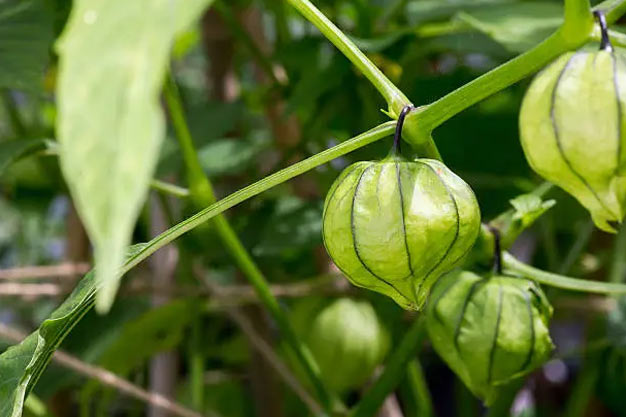
Tomatillo is a warm-season Mexican plant producing small green fruits enclosed in papery husks. Its tart flavor makes it essential for green...
| Scientific Name | Physalis philadelphica |
| Plant Height | 60 to 120 cm |
| Growing Time | Approximately 70 to 90 days from transplanting to harvest |
| Growing Location | Warm tropical, subtropical and temperate summer climates |
| Sunlight Requirement | Full sunlight, 6 to 8 hours daily |
| Temperature | Temperature for Growing 18 to 30°C |
| Care Tips | Grow tomatillos in fertile, well to drained soil with full sun. Water consistently, provide support for sprawling plants, encourage pollination by growing several plants, remove weeds, fertilize moderately, and monitor pests throughout the season. |
| Quick Summary | Tomatillo is a warm to season annual plant native to Mexico and widely associated with Mexican cuisine. It produces small, round green fruits enclosed within distinctive papery husks. The fruits have a bright, tart flavor and are a fundamental ingredient in green salsa, sauces, soups, stews, and many traditional dishes. Tomatillos grow rapidly in warm conditions and require full sunlight, fertile soil, regular moisture, and good drainage. Growing several plants together can improve pollination and fruit production. Commercially, tomatillos are sold fresh and are also processed into salsa, sauces, canned products, preserves, and prepared foods. Their importance in Mexican cooking makes them particularly suitable for culinary gift baskets. Fresh tomatillos, salsa ingredients, Mexican cooking kits, gourmet hampers, and regional food packages can all provide attractive commercial and gifting opportunities. |
| Commercial & Gifting Uses | Fresh produce, salsa, sauces, Mexican food products, preserves, culinary hampers, Mexican to themed food baskets and gourmet cooking gifts |
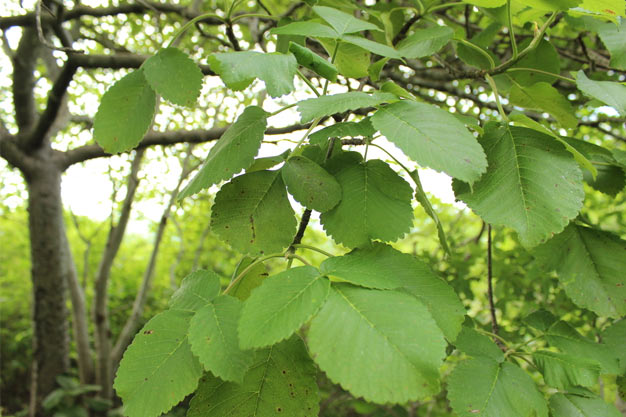
Cuachalalate is a Mexican tree valued for its distinctive bark, which has a long history in traditional herbal practices. Native to Mexico, ...
| Scientific Name | Amphipterygium adstringens |
| Plant Height | 5 to 15 m |
| Growing Time | Approximately 3 to 5 years for young tree establishment; longer for mature growth |
| Growing Location | Dry tropical forests and warm, seasonally dry regions of Mexico |
| Sunlight Requirement | Full sunlight to partial shade |
| Temperature | Temperature for growing approximately 20 to 30°C |
| Care Tips | Plant cuachalalate in well to drained soil and a warm sunny location. Water moderately during establishment, reduce irrigation once mature, protect young trees from frost, avoid overwatering, and provide adequate growing space. |
| Quick Summary | Cuachalalate is a distinctive tree endemic to Mexico and an important species in Mexican traditional herbal practices. Its rough bark has historically been collected and prepared for traditional remedies, particularly those associated with digestive and inflammatory complaints. The tree is adapted to warm, seasonally dry environments and generally prefers good drainage and abundant sunlight. Because bark harvesting can affect tree health, sustainable collection practices are important. Commercially, cuachalalate is associated with dried botanical material, traditional herbal preparations, natural wellness products, ethnobotanical collections, and culturally themed Mexican herbal gift hampers. |
| Commercial & Gifting Uses | Traditional herbal products, dried bark preparations, botanical products, natural wellness hampers, Mexican herbal gift sets and ethnobotanical collections |
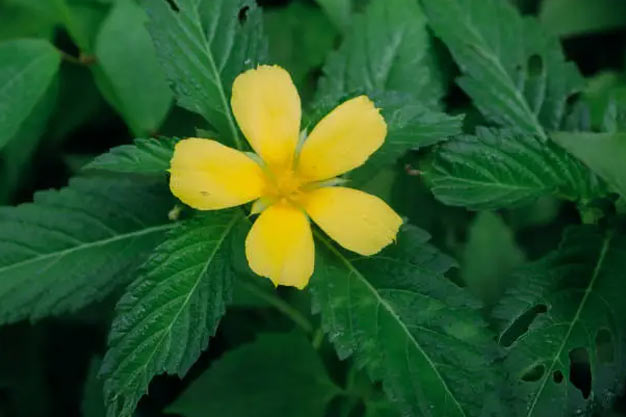
Damiana is a fragrant woody shrub native to Mexico and other warm regions of the Americas. Traditionally valued as a botanical tonic, it pro...
| Scientific Name | Turnera diffusa |
| Plant Height | 30 to 150 cm |
| Growing Time | Approximately 1 to 2 years to become well established |
| Growing Location | Dry tropical and subtropical regions, scrublands and rocky areas |
| Sunlight Requirement | Full sunlight |
| Temperature | Temperature for growing approximately 20 to 30°C |
| Care Tips | Grow damiana in full sun and sharply drained soil. Water moderately and allow soil to dry between watering. Prune lightly to maintain shape, avoid excessive moisture, and protect plants from prolonged cold. |
| Quick Summary | Damiana is a small aromatic shrub native to Mexico and widely distributed across warm regions of the Americas. It produces fragrant leaves and small yellow flowers and has a long history in traditional herbal practices. The leaves have traditionally been prepared as teas or incorporated into botanical preparations. Damiana prefers warm temperatures, abundant sunlight, and well to drained soil, making it suitable for dry and semi to arid environments. Today, it is commercially associated with herbal teas, dried botanicals, natural wellness products, aromatic preparations, and specialty herbal collections. Damiana to themed herbal gift boxes and Mexican botanical hampers are also popular niche products. |
| Commercial & Gifting Uses | Herbal teas, dried leaves, botanical products, traditional wellness products, aromatic collections, herbal gift boxes and Mexican botanical hampers |
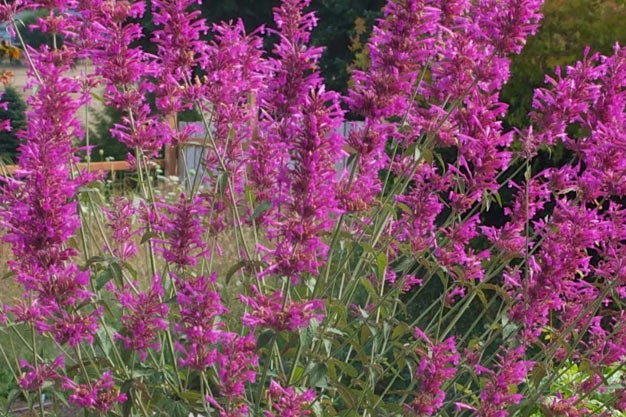
Mexican Purple Giant Hyssop, or Toronjil morado, is an aromatic Mexican perennial with striking purple flower spikes. It is valued tradition...
| Scientific Name | Agastache mexicana |
| Plant Height | 60 to 150 cm |
| Growing Time | Approximately 3 to 5 months to flowering under favorable conditions |
| Growing Location | Mexican highlands, mountain regions, gardens and well to drained sites |
| Sunlight Requirement | Full sunlight to partial shade |
| Temperature | Temperature for growing approximately 15 to 25°C |
| Care Tips | Provide well to drained soil and morning or full sunlight. Water regularly while establishing, then moderately. Remove spent flowers to encourage blooming, avoid waterlogging, provide airflow, and protect plants from prolonged extreme cold. |
| Quick Summary | Mexican Purple Giant Hyssop, locally known as Toronjil morado, is an aromatic perennial native to Mexico. Its upright stems carry attractive purple to reddish flower spikes that provide considerable ornamental value while attracting bees and other pollinators. The plant has a history of traditional use in Mexican herbal practices, particularly in preparations associated with relaxation and sleep. It grows well in sunny locations with fertile, well to drained soil and moderate moisture. Commercially, it is valued as an ornamental, aromatic and traditional herb. Dried herb products, tea blends, native to plant collections, pollinator to garden packages, and botanical gift hampers are potential gifting uses. |
| Commercial & Gifting Uses | Herbal teas, dried herbs, ornamental plants, pollinator gardens, aromatic products, wellness hampers and Mexican native to plant gift collections |
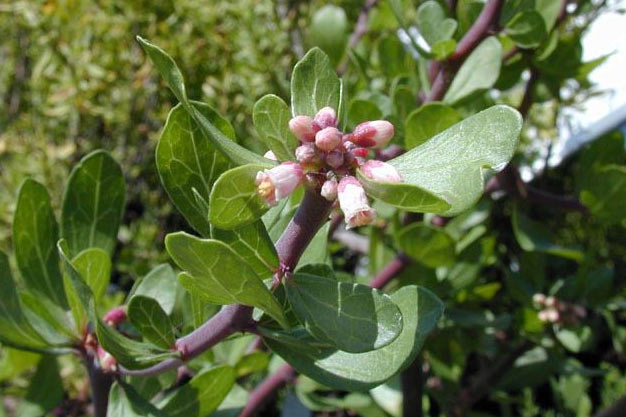
Dragon's Blood, known locally as Sangre de Drago, is a drought-tolerant Mexican shrub whose reddish sap has a long history in traditional he...
| Scientific Name | Jatropha dioica |
| Plant Height | 1 to 3 m |
| Growing Time | Approximately 1 to 3 years to establish |
| Growing Location | Mexican deserts, dry scrublands and semi to arid regions |
| Sunlight Requirement | Full sunlight |
| Temperature | Temperature for growing approximately 20 to 32°C |
| Care Tips | Grow Dragon's Blood in full sun and very well to drained soil. Water sparingly after establishment, avoid standing moisture, provide good airflow, remove damaged branches, and protect young plants from prolonged freezing temperatures. |
| Quick Summary | Dragon's Blood, or Sangre de Drago, is a drought to adapted shrub native to dry regions of Mexico. Its stems and roots contain a characteristic reddish sap that has been used traditionally in Mexican herbal practices. The plant tolerates heat, drought, and poor soils when drainage is excellent. It is sometimes incorporated into traditional topical and hair to care preparations. Commercial interest is primarily associated with botanical extracts, traditional herbal products, natural personal to care preparations, and ethnobotanical collections. Mexican herbal gift sets, natural hair to care hampers, botanical wellness packages, and desert to plant collections can provide suitable commercial and gifting applications. |
| Commercial & Gifting Uses | Traditional herbal preparations, botanical extracts, natural hair to care products, skin to care products, dried botanicals, wellness hampers and Mexican herbal gift sets |
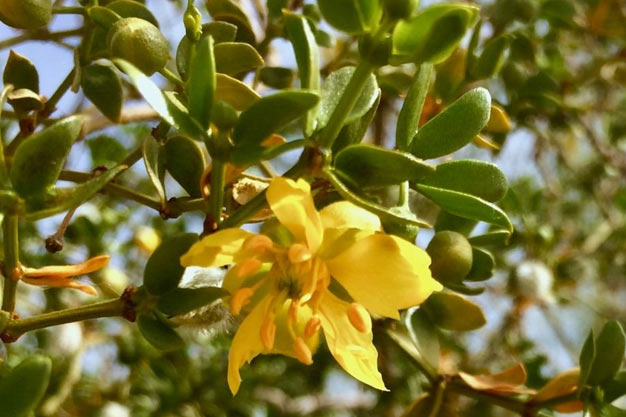
Gobernadora, or Creosote Bush, is an extremely drought-tolerant evergreen shrub of Mexican and North American deserts. Its resinous leaves a...
| Scientific Name | Larrea tridentata |
| Plant Height | 1 to 3 m |
| Growing Time | Approximately 1 to 3 years for establishment |
| Growing Location | Mexican deserts, arid scrublands and semi to desert regions |
| Sunlight Requirement | Full sunlight |
| Temperature | Temperature for growing approximately 20 to 35°C |
| Care Tips | Plant creosote bush in full sun and extremely well to drained soil. Water sparingly, especially after establishment. Avoid rich, wet conditions, allow sufficient spacing, remove dead growth when needed, and protect young plants from excessive moisture. |
| Quick Summary | Gobernadora, commonly called creosote bush, is one of the characteristic shrubs of Mexico's arid and semi to arid landscapes. Its small resinous leaves help it survive intense heat and prolonged drought, while its yellow flowers appear following favorable rainfall. The plant has a long history in traditional herbal practices, although some traditional medicinal claims require caution because concentrated preparations may have safety concerns. It is commercially valuable as a drought to tolerant landscape plant and ethnobotanical species. Its uses also include botanical displays, desert gardens, educational collections, natural to product presentations, and Mexican desert to themed plant or botanical gift packages. |
| Commercial & Gifting Uses | Botanical products, desert landscaping, aromatic products, ethnobotanical collections, natural to product displays and Mexican desert to plant gift collections |
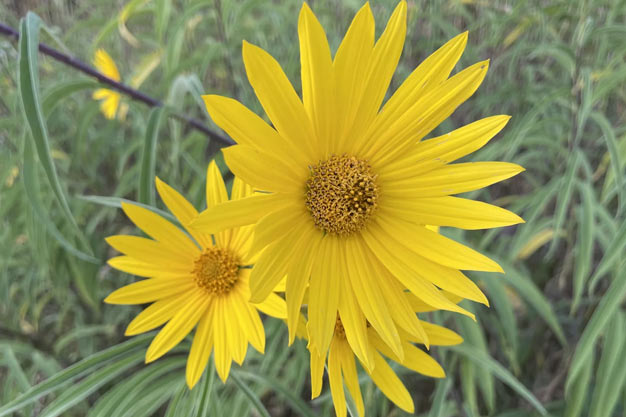
Mexican Arnica is a flowering herb native to Mexico and traditionally used in topical herbal preparations. Its yellow daisy-like flowers mak...
| Scientific Name | Heterotheca inuloides |
| Plant Height | 30 to 100 cm |
| Growing Time | Approximately 3 to 6 months to flowering |
| Growing Location | Mexican highlands, grasslands, roadsides and open mountain habitats |
| Sunlight Requirement | Full sun to partial shade |
| Temperature | Temperature for growing approximately 15 to 25°C |
| Care Tips | Grow Mexican Arnica in well to drained soil with full sun or light shade. Water moderately, avoid excessive moisture, remove spent flowers, maintain airflow, control weeds, and protect plants from prolonged frost or extreme heat. |
| Quick Summary | Mexican Arnica is a flowering herb native to Mexico and should not be confused with European arnica species. It produces attractive yellow, daisy to like flower heads and is traditionally used in Mexican herbal practices, particularly in topical preparations. The plant grows naturally in highland and open habitats and prefers sunlight, moderate temperatures, and well to drained soil. Its flowers and foliage contribute to its botanical appeal. Commercial applications include dried botanical material, traditional herbal products, topical preparations, educational ethnobotanical collections, and natural wellness products. Mexican Arnica can also feature in herbal gift hampers, traditional botanical collections, and culturally themed wellness packages. |
| Commercial & Gifting Uses | Herbal preparations, dried flowers, topical botanical products, traditional wellness products, herbal hampers and Mexican medicinal to plant collections |
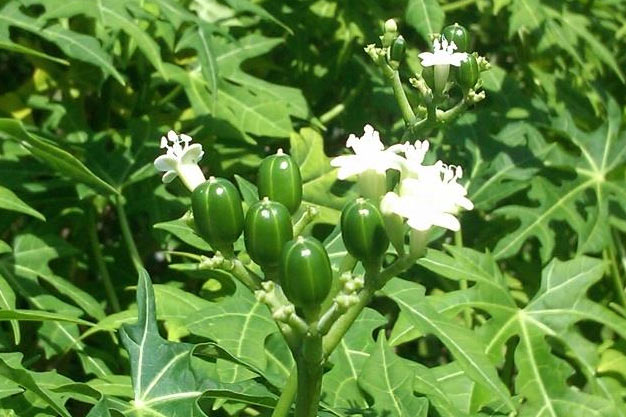
Chaya, or Tree Spinach, is a fast-growing leafy shrub native to Mexico. Its nutritious leaves are traditionally cooked as a vegetable and ar...
| Scientific Name | Cnidoscolus aconitifolius |
| Plant Height | 2 to 6 m |
| Growing Time | Approximately 3 to 6 months for substantial vegetative growth |
| Growing Location | Tropical and subtropical regions, especially home gardens and small farms |
| Sunlight Requirement | Full sunlight to partial shade |
| Temperature | Temperature for growing approximately 20 to 30°C |
| Care Tips | Plant chaya in fertile, well to drained soil with sunlight and warmth. Water regularly during establishment, prune to encourage new shoots, provide adequate space, and always cook leaves thoroughly before consumption. |
| Quick Summary | Chaya, commonly called Tree Spinach, is a vigorous leafy shrub with deep cultural and culinary importance in Mexico and parts of Central America. Its tender leaves are traditionally cooked and eaten as a vegetable and are valued as a nutritious component of regional diets. The plant grows rapidly in warm climates and can tolerate periods of dry weather once established. It performs best in fertile, well to drained soil with sunlight or partial shade. Because raw leaves contain naturally occurring compounds that require cooking, they should not be eaten raw. Commercially, chaya is valued for fresh culinary use, edible gardens, traditional to food products, cooking collections, and Mexican to themed culinary gift hampers. |
| Commercial & Gifting Uses | Fresh leafy vegetables, traditional Mexican foods, culinary gardens, edible to plant collections, cooking hampers and Mexican food to themed gifts |
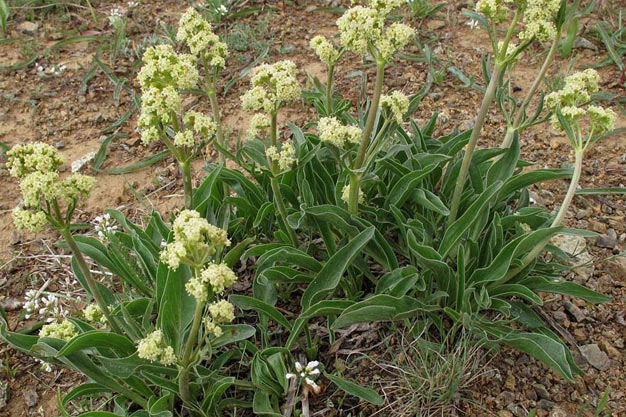
Mexican Valerian is a native Mexican perennial traditionally associated with calming herbal preparations. It develops attractive foliage and...
| Scientific Name | Valeriana edulis subsp. procera |
| Plant Height | 60 to 150 cm |
| Growing Time | Approximately 1 to 2 years to become well established and produce mature roots |
| Growing Location | Mexican highlands, mountain grasslands and temperate regions |
| Sunlight Requirement | Full sunlight to partial shade |
| Temperature | Temperature for growing approximately 12 to 25°C |
| Care Tips | Grow Mexican Valerian in cool, well to drained soil with sunlight or partial shade. Maintain moderate moisture, avoid waterlogging, provide organic matter, protect plants from extreme heat, and allow adequate space for root development. |
| Quick Summary | Mexican Valerian is a perennial plant native to Mexico and associated with traditional herbal practices involving relaxation and sleep. It develops substantial roots and flowering stems and is particularly suited to cooler Mexican highland environments. The plant prefers moderate temperatures, fertile well to drained soil, and consistent but not excessive moisture. Its roots have historically been collected for traditional preparations, making sustainable cultivation important where commercial harvesting occurs. Commercial opportunities include dried botanical material, traditional herbal products, ethnobotanical displays, and specialty plant collections. It can also be incorporated into herbal gift hampers, traditional Mexican botanical collections, educational plant packages, and natural wellness to themed gifts. |
| Commercial & Gifting Uses | Traditional herbal products, dried roots, botanical collections, herbal teas, ethnobotanical displays, wellness hampers and Mexican native to plant gift collections |
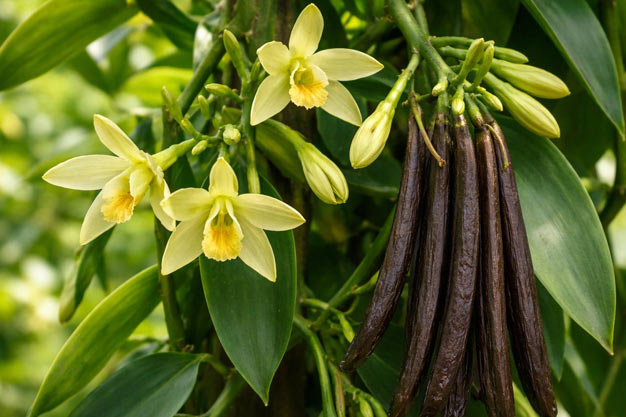
Vanilla is a tropical climbing orchid native to Mexico and Central America. Its fragrant flowers produce the famous vanilla pods used worldw...
| Scientific Name | Vanilla planifolia |
| Plant Height | 2.5 to 3 m or more when trained; vines can become considerably longer |
| Growing Time | About 3 to 4 years to flowering; pods require another 8 to 10 months to mature after pollination |
| Growing Location | Warm, humid tropical regions; particularly southern and southeastern Mexico, including Veracruz, Puebla, Oaxaca and Chiapas |
| Sunlight Requirement | Bright filtered light / approximately 50 to 70% shade |
| Temperature | Temperature for Growing 20 to 32°C; optimum conditions are generally around 21 to 27°C |
| Care Tips | Grow vanilla in warm, humid conditions with filtered sunlight and excellent drainage. Provide a sturdy support, maintain consistent moisture, avoid waterlogging, fertilize lightly, hand to pollinate flowers, and maintain good airflow around vines. |
| Quick Summary | Vanilla is a remarkable climbing orchid native to the tropical forests of Mexico and Central America. Its long vines produce fragrant flowers that must generally be pollinated by hand in commercial cultivation. After successful pollination, the green pods take around eight to ten months to mature before harvesting and curing. Vanilla requires warm temperatures, high humidity, filtered sunlight, organic to rich soil, and strong supporting trees or structures. It is one of the world's most valuable flavor crops. Commercially, vanilla is used in extracts, desserts, chocolates, beverages, perfumes, cosmetics, and gourmet foods. Vanilla beans and premium vanilla products are especially suitable for luxury food hampers and gourmet gifting. |
| Commercial & Gifting Uses | Vanilla beans, vanilla extract, vanilla paste, confectionery, bakery products, ice cream, beverages, perfumes, cosmetics, gourmet hampers and premium food gifts |
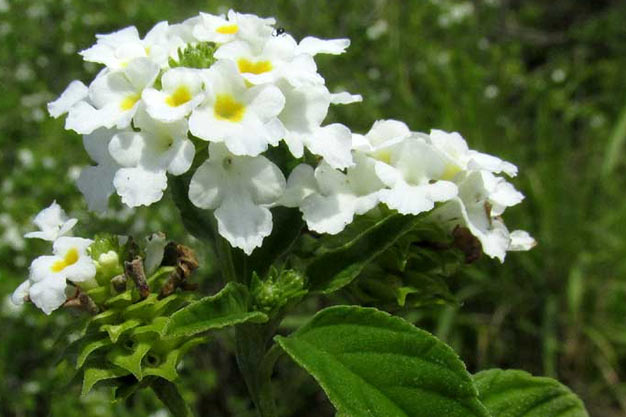
Mexican Oregano is an aromatic woody shrub with a stronger, more pungent flavor than European oregano. Native to Mexico and dry regions of C...
| Scientific Name | Lippia graveolens |
| Plant Height | Usually 1 to 2 m; some plants can reach approximately 2 m or more |
| Growing Time | Fast to growing; can reach useful size within one growing season under favorable conditions |
| Growing Location | Dry tropical and subtropical regions, rocky slopes, scrublands and semi to arid areas of Mexico and Central America |
| Sunlight Requirement | Full sunlight, it performs poorly in deep shade |
| Temperature | Temperature for growing approximately 18 to 30°C, adapted to warm and relatively dry conditions |
| Care Tips | Plant Mexican oregano in full sun and well to drained soil. Water deeply but infrequently after establishment, avoid excessive moisture, prune after harvesting, provide good airflow, and harvest leaves before flowering for strongest flavor. |
| Quick Summary | Mexican oregano is an aromatic shrub valued for its robust, pungent flavor and distinctive fragrance. Although commonly called oregano, it is botanically different from European oregano. The plant naturally occurs in dry and semi to arid regions of Mexico and Central America and tolerates drought once established. Full sunlight and excellent drainage encourage strong growth and aromatic foliage. Its leaves are widely used fresh or dried in Mexican, Central American, and Tex to Mex cooking, especially in sauces, meats, beans, soups, and tomato to based dishes. Commercial applications include dried herbs, spice blends, culinary products and herbal teas. Gourmet spice boxes, Mexican cooking hampers and culinary gift sets are suitable gifting options. |
| Commercial & Gifting Uses | Dried culinary herb, spice blends, sauces, seasoning mixes, herbal tea, essential to oil products, gourmet spice boxes, Mexican cooking kits and culinary gift hampers |
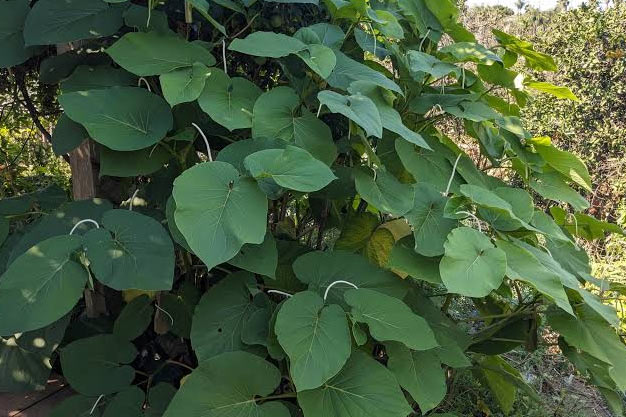
Hoja Santa is a large-leaved aromatic Mexican plant recognized for its heart-shaped foliage and distinctive anise-like aroma with eucalyptus...
| Scientific Name | Piper auritum |
| Plant Height | Approximately 1.5 to 5 m |
| Growing Time | Approximately 2 to 5 years to maturity under suitable conditions; foliage can be harvested much earlier |
| Growing Location | Warm, humid tropical and subtropical regions; forests and disturbed woodland areas of Mexico and Central America |
| Sunlight Requirement | Partial shade to filtered light, sheltered conditions are preferred |
| Temperature | Temperature for growing approximately 20 to 30°C; warm, humid conditions are preferred |
| Care Tips | Grow hoja santa in warm, humid conditions with partial shade and moist, well to drained soil. Protect from cold winds, water regularly, maintain humidity, provide space for large leaves, and prune excessive growth when necessary. |
| Quick Summary | Hoja Santa, also called Mexican pepperleaf, is an aromatic plant famous for its enormous heart to shaped leaves and unusual fragrance. Its aroma combines anise to like, eucalyptus, mint, and root to beer notes. Native to Mexico and other parts of Central America, it thrives in warm climates and moist, sheltered locations. The leaves are traditionally used to wrap and flavor tamales and to season meats, fish, poultry, sauces, broths, cheeses, and mole. Its distinctive flavor makes it particularly valuable in regional Mexican cuisine. Commercial opportunities include fresh culinary leaves, specialty ingredients, prepared foods, and Mexican cooking products. Culinary hampers, gourmet ingredient boxes and Mexican to themed food gifts are particularly suitable. |
| Commercial & Gifting Uses | Fresh culinary leaves, tamales, mole, sauces, soups, meat and fish dishes, culinary herbs, Mexican cooking kits, gourmet hampers and regional food gifts |
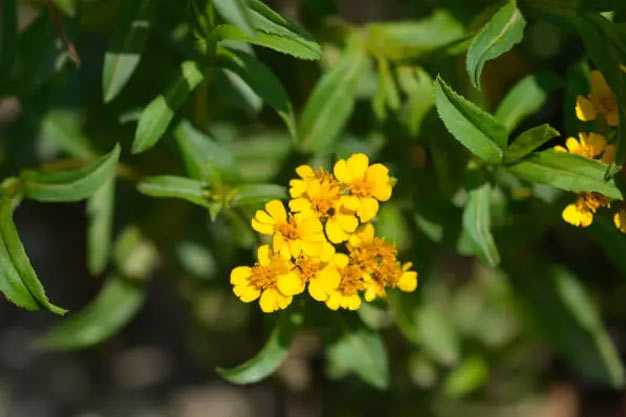
Mexican Tarragon, or Pericón, is an aromatic perennial herb native to Mexico. Its glossy leaves have an intense anise-like flavor and fragra...
| Scientific Name | Tagetes lucida |
| Plant Height | Approximately 45 to 75 cm; commonly 60 to 90 cm in favorable conditions |
| Growing Time | Fast to growing, approximately 75 to 85 days to useful maturity from seed under suitable conditions |
| Growing Location | Mexican highlands, hillsides, woodlands, grasslands and warm temperate gardens |
| Sunlight Requirement | Full sunlight light partial shade is also tolerated |
| Temperature | Temperature for growing approximately 15 to 25°C for good growth; it tolerates heat but is sensitive to hard frost |
| Care Tips | Grow Mexican tarragon in full sun and well to drained soil. Water consistently while establishing, then moderately, prune regularly for bushier growth, harvest young leaves, remove spent flowers, and protect plants from hard freezes. |
| Quick Summary | Mexican tarragon, also known as Mexican mint marigold or Pericón, is an aromatic perennial herb native to Mexico and Central America. Its narrow green leaves have a distinctive anise to like flavor with hints of tarragon, mint, and sweetness. Small golden to yellow flowers appear during summer and autumn and attract bees and other pollinators. The leaves can be used fresh or dried in sauces, soups, vegetables, drinks, and teas, while the flowers can provide attractive culinary garnishes. Commercially, it is valued as a culinary herb, tea ingredient and ornamental plant. Herb to growing kits, tea collections, Mexican spice hampers and culinary gift boxes make suitable gifting products. |
| Commercial & Gifting Uses | Herbal tea, culinary seasoning, fresh or dried leaves, edible flowers, ornamental plants, pollinator gardens, herb to growing kits, tea hampers and Mexican culinary gift sets |


Mexico's geography provides a remarkable variety of growing environments. Warm tropical regions support plants such as Papaya, Mamey Sapote and Vanilla, while drier regions are home to hardy species such as Prickly Pear, Creosote Bush and Mexican Oregano.
The country's highlands provide suitable environments for other plants, including Tejocote and Mexican Valerian. This means there is no single definition of a "Mexican plant." Different species have evolved to cope with very different combinations of temperature, rainfall, soil and elevation.
This diversity is particularly useful for gardeners. Someone interested in Mexican plants can explore tropical fruit trees, culinary herbs, flowering herbs, drought-tolerant species, climbing plants and unusual native varieties.
Warm regions of Mexico support many productive fruit and specialty plants. Avocado is a well-known example. The evergreen tree originated in south-central Mexico and is now cultivated commercially in many parts of the world. It generally prefers warm conditions, full sunlight and well-drained soil.
Papaya is another fast-growing tropical plant associated with southern Mexico and Central America. Under favourable conditions, it can begin producing fruit relatively quickly compared with many larger fruit trees.
Other tropical and subtropical choices include Guava, Mamey Sapote and White Sapote. These plants provide opportunities for home gardens and specialty fruit cultivation where the local climate is appropriate.
For gardeners outside Mexico, climate suitability is particularly important. A tropical plant may require considerably more warmth and protection than a drought-adapted Mexican species.
Fruit plants are among the most interesting Mexican plants because they combine ornamental value with practical food production. Some can become attractive garden trees while also producing fruit that can be eaten fresh or incorporated into recipes.
Avocado produces creamy fruits used in salads, sauces, guacamole and many other dishes. Guava is valued for its fragrant fruit and can be eaten fresh or processed into juices, jams, jellies and preserves.
Mamey Sapote and White Sapote are more unusual choices. Their distinctive fruits can appeal to people interested in tropical and specialty produce. Both require suitable warm growing conditions and good drainage.
Growing a fruit tree can also be a long-term gardening project. Unlike a short-lived decorative gift, an established fruit plant can become part of a home garden and potentially provide harvests for years when properly maintained.
Plants are deeply connected with Mexican cuisine. Many Mexican foods depend on particular fruits, leaves, herbs and vegetables that have been cultivated and used for generations.
Tomatillo is one of the best examples. It produces small green fruits enclosed in papery husks and is an important ingredient in green salsa, sauces and other traditional dishes. The plant grows well in warm conditions with full sunlight and well-drained soil.
Chaya, sometimes called Tree Spinach, is another culturally important edible plant. Its leaves are traditionally cooked as a vegetable. The leaves should be properly cooked rather than eaten raw, making correct preparation an important part of using this plant.
Mexican Oregano is valued for its strong flavour and aroma and is widely used in Mexican and Central American cooking. It is botanically different from European oregano despite the shared common name.
Some Mexican plants are particularly interesting because they are connected with local traditions and ethnobotanical knowledge. Plants such as Cuachalalate, Damiana, Mexican Arnica, Mexican Valerian and Dragon's Blood have histories of traditional use.
These plants are important from a cultural and botanical perspective, but traditional use should not automatically be interpreted as proof of medical effectiveness. Many traditional claims have not been established to modern medical standards, and some concentrated botanical preparations may have safety concerns.
For this reason, traditional Mexican plants are best explored responsibly, with attention to correct identification, preparation methods, sustainability and appropriate professional advice when health-related use is being considered.
Mexico's dry regions have produced plants with remarkable adaptations to heat and limited rainfall. These plants can be particularly interesting for water-wise gardeners.
Prickly Pear, commonly called tuna in Mexico, is a good example. This cactus produces edible fruits and succulent pads and can tolerate heat, drought and relatively poor soils when established in suitable conditions.
Creosote Bush, or Gobernadora, is another highly drought-adapted Mexican desert shrub. It has small resinous leaves and can survive prolonged dry periods.
Mexican Oregano and Dragon's Blood are also associated with relatively dry environments and can be interesting choices for gardeners looking beyond conventional tropical plants.
Not every Mexican plant needs to be grown for food. Many have ornamental value because of their foliage, flowers, shape, fragrance or unusual appearance.
Mexican Purple Giant Hyssop, for example, produces attractive purple to reddish flower spikes and can also attract bees and other pollinators. It can work well in suitable gardens where good drainage and adequate sunlight are available.
Mexican Pepperleaf, also known as Hoja Santa, is another visually distinctive plant. Its large heart-shaped leaves and aromatic character make it an interesting addition to suitable warm-climate gardens.
Combining ornamental Mexican plants with locally adapted species can create a diverse landscape while avoiding the need to recreate an entire Mexican ecosystem.
Mexican plants offer an unusual combination of natural, culinary and cultural interest. A single collection can include fruit trees, edible vegetables, aromatic herbs, desert plants, climbing orchids and traditional botanical species.
This makes Mexican plants attractive to several different types of people:
A home garden can incorporate Mexican plants in many ways. A suitable fruit tree can become a productive focal point, while herbs and smaller edible plants can be grown closer to the kitchen.
For larger gardens, plants such as Avocado, Guava or suitable Sapote varieties may provide both visual interest and fruit production when the climate permits.
For smaller spaces, container-friendly herbs and compact edible plants can be more practical. Mexican Oregano, for example, can be considered for sunny containers where drainage is good.
Choosing a Mexican plant should always begin with climate compatibility. Mexico itself contains tropical, subtropical, temperate, highland and desert environments, so two Mexican plants can have completely different growing requirements.
Tropical plants such as Papaya and Vanilla need warmth and, in the case of Vanilla, humid conditions and filtered light. By contrast, Prickly Pear and Creosote Bush are adapted to much drier environments.
Before purchasing a living plant, compare its preferred temperature range, sunlight requirement, water needs and mature size with the conditions available in the intended garden.
Online shopping can make it easier to discover Mexican fruit plants, edible plants, specialty botanicals and plant-related products. It can also provide access to products that may not be readily available at a local garden centre.
When purchasing a living plant, check whether the seller delivers live plants to your location and whether the variety is suitable for your climate. For seeds, dried herbs, food products or botanical items, check the product description and applicable delivery restrictions.
Living plants can be more sensitive to transportation than packaged products. Packaging, weather, delivery duration and the plant's condition at dispatch can all influence its arrival.
GiftFloraHub's Mexico Plants page brings together information about a range of Mexican plants, including their characteristics, growing conditions and potential commercial or gifting uses.
A plant can be a more lasting gift than a conventional present because it can continue growing after the occasion. Mexican plants can add an additional element of interest when the recipient enjoys gardening, cooking, fruit growing or discovering unusual botanical varieties.
A fruit plant may suit someone with a garden, while a culinary herb can be more practical for a cooking enthusiast. Specialty products such as vanilla or Mexican botanical collections can also provide interesting alternatives to ordinary gifts.
The most suitable choice depends on the recipient's interests, available space and ability to provide the plant with appropriate growing conditions.
Before buying or gifting a Mexican plant, consider several practical factors:
Making these checks before purchasing can greatly improve the chance that a living plant will establish successfully.
Mexican plants demonstrate how closely nature, food, gardening and culture can be connected. Avocado and Papaya represent important tropical fruit plants, Prickly Pear reflects Mexico's dry landscapes and culinary traditions, Tomatillo is closely associated with Mexican cuisine, and Vanilla represents one of the country's most valuable flavour crops.
At the same time, plants such as Damiana, Cuachalalate, Mexican Arnica and Mexican Valerian offer an opportunity to learn about Mexico's traditional botanical heritage, while Mexican Oregano, Chaya and Mexican Pepperleaf demonstrate the importance of plants in everyday cooking.
Mexico has a remarkable tradition of growing and enjoying fruit plants, from familiar crops such as Avocado and Papaya to less widely known varieties such as Mamey Sapote, White Sapote and Tejocote. These plants can be valuable additions to suitable home gardens because they combine ornamental greenery with the possibility of producing edible harvests.
For gardeners outside Mexico, however, the most important consideration is climate compatibility. Some Mexican fruit plants prefer warm tropical conditions, while others can tolerate somewhat cooler or drier environments. Understanding the plant before purchasing is therefore essential.
Avocado (Persea americana) is one of Mexico's best-known fruit plants and has a long history of cultivation in the region. The evergreen tree produces the creamy green fruit widely used in salads, spreads, sauces and guacamole.
Avocado trees can become substantial plants when grown in the ground, making them more suitable for gardens with adequate space. They generally appreciate good sunlight, warmth and well-drained soil.
Water management is particularly important. While young trees need consistent moisture while establishing, poorly drained soil can create problems around the roots.
An avocado tree can be both productive and ornamental. Its evergreen foliage provides year-round greenery in suitable climates, while the eventual fruit harvest adds practical value.
Gardeners should check the mature size of the selected variety and consider local temperatures before planting. In colder climates, container growing or protected cultivation may be more appropriate for some varieties.
A young avocado plant can make an interesting gift for someone who enjoys growing edible plants. Unlike a conventional bouquet, a living fruit plant can become part of a garden or patio collection.
Papaya (Carica papaya) is a fast-growing tropical fruit plant associated with warm regions of Mexico and Central America. It produces elongated fruits with soft orange or reddish flesh when ripe.
Papaya plants have a distinctive appearance, with large leaves carried high above the trunk-like stem. Their unusual structure can add a tropical character to suitable gardens.
Warm temperatures, sunlight, adequate moisture and good drainage are important for successful growth. Papaya is generally more sensitive to cold than many temperate fruit trees.
In warm climates, Papaya can be grown as part of a tropical edible garden alongside other fruit plants. Its relatively rapid growth makes it attractive to gardeners who want to see results sooner than they might with a slow-growing fruit tree.
Strong winds can damage the large leaves and tall stems, so a sheltered growing location can be beneficial.
Guava (Psidium guajava) is another important fruit plant with strong connections to Mexico and tropical America. Its aromatic fruit may have white, cream or pink flesh depending on the variety.
Guava fruit can be eaten fresh or used in juices, jams, jellies, desserts and other preparations. The plant itself can develop into a small tree or large shrub under suitable conditions.
Guava generally prefers warm conditions and good sunlight. Once established, some varieties can tolerate relatively dry periods better than very moisture-demanding tropical plants.
Guava can be an attractive choice for a home fruit garden because it offers both greenery and edible fruit. Its relatively manageable size compared with some large fruit trees can make it suitable for smaller properties when the correct variety is selected.
Container cultivation may also be possible for selected compact varieties, although fruit production and plant size will depend on the growing conditions.
Mamey Sapote (Pouteria sapota) is a tropical fruit tree valued for its large fruit and distinctive flavour. The ripe flesh is often orange to reddish in colour and has a soft, creamy texture.
Mamey Sapote trees can become large, making them better suited to spacious gardens and warm climates. They require patience because fruit trees of this type may take considerable time to reach productive maturity.
Good drainage and protection from unsuitable cold conditions are important for successful cultivation.
For gardeners who enjoy unusual tropical fruits, Mamey Sapote can be an exciting addition to a collection. It offers something different from more familiar fruit trees and can introduce greater diversity into a home orchard.
Because of its eventual size and tropical requirements, it should be chosen only when sufficient space and suitable growing conditions are available.
White Sapote (Casimiroa edulis) is a fruit tree native to Mexico and parts of Central America. Its fruits have soft flesh and a sweet flavour, making the plant interesting to people who enjoy specialty fruit cultivation.
White Sapote can develop into a sizeable tree and therefore requires thoughtful placement. The tree benefits from suitable sunlight and well-drained soil.
Different varieties can vary in their growth characteristics and fruit quality, so gardeners should choose planting material carefully.
White Sapote is particularly attractive to collectors because it is less commonly grown than familiar fruit trees. A healthy young plant can therefore make an unusual addition to a home orchard or specialty fruit collection.
Prickly Pear, commonly known as Tuna in Mexico, belongs to the cactus group and is one of the country's most recognisable drought-adapted edible plants.
Its oval pads and colourful fruits allow it to serve both ornamental and culinary purposes. The ripe fruits can range in colour from green and yellow to red or purple depending on the variety.
Prickly Pear is well suited to dry environments because its succulent pads store water. It generally prefers strong sunlight and very good drainage.
Prickly Pear can be useful for gardeners looking to reduce irrigation in suitable climates. Once established, it can tolerate periods of dryness considerably better than many conventional fruit plants.
Because of its spines, it should be planted where people and pets are unlikely to come into accidental contact with the pads.
Both the fruit and, depending on the variety and preparation, the young cactus pads are used as food. Proper cleaning and preparation are important because the plant can contain small hair-like spines known as glochids.
Tejocote (Crataegus mexicana) is a small fruit tree native to Mexico and is especially associated with highland regions. It produces small yellow-orange fruits that have been used traditionally in Mexican cuisine and seasonal preparations.
The plant is particularly interesting because it differs from the tropical fruit trees commonly associated with Mexico. Its relationship with cooler highland environments demonstrates the country's botanical diversity.
Tejocote can be grown as an ornamental and fruit-producing tree where conditions are appropriate.
Tejocote is traditionally used in preparations such as ponche, a warm fruit punch commonly enjoyed during the Christmas season in Mexico. The fruit's cultural association makes it particularly interesting for people exploring traditional Mexican food plants.
A Tejocote plant can therefore be more than a garden specimen; it can also provide a connection with Mexican seasonal traditions.
Tomatillo (Physalis philadelphica and related varieties) is an important Mexican edible plant. It produces small green or sometimes purple fruits enclosed in distinctive papery husks.
Although it resembles a small green tomato, Tomatillo is a different plant with its own flavour and growing characteristics. It is widely used in Mexican cuisine, particularly for green salsas and sauces.
Tomatillos generally prefer warm conditions, good sunlight and fertile but well-drained soil.
Tomatillo plants can be rewarding for home gardeners because they can produce a useful quantity of fruit during a suitable growing season.
Providing adequate space between plants can improve air circulation. In many situations, growing more than one compatible plant can also help with pollination and fruit production.
A fresh Tomatillo harvest can be particularly appealing to people who enjoy preparing Mexican dishes at home. The fruit can be used in salsa verde, sauces and a variety of cooked recipes.
| Plant | Main Attraction | Typical Growing Preference | Potential Use |
|---|---|---|---|
| Avocado | Creamy edible fruit | Warm, sunny and well drained | Home orchard and food |
| Papaya | Fast-growing tropical fruit | Warm and sunny | Tropical gardens and food |
| Guava | Fragrant edible fruit | Warm with good sunlight | Fruit gardens and food |
| Mamey Sapote | Large specialty fruit | Warm tropical conditions | Specialty fruit collection |
| White Sapote | Sweet specialty fruit | Warm and well drained | Home orchard and collection |
| Prickly Pear | Edible fruit and drought tolerance | Sunny and dry | Water-wise gardens and food |
| Tejocote | Cultural and seasonal fruit | Suitable highland conditions | Food and traditional gardens |
| Tomatillo | Important culinary fruit | Warm and sunny | Kitchen gardens and cooking |
A Mexican-inspired garden does not need to contain only ornamental plants. Combining fruit trees, herbs, edible vegetables and drought-adapted species can create a productive landscape with a strong connection to Mexican plant traditions.
For warm climates, Avocado, Papaya and Guava can form the larger structural plants, while smaller edible plants such as Tomatillo can occupy lower spaces. In drier gardens, Prickly Pear can provide a striking architectural element.
The best combinations depend on local conditions. Plants with similar requirements can be grouped together so that irrigation and maintenance are easier to manage.
Not every fruit plant requires a large orchard. Some smaller varieties can be grown in containers or restricted spaces, depending on the species and cultivar.
Tomatillo is particularly suitable for kitchen gardens where sufficient sunlight is available. Compact Guava varieties may also be considered where the climate is appropriate.
Container growing can help control plant size, but it does not remove the plant's basic requirements. Fruit trees still need sufficient light, root space, nutrition and appropriate watering to remain healthy.
Large gardens provide more opportunities to grow substantial fruit trees. Avocado, Mamey Sapote and White Sapote can become significant landscape plants when grown under suitable conditions.
Before planting a large fruit tree, consider its mature height, canopy width and root requirements. Avoid placing large trees too close to buildings, overhead structures or property boundaries.
Long-term planning is particularly important because a small nursery plant can eventually become a large tree.
A fruit plant can be a thoughtful gift for someone who enjoys gardening, cooking or growing their own food. It can also represent a longer-term project rather than a temporary display.
An Avocado or Guava plant can be suitable for someone with a warm garden, while a smaller edible plant such as Tomatillo may be more practical for a home gardener with limited space.
For someone interested in Mexican culture, Tejocote or Prickly Pear can provide an additional connection with traditional Mexican food and landscapes.
Always consider whether the recipient has a suitable place to grow the plant. A tropical fruit tree may not be an appropriate gift for someone living in a cold climate without greenhouse or protected growing facilities.
Many Mexican fruit plants are now cultivated internationally, but successful growth outside Mexico depends on matching the plant with the local environment.
Warm-climate plants such as Papaya and Mamey Sapote can be damaged by cold temperatures, while drought-adapted plants such as Prickly Pear may struggle in locations with persistent wet soil.
Gardeners should therefore research the particular species and cultivar rather than relying only on its Mexican origin when deciding where to plant it.
Edible plants should always be correctly identified before consumption. Common names can sometimes refer to more than one species, and different varieties can have different preparation requirements.
Tomatillo, Prickly Pear, Chaya and other edible Mexican plants should be prepared according to reliable food-safety guidance. When purchasing plant material, use reputable sources and follow instructions supplied with the product.
For plants that are primarily grown for traditional or herbal purposes, avoid assuming that traditional use makes a plant medically effective or automatically safe.
Mexican fruit plants combine practical food production with botanical and cultural interest. An Avocado tree can provide both attractive evergreen foliage and fruit, while a Papaya adds a tropical appearance. Guava offers fragrant fruit, and Prickly Pear brings a distinctly dry-land character.
Less familiar plants such as Mamey Sapote, White Sapote and Tejocote can make a garden collection more unusual and provide opportunities to discover fruits that may not be available in ordinary supermarkets.
For people interested in sustainable home gardening, growing edible plants can also provide a direct connection between the garden and the kitchen.
Mexico's fruit and edible plant heritage includes familiar favourites as well as specialty varieties that deserve greater attention. Avocado, Papaya and Guava are widely recognised, while Mamey Sapote, White Sapote, Tejocote and Prickly Pear offer something more unusual.
Tomatillo demonstrates how an edible plant can become an important part of a country's cuisine, while the diversity of these plants reflects Mexico's different climates and landscapes.
Mexico's plant heritage extends far beyond fruit trees and culinary crops. Across different regions, people have developed long-standing relationships with herbs, shrubs, trees and other botanical species used for food, fragrance, crafts, traditional practices and cultural purposes.
Some of these plants are now becoming interesting to gardeners, plant collectors and people looking for unusual botanical products. Among the varieties associated with Mexico are Cuachalalate, Damiana, Purple Giant Hyssop, Dragon's Blood, Creosote Bush, Mexican Arnica, Chaya and Mexican Valerian.
These plants should be appreciated for their botanical and cultural importance while their traditional uses are understood in the proper context. A plant's historical use does not automatically establish that it can prevent, treat or cure a medical condition.
Cuachalalate is a Mexican tree traditionally valued for its bark and has a long history within Mexican herbal traditions. The plant is associated particularly with dry and seasonally dry regions.
Its distinctive bark and adaptation to challenging environments make it an interesting species from a botanical perspective. Unlike conventional ornamental plants, Cuachalalate is often appreciated primarily because of its cultural and ethnobotanical history.
When encountered as a botanical product, correct identification and responsible sourcing are important. Wild harvesting should not contribute to unnecessary pressure on natural populations.
For people studying Mexican traditional plants, Cuachalalate provides an example of how native trees can become part of local knowledge and cultural practices. Its importance goes beyond its appearance in a garden and connects the plant with Mexico's wider ethnobotanical heritage.
Damiana (Turnera diffusa) is a small aromatic shrub associated with Mexico and other parts of the Americas. It is particularly interesting because of its fragrant leaves and long history of traditional use.
Damiana is naturally adapted to relatively warm and dry environments. Its compact form can make it an appealing choice for people interested in aromatic and drought-tolerant plants.
The plant has been used traditionally in herbal preparations, but traditional applications should not be confused with medically proven treatments. Anyone considering Damiana for health-related use should seek advice from a qualified healthcare professional.
Where climate conditions are suitable, Damiana can be considered as part of a dry or water-wise garden. Good sunlight and well-drained soil are generally important for plants adapted to dry environments.
Purple Giant Hyssop is an attractive flowering plant that can add colour and vertical interest to suitable gardens. Its purple-toned flower spikes can also provide resources for bees, butterflies and other pollinating insects.
The plant can be particularly useful in a wildlife-friendly or pollinator-focused planting scheme. Combining flowering plants with different blooming periods can help provide food resources over a longer part of the gardening season.
Gardeners interested in Mexican and Mexico-associated plants can use Purple Giant Hyssop as a colourful feature among compatible species. It is best positioned according to its sunlight, soil and moisture requirements rather than simply grouping plants by geographic origin.
Dragon's Blood, often referred to as Sangre de Drago or sangre de grado in parts of Latin America, is a name used for plants whose reddish sap has been important in traditional botanical practices.
The name can refer to different botanical species in different regions, so proper identification is especially important when discussing Dragon's Blood products.
The striking red sap is one of the plant's most recognisable characteristics and has contributed to its cultural interest.
Dragon's Blood has been associated with various traditional applications, but historical use should not be presented as evidence that the plant is a medically established treatment.
Consumers purchasing botanical preparations should check the botanical identity, source, preparation and intended use. Health-related decisions should be discussed with an appropriately qualified professional.
Creosote Bush (Larrea tridentata), commonly associated with the Spanish name Gobernadora, is one of the characteristic shrubs of Mexico's dry landscapes and desert regions.
Its small resinous leaves help the plant survive in environments where rainfall can be limited. The shrub demonstrates how plants can develop specialised adaptations to heat, drought and nutrient-poor conditions.
In suitable climates, Creosote Bush can be an interesting option for a low-water landscape. It can contribute structure and texture without requiring the same conditions as moisture-loving tropical plants.
Its natural desert adaptation makes it particularly relevant to gardeners interested in xeriscaping and water-conscious landscape design.
Mexican Arnica is a common name associated with certain plants used traditionally in Mexico and other regions. Because common names can sometimes refer to different species, buyers should confirm the botanical identity of a product before use.
Mexican Arnica is of interest mainly because of its place within traditional herbal knowledge. Its botanical background also demonstrates the diversity of plants used historically across different Mexican communities.
Traditional herbal preparations should be approached carefully. The safety of a plant can depend on the species, plant part, preparation method, concentration and individual circumstances.
Do not assume that a product is safe simply because it is labelled "natural." Anyone considering an herbal preparation for a health purpose should obtain appropriate professional advice.
Chaya (Cnidoscolus aconitifolius), sometimes called Tree Spinach, is an edible plant associated particularly with southern Mexico and Central American food traditions.
Unlike many leafy vegetables that remain relatively small, Chaya can develop into a substantial perennial shrub in warm climates. Its leaves are traditionally cooked and used as a vegetable.
Chaya leaves should not be eaten raw. Proper cooking is important because the raw leaves contain naturally occurring compounds that require appropriate preparation before consumption.
For anyone growing Chaya for food, reliable preparation guidance should be followed rather than experimenting with raw leaves or unverified recipes.
In frost-free climates, Chaya can become a productive addition to an edible garden. Its large green leaves provide an attractive tropical appearance while its traditional food use gives the plant additional practical value.
Mexican Valerian refers to valerian species native to Mexico and neighbouring regions. It is interesting both as a botanical plant and because valerian species have long histories of traditional use.
The plant can appeal to people interested in ethnobotany and the traditional relationships between people and native plants.
As with other traditional botanical species, Mexican Valerian should not be promoted as a proven treatment for medical or psychological conditions. Product labels and professional guidance should be followed when considering any herbal preparation.
Traditional plants are an important part of Mexico's cultural heritage. Knowledge about plants has developed through generations and differs between regions and communities.
Plants can be used in traditional food systems, household practices, ceremonies, fragrance, crafts and herbal traditions. This knowledge provides valuable insight into how local communities have interacted with their natural environments.
However, traditional plant knowledge should be treated respectfully. It should not be reduced to a list of supposed medical cures or commercial claims.
When learning about traditional Mexican plants, it is useful to consider the plant's native habitat, local names, botanical identity, historical uses and conservation status.
Mexican botanical products may appear in several forms, including dried plant material, seeds, extracts, herbs, teas, culinary ingredients and living plants. Each category has different considerations for storage, handling and use.
Living plants are primarily gardening products and need suitable light, water, soil and climate conditions. Dried botanical products may have different storage requirements, while concentrated extracts can have considerably different potency from the original plant.
When purchasing specialty botanical products online, customers should examine the product description carefully and check the stated ingredients, botanical name, quantity, intended use and seller information.
Not every traditional Mexican plant is intended for medicinal or herbal use. Several plants have clear culinary value and can be grown as part of a kitchen garden.
Mexican Oregano can provide an aromatic addition to a herb collection, while Mexican Pepperleaf or Hoja Santa is valued for its distinctive large leaves and culinary applications.
Growing culinary plants at home can allow gardeners to experience the aroma and flavour of fresh herbs while learning more about Mexican food traditions.
Many Mexican plants have evolved under conditions where water availability can fluctuate significantly. These adaptations make some species useful for water-wise gardening.
Creosote Bush and Damiana are examples of plants associated with relatively dry environments, while Prickly Pear is especially well adapted to drought because of its succulent growth.
However, drought tolerance does not mean a plant requires no water. Newly planted specimens generally need appropriate establishment watering, and every species has its own limits.
Mexican and Mexico-associated flowering plants can also contribute to gardens designed to support pollinators. Flowering herbs and shrubs can provide nectar and pollen for bees, butterflies and other insects.
Purple Giant Hyssop is one attractive option, while other flowering plants can be selected according to local climate and soil conditions.
A successful pollinator garden usually benefits from plant diversity rather than relying on a single species. Combining different flower shapes, colours and flowering periods can create a more useful habitat.
The right Mexican plant depends partly on the space available. Large fruit trees such as Avocado and Mamey Sapote require considerably more room than compact herbs or small shrubs.
Spacious gardens can accommodate fruit trees, larger shrubs and plants with spreading growth habits. Always consider the mature size before planting.
Smaller gardens can focus on herbs, compact fruit plants, container-grown species and selected ornamental varieties.
Container gardening can make some Mexican herbs and smaller plants accessible to people without a traditional garden. The container should provide adequate drainage and sufficient space for root development.
Some Mexican plants have long histories of traditional use, but this does not mean that every traditional claim has been scientifically demonstrated.
GiftFloraHub's plant information is intended to provide botanical, cultural, gardening and general educational information. Plants such as Damiana, Cuachalalate, Dragon's Blood, Mexican Arnica and Mexican Valerian should not be presented as substitutes for professional medical treatment.
Anyone considering an herbal product for a health purpose should consult a qualified healthcare professional, particularly when taking medicines, managing an existing condition, preparing products for children, or during pregnancy or breastfeeding.
Correct plant identification is also essential. Common names can vary between countries and regions, and different species can sometimes share the same common name.
Traditional Mexican plants provide a window into the relationship between biodiversity and culture. They show how plants can serve many roles, from food and fragrance to gardening, traditional knowledge and local customs.
For gardeners, these species can introduce unusual shapes, aromas and growing habits. For food enthusiasts, edible plants such as Chaya and Mexican culinary herbs can provide a connection with traditional cuisine. For plant collectors, specialty species offer opportunities to learn about Mexico's unique botanical heritage.
The most responsible way to appreciate these plants is to combine curiosity with accurate botanical information, sustainable sourcing and respect for traditional knowledge.
GiftFloraHub brings together information about a variety of Mexican plants so visitors can explore their botanical characteristics, cultural background, gardening potential and possible commercial uses.
Whether you are looking for an unusual plant for a garden, an edible variety for a kitchen garden, a drought-adapted species or a botanical product connected with Mexican traditions, understanding the plant first can help you make a more informed choice.
Availability, pricing, delivery options and product formats can vary between sellers and locations. Always review the individual product information before purchasing a living plant or specialty botanical product.
Mexico's plant diversity is reflected not only in its fruit trees and traditional species but also in the many plants used for cooking, landscaping, home gardening and specialty cultivation. Some Mexican plants are valued for their flavour and aroma, while others are chosen for their foliage, flowers, drought tolerance or distinctive appearance.
Plants such as Vanilla, Mexican Oregano and Mexican Pepperleaf are particularly interesting because they combine botanical character with culinary traditions. Other Mexican plants can be used to create water-wise landscapes, wildlife-friendly gardens or attractive container displays.
Vanilla is one of the world's best-known flavour crops and has deep historical connections with Mexico. The plant belongs to the orchid family and grows as a climbing vine rather than as a conventional garden shrub.
Vanilla plants prefer warm, humid conditions and generally require support as they grow. They perform best when provided with suitable moisture, good air circulation and filtered or bright indirect light rather than harsh, continuously exposed conditions.
Growing Vanilla can be an exciting project for gardeners living in warm, humid climates. Because the plant is an orchid vine, it requires more specialised care than common culinary herbs.
Gardeners should provide a suitable support structure and avoid waterlogged growing media. A well-draining orchid-style growing medium can be useful for container cultivation.
A living Vanilla plant can make an unusual gift for an experienced gardener, orchid enthusiast or someone interested in growing culinary plants. It is best suited to recipients who can provide warm and humid growing conditions.
Mexican Oregano is an aromatic herb widely associated with Mexican and Central American cooking. Despite sharing the name "oregano" with Mediterranean oregano, it belongs to a different botanical group.
Its strong, distinctive aroma makes it a popular choice for people interested in growing herbs for home cooking. The leaves can be used to add flavour to sauces, beans, soups, marinades and other dishes.
Mexican Oregano generally appreciates warm conditions, plenty of sunlight and well-drained soil. It can be particularly suitable for a sunny herb garden or container where its watering can be controlled.
Allowing the growing medium to drain properly is important. Excessively wet soil can create problems for many aromatic herbs.
A Mexican Oregano plant can be a practical gift for someone who enjoys cooking with fresh herbs. It can also suit gardeners who prefer useful plants that combine ornamental greenery with culinary value.
Mexican Pepperleaf, commonly known as Hoja Santa, is a distinctive plant recognised for its large, heart-shaped leaves and aromatic character.
It has an important place in Mexican cuisine, where its leaves can be used to add a characteristic flavour and aroma to certain traditional dishes. The plant is particularly associated with warm regions.
Mexican Pepperleaf can become a sizeable plant in favourable conditions. Its large leaves make it visually striking, so it can also function as a foliage feature in a tropical or subtropical garden.
It generally appreciates warmth, moisture and sufficient space. Gardeners in cooler areas may need to grow it in a container or protected environment.
A Mexican-inspired culinary garden can combine fruit plants, herbs, vegetables and aromatic species. This approach allows gardeners to grow ingredients while also learning about the plants behind traditional Mexican dishes.
Tomatillo can provide an important ingredient for salsa and sauces, while Mexican Oregano adds aromatic seasoning. Mexican Pepperleaf provides a very different flavour and can also contribute dramatic foliage.
Fruit trees such as Guava and Avocado can form the larger structure of a warm-climate edible garden, while smaller herbs and vegetables occupy the surrounding space.
Mexico contains extensive dry and desert regions, and many native plants have developed impressive strategies for surviving periods of limited rainfall.
For gardeners interested in water-wise landscaping, plants such as Prickly Pear, Creosote Bush and Damiana can be particularly interesting examples of drought-adapted Mexican flora.
These plants can help demonstrate an important landscaping principle: choosing species suited to the local environment can reduce unnecessary irrigation and maintenance.
Drought tolerance varies between species, and newly planted specimens still need appropriate establishment care.
Xeriscaping focuses on landscape design that uses water efficiently. Mexican plants adapted to dry environments can fit naturally into this style of gardening when their requirements match the local climate.
Prickly Pear can provide strong architectural form, while Creosote Bush can contribute shrub structure. Other drought-tolerant plants can be added to create layers of different heights and textures.
Good drainage is especially important in water-wise gardens. Drought-adapted plants can still suffer if their roots remain constantly saturated.
Mexican plants can also contribute to gardens designed to attract pollinators and other beneficial insects. Flowering herbs and shrubs can provide nectar and pollen during their blooming periods.
Purple Giant Hyssop is an attractive example, with tall flower spikes that can add colour and vertical interest. Combining it with other compatible flowering plants can create a more diverse garden environment.
When creating a pollinator garden, it is useful to select plants that are appropriate for the local climate rather than choosing species solely because they originate from Mexico.
Mexican plants can be incorporated into both large landscapes and compact urban gardens. The key is selecting plants according to their eventual size and growing requirements.
Large properties can accommodate fruit trees such as Avocado, Guava and suitable Sapote varieties. These plants need sufficient room for their mature canopy and root system.
Medium gardens can combine smaller fruit plants, herbs, flowering species and selected drought-tolerant shrubs. Careful placement can create separate edible, ornamental and wildlife-friendly areas.
Small gardens can focus on container-friendly herbs, compact plants and edible seasonal varieties. Mexican Oregano and selected culinary plants may work well in sunny containers.
Container gardening can bring Mexican plant varieties into apartments and homes without traditional garden space. The container should be large enough for the plant, have drainage holes and be positioned according to its light requirements.
Growing plants in containers offers flexibility, particularly for gardeners living in cooler climates or areas with limited outdoor space.
Herbs and smaller edible plants are usually easier to manage in containers than large tropical fruit trees. Containers also make it easier to move sensitive plants to a protected location when temperatures fall.
However, container plants can dry out faster than plants growing in the ground. Regularly checking soil moisture is therefore important, especially during hot weather.
A plant can be a thoughtful housewarming gift because it can become part of the recipient's new living space. Mexican plants offer an opportunity to choose something more distinctive than a conventional decorative plant.
A culinary herb may suit someone who enjoys cooking, while an ornamental or foliage plant can be appropriate for someone interested in interior or patio gardening.
For a recipient with an outdoor garden, a fruit plant can become a longer-term gift that continues to develop after the housewarming occasion.
Experienced gardeners often appreciate plants that provide something new to learn. Mexican specialty plants can introduce different growing requirements, unusual fruit, distinctive foliage and traditional culinary connections.
A Vanilla vine can offer an orchid-growing challenge, while Prickly Pear can introduce drought-adapted cultivation. A Guava or Avocado tree can become a long-term fruit-growing project.
When selecting a plant for an experienced gardener, consider the recipient's existing collection and growing environment to avoid choosing a species that cannot thrive in their conditions.
Mexican plants can also be selected for birthdays, anniversaries and other personal occasions. The best choice depends more on the recipient's interests than simply on the occasion itself.
Before gifting a living plant, make sure the recipient has the appropriate space and climate to care for it.
A successful plant gift should match the person's lifestyle, available space and gardening experience.
Choose plants with straightforward watering and light requirements. Smaller culinary herbs or hardy varieties can be easier to manage than specialised tropical plants.
Specialty fruit trees, Vanilla or unusual Mexican botanical species may provide a more engaging gardening project.
Tomatillo, Mexican Oregano and Mexican Pepperleaf can connect gardening with Mexican culinary traditions.
Prickly Pear and other drought-adapted plants may be more appropriate where the climate provides strong sunlight and low humidity.
Both potted and garden-grown Mexican plants have advantages. Potted plants are generally easier to move, making them useful for balconies, patios and climates where plants need seasonal protection.
Garden-grown trees have more room to establish their roots and can eventually become significant landscape features. Fruit trees such as Avocado, Guava and Sapote varieties are often better suited to permanent garden locations when the climate permits.
The right choice depends on the plant species, available space, local climate and the recipient's gardening experience.
Choosing plants according to their environmental requirements is an important part of responsible gardening. A drought-adapted plant grown in an appropriate dry climate may require considerably less irrigation than a moisture-loving tropical species.
Gardeners can also combine Mexican plants with locally native species, compost-based soil improvement and efficient irrigation methods to create a diverse but practical landscape.
Responsible sourcing is equally important. Rare or wild-collected plants should be obtained from reputable sources that follow applicable conservation and trade requirements.
Mexico's plant diversity provides options for many interests. Vanilla connects plants with one of the world's most recognisable flavours, Mexican Oregano and Hoja Santa connect gardening with cuisine, while drought-tolerant species demonstrate the remarkable adaptations of Mexico's dry landscapes.
Whether you are creating an edible garden, adding plants to a patio, exploring unusual botanical varieties or looking for a meaningful plant gift, selecting a species according to its growing requirements is the best starting point.
Mexican plants come from a wide range of natural environments, so their care requirements can vary considerably. A tropical fruit tree such as Papaya needs very different conditions from a drought-adapted plant such as Prickly Pear or Creosote Bush.
Successful cultivation begins with understanding the individual plant. Before planting or gifting a Mexican plant, check its preferred temperature, sunlight, watering requirements, mature size and soil conditions. Providing the right environment is usually more important than following a fixed care routine.
Plants grown outside their native climate may also require additional protection. Tropical varieties may need shelter from cold weather, while desert plants may need protection from prolonged periods of heavy rain or poorly drained soil.
Light is one of the most important factors affecting the growth of Mexican plants. Many fruit trees and drought-adapted species prefer plenty of sunlight, while certain tropical or climbing plants may perform better with filtered light or protection from intense afternoon sun.
Always match watering to the plant rather than watering every Mexican plant in the same way. Tropical plants generally require more consistent moisture, while drought-adapted species can suffer if their roots remain continuously wet.
Newly planted specimens usually need more regular watering while their roots become established. Once established, watering frequency can often be adjusted according to rainfall, season, soil type and the plant's natural requirements.
Overwatering is one of the common causes of problems in container and garden plants. If the soil remains saturated for extended periods, roots may receive insufficient oxygen and become vulnerable to root problems.
Good soil preparation can make a significant difference to the performance of Mexican plants. Most plants benefit from soil that provides both moisture retention and adequate drainage.
Plants adapted to dry environments generally require particularly good drainage. Prickly Pear and other cactus-type plants should not be placed in areas where water collects after rain.
Fruit trees such as Avocado also benefit from well-drained growing conditions. Improving heavy soil with suitable organic matter or using raised planting areas can sometimes help improve drainage.
Containers should always have adequate drainage holes. Decorative pots without drainage can retain excess water and create an unsuitable environment for roots.
Use a growing medium appropriate for the particular plant. A cactus or drought-adapted plant generally needs a different mix from a tropical fruit plant or Vanilla orchid.
Mexican fruit plants can become rewarding long-term garden projects when grown under suitable conditions. Avocado, Guava, Papaya, Mamey Sapote and White Sapote all have their own preferences, so care should be tailored to the individual species.
Pruning can help maintain a manageable shape, remove damaged growth and improve access to light. Avoid excessive pruning unless the particular fruit tree benefits from it.
Fruit trees require nutrients for healthy foliage, root development and fruit production. Use a suitable fertiliser according to the species and follow the manufacturer's application instructions rather than applying excessive quantities.
Fruit production can depend on the pollination characteristics of the variety. Some plants are self-compatible while others can benefit from compatible plants or suitable pollinator activity nearby.
Container gardening can make Mexican herbs, smaller plants and selected fruit varieties accessible to people who do not have large gardens. However, plants in containers require more attention to moisture, nutrition and root space.
Containers can heat up quickly in strong sunlight and may dry out faster than garden soil. Check the growing medium regularly, particularly during hot weather.
As plants grow, they may eventually need a larger container. Root-bound plants can show reduced growth and may require repotting into a more suitable container.
For balconies, choose plants according to available sunlight and the weight that the balcony can safely support. Large fruit trees may not be appropriate for every balcony, while herbs and smaller plants can be much easier to manage.
Seasonal changes can affect Mexican plants considerably, particularly when they are grown outside their native climate.
Spring can be a useful time to inspect plants for winter damage, refresh containers, improve soil and begin more active growth management as temperatures rise.
During hot weather, monitor container plants and young trees more frequently. Some plants may require additional water, while drought-adapted varieties should still be protected from excessive irrigation.
Autumn is a good time to prepare cold-sensitive plants for changing temperatures. Remove damaged or unhealthy growth and check whether container plants need to be moved to protected areas.
Tropical Mexican plants may require protection from frost and cold temperatures. Reduce watering for plants that naturally enter a slower growth period, while continuing to monitor soil moisture.
Popular Mexican plants include Avocado, Papaya, Guava, Prickly Pear, Tomatillo, Tejocote, Mexican Oregano, Vanilla and Mexican Pepperleaf. Mexico also has a wide range of traditional and specialty botanical species.
Yes, many Mexican plants are cultivated around the world. However, success depends on the individual plant and the local climate. Tropical species may require warm conditions, while drought-adapted plants need suitable drainage and sunlight.
Prickly Pear and Creosote Bush are examples of plants associated with dry Mexican environments. Other drought-tolerant choices can be considered depending on the local climate and soil.
Some Mexican herbs, smaller plants and selected fruit varieties can be grown in containers. Large fruit trees may eventually require considerably more root and canopy space.
They can be excellent gifts for gardeners, cooking enthusiasts and plant collectors. A suitable plant can provide a longer-lasting alternative to a traditional gift, provided the recipient has appropriate growing conditions.
Tomatillo, Mexican Oregano, Mexican Pepperleaf and several Mexican fruit plants have culinary uses. Chaya is another edible plant traditionally used after appropriate cooking.
Some plants have histories of traditional herbal use, but traditional use should not be treated as proof of medical effectiveness. Health-related use should be discussed with a qualified professional, and plants should always be correctly identified.
Check the botanical name, mature size, climate requirements, sunlight preference, watering needs, soil requirements and delivery conditions. For edible or specialty botanical products, also review preparation, storage and usage information.
Buying plants and botanical products online provides access to a wider selection than many local garden centres. It can be particularly useful when looking for unusual fruit plants, Mexican culinary herbs, specialty varieties or products connected with Mexican plant traditions.
However, online buyers should distinguish between a living plant, seeds, dried botanical material and processed plant products. Each has different storage, transportation and care requirements.
A living plant can be a thoughtful gift because it has the potential to continue growing long after the occasion. Mexican fruit plants and culinary varieties can be particularly appealing to recipients who enjoy gardening or cooking.
Before ordering a plant as a gift, consider the recipient's climate and available space. Sending a tropical plant to a cold region or a large fruit tree to someone with only a small balcony may create unnecessary difficulties.
A smaller container plant may be a better choice for an apartment, while a fruit tree can be considered for someone with a suitable outdoor garden.
GiftFloraHub provides an online destination for exploring plants, flowers and plant-related gifting ideas across different countries. The Mexico Plants page brings together a range of Mexican fruit plants, edible varieties, traditional botanical species, aromatic plants and drought-adapted choices.
Visitors can use the information to understand the characteristics and potential uses of Mexican plants before exploring suitable products. The aim is not simply to list plants, but to help readers understand what makes different varieties interesting for gardening, food, culture and gifting.
Depending on availability, visitors may find options suitable for gardeners, cooking enthusiasts, plant collectors and people looking for distinctive botanical gifts. Product availability, prices, delivery areas and seller terms can change, so the individual product listing should always be checked before purchase.
Mexican plants offer an impressive combination of biodiversity, culinary tradition, gardening value and cultural interest. Fruit trees such as Avocado, Papaya and Guava can provide productive additions to suitable gardens, while Mamey Sapote, White Sapote and Tejocote offer more unusual fruit-growing opportunities.
For dry landscapes, Prickly Pear and Creosote Bush demonstrate how plants can adapt to limited rainfall. Culinary varieties such as Tomatillo, Mexican Oregano and Mexican Pepperleaf bring Mexican flavours and traditions closer to the home garden.
Traditional botanical plants such as Cuachalalate, Damiana, Dragon's Blood, Mexican Arnica and Mexican Valerian offer another perspective on Mexico's plant heritage, but they should always be approached with accurate identification and responsible use in mind.
Whether you are researching Mexican plants, planning a garden, searching for edible varieties or choosing a distinctive plant gift, the best choice is one that matches the plant's requirements with the recipient's environment and interests.
Explore the Mexican plant collection on GiftFloraHub to discover fruit trees, edible plants, culinary herbs, traditional species and specialty botanical varieties. From productive garden plants to unusual gifts, Mexico's botanical diversity provides plenty of options to explore.
Discover Mexican plants, compare suitable varieties and find plant-related products for gardening, cooking and gifting.