
Worldwide Gift Delivery Partners
Explore Swiss alpine, fruit, berry, herbal and garden plants for every space.
Worldwide Gift Delivery Partners

Switzerland is widely associated with mountains, lakes, forests and alpine meadows, but its plant life is just as diverse as its landscapes. From small alpine flowers growing among rocks and mountain grasslands to fruit trees, woodland berries, aromatic herbs and traditional medicinal plants, Switzerland offers a fascinating variety of plants for gardens, botanical collections and nature-inspired gifting.
The country's geography creates many different growing environments. Lowland gardens, woodland margins, agricultural areas, mountain valleys and higher alpine regions can each support different types of vegetation. This makes Swiss plants particularly interesting for people who enjoy gardening, native and European flora, edible gardens or unusual botanical species.
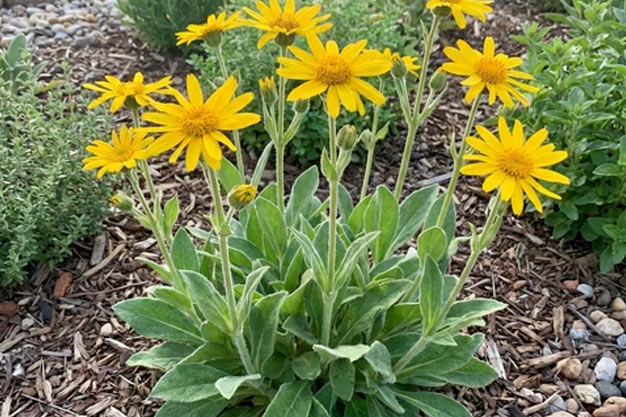
A famous Alpine medicinal flower with bright yellow blooms, Arnica montana grows in cool mountain meadows and is traditionally associated wi...
| Scientific Name | Arnica montana |
| Plant Height | 20 to 60 cm |
| Growing Time | Spring to early summer establishment; flowers mainly May to August |
| Growing Location | Alpine meadows, mountain grasslands, acidic, well to drained soils |
| Sunlight Requirement | Full sunlight to partial shade |
| Temperature | Temperature for growing approximately 10 to 20°C |
| Care Tips | Grow Arnica in acidic, well to drained soil with good airflow and cool temperatures. Provide morning or full sunlight, avoid waterlogging, and keep the soil lightly moist. Protect plants from excessive summer heat and disturbance. |
| Quick Summary | Arnica is a celebrated Alpine medicinal plant recognized for its golden to yellow daisy to like flowers and mountainous natural habitat. Arnica montana grows naturally across European mountain meadows, particularly in acidic, nutrient to poor soils. Its attractive flowers make it valuable as an ornamental Alpine plant, while its traditional reputation has made Arnica an important botanical ingredient in external herbal preparations. The plant prefers cool conditions, excellent drainage, and plenty of sunlight. It is generally cultivated more successfully in specialized gardens than ordinary warm climates. Arnica's distinctive appearance also makes it attractive for educational gardens, Alpine to themed landscapes, dried botanical displays, and herbal to product branding. Because wild populations can be vulnerable, commercially produced Arnica should preferably come from responsible cultivation rather than uncontrolled wild harvesting. |
| Commercial & Gifting Uses | Herbal and homeopathic medicine products, botanical skincare, Alpine to themed gifts, dried flower arrangements, wellness gift sets, educational plant collections. |
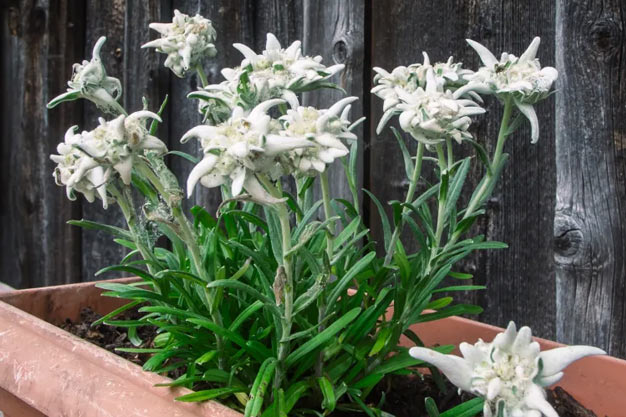
Switzerland's iconic Alpine flower, Edelweiss thrives in rocky, high-altitude habitats. Its extract is valued in modern skincare for antioxi...
| Scientific Name | Leontopodium alpinum |
| Plant Height | 5 to 20 cm |
| Growing Time | Spring establishment; flowering June to September |
| Growing Location | Rocky Alpine slopes, limestone soils, mountain meadows |
| Sunlight Requirement | Full Sunlight |
| Temperature | Temperature for growing approximately 5 to 18°C |
| Care Tips | Plant Edelweiss in sharply drained, preferably rocky soil. Give abundant sunlight, limited watering, and excellent airflow. Avoid humid conditions and heavy fertilizer. Protect roots from prolonged wetness, especially during rainy periods or warm summers. |
| Quick Summary | Edelweiss is one of the most recognizable flowers associated with Switzerland and the European Alps. Leontopodium alpinum produces small yellow flower heads surrounded by star to shaped, woolly white bracts that help protect it from harsh mountain conditions. It naturally grows in rocky, well to drained Alpine environments and prefers bright sunlight, cool temperatures, and relatively dry conditions. The plant's unusual appearance has made it an enduring symbol of Alpine landscapes, courage, purity, and resilience. Edelweiss is also highly valued by the modern skincare industry, where extracts are incorporated into various cosmetic formulations. Cultivated plants can be used in rock gardens and Alpine to themed landscapes. Its cultural importance makes Edelweiss especially suitable for Swiss to themed souvenirs, botanical gifts, skincare gift collections, decorative products, and tourism to related merchandise. |
| Commercial & Gifting Uses | Skincare products, Alpine souvenirs, botanical gifts, Swiss to themed hampers, dried floral décor, cosmetics, tourism merchandise. |
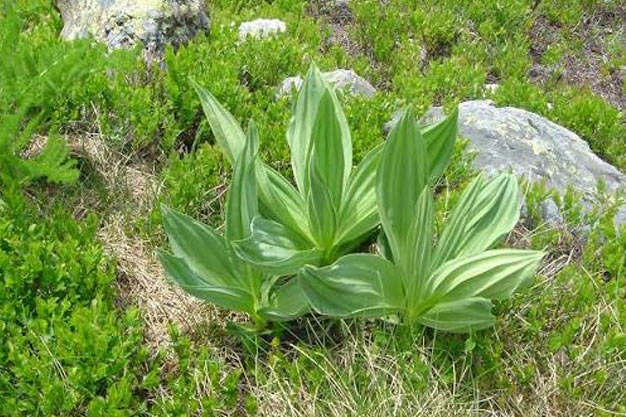
A tall Alpine perennial with striking yellow flowers and deep roots. Great Yellow Gentian is traditionally harvested for bitter preparations...
| Scientific Name | Gentiana lutea |
| Plant Heigh | 50 to 150 cm |
| Growing Time | Slow to growing perennial; flowering generally June to August |
| Growing Location | Mountain meadows, Alpine grasslands, deep well to drained soils |
| Sunlight Requirement | Full sun to partial shade |
| Care Tips | Provide deep, fertile, well to drained soil and a cool growing environment. Give sunlight or light shade, maintain consistent moisture without waterlogging, and allow plenty of space for its substantial root system to develop. |
| Quick Summary | Great Yellow Gentian is a spectacular Alpine perennial distinguished by its tall stature, large leaves, and whorls of vivid yellow flowers. Gentiana lutea develops a substantial underground root system and naturally occurs in mountain grasslands and meadows throughout Europe. The roots have a notably bitter taste and have traditionally been used in herbal preparations and digestive beverages. In Alpine regions, gentian root has also become associated with traditional liqueurs and bitters. The plant grows slowly and benefits from deep, fertile, well to drained soil, making it more suitable for spacious gardens than small containers. Its striking architectural form provides interest in Alpine landscapes and botanical collections. Commercial cultivation can support herbal to product industries while helping reduce pressure on naturally occurring populations. |
| Commercial & Gifting Uses | Herbal bitters, traditional beverages, botanical gardens, Alpine plant collections, herbal gift sets, specialty nursery sales. |
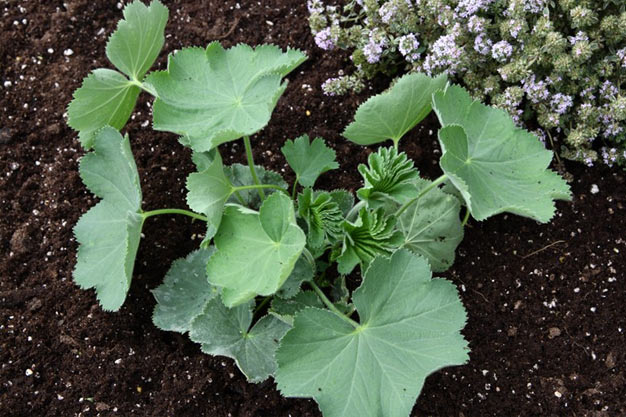
A hardy perennial with scalloped leaves and tiny yellow-green flowers, Lady's Mantle grows in cool Swiss meadows and gardens and has a long ...
| Scientific Name | Alchemilla xanthochlora |
| Plant Height | 20 to 50 cm |
| Growing Time | Spring to summer growth; flowering May to August |
| Growing Location | Meadows, woodland margins, cool gardens |
| Sunlight Requirement | Partial shade to full sun |
| Temperature | Temperature for growing approximately 8 to 20°C |
| Care Tips | Grow Lady's Mantle in moist but well to drained soil with partial shade or gentle sunlight. Water during dry weather, remove faded flowers, and divide mature clumps periodically to maintain vigorous growth and attractive foliage. |
| Quick Summary | Lady's Mantle is an attractive European perennial valued for its distinctive rounded leaves and sprays of tiny yellow to green flowers. Alchemilla xanthochlora naturally occurs in cool grasslands, meadows, and mountain habitats and adapts well to cultivated gardens. Its leaves can collect droplets of water, creating a decorative jeweled appearance after rain or irrigation. The plant prefers evenly moist, well to drained soil and performs particularly well in cooler climates. Lady's Mantle has a long history in European traditional herbal practices and remains popular in botanical and cottage gardens. Its compact growth makes it suitable for borders, containers, and mixed perennial displays. The attractive foliage and delicate flowers also provide useful material for educational gardens, herbal collections, dried botanical displays, and nature to inspired gift products. |
| Commercial & Gifting Uses | Herbal products, cottage gardens, nursery plants, botanical gifts, dried arrangements, educational plant collections. |
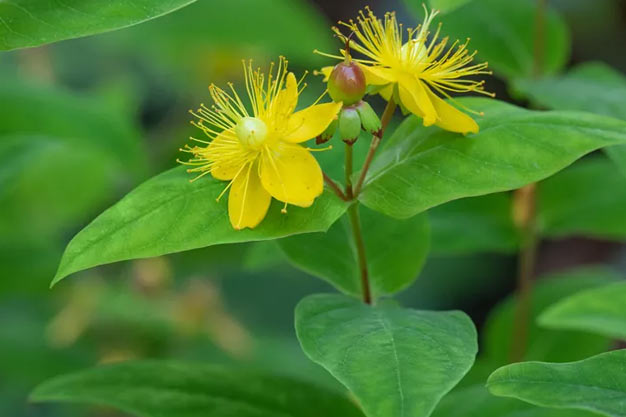
A sunny yellow-flowering herb found in European meadows and grasslands. St. John's Wort has a long traditional herbal history and is widely ...
| Scientific Name | Hypericum perforatum |
| Plant Height | 30 to 80 cm |
| Growing Time | Spring to summer; flowering June to September |
| Growing Location | Meadows, grasslands, roadsides, sunny open habitats |
| Sunlight Requirement | Full sunlight |
| Temperature | Temperature for growing approximately 10 to 25°C |
| Care Tips | Plant in sunny, well to drained soil and water moderately until established. Avoid excessive fertilizer and persistent moisture. Trim after flowering to control growth, and monitor spreading because St. John's Wort can become invasive. |
| Quick Summary | St. John's Wort is a familiar European herb producing numerous bright yellow flowers during summer. Hypericum perforatum grows naturally in grasslands, meadows, woodland edges, and disturbed sunny habitats. Its leaves contain tiny translucent glands that can appear as small perforations when held against light, giving the plant its scientific name. The species has a long history in European traditional herbalism and has been incorporated into botanical preparations, skincare products, and wellness traditions. It is an adaptable plant that tolerates relatively poor soils and dry conditions once established. However, because it can spread aggressively in some regions, responsible cultivation and management are important. Its attractive flowers make it suitable for naturalistic gardens, educational displays, herbal collections, and commercially prepared botanical products. |
| Commercial & Gifting Uses | Herbal products, botanical skincare, wellness products, dried flowers, herbal gift boxes, educational gardens. |
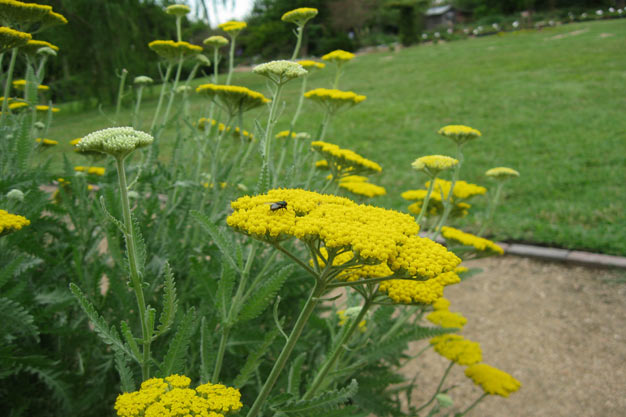
Mountain Yarrow is a hardy Alpine perennial with finely divided foliage and small white flowers. It grows in sunny, well-drained habitats an...
| Scientific Name | Achillea collina |
| Plant Height | 20 to 70 cm |
| Growing Time | Spring to summer; flowering June to September |
| Growing Location | Sunny mountain meadows, grasslands, rocky slopes |
| Sunlight Requirement | Full sunlight |
| Temperature | Temperature for growing approximately 8 to 22°C |
| Care Tips | Grow Mountain Yarrow in light, well to drained soil under full sunlight. Water moderately during establishment, then reduce irrigation. Remove spent flower heads to encourage neat growth and divide mature plants when overcrowded. |
| Quick Summary | Mountain Yarrow is a hardy perennial adapted to sunny European grasslands and mountain environments. Achillea collina produces finely divided, aromatic foliage and clusters of small flowers that create a soft, naturalistic appearance. The species belongs to the yarrow group, plants historically valued in European folk herbal traditions. Mountain Yarrow prefers well to drained soil and abundant sunlight and is generally tolerant of dry conditions once established. Its compact growth and attractive flower clusters make it useful for Alpine gardens, meadow to style landscaping, pollinator to friendly planting, and botanical collections. The plant can also be incorporated into dried floral displays because its flower heads retain visual appeal after drying. Its traditional herbal associations make it an interesting addition to educational herb gardens and botanical gift collections. |
| Commercial & Gifting Uses | Herbal gardens, dried flowers, Alpine landscaping, pollinator gardens, botanical gifts, educational collections. |
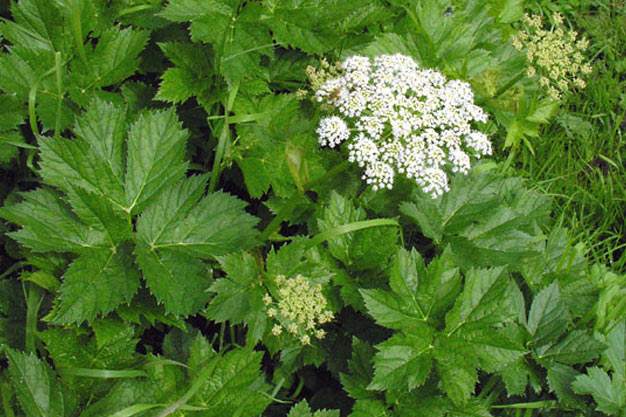
A resilient Alpine perennial with broad foliage and clusters of pale flowers, Masterwort grows in cool mountain habitats and has traditional...
| Scientific Name | Peucedanum ostruthium |
| Plant Height | 40 to 100 cm |
| Growing Time | Spring to summer; flowering June to August |
| Growing Location | Alpine meadows, mountain pastures, moist grasslands |
| Sunlight Requirement | Partial shade to full sunlight |
| Temperature | Temperature for growing approximately 5 to 20°C |
| Care Tips | Plant Masterwort in fertile, moist but well to drained soil with partial sunlight. Keep roots consistently hydrated without waterlogging. Provide cool conditions, remove old stems after flowering, and divide established clumps when necessary. |
| Quick Summary | Masterwort is a robust Alpine perennial traditionally associated with European mountain farming communities. Peucedanum ostruthium produces broad, divided foliage and attractive umbels of small white flowers. It naturally grows in cool mountain meadows, pastures, and moist grassland environments where temperatures remain moderate. The plant has a long history in Alpine folk traditions, where various parts were valued for traditional household herbal uses. Masterwort's substantial foliage and upright flowering stems make it an attractive addition to naturalistic and Alpine gardens. It prefers fertile, moist soil and performs best where summers remain relatively cool. Botanical and herbal gardens can use the species to demonstrate traditional Alpine plant knowledge. Its cultural connection with mountain communities also gives it value in Swiss to themed botanical collections and educational gift products. |
| Commercial & Gifting Uses | Herbal gardens, Alpine plant collections, botanical education, nursery plants, traditional herb displays. |
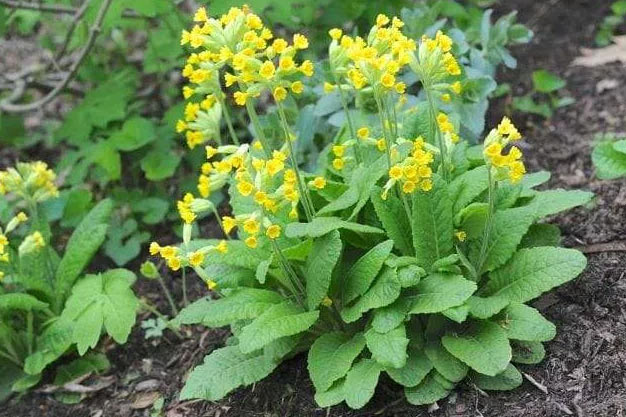
A cheerful spring perennial with golden-yellow, fragrant flowers. Cowslip thrives in European meadows and grasslands and has a long traditio...
| Scientific Name | Primula veris |
| Plant Height | 10 to 30 cm |
| Growing Time | Spring, flowering and growing March to May |
| Growing Location | Meadows, grasslands, woodland edges, limestone soils |
| Sunlight Requirement | Full sun to partial shade |
| Temperature | Temperature for growing approximately 8 to 18°C |
| Care Tips | Grow Cowslip in fertile, well to drained soil with sunlight or light shade. Keep soil moderately moist during active growth, avoid excessive summer heat, and remove spent flowers to maintain tidy, vigorous plants. |
| Quick Summary | Cowslip Primrose is a charming spring perennial recognized by its nodding clusters of fragrant, golden to yellow flowers. Primula veris naturally grows throughout European meadows, grasslands, woodland margins, and limestone to rich habitats. Its early flowering period provides valuable seasonal color and attracts pollinating insects. Cowslip prefers cool temperatures, moderately moist soil, and good drainage, making it particularly well suited to temperate and Alpine to style gardens. The species has a long history in European traditional herbal practices and has traditionally been associated with preparations for respiratory wellness. Its compact form makes it suitable for rock gardens, cottage gardens, meadow planting, containers, and botanical displays. The cheerful golden flowers also make Cowslip attractive for spring to themed floral gifts, nursery sales, educational collections, and nature to inspired decorative products. |
| Commercial & Gifting Uses | Nursery plants, spring gift plants, cottage gardens, herbal collections, botanical displays, pollinator gardens. |
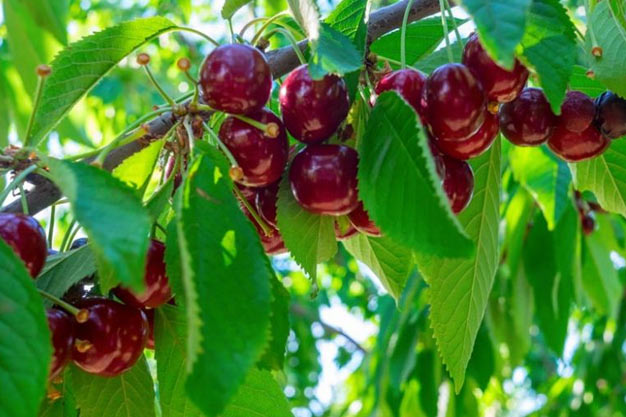
Sweet Cherry is a deciduous fruit tree known for its juicy, sweet red to dark-red cherries. It thrives in temperate climates and is widely g...
| Scientific Name | Prunus avium |
| Plant Height | 15 to 30 m |
| Growing Time | Spring flowering; fruit generally June to July |
| Growing Location | Temperate orchards, woodland edges, fertile well to drained soils |
| Sunlight Requirement | Full sunlight |
| Temperature | Temperature for plant growing approximately 15 to 25°C |
| Care Tips | Plant Sweet Cherry in deep, fertile, well to drained soil with full sunlight. Provide adequate space, regular water during establishment, and annual pruning. Protect developing fruit from birds and maintain good airflow through the canopy. |
| Quick Summary | Sweet Cherry is a majestic temperate fruit tree with beautiful spring blossoms and delicious summer fruit. Prunus avium is native to Europe and has been cultivated for centuries, including in Switzerland's traditional orchard regions. The tree produces clusters of white flowers in spring followed by rounded cherries that range from bright red to dark red when mature. Sweet Cherry requires plenty of sunlight, deep fertile soil, good drainage, and sufficient winter chilling for reliable fruiting. Mature trees can become substantial landscape features and are valuable for orchards, gardens, and agricultural production. Cherries are consumed fresh and are also processed into preserves, desserts, juices, and specialty products. Flowering branches and fresh fruit make the tree particularly attractive for seasonal gifts and culinary hampers. |
| Commercial & Gifting Uses | Fresh cherries, jams, desserts, juices, gourmet hampers, orchard products, flowering branches. |
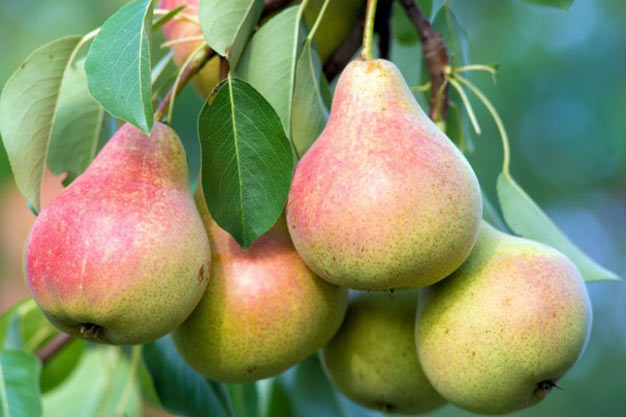
Common Pear is a popular deciduous fruit tree producing sweet, juicy fruits with smooth green, yellow, or reddish skin. Pears are enjoyed fr...
| Scientific Name | Pyrus communis |
| Plant Height | 10 to 20 m |
| Growing Time | Spring flowering; fruit August to October |
| Growing Location | Temperate orchards and fertile garden soils |
| Sunlight Requirement | Full sunlight |
| Temperature | Temperature for plant growing approximately 15 to 25°C |
| Care Tips | Grow Pear in fertile, deep, well to drained soil with full sunlight. Water young trees regularly, prune during dormancy, maintain airflow, and protect developing fruit from pests. Provide suitable pollination partners when required. |
| Quick Summary | Common Pear is a long to lived deciduous fruit tree valued for its sweet, aromatic fruits and attractive spring blossoms. Pyrus communis is native to Europe and remains an important orchard species across temperate regions, including Switzerland. Trees produce white flowers in spring, followed by pear to shaped fruits that mature through late summer and autumn depending on variety. Pears grow best in deep, fertile, well to drained soils with full sunlight and benefit from appropriate winter chilling. The tree's attractive branching structure also makes it suitable for traditional orchards and larger home gardens. Harvested pears are eaten fresh or transformed into preserves, desserts, juices, dried fruit, and specialty beverages. Pear trees and their products are particularly suitable for farm gifts, gourmet baskets, seasonal produce collections, and traditional European food hampers. |
| Commercial & Gifting Uses | Fresh fruit, pear preserves, juices, desserts, gourmet baskets, farm gifts, orchard products. |
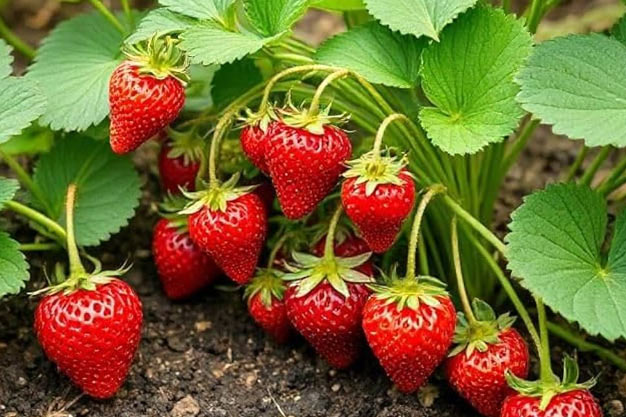
Woodland Strawberry is a small perennial plant producing aromatic, sweet red berries. Native to temperate regions, it grows in woodland edge...
| Scientific Name | Fragaria vesca |
| Plant Height | 10 to 20 cm |
| Growing Time | Spring to summer; fruit May to August |
| Growing Location | Woodland edges, forest floors, meadow margins |
| Sunlight Requirement | Partial shade to full sunlight |
| Temperature | Temperature for plant growing approximately 12 to 24°C |
| Care Tips | Plant Woodland Strawberry in fertile, well to drained soil with moderate moisture. Provide morning sunlight or filtered shade, remove weeds regularly, and allow runners to spread naturally. Protect ripe berries from birds and slugs. |
| Quick Summary | Woodland Strawberry is a delicate perennial native to much of Europe, including Switzerland's forests, meadows, and woodland margins. Fragaria vesca produces small white flowers followed by intensely aromatic red fruits that are much smaller than commercial garden strawberries but prized for their concentrated flavor. The plant forms low spreading clumps and can reproduce through runners, making it useful for naturalistic groundcover and edible gardens. It performs well in fertile, well to drained soil with moderate moisture and can tolerate partial shade, although good sunlight improves fruit production. Woodland Strawberry is valued by gardeners, specialty growers, and gourmet producers seeking traditional or wild to style fruit. Its small berries are particularly attractive for premium desserts, preserves, decorative food presentations, gourmet hampers, and nature to themed edible gifts. |
| Commercial & Gifting Uses | Premium desserts, jams, preserves, gourmet hampers, edible gardens, specialty fruit products. |
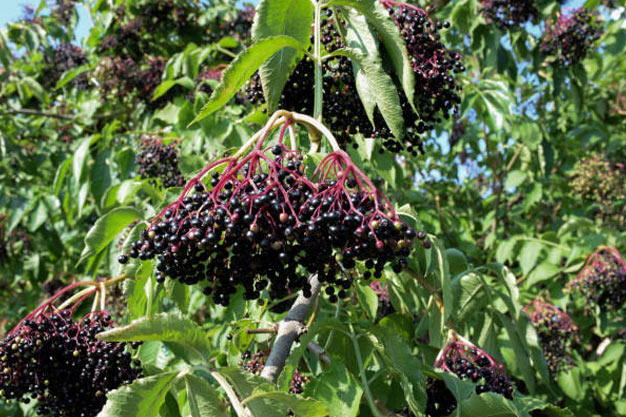
Black Elderberry is a deciduous shrub bearing clusters of small dark-purple to black berries. Traditionally valued for culinary preparations...
| Scientific Name | Sambucus nigra |
| Plant Height | 3 to 8 m |
| Growing Time | Spring flowering; berries August to September |
| Growing Location | Woodland edges, hedgerows, moist fertile soils |
| Sunlight Requirement | Full sunlight to partial shade |
| Temperature | Temperature for growing plant approximately 10 to 25°C |
| Care Tips | Grow Elderberry in fertile, moist, well to drained soil with sunlight or partial shade. Prune older branches regularly to encourage productive growth. Harvest only fully ripe berries and process them appropriately before consumption. |
| Quick Summary | Black Elderberry is a vigorous European shrub widely found around woodland edges, hedgerows, streams, and cultivated landscapes. Sambucus nigra produces large clusters of creamy white flowers in spring and summer, followed by dark purple to black berries. The fragrant flowers are attractive to pollinating insects, while the ripe berries are traditionally used in syrups, jams, juices, and other processed foods. Elderberry grows well in fertile, moisture to retentive soil and tolerates both full sun and partial shade. Regular pruning can maintain a productive and manageable shrub. The species is highly valuable for biodiversity because its flowers and fruits support wildlife. Its berries and flowers have strong commercial potential in traditional food products, herbal preparations, seasonal beverages, gourmet preserves, and naturally themed gift baskets. |
| Commercial & Gifting Uses | Syrups, jams, juices, preserves, herbal products, gourmet hampers, specialty beverages. |
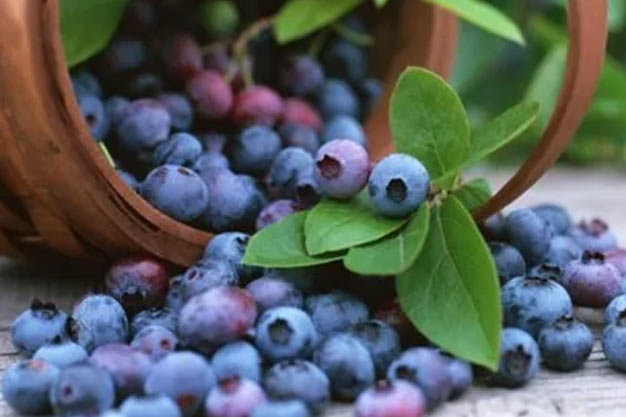
Bilberry is a low-growing woodland shrub that produces small, dark-blue to nearly black berries with deep purple flesh. The flavorful fruits...
| Scientific Name | Vaccinium myrtillus |
| Plant Height | 15 to 60 cm |
| Growing Time | Spring growth; berries July to September |
| Growing Location | Acidic forests, heathlands, Alpine slopes |
| Sunlight Requirement | Partial shade to full sunlight |
| Temperature | Temperature for plant growing approximately 10 to 20°C |
| Care Tips | Use acidic, humus to rich, well to drained soil and avoid lime to based fertilizers. Provide partial shade or gentle sunlight, maintain even moisture, and protect shallow roots from drying. Mulch with suitable acidic organic material. |
| Quick Summary | Bilberry, also known as Wild Blueberry, is a small deciduous shrub naturally widespread across European forests, heathlands, and mountain landscapes. Vaccinium myrtillus produces small pinkish flowers followed by dark blue to purple berries with richly colored flesh. The species thrives in acidic, nutrient to poor soils and cool environments, making it particularly suited to forest understories and Alpine habitats. Its compact growth allows it to form extensive natural groundcover in suitable environments. Bilberries are highly valued as traditional wild fruits and are eaten fresh or incorporated into jams, desserts, sauces, baked goods, and specialty beverages. Their attractive natural appearance and strong culinary identity make them popular in gourmet food products. Commercial opportunities include premium berry products, preserves, Alpine to themed hampers, specialty foods, and natural ingredient collections. |
| Commercial & Gifting Uses | Fresh berries, jams, desserts, baked goods, gourmet hampers, juices, specialty food products. |
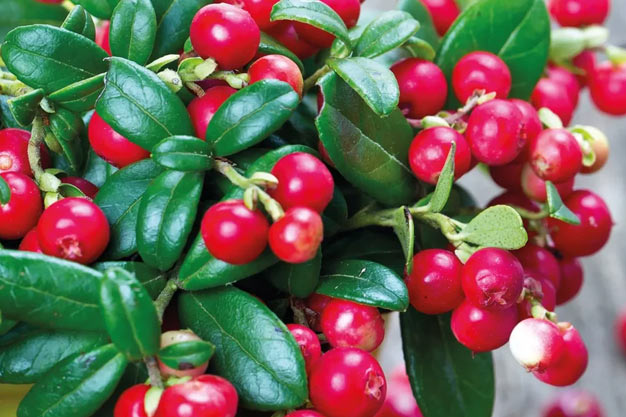
Cowberry, or Lingonberry, is a low evergreen shrub producing bright red, tart berries. Common in northern forests and heathlands, its fruits...
| Scientific Name | Vaccinium vitis~idaea |
| Plant Height | 10 to 30 cm |
| Growing Time | Spring to summer; fruit August to October |
| Growing Location | Acidic mountain soils, coniferous forests, heathlands |
| Sunlight Requirement | Full sunlight to partial shade |
| Temperature | Temperature for plant growing approximately 5 to 20°C |
| Care Tips | Grow Lingonberry in acidic, well to drained soil rich in organic matter. Provide sunlight or light shade, keep roots evenly moist, and avoid alkaline fertilizers. Mulch lightly to preserve moisture and protect shallow roots. |
| Quick Summary | Cowberry, commonly called Lingonberry, is a compact evergreen shrub adapted to acidic soils and cool northern and Alpine environments. Vaccinium vitis to idaea has small glossy leaves, delicate bell to shaped flowers, and bright red berries that mature during late summer and autumn. It naturally occurs in forests, heathlands, and mountain landscapes where soil is acidic and well drained. The tart berries are highly valued for culinary use and can be transformed into sauces, preserves, jams, beverages, and desserts. The evergreen foliage also provides attractive year to round groundcover in suitable gardens. Lingonberry is particularly useful for specialty food production because its distinctive flavor appeals to gourmet and traditional European cuisine. Its compact habit makes it suitable for containers, edible gardens, Alpine landscapes, and premium food to themed gift collections. |
| Commercial & Gifting Uses | Jams, sauces, preserves, gourmet foods, specialty beverages, edible gardens, Alpine gift hampers. |
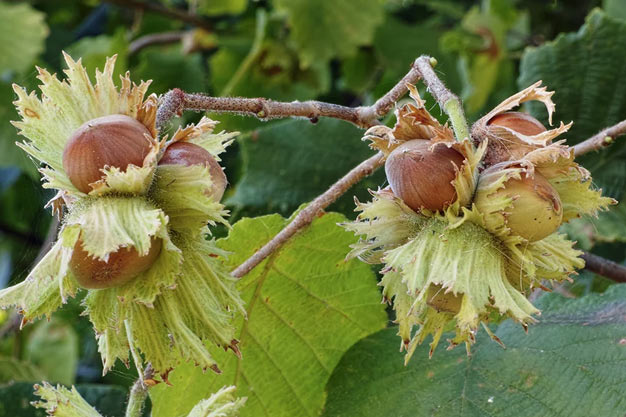
Common Hazel is a deciduous shrub or small tree valued for its edible hazelnuts. It grows well in temperate woodlands and gardens, with nuts...
| Scientific Name | Corylus avellana |
| Plant Height | 3 to 8 m |
| Growing Time | Spring flowering; nuts September to October |
| Growing Location | Woodland edges, hedgerows, fertile garden soils |
| Sunlight Requirement | Full sunlight to partial shade |
| Temperature | Temperature for plant growing approximately 12 to 25°C |
| Care Tips | Plant Hazel in fertile, well to drained soil with sunlight or light shade. Water young plants during dry periods, prune congested stems, and provide adequate space. Grow compatible plants nearby when improved nut pollination is needed. |
| Quick Summary | Common Hazel is a familiar European shrub or small tree valued for its edible hazelnuts, attractive catkins, and ecological importance. Corylus avellana commonly grows in woodland margins, hedgerows, and traditional countryside landscapes throughout Europe, including Switzerland. The plant produces conspicuous male catkins during late winter or early spring, followed by nuts enclosed in leafy husks that mature during autumn. Hazel adapts to fertile, well to drained soils and can tolerate partial shade, although good sunlight generally improves nut production. Its dense growth provides useful habitat and shelter for wildlife. Hazelnuts are widely used in confectionery, baking, spreads, desserts, oils, and gourmet foods. Commercially, Hazel has strong potential for nut production, specialty food hampers, edible garden collections, traditional European gifts, and natural landscape planting. |
| Commercial & Gifting Uses | Hazelnuts, chocolates, spreads, baked goods, gourmet hampers, edible gardens, nursery plants. |
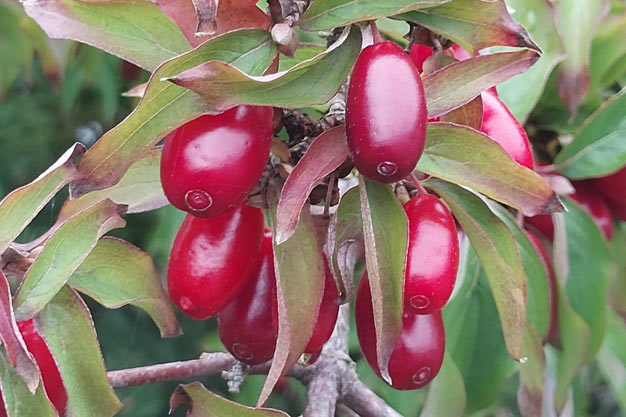
Cornelian Cherry is a hardy deciduous shrub or small tree producing bright red, oval fruits with a tart, cherry-like flavor. Its fruits are ...
| Scientific Name | Cornus mas |
| Plant Height | 4 to 8 m |
| Growing Time | Early spring flowering; fruit August to September |
| Growing Location | Woodland margins, hedgerows, well to drained soils |
| Sunlight Requirement | Full sunlight to partial shade |
| Temperature | Temperature for plant growing approximately 10 to 25°C |
| Care Tips | Grow Cornelian Cherry in fertile, well to drained soil with full sun or partial shade. Water during establishment, prune lightly after fruiting, and maintain good airflow. Plant compatible trees nearby when improved fruit production is desired. |
| Quick Summary | Cornelian Cherry is a hardy European shrub or small tree valued for its early yellow flowers and tart red fruits. Cornus mas flowers remarkably early in spring before the leaves emerge, providing important seasonal color and an early food source for insects. The elongated red fruits mature later in summer and have traditionally been used for preserves, sauces, compotes, beverages, and other culinary preparations. The plant grows successfully in a range of well to drained soils and tolerates both full sun and partial shade. Its attractive form makes it suitable for hedges, gardens, woodland edges, and wildlife to friendly landscapes. Cornelian Cherry is especially interesting for specialty fruit growers and traditional food producers. Its unusual fruits can add character to gourmet hampers, artisanal preserves, and European heritage food collections. |
| Commercial & Gifting Uses | Compotes, jams, sauces, juices, artisanal foods, gourmet hampers, heritage fruit gardens. |
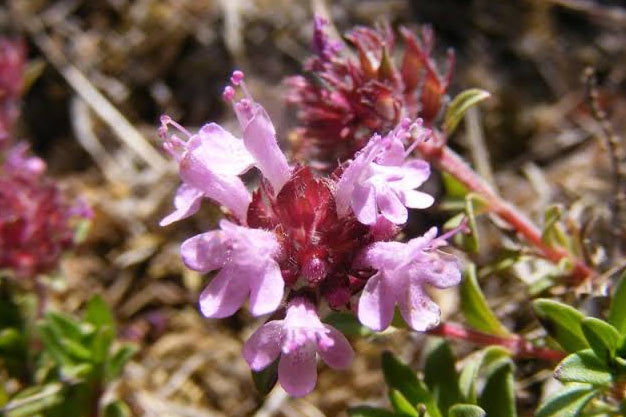
Wild Thyme is a low-growing aromatic perennial herb with tiny pink to purple flowers and fragrant leaves. It thrives in sunny, dry habitats ...
| Scientific Name | Thymus serpyllum |
| Plant Height | 5 to 15 cm |
| Growing Time | Spring to summer; flowering June to August |
| Growing Location | Sunny hillsides, rocky slopes, dry grasslands |
| Sunlight Requirement | Full sunlight |
| Temperature | Temperature for plant growing approximately 15 to 25°C |
| Care Tips | Plant Wild Thyme in sandy or rocky, sharply drained soil and full sunlight. Water sparingly after establishment, avoid excessive fertilizer, and trim lightly after flowering to maintain compact, aromatic growth. |
| Quick Summary | Wild Thyme is a low to growing, aromatic perennial that naturally inhabits sunny European hillsides, rocky slopes, dry meadows, and Alpine grasslands. Thymus serpyllum forms creeping mats of tiny fragrant leaves and produces clusters of small pink, purple, or lilac flowers during summer. Its strong aroma comes from naturally occurring essential oils, making the plant valuable for culinary, herbal, and aromatic applications. Wild Thyme prefers excellent drainage, plenty of sunlight, and relatively dry growing conditions. It is also attractive to bees and other pollinating insects, making it useful in wildlife to friendly gardens. The plant can be cultivated in rock gardens, herb borders, containers, and Alpine landscapes. Dried leaves are particularly suitable for herbal teas, culinary blends, aromatic sachets, specialty gift boxes, and natural wellness products. |
| Commercial & Gifting Uses | Herbal tea, culinary herbs, essential to oil products, aromatic sachets, wellness hampers, dried herb gifts. |
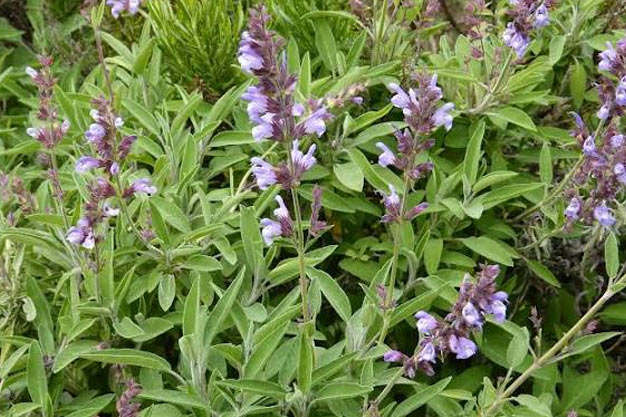
Common Sage is an aromatic evergreen perennial herb with silvery-green leaves and purple-blue flowers. Widely cultivated in gardens, it is v...
| Scientific Name | Salvia officinalis |
| Plant Height | 30 to 70 cm |
| Growing Time | Plant growing Spring to summer and flowering May to July |
| Growing Location | Herb gardens, sunny Mediterranean to style beds, well to drained soils |
| Sunlight Requirement | Full sunlight |
| Temperature | Temperature for plant growing approximately 15 to 25°C |
| Care Tips | Grow Sage in light, sharply drained soil with full sunlight and good airflow. Water moderately, allowing soil to dry slightly between watering. Prune lightly after flowering and avoid excessive fertilizer or persistent moisture. |
| Quick Summary | Common Sage is an aromatic evergreen perennial prized for its silvery foliage, distinctive fragrance, and culinary versatility. Salvia officinalis is native to the Mediterranean region but grows successfully in many temperate gardens, including Swiss home herb gardens. Its soft, textured leaves contain aromatic oils and are widely used to flavor meats, sauces, stuffing, vegetables, teas, and other culinary preparations. Sage produces attractive purple to blue flowers that can also attract pollinating insects. The plant prefers full sunlight, excellent drainage, moderate watering, and relatively dry conditions once established. Its compact growth makes it ideal for herb gardens, containers, borders, and kitchen gardens. Fresh or dried sage can be packaged in culinary gift sets, gourmet hampers, herbal collections, aromatic products, and specialty food products. |
| Commercial & Gifting Uses | Culinary herbs, herbal teas, gourmet hampers, dried herb sets, kitchen gardens, aromatic gift boxes. |
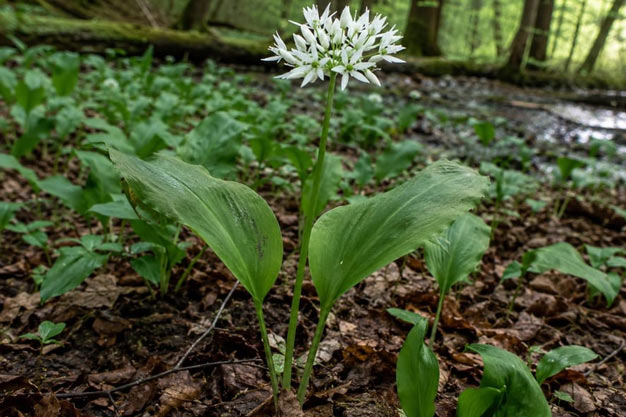
Wild Garlic, or Ramsons, is a woodland perennial herb with broad green leaves and clusters of white star-shaped flowers. Its strongly aromat...
| Scientific Name | Allium ursinum |
| Plant Height | 20 to 40 cm |
| Growing Time | Plant growing time Spring and flowering April to June |
| Growing Location | Moist deciduous forests, shaded woodland floors |
| Sunlight Requirement | Partial shade to full shade |
| Temperature | Temperature for plant growing approximately 8 to 20°C |
| Care Tips | Grow Ramsons in moist, humus to rich, well to drained woodland soil under partial shade. Keep soil consistently moist during active growth, avoid excessive disturbance, and allow foliage to die back naturally after flowering. |
| Quick Summary | Wild Garlic, commonly known as Ramsons, is a fragrant woodland perennial that creates impressive carpets across European deciduous forests during spring. Allium ursinum produces broad green leaves with a strong garlic aroma and clusters of small white star to shaped flowers. The plant prefers cool, shaded environments with moist, humus to rich soils and naturally disappears above ground after its seasonal growth period. Its strong fragrance makes it immediately recognizable in suitable woodland habitats. Wild Garlic is valued as a seasonal culinary herb, with leaves traditionally used to flavor salads, sauces, soups, pesto, and other dishes. Its attractive flowering carpets also provide ornamental interest in naturalistic gardens. Commercial opportunities include fresh culinary herbs, pesto products, specialty food collections, seasonal gourmet hampers, and nature to inspired botanical gift products. |
| Commercial & Gifting Uses | Fresh herbs, pesto, sauces, gourmet products, seasonal hampers, woodland garden plants. |
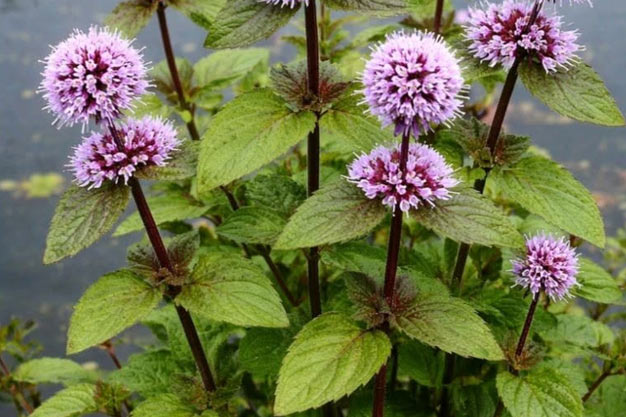
Water Mint is a fragrant perennial herb that naturally grows along streams, ponds, wetlands, and damp soils. It produces pinkish-purple flow...
| Scientific Name | Mentha aquatica |
| Plant Height | 30 to 90 cm |
| Growing Time | Plant growing Spring to summer and flowering July to September |
| Growing Location | Wetlands, stream banks, ponds, damp meadows |
| Sunlight Requirement | Full sunlight to partial shade |
| Temperature | Temperature for plant growing approximately 12 to 25°C |
| Care Tips | Plant Water Mint in consistently moist soil near ponds or water features. Provide sunlight or partial shade, prevent surrounding plants from becoming overcrowded, and contain spreading roots when growing it in garden beds. |
| Quick Summary | Water Mint is a strongly aromatic perennial naturally associated with wetlands, stream margins, pond edges, and other permanently moist habitats. Mentha aquatica produces rounded flower clusters composed of numerous small pinkish to lilac flowers and releases a distinctive mint fragrance when its foliage is disturbed. The plant spreads readily through underground stems and performs best where moisture remains consistently available. Water Mint is an important aromatic species and contributes nectar to pollinating insects during flowering. Its leaves have traditional culinary and herbal uses and can provide a refreshing fragrance in teas and botanical preparations. Because it can spread aggressively under favorable conditions, container cultivation or root control is useful in gardens. Commercial applications include herbal teas, aromatic products, botanical gardens, wetland landscaping, and specialty herb collections. |
| Commercial & Gifting Uses | Herbal tea, aromatic products, specialty herbs, botanical gardens, wetland landscaping, wellness gift sets. |


Swiss plant collections are not limited to ornamental flowers. Many of the plants associated with Switzerland have practical, culinary, ecological or traditional value. Some are admired for their connection with alpine landscapes, while others are valued for fruit, herbs, berries or long-standing botanical traditions.
The plants available through the Switzerland collection reflect this diversity. Alpine species such as Arnica, Edelweiss and Great Yellow Gentian sit alongside garden perennials such as Lady's Mantle and Cowslip Primrose. Fruit-bearing plants including Sweet Cherry, Pear, Woodland Strawberry, Elderberry, Bilberry and Lingonberry add an edible dimension, while Wild Thyme, Sage, Wild Garlic and Water Mint introduce culinary and aromatic plants.
This combination makes Swiss plants suitable for several different interests rather than just conventional gardening.
Alpine plants are among the most distinctive representatives of Switzerland's botanical identity. They have evolved or adapted to environments where temperatures can be cool, growing seasons can be relatively short and soils may be rocky, shallow or nutrient-poor.
Edelweiss is perhaps the most recognizable example. Its compact form and pale, woolly appearance are strongly associated with the European Alps. Arnica provides another connection with mountain meadows, while Great Yellow Gentian represents the taller perennial vegetation found in alpine grasslands.
These plants can be especially appealing to gardeners who want to create an alpine-inspired landscape. Rock gardens, gravel beds and naturalistic borders can provide a visual setting that reflects the character of mountain environments.
Arnica montana is one of the notable plants in the Switzerland collection. It is associated with cool mountain meadows and produces bright yellow, daisy-like flowers. Its compact growth and alpine character make it interesting for specialist gardens and botanical collections.
Arnica also has a long history in traditional herbal practices and is used in various externally applied botanical preparations. Because wild populations can be vulnerable, responsible cultivation is particularly important when considering plants with a history of wild harvesting.
For gardening purposes, Arnica is better suited to conditions that resemble its natural environment, including good drainage, cool temperatures and suitable sunlight.
Edelweiss is more than an attractive alpine plant. It has become one of the strongest botanical symbols associated with Switzerland and the Alps. The plant's small yellow flower heads surrounded by white, woolly bracts give it an appearance that is immediately recognizable.
Its natural habitat includes rocky alpine environments where drainage is excellent and temperatures are relatively cool. In cultivation, it generally benefits from bright light, sharply drained soil and protection from prolonged wet conditions.
Because of its strong association with Switzerland, Edelweiss can also make a meaningful botanical theme for gifts, souvenirs, alpine-inspired collections and nature-focused products.
Great Yellow Gentian is another striking Swiss-associated plant. Unlike the compact Edelweiss, it can become a substantial perennial with tall stems, large leaves and bright yellow flowers.
Its roots have a long traditional association with bitter preparations and beverages in Alpine regions. This gives the plant both botanical and cultural interest.
Because Great Yellow Gentian develops a substantial root system and can become relatively large, it is generally more suitable for spacious garden areas or specialist collections than very small containers.
Not every Swiss plant needs to grow on a mountain slope. Switzerland's lower elevations and temperate gardens support many European perennials, shrubs, herbs and fruit trees.
Lady's Mantle, for example, is valued for its rounded leaves and delicate yellow-green flowers. Cowslip Primrose provides early seasonal colour, while Mountain Yarrow can create a naturalistic appearance in sunny, well-drained areas.
These plants can be incorporated into mixed perennial borders, cottage-style gardens, meadow-inspired planting schemes and wildlife-friendly spaces.
Switzerland's relationship with plants also extends beyond ornamental gardening. Alpine and European communities have traditionally used many herbs and wild plants for culinary, aromatic and household purposes.
Wild Thyme and Common Sage are useful examples of plants that combine garden appeal with culinary value. Wild Garlic, meanwhile, is associated with cool, shaded woodland habitats and is valued as a seasonal culinary herb. Water Mint represents another type of habitat, naturally occurring around damp ground, streams and ponds.
Growing these plants can therefore provide more than visual interest. A herb garden can introduce fragrance, culinary possibilities and a connection with traditional European plant use.
Swiss plant diversity also includes productive garden and orchard species. Sweet Cherry and Common Pear are examples of temperate fruit trees that can combine attractive spring flowering with later harvests.
Smaller edible plants provide different possibilities. Woodland Strawberry, Bilberry and Lingonberry can add low-growing berry-producing plants to suitable gardens, while Common Hazel offers both ornamental structure and edible nuts.
These plants are particularly interesting for people who prefer gardens that combine beauty with practical use. Instead of growing flowers purely for decoration, an edible garden can produce fruit, berries, herbs or nuts while also supporting insects and wildlife.
A Swiss-inspired garden does not need to reproduce an entire mountain landscape. A smaller planting area can use selected characteristics of alpine and European gardens, such as natural stone, well-drained soil, compact perennials, herbs, berry plants and seasonal flowering species.
Rock gardens are particularly suitable for smaller alpine plants. Larger gardens can combine perennial borders with fruit trees, shrubs and edible plants. Balconies and terraces can use containers for compact herbs, berries and flowering plants where growing conditions permit.
A plant can be a more lasting gift than a conventional bouquet, particularly for someone who enjoys gardening or nature. Swiss plants offer additional interest because the collection includes several different categories.
The best Swiss plant for a recipient depends on more than appearance. Consider the available space, sunlight, soil conditions and whether the recipient wants an ornamental plant, an edible plant or something with botanical and traditional significance.
A compact berry or herb may be more practical for a balcony, while a fruit tree such as cherry or pear requires considerably more room. Alpine plants may be suitable for a carefully designed rock garden, while woodland species may prefer cooler, shaded conditions.
Understanding these differences helps turn a plant gift into something that can genuinely fit the recipient's lifestyle and growing environment.
The Switzerland plant collection brings together alpine species, traditional herbs, flowering perennials, fruit trees, berry plants and aromatic plants. This variety allows people to explore Swiss plant life from several different perspectives, whether their interest is gardening, edible landscapes, botanical heritage or thoughtful gifting.
Switzerland's plant heritage includes many species that are closely connected with mountain meadows, forest edges, traditional gardens and European herbal traditions. Some are valued for their flowers and foliage, while others are appreciated for their historical uses, fragrance or ability to thrive in particular environments.
Several plants in the Swiss collection are especially interesting because they represent different aspects of the country's natural landscape. From low-growing mountain species to taller perennials and aromatic herbs, they demonstrate how plants adapt to different elevations and habitats.
Lady's Mantle is a distinctive perennial recognized by its rounded, pleated leaves and small clusters of yellow-green flowers. It is well suited to temperate gardens and can create attractive foliage coverage around borders, pathways and other planting areas.
One of its most interesting characteristics is the way water droplets can remain on the surface of its leaves after rain or dew. This gives the foliage an attractive appearance in the morning and has contributed to the plant's long history of interest in European gardens.
Lady's Mantle works well in informal and cottage-style planting schemes. It can also be used to soften the edges of paths or combine with other perennials of contrasting height and colour.
Mountain Yarrow is a compact flowering perennial associated with mountainous and open habitats. Like other yarrow species, it produces clusters of small flowers above divided foliage, creating a naturalistic appearance rather than the formal shape of many ornamental garden plants.
Its relatively modest size can make it useful in rock gardens, alpine-style borders and meadow-inspired planting schemes where smaller plants need to be combined with stones, grasses and other low-growing species.
Mountain Yarrow can also contribute to a garden designed to encourage insects and biodiversity, particularly when combined with other flowering plants that provide resources at different times of the year.
St. John's Wort is a familiar European perennial with bright yellow flowers and small, distinctive leaves. It has a long history in European traditional herbal practices and has become widely known beyond Switzerland.
In a garden setting, its cheerful flowers can add seasonal colour to sunny planting areas. It can be incorporated into naturalistic borders and informal gardens where a less formal appearance is preferred.
Because the plant has a long association with traditional herbal use, it is important to distinguish botanical and historical interest from modern medical treatment. Plants with medicinal histories should not automatically be considered substitutes for professional medical advice or prescribed treatment.
Masterwort is an unusual perennial that can add architectural interest to a garden. Its flower heads have a distinctive appearance, with small flowers arranged in structures surrounded by decorative bracts.
It is particularly attractive to gardeners who prefer plants that look different from conventional bedding flowers. Instead of relying only on large, colourful blooms, a garden containing Masterwort can gain interest from unusual shapes, foliage and flower structures.
Masterwort can be incorporated into perennial borders and naturalistic planting designs where its form can be appreciated alongside grasses and other European garden plants.
Cowslip Primrose is one of the early-flowering plants associated with European meadows and grasslands. Its clusters of yellow flowers can provide seasonal colour after winter and before many summer perennials reach their peak.
Its relatively compact growth makes it suitable for informal gardens, meadow-inspired areas and selected containers. It can also be useful for gardeners who want flowers at different times of the year rather than having the entire garden bloom during a short period.
Combining early plants such as Cowslip with summer flowering perennials can create a more continuous seasonal display.
Alpine plants have developed characteristics that help them cope with challenging environments. Low temperatures, strong sunlight, wind, rocky ground and short growing seasons can all influence plant growth at higher elevations.
For this reason, an alpine garden is not simply a collection of small flowers. The growing environment itself is important. Rocks, gravel, slopes and sharply drained soil can reproduce some of the physical characteristics found in mountain habitats.
Gardeners interested in Swiss alpine plants should therefore think about the conditions first and the decorative arrangement second. A suitable environment gives plants a better chance of establishing naturally and reduces the need for excessive intervention.
Wild Thyme is a low-growing aromatic plant that can be particularly attractive in sunny, well-drained locations. Its small leaves release fragrance when touched, while its tiny flowers can create a subtle carpet of seasonal colour.
It is useful in herb gardens, rock gardens and informal planting schemes. Because it remains relatively close to the ground, it can also work around stepping stones or along the edges of a sunny planting area where conditions are suitable.
Wild Thyme demonstrates how a plant can combine ornamental, aromatic and ecological value. Its flowers can attract insects while its foliage provides fragrance and culinary interest.
Common Sage is one of the most familiar culinary herbs in European gardening. Its grey-green leaves provide attractive foliage even when the plant is not flowering, and its aromatic character makes it useful in kitchen gardens.
It generally prefers a sunny position and soil that drains well. Once established, sage can be relatively resilient, making it a useful addition to herb gardens and mixed Mediterranean-style planting schemes.
For a gardening enthusiast who enjoys cooking, a sage plant can be a particularly practical gift because it combines garden decoration with an everyday culinary purpose.
Wild Garlic is associated with damp woodland environments and shaded areas. Its broad green leaves and seasonal white flowers create a fresh appearance in spring, while its distinctive garlic fragrance makes it easy to identify.
It can be particularly interesting for gardeners who want to create a woodland-inspired area rather than a conventional sunny flower bed. Under suitable conditions, it can form natural-looking groups that work well with other shade-tolerant plants.
Its edible culinary tradition also gives Wild Garlic an additional appeal, although anyone harvesting or consuming wild plants should be certain of correct identification and follow local rules regarding collection.
Water Mint represents another side of Swiss plant diversity because it is associated with moist habitats such as streams, wet ground and the edges of ponds. Unlike alpine plants that prefer dry, sharply drained conditions, moisture-loving species such as Water Mint require a very different growing environment.
Its aromatic leaves and small flowers make it useful for gardeners interested in water gardens, pond margins or damp planting areas. This contrast illustrates why Switzerland's plant diversity cannot be described by alpine vegetation alone.
Several Swiss and European plants have histories of traditional herbal use. Arnica, St. John's Wort, Great Yellow Gentian and other species have appeared in traditional preparations over many generations.
These traditions are valuable from a cultural and botanical perspective, but they should not be confused with evidence that a plant can safely treat a medical condition. Concentrated herbal preparations can have side effects or interact with medicines, and professional advice is appropriate when considering plants for health-related use.
When selecting traditional or aromatic plants, think about their intended purpose. Some are primarily decorative, some are culinary, and others are interesting because of their historical or botanical background.
One of the advantages of exploring Swiss plants is that they can be appreciated beyond their decorative value. A gardener can learn about the relationship between altitude, soil, moisture and plant adaptation while building a collection of species with different characteristics.
This makes Swiss plants particularly suitable for people who enjoy gardening as a learning experience. An alpine plant, aromatic herb or woodland species can become an opportunity to understand a different habitat rather than simply another decorative addition.
Plants with a distinctive botanical identity can make thoughtful gifts for people who already have an interest in gardening. An unusual perennial may be more memorable to an experienced gardener than a conventional flowering plant.
For beginners, however, a plant with straightforward growing requirements may be a better choice. The recipient's available space and local climate should always be considered before selecting a specialist plant.
Swiss alpine and traditional plants therefore offer a broad range of possibilities, from small rock-garden species to useful herbs and larger perennials.
Swiss plant life is not limited to alpine flowers and ornamental perennials. Fruit trees, berry plants, edible herbs and woodland food plants are also an important part of temperate gardening. These plants can turn an ordinary garden into a productive landscape where flowers, foliage and edible harvests exist together.
For gardeners, edible plants can be particularly rewarding because they provide benefits throughout different stages of the year. A fruit tree may produce attractive spring blossoms before developing fruit, while berry plants can provide flowers followed by colourful summer or autumn harvests.
Sweet Cherry is one of the most attractive fruit trees for a temperate garden. Its spring flowers create a beautiful seasonal display before the fruit develops later in the growing season.
When conditions are suitable, a cherry tree can combine ornamental and productive value. Its blossom can attract pollinating insects, while the eventual fruit provides a harvest for the household.
Because mature cherry trees require considerably more space than small container plants, they are generally better suited to gardens, orchards or larger outdoor areas. Before planting, gardeners should consider mature size, sunlight, soil drainage and the requirements of the particular variety.
Pear trees offer another combination of attractive flowering and edible fruit. Their relatively elegant growth makes them suitable for traditional gardens and orchard-style planting.
A pear tree can become a long-term feature of a garden rather than a short-lived seasonal decoration. With suitable care, it can provide blossoms in spring and fruit later in the year.
For a gardening enthusiast, a young fruit tree can therefore be a meaningful gift because it represents something that can grow and develop over many seasons.
Woodland Strawberry is much smaller than a cherry or pear tree and can therefore be suitable for different types of growing spaces. It produces small, aromatic fruits and can spread naturally under suitable conditions.
Its compact size makes it interesting for borders, edible gardens and containers. It can also be incorporated into informal planting schemes where edible plants are combined with ornamental species.
Woodland Strawberry is especially appealing for gardeners who want to introduce children or beginners to growing food because the plant provides a visible connection between flowers and fruit.
Bilberry is a small berry-producing plant associated with woodland and heathland environments. Its compact growth, seasonal flowers and dark berries give it both ecological and edible interest.
Because Bilberry naturally prefers particular soil conditions, gardeners should pay attention to growing requirements rather than treating it like an ordinary garden shrub. Soil acidity, moisture and light can influence how successfully it establishes.
Its naturalistic appearance makes it particularly suitable for woodland-inspired or wildlife-friendly planting schemes.
Lingonberry is another low-growing berry plant associated with cooler European environments. Its evergreen foliage can provide interest outside the fruiting period, while its small berries add seasonal colour.
It can work well in containers or suitable garden areas where soil and moisture conditions match its preferences. Its compact habit also makes it interesting for gardeners who have limited space but still want to experiment with edible plants.
Elderberry is a larger shrub that provides several seasons of interest. Its clusters of flowers can appear before the dark berries develop later in the year.
In a naturalistic garden, elderberry can provide structure and habitat while also producing an edible crop when properly identified and prepared. It can therefore be useful for gardens designed around biodiversity and productive planting.
Its size should be considered carefully before planting, particularly in smaller gardens where a mature shrub may require regular management.
Common Hazel is an excellent example of a plant that combines ornamental, ecological and edible value. It can develop into a substantial shrub or small tree, producing nuts as well as providing shelter and habitat for wildlife.
Its flexible growth makes it useful for larger naturalistic gardens, hedging schemes and woodland-inspired planting. However, it is not usually the best choice for a very small balcony because it can eventually require considerable space.
For someone with a larger garden, a hazel plant can be a long-term addition that changes considerably as it matures.
Cornelian Cherry is a deciduous shrub or small tree known for its early yellow flowers and later red fruit. Its seasonal changes make it an interesting addition to gardens where year-round visual variety is important.
The plant can provide both ornamental and edible interest, while its early flowers can contribute to the seasonal food supply available to insects.
Its relatively unusual character can also make it an interesting gift for experienced gardeners who already grow more familiar fruit trees and shrubs.
One of the advantages of Switzerland's edible plant diversity is that different plants can be matched with different amounts of available space. Not every productive plant requires a large garden.
| Available Space | Possible Plant Choices |
|---|---|
| Small balcony | Compact berries, herbs and suitable container plants |
| Large balcony or terrace | Berry plants, herbs and selected dwarf fruit varieties |
| Small garden | Strawberries, herbs, compact shrubs and smaller fruit plants |
| Medium garden | Berry shrubs, herbs, Cornelian Cherry and selected fruit trees |
| Large garden or orchard | Cherry, Pear, Hazel and larger productive plants |
A productive garden does not have to look like a traditional vegetable plot. Fruit trees, berries, herbs and flowering plants can be integrated into ornamental landscaping to create a more natural appearance.
For example, a fruit tree can become a focal point surrounded by flowering perennials. Berry plants can be placed along borders, while herbs can occupy containers close to a kitchen or outdoor seating area.
This approach combines food production with garden design and can make the outdoor space useful as well as attractive.
Swiss plant collections also include aromatic herbs that can be incorporated into culinary gardens. Wild Thyme and Sage are particularly useful because they combine attractive foliage with fragrance and everyday culinary applications.
Wild Garlic offers a different growing experience because it prefers cooler, woodland-like conditions. Water Mint can be considered for damp areas, pond margins or water gardens where its growing requirements can be met.
Growing several herbs with different requirements can create a diverse garden, but they should not all be treated identically. Sun-loving herbs may perform poorly in deep shade, while moisture-loving plants can struggle in dry, exposed soil.
Urban gardening has made containers increasingly important for people who want to grow plants without owning a large garden. Swiss-inspired planting can be adapted to balconies and terraces by selecting compact species and matching them with suitable pots.
Berry plants can be particularly interesting for containers, while herbs such as Sage and Wild Thyme can provide fragrance and culinary use. Smaller flowering perennials can be combined with edible plants to create a mixed display.
Container gardeners should pay particular attention to drainage, pot size and watering. Plants in containers have a smaller root environment than plants growing directly in the ground and can therefore dry out or become overheated more quickly.
Productive gardens can also support wildlife when designed thoughtfully. Flowering fruit trees provide nectar and pollen during their bloom period, while berry-producing shrubs can provide food for birds and other animals.
Herbs and flowering perennials can also contribute to insect-friendly planting. Instead of removing every naturally occurring plant, gardeners can consider retaining selected species that complement the overall landscape.
A mixture of trees, shrubs, ground-covering plants and flowering perennials generally creates more structural diversity than a garden containing only one type of plant.
Edible plants can make gardening more engaging for families because the results are easy to observe. Children can watch a strawberry plant flower before fruit appears, follow the development of cherries on a tree or collect herbs for cooking.
This makes productive plants useful not only for food but also as a simple introduction to seasonal biology. Gardening becomes an ongoing activity rather than a one-time decoration.
A fruit tree or berry plant can be a particularly meaningful gift for someone who has enough outdoor space and enjoys gardening. Unlike a bouquet that is primarily enjoyed for a limited period, a productive plant can develop over several years.
For a new homeowner, a young fruit tree can become part of the garden's history. For an experienced gardener, an unusual berry or fruit variety can add something new to an established collection.
However, living plant gifts should always be chosen according to the recipient's circumstances. A large tree is not appropriate for a small apartment, and a specialist berry plant may not thrive if its required soil conditions cannot be provided.
Before selecting an edible plant, consider its mature size, sunlight requirements, soil preferences, watering needs and expected harvest. It is also worth considering how much ongoing care the recipient is willing to provide.
The combination of flowers, foliage, fruit, berries and herbs is what makes the Swiss plant collection particularly versatile. A garden can be beautiful without being purely ornamental, and an edible plant can contribute to the landscape even when it is not producing fruit.
By combining productive plants with flowering perennials and herbs, gardeners can create spaces that change throughout the year and provide food, fragrance, seasonal colour and habitat.
Swiss plants offer an unusually broad range of gardening possibilities. Alpine species connect a garden with mountain landscapes, while fruit trees and berry plants introduce productive gardening. Herbs add fragrance and culinary value, and traditional perennials bring seasonal structure and botanical interest.
A living plant can be a thoughtful alternative to a traditional flower bouquet. While cut flowers provide immediate beauty, a plant can continue growing and changing with the seasons. For people who enjoy gardening, nature or sustainable living, this longer-lasting quality can make a plant gift particularly appealing.
The Swiss plant collection offers several different types of gifts, from compact herbs and berries to alpine plants, flowering perennials, fruit trees and distinctive traditional species. This variety makes it possible to choose a plant according to the recipient rather than simply choosing one based on appearance.
A plant can make a personal birthday gift for someone who enjoys gardening or spending time outdoors. The choice can be adapted to the recipient's experience and available space.
A compact flowering or aromatic plant can suit someone living in an apartment, while a berry plant or young fruit tree may be more appropriate for someone with a garden.
Plants are particularly well suited to housewarming because they can become part of the new home. A small indoor or balcony-friendly plant can add life to an apartment, while a garden owner may appreciate a shrub, perennial or fruit plant that can be established outdoors.
For a new homeowner with a larger garden, a fruit tree can become a long-term feature of the property. For someone moving into an apartment, herbs or compact berry plants may be more practical.
A housewarming plant can therefore represent more than decoration. It can symbolize growth, a new beginning and the development of a new living space.
Experienced gardeners often appreciate gifts that introduce something different into their existing collection. A common plant may be less exciting to someone who already has an established garden, while an unusual alpine species, traditional perennial or edible shrub can provide a new project.
When selecting a plant for an experienced gardener, botanical characteristics can be more important than appearance. Flowering season, mature size, soil preference, hardiness and habitat can all influence whether the plant will complement the recipient's existing garden.
Someone who enjoys rock gardens may appreciate compact alpine species that can be combined with stone, gravel and other low-growing plants. These gardens can be designed to reproduce some of the visual characteristics of mountain landscapes.
For someone interested in productive gardening, berry plants, herbs, fruit trees and edible shrubs can be more appropriate. A plant that eventually produces food can provide both gardening enjoyment and a practical harvest.
Nature enthusiasts may appreciate plants that have a strong connection with particular habitats. Swiss alpine plants, woodland species and meadow-associated perennials can offer a stronger sense of place than generic ornamental plants.
Such gifts can also encourage the recipient to learn more about plant habitats and biodiversity. A plant becomes not just an object but an opportunity to understand where a species naturally grows and what environmental conditions it requires.
Aromatic herbs can be excellent gifts for people who enjoy cooking. Sage and Wild Thyme, for example, can be grown for both their appearance and culinary use when the growing conditions are appropriate.
Wild Garlic can also appeal to food enthusiasts, particularly those who enjoy seasonal ingredients and woodland-inspired cooking. However, edible plants should always be correctly identified and grown or harvested in accordance with appropriate local guidance.
A culinary plant gift can be especially useful for someone with a balcony or small outdoor area because herbs generally require less space than mature fruit trees.
Plants can be a warm gift for parents or grandparents who enjoy gardening. A flowering perennial can add seasonal colour, while a fruit or berry plant can provide something to watch develop throughout the year.
For older recipients, practical considerations may be especially important. A compact plant that is easy to reach and maintain may be preferable to a large tree or demanding specialist species.
If the recipient already has a garden, choosing a plant that complements their existing interests can make the gift more personal.
A plant can also represent growth and continuity, making it suitable for couples and anniversary gifting. A fruit tree or long-lived perennial can become a shared garden project and develop alongside the relationship.
For couples living in apartments, a smaller plant or herb collection may be more practical. For those with a garden, a berry shrub, flowering perennial or fruit tree can become a lasting addition to their outdoor space.
Plants can provide a tasteful option for professional gifting, particularly when the recipient has an office, reception area, terrace or company garden.
For a workplace, compact and manageable plants are generally more practical than large outdoor specimens. A plant can also provide a natural element within an office environment without requiring the same space as a large decorative arrangement.
For corporate events or business relationships, a carefully selected botanical gift can communicate appreciation while maintaining a professional appearance.
The recipient's available space should be one of the first considerations when choosing a plant. A plant that is perfect for a garden may be completely unsuitable for an apartment balcony.
| Space | Plant Gift Considerations |
|---|---|
| Apartment | Compact plants, herbs and manageable containers |
| Balcony | Suitable berries, herbs and smaller flowering plants |
| Terrace | Larger containers and selected fruit or ornamental plants |
| Small garden | Perennials, herbs, berries and compact shrubs |
| Large garden | Fruit trees, hazel, larger shrubs and mixed planting |
| Rock garden | Compact alpine plants and well-drained species |
One of the advantages of the Swiss collection is the ability to choose between very different types of plants. The right category depends on what the recipient enjoys most.
Choose alpine plants for someone interested in mountain landscapes, rock gardens or unusual botanical species. They can be especially attractive when the recipient enjoys creating naturalistic outdoor spaces.
Flowering perennials can suit gardeners who want seasonal colour and attractive foliage without necessarily growing food. They can be integrated into existing borders and mixed planting schemes.
Edible plants are appropriate for gardeners who enjoy harvesting their own produce. They can provide flowers, fruit and wildlife value while becoming long-term features of the garden.
Herbs are particularly suitable for smaller spaces and cooking enthusiasts. They can often be grown in containers and placed near a kitchen or outdoor cooking area.
Plant gifts for beginners should generally be selected with simplicity in mind. A recipient who is new to gardening may benefit from a plant with clear growing requirements and manageable size.
It is useful to avoid selecting a specialist alpine or woodland plant simply because it looks attractive if the recipient cannot provide the required conditions. A well-matched, easier plant will usually provide more enjoyment than a demanding species that struggles in the wrong environment.
Experienced gardeners may be more interested in unusual varieties, specialist plants or species that introduce a new growing challenge. Alpine plants, traditional herbs, berry shrubs and less common fruiting plants can all provide opportunities to expand an existing garden.
Before choosing, consider what the gardener already grows. A plant that fills a gap in their collection may be more appreciated than something they already have several examples of.
The strongest advantage of a plant gift is its potential to remain meaningful long after the original occasion. A flowering perennial can return each year, a berry plant can develop gradually, and a fruit tree can become a permanent part of a garden.
This makes living plants particularly suitable for milestones such as moving into a new home, starting a garden, celebrating an important anniversary or marking a significant personal achievement.
When buying a plant online, the product description should be considered as carefully as the photograph. Look at the plant's expected size, preferred growing conditions, seasonality and whether it is intended for a container, garden or specialist environment.
For gifts, also consider the recipient's location and whether they have an appropriate place to grow the plant. A little planning can make the difference between a decorative gift that lasts briefly and a plant that becomes a successful part of someone's garden.
From alpine species and traditional herbs to berries, fruit trees and flowering perennials, Swiss plants offer many ways to personalize a botanical gift. The best choice is usually the one that matches the recipient's interests, available space and willingness to care for a living plant.
Whether the occasion is a birthday, housewarming, anniversary, congratulations or simply a gesture of appreciation, a carefully selected plant can bring nature into someone's everyday environment.
Swiss plants come from a wide range of habitats, so there is no single care routine that works for every species. An alpine perennial, a fruit tree, a woodland berry and a culinary herb can have completely different requirements for sunlight, soil and moisture.
The best approach is to understand the natural environment of the plant and try to reproduce its basic requirements in the garden or container. This is particularly important for specialist alpine and woodland plants.
Sunlight is one of the most important factors when establishing a new plant. Many alpine plants and Mediterranean-influenced herbs prefer bright, open conditions, while woodland species can be better suited to partial shade.
Before planting, observe the location throughout the day. A garden that appears sunny in the morning may become shaded later, while a balcony can receive strong afternoon sunlight and heat.
Fruit trees generally benefit from a sufficiently bright location because good light supports flowering and fruit development. Herbs such as Sage and Wild Thyme also tend to perform best in sunny, well-drained positions.
Watering requirements vary significantly between different plants. Newly planted specimens usually require more regular attention while their roots become established, but established plants may become more tolerant depending on their species.
Alpine plants often need particularly careful watering because many naturally grow in locations where water drains quickly through rocky or gravelly ground. Constantly wet soil can create unsuitable conditions for these plants.
Fruit trees, berries and herbs have different moisture requirements, so watering should be adjusted according to the specific plant and the weather rather than following a fixed schedule for the entire garden.
Plants grown in pots can dry out faster than plants growing directly in the ground. During hot or windy periods, containers may need more frequent checking.
At the same time, watering too frequently can be harmful. Containers should have adequate drainage holes and excess water should be allowed to escape rather than remaining around the roots.
Soil is particularly important when growing specialist Swiss plants. Alpine species generally benefit from free-draining conditions, while woodland plants and moisture-loving species may require different soil characteristics.
Instead of using the same soil mixture for every plant, choose a growing medium based on the individual species. Raised beds, gravel and carefully designed rock gardens can be useful for plants that dislike heavy or waterlogged soil.
Fruit trees and berry plants should also have enough root space and suitable soil structure. Good drainage helps roots access oxygen and reduces the risk of prolonged waterlogging.
Alpine plants can be rewarding but should be grown in conditions that reflect their natural environment as closely as practical. A sunny position, good drainage and protection from excessive standing moisture are often important.
Rock gardens can provide an appropriate setting because stones and gravel allow water to move away from the root zone. Sloping planting areas can also help reproduce the drainage characteristics found on mountain terrain.
Over-fertilizing alpine plants is generally unnecessary. Excessive fertility can encourage soft growth that may not suit compact plants adapted to relatively demanding natural environments.
Fruit trees such as Sweet Cherry and Pear require more space and long-term planning than small flowering plants. When planting a young tree, consider its eventual size rather than the size of the plant at the time of purchase.
Regular watering during establishment, suitable sunlight and appropriate pruning can help develop a healthy structure. Fruit production can also depend on variety, pollination and local growing conditions.
Because fruit trees can remain in a garden for many years, selecting a suitable location before planting is particularly important.
Berry plants such as Woodland Strawberry, Bilberry and Lingonberry have different growth habits and soil preferences. Some remain relatively compact and can be grown in containers, while others are better suited to garden beds.
Before planting a berry species, check its preferred soil conditions. This is especially important for plants associated with woodland or acidic environments, where ordinary garden soil may not provide the right conditions.
Mulching can sometimes help maintain soil moisture and reduce competition from weeds, but the material used should be suitable for the particular plant.
Herbs such as Sage and Wild Thyme generally appreciate plenty of light and well-drained soil. They can be suitable for herb gardens, borders and containers.
Regular harvesting can help keep culinary herbs useful and compact, while allowing some plants to flower can provide additional interest and resources for insects.
Wild Garlic and Water Mint require different environments. Wild Garlic is more closely associated with cooler woodland conditions, while Water Mint prefers moist locations. Their contrasting needs demonstrate why plant selection should always begin with the growing environment.
Spring is an important time for checking new growth, preparing garden beds and planting suitable perennials, herbs and fruit plants. Early flowering plants can provide the first seasonal colour, while fruit trees may begin their flowering period.
Gardeners can also remove damaged winter growth and inspect plants for signs of stress as temperatures rise.
Summer usually requires the closest attention to watering, especially for newly planted specimens and container plants. Mulching can help some garden plants retain moisture during dry periods.
Fruit-bearing plants should also be monitored as crops develop. Harvesting at the appropriate stage can encourage continued enjoyment of the garden's productive plants.
Autumn is a useful period for preparing plants for the colder months. Fallen leaves can be managed according to the needs of the garden, while suitable bulbs and perennials can be planted when conditions allow.
Fruit trees and shrubs can also be inspected after the growing season to identify damaged branches or other maintenance requirements.
Many Swiss plants are adapted to seasonal cold, but plants grown in containers may experience greater temperature fluctuations than those planted in the ground.
Protecting vulnerable containers from extreme exposure and ensuring that soil does not remain excessively wet can help reduce winter problems. Specialist plants should always be cared for according to their individual hardiness and environmental requirements.
Switzerland is associated with many alpine and temperate plants, including Edelweiss, gentians, Arnica and other mountain species. Fruit trees, berries, herbs and European woodland plants are also part of the country's diverse plant life.
The answer depends on the conditions available. Compact herbs, berries and smaller perennials can be practical choices, while larger fruit trees such as cherry or pear require considerably more space.
Some compact alpine plants can be grown successfully in containers when the pot, soil, drainage and sunlight are appropriate. Alpine-style troughs can be particularly useful for creating a small mountain-inspired display.
Yes. Swiss plants can make thoughtful gifts for gardeners, nature enthusiasts, cooking lovers and people moving into a new home. The most suitable plant depends on the recipient's interests and growing environment.
Yes, provided the recipient has enough outdoor space and suitable growing conditions. Cherry and pear trees can become long-term garden features, making them particularly suitable for enthusiastic gardeners and new homeowners.
Some plants have long histories of traditional herbal use, but traditional use should not be treated as proof of medical effectiveness or safety. Herbal products can also interact with medicines, so professional advice is appropriate when health-related use is being considered.
Compact herbs, suitable berry plants and smaller flowering or alpine plants can work well in containers. The exact choice depends on sunlight, wind exposure, container size and the plant's mature growth habit.
Online plant shopping makes it possible to explore different categories without limiting the search to the plants available at a nearby garden centre. This can be particularly useful for people looking for unusual alpine species, traditional European plants, berries or specialist herbs.
Before ordering, check the product description and consider the plant's size, growing conditions, seasonal availability and intended location. A plant should be selected not only because it looks attractive but because it has a reasonable chance of thriving where it will be planted.
For gifts, also consider whether the recipient has a garden, balcony or other suitable growing space. If the plant requires specialist soil or particular exposure, make sure the recipient can realistically provide those conditions.
GiftFloraHub's Switzerland plant collection brings together a varied selection inspired by the country's alpine landscapes, European gardens, edible traditions and botanical heritage.
The collection includes alpine and traditional plants alongside fruit trees, berries, herbs and other useful garden species. This makes it possible to choose a plant according to the recipient rather than relying on a single type of botanical gift.
For an alpine enthusiast, a mountain plant can reflect an interest in Switzerland's landscapes. For a gardener, an unusual perennial can add something different to an existing collection. For a food lover, a suitable herb, berry or fruit plant can combine gardening with practical use.
The most successful plant gifts are chosen with the recipient's circumstances in mind. Before selecting a plant, consider the available space, amount of sunlight, gardening experience and whether the recipient prefers ornamental or edible plants.
A compact herb may be ideal for a city apartment, while a berry plant could suit a sunny terrace. A fruit tree may be appropriate for a larger garden, and a specialist alpine plant could appeal to an experienced gardener with a suitable rock garden.
Thinking about these practical details helps ensure that the plant becomes something the recipient can enjoy rather than simply a decorative gift that is difficult to maintain.
Swiss plants offer much more than a connection with alpine scenery. They demonstrate the diversity of plant life across mountains, meadows, woodland environments, gardens and productive landscapes.
From Edelweiss and Arnica to cherries, pears, berries, sage and wild garlic, the range includes plants with ornamental, ecological, culinary and cultural interest. This variety makes Swiss plants appealing to gardeners with very different interests.
They can also provide a more lasting way to celebrate an occasion. While a bouquet eventually fades, a suitable living plant can continue growing, flowering or producing fruit for years.
Whether you are interested in alpine gardening, fruit trees, edible berries, aromatic herbs, traditional plants or thoughtful botanical gifts, Swiss plants offer plenty of possibilities to explore.
The right plant depends on its intended environment and the person receiving it. By considering sunlight, soil, space, watering requirements and the recipient's interests, it is possible to choose a plant that is both attractive and practical.
Explore the Switzerland plant collection at GiftFloraHub to discover alpine plants, fruit and berry plants, herbs, perennials and other botanical options inspired by Switzerland's diverse natural landscape.